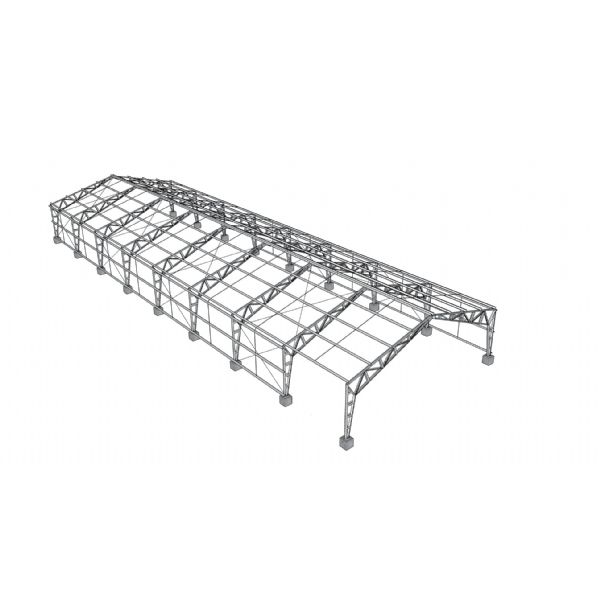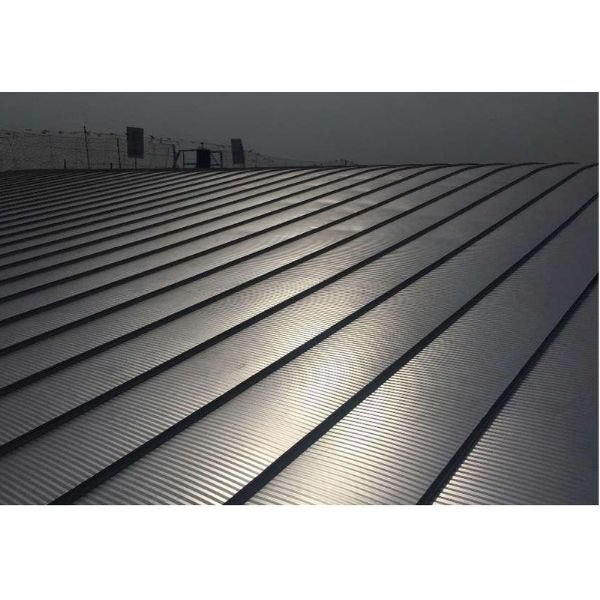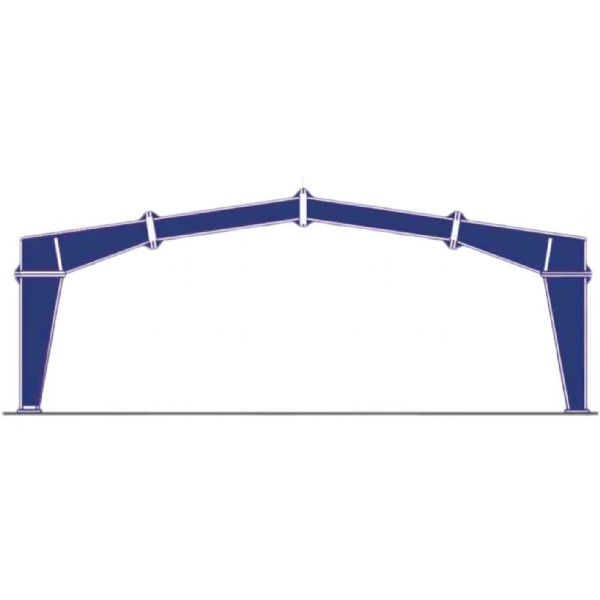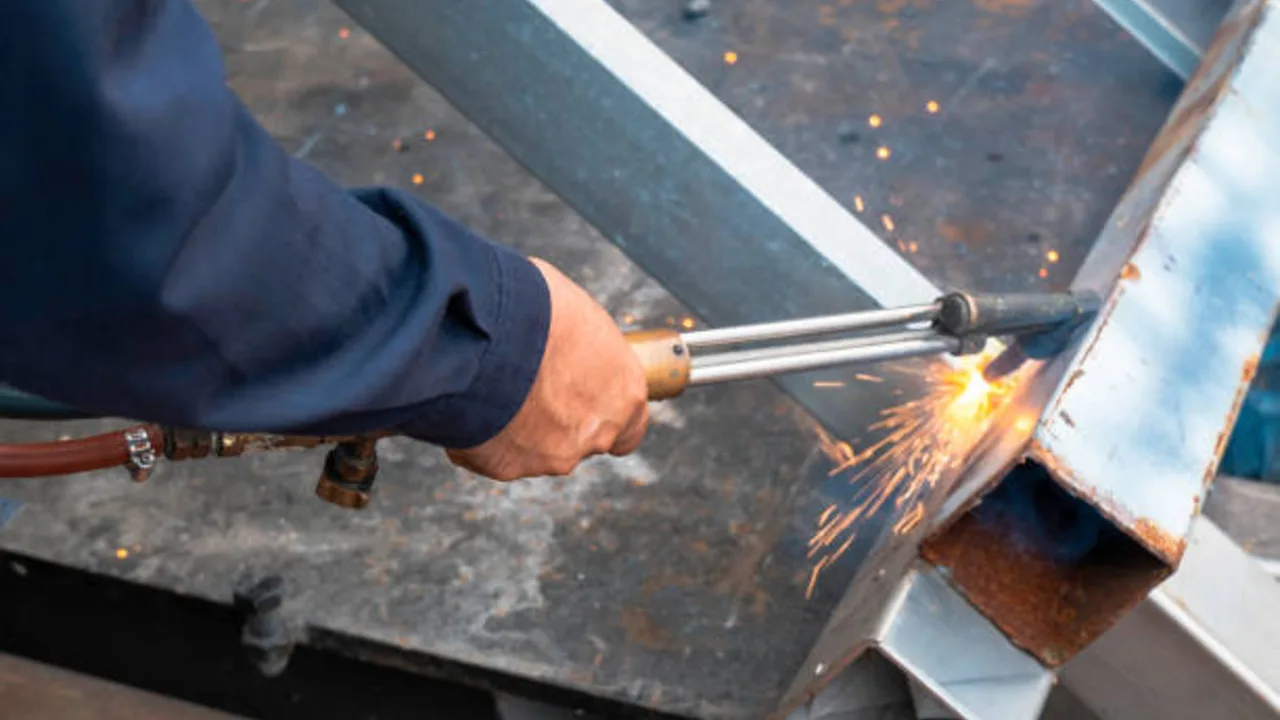
Before a single steel plate is cut or a weld is laid down, a structured engineering evaluation must take place. In modern industrial construction, the steel manufacturer engineering review acts as a technical checkpoint that bridges design intent and fabrication reality. This workflow ensures that drawings are accurate, specifications are aligned, and manufacturing feasibility is fully verified before production begins. Skipping or compressing this process can lead to fabrication errors, costly rework, structural misalignment, and project delays.
For large-scale industrial buildings, logistics hubs, warehouses, and factories, the engineering review phase determines how smoothly fabrication will proceed. It validates structural assumptions, confirms dimensional coordination, and ensures that every connection detail is manufacturable. A disciplined steel manufacturer engineering review protects not only the fabrication stage but also downstream erection efficiency and overall structural safety.
Why Engineering Review Determines Fabrication Success
Steel fabrication is a precision-driven process. Once cutting, drilling, and welding begin, correcting mistakes becomes expensive and time-consuming. That is why the pre-fabrication review is not a formality; it is a risk control system. The steel manufacturer engineering review evaluates structural drawings, material specifications, and interface details to prevent discrepancies between design documentation and workshop execution.
In practice, this review phase verifies load paths, connection logic, dimensional tolerances, and compliance with standards. It also confirms whether the submitted drawings are ready for drawing approval or require technical clarification. When properly executed, the review reduces uncertainty and creates a stable foundation for fabrication planning.
Understanding the Steel Manufacturer Engineering Review Framework
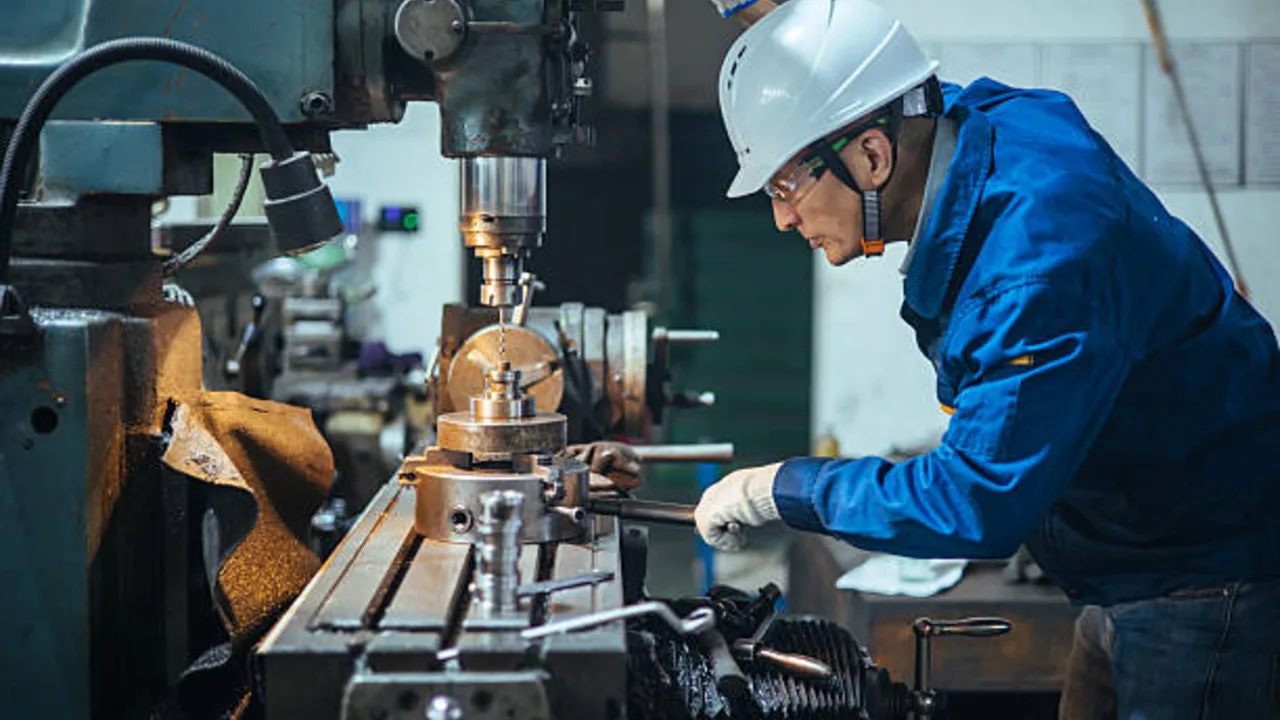
The steel manufacturer engineering review typically follows a structured workflow that includes document intake, technical verification, interdisciplinary coordination, and formal confirmation prior to production release. Unlike general project review meetings, this workflow focuses specifically on manufacturability, structural integrity, and workshop compatibility.
At this stage, the manufacturer’s engineering team analyzes contract drawings, general arrangement layouts, and technical specifications. They assess whether the design assumptions align with actual fabrication capacity and confirm that tolerances can be achieved within workshop limitations. This early intervention ensures that potential issues are addressed before materials enter production lines.
Document Collection and Initial Technical Assessment
Contract Scope and Specification Verification
The review begins by examining contractual documents to clarify scope boundaries and responsibilities. Engineers confirm structural quantities, material grades, coating systems, and applicable codes. Any mismatch between specification and structural drawings must be resolved before progressing toward drawing approval.
This verification step prevents downstream confusion regarding supply responsibilities, surface treatment requirements, or inspection criteria. It also ensures that fabrication drawings will reflect accurate project obligations.
Technical Consistency Checks
Next, engineers compare structural calculations with general arrangement drawings. Column sizes, beam spans, bracing configurations, and connection details are cross-checked for consistency. If inconsistencies are detected, clarification requests are issued before fabrication drawings are finalized.
Through this structured steel manufacturer engineering review, dimensional alignment is validated, and structural stability assumptions are reconfirmed. This stage prevents errors that could otherwise compromise safety or performance.
Shop Drawing Development and Drawing Approval Workflow
From Design Drawings to Fabrication Drawings
Design drawings are often conceptual and may not include every fabrication detail. The manufacturer’s engineering team converts them into shop drawings that specify plate thickness, weld types, bolt diameters, hole spacing, and assembly orientation. Each element must reflect precise dimensions and manufacturing tolerances.
This transformation stage is a critical component of the steel manufacturer engineering review. It ensures that theoretical design intent becomes practical fabrication instruction. The clarity of shop drawings directly affects production accuracy.
Internal Review Before Submission
Before submitting documents for external drawing approval, manufacturers conduct internal multi-level checks. Senior engineers verify load-bearing connections, while production specialists confirm manufacturability. Any adjustment required for welding accessibility, cutting limits, or assembly sequencing is integrated at this stage.
Only after passing internal validation are drawings forwarded for client or consultant drawing approval. Structured revision control ensures that all updates are tracked, preventing outdated versions from reaching the workshop floor.
Structural Validation and Connection Review
An effective steel manufacturer engineering review includes confirmation of structural calculations and connection design. Load combinations, deflection limits, and stability parameters are reviewed against project codes. Engineers verify bolt strength classes, weld sizes, stiffener details, and base plate dimensions.
Connection integrity is especially critical in industrial buildings where heavy equipment loads or crane systems may be involved. Reviewing these details prior to fabrication eliminates costly reinforcement modifications later in the project lifecycle.
Coordination Between Engineering and Workshop Teams
Engineering teams do not operate in isolation. During the steel manufacturer engineering review, close coordination with workshop managers ensures that all components can be manufactured using existing equipment. Cutting bed dimensions, welding position feasibility, and lifting constraints are assessed.
If a structural member exceeds machine capacity, design adjustments are recommended before production release. This proactive approach prevents bottlenecks and ensures efficient material flow through the workshop.
Manufacturability and Production Optimization
Beyond structural accuracy, the review process considers production efficiency. Material nesting strategies are optimized to reduce waste. Welding sequences are aligned with structural stability to avoid distortion. Fabrication batching is coordinated with erection planning to streamline logistics.
These practical considerations form part of a comprehensive steel manufacturer engineering review that integrates engineering precision with operational strategy. By aligning technical validation with production planning, manufacturers improve overall project performance.
Risk Identification Before Fabrication Release
A major objective of the engineering workflow is early risk detection. Potential dimensional clashes, tolerance stacking issues, or misinterpretations in connection detailing are identified and corrected. Early resolution minimizes downstream impact.
Formal drawing approval serves as a milestone confirming that all technical aspects have been validated. Only after this confirmation does the fabrication release proceed.
The Strategic Role of an Experienced Manufacturer
Choosing a qualified steel structure workshop manufacturer ensures that the steel manufacturer engineering review is executed with discipline and technical depth. Experienced teams understand the relationship between structural design, fabrication precision, and erection sequencing.
Quality Control Planning Prior to Fabrication
Once the technical verification stage of the steel manufacturer engineering review is completed, the next step involves establishing a structured quality control plan before fabrication officially starts. This stage translates engineering validation into inspection checkpoints, documentation systems, and measurable quality benchmarks.
Inspection and Test Plans (ITP) are prepared to define welding inspection frequency, dimensional verification methods, coating thickness checks, and material traceability procedures. These documents are aligned with contract specifications and often tied directly to the drawing approval documentation to ensure that approved revisions are the only versions released for manufacturing.
Inspection and Test Plan Development
An effective ITP defines hold points and witness points for client or third-party inspection. Welding procedures are confirmed in accordance with project standards, and welder qualification records are reviewed. Material certificates are checked against approved material lists generated during the steel manufacturer engineering review.
By defining these inspection steps early, manufacturers minimize the risk of non-conformities. Dimensional checks are planned at sub-assembly stages to prevent cumulative tolerance deviations. Each inspection checkpoint is documented to maintain traceability.
Non-Conformance Risk Mitigation
Risk mitigation begins with identifying areas where fabrication errors are most likely to occur. Complex node connections, heavy base plates, and crane beam assemblies often require additional verification layers. During the steel manufacturer engineering review, such areas are flagged for reinforced inspection.
Clear alignment between engineering documentation and workshop instructions ensures that only approved revisions are fabricated. This structured approach strengthens compliance after drawing approval and reduces corrective work.
Digital Tools Supporting Engineering Review
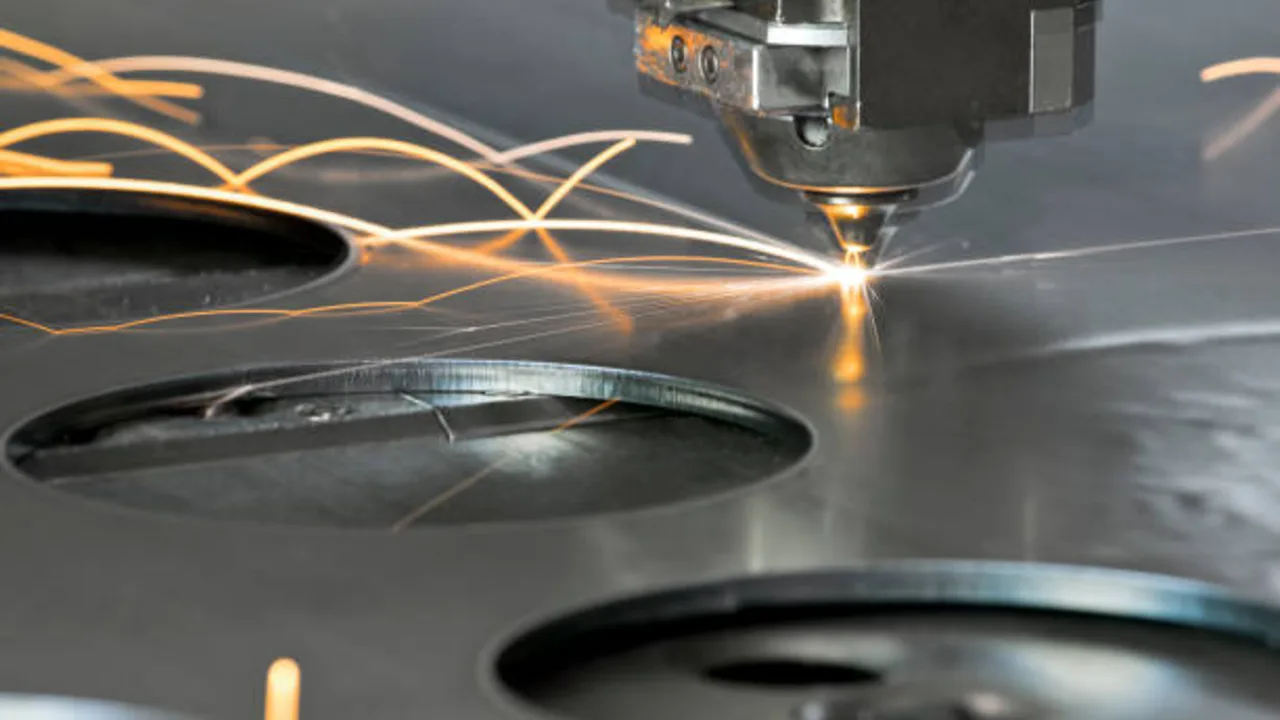
Modern fabrication environments increasingly rely on digital systems to streamline the steel manufacturer engineering review. Building Information Modeling (BIM) platforms allow engineers to simulate assembly sequences, detect clashes, and confirm bolt accessibility before issuing fabrication drawings.
Document management systems maintain version control and ensure that shop floor operators always reference the latest approved drawings. Controlled digital workflows prevent outdated files from entering production, which is especially critical after drawing approval updates.
Model-Based Verification
Three-dimensional modeling enhances clarity during the steel manufacturer engineering review. Engineers can rotate connection details, examine weld positioning, and evaluate erection logic virtually. This reduces ambiguity that might otherwise appear in two-dimensional drawings.
When digital validation is integrated into the review workflow, fabrication accuracy improves significantly. Errors are corrected in the virtual environment rather than in the workshop.
Timeline and Cost Implications of Proper Review
Although the review stage may seem time-consuming, it ultimately accelerates overall project delivery. A disciplined steel manufacturer engineering review reduces rework, prevents material waste, and eliminates production stoppages caused by technical uncertainty.
Projects that rush through drawing approval without adequate verification often face cascading delays. Fabrication interruptions, site modification requests, and structural corrections can multiply costs. Investing time in structured engineering validation protects both schedule and budget.
Common Failures in Pre-Fabrication Engineering Workflow
Incomplete Drawing Approval Cycles
One frequent issue in steel projects is releasing fabrication drawings before completing full drawing approval. Partial confirmation creates ambiguity, leading to mismatched bolt patterns or dimensional inconsistencies.
A comprehensive steel manufacturer engineering review prevents such premature release by requiring formal sign-off before production.
Communication Gaps Between Teams
Engineering and production teams must operate in coordination. When communication gaps arise, workshop constraints may be overlooked. The steel manufacturer engineering review bridges this gap by ensuring that design intent and manufacturing capability remain aligned.
Ignoring Manufacturability Constraints
Designs that ignore cutting bed limits, welding access, or lifting feasibility create unnecessary complications. During review, these factors are evaluated to confirm that fabrication can proceed efficiently without structural compromise.
Integration With Erection Planning
An often overlooked aspect of the steel manufacturer engineering review is its influence on erection sequencing. Fabrication batching, component labeling, and packaging plans are coordinated with installation strategy to streamline on-site assembly.
Proper alignment between engineering validation and erection planning minimizes site confusion and enhances installation speed. This integration demonstrates the broader impact of disciplined pre-fabrication review.
The Strategic Advantage of an Experienced Steel Manufacturer
Selecting a capable steel structure workshop manufacturer ensures that the steel manufacturer engineering review is not treated as a routine checklist but as a strategic technical safeguard. Experienced engineering teams understand structural behavior, production limitations, and erection dynamics.
This depth of knowledge allows the manufacturer to anticipate issues before they materialize. Through structured validation and formal drawing approval management, projects move into fabrication with confidence and clarity.
Engineering Review as a Risk Control System
At its core, the steel manufacturer engineering review functions as a preventive quality system. It ensures that every beam, column, and connection entering the workshop reflects validated structural logic and approved documentation.
By confirming compliance, manufacturability, and structural integrity before fabrication begins, the review phase reduces risk across the entire project lifecycle. It strengthens coordination, enhances transparency after drawing approval, and reinforces trust between manufacturer and client.
Conclusion: Building Precision Before Production
Engineering excellence in steel construction does not start in the workshop—it begins in the review room. A disciplined steel manufacturer engineering review establishes a controlled transition from design intent to physical production. It aligns structural validation, quality planning, and manufacturing feasibility into one integrated workflow.
When supported by structured drawing approval, digital coordination, and cross-team communication, the fabrication stage proceeds with accuracy and efficiency. In competitive industrial markets, this structured approach is not optional—it is essential for delivering reliable steel structures on time and within budget.