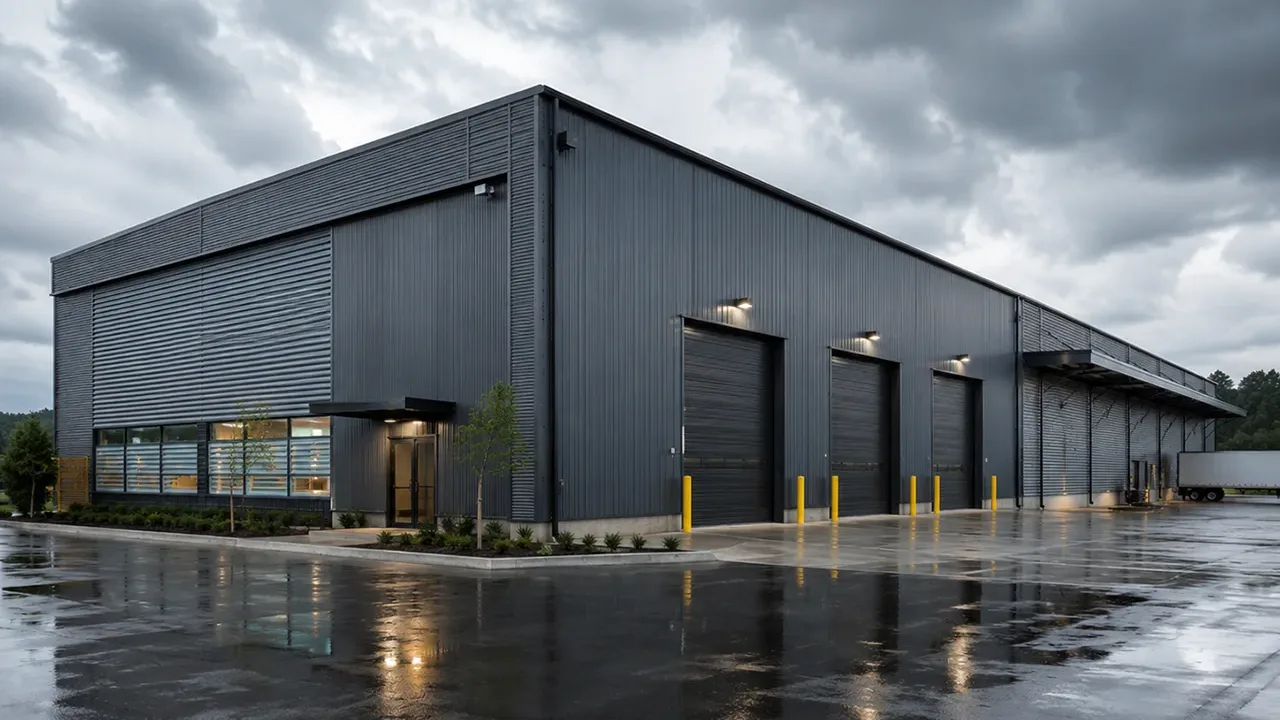
In today’s global construction market, steel structures are no longer confined to domestic supply chains. Large-scale projects increasingly rely on cross-border procurement, where manufacturers are responsible not only for fabrication but for delivering complete solutions. In this context, steel manufacturer export responsibility extends far beyond production—it encompasses engineering coordination, compliance, logistics, and risk management.
Export projects introduce a higher level of complexity due to differences in standards, transportation requirements, and regulatory frameworks. Clients depend on manufacturers to ensure that every stage—from raw material sourcing to final delivery—is executed with precision and accountability.
Rather than acting as simple suppliers, professional manufacturers function as integrated project partners. Their ability to manage export responsibilities effectively determines project success, cost control, and long-term reliability.
What Defines Steel Manufacturer Export Responsibility?
Beyond Fabrication Scope
The role of a steel manufacturer in export projects goes far beyond cutting, welding, and assembly. A comprehensive steel manufacturer export responsibility includes engineering support, documentation management, packaging design, and coordination with logistics providers.
Manufacturers must ensure that fabricated components are not only structurally accurate but also prepared for international transportation and installation conditions. This requires a holistic approach that integrates production with downstream processes.
Role in International Projects
Export projects involve multiple stakeholders across different countries, including designers, contractors, inspection agencies, and logistics partners. Manufacturers must coordinate with all parties to ensure alignment of technical requirements and project timelines.
Differences in codes, standards, and communication practices add complexity. A well-managed steel manufacturer export responsibility ensures that these variables are addressed proactively, minimizing delays and misunderstandings.
Importance of Scope Clarity
One of the most critical factors in export projects is scope clarity. Clearly defining responsibilities between the manufacturer, client, and third parties prevents conflicts and ensures smooth execution.
Scope clarity covers aspects such as engineering responsibilities, inspection requirements, packaging obligations, and delivery terms. Without clear boundaries, even well-planned projects can encounter disputes and inefficiencies.
Core Responsibilities of Steel Manufacturers in Export Projects
Engineering and Design Coordination
Manufacturers play a critical role in bridging the gap between conceptual design and practical execution. In export projects, engineering coordination is not limited to reviewing drawings—it involves actively adapting design data to ensure manufacturability, transport feasibility, and installation efficiency.
This process includes validating structural drawings, optimizing connection details, checking tolerances, and identifying constructability risks before fabrication begins. Even minor design inconsistencies can lead to major production delays when dealing with international shipments, where rework is significantly more costly.
A strong steel manufacturer export responsibility framework requires continuous interaction between the manufacturer’s engineering team and the client’s design consultants. This ensures that all technical specifications—such as load requirements, material grades, and connection standards—are fully aligned and correctly implemented.
In advanced projects, manufacturers also contribute value engineering solutions, improving efficiency without compromising structural integrity. This proactive involvement reduces risk, shortens timelines, and enhances overall project performance.
Material Procurement and Compliance
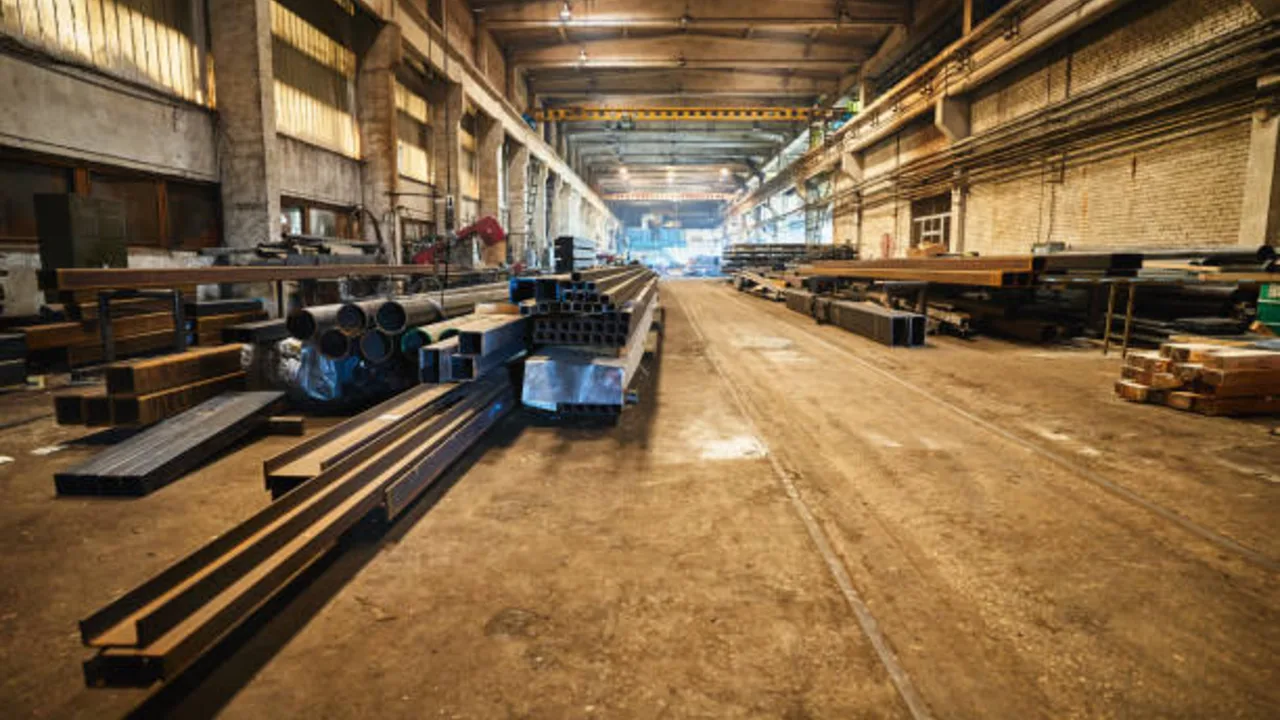
Material procurement is one of the most sensitive aspects of export projects. Unlike local supply chains, export manufacturing must strictly comply with international standards, client specifications, and sometimes country-specific regulations.
Manufacturers must source materials that meet precise mechanical and chemical requirements, ensuring compatibility with structural design expectations. This includes verifying mill sources, checking production batches, and ensuring full traceability throughout the supply chain.
As part of steel manufacturer export responsibility, manufacturers must rigorously review Material Test Certificates (MTCs), confirm heat numbers, and maintain traceability records that link each component back to its original material source.
Additionally, compliance does not stop at material properties. Manufacturers must ensure that materials meet applicable international codes such as ASTM, EN, or ISO standards, depending on project requirements.
Failure in material compliance can result in rejection during inspection or even project shutdown, making this responsibility both critical and high-risk.
Fabrication and Quality Control
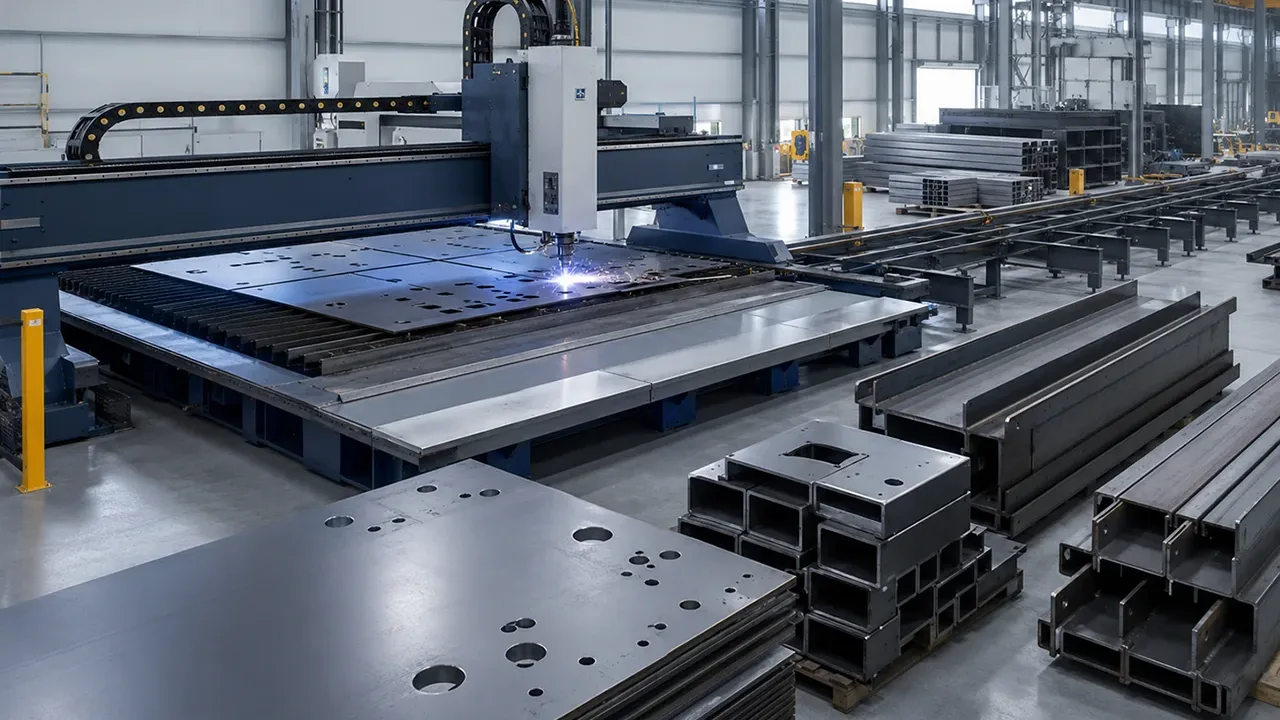
Fabrication is the stage where engineering intent is transformed into physical structures, and it demands strict control over every process. Manufacturers must ensure that all fabrication activities follow approved procedures, including cutting, welding, assembly, and finishing.
A key component of steel manufacturer export responsibility is maintaining a robust quality management system that integrates both internal QA/QC processes and external inspection requirements.
This includes:
- Adherence to qualified Welding Procedure Specifications (WPS)
- Monitoring welder certifications and performance
- Ensuring dimensional accuracy through inspection checkpoints
- Conducting Non-Destructive Testing (NDT) where required
Quality control must be proactive rather than reactive. Identifying defects early in the fabrication stage prevents costly rework, especially in export scenarios where corrections after shipment are extremely difficult.
Manufacturers must also coordinate with third-party inspectors to ensure compliance with project inspection plans, further reinforcing quality assurance throughout the process.
Packaging and Export Preparation
Packaging in export projects is far more complex than domestic delivery. Steel components must withstand long transit durations, multiple handling stages, and varying environmental conditions such as humidity, salt exposure, and temperature fluctuations.
Proper packaging design is a critical element of steel manufacturer export responsibility. It must consider:
- Structural protection against deformation or impact
- Corrosion prevention through coatings or wrapping
- Efficient loading and unloading processes
- Clear labeling and identification for tracking
Each component must be packaged according to its size, weight, and transportation method (containerized shipping, break bulk, or flat rack). Improper packaging can lead to physical damage, misplacement, or delays during customs clearance.
In large-scale projects, packaging planning is integrated with logistics strategy, ensuring that components arrive in the correct sequence for installation. This reduces site handling complexity and improves construction efficiency.
Documentation and Certification
Documentation is the backbone of any export project. Without accurate and complete documentation, even perfectly fabricated products can face delays, rejection, or legal complications.
As part of steel manufacturer export responsibility, manufacturers must prepare, verify, and manage a comprehensive set of documents, including:
- Material Test Certificates (MTC)
- Inspection and test reports
- Welding records and NDT reports
- Packing lists and commercial invoices
- Certificates of compliance and origin
Each document must be consistent, traceable, and aligned with both contractual obligations and regulatory requirements. Even minor discrepancies—such as mismatched quantities or incorrect references—can cause significant delays in customs clearance or inspection approval.
In addition, manufacturers must ensure that documentation is properly organized and accessible for stakeholders, including clients, inspectors, and logistics providers.
Advanced manufacturers implement digital documentation systems to improve accuracy, streamline approvals, and maintain real-time visibility. This enhances transparency and ensures that all parties operate with reliable and up-to-date information.
Export Documentation and Compliance Requirements
Key Export Documents
Export projects require a comprehensive set of documents to ensure smooth customs clearance and project execution. These typically include:
- Material Test Certificates (MTC)
- Packing lists and commercial invoices
- Inspection and quality reports
- Certificates of compliance
Each document must be accurate and properly formatted to meet both client and regulatory expectations.
International Standards Compliance
Manufacturers must comply with a range of international standards depending on the project location. These may include ISO quality systems, AWS welding standards, and EN structural codes.
Ensuring compliance with these standards is a core part of steel manufacturer export responsibility, as it directly affects project approval and acceptance.
Customs and Regulatory Alignment
Exported steel components must comply with the import regulations of the destination country. This includes documentation requirements, labeling standards, and certification processes.
Failure to meet regulatory requirements can result in shipment delays, penalties, or rejection at customs.
Logistics and Delivery Responsibilities
Packing Standards for Steel Structures
Packing standards must ensure that steel components are protected during transportation and handling. This includes proper bundling, labeling, and use of protective materials.
Manufacturers must consider factors such as loading conditions, shipping duration, and environmental exposure.
Shipping Coordination
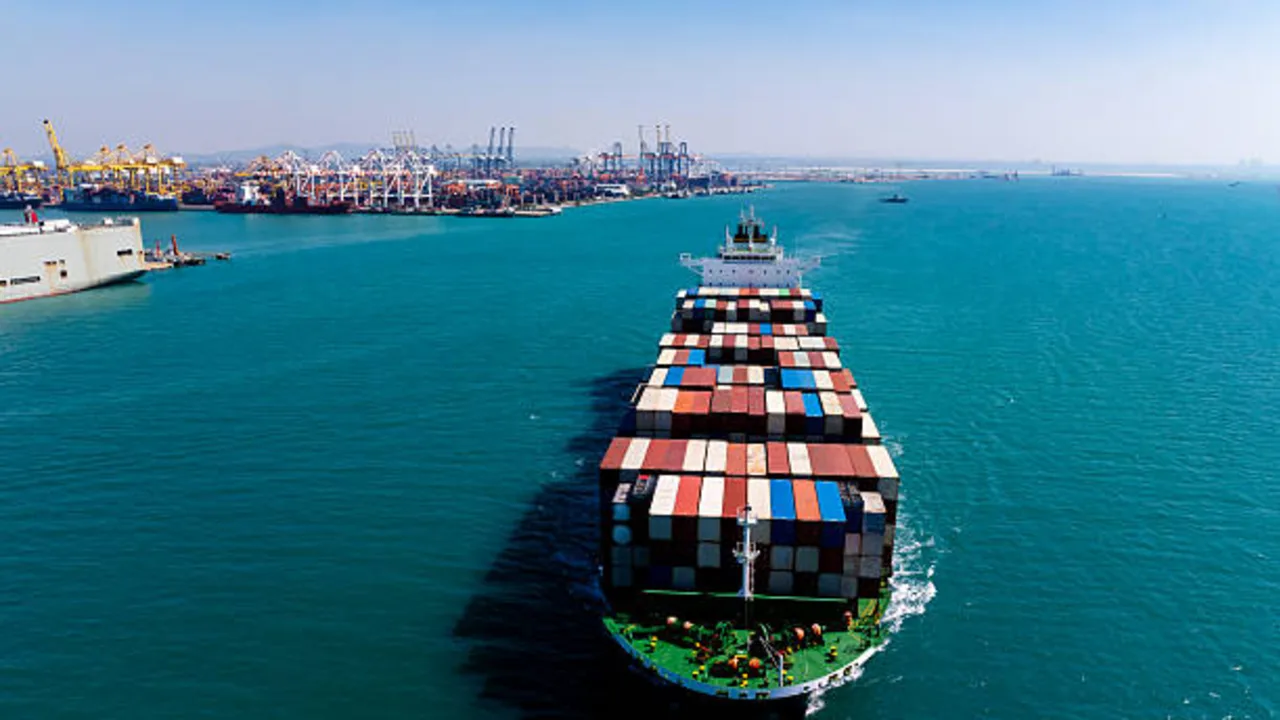
Coordinating shipping schedules is a critical part of export projects. Manufacturers must work closely with logistics providers to ensure timely delivery and proper handling of goods.
Any delay in shipping can disrupt project timelines and affect overall performance.
Incoterms Responsibilities
Incoterms define the division of responsibilities between buyers and sellers in international trade. Common terms include FOB, CIF, and DDP.
Understanding these terms is essential for defining the scope of steel manufacturer export responsibility and ensuring that all parties are aligned.
Risk Management in Transport
Transporting steel structures involves risks such as damage, delays, and logistical challenges. Manufacturers must implement risk mitigation strategies, including proper packaging, insurance, and contingency planning.
Effective risk management ensures that products arrive safely and on schedule.
Importance of Scope Clarity in Export Projects
Defining Responsibilities Between Parties
In export projects, one of the most common sources of conflict is unclear responsibility allocation. A well-defined steel manufacturer export responsibility framework ensures that every party understands its role from the beginning.
This includes distinguishing who is responsible for engineering revisions, inspection coordination, packaging standards, shipping arrangements, and on-site support. Without clearly assigned roles, tasks can be duplicated, delayed, or entirely overlooked.
Avoiding Miscommunication
International projects often involve language differences, cultural variations, and multiple communication channels. These factors increase the risk of misinterpretation, especially when technical requirements are not clearly documented.
Strong scope clarity helps eliminate ambiguity by establishing a shared understanding of expectations. Detailed documentation, structured communication protocols, and clear approval processes all contribute to minimizing miscommunication.
Contractual Scope Definition
Contracts serve as the foundation of export project execution. A clearly defined contractual scope outlines deliverables, responsibilities, timelines, and acceptance criteria.
For manufacturers, aligning internal operations with contractual obligations is a key part of steel manufacturer export responsibility. Any deviation from agreed terms can lead to disputes, financial loss, or reputational damage.
Managing Client Expectations
Clients often have specific expectations regarding delivery timelines, documentation, and product quality. Without proper scope definition, these expectations may not align with actual capabilities or responsibilities.
Manufacturers must communicate proactively to ensure that expectations are realistic and achievable. This not only improves project outcomes but also strengthens long-term client relationships.
Common Challenges in Steel Export Projects
Misaligned Specifications
One of the most frequent challenges in export projects is the mismatch between design specifications and manufacturing capabilities. Differences in standards, assumptions, or interpretation can result in inconsistencies that affect production.
Addressing these issues requires early-stage coordination and continuous verification throughout the project lifecycle.
Documentation Errors
Export documentation must be accurate and consistent across all formats. Errors in material certificates, packing lists, or compliance documents can lead to delays at customs or rejection by inspectors.
Maintaining strict document control is an essential aspect of steel manufacturer export responsibility.
Shipping Delays
Logistical challenges such as port congestion, transportation disruptions, and scheduling conflicts can delay deliveries. These delays can have a cascading effect on project timelines.
Manufacturers must anticipate potential disruptions and develop contingency plans to mitigate risks.
Regulatory Issues
Each country has its own import regulations, certification requirements, and inspection procedures. Failure to comply with these requirements can result in shipment rejection or legal complications.
Understanding and aligning with regulatory frameworks is critical for successful export execution.
How Professional Manufacturers Manage Export Projects
Integrated Project Management Systems
Leading manufacturers implement integrated project management systems that connect engineering, production, quality control, and logistics. These systems provide visibility across all stages of the project.
This integration ensures that steel manufacturer export responsibility is managed consistently and efficiently.
Cross-Department Coordination
Export projects require seamless coordination between departments. Engineering teams must align with production schedules, while quality control must ensure compliance with inspection requirements.
Effective coordination minimizes errors and ensures that all activities are synchronized.
Digital Tracking and Documentation
Digital tools play a critical role in managing complex export projects. Document management systems, tracking platforms, and real-time communication tools improve accuracy and transparency.
These systems reduce the risk of human error and ensure that all stakeholders have access to updated information.
Continuous Communication with Clients
Regular communication with clients is essential for maintaining alignment. Updates on production progress, inspection status, and shipping schedules help build trust and prevent misunderstandings.
Professional manufacturers treat communication as an ongoing responsibility rather than a one-time activity.
For companies operating globally, working with a prefab steel structure manufacturer in china with proven export experience can significantly reduce project risks and improve execution efficiency.
Real Project Perspective: Exporting Large Steel Structures
In real-world export projects, responsibilities extend across multiple stages and stakeholders. A typical workflow begins with engineering coordination, followed by material procurement, fabrication, inspection, and final delivery.
Each stage requires careful planning and coordination to ensure alignment with project requirements. For example, fabrication must be synchronized with inspection schedules, while packaging must be designed according to transportation methods.
During shipping, manufacturers must coordinate with logistics providers to ensure timely delivery and proper handling. Upon arrival, documentation must be complete to facilitate smooth customs clearance.
This end-to-end process highlights the importance of a well-managed steel manufacturer export responsibility framework.
Best Practices for Managing Steel Export Responsibilities
Define Scope Clearly from the Start
Establishing clear responsibilities at the beginning of the project reduces confusion and prevents disputes. A well-defined scope ensures that all parties understand their roles and obligations.
Standardize Documentation Processes
Standardized documentation improves consistency and reduces errors. Manufacturers should implement structured document control systems to manage all project records.
Align with International Standards
Compliance with international standards ensures that products meet global requirements. This alignment simplifies inspections and improves acceptance rates.
Maintain Transparent Communication
Open and consistent communication helps build trust and ensures alignment throughout the project lifecycle. Regular updates and clear reporting are essential.
Implement Risk Control Measures
Risk management should be integrated into every stage of the project. Identifying potential risks early and implementing mitigation strategies reduces the likelihood of disruptions.
Conclusion: Export Responsibility as a Competitive Advantage
In global construction markets, steel manufacturer export responsibility is more than a requirement—it is a competitive advantage. Manufacturers that can manage engineering, compliance, logistics, and communication effectively are better positioned to deliver successful projects.
By establishing clear processes, maintaining high standards, and prioritizing coordination, manufacturers can enhance reliability, reduce risks, and build long-term partnerships with clients worldwide.