In global construction and industrial projects, selecting the right manufacturer is often treated as a straightforward process—compare prices, review capacity, check certifications, and move forward. However, experienced buyers understand that the most critical risks are rarely visible in standard evaluations. The real difference between a successful project and a problematic one often lies in steel manufacturer hidden decision factors that are not immediately obvious during procurement.
These hidden factors do not appear in quotations or marketing presentations. They exist in internal processes, communication structures, engineering depth, and execution discipline. When overlooked, they can lead to delays, cost overruns, quality issues, and contractual disputes that are far more expensive than any initial price difference.
For international buyers working with a steel structure manufacturer, identifying these overlooked decision points is not just a procurement advantage—it is a risk management necessity. Understanding what happens beyond the surface level allows buyers to make informed decisions that protect both project timelines and long-term financial outcomes.
Why Standard Evaluation Criteria Are Not Enough
The Limits of Price and Production Capacity Comparisons
Price remains one of the most dominant decision drivers in supplier selection. While cost efficiency is important, it often creates a narrow evaluation framework that ignores deeper operational realities. A manufacturer offering the lowest price may be compensating through reduced quality control, weaker documentation processes, or reliance on subcontracted production.
Similarly, production capacity is frequently misunderstood. A factory may present large-scale capabilities, but without insight into workflow organization, scheduling discipline, and resource allocation, capacity alone does not guarantee reliable delivery.
Buyers who focus only on cost and output often miss the steel manufacturer hidden decision factors that ultimately determine execution performance.
Misleading Signals in Certifications and Portfolios
Certifications such as ISO standards are widely used as indicators of quality and compliance. However, these certifications represent baseline requirements rather than proof of operational excellence. Many manufacturers meet certification standards without maintaining consistent internal discipline across all projects.
Project portfolios can also be misleading. Images of completed projects or lists of past clients do not always reflect the manufacturer’s actual scope of involvement. In some cases, manufacturers may have played only a partial role, such as fabrication without engineering responsibility.
Without deeper verification, buyers risk making decisions based on incomplete or misinterpreted information.
The Gap Between Sales Presentation and Execution Reality
One of the most overlooked aspects of supplier selection is the difference between what is presented during the sales phase and what happens during project execution. Sales teams are typically focused on securing contracts, often emphasizing strengths while downplaying limitations.
Execution teams, on the other hand, deal with real-world constraints such as production bottlenecks, technical challenges, and coordination issues. If there is a disconnect between these two functions, project performance can suffer.
Recognizing this gap is essential to uncovering steel manufacturer hidden decision factors that influence project outcomes.
Steel Manufacturer Hidden Decision Factors in Real Projects
Engineering Depth vs Superficial Design Capability
Engineering capability is one of the most critical yet misunderstood evaluation areas. Some manufacturers provide basic design support, while others offer full engineering integration, including structural optimization, connection detailing, and compliance verification.
Superficial design capabilities may appear sufficient during early discussions, but they often lead to issues during fabrication and installation. In contrast, manufacturers with strong engineering depth can proactively identify risks and optimize designs before production begins.
This distinction represents a key steel manufacturer hidden decision factor that directly impacts project efficiency and cost control.
Internal QA/QC Maturity Beyond Certifications
Quality assurance and quality control systems vary significantly between manufacturers. While many companies hold certifications, the maturity of their QA/QC processes is determined by how consistently they are implemented.
Advanced manufacturers maintain strict inspection protocols, real-time quality tracking, and detailed reporting systems. Less mature operations may rely on reactive quality checks rather than proactive control.
This difference becomes evident only during project execution, making it one of the most critical hidden decision factors for buyers.
Documentation Discipline and Traceability Systems
Documentation is often underestimated during supplier selection, yet it plays a central role in compliance, inspection, and dispute resolution. Manufacturers with strong documentation systems provide clear traceability for materials, welding procedures, and inspection results.
In contrast, weak documentation practices can create confusion, delay approvals, and complicate project coordination. In international projects, where multiple stakeholders rely on accurate records, this issue becomes even more critical.
Well-structured documentation systems are a defining element of reliable manufacturing performance.
Communication Structure in International Projects
Communication is a hidden operational factor that significantly influences project success. Time zone differences, language barriers, and coordination complexity require structured communication processes.
Manufacturers with dedicated project management teams, clear reporting systems, and defined communication channels are better equipped to handle international projects. Those without structured communication often experience delays, misunderstandings, and coordination breakdowns.
For global buyers, communication capability is not a soft skill—it is a measurable performance factor tied to project outcomes.
Hidden Risks in Contract and Scope Interpretation
Ambiguity in Scope Definition
One of the most common sources of project failure is unclear scope definition. Even when contracts appear comprehensive, small ambiguities can create major gaps in responsibility. These gaps often surface only during execution, when different parties interpret obligations differently.
For example, assumptions about connection detailing, temporary works, or on-site adjustments may not be explicitly stated. When these elements are overlooked, disputes arise over who is responsible, leading to delays and additional costs.
This is a critical area where steel manufacturer hidden decision factors directly influence contractual outcomes.
Misalignment in Responsibility Boundaries
In many projects, the boundaries between engineering, fabrication, and installation are not clearly aligned. Buyers may assume that a manufacturer will handle certain technical aspects, while the manufacturer assumes those responsibilities lie elsewhere.
This misalignment creates operational friction and increases the risk of rework or redesign. It also exposes both parties to unexpected liabilities that were not anticipated during contract negotiation.
Clear responsibility mapping is essential to avoid these hidden risks.
Unrealistic Assumptions in Delivery Timelines
Delivery schedules are often based on optimistic assumptions rather than realistic production conditions. Buyers may accept aggressive timelines without verifying the manufacturer’s actual workflow capacity, material availability, or inspection requirements.
When delays occur, the impact extends beyond production—affecting logistics, site readiness, and overall project sequencing. These cascading effects highlight the importance of evaluating hidden operational constraints before finalizing agreements.
Overlooked Liability Exposure
Liability clauses are frequently reviewed at a high level but not fully analyzed in terms of real project impact. Buyers may overlook how responsibility is limited, excluded, or transferred under specific conditions.
Understanding liability exposure requires more than reading contract terms—it requires aligning those terms with actual execution scenarios. This is another area where steel manufacturer hidden decision factors play a decisive role.
Due Diligence Gaps That Lead to Costly Mistakes
Incomplete Factory Audits
Factory visits are a common part of supplier evaluation, but many audits remain superficial. Buyers often focus on visible infrastructure while missing deeper process-level insights such as workflow efficiency, quality control consistency, and production planning systems.
A comprehensive audit should go beyond facilities and examine how operations are managed on a day-to-day basis.
Ignoring Subcontracting Risks
Many manufacturers rely on subcontractors for certain production stages, yet this is not always clearly disclosed. Without visibility into subcontracting practices, buyers may unknowingly accept additional risks related to quality control, scheduling, and accountability.
Understanding the full supply chain structure is essential to avoid unexpected performance issues.
Lack of Verification on Past Project Performance
Past project experience is often presented as a strength, but rarely verified in detail. Buyers may not investigate whether projects were delivered on time, within budget, or according to specifications.
Direct validation of performance history provides more reliable insight than marketing materials or reference lists.
Over-Reliance on Third-Party Certifications
Third-party certifications provide a baseline level of assurance, but they should not replace independent evaluation. Certifications confirm compliance with standards, not the consistency of execution across projects.
Relying solely on certifications creates blind spots in the decision-making process.
Operational Factors Buyers Rarely Evaluate
Production Workflow Transparency
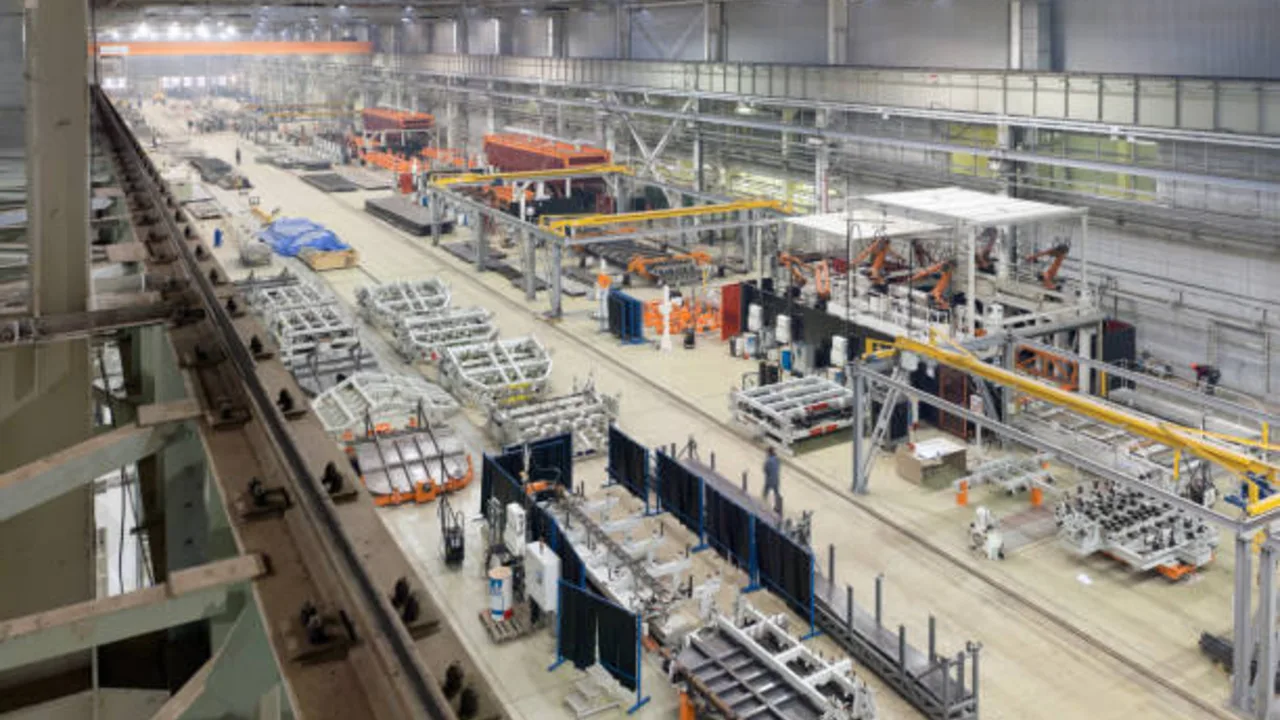
Understanding how a manufacturer organizes its production workflow is essential for assessing reliability. Transparent workflows allow buyers to anticipate potential bottlenecks and evaluate scheduling accuracy.
Without this visibility, production delays may come as a surprise.
Material Sourcing Stability
Material availability is a critical factor in steel manufacturing, yet it is often overlooked. Fluctuations in supply chains can affect both cost and delivery timelines.
Manufacturers with stable sourcing strategies are better positioned to maintain consistency under changing market conditions.
Fabrication Standard Consistency
Consistency in fabrication standards ensures that all components meet the same quality level. Variations in workmanship, even within the same factory, can lead to alignment issues during installation.
Evaluating process consistency is therefore more important than reviewing isolated examples of quality.
Logistics Coordination Capability
Logistics is often treated as a separate function, but in reality, it is closely tied to manufacturing performance. Poor coordination between production and shipping can result in delays, damaged goods, or inefficient delivery sequences.
Strong logistics integration is a key indicator of overall operational maturity.
Case-Based Insight: When Hidden Factors Cause Project Failure
In one typical international project scenario, a buyer selected a manufacturer based on competitive pricing and apparent production capacity. Initial evaluations appeared satisfactory, with certifications and project references supporting the decision.
However, during execution, several hidden issues emerged. Communication delays led to misinterpretation of drawings, inconsistent documentation caused approval bottlenecks, and subcontracted components failed to meet quality expectations.
The result was a chain reaction of delays, rework, and increased costs—far exceeding the initial savings. This example highlights how steel manufacturer hidden decision factors can directly impact project success when not properly evaluated.
How Professional Buyers Evaluate Manufacturers Differently
Multi-Layer Evaluation Approach
Experienced buyers go beyond surface-level checks by evaluating manufacturers across multiple dimensions, including technical capability, operational systems, and risk management practices.
Technical, Commercial, and Operational Alignment
Rather than treating these areas separately, professional buyers assess how they interact. A manufacturer may be strong technically but weak operationally, creating imbalance in project execution.
Risk-Based Supplier Selection Mindset
Leading buyers prioritize risk visibility over short-term cost savings. They recognize that long-term project performance depends on identifying and managing hidden risks early in the decision process.
Best Practices to Identify Steel Manufacturer Hidden Decision Factors
- Validate scope definitions in detail before contract finalization
- Conduct deep technical and operational audits, not just facility reviews
- Assess QA/QC systems based on implementation, not certifications alone
- Align contract terms with real execution scenarios and risk exposure
- Test communication responsiveness before project kickoff
Applying these practices allows buyers to uncover steel manufacturer hidden decision factors that would otherwise remain invisible until problems arise.
Conclusion: Turning Hidden Factors into Strategic Advantage
Choosing the right manufacturer is not just about comparing visible metrics—it is about understanding what lies beneath them. The ability to identify and evaluate steel manufacturer hidden decision factors separates reactive buyers from strategic decision-makers.
Companies that invest in deeper due diligence, structured evaluation, and risk-aware procurement are better positioned to deliver successful projects with fewer disruptions and stronger financial outcomes.
For organizations seeking reliable long-term partners, working with an experienced steel structure manufacturer ensures that both technical execution and hidden risk factors are properly managed from the start.
Ultimately, the goal is not just to avoid problems, but to build a procurement strategy that turns hidden risks into measurable advantages.