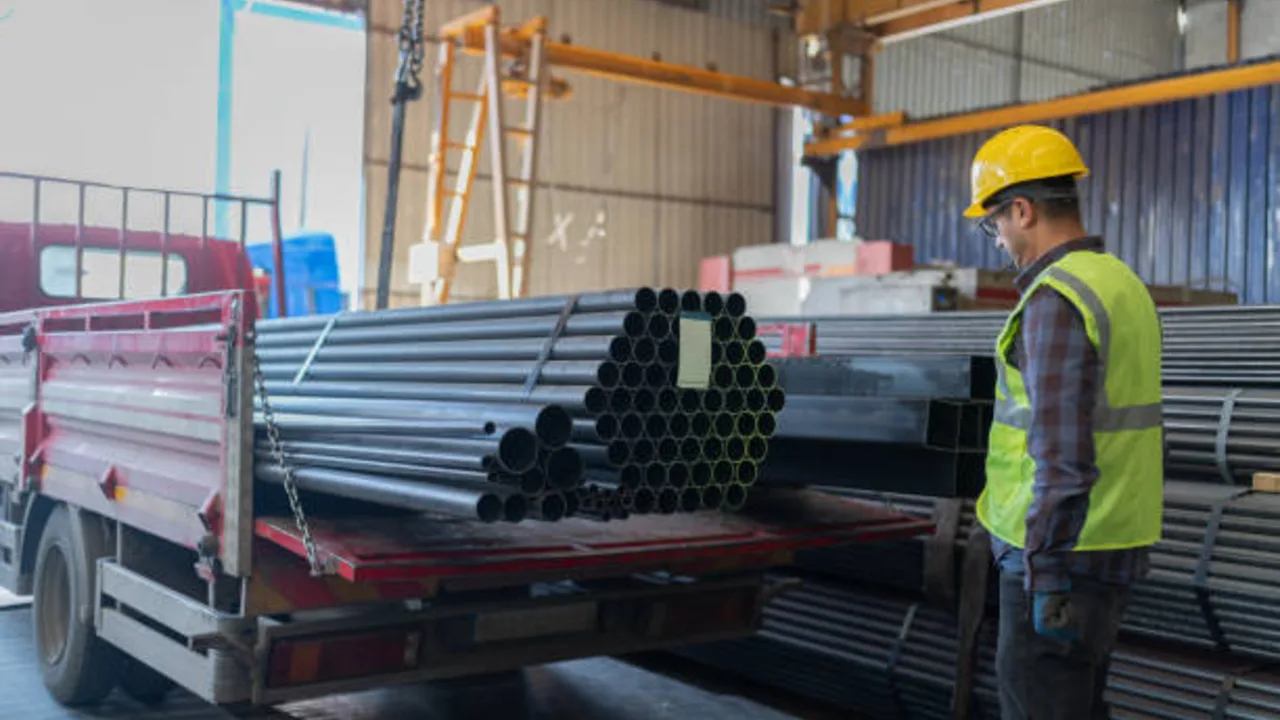
In global construction and industrial projects, supplier selection goes far beyond price and technical capability. One factor that consistently determines project success is steel manufacturer long term stability. Without a stable manufacturing partner, even well-planned projects can face disruptions, delays, and unexpected cost escalation.
Steel structures are rarely delivered in a single phase. Large-scale developments often span months or even years, requiring consistent supply, predictable quality, and reliable coordination. In this context, stability is not a secondary consideration—it is a foundational requirement for risk control and execution certainty.
For project owners, EPC contractors, and developers, understanding how to assess and secure steel manufacturer long term stability is critical to maintaining continuity across engineering, fabrication, logistics, and installation stages.
What Defines Steel Manufacturer Long Term Stability
The concept of stability in steel manufacturing is multi-dimensional. It is not limited to financial strength alone but extends across operational systems, technical processes, and organizational consistency.
Financial Strength and Sustainability
A stable manufacturer must have the financial capacity to sustain operations across long project cycles. This includes maintaining working capital, absorbing raw material price fluctuations, and continuing production even under changing market conditions.
Manufacturers with weak financial foundations may struggle to maintain supply continuity, especially during periods of volatility. This directly impacts steel manufacturer long term stability, as financial disruptions often translate into production delays or contract risks.
Operational Consistency
Beyond finances, stability is reflected in operational discipline. This includes consistent production capacity, well-maintained equipment, and standardized workflows.
Factories that rely on irregular outsourcing or lack structured production systems are more vulnerable to inconsistency. In contrast, manufacturers with integrated operations can ensure repeatable output quality and predictable timelines.
Technical Continuity
Engineering standards, fabrication processes, and QA/QC systems must remain consistent over time. Technical instability—such as frequent changes in procedures or lack of standardization—can lead to variations in product quality.
Maintaining technical continuity ensures that every batch of production aligns with the same specifications, reinforcing steel manufacturer long term stability across the entire project lifecycle.
Why Long-Term Stability Matters in Global Steel Projects
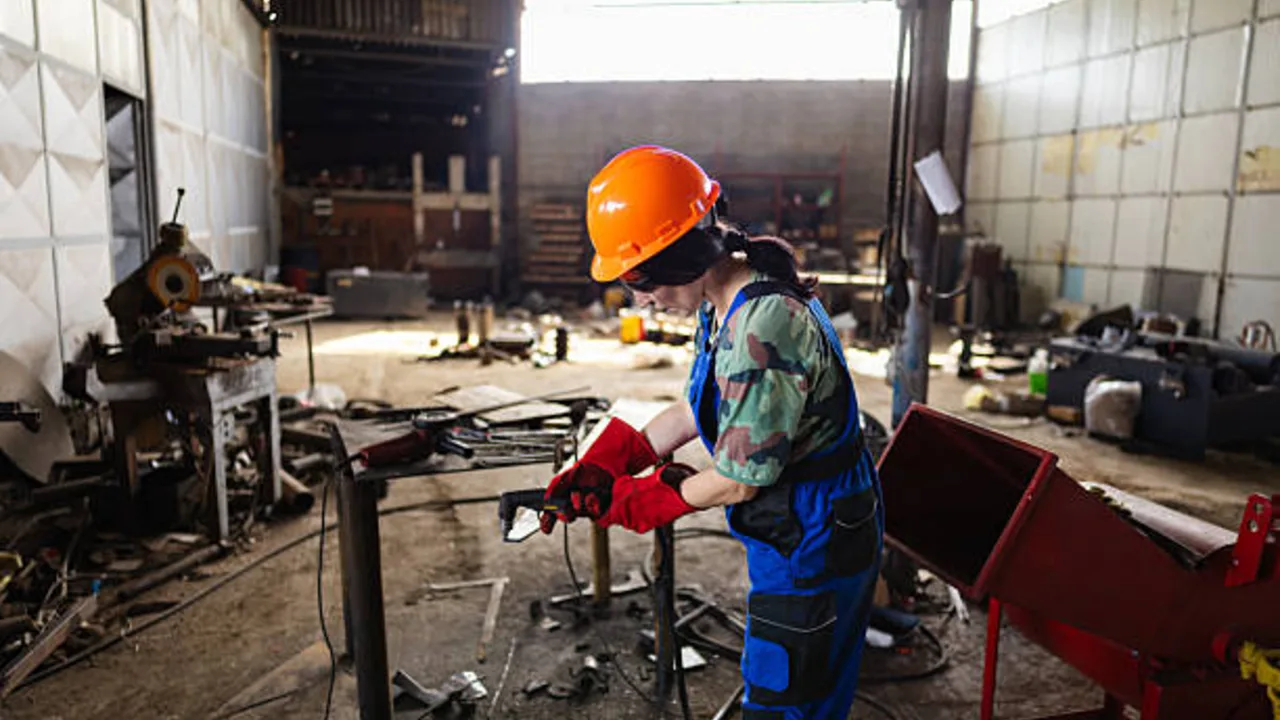
In international projects, the importance of supplier stability becomes even more pronounced. Cross-border logistics, regulatory requirements, and multi-phase construction schedules amplify the risks associated with unstable suppliers.
Multi-Year Project Timelines
Large infrastructure and industrial projects often extend over long durations. During this time, manufacturers must consistently deliver materials that meet both technical and scheduling requirements.
If a supplier cannot maintain continuity, project timelines may be disrupted, leading to cascading delays across multiple phases.
Supply Chain Reliability
Steel manufacturing depends heavily on upstream supply chains, including raw materials, components, and logistics networks. Instability in any of these areas can affect production output.
A manufacturer with strong supply chain control contributes significantly to steel manufacturer long term stability, ensuring that external disruptions are minimized.
Cost and Compliance Impact
Supplier instability often results in hidden costs. These may include rework, expedited shipping, contract penalties, or compliance failures.
Stable manufacturers, on the other hand, provide predictable performance, reducing financial uncertainty and supporting smoother project execution.
Key Risk Factors That Affect Supplier Stability
Even experienced manufacturers can face risks that impact long-term stability. Identifying these risks early allows project stakeholders to make informed decisions.
Financial Volatility
Market fluctuations, currency risks, and changes in raw material prices can affect a manufacturer’s financial health. Companies without strong financial management may struggle to absorb these pressures.
Supply Chain Dependency
Over-reliance on a limited number of suppliers or regions increases vulnerability. Disruptions in logistics or material sourcing can quickly affect production schedules.
Workforce and Skill Retention
Skilled labor plays a critical role in steel fabrication. High turnover rates or lack of experienced personnel can lead to inconsistencies in production quality.
Regulatory and Export Constraints
Changes in trade policies, export regulations, or certification requirements can also impact a manufacturer’s ability to deliver consistently.
Understanding these risk factors helps reinforce steel manufacturer long term stability by enabling proactive mitigation strategies rather than reactive problem-solving.
How to Evaluate a Steel Manufacturer’s Stability
Assessing steel manufacturer long term stability requires more than reviewing basic company credentials. A structured evaluation should combine operational evidence, project history, and system transparency.
Project Portfolio and Track Record
A manufacturer’s past projects provide clear insight into its ability to sustain long-term commitments. Consistent delivery across multiple large-scale projects indicates strong internal systems and reliable execution capacity.
Look for diversity in project types, geographic reach, and repeat clients. These factors reflect not only capability but also long-term trust in the manufacturer’s performance.
Export Experience and Global Capability
Manufacturers involved in international projects must demonstrate familiarity with export documentation, compliance standards, and cross-border logistics.
Experience in global delivery environments strengthens steel manufacturer long term stability, as it shows the ability to operate under complex regulatory and logistical conditions.
Certification and Compliance Systems
Recognized certifications such as ISO standards, welding qualifications, and inspection protocols are essential indicators of structured operations.
These systems ensure that production quality and documentation remain consistent, reducing the likelihood of deviations during long project cycles.
Documentation and Process Transparency
Reliable manufacturers maintain clear documentation across engineering, fabrication, inspection, and delivery stages. This transparency allows stakeholders to track progress and verify compliance at any point.
Strong documentation practices directly support steel manufacturer long term stability by minimizing uncertainty and improving accountability.
Real-World Scenario: Stability vs Disruption
Consider two parallel projects with similar scope and timelines. In one case, the supplier operates with structured systems, consistent workforce, and stable financial backing. In the other, the supplier relies on fragmented outsourcing and reactive management.
The stable manufacturer delivers components on schedule, maintains uniform quality, and adapts to minor project changes without disruption. Coordination between engineering, production, and logistics remains aligned throughout the process.
In contrast, the unstable supplier experiences delays in material sourcing, inconsistencies in fabrication, and misalignment between project phases. These issues lead to rework, extended timelines, and contractual disputes.
This comparison highlights how steel manufacturer long term stability directly influences not only operational performance but also overall project risk exposure.
Systems That Ensure Long-Term Manufacturing Stability
Behind every stable manufacturer is a set of integrated systems that support consistent execution. These systems are not isolated—they function as a coordinated framework.
Standardized Production Systems
Structured production workflows ensure repeatability. From material preparation to final assembly, standardized processes reduce variability and improve efficiency.
QA/QC Integration
Quality assurance and quality control systems must be embedded at every stage of production. Continuous inspection prevents defects from progressing and ensures compliance with specifications.
Digital Documentation and Traceability
Modern manufacturers rely on digital platforms to manage documentation, track production status, and maintain traceability. This enables real-time visibility and faster decision-making.
Supplier Network Control
Managing upstream suppliers is critical. Stable manufacturers maintain diversified and controlled supplier networks to reduce dependency risks and ensure consistent material availability.
These systems collectively reinforce steel manufacturer long term stability, creating a predictable and controlled manufacturing environment.
Best Practices for Securing Long-Term Supplier Stability
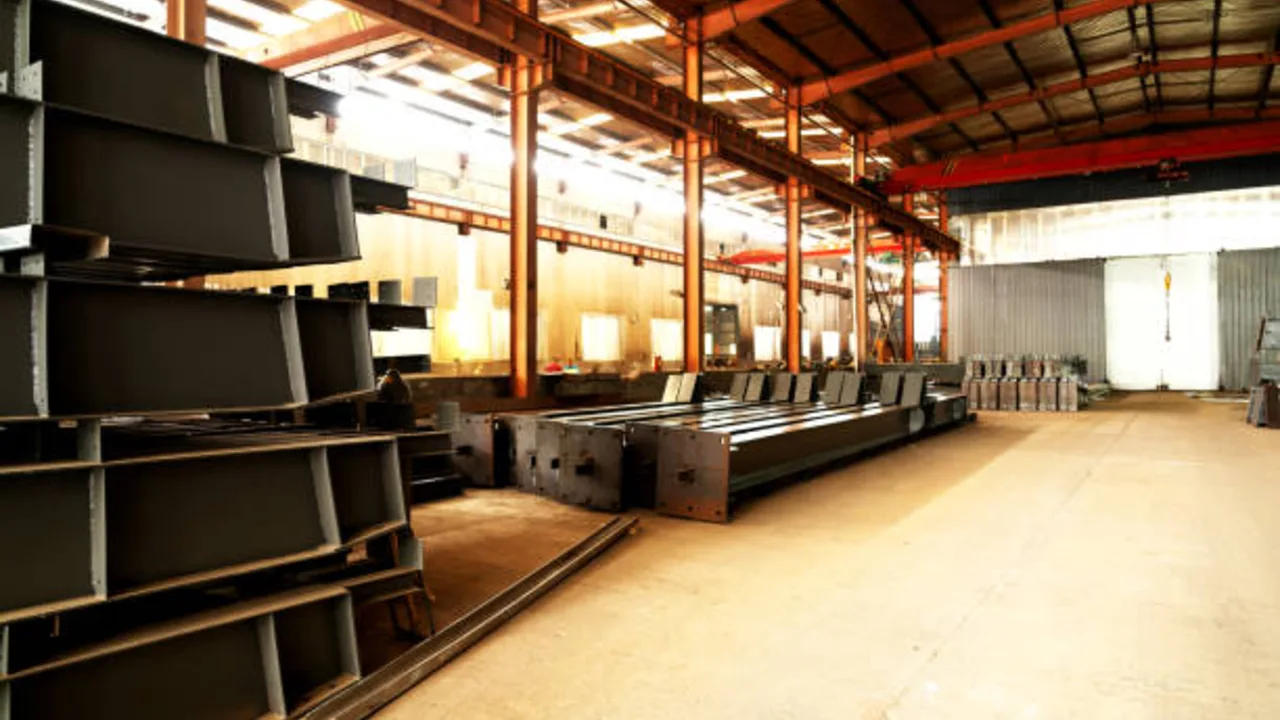
Project stakeholders can actively reduce risks by implementing structured approaches when selecting and managing suppliers.
Diversification vs Dependency
Avoid over-reliance on a single supplier without proper evaluation. While long-term partnerships are valuable, risk diversification should still be considered.
Contractual Safeguards
Clearly defined contracts with performance metrics, delivery milestones, and risk allocation mechanisms help protect both parties.
Continuous Performance Monitoring
Regular assessments of production progress, quality performance, and delivery reliability allow early detection of potential issues.
Structured Communication Channels
Consistent and transparent communication ensures alignment across all stakeholders, reducing the risk of misunderstandings.
Applying these practices strengthens steel manufacturer long term stability and improves overall project resilience.
Choosing the Right Partner for Long-Term Projects
Ultimately, selecting the right manufacturing partner is a strategic decision that extends beyond technical specifications. Stability, reliability, and long-term performance should be central evaluation criteria.
Working with an experienced china steel structure manufacturer provides access to established production systems, export expertise, and proven project execution capabilities.
Such partners are better equipped to manage complex requirements, maintain consistency, and support project success from initial design to final delivery.
Conclusion: Stability as a Strategic Advantage
In the evolving global construction landscape, steel manufacturer long term stability is no longer optional—it is a competitive necessity. Projects that rely on stable suppliers benefit from predictable outcomes, reduced risks, and improved efficiency.
Manufacturers that invest in strong systems, financial resilience, and operational discipline position themselves as long-term partners rather than short-term vendors.
For developers and contractors, prioritizing stability in supplier selection is one of the most effective ways to safeguard project success and achieve consistent results in complex international environments.