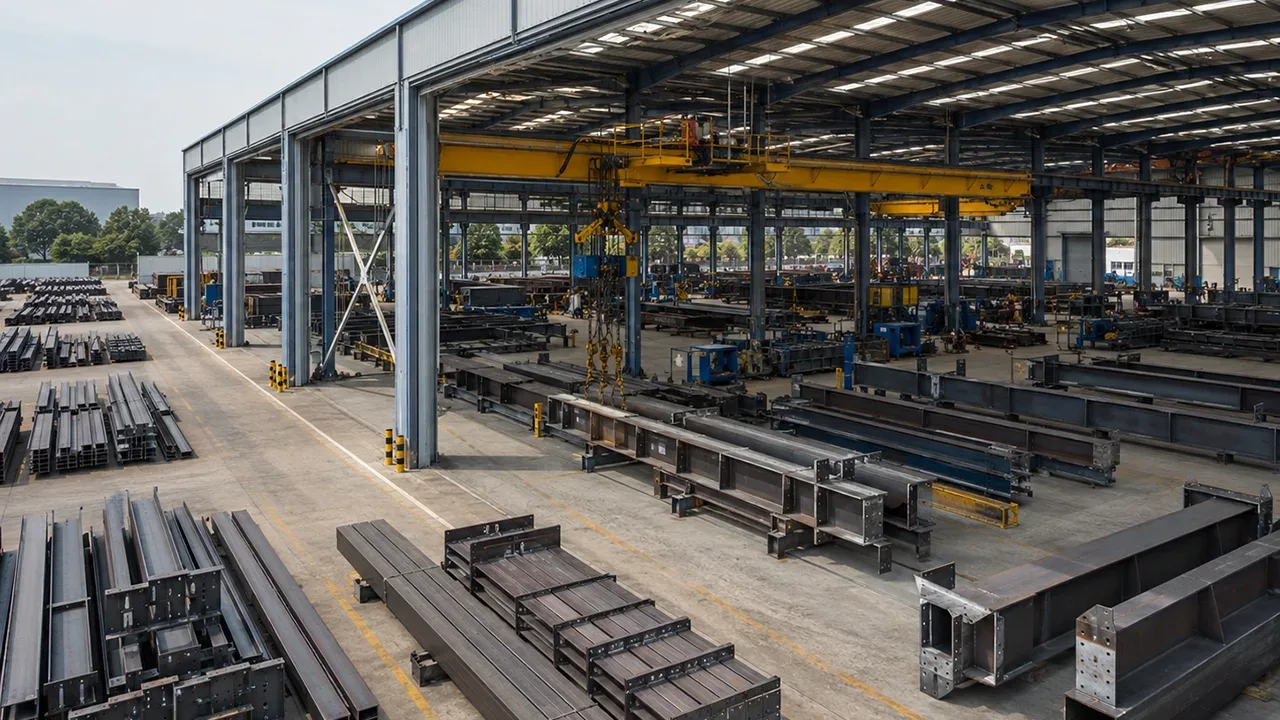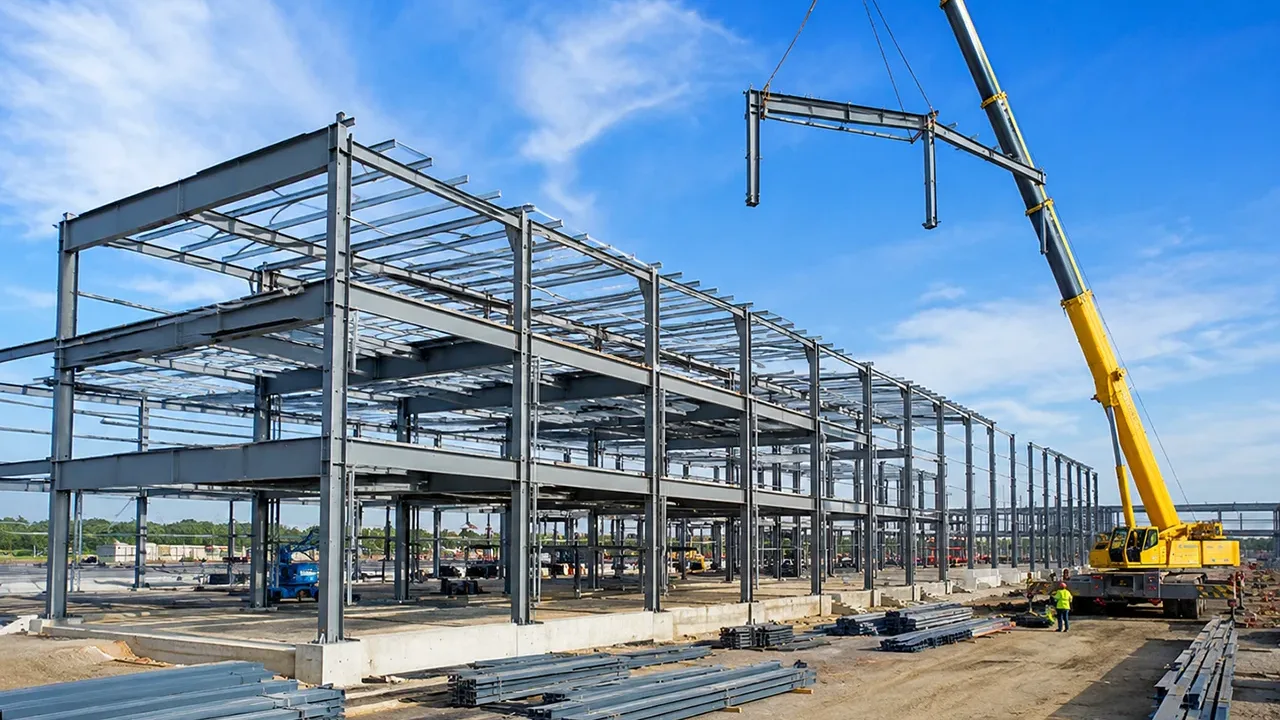
Steel manufacturer subcontract control is a critical aspect of modern steel production, especially as projects become larger and more complex. Many manufacturers rely on subcontractors for specialized processes such as coating, machining, and logistics. While outsourcing improves efficiency and flexibility, it also introduces outsourcing risk that must be carefully controlled to maintain quality, consistency, and compliance.
Steel manufacturer subcontract control refers to the structured systems used to manage outsourced activities within the steel production workflow. These systems ensure that subcontracted processes meet the same standards as in-house operations.
Subcontracting is often necessary due to capacity limitations, cost optimization, or the need for specialized expertise. However, without proper oversight, it can lead to inconsistent quality and project delays. Therefore, effective steel manufacturer subcontract control is essential to maintain operational stability.
Why Steel Manufacturer Subcontract Control Is Critical
The importance of steel manufacturer subcontract control lies in its ability to ensure consistency across all stages of production. Whether a process is completed internally or externally, the final output must meet the same performance standards.
- Maintains consistent quality across multiple suppliers
- Reduces outsourcing risk in complex supply chains
- Ensures compliance with engineering specifications
Types of Subcontracted Processes in Steel Manufacturing
Steel manufacturers commonly outsource processes that require specialized equipment, certifications, or technical expertise that may not be available in-house. While outsourcing improves operational flexibility and scalability, each subcontracted activity must be strictly managed under a steel manufacturer subcontract control system to ensure consistent quality and compliance.
These subcontracted processes are often critical to the final performance of steel structures. Therefore, manufacturers must implement clear specifications, inspection checkpoints, and documentation requirements to maintain full control over outsourced work.
Below is an overview of common subcontracted processes and their key control considerations:
| Process Type | Description | Key Control Focus | Risk Level |
|---|---|---|---|
| Surface Treatment | Painting, galvanizing, coating | Coating thickness, adhesion, surface prep | High |
| Machining | CNC cutting, drilling, precision shaping | Tolerance accuracy, dimensional control | High |
| Special Welding | Complex or certified welding processes | Weld integrity, certification compliance | High |
| Heat Treatment | Stress relieving or hardening processes | Temperature control, material properties | Medium |
| Logistics & Handling | Transport and storage of steel components | Damage prevention, scheduling accuracy | Medium |
Surface Treatment Outsourcing
Surface treatment processes such as painting, galvanizing, and coating are among the most frequently subcontracted activities. These processes are essential for protecting steel structures against corrosion, weather exposure, and chemical environments.
Since surface performance directly affects the lifespan of steel components, strict control is required. Steel manufacturer subcontract control must ensure that subcontractors follow proper surface preparation standards, such as blasting cleanliness levels, before applying coatings.
In addition to preparation, coating thickness and curing conditions must be carefully monitored. Inconsistent application can result in premature corrosion or coating failure, especially in aggressive environments such as marine or industrial zones.
- Verification of surface cleanliness before coating
- Measurement of coating thickness and uniformity
- Monitoring curing time and environmental conditions
Manufacturers often implement inspection checkpoints both before and after coating processes to ensure compliance with international standards.
Specialized Fabrication Tasks
Advanced fabrication processes, including CNC machining, precision cutting, and complex welding, are often outsourced to vendors with specialized capabilities. These processes require high precision and strict adherence to technical specifications.
Steel manufacturer subcontract control plays a crucial role in maintaining dimensional accuracy and ensuring that all fabricated components meet design tolerances. Even minor deviations in machining or cutting can lead to alignment issues during assembly, resulting in delays or costly rework.
For welding-related subcontracting, additional controls are required to verify welding procedures, operator qualifications, and inspection results. This is particularly important for load-bearing components where structural integrity is critical.
- Strict tolerance control for CNC and machining operations
- Verification of welding procedures and certifications
- Inspection of finished components before integration
To maintain consistency, manufacturers often require subcontractors to follow standardized procedures and provide detailed inspection reports. This ensures that outsourced fabrication tasks align seamlessly with the overall production process.
By effectively managing these subcontracted processes, steel manufacturer subcontract control helps ensure that all components, regardless of where they are produced, meet the same high standards required for structural performance and project success.
Key Risks in Subcontracting Steel Manufacturing
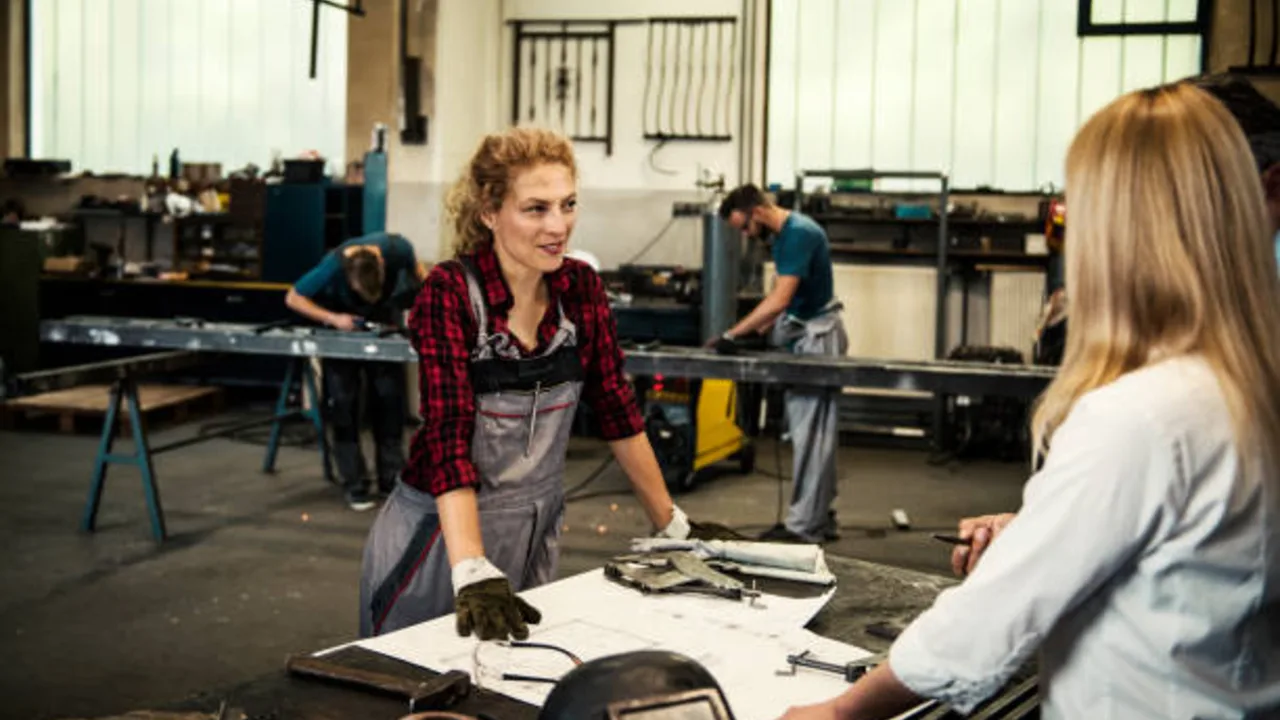
Outsourcing introduces several risks that must be addressed through structured steel manufacturer subcontract control measures.
- Quality inconsistencies between subcontractors
- Communication gaps leading to production errors
- Scheduling conflicts causing delays
- Lack of traceability in outsourced processes
These risks can significantly impact project timelines and costs if not properly managed.
Steel Manufacturer Subcontract Control Framework
A comprehensive framework is required to manage subcontracted processes effectively. This framework includes vendor selection, contract management, and performance monitoring.
Vendor Pre-Qualification Process
Before engaging subcontractors, manufacturers must evaluate their capabilities, certifications, and past performance. This ensures that only qualified vendors are selected.
Technical audits, site visits, and trial orders are commonly used to validate subcontractor reliability.
Contractual Quality Requirements
Clear contractual agreements are essential for defining expectations. These contracts specify technical requirements, inspection criteria, and documentation standards.
Well-defined contracts help minimize disputes and ensure accountability throughout the project lifecycle.
Quality Assurance in Subcontracted Processes
Quality assurance plays a central role in steel manufacturer subcontract control. It involves continuous monitoring and verification of subcontracted activities to ensure compliance with standards.
Inspection checkpoints are established at multiple stages, including pre-production, in-process, and final inspection. These checkpoints help detect issues early and prevent defects from progressing.
For example, coating quality may be evaluated based on international standards such as ISO surface protection requirements, ensuring durability and performance in various environments.
Communication and Coordination Strategies
Effective communication is a cornerstone of steel manufacturer subcontract control, particularly when multiple vendors and internal departments are involved. Without clear and structured communication channels, even technically capable subcontractors can produce inconsistent results due to misunderstandings or misaligned expectations.
Clear instructions must be established from the beginning of the subcontracting process. This includes detailed technical drawings, specifications, quality requirements, and delivery timelines. Standardized documentation ensures that all parties are working with the same information, reducing ambiguity and minimizing errors.
Regular updates and reporting mechanisms are equally important. Manufacturers often implement scheduled progress reports, coordination meetings, and digital dashboards to track subcontractor performance. These updates allow project teams to identify potential issues early and take corrective action before they escalate.
Defined roles and responsibilities further strengthen communication efficiency. Each stakeholder, from project managers to quality inspectors, must clearly understand their duties and decision-making authority. This reduces delays caused by unclear accountability and ensures faster problem resolution.
Coordination between internal teams and subcontractors is essential to maintain alignment in both production schedules and quality expectations. Fabrication timelines must be synchronized with subcontracted activities to avoid bottlenecks or idle time.
- Use standardized technical documentation and specifications
- Implement regular reporting and progress tracking systems
- Define clear roles and responsibilities across all stakeholders
- Align production schedules between internal and external teams
By maintaining structured communication and strong coordination, steel manufacturer subcontract control ensures smooth workflow integration and minimizes operational risks.
Inspection and Verification Methods
Inspection is a critical component of steel manufacturer subcontract control, ensuring that all outsourced processes meet the required standards before integration into the final product. A multi-layered inspection approach is typically used to provide comprehensive verification of subcontracted work.
On-site inspections at subcontractor facilities are one of the most direct and effective methods. These inspections allow manufacturers to assess production conditions, verify process compliance, and identify issues in real time. Inspectors can evaluate equipment, workforce practices, and adherence to quality procedures.
For critical processes, third-party audits are often employed to provide independent verification. These audits are conducted by certified inspection agencies that follow strict international standards, ensuring unbiased evaluation of quality and compliance.
In addition to physical inspections, digital monitoring systems have become increasingly important. These systems enable real-time tracking of production progress, quality metrics, and documentation status. Cloud-based platforms allow manufacturers to monitor subcontractor performance remotely, improving visibility and control.
- On-site inspections for direct process verification
- Third-party audits for independent quality assurance
- Digital monitoring systems for real-time tracking
Advanced verification methods may also include photographic documentation, live video inspections, and automated data reporting. These tools enhance transparency and allow faster decision-making when issues arise.
By combining physical inspections with digital monitoring, steel manufacturer subcontract control ensures that outsourced work consistently meets project requirements. This integrated approach minimizes defects, improves traceability, and supports seamless integration of subcontracted components into the final steel structure.
Managing Outsourcing Risk in Steel Manufacturing

Managing outsourcing risk is a core objective of steel manufacturer subcontract control. As more processes are delegated to external vendors, manufacturers must implement structured approaches to identify, evaluate, and mitigate risks before they impact production.
Risk identification begins during the planning phase, where potential vulnerabilities such as supplier reliability, technical capability, and delivery performance are assessed. Once risks are identified, preventive measures such as backup suppliers, stricter inspection requirements, and contractual safeguards are implemented.
Contingency planning is equally important. Manufacturers must prepare for unexpected disruptions, including delays, quality failures, or logistical issues. A well-defined contingency plan ensures that operations continue smoothly even when subcontractors encounter problems.
- Early identification of outsourcing risk factors
- Implementation of preventive quality controls
- Development of contingency plans for supply disruptions
By proactively managing outsourcing risk, steel manufacturer subcontract control ensures stable production and reliable project delivery.
Role of Technology in Subcontract Control
Technology plays a transformative role in modern steel manufacturer subcontract control. Digital tools enable real-time monitoring, improve communication, and enhance transparency across all subcontracted processes.
Quality management systems (QMS) allow manufacturers to track inspection results, manage documentation, and monitor supplier performance from a centralized platform. These systems reduce manual errors and improve efficiency.
In addition, data tracking tools and cloud-based platforms provide visibility into production progress, allowing manufacturers to identify issues early and take corrective action.
- Digital QMS for centralized quality control
- Real-time monitoring of subcontractor performance
- Data-driven decision-making tools
As technology continues to evolve, steel manufacturer subcontract control becomes more efficient, accurate, and scalable.
Best Practices for Steel Manufacturer Subcontract Control
Implementing best practices is essential for maintaining effective steel manufacturer subcontract control. These practices help standardize processes, improve collaboration, and ensure consistent quality across all subcontractors.
One of the most important practices is the establishment of standardized procedures that apply to all subcontractors. This ensures uniform expectations and reduces variability in output.
Building long-term relationships with reliable suppliers is another key strategy. Trusted subcontractors are more likely to understand project requirements and deliver consistent performance.
- Standardize quality procedures across all vendors
- Develop long-term partnerships with key suppliers
- Continuously evaluate and improve subcontractor performance
Continuous improvement programs, including regular performance reviews and feedback loops, help manufacturers refine their subcontract control systems over time.
Impact on Steel Structure Manufacturing Projects
Steel manufacturer subcontract control has a direct impact on the success of steel structure manufacturing projects. Effective control ensures that all components, regardless of origin, meet required standards and integrate seamlessly during assembly.
Proper subcontract control improves cost efficiency by reducing rework and minimizing delays. It also enhances quality consistency, ensuring that all structural elements perform as expected under load conditions.
In complex projects, coordination between multiple subcontractors is essential. Strong control systems ensure that all processes are aligned and completed on schedule.
Working with a reliable fabricated steel structure manufacturer ensures that subcontracted processes are properly managed, reducing outsourcing risk and improving overall project outcomes.
Future Trends in Steel Manufacturer Subcontract Control
The future of steel manufacturer subcontract control will be shaped by advancements in digitalization, automation, and data integration. Manufacturers are increasingly adopting smart systems to enhance control and reduce reliance on manual processes.
Technologies such as artificial intelligence, predictive analytics, and digital twins are expected to play a larger role in monitoring subcontractor performance and identifying potential risks before they occur.
These innovations will enable manufacturers to achieve higher levels of efficiency, accuracy, and transparency in managing subcontracted processes.
Conclusion
Steel manufacturer subcontract control is a fundamental component of modern steel production. By implementing structured control systems, manufacturers can effectively manage outsourcing risk, ensure consistent quality, and maintain compliance with project requirements.
As steel projects continue to grow in complexity, the ability to control subcontracted processes will remain a key factor in achieving successful and reliable outcomes.