In today’s highly competitive construction and infrastructure market, steel manufacturing capacity planning plays a decisive role in determining whether projects are delivered on time, within budget, and at the required quality standard. Large-scale industrial buildings, logistics hubs, factories, warehouses, and commercial complexes rely heavily on precisely fabricated steel components. Without effective steel manufacturing capacity planning, even the most advanced design can face costly delays and operational bottlenecks.
Inside a modern fabrication facility, production capacity is not simply about how many tons of steel can be processed annually. It involves forecasting demand, balancing production lines, optimizing output rate, coordinating manpower, and integrating digital systems. When executed properly, steel manufacturing capacity planning ensures stable workflow, predictable delivery schedules, and sustainable profitability.
Understanding Steel Manufacturing Capacity Planning
At its core, steel manufacturing capacity planning refers to the systematic evaluation and management of production resources to meet project requirements efficiently. This includes machinery, labor, facility space, raw materials, and time. In steel structure production environments, where projects are typically custom-engineered, capacity planning becomes even more complex and critical.
Unlike standardized mass production industries, steel structure fabrication must adapt to unique building specifications. Beam sizes, column dimensions, connection types, and surface treatment requirements vary from project to project. Therefore, steel manufacturing capacity planning must account for variability while maintaining a consistent output rate.
The Strategic Role of a Steel Structure Manufacturer
A professional steel structure manufacturer does more than fabricate components. It integrates engineering, procurement, production scheduling, quality control, and logistics under one coordinated system. The ability of a steel structure manufacturer to execute strong steel manufacturing capacity planning directly impacts client confidence and long-term partnerships.
From high-rise industrial plants to prefabricated warehouse complexes, a capable manufacturer must ensure that line balance is maintained across all fabrication stages. When line balance is disrupted, certain workstations become bottlenecks, reducing overall output rate and affecting delivery timelines.
Core Components of Steel Manufacturing Capacity Planning
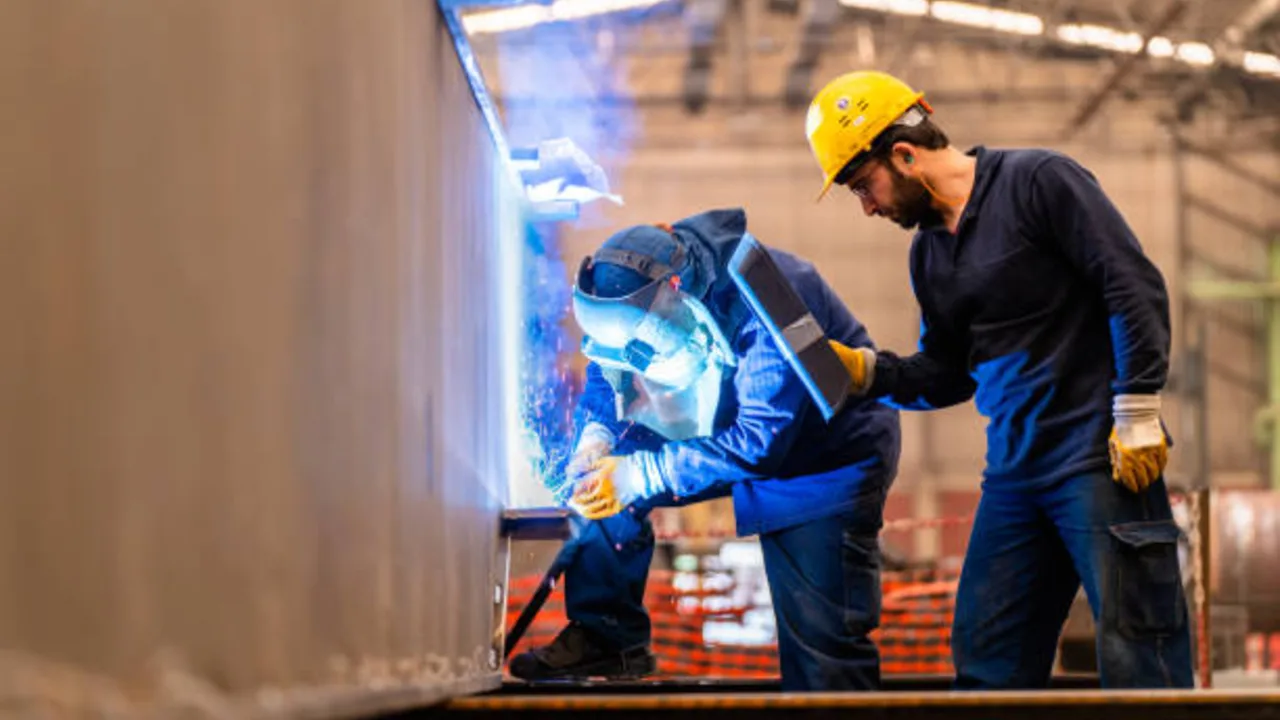
1. Demand Forecasting and Project Pipeline Analysis
Effective steel manufacturing capacity planning begins with demand forecasting. Fabricators analyze signed contracts, pending bids, and long-term partnerships to estimate future workload. Historical production data and market trends help predict peak seasons and low-demand cycles.
Accurate forecasting ensures that production lines are neither overloaded nor underutilized. If forecasting is inaccurate, output rate fluctuations can lead to overtime costs or idle labor expenses. Maintaining a stable output rate is essential for cost control and schedule reliability.
2. Equipment Capacity Assessment
Machinery forms the backbone of steel fabrication plants. CNC cutting machines, automated welding lines, drilling stations, shot blasting machines, and painting lines must operate in coordination. Steel manufacturing capacity planning evaluates the theoretical and actual capacity of each machine.
For example, if a cutting machine processes 40 tons per shift but the welding line can only handle 30 tons, the imbalance affects line balance and reduces effective output rate. Identifying such mismatches is central to advanced steel manufacturing capacity planning.
3. Workforce Allocation and Shift Planning
Skilled welders, machine operators, inspectors, and logistics coordinators form another key resource layer. Steel manufacturing capacity planning determines how many workers are required per shift and how to distribute expertise across production zones.
Multi-shift operations often increase output rate during peak demand. However, improper workforce allocation can disturb line balance and create quality issues. Therefore, balancing manpower with machine capacity is a critical part of sustainable planning.
Line Balance Optimization in Fabrication Facilities
Line balance refers to the synchronization of production stages so that each workstation processes materials at a similar pace. In steel structure fabrication, maintaining line balance ensures that raw steel plates move smoothly from cutting to welding, from assembly to surface treatment.
When line balance is optimized, idle time is minimized and overall output rate improves. Conversely, poor line balance causes accumulation of semi-finished products between stages, increasing handling costs and floor space congestion.
Through precise steel manufacturing capacity planning, managers calculate takt time—the rate at which components must be produced to meet delivery schedules. Aligning each workstation to this takt time stabilizes output rate and enhances operational predictability.
Managing Output Rate for Consistent Performance
Output rate is a measurable indicator of production performance. Daily, weekly, and monthly output rate tracking provides insight into whether the factory is meeting capacity targets. Within steel manufacturing capacity planning, output rate metrics guide strategic adjustments.
For instance, if output rate drops due to equipment downtime, preventive maintenance scheduling must be refined. If output rate fluctuates because of manpower gaps, workforce planning must be recalibrated. Maintaining a stable output rate protects both profitability and reputation.
Advanced digital dashboards now allow manufacturers to monitor output rate in real time. These systems support faster decision-making and help maintain line balance across complex fabrication operations.
Production Workflow Inside a Steel Structure Plant
A typical workflow in steel structure fabrication includes:
- Raw material inspection and storage
- CNC cutting and drilling
- Assembly and welding
- Straightening and finishing
- Shot blasting and surface preparation
- Painting or galvanizing
- Final inspection and packaging
Each stage must be evaluated during steel manufacturing capacity planning to ensure throughput consistency. If any stage lags behind, line balance deteriorates and output rate declines.
Technology Integration in Capacity Planning
Modern fabrication plants increasingly rely on ERP systems and digital production scheduling tools. These platforms collect data from machines and operators to enhance steel manufacturing capacity planning. Integration with Building Information Modeling (BIM) improves coordination between design and fabrication.
International manufacturing standards such as those defined by the International Organization for Standardization (ISO) also guide quality and production consistency. Aligning capacity planning with recognized standards strengthens credibility in global markets.
Smart factory systems further improve line balance by automatically adjusting task sequences based on real-time production data. This digital transformation supports stable output rate even during complex project execution.
Risk Management in Steel Manufacturing Capacity Planning
No production environment is free from risk. Steel manufacturing capacity planning must anticipate supply chain interruptions, material price volatility, equipment breakdowns, and labor shortages.
Overcapacity can increase fixed costs and reduce profitability, while under-capacity can delay projects and damage relationships. Maintaining optimal line balance and protecting output rate requires proactive scenario analysis and contingency planning.
Evaluating Production Strength Before Project Award
Clients and developers should assess a manufacturer’s annual tonnage capacity, automation level, engineering support, and quality control systems. Choosing a capable steel structure manufacturer with proven steel manufacturing capacity planning ensures predictable project performance.
Ultimately, strong steel manufacturing capacity planning is not just a technical process—it is a strategic advantage. It transforms fabrication plants into reliable partners capable of delivering complex steel projects with precision, efficiency, and consistent output rate.
Scaling Capacity for Large and International Projects
As construction markets expand globally, fabrication plants must adapt to fluctuating demand volumes. Strategic steel manufacturing capacity planning allows facilities to scale operations efficiently without compromising quality or delivery schedules. Large export-oriented projects, such as airport terminals, industrial parks, logistics hubs, and manufacturing plants, often require rapid increases in production output.
Scaling production capacity involves adding shifts, upgrading automation systems, optimizing line balance, and expanding facility space when necessary. However, increasing output rate without careful analysis can create internal inefficiencies. Sustainable growth depends on structured steel manufacturing capacity planning that evaluates long-term equipment load, workforce endurance, and workflow synchronization.
For international contracts, logistical coordination becomes another essential layer. Fabricated components must be packaged, labeled, and shipped in precise sequence. This requires accurate forecasting of output rate and strict adherence to line balance throughout the production cycle.
Key Performance Indicators in Steel Manufacturing Capacity Planning
Performance measurement is central to effective steel manufacturing capacity planning. Managers rely on key performance indicators (KPIs) to evaluate operational health and ensure consistent output rate across departments.
- Equipment Utilization Rate: Measures how efficiently machines operate relative to their theoretical capacity.
- Output Rate per Shift: Tracks daily and weekly production performance.
- On-Time Delivery Rate: Indicates reliability in meeting contractual deadlines.
- Rework Ratio: Identifies quality-related inefficiencies.
- Labor Productivity Index: Evaluates workforce efficiency within balanced production lines.
By monitoring these metrics, production managers refine steel manufacturing capacity planning strategies to maintain optimal line balance. Stable KPI performance translates directly into predictable output rate and improved financial performance.
Cost Optimization Through Capacity Planning
Effective steel manufacturing capacity planning significantly reduces operational costs. When line balance is optimized, machine idle time decreases, labor productivity improves, and energy consumption becomes more predictable. A stable output rate ensures that overhead costs are distributed efficiently across production volume.
Poor planning often results in rushed overtime work, inefficient material handling, and increased rework rates. These issues not only affect profitability but also compromise delivery reliability. Therefore, systematic steel manufacturing capacity planning safeguards cost efficiency while maintaining competitive pricing.
Energy management also plays a role in production economics. Welding operations, cutting machines, and blasting systems consume significant power. Balanced scheduling prevents energy spikes and contributes to sustainable manufacturing practices.
Digital Transformation and Smart Manufacturing
The future of steel manufacturing capacity planning is increasingly digital. Smart manufacturing systems use real-time data collection, predictive analytics, and AI-based forecasting to enhance operational accuracy. These tools help maintain line balance automatically by identifying emerging bottlenecks before they disrupt output rate.
Digital twins of fabrication facilities allow engineers to simulate production scenarios and test capacity adjustments virtually. This reduces risk when implementing large-scale changes. Predictive maintenance software further stabilizes output rate by minimizing unexpected downtime.
With integrated ERP systems, production schedules can align seamlessly with procurement and shipping timelines. This holistic approach elevates steel manufacturing capacity planning from a reactive process to a proactive strategic function.
Balancing Quality and Production Speed
In steel structure fabrication, speed must never compromise structural integrity. While increasing output rate can improve revenue, excessive acceleration may disrupt line balance and reduce inspection accuracy. High-quality welds, precise drilling tolerances, and consistent surface treatment require disciplined workflow control.
Robust steel manufacturing capacity planning incorporates quality checkpoints into every stage of production. Inspection teams coordinate with fabrication units to ensure compliance with engineering drawings and international standards. Maintaining line balance while preserving quality ensures that output rate growth does not introduce structural defects.
Workforce Development and Skill Management
Human expertise remains a cornerstone of steel fabrication. Even with automation, experienced welders, machine operators, and quality inspectors influence overall output rate. Structured training programs strengthen workforce adaptability and support long-term steel manufacturing capacity planning.
Cross-training employees enhances operational flexibility. When workers can perform multiple tasks, line balance becomes easier to maintain during high-demand periods. Workforce agility directly contributes to stable output rate and resilient production systems.
Environmental and Sustainability Considerations
Modern fabrication facilities increasingly integrate environmental responsibility into steel manufacturing capacity planning. Efficient material utilization reduces scrap waste, while optimized line balance minimizes unnecessary energy consumption. Sustainable operations not only improve brand reputation but also reduce regulatory risks.
Recycling steel offcuts and implementing environmentally responsible coating processes further enhance production sustainability. Balanced operations support both economic and environmental objectives by maintaining consistent output rate without excessive resource consumption.
Competitive Advantage Through Strategic Capacity Planning
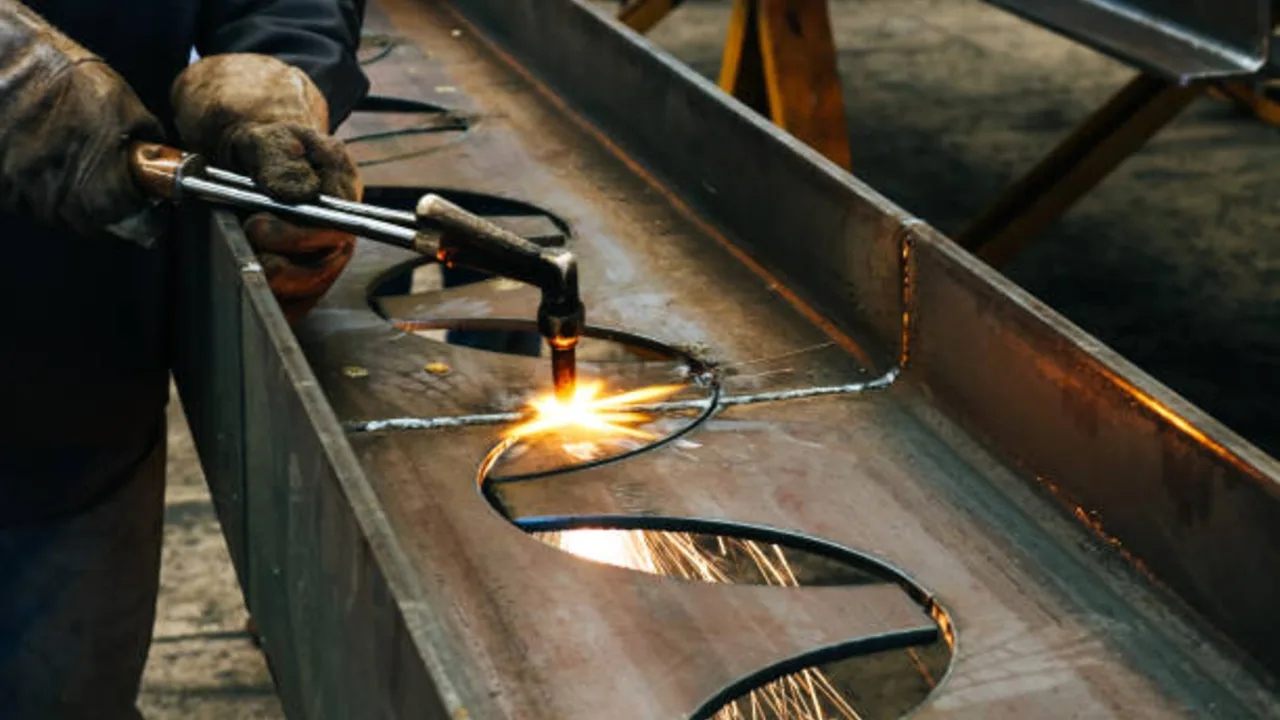
In the global steel construction industry, delivery reliability and cost predictability determine market leadership. Companies that master steel manufacturing capacity planning gain a decisive competitive edge. Stable line balance ensures seamless workflow, while optimized output rate enhances responsiveness to complex project requirements.
Investors, developers, and contractors prioritize manufacturers with proven capacity control systems. A disciplined approach to steel manufacturing capacity planning reflects operational maturity and long-term stability. It demonstrates that production promises are backed by measurable performance capability.
Conclusion
Production capacity planning lies at the heart of successful steel structure fabrication. From demand forecasting and equipment evaluation to line balance optimization and output rate monitoring, every stage contributes to reliable project execution. Steel manufacturing capacity planning transforms factories into strategic partners capable of delivering precision-engineered structures on schedule and within budget.
As technology advances and project complexity increases, disciplined steel manufacturing capacity planning will continue to shape the competitiveness of fabrication enterprises worldwide. Organizations that invest in balanced workflows, data-driven decision-making, and stable output rate management position themselves for sustainable growth in an evolving global market.