In the global steel industry, manufacturers often promote two major strengths: massive production output or superior product quality. But when buyers, contractors, and developers evaluate suppliers, a key question always emerges: steel manufacturing capacity vs quality — which one truly matters more?
At first glance, high capacity signals reliability and scalability. On the other hand, consistent quality ensures structural safety, long-term durability, and compliance with engineering standards. Understanding how these two factors interact is critical, especially for projects involving complex fabrication, tight tolerances, and strict regulatory requirements.
Understanding Steel Manufacturing Capacity
Steel manufacturing capacity refers to a factory’s ability to consistently produce steel products at scale within a defined timeframe while maintaining operational stability. This capacity is not measured by output volume alone, but by a combination of technical capability, workforce efficiency, and production planning.
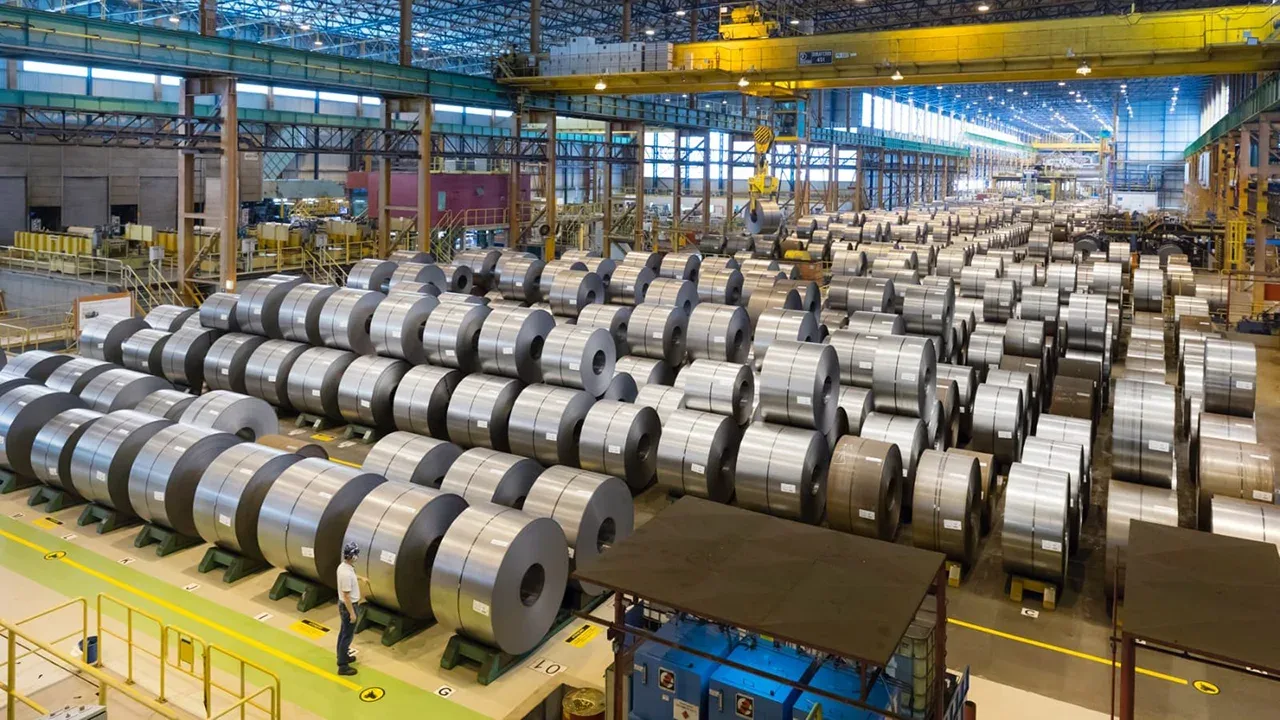
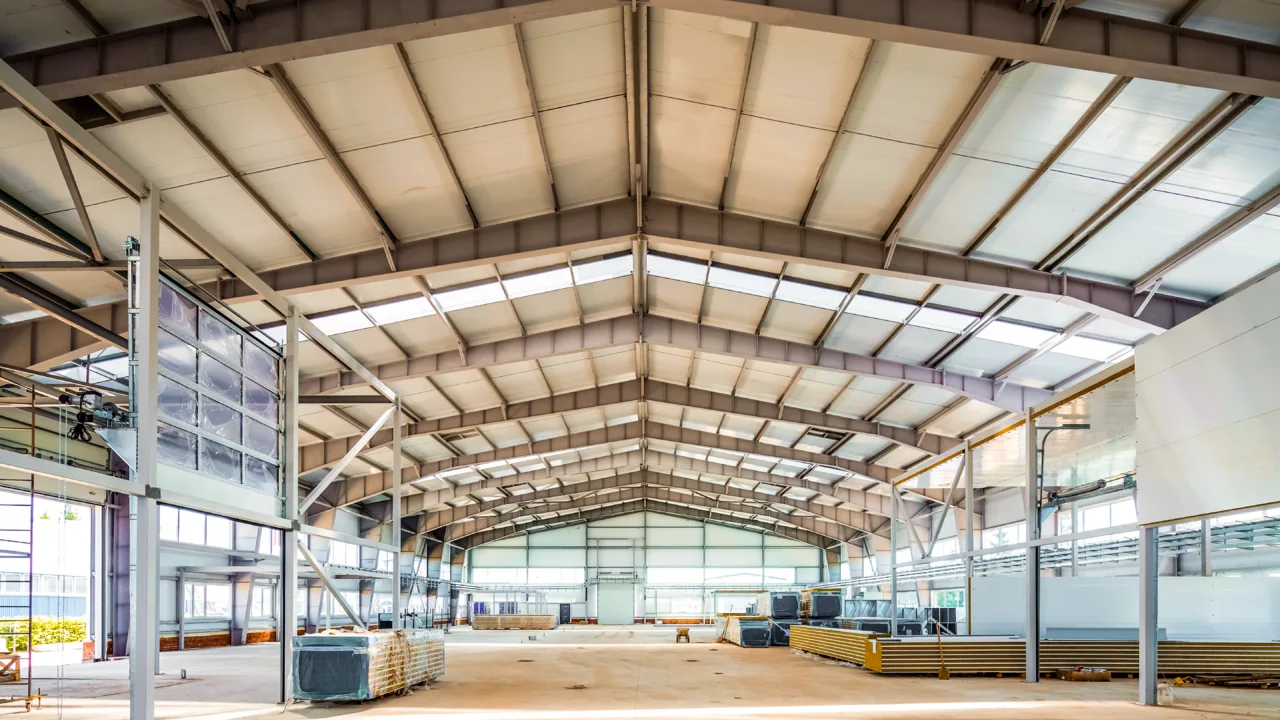
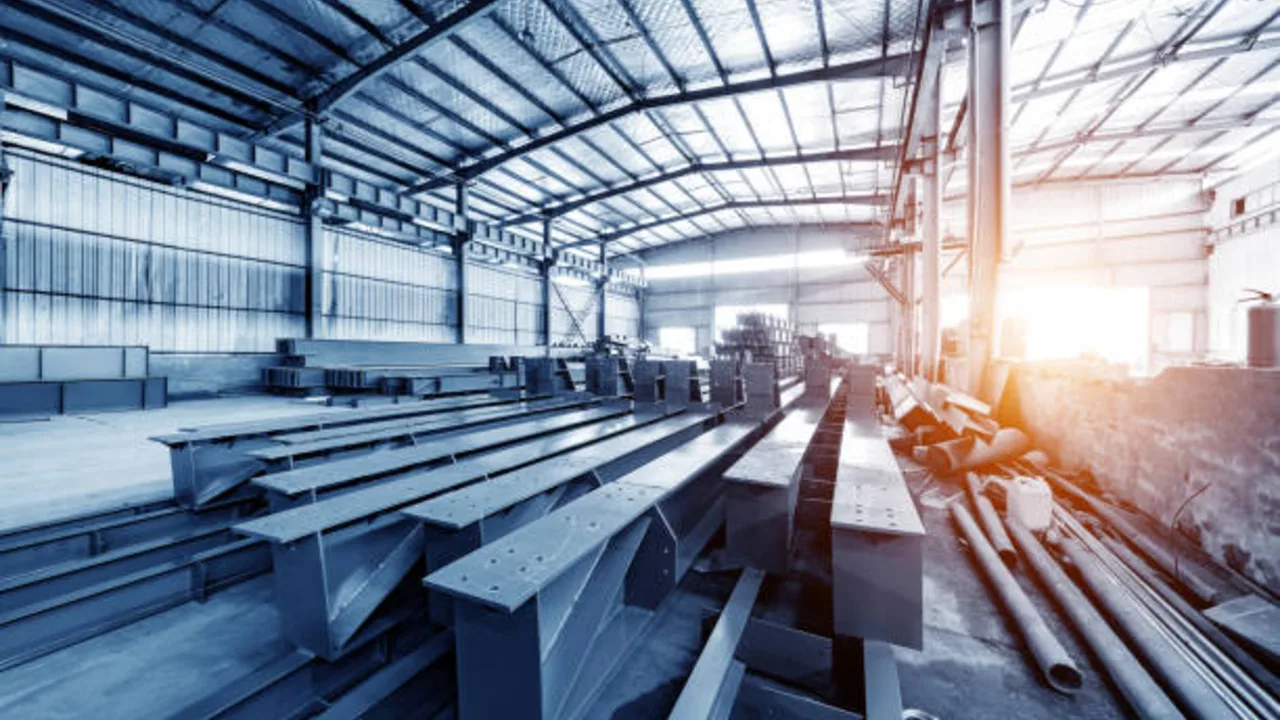
Key indicators of steel manufacturing capacity typically include annual output volume, equipment throughput, number of active production lines, workforce size, and logistical coordination across fabrication, storage, and shipping. High-capacity manufacturers often operate large, well-organized facilities equipped with automated cutting, drilling, and welding systems, supported by multiple fabrication workshops running in parallel. These setups allow manufacturers to process raw materials, fabricate components, and prepare shipments without production bottlenecks.
From a buyer’s perspective, strong manufacturing capacity provides several strategic advantages:
- Ability to handle large or multi-phase projects without disrupting delivery schedules
- Shorter lead times for bulk or repeat orders due to streamlined production flows
- Stable supply for long-term partnerships and framework agreements
- Reduced risk of delays caused by equipment limitations or labor shortages
In large-scale infrastructure, industrial, or export-oriented projects, output volume can be a decisive factor. High capacity ensures that production keeps pace with construction timelines, especially when projects involve thousands of tons of steel components or tight shipping windows. For international buyers, capacity also signals reliability — the assurance that a supplier can deliver consistently across multiple shipments.
However, capacity alone does not guarantee consistent performance or structural integrity. Without proper process control and coordination, high output can lead to variability in fabrication accuracy, welding quality, or surface treatment. This is why capacity must be evaluated alongside production discipline and quality management, particularly for projects where precision and compliance are critical.
Why Output Volume Alone Is Not Enough
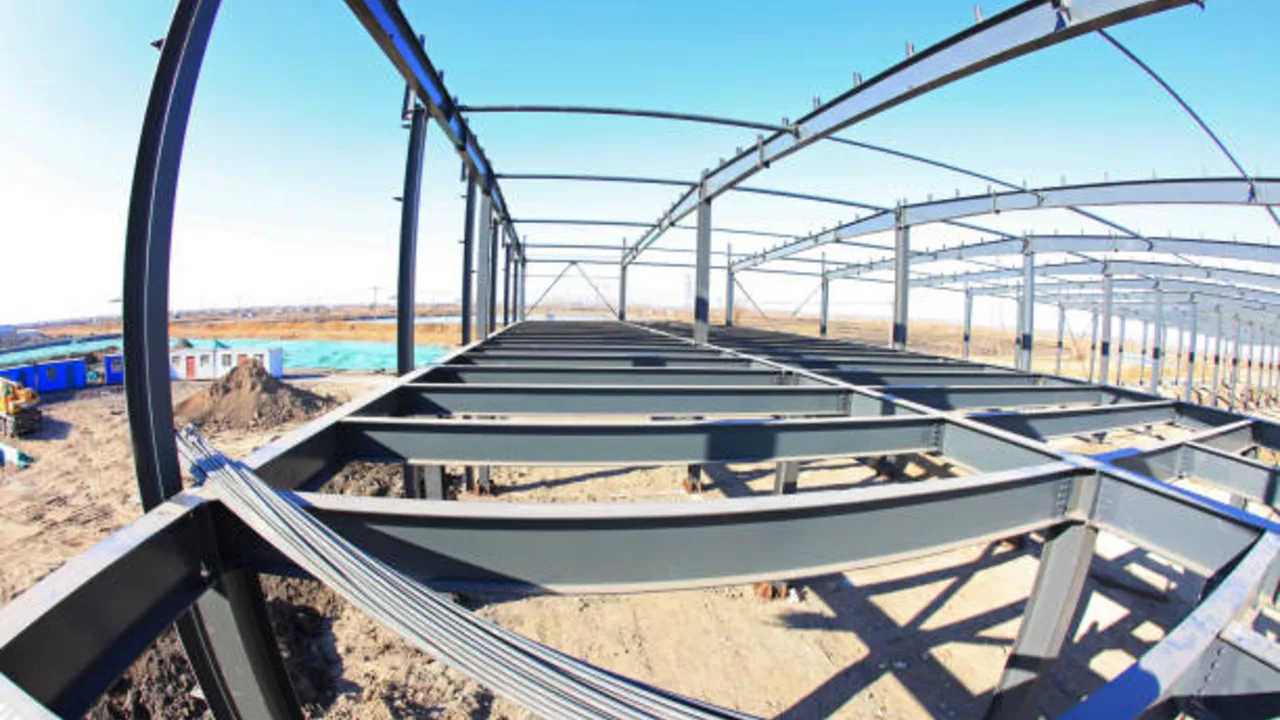
A factory capable of producing tens of thousands of tons annually may still struggle with defects if quality systems are weak. Excessive focus on output volume can introduce risks such as inconsistent welding quality, dimensional inaccuracies, or inadequate surface treatment.
In practice, high output without strict control often leads to:
- Variation in material properties across batches
- Higher rejection or rework rates
- Increased on-site installation issues
- Long-term structural performance problems
This is why modern buyers increasingly look beyond capacity metrics and evaluate how quality is managed throughout the manufacturing process.
The Role of Quality in Steel Manufacturing
Quality in steel manufacturing is defined by accuracy, consistency, compliance, and traceability. It ensures that fabricated components meet design specifications, load requirements, and applicable standards.
High-quality production relies heavily on robust QC systems, which monitor every stage from raw material selection to final inspection. These systems typically include:
- Incoming material inspection and mill certificate verification
- Dimensional checks during cutting and assembly
- Welding inspection (visual, ultrasonic, or magnetic testing)
- Surface treatment and coating thickness control
- Final fit-up and pre-shipment inspection
Without these controls, even well-designed steel components can fail to perform as intended once installed.
Steel Manufacturing Capacity vs Quality: A False Trade-Off?
The debate around steel manufacturing capacity vs quality often frames them as competing priorities. In reality, the most reliable manufacturers integrate both into a single, optimized production system.
Advanced factories achieve this balance by combining automated equipment with standardized inspection procedures. Automation improves consistency at scale, while QC systems ensure that output volume does not compromise structural accuracy.
For buyers, the real indicator of supplier strength is not how much steel a factory can produce, but how consistently it can meet specifications at that scale.
How QC Systems Support Scalable Production
Effective QC systems allow manufacturers to scale production without losing control. By embedding inspection checkpoints into each production stage, defects are identified early, reducing costly downstream corrections.
Key characteristics of scalable quality control include:
- Standardized fabrication procedures
- Digital tracking of components and inspection records
- Clear acceptance criteria for welding and assembly
- Trained quality inspectors independent from production teams
When implemented correctly, these systems allow high output volume to coexist with tight tolerances and repeatable quality.
What Buyers Should Look for Beyond Capacity Numbers
When evaluating a supplier, buyers should assess more than annual tonnage claims. A credible steel structure building manufacturer typically demonstrates both capacity and control through transparent documentation and proven processes.
Important evaluation criteria include:
- Documented QC procedures and inspection reports
- Compliance with international standards (GB, EN, AISC, or equivalent)
- Experience delivering similar-scale projects
- Traceability of materials and fabricated components
- Clear communication between engineering, production, and quality teams
These factors provide a more accurate picture of long-term reliability than output volume alone.
Capacity, Quality, and Project Risk
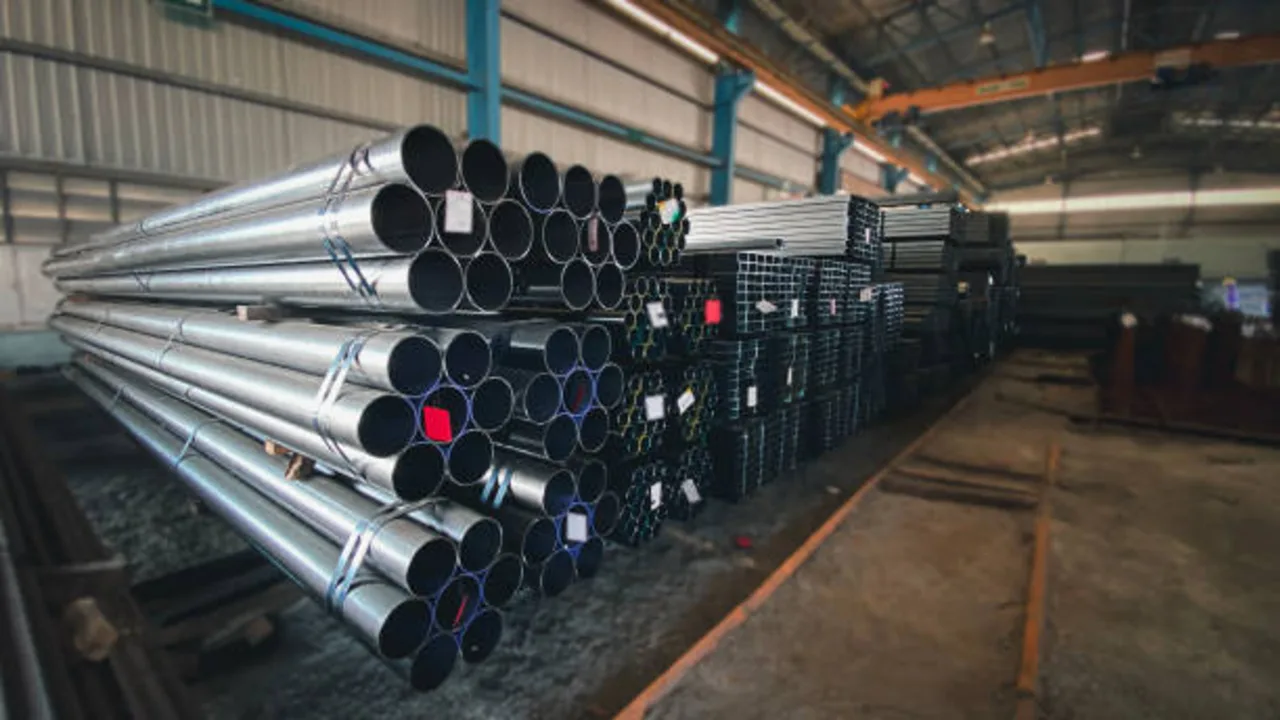
From a project risk perspective, poor quality introduces greater financial and safety risks than limited capacity. Defective steel components can lead to installation delays, structural retrofits, or even complete replacement.
In contrast, a manufacturer with slightly lower capacity but strong quality systems often delivers better overall project outcomes. Consistency reduces on-site adjustments, improves installation speed, and enhances long-term structural performance.
This is especially critical for projects involving complex geometry, heavy loads, or multi-story steel structures.
Finding the Right Balance
Ultimately, the question is not choosing between capacity or quality, but understanding how well a manufacturer balances both. High capacity ensures delivery capability, while strong QC systems protect structural integrity and compliance.
For buyers, the smartest choice is a supplier that proves its ability to scale production without sacrificing precision. In modern steel manufacturing, quality is not the opposite of capacity — it is what makes capacity sustainable.
Conclusion
The debate around steel manufacturing capacity vs quality highlights a critical decision point for contractors and developers. While output volume supports speed and scalability, quality determines safety, performance, and long-term value.
Manufacturers that integrate advanced QC systems into high-capacity production lines deliver the best of both worlds. For steel projects where precision, compliance, and reliability matter, quality-focused capacity is what truly sets suppliers apart.