Modern logistics, manufacturing, and distribution operations are expanding at an unprecedented pace. Rising e-commerce demand, globalized supply chains, and increasing inventory turnover have forced warehouse operators to rethink long-term infrastructure strategy. Instead of relocating to entirely new sites, many companies are now prioritizing warehouse expansion planning as a smarter, more cost-effective growth solution.
A well-structured warehouse expansion planning strategy allows businesses to scale operations without disrupting workflow or overextending capital investment. By leveraging the inherent flexibility of steel structures, warehouses can expand in phases using modular systems that align with operational growth. This approach reduces downtime, preserves existing infrastructure investments, and supports long-term scalability.
Steel buildings are particularly suited for expansion because they are engineered with repeatable structural grids and adaptable framing systems. With properly designed modular bays, warehouse owners can add space laterally or vertically without compromising structural integrity. Strategic warehouse expansion planning ensures that today’s construction decisions support tomorrow’s operational demands.
Why Warehouse Expansion Planning Matters in Modern Logistics
Rising Inventory Demands
Inventory growth has become one of the biggest drivers behind structured warehouse expansion planning. E-commerce fulfillment centers now require larger storage footprints to accommodate high SKU diversity and rapid turnover. Additionally, safety stock strategies adopted after global supply chain disruptions have increased storage volume requirements.
Industries such as cold storage, pharmaceuticals, automotive components, and industrial manufacturing also face increasing regulatory and storage standards. Rather than constructing entirely new facilities, expanding an existing warehouse often delivers a faster and more financially viable solution.
Cost Comparison — Expansion vs. New Construction
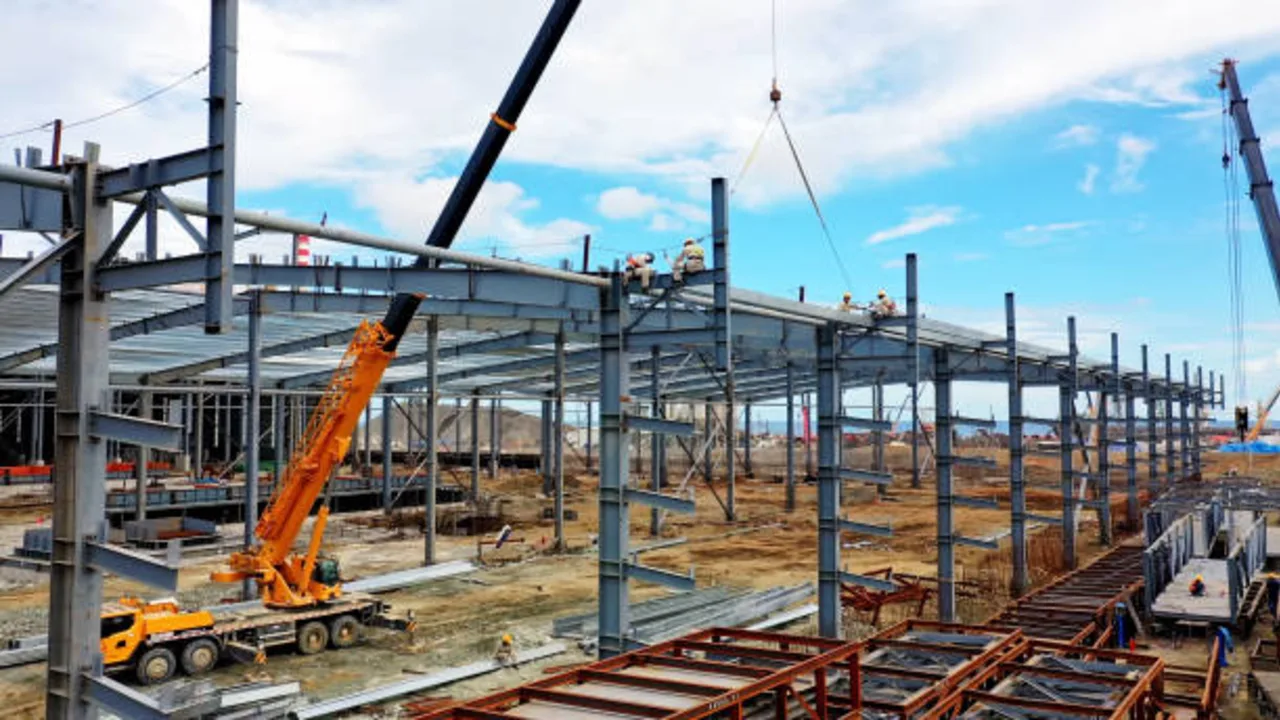
One of the primary advantages of proactive warehouse expansion planning is cost control. Building a new warehouse involves land acquisition, site preparation, permitting, and new utility installations. These costs can quickly exceed the investment required for structural expansion.
By expanding an existing facility, companies can reuse:
- Utility infrastructure
- Transportation access
- Administrative space
- Operational workforce
This dramatically lowers capital expenditure while minimizing operational disruption. Strategic expansion reduces downtime and protects revenue continuity.
Strategic Benefits of Structured Warehouse Expansion Planning
A structured warehouse expansion planning model enables phased growth. Instead of overbuilding capacity upfront, operators can scale in stages aligned with demand. This reduces financial risk and allows better cash flow management.
Additionally, expansion planning supports long-term real estate optimization. A warehouse designed with expansion capability maintains higher asset value because it remains adaptable to changing market conditions.
Core Principles of Effective Warehouse Expansion Planning
Structural Compatibility Assessment
Before beginning any expansion project, a structural audit is essential. Effective warehouse expansion planning starts with evaluating the existing building’s load-bearing capacity, frame configuration, and foundation strength.
Key evaluation factors include:
- Column spacing and frame type
- Roof slope and drainage alignment
- Existing foundation depth and reinforcement
- Steel grade and corrosion condition
Understanding these elements ensures that new structural additions integrate seamlessly with the original design.
Modular Design Integration
The concept of modular bays is central to scalable warehouse expansion planning. A modular bay refers to a repeatable structural unit within a steel frame system. Because these bays follow a standardized grid, additional sections can be appended without redesigning the entire building.
Modular bays offer several advantages:
- Predictable engineering calculations
- Efficient steel fabrication
- Faster on-site assembly
- Reduced material waste
By planning expansion during the initial design stage, engineers can ensure that structural continuity is preserved when new bays are added.
Zoning and Regulatory Compliance
Regulatory alignment is another key component of successful warehouse expansion planning. Expansion may trigger updated building codes, fire safety requirements, or environmental regulations.
Critical compliance considerations include:
- Property setback limits
- Maximum allowable height
- Fire separation requirements
- Stormwater management regulations
Failing to address these factors early can result in delays or costly redesigns.
Structural Engineering Considerations for Expansion
Clear-Span Continuity
Maintaining clear-span efficiency is essential in warehouse expansion planning. Many steel warehouses use rigid frame systems designed for wide, unobstructed interior space. When extending the structure, engineers must ensure roof alignment, load transfer continuity, and consistent beam depth.
Improper integration can create structural stress points that compromise performance. Therefore, precise engineering calculations are required when tying new frames into existing ones.
Load Calculations and Environmental Factors
Environmental conditions play a significant role in warehouse expansion planning. The expanded section must comply with local wind load, snow load, and seismic design standards. Even if the original building was constructed under older codes, the expansion must meet current regulations.
This often requires upgrading connection points or reinforcing structural elements to ensure full compliance.
Foundation Tie-In Systems
One of the most technically sensitive aspects of warehouse expansion planning is foundation integration. The new slab and footings must align precisely with the original structure to prevent differential settlement.
Engineers typically use:
- Extended reinforced concrete slabs
- Grade beam connections
- High-strength anchor bolts
Accurate surveying and soil analysis are essential to maintain long-term structural stability.
Modular Bays as the Foundation of Scalable Growth
What Are Modular Bays?
Modular bays are standardized structural segments that form the repeating grid of a steel building. In the context of warehouse expansion planning, they enable controlled and predictable growth.
Each modular bay typically consists of:
- Primary steel frames
- Purlins and girts
- Roof and wall panels
- Integrated connection plates
This modular approach simplifies future extension projects.
Advantages of Modular Bays in Warehouse Expansion Planning
Using modular bays significantly reduces the complexity of expansion projects. Instead of redesigning the entire structural system, engineers simply replicate the existing grid pattern.
This results in:
- Shorter construction timelines
- Lower fabrication costs
- Minimal operational disruption
- Higher return on investment
For companies operating a steel structure warehouse, modular expansion provides unmatched flexibility compared to concrete or masonry buildings.
Types of Warehouse Expansion Strategies
Lateral Expansion
Lateral expansion is the most common approach in structured warehouse expansion planning. This method extends the building footprint by adding additional modular bays along one or more exterior walls. Because steel warehouses are typically designed with repetitive frame spacing, lateral expansion can be executed with minimal structural disruption.
This strategy is ideal when surrounding land is available and zoning permits horizontal growth. It allows operators to increase storage capacity, add loading docks, or create dedicated zones for automation systems without altering the original internal workflow.
Vertical Expansion
When land is limited, vertical growth becomes a viable alternative within warehouse expansion planning. This may involve installing mezzanine systems, reinforcing columns, or upgrading foundations to support additional load capacity.
Vertical expansion is often used for:
- Office integration
- Automated storage systems
- Light manufacturing zones
- Inventory overflow solutions
Structural reinforcement and precise load calculations are essential to ensure the existing frame can safely support added weight.
Hybrid Expansion
Hybrid expansion combines both lateral and vertical growth strategies. In comprehensive warehouse expansion planning, this method is particularly effective for facilities experiencing rapid scaling. By adding modular bays while simultaneously upgrading internal vertical storage, companies can significantly increase capacity without relocating.
Cost Factors in Warehouse Expansion Planning
Cost evaluation is central to any warehouse expansion planning decision. While expansion is generally more economical than building a new facility, several cost drivers must be considered.
Table: Cost Drivers in Warehouse Expansion
| Component | Cost Impact | Notes |
|---|---|---|
| Structural Steel | High | Depends on span and added modular bays |
| Foundation Extension | Medium | Soil condition and tie-in complexity |
| Roofing & Cladding | Medium | Insulation continuity required |
| HVAC & Electrical | Medium–High | Load capacity increase |
| Permits & Compliance | Variable | Location-specific regulations |
Although initial expansion investment varies by project size, effective warehouse expansion planning typically yields lower long-term cost per square meter compared to relocation. Reusing existing utilities, road access, and workforce infrastructure significantly improves ROI.
Step-by-Step Warehouse Expansion Planning Process
A structured process ensures that warehouse expansion planning remains predictable and controlled.
Table: Expansion Workflow Timeline
| Phase | Description | Typical Duration |
|---|---|---|
| Structural Assessment | Engineering audit of existing frame | 1–2 weeks |
| Design & Engineering | Load calculations, drawings, modular bay layout | 2–4 weeks |
| Steel Fabrication | Production of new structural components | 3–6 weeks |
| On-Site Construction | Frame installation and roof integration | 2–5 weeks |
| Utility Integration | HVAC, lighting, and operational tie-ins | 1–3 weeks |
Compared to greenfield construction, expansion timelines are shorter because site preparation and permitting are partially simplified.
Common Challenges in Warehouse Expansion Projects
Alignment with Existing Structure
Ensuring structural alignment is one of the biggest technical risks in warehouse expansion planning. Differences in settlement, material aging, or outdated drawings can complicate frame integration.
Utility Reconfiguration
Electrical panels, HVAC systems, and fire suppression networks often require resizing or relocation. Proper planning prevents costly retrofits later.
Maintaining Operations During Construction
Many facilities remain operational during expansion. Strategic phasing is required to minimize disruption to logistics flow.
Budget Control Risks
Unexpected soil conditions or regulatory changes can impact cost. Thorough feasibility studies are critical to successful warehouse expansion planning.
Case Scenario — Successful Expansion of a Steel Warehouse
A logistics operator managing a 5,000 m² facility implemented phased warehouse expansion planning to support rising order volumes. By adding three modular bays to the east side of the building, total capacity increased by 40%.
The project reused the original utility infrastructure and integrated new structural steel frames seamlessly with the existing rigid frame system. Construction was completed without shutting down operations, thanks to phased scheduling and external staging areas.
This case demonstrates how strategic planning and modular engineering allow companies to expand efficiently while maintaining productivity.
Future-Proofing Your Warehouse Expansion Planning
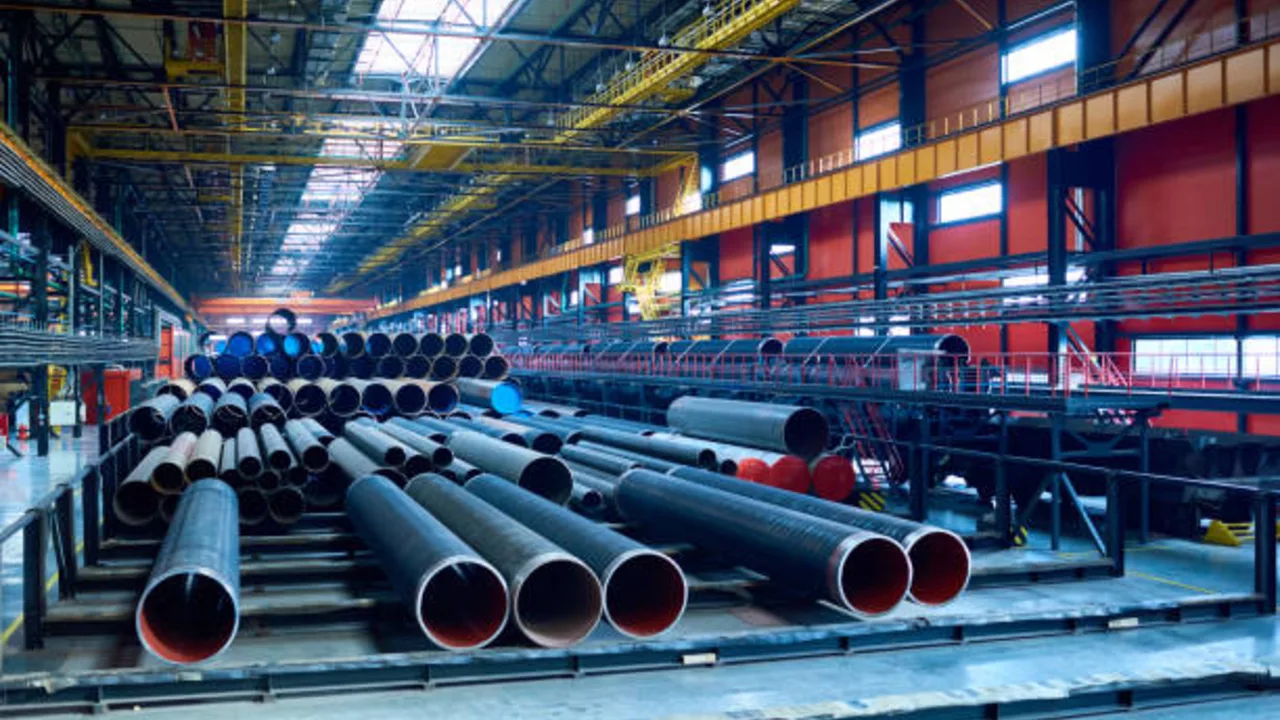
Forward-thinking warehouse expansion planning anticipates long-term operational evolution. Rather than designing solely for immediate needs, warehouses should incorporate scalable systems that support automation, robotics, and renewable energy integration.
Future-ready features include:
- Solar-ready roof design
- Reinforced frames for additional modular bays
- Automation-compatible floor loading
- Smart warehouse IoT infrastructure
Planning today for future expansion reduces structural retrofitting costs later.
FAQ About Warehouse Expansion Planning
How long does warehouse expansion take?
Most projects require 2–4 months depending on size and engineering complexity.
Can expansion occur without stopping operations?
Yes. With phased scheduling, most warehouse expansion planning projects maintain active operations.
Is modular expansion cheaper than relocation?
In most cases, yes. Reusing infrastructure dramatically lowers total investment.
Can any warehouse be expanded?
Not always. A structural audit determines feasibility.
What is the biggest cost driver?
Structural steel and foundation integration are typically the primary cost factors.
Conclusion
Strategic warehouse expansion planning provides a scalable, cost-efficient path for growing logistics and industrial operations. Steel structures and modular bays enable controlled expansion while preserving operational continuity. Compared to relocation or entirely new construction, expansion maximizes return on existing infrastructure investment.
For businesses operating a steel warehouse environment, proactive planning ensures that growth remains aligned with demand. By combining engineering precision, modular design, and long-term foresight, warehouse expansion becomes not just a necessity — but a strategic advantage.