In today’s fast-paced global supply chain, efficiency, speed, and scalability define success. Modern logistics distribution centers must handle high inventory turnover, complex sorting systems, and rapid dispatch operations without disruption. This is where logistics steel warehouse design becomes a strategic advantage. Steel warehouses are no longer simple storage structures — they are engineered logistics hubs built to optimize order fulfillment, maximize space utilization, and ensure operational continuity.
As e-commerce expands and customer expectations demand faster delivery cycles, logistics infrastructure must evolve accordingly. Traditional concrete buildings often lack the flexibility, expansion capability, and structural efficiency required in modern distribution environments. A well-planned logistics steel warehouse design provides wide clear spans, adaptable layouts, faster construction timelines, and lower long-term maintenance costs — making it the preferred solution for distribution centers worldwide.
The Role of Logistics Steel Warehouse Design in Modern Supply Chains
Supply chains today operate under increasing pressure. Same-day delivery, automated picking systems, robotics integration, and high-density racking demand facilities engineered with precision. Logistics steel warehouse design supports these requirements by delivering large column-free spaces, high load-bearing capacity, and structural adaptability.
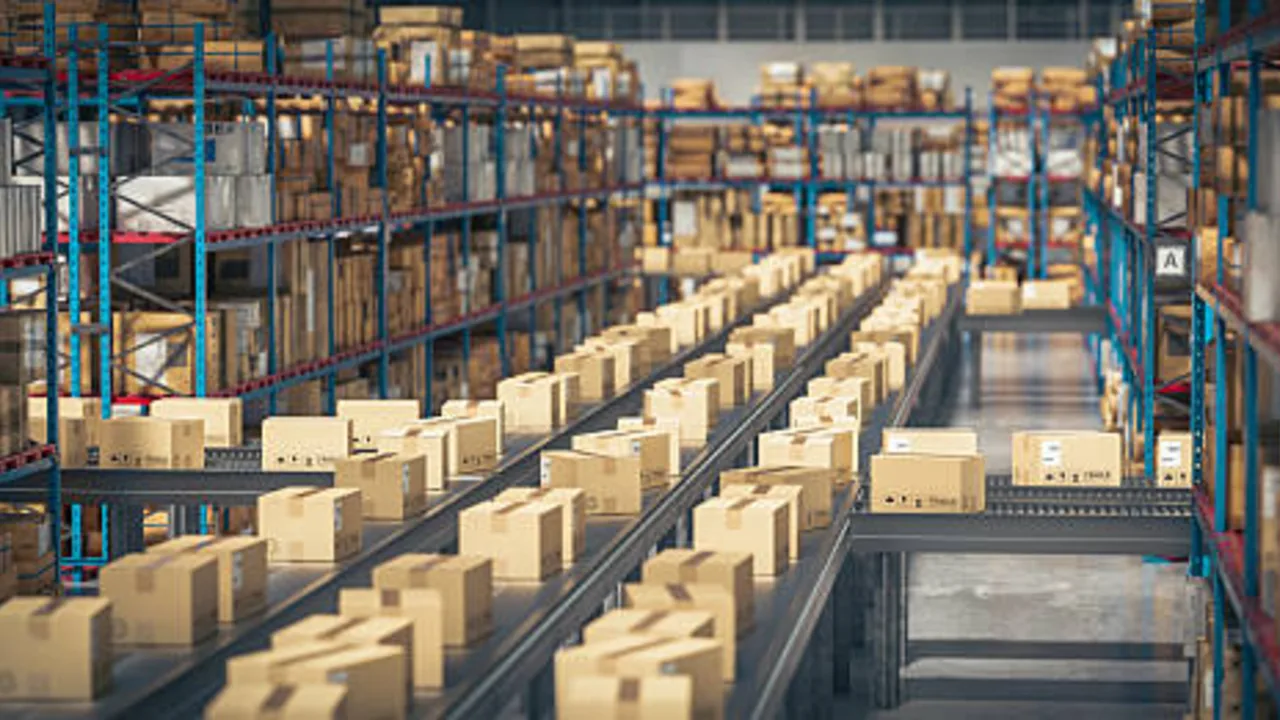
Unlike conventional construction, steel structures allow engineers to design wide-span interiors without intrusive columns. This enables seamless forklift movement, optimized conveyor placement, and flexible racking arrangements. In high-volume order fulfillment centers, uninterrupted internal space improves operational efficiency and reduces workflow bottlenecks.
Additionally, steel buildings support vertical expansion. Mezzanine platforms, automated sorting systems, and elevated picking areas can be integrated without compromising structural stability. This makes logistics steel warehouse design ideal for scalable distribution operations that anticipate future growth.
Key Advantages of Steel Warehouses for Distribution Centers

1. Clear-Span Efficiency
One of the defining features of logistics steel warehouse design is the ability to create large clear-span spaces. These uninterrupted interiors allow flexible layout configurations, which are critical in dynamic logistics operations. Wide spans improve pallet storage density, optimize aisle spacing, and support automated material handling systems.
2. Faster Construction Timelines
Steel components are prefabricated with precision in controlled environments before being delivered to site for rapid assembly. Compared to traditional reinforced concrete buildings, steel warehouses can be completed in significantly shorter timeframes. For logistics operators, faster construction means quicker operational launch and faster return on investment.
3. High Load-Bearing Capacity
Modern distribution centers often require heavy-duty racking systems, automated storage and retrieval systems (AS/RS), and robotic picking technology. A properly engineered logistics steel warehouse design accommodates these loads with reinforced columns, heavy-duty beams, and durable foundations.
4. Expansion Flexibility
Logistics demand fluctuates over time. Steel structures allow modular extensions without major reconstruction. Additional bays, extended storage zones, or new loading docks can be integrated efficiently, making expansion cost-effective and minimally disruptive.
Engineering Principles Behind Logistics Steel Warehouse Design
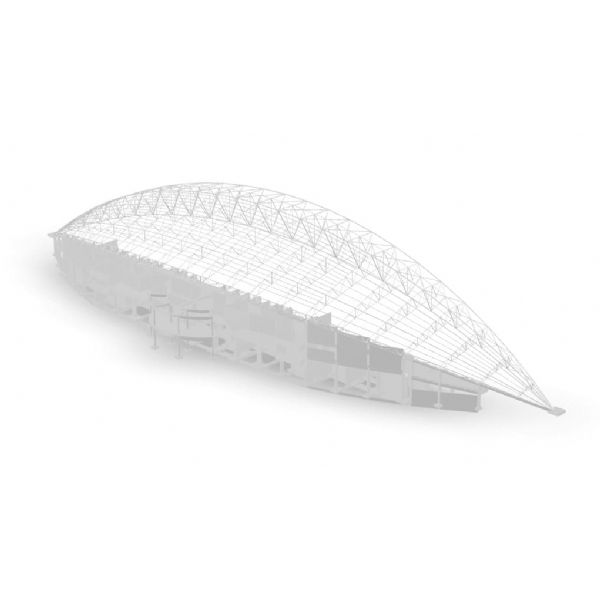
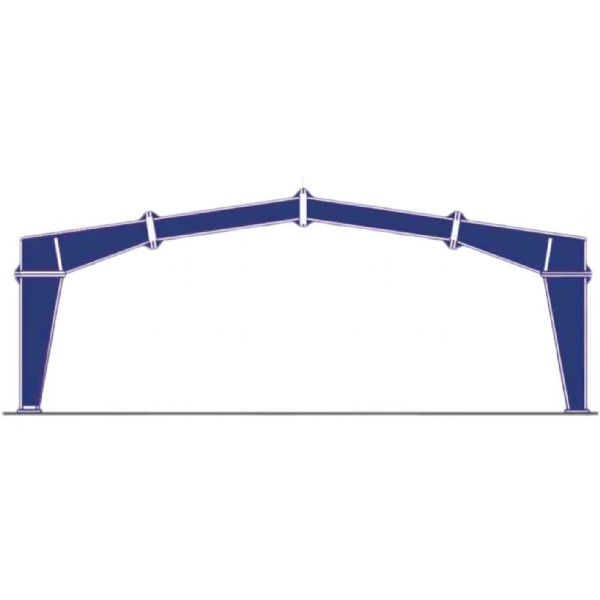
A high-performance distribution center begins with structural engineering. Logistics steel warehouse design must consider wind loads, seismic conditions, snow loads, and operational live loads. Structural frames are typically designed using portal frames or rigid frames to balance strength and material efficiency.
Roof systems are engineered to support suspended lighting, HVAC systems, fire suppression pipelines, and solar installations when required. Purlins and secondary framing ensure even load distribution, while reinforced concrete foundations anchor the steel frame securely.
Insulated sandwich panels are often used for wall and roof cladding. These panels improve thermal efficiency, reducing energy consumption and maintaining stable indoor conditions — essential for sensitive inventory and optimized order fulfillment performance.
Layout Planning for Order Fulfillment Optimization
Efficient order fulfillment is at the heart of every successful logistics distribution center. A strategic logistics steel warehouse design integrates layout planning with workflow engineering.
Key layout zones typically include:
- Receiving and unloading bays
- Sorting and inspection areas
- High-density pallet storage
- Automated picking zones
- Packing and labeling stations
- Dispatch and loading docks
Because steel warehouses provide structural flexibility, these zones can be reconfigured as business needs change. This adaptability ensures the facility remains efficient even as inventory profiles evolve.
Integration of Automation in Steel Distribution Centers
Automation defines the future of logistics. Robotics, conveyor systems, smart sorting lines, and AI-driven inventory tracking all require a building engineered for precision. Logistics steel warehouse design supports automation through high roof clearance, reinforced flooring, and adaptable interior frameworks.
Steel structures can support overhead cranes, suspended conveyors, and elevated platforms without excessive reinforcement costs. This makes them ideal for advanced order fulfillment systems operating at high throughput levels.
Additionally, steel buildings accommodate integrated office spaces, control rooms, and mezzanine platforms — allowing management and operational monitoring within the same structure.
Comparing Steel Warehouses with Conventional Construction
When evaluating infrastructure options, developers often compare steel warehouses with concrete or masonry buildings. In logistics environments, logistics steel warehouse design consistently offers superior advantages.
Steel warehouses provide:
- Shorter construction cycles
- Lower long-term maintenance costs
- Greater flexibility for expansion
- Improved structural efficiency per square meter
- Higher adaptability to automation upgrades
Concrete structures may offer durability, but they lack the scalability and rapid deployment benefits required in modern distribution networks.
Cost Factors in Logistics Steel Warehouse Design
The total investment in a logistics steel warehouse design depends on several variables, including building size, clear-span width, insulation requirements, floor loading capacity, and automation integration.
Major cost drivers include:
- Structural steel quantity
- Foundation depth and soil conditions
- Cladding and insulation systems
- Loading dock systems
- Fire protection and MEP systems
- Automation equipment integration
Although upfront investment may vary, steel warehouses often deliver lower lifecycle costs due to durability, reduced maintenance, and faster operational readiness.
Loading Dock and Traffic Flow Design
Loading dock efficiency is critical in distribution centers. A properly engineered logistics steel warehouse design incorporates optimized truck circulation, multiple dock doors, and weather-protected loading zones.
Steel framing allows flexible placement of dock openings without structural limitations. This ensures high-volume inbound and outbound logistics operations can run continuously, supporting rapid order fulfillment performance.
Traffic flow inside the warehouse is equally important. Clear internal spans allow safe forklift navigation, reduced congestion, and improved safety compliance.
Technical Specifications in Logistics Steel Warehouse Design
Every high-performance logistics steel warehouse design must be supported by clear technical parameters. These specifications ensure that the facility can handle heavy storage systems, continuous traffic flow, and advanced order fulfillment technologies without structural limitations.
Table: Typical Technical Specifications for Logistics Steel Warehouse Design
| Component | Typical Specification | Purpose |
|---|---|---|
| Clear Span Width | 30–80 meters | Unobstructed storage and automation layout |
| Building Height | 10–18 meters | Supports high racking systems and AS/RS |
| Floor Load Capacity | 3–5 tons/m² | Heavy pallet racks and machinery support |
| Roof System | Insulated steel panel | Energy efficiency and climate control |
| Dock Doors | Multiple sectional or rolling doors | Efficient inbound/outbound traffic |
| Fire Protection | Sprinkler or ESFR system | Compliance with safety regulations |
These specifications can vary depending on climate conditions, storage type, and automation intensity. However, they provide a general benchmark for modern logistics steel warehouse design projects.
Sustainability and Energy Efficiency
Sustainability is becoming increasingly important in logistics infrastructure. A modern logistics steel warehouse design integrates energy-efficient solutions to reduce operational costs and environmental impact.
Common sustainability strategies include:
- High-performance insulation systems
- Natural skylight integration
- Solar-ready roofing structures
- LED smart lighting systems
- Rainwater drainage and recycling systems
Steel structures are highly recyclable, making them environmentally responsible choices for long-term logistics investments. Reduced material waste during prefabrication further enhances sustainability performance.
Case Study: Regional E-Commerce Distribution Center
A regional e-commerce operator recently implemented a large-scale logistics steel warehouse design to improve its order fulfillment capacity. The facility was designed with a 60-meter clear span and a 14-meter internal height to support automated racking systems.
The building included 24 loading docks, reinforced concrete flooring, and integrated mezzanine platforms for sorting and packing operations. By using a steel structure system, the project was completed 35% faster than traditional construction methods.
The warehouse now processes over 20,000 daily shipments with optimized workflow efficiency. The modular nature of the logistics steel warehouse design allows future expansion by adding additional bays without interrupting ongoing operations.
Construction Timeline for Logistics Steel Warehouse Design
One of the strongest advantages of steel construction is predictable project scheduling. Below is a typical timeline for a mid-sized logistics distribution center.
Table: Construction Timeline
| Phase | Description | Duration |
|---|---|---|
| Planning & Engineering | Layout design, load calculations, approval | 2–4 weeks |
| Steel Fabrication | Beam cutting, welding, surface treatment | 4–8 weeks |
| Foundation Work | Concrete slab and anchor installation | 3–5 weeks |
| Structure Erection | Frame assembly and roofing | 3–6 weeks |
| MEP & Interior Setup | Electrical, HVAC, fire protection | 2–4 weeks |
Compared to conventional buildings, logistics steel warehouse design reduces overall construction time significantly, allowing operators to launch operations earlier and generate revenue faster.
Scalability and Future Expansion
Growth is inevitable in logistics. A flexible logistics steel warehouse design enables seamless expansion by extending structural bays or adding annex buildings. Steel framing systems are modular, meaning additional space can be integrated without dismantling the existing structure.
This scalability is especially important for businesses experiencing fluctuating demand or seasonal peaks in order fulfillment. Rather than constructing entirely new facilities, operators can expand their current warehouse footprint efficiently.
Why Choose a Steel Structure Warehouse for Logistics?
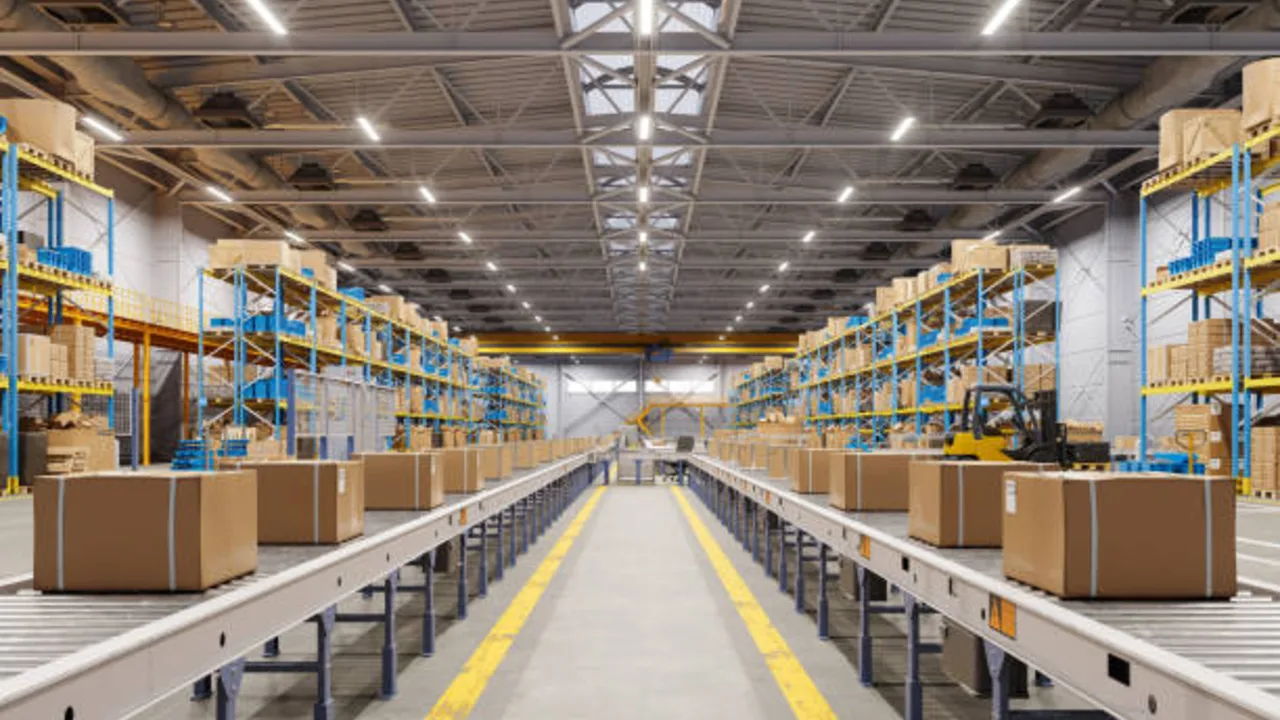
For companies seeking reliable infrastructure, a steel structure warehouse provides unmatched advantages in strength, speed, and adaptability. Steel systems combine structural efficiency with design flexibility, making them ideal for modern logistics distribution centers.
When integrated with advanced logistics steel warehouse design principles, steel warehouses become long-term assets capable of supporting automation upgrades, workflow redesigns, and future business expansion.
FAQ About Logistics Steel Warehouse Design
1. How long does it take to build a logistics steel warehouse?
Typically 3–5 months depending on size, complexity, and automation level.
2. What is the ideal height for a logistics warehouse?
Most distribution centers use heights between 12–18 meters to maximize vertical storage.
3. Can logistics steel warehouse design support full automation?
Yes. Steel structures easily integrate AS/RS systems, robotics, and conveyor systems.
4. Is steel construction more cost-effective than concrete?
In many logistics applications, steel offers lower lifecycle costs and faster ROI.
5. Can the warehouse be expanded later?
Yes. Modular framing allows seamless expansion with minimal operational disruption.
Conclusion
In an era defined by rapid delivery cycles and complex supply chain networks, logistics steel warehouse design stands at the forefront of distribution infrastructure innovation. Steel warehouses provide wide-span efficiency, structural strength, fast construction, and long-term adaptability — all essential for modern order fulfillment operations.
Whether serving e-commerce, retail, manufacturing, or third-party logistics providers, a properly engineered logistics steel warehouse is more than a building — it is a strategic investment in operational excellence and scalable growth.