In steel manufacturing, efficiency is not only defined by machinery or workforce capability—it is heavily influenced by how space is organized. The physical layout of a facility determines how materials move, how teams interact, and how production flows from start to finish. This is where steel factory layout constraints become a critical factor.
Unlike lighter manufacturing industries, steel production deals with heavy materials, large-scale components, and specialized equipment that demand precise spatial planning. Once a factory layout is established, changing it becomes costly and disruptive. As a result, early design decisions can have long-term consequences on productivity, safety, and operational costs.
Understanding steel factory layout constraints allows manufacturers to anticipate limitations before they become bottlenecks. From structural restrictions to workflow inefficiencies, these constraints shape how effectively a steel factory can operate in both current and future production scenarios.
Understanding Steel Factory Layout Constraints
Steel factory layout constraints refer to the physical, operational, and regulatory limitations that affect how a manufacturing facility is designed and utilized. These constraints influence equipment placement, material handling routes, safety zones, and overall workflow efficiency.
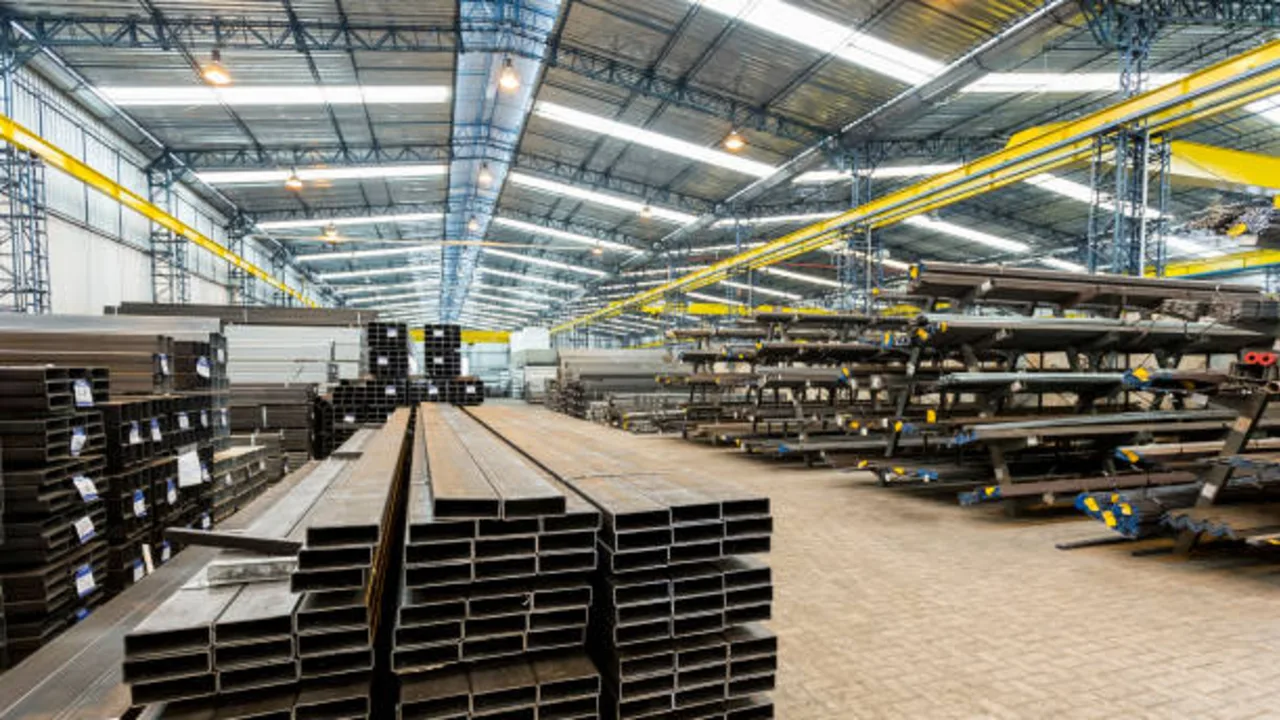
In steel manufacturing, constraints are more pronounced due to the size and weight of materials. Large beams, plates, and prefabricated components require wide pathways, high ceilings, and robust handling systems. Any limitation in these areas can restrict movement and slow down production.
Additionally, the integration of multiple processes—cutting, welding, assembly, surface treatment, and logistics—creates a complex environment where space must be carefully coordinated. Even small inefficiencies in layout can result in significant delays when scaled across large projects.
Core Types of Layout Constraints in Steel Factories
Structural Constraints
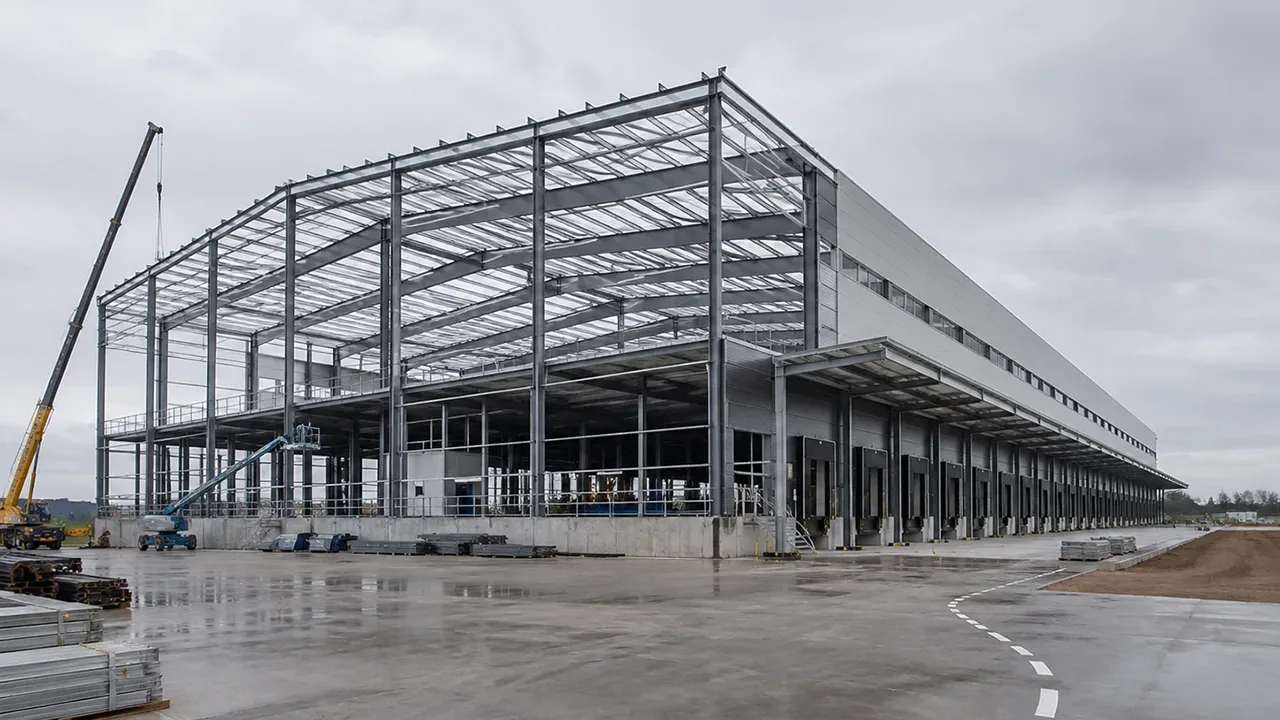
Structural limitations are among the most fundamental steel factory layout constraints. These include column spacing, building dimensions, roof height, and load-bearing capacity. Once the building structure is in place, these elements are difficult to modify.
For example, insufficient column spacing can restrict the movement of large steel components, while low سقف height can limit crane operation. These constraints directly impact how machinery is installed and how materials flow through the facility.
Manufacturers must align structural design with production requirements from the beginning to avoid costly adjustments later.
Equipment Positioning Constraints
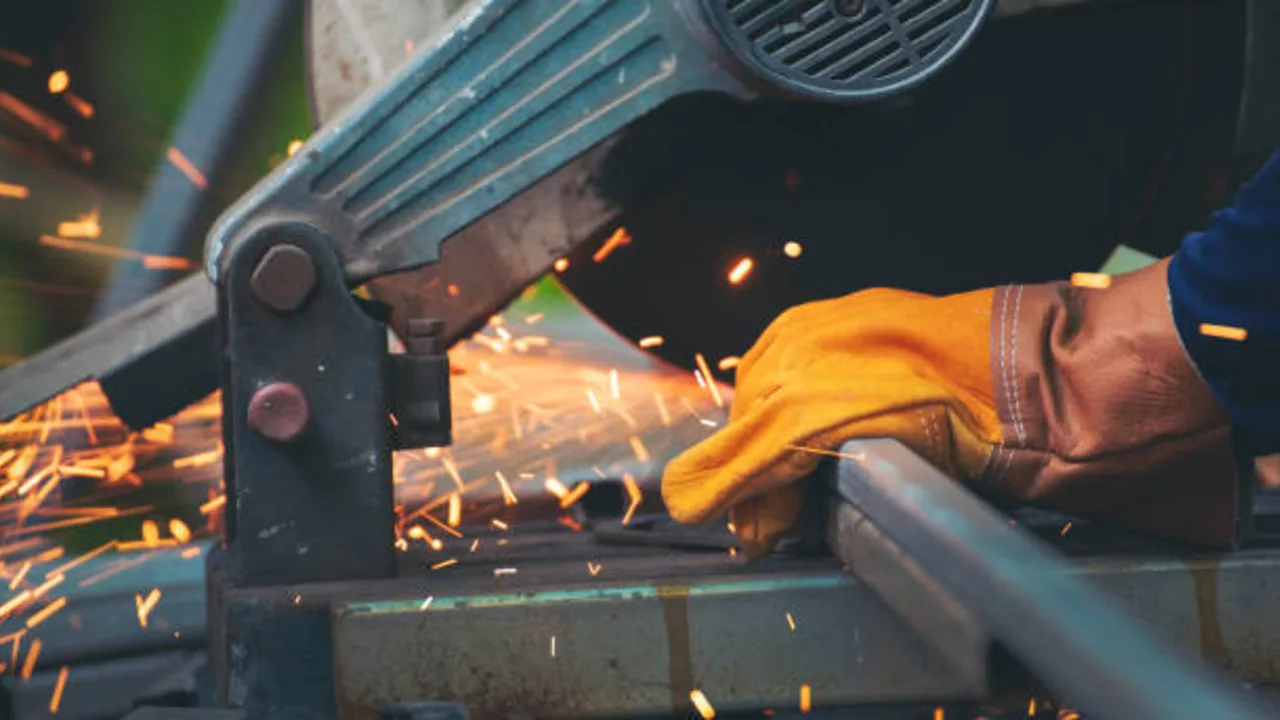
Steel manufacturing relies on heavy and often fixed equipment such as CNC cutting machines, welding stations, drilling lines, and assembly platforms. Once installed, these machines define the workflow of the factory.
This creates significant steel factory layout constraints, as relocating equipment is not only expensive but can also interrupt production. Poor initial placement can lead to inefficient workflows, unnecessary material handling, and i creased labor costs.
Effective layout planning requires understanding how each piece of equipment interacts with others within the production sequence.
Material Flow Limitations
Material flow is one of the most critical factors affected by steel factory layout constraints. In an ideal scenario, materials should move in a linear, uninterrupted path from raw input to finished product.
However, space limitations often force materials to backtrack, overlap, or cross paths with other processes. This not only slows down production but also increases the risk of damage and safety incidents.
Optimizing material flow within a constrained layout requires careful planning of pathways, staging areas, and handling systems.
Safety and Compliance Restrictions
Safety regulations introduce another layer of constraints that must be integrated into factory design. These include fire safety zones, emergency exits, ventilation requirements, and minimum spacing between equipment.
Ignoring these constraints can lead to compliance issues, operational risks, and potential shutdowns. Therefore, safety considerations must be incorporated alongside production efficiency when addressing steel factory layout constraints.
Balancing safety and productivity is a key challenge in steel factory layout planning.
How Layout Constraints Affect Production Efficiency
The impact of steel factory layout constraints becomes most visible in daily operations. Inefficient layouts can lead to longer production cycles, increased handling time, and higher labor requirements.
For instance, when materials must be moved multiple times due to poor positioning of workstations, it adds unnecessary steps to the process. Over time, these inefficiencies accumulate and significantly reduce overall productivity.
Additionally, constrained layouts can create bottlenecks where multiple processes compete for the same space or equipment. These bottlenecks disrupt workflow continuity and can delay entire project timelines.
Addressing these issues requires not only redesigning physical layouts but also rethinking how processes are organized within the available space.
Material Flow Optimization in Constrained Layouts
Optimizing material flow is essential for overcoming steel factory layout constraints. Even in limited spaces, strategic planning can significantly improve efficiency.
One approach is to design workflows that minimize backtracking and cross-traffic. Linear production lines, where possible, allow materials to move forward without interruption. In cases where linear flow is not feasible, segmented zones can help manage movement more effectively.
Another important factor is the integration of handling equipment such as overhead cranes, conveyors, and forklifts. Proper positioning of these systems ensures that materials can be transported quickly and safely across the facility.
By focusing on material flow, manufacturers can reduce operational friction and maximize output even within constrained environments.
Real-World Challenges in Steel Factory Layout Design
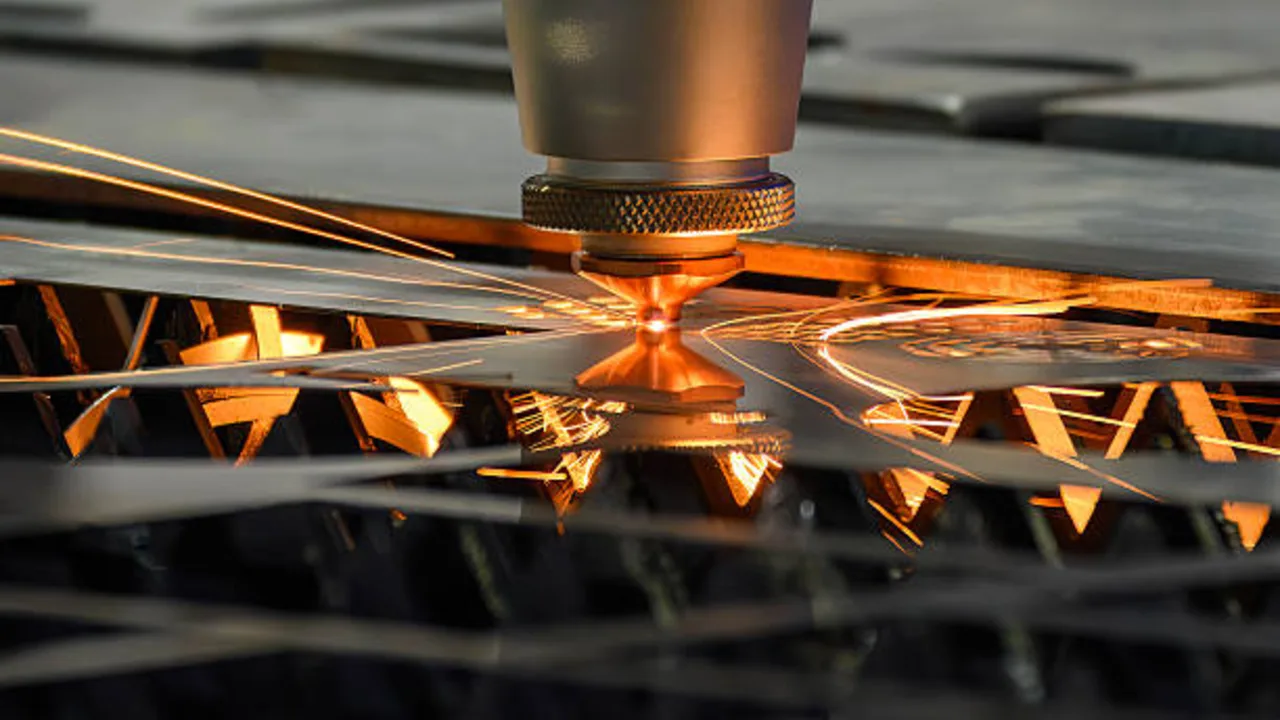
In practice, steel factory layout constraints rarely exist in ideal conditions. Many manufacturers operate in facilities that were not originally designed for modern steel production demands. Retrofitting these spaces introduces additional complexity, as existing structures limit what changes can realistically be made.
Expansion is another common challenge. As production demand grows, factories often need to increase capacity without significantly altering the core building. This can lead to overcrowded layouts, overlapping workflows, and reduced efficiency if not carefully managed.
Multi-product manufacturing adds yet another layer of difficulty. Different steel components may require unique processing sequences, forcing layouts to accommodate multiple workflows simultaneously. Without proper planning, this can result in congestion and operational conflicts.
These real-world challenges highlight why early-stage layout planning is critical. Once constraints are embedded into the facility, they become long-term operational limitations.
Engineering Solutions to Overcome Layout Constraints
Modular Layout Planning
One effective way to address steel factory layout constraints is through modular layout design. Instead of fixed, rigid zones, modular layouts divide the factory into flexible sections that can be reconfigured based on production needs.
This approach allows manufacturers to adapt to changing project requirements without major structural modifications. It also improves scalability, enabling smoother transitions as production volumes increase.
Vertical Space Utilization
When horizontal space is limited, vertical space becomes a valuable resource. High-bay structures, overhead crane systems, and multi-level storage solutions allow manufacturers to maximize available volume within the facility.
Effective use of vertical space reduces floor congestion and improves material flow, helping to mitigate the impact of steel factory layout constraints.
Digital Simulation and Layout Planning Tools
Modern manufacturers increasingly rely on digital tools to plan and optimize factory layouts. Simulation software can model material flow, equipment interaction, and space utilization before physical implementation.
These tools help identify potential bottlenecks and inefficiencies early, allowing engineers to refine layouts before construction or equipment installation. As a result, steel factory layout constraints can be proactively managed rather than reactively corrected.
The Role of Experienced Manufacturers in Layout Efficiency
Experience plays a crucial role in navigating steel factory layout constraints. Manufacturers with deep industry knowledge understand how to balance structural limitations, workflow requirements, and safety considerations.
They approach layout planning as an integrated process that connects engineering design, fabrication methods, and logistics coordination. This holistic perspective ensures that every element of the factory contributes to overall efficiency.
For companies seeking optimized production environments, working with a steel structure workshop manufacturer with proven expertise can significantly improve layout performance and reduce long-term operational risks.
Best Practices for Managing Steel Factory Layout Constraints
While constraints are inevitable in any industrial environment, steel factory layout constraints can be managed effectively through structured planning and strategic decision-making. Rather than treating limitations as obstacles, leading manufacturers integrate them into their design logic, turning constraints into controlled variables within the production system.
The key is to approach layout planning holistically—balancing equipment positioning, material flow, safety requirements, and future scalability. When properly managed, steel factory layout constraints can actually enhance operational discipline and efficiency.
The following best practices provide a structured approach to maintaining high performance even within limited space:
| Best Practice | Application in Steel Factory Layout | Impact on Efficiency |
|---|---|---|
| Plan layout before equipment investment | Design spatial flow and process zones before installing heavy machinery | Prevents costly relocation and avoids long-term workflow inefficiencies |
| Align layout with production type | Match layout to batch, project-based, or continuous production models | Improves process consistency and reduces unnecessary movement |
| Prioritize material flow | Design linear or optimized flow paths for steel components | Minimizes handling time and reduces bottlenecks |
| Maintain layout flexibility | Use modular zones and adaptable workstations | Supports expansion, product variation, and process upgrades |
| Integrate safety from the start | Include safety zones, access paths, and compliance spacing early | Reduces operational risk and avoids redesign or regulatory issues |
Each of these practices directly addresses common steel factory layout constraints, ensuring that limitations in space, structure, or equipment do not translate into operational inefficiencies. For example, prioritizing material flow helps eliminate cross-traffic, while modular layouts allow manufacturers to adapt without major structural changes.
It is also important to recognize that steel factory layout constraints evolve over time. As production scales or product types diversify, layouts must remain adaptable. Manufacturers that plan for flexibility from the beginning are better equipped to respond to future demands without significant disruption.
By applying these best practices, steel manufacturers can significantly reduce the negative impact of steel factory layout constraints and build production environments that are efficient, scalable, and resilient under real-world conditions.
Conclusion
Factory layout is not just a matter of physical arrangement—it is a strategic decision that directly influences productivity, cost efficiency, and operational stability. Steel factory layout constraints shape how materials move, how processes interact, and how effectively a facility can respond to changing demands.
Manufacturers that proactively address these constraints through thoughtful design, advanced planning tools, and experienced execution are better positioned to achieve consistent performance. In contrast, poorly planned layouts often result in long-term inefficiencies that are difficult and costly to correct.
As steel manufacturing continues to evolve, the ability to manage layout constraints will remain a key competitive advantage. Companies that treat layout planning as a core part of their operational strategy will be able to deliver higher quality, faster turnaround, and greater flexibility in an increasingly demanding global market.