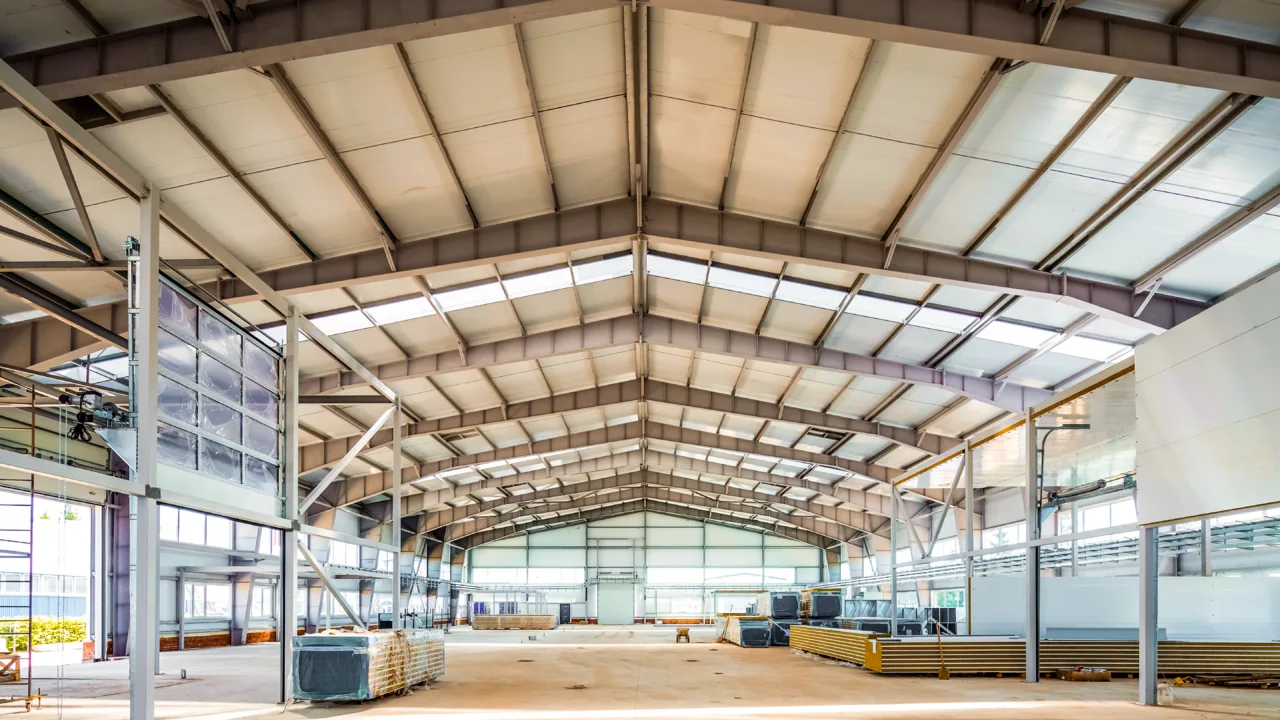
Industrial warehouses are increasingly built using steel structures due to their strength, flexibility, and construction efficiency. However, when it comes to fire risk, steel behaves very differently from traditional materials like concrete or masonry. This is why steel warehouse fire safety must be addressed intentionally at the design stage, not treated as an afterthought.
A well-designed fire safety strategy protects not only the building itself, but also stored goods, operational continuity, and human life. This article explains how fire behaves in steel warehouses, what fire protection systems matter most, and how fire rating and coating solutions work together to improve safety and compliance.
Why Fire Safety Is Critical in Steel Warehouses
Steel is non-combustible, but that does not mean it is fireproof. When exposed to high temperatures, steel rapidly loses its load-bearing capacity. At around 550°C, structural steel can lose more than 50% of its strength, which may lead to deformation or collapse if not properly protected.
In a warehouse environment, fire risks are amplified by several factors:
- High fuel loads from stored goods and packaging materials
- Large open floor areas that allow fire to spread rapidly
- High ceilings that trap heat and smoke
- Racking systems that create vertical fire paths
Without proper planning, a fire incident can escalate quickly, causing catastrophic losses even if ignition starts in a small area.
Understanding Fire Behavior in Steel Warehouse Structures
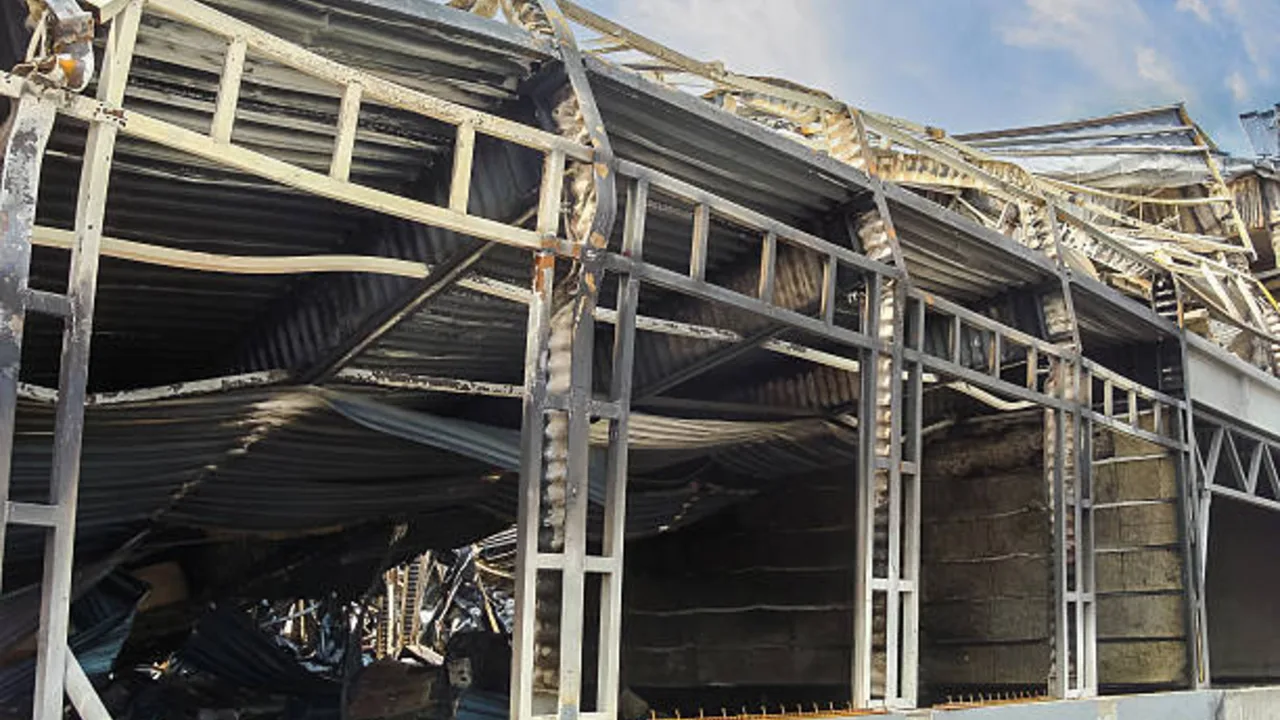
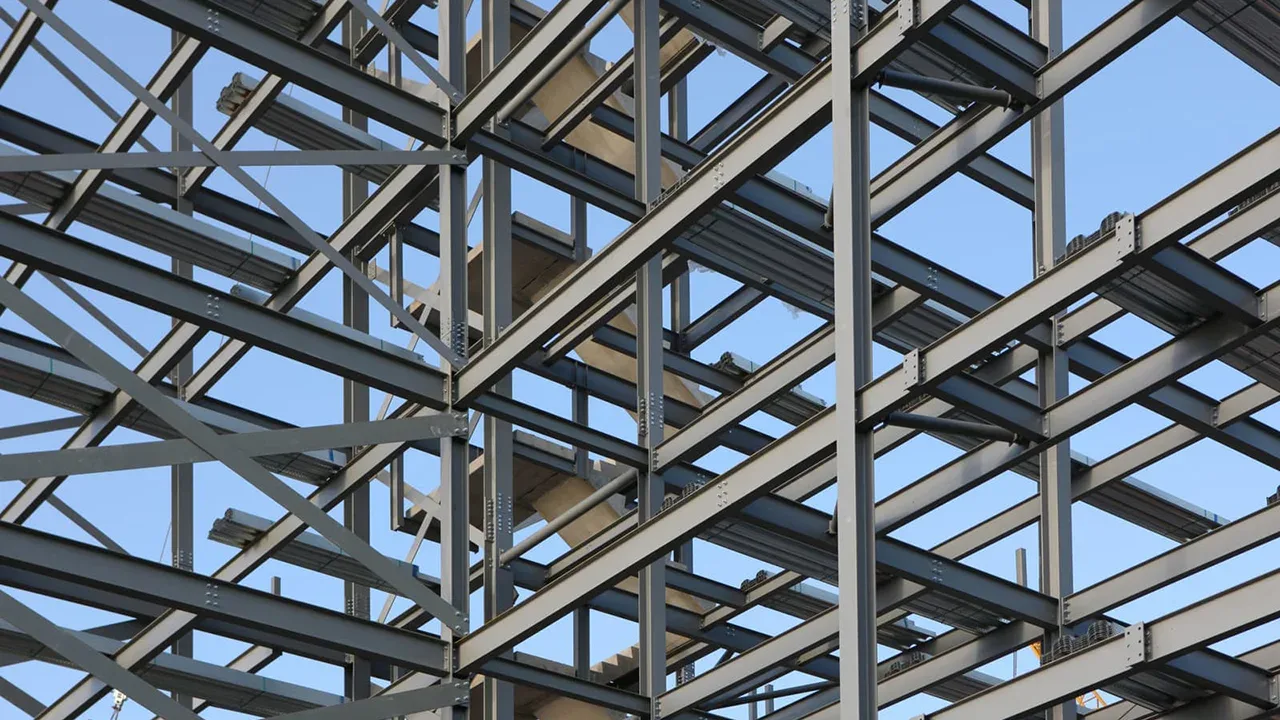
Unlike concrete, steel does not crack or spall under fire exposure. Instead, it softens and deforms. Beams may sag, columns may buckle, and connections may fail if fire exposure is prolonged.
This is why steel warehouse fire safety is less about preventing steel from burning and more about:
- Delaying temperature rise in structural members
- Maintaining structural stability long enough for evacuation
- Allowing firefighting operations to be effective
Fire safety design must consider the interaction between the steel structure, stored materials, ventilation, and suppression systems.
Fire Rating Requirements for Steel Warehouses
Fire rating refers to the time a structural element can withstand fire exposure while maintaining its load-bearing function. Common fire ratings for steel warehouse structures range from:
- 30 minutes
- 60 minutes
- 90 minutes
- 120 minutes
The required fire rating depends on:
- Local building codes and regulations
- Warehouse size and height
- Type of stored goods
- Occupancy level and evacuation strategy
Higher fire ratings provide more time for evacuation and emergency response, but they also influence material selection, coating thickness, and overall project cost.
Fire Protection Coating Systems for Steel Structures
One of the most effective ways to improve fire resistance in steel warehouses is through fire protection coatings. These systems act as thermal barriers that slow heat transfer to the steel.
Intumescent Fire Protection Coatings
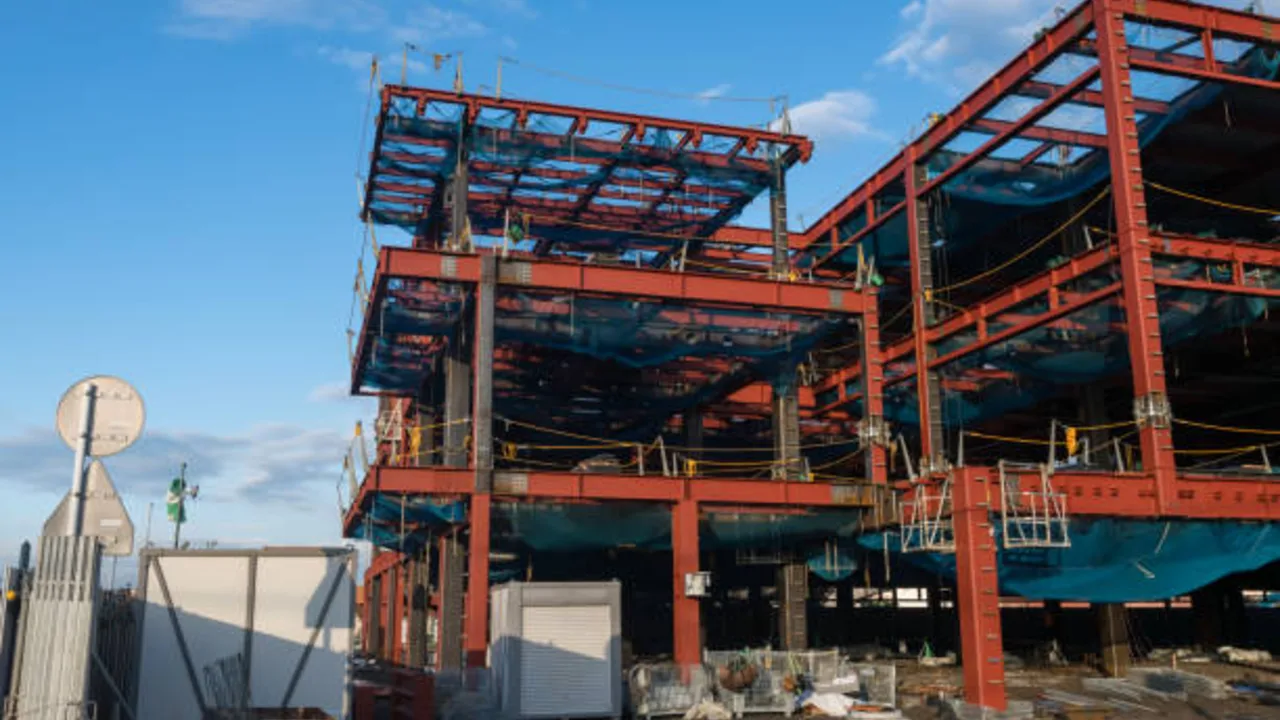
Intumescent coatings are widely used in modern steel warehouse projects. When exposed to heat, the coating expands and forms a thick insulating char layer.
Key advantages include:
- Lightweight and minimal impact on structural load
- Clean appearance suitable for visible steel
- Flexible fire rating performance (30–120 minutes)
These coatings are often preferred in warehouses where aesthetics, space efficiency, or retrofit flexibility matters.
Fire-Resistant Board and Spray Systems
For heavy-duty or cost-sensitive applications, steel members may be protected using:
- Fire-resistant boards
- Spray-applied cementitious materials
These systems provide robust protection but may increase structural dimensions and require additional maintenance over time.
Warehouse Layout and Fire Compartmentation
Fire safety design is not limited to the steel structure itself. Warehouse layout plays a major role in controlling fire spread.
Effective strategies include:
- Fire compartment walls to limit horizontal fire spread
- Separation of high-risk storage zones
- Dedicated fire corridors for evacuation and access
In large steel warehouses, compartmentation can significantly reduce fire damage by isolating affected zones.
Fire Protection for Steel Racking Systems
Racking systems introduce unique fire risks in steel warehouses. Tall racks allow fire to spread vertically and shield sprinkler water from reaching lower levels.
According to guidance from Mecalux, effective fire protection for racking systems includes:
- Proper sprinkler design based on rack height and load
- In-rack sprinkler systems for high-density storage
- Clear aisle spacing to improve firefighting access
Fire safety planning must treat the steel structure and racking system as a single integrated system.
Active Fire Protection Systems in Steel Warehouses
Passive fire protection slows fire development, but active systems are essential for fire suppression.
Common active systems include:
- Automatic sprinkler systems
- Smoke detection and alarm systems
- Smoke and heat exhaust ventilation
These systems work together to detect, contain, and suppress fire before structural integrity is compromised.
Inspection, Maintenance, and Compliance
Fire safety does not end after construction or initial commissioning. In steel warehouses, long-term fire performance depends heavily on regular inspection, systematic maintenance, and continuous compliance with applicable fire regulations. Changes in warehouse operations, storage density, or equipment layout can significantly alter fire risk profiles if not properly managed.
Routine Inspection of Fire Protection Systems
All fire protection systems in a steel warehouse must be inspected at scheduled intervals to ensure they continue to perform as designed. This includes both passive and active fire protection elements.
Key inspection tasks include:
- Periodic inspection of fire protection coatings to identify cracking, delamination, corrosion, or mechanical damage caused by equipment impact or maintenance work
- Verification that coating thickness still meets the required fire rating, especially in high-traffic or high-vibration areas
- Visual inspection of steel members for deformation or exposure due to coating failure
Minor coating damage left unaddressed can significantly reduce fire resistance during an actual fire event.
Maintenance of Sprinkler and Detection Systems
Active fire protection systems such as sprinklers, alarms, and detectors must be maintained in accordance with manufacturer recommendations and local fire codes. Warehouse modifications often introduce blind spots that compromise system effectiveness.
Maintenance best practices include:
- Re-evaluating sprinkler coverage after any change in rack height, storage configuration, or equipment placement
- Ensuring sprinkler heads are not obstructed by stored goods, cable trays, or new mechanical installations
- Testing fire alarms, smoke detectors, and control panels at regular intervals
Failure to update active fire systems after layout changes is one of the most common causes of fire protection system failure in warehouses.
Managing Egress Routes and Fire Lanes
Clear evacuation routes and accessible fire lanes are critical for both occupant safety and emergency response. Over time, operational pressures can lead to these areas being compromised.
To maintain compliance:
- Emergency exits must remain unobstructed, clearly marked, and adequately illuminated at all times
- Fire lanes inside and outside the warehouse should not be used for temporary storage or equipment parking
- Exit signage and emergency lighting should be tested regularly to ensure visibility during power failure
Even well-designed fire safety systems lose effectiveness if occupants cannot evacuate quickly and safely.
Adapting Fire Safety Systems to Operational Changes
Warehouses are dynamic environments. Changes such as increased storage density, new product types, automation upgrades, or mezzanine installations can all impact fire risk.
Whenever operational changes occur:
- Fire risk assessments should be updated to reflect new conditions
- Structural fire protection requirements may need revision, including higher fire ratings or additional coatings
- Sprinkler design and smoke exhaust systems should be rechecked by qualified fire engineers
Proactive adaptation prevents fire safety systems from becoming outdated or insufficient.
Regulatory Compliance and Documentation
Maintaining compliance with fire regulations is an ongoing responsibility, not a one-time approval. Authorities may require documentation proving that fire protection systems are maintained and inspected regularly.
Recommended practices include:
- Keeping inspection and maintenance records for fire protection coatings and active systems
- Documenting any warehouse layout changes and corresponding fire safety updates
- Conducting periodic third-party fire safety audits to verify compliance
Consistent documentation not only supports regulatory compliance but also demonstrates due diligence to insurers and stakeholders.
Because warehouses evolve over time, fire safety systems must evolve with them. Regular inspection, timely maintenance, and proactive compliance management ensure that steel warehouse fire safety remains effective throughout the building’s entire service life.
Integrating Fire Safety into Steel Warehouse Design
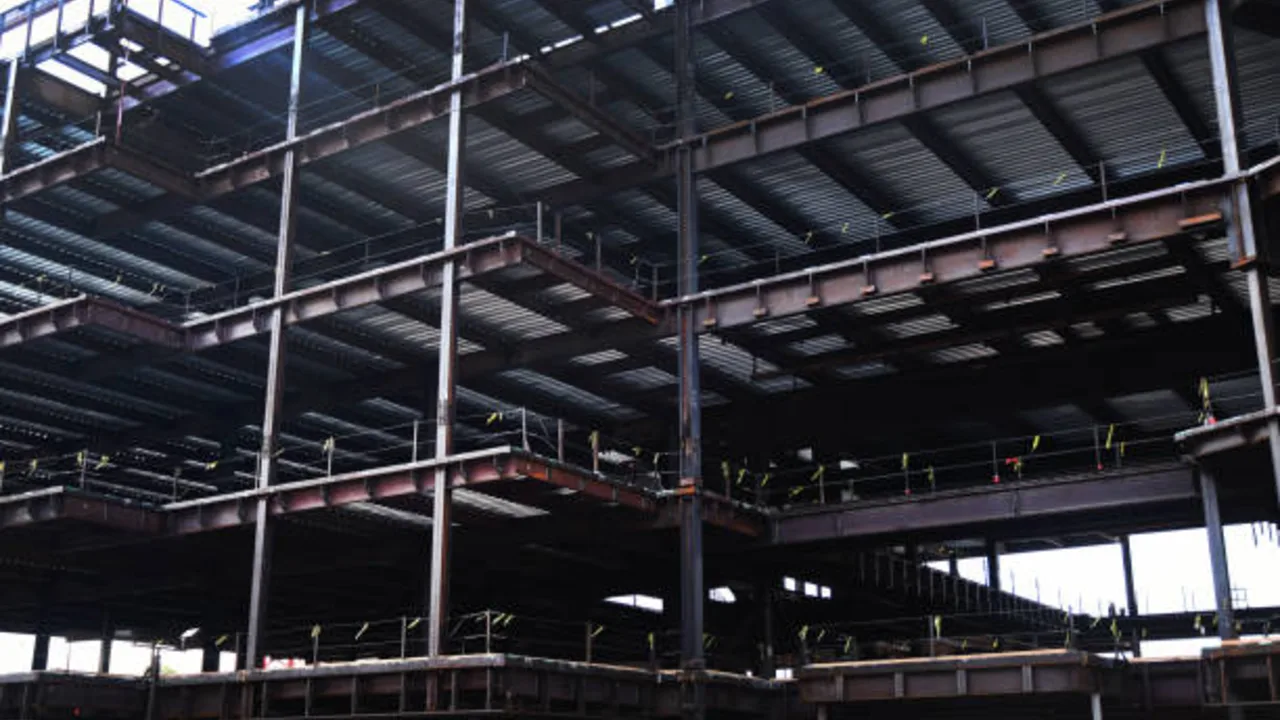
The most effective approach to steel warehouse fire safety is early integration during the design phase. Structural engineers, fire consultants, and warehouse planners must collaborate to balance safety, cost, and operational efficiency.
When designed correctly, a steel structure warehouse building can achieve high fire resistance without sacrificing flexibility or performance.
Conclusion: Building Safer Steel Warehouses
Fire safety is one of the most critical design challenges in industrial steel warehouses. By understanding fire behavior, selecting appropriate fire rating levels, applying effective coating systems, and integrating active protection measures, steel warehouses can achieve high levels of safety and compliance.
Investing in proper fire safety design not only protects assets and people, but also ensures long-term operational stability and regulatory approval for modern industrial facilities.