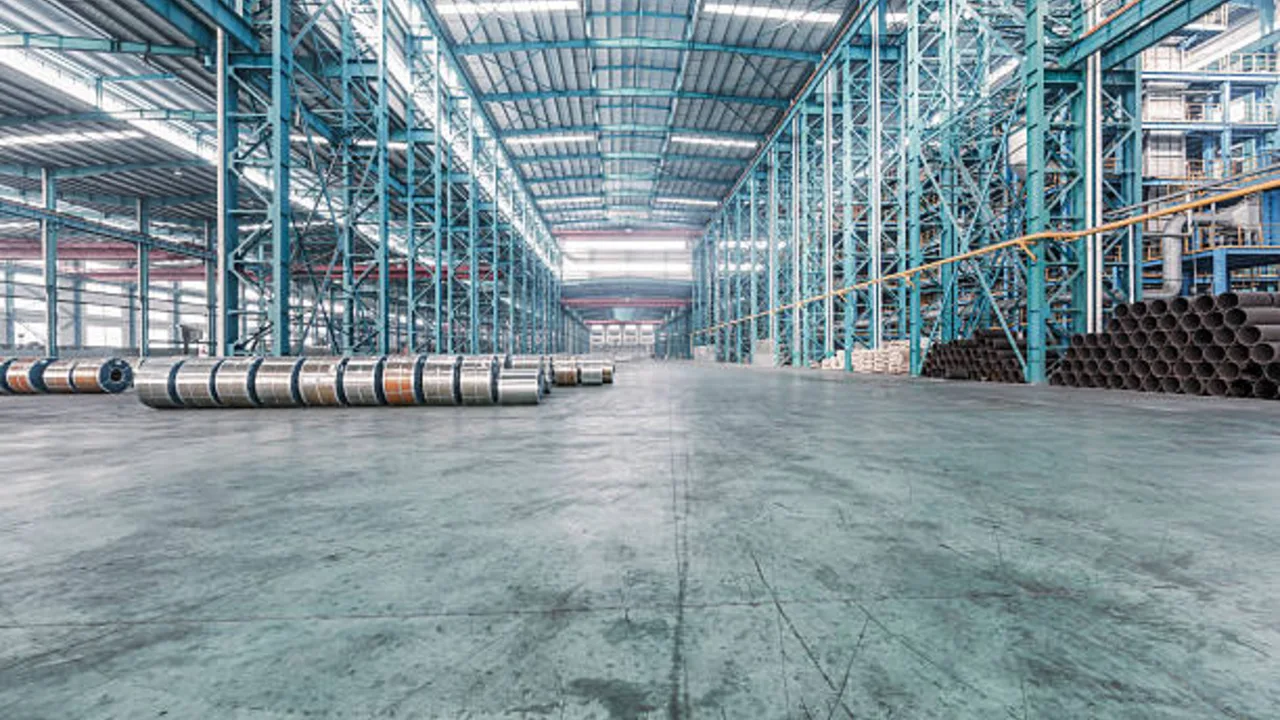
Modern logistics and industrial expansion have driven warehouses to become taller, wider, and more structurally demanding than ever before. High-bay storage systems, automated racking, and vertical space optimization mean that today’s steel warehouses often reach eave heights of 15 to 30 meters or more. As building height increases, so does structural exposure to environmental forces — particularly wind. This makes tall warehouse wind load analysis a critical engineering priority.
Unlike low-rise industrial buildings, tall steel warehouses experience significantly amplified lateral forces and roof uplift effects. Wind does not simply push against the walls; it flows around edges, accelerates over roof surfaces, and creates complex suction zones. These forces generate substantial wind pressure variations that must be carefully calculated to ensure structural stability.
A properly engineered wind-resistant warehouse prevents structural drift, cladding failure, roof uplift, and long-term fatigue damage. Whether the project involves a distribution hub, high-clearance storage facility, or a china steel structure warehouse built in coastal exposure zones, accurate tall warehouse wind load design ensures safety, durability, and operational continuity.
Understanding Wind Behavior Around Tall Steel Warehouses
Basic Wind Mechanics
Wind load is fundamentally related to wind speed and air density. The basic pressure equation used in structural engineering is:
q = 0.5 × ρ × V²
Where q represents wind pressure, ρ is air density, and V is wind velocity. Because velocity is squared in this equation, small increases in wind speed produce significantly larger wind pressure effects.
For tall steel warehouses, this relationship becomes increasingly important as wind speed typically increases with height above ground level. This means upper wall panels and roof systems experience higher wind pressure than lower sections of the structure.
Height Amplification Effects
As warehouse height increases, the building moves into higher exposure categories. Open terrain, coastal zones, or industrial parks without surrounding shielding amplify wind speed effects. Consequently, tall warehouse wind load values rise sharply compared to standard low-rise structures.
Additionally, taller buildings are more susceptible to dynamic wind behavior such as turbulence and vortex shedding. These dynamic effects can induce oscillations and cyclic loading, which must be considered during frame design.
Structural Impact of Tall Warehouse Wind Load
Lateral Frame Forces
Wind creates horizontal forces acting on wall surfaces. These forces are transferred through cladding to the primary steel frame, generating shear forces and bending moments in columns and rafters. In tall buildings, this lateral load can significantly increase column base reactions.
If not properly designed, excessive lateral drift can lead to:
- Cracking in wall panels
- Connection fatigue
- Door misalignment
- Structural instability
Roof Uplift and Suction
Wind flowing over the roof creates negative pressure zones. This suction effect attempts to lift roof panels away from the structure. In tall warehouses with large roof spans, uplift forces may exceed downward gravity loads.
Engineers must carefully calculate roof wind pressure zones and design appropriate fasteners, purlins, and anchorage systems to prevent panel detachment.
Cladding and Envelope Performance
The building envelope plays a major role in resisting tall warehouse wind load forces. Wall cladding systems must withstand both inward and outward pressure. Improper fastening or inadequate panel thickness can result in panel deformation or failure during extreme weather events.
Wind Pressure Calculation Standards
International Codes
Designers rely on recognized standards to determine safe wind loads. Common references include:
- ASCE 7 (United States)
- EN 1991-1-4 (Eurocode)
- GB 50009 (China)
These codes define exposure categories, importance factors, gust coefficients, and load combinations necessary for tall warehouse wind load design.
External and Internal Wind Pressure
Wind does not only act externally. Large warehouse doors, ventilation openings, or damaged panels can create internal pressure changes. When internal and external pressures combine unfavorably, total structural load increases dramatically.
For this reason, wind pressure analysis must evaluate both positive pressure zones and suction zones to ensure comprehensive safety margins.
Structural Design Strategies to Resist Tall Warehouse Wind Load
Rigid Frame Systems
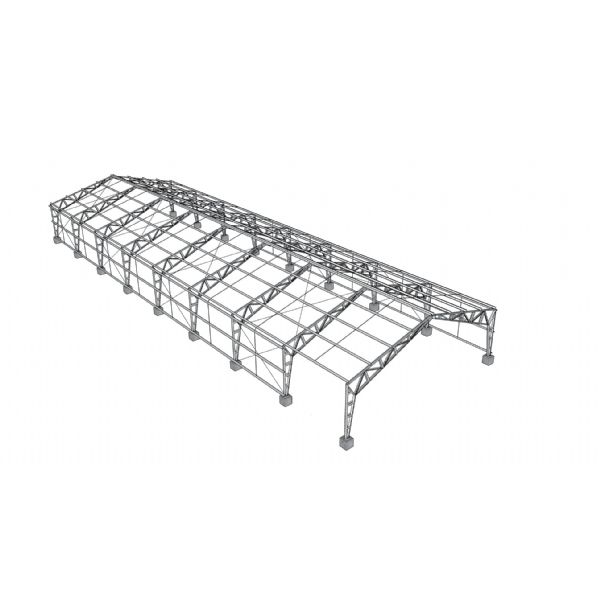
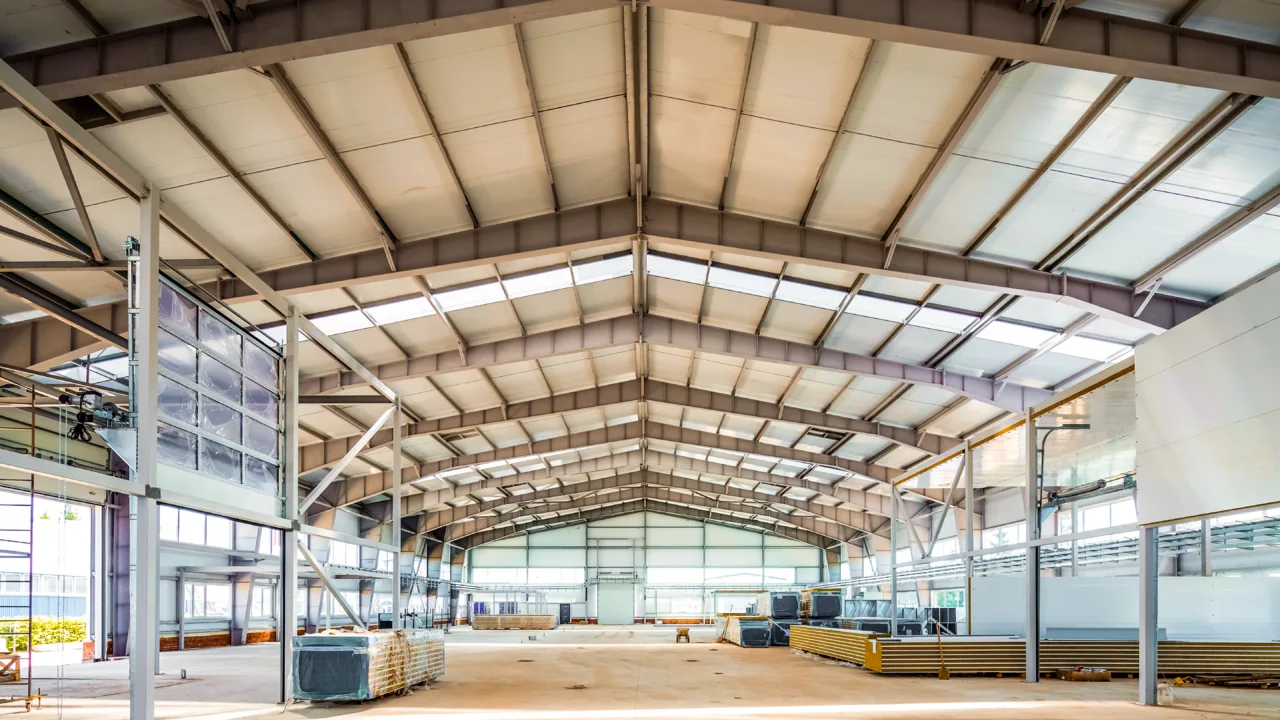
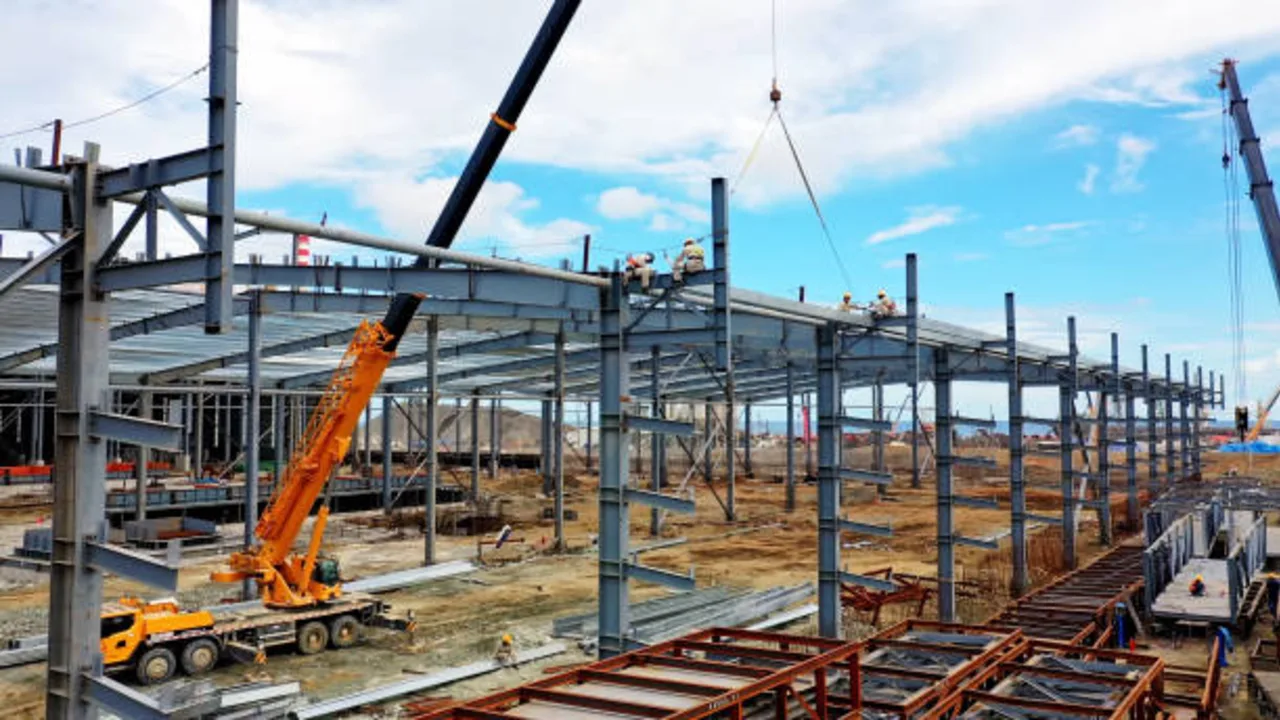
Portal rigid frames are commonly used in steel warehouses. These systems resist lateral loads through moment connections between columns and rafters. In taller buildings, heavier sections and stronger connections are required to maintain stiffness.
Bracing Systems
Bracing enhances stability by distributing lateral loads efficiently.
| Bracing Type | Structural Efficiency | Cost Impact |
|---|---|---|
| Cross Bracing | High | Low |
| K-Bracing | Medium-High | Medium |
| Portal Bracing | Medium | Medium |
Choosing the right bracing configuration depends on warehouse height, span width, and calculated tall warehouse wind load values.
Foundation Anchorage
Strong foundations prevent uplift and sliding. Anchor bolts, base plates, and reinforced concrete footings must be sized according to wind overturning moments. Soil bearing capacity also influences anchorage performance.
Aerodynamic Considerations
Roof Geometry
Roof shape significantly affects wind behavior. Gable roofs can reduce uplift compared to flat roofs. Parapets may increase turbulence and suction forces. Curved or optimized profiles may improve airflow distribution and reduce peak wind pressure.
Building Orientation
Positioning the building relative to prevailing wind direction can reduce overall structural demand. Site-specific wind rose data should be analyzed during early planning stages.
Wind Load Compared to Other Environmental Loads
| Load Type | Primary Effect | Design Priority in Tall Warehouses |
|---|---|---|
| Wind Load | Lateral & Uplift | Very High |
| Snow Load | Vertical Compression | Region Dependent |
| Seismic Load | Lateral Dynamic | High in Seismic Zones |
In many coastal or open terrain regions, tall warehouse wind load governs the structural design more than snow or seismic forces.
Case Study: High-Bay Steel Warehouse in Coastal Region
A 22-meter eave height logistics warehouse located in a coastal industrial zone required advanced wind engineering. The design wind speed exceeded 45 m/s, producing significant wind pressure on upper wall sections.
Engineering solutions included:
- Heavier column sections
- Enhanced cross bracing
- High-strength anchor bolts
- Reinforced roof-to-wall connections
Post-construction wind simulation confirmed acceptable drift and stress limits, validating the tall warehouse wind load strategy.
Cost Implications of Wind-Resistant Design
Designing for higher wind resistance is not simply about “adding more steel.” It is a systematic engineering upgrade that affects multiple components of a tall warehouse structure. When tall warehouse wind load values increase due to exposure category, terrain condition, or regional wind speed requirements, the structural system must respond accordingly — and that response has cost implications across materials, fabrication, connections, and installation.
1. Increased Steel Quantities and Section Sizes
One of the most direct impacts of higher design wind speed is the need for stronger structural members. Columns may require larger flange widths or thicker webs. Rafters may need deeper sections to control lateral deflection. Bracing members often shift from light tension rods to heavier angle or tubular sections.
In practical terms:
- Primary frame steel tonnage may increase by 5–15%
- Bracing systems may add 2–5% additional weight
- Base plate thickness and anchor bolt diameter typically increase
Although this raises upfront structural cost, it improves lateral stiffness, reduces drift, and enhances long-term durability under repeated wind pressure cycles.
2. Connection Complexity and Fabrication Costs
Wind-resistant design significantly influences connection detailing. In high-wind zones, moment connections must resist larger bending forces. This results in:
- Thicker end plates
- Higher-grade bolts (e.g., 10.9 instead of 8.8)
- Additional stiffener plates
- Increased welding requirements
Fabrication time may increase due to more precise detailing and quality inspections. Bolted moment connections, particularly in portal frame systems, can contribute noticeably to project cost escalation. However, these enhanced connections are critical to transferring tall warehouse wind load forces safely into the foundation.
3. Foundation and Anchorage Reinforcement
Wind loads generate overturning moments at column bases. As warehouse height increases, uplift forces become more pronounced. To counteract this:
- Anchor bolts may increase in diameter and embedment depth
- Base plates require thicker steel
- Reinforced concrete footings must be larger
- Shear keys or tie beams may be added
Foundation reinforcement often represents a hidden cost factor in wind-resistant design. While superstructure steel cost might increase moderately, foundation adjustments can add additional budget impact — especially in soft soil regions.
4. Cladding and Roof System Upgrades
Wind pressure directly affects wall panels and roof systems. High suction zones at roof edges and corners require:
- Closer fastener spacing
- Thicker roof panels
- Higher pull-out strength screws
- Improved sealing systems
These upgrades may increase envelope costs by 3–10%, but they dramatically reduce the risk of panel detachment during extreme wind events.
5. Engineering and Analysis Costs
Higher wind exposure also increases design-phase expenses. Advanced analysis tools such as:
- Finite Element Analysis (FEA)
- Computational Fluid Dynamics (CFD)
- Wind tunnel testing (for critical projects)
may be required for verification. While this adds engineering fees upfront, it ensures compliance with ASCE, Eurocode, or GB standards and avoids costly redesign later.
6. Long-Term Financial Benefits
Although initial construction cost may rise by 5–15% for enhanced tall warehouse wind load resistance, the long-term financial advantages are substantial:
- Reduced risk of structural failure
- Lower maintenance frequency
- Increased structural lifespan
- Minimized operational downtime
- Higher asset valuation
More importantly, catastrophic wind damage can result in complete roof loss, inventory destruction, and business interruption. Compared to these potential losses, proactive wind-resistant design is a cost-efficient risk mitigation strategy.
7. Insurance and Risk Profile Advantages
Insurance providers assess structural risk based on exposure category, building height, and compliance with recognized codes. When certified wind-resistant engineering documentation is provided:
- Insurance premiums may decrease
- Deductibles may be reduced
- Claim processing becomes smoother
- Risk classification improves
In some industrial zones, insurers require documented tall warehouse wind load calculations before issuing comprehensive coverage.
8. Return on Investment Perspective
From an investment standpoint, wind-resistant design should not be viewed as an expense — but as structural insurance. The incremental cost increase protects millions of dollars in stored goods, automated systems, and operational continuity.
For high-bay logistics centers or export-driven facilities, especially those classified as a <strong>china steel structure warehouse</strong> operating in coastal regions, wind load engineering directly supports long-term business sustainability.
Common Design Mistakes
- Underestimating exposure category
- Ignoring internal wind pressure effects
- Weak roof-to-wall connections
- Insufficient anchor bolt capacity
Avoiding these errors is essential for safe tall warehouse wind load performance.
Future Trends in Wind-Resistant Warehouse Engineering
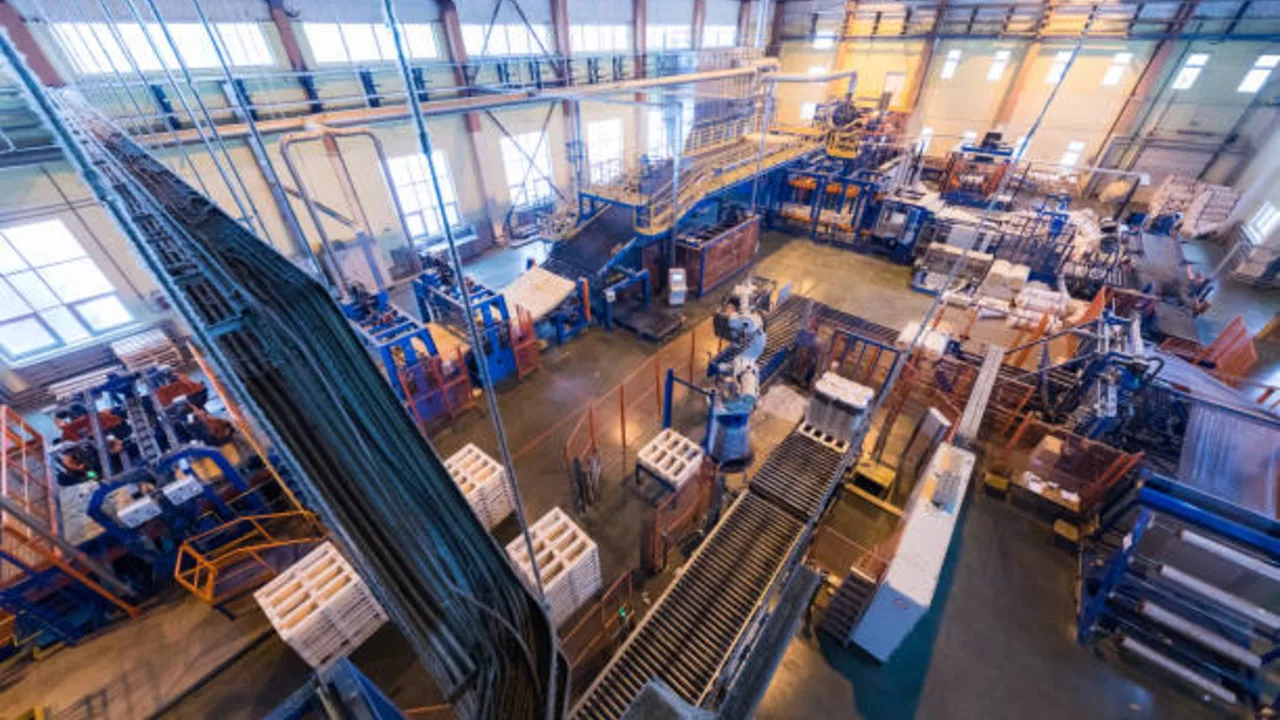
Advanced computational fluid dynamics (CFD), AI-assisted structural modeling, and real-time structural health monitoring are transforming wind load engineering. High-strength steel grades allow lighter yet stronger frames capable of resisting extreme wind pressure conditions.
FAQ: Tall Warehouse Wind Load
How is tall warehouse wind load calculated?
Using wind speed data, exposure category, pressure coefficients, and code-defined load combinations.
Does wind pressure affect roof design more than walls?
Roof uplift often governs design in high-wind regions.
Can existing warehouses be upgraded?
Yes, through additional bracing, anchor reinforcement, and cladding upgrades.
How much does wind engineering increase cost?
Typically 5–15% depending on severity of design wind speed.
Conclusion
As warehouse structures continue to grow taller, the importance of precise tall warehouse wind load engineering becomes increasingly critical. Wind pressure effects amplify with height, influencing frame design, cladding performance, and foundation anchorage. Through proper calculation, reinforced structural systems, and aerodynamic optimization, tall steel warehouses can safely withstand extreme environmental conditions.
Investing in accurate wind load analysis is not merely a compliance requirement — it is a strategic decision that protects assets, ensures operational continuity, and supports long-term structural reliability.