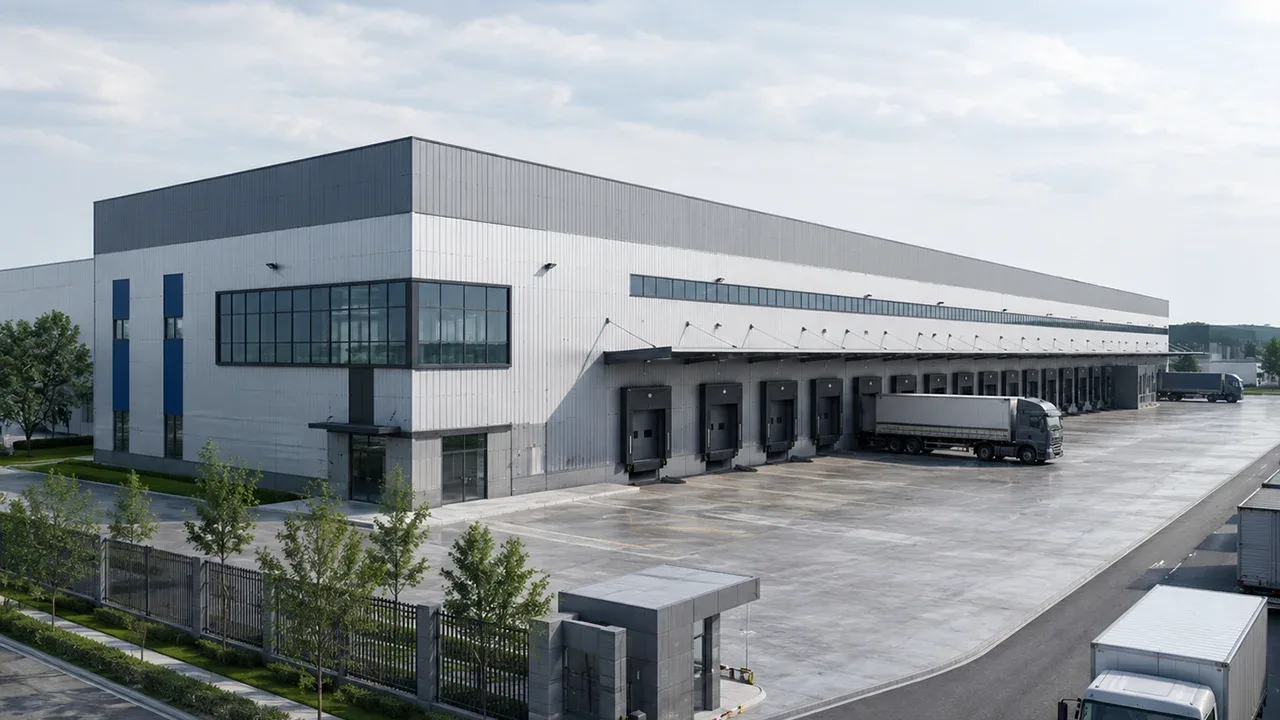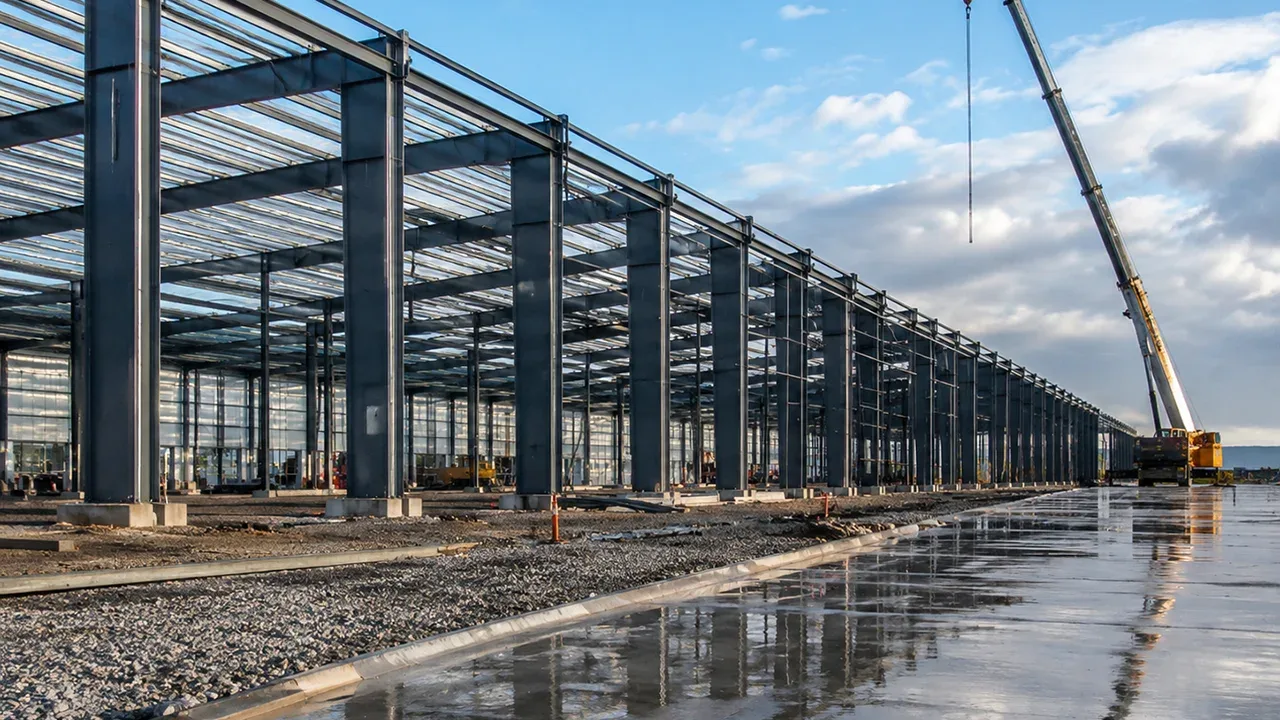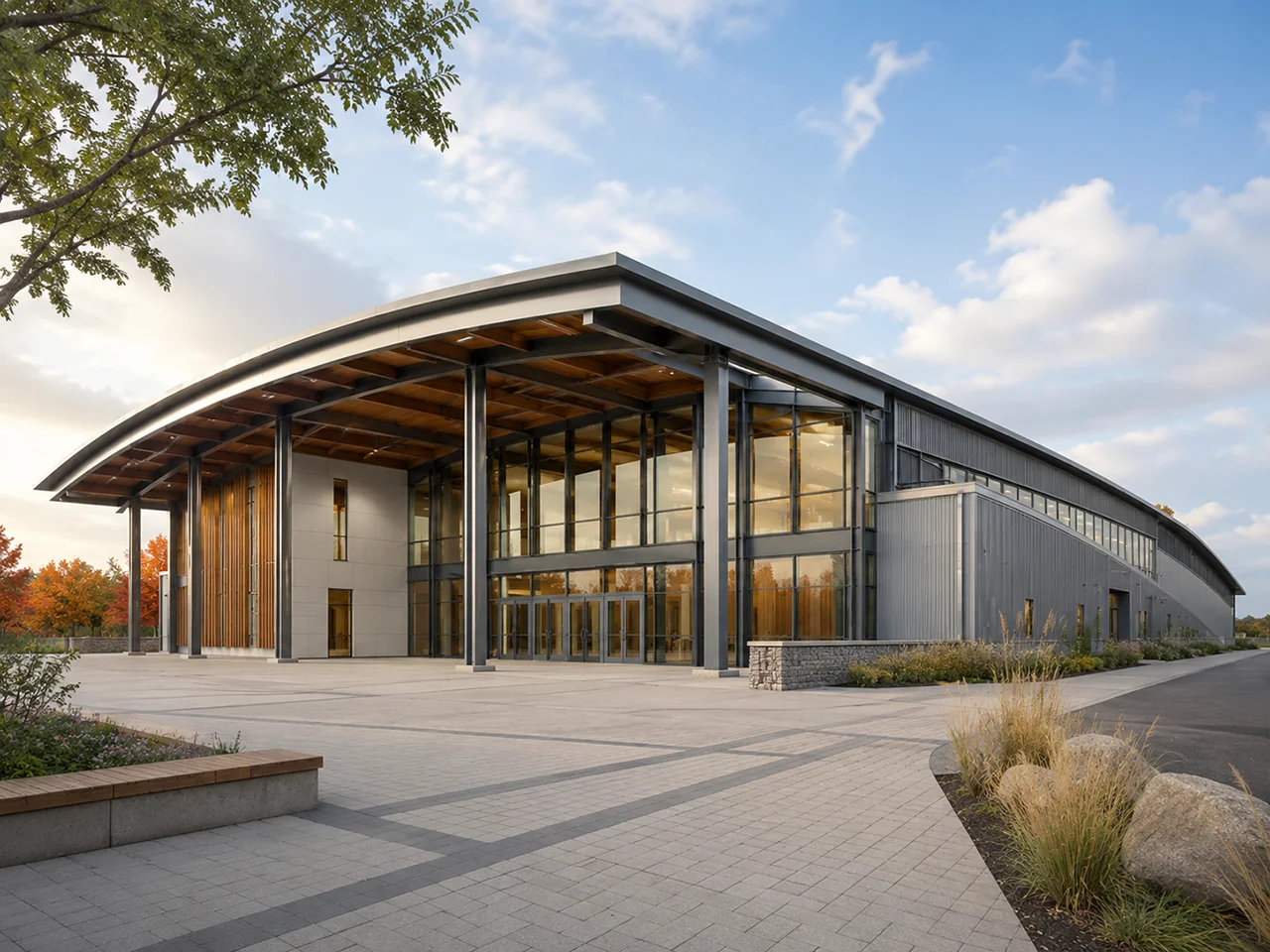
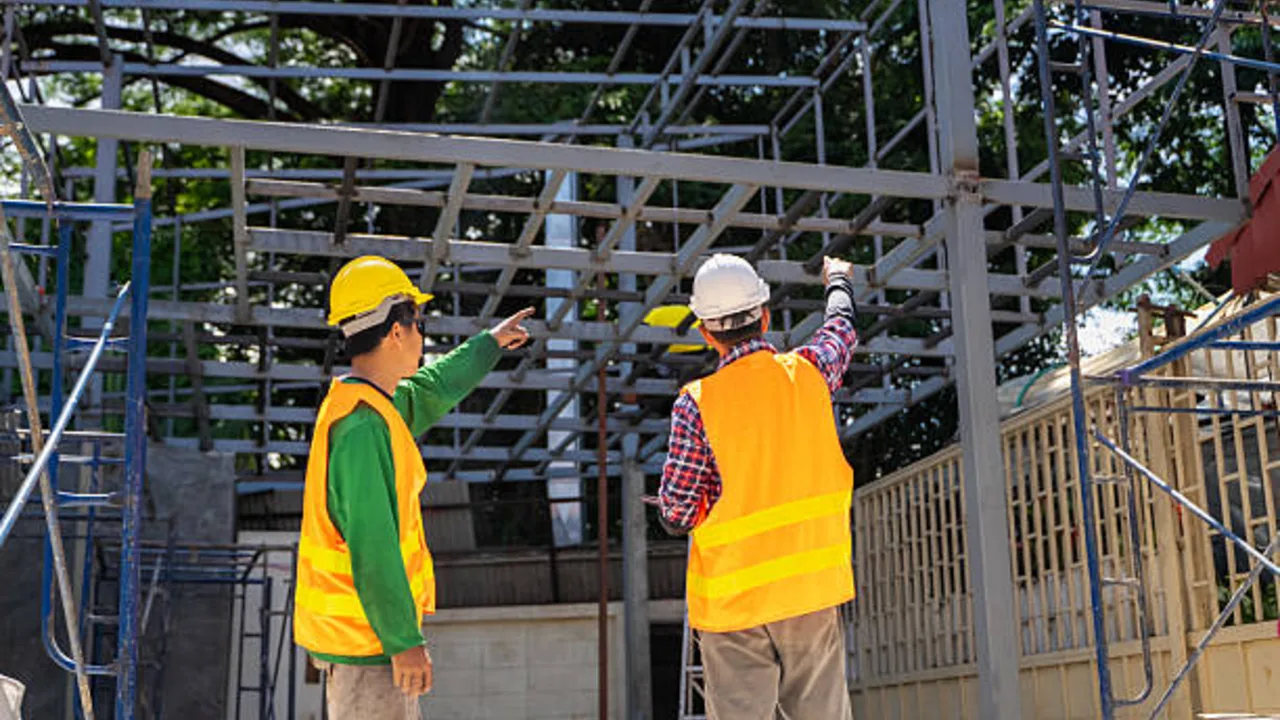
Industrial expansion across Southeast Asia, Africa, South America, and other equatorial regions has dramatically increased demand for high-performance logistics and storage facilities. However, constructing a warehouse in these regions is fundamentally different from building in temperate climates. High humidity, intense rainfall, extreme solar radiation, and seasonal storms introduce complex engineering challenges that require a specialized approach. This is where tropical steel warehouse design becomes critical.
Unlike conventional warehouse structures, tropical steel warehouse design focuses on corrosion resistance, ventilation efficiency, thermal control, and long-term durability under constant moisture exposure. Without proper engineering, high humidity levels can accelerate steel corrosion, damage stored goods, and increase maintenance costs. Therefore, developers must move beyond basic structural design and integrate climate-adaptive solutions from the earliest planning stages.
This article explores the core engineering strategies behind effective tropical steel warehouse design, examining how climate-responsive design principles protect structural integrity, reduce lifecycle costs, and improve operational efficiency in humid environments.
Understanding Tropical Climate Challenges in Warehouse Construction
Before discussing structural solutions, it is essential to understand the environmental pressures that define tropical regions. Designing a warehouse in high-humidity zones requires a deep analysis of atmospheric moisture, rainfall intensity, temperature variation, and wind exposure. Each of these factors directly impacts the performance of steel structures.
High Humidity and Its Structural Impact
Persistent humidity is the most significant environmental challenge in tropical climates. Relative humidity levels often exceed 75–90% throughout the year. When warm air comes into contact with cooler steel surfaces, condensation forms. Over time, this moisture accelerates oxidation, especially if protective coatings are insufficient.
In poorly engineered facilities, humidity can cause:
- Surface corrosion on structural steel members
- Degradation of fasteners and connections
- Damage to electrical systems
- Mold growth affecting stored inventory
A properly executed tropical steel warehouse design incorporates anti-corrosion coatings, ventilation systems, and moisture management strategies that significantly reduce these risks.
Heavy Rainfall and Drainage Requirements
Tropical regions often experience monsoon seasons or frequent heavy downpours. Roof systems must be engineered to handle large volumes of water within short timeframes. Insufficient drainage can lead to leakage, structural stress, and foundation erosion.
Key design considerations include:
- Optimized roof slope for rapid water discharge
- High-capacity gutter systems
- Downpipe placement aligned with drainage planning
- Waterproof sealing at roof joints
Effective rainfall management is a defining characteristic of advanced tropical steel warehouse design.
High Temperature and Solar Radiation
Equatorial climates are characterized by intense solar exposure. Steel surfaces absorb heat quickly, increasing internal warehouse temperatures. Without insulation and reflective roofing systems, interior temperatures can rise significantly, affecting worker comfort and product quality.
Thermal expansion is another concern. Continuous expansion and contraction due to heat cycles can stress structural connections if not properly accounted for during engineering calculations.
Therefore, modern tropical steel warehouse design integrates reflective roof coatings, insulated sandwich panels, and natural ventilation systems to mitigate heat gain.
Tropical Storms and Wind Load Considerations
Many tropical regions are exposed to cyclones, typhoons, or seasonal high-wind events. Wind uplift forces can compromise roofing systems if structural bracing and anchoring are inadequate.
Engineering solutions typically include:
- Reinforced steel frames
- Wind-load compliant structural calculations
- High-strength anchor bolts
- Additional cross-bracing systems
By addressing wind resistance early in the planning phase, tropical steel warehouse design ensures structural safety and compliance with international building standards.
Core Engineering Principles of Tropical Steel Warehouse Design
The foundation of successful tropical steel warehouse design lies in integrating corrosion control, airflow optimization, and structural detailing tailored to humid environments. The following engineering principles form the backbone of durable warehouse performance in tropical regions.
Corrosion Protection Systems
Steel corrosion accelerates in environments with high humidity and airborne salt particles, particularly in coastal regions. Multi-layer protective systems are essential to extend the structural lifespan.
Common protective strategies include:
- Hot-dip galvanization
- Zinc-rich epoxy primers
- Polyurethane topcoat systems
- Sealed bolted connections
Compared to standard warehouse construction, tropical steel warehouse design typically requires enhanced coating thickness and periodic inspection protocols to maintain long-term durability.
Ventilation and Airflow Optimization
Air circulation is crucial in managing internal humidity levels. Without proper ventilation, moisture accumulation increases condensation risk and structural degradation.
Design strategies often include:
- Ridge ventilators for passive airflow
- Wall louvers for cross-ventilation
- High-volume industrial fans
- Hybrid mechanical-natural ventilation systems
Optimized airflow reduces internal humidity concentration and supports energy efficiency.
Insulation and Thermal Control
Insulated wall and roof panels play a central role in controlling internal temperature. Polyurethane (PU) or PIR sandwich panels are commonly used in tropical steel warehouse design to reduce heat transfer.
Reflective roof sheets further minimize solar heat absorption. Combined with ventilation systems, these elements create a stable indoor environment despite extreme outdoor conditions.
Structural Detailing for Humidity Resistance
Minor detailing decisions can significantly impact performance in humid climates. Design engineers must avoid moisture traps within structural joints and ensure adequate spacing between components for airflow.
Elevating the base structure slightly above ground level also reduces moisture intrusion from soil, further protecting the steel framework.
Roof Design Strategies for Tropical Steel Warehouses
Roof systems are the most exposed structural element in any tropical steel warehouse design. In humid and high-rainfall regions, roofing must simultaneously handle water discharge, solar heat, condensation control, and wind uplift forces. Failure in roof engineering often leads to long-term maintenance issues and internal damage.
An optimized tropical roof design integrates slope engineering, insulation layers, drainage systems, and anti-corrosion protection.
Technical Considerations for Tropical Roofing
| Roof Element | Tropical Requirement | Engineering Benefit |
|---|---|---|
| Roof Slope | Minimum 10%–15% | Rapid rainwater discharge |
| Coating System | Anti-corrosion multi-layer | Extended structural lifespan |
| Insulation Panel | PU/PIR Sandwich Panel | Reduced internal heat gain |
| Condensation Membrane | Anti-drip layer | Prevents moisture droplets |
| Gutter Capacity | Oversized design | Handles heavy rainfall intensity |
In advanced tropical steel warehouse design, wide roof overhangs are also implemented to reduce wall exposure to direct rainfall. This simple architectural strategy significantly improves durability in regions with year-round precipitation.
Foundation and Flooring Considerations in Humid Regions
High soil moisture and seasonal flooding present unique structural challenges. Tropical environments often have clay-heavy or saturated soil conditions, requiring reinforced foundation engineering.
Effective tropical steel warehouse design includes:
- Elevated floor slabs to reduce ground moisture penetration
- Vapor barrier membranes beneath concrete slabs
- High-strength reinforced concrete foundations
- Perimeter drainage channels
Humidity rising from the soil can create condensation at the base of steel columns. Installing moisture barriers and proper anchoring systems prevents corrosion at critical structural connection points.
Material Selection for Long-Term Durability
Material specification is one of the most important factors in tropical steel warehouse design. Selecting steel grades and protective systems tailored for humid climates significantly reduces maintenance costs.
Common structural materials include:
- Q355 structural steel
- ASTM A36 carbon steel
- Hot-dip galvanized secondary members
- Stainless or coated fasteners
In coastal tropical regions, salt-laden air intensifies corrosion risk. Therefore, coating thickness and inspection frequency must be increased compared to standard warehouse projects.
Comparing Standard vs Tropical Steel Warehouse Design
Many investors underestimate the difference between conventional warehouses and climate-adaptive structures. The table below highlights the engineering distinctions.
| Feature | Standard Warehouse | Tropical Steel Warehouse Design |
|---|---|---|
| Coating System | Basic primer | Multi-layer anti-corrosion protection |
| Ventilation | Minimal airflow planning | Enhanced cross-ventilation system |
| Roof Drainage | Standard gutter size | High-capacity drainage engineering |
| Insulation | Optional | Mandatory thermal control |
| Maintenance Frequency | Moderate | Lower long-term maintenance |
Although tropical steel warehouse design may require higher upfront engineering investment, lifecycle performance significantly outperforms standard construction in humid environments.
Cost Implications of Tropical Steel Warehouse Design
Cost planning must consider both capital expenditure and operational expenditure. Tropical adaptation increases certain initial costs due to enhanced coatings, insulation systems, and drainage engineering.
However, ignoring humidity-related engineering can result in:
- Frequent repainting and corrosion repair
- Inventory damage from condensation
- Increased HVAC energy usage
- Structural degradation over time
A well-executed tropical steel warehouse design reduces maintenance intervals and improves return on investment over a 20–30 year lifecycle.
Case Example: Steel Structure Warehouse in Southeast Asia
A logistics operator in Southeast Asia required a high-capacity storage facility capable of withstanding year-round humidity levels above 85%. The project implemented advanced tropical steel warehouse design strategies including galvanized framing, ridge ventilation systems, PU roof panels, and oversized drainage.
The facility was developed as a steel structure warehouse, integrating corrosion-resistant steel members and elevated flooring to reduce ground moisture impact.
After three years of operation, the warehouse reported significantly reduced maintenance requirements compared to older non-adaptive facilities. Internal temperature stabilization also reduced cooling costs by approximately 18%.
Step-by-Step Design Process for Tropical Regions
Developing a successful tropical steel warehouse design requires a systematic engineering workflow:
- Climate Data Assessment: Analyze humidity, rainfall intensity, wind speed, and temperature variations.
- Load Calculation: Integrate wind uplift, rain load, and structural expansion factors.
- Coating Specification: Define protective systems based on environmental exposure category.
- Ventilation Engineering: Design passive and mechanical airflow solutions.
- Construction & Inspection: Ensure proper installation and quality control.
Each step contributes to long-term structural resilience in high-humidity environments.
FAQ About Tropical Steel Warehouse Design
How does humidity affect steel warehouses?
Humidity accelerates corrosion and condensation formation, making protective coatings and ventilation essential.
What coating system is best for tropical steel warehouse design?
Multi-layer systems combining galvanization, epoxy primer, and polyurethane topcoat offer optimal protection.
Is tropical design more expensive?
Initial costs are slightly higher, but lifecycle maintenance costs are significantly lower.
Can an existing warehouse be upgraded?
Yes, by adding anti-corrosion coating, ventilation upgrades, and improved drainage systems.
Conclusion
As industrial development continues across humid and equatorial regions, tropical steel warehouse design is no longer optional — it is a necessity. Engineering solutions must address humidity control, corrosion protection, drainage efficiency, and thermal management from the outset.
A warehouse built without tropical adaptation may face premature deterioration and high operational costs. In contrast, a properly engineered tropical steel warehouse design delivers durability, energy efficiency, and superior long-term performance.
For investors and developers operating in high-humidity climates, climate-responsive engineering is the smartest path toward sustainable industrial infrastructure.