Energy efficiency has become a defining priority in modern industrial development. Warehouses, distribution hubs, and manufacturing facilities operate for extended hours and consume substantial electricity, particularly for lighting. In many logistics buildings, lighting alone can account for 20–40% of total electricity usage. This is why warehouse daylighting design has emerged as a critical strategy for reducing operational costs, improving worker comfort, and achieving sustainability targets.
By integrating natural light through roof systems such as skylight installations, warehouse operators can significantly reduce reliance on artificial lighting during daytime hours. Beyond energy savings, effective warehouse daylighting design enhances visual clarity, reduces glare-related fatigue, and contributes to ESG compliance and green building certifications.
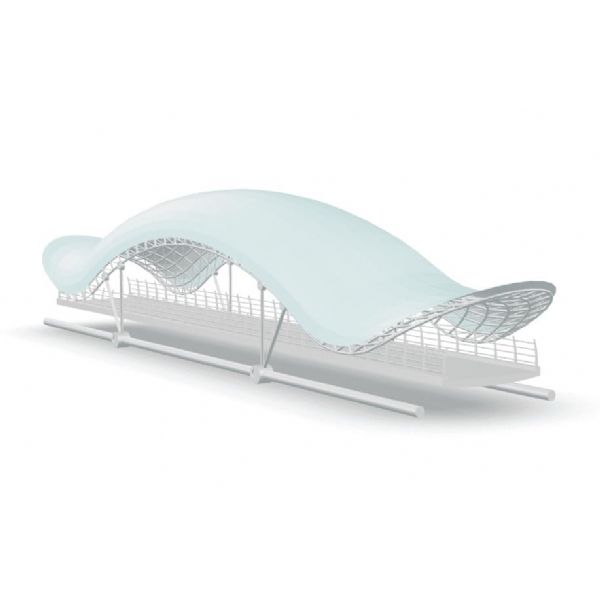
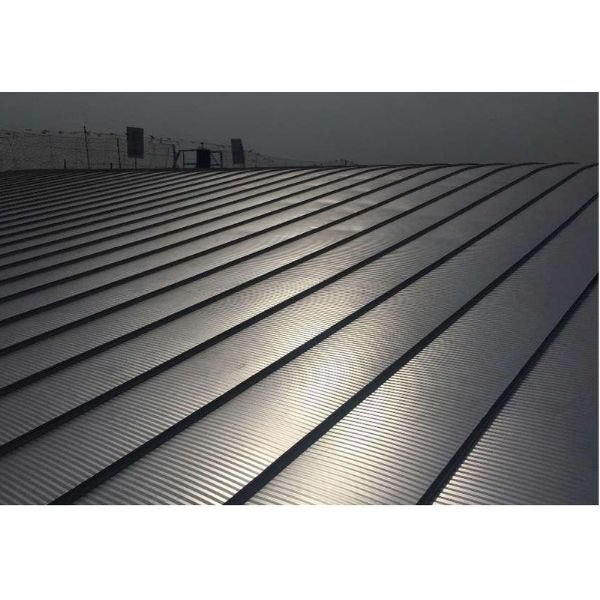
When combined with modern structural systems such as a steel structure warehouse, daylighting becomes even more efficient. Long-span steel roofing allows flexible skylight positioning without compromising structural performance. This guide explores the engineering principles, cost considerations, and practical strategies behind high-performance warehouse daylighting design.
Why Warehouse Daylighting Design Matters
Energy Consumption in Modern Warehouses
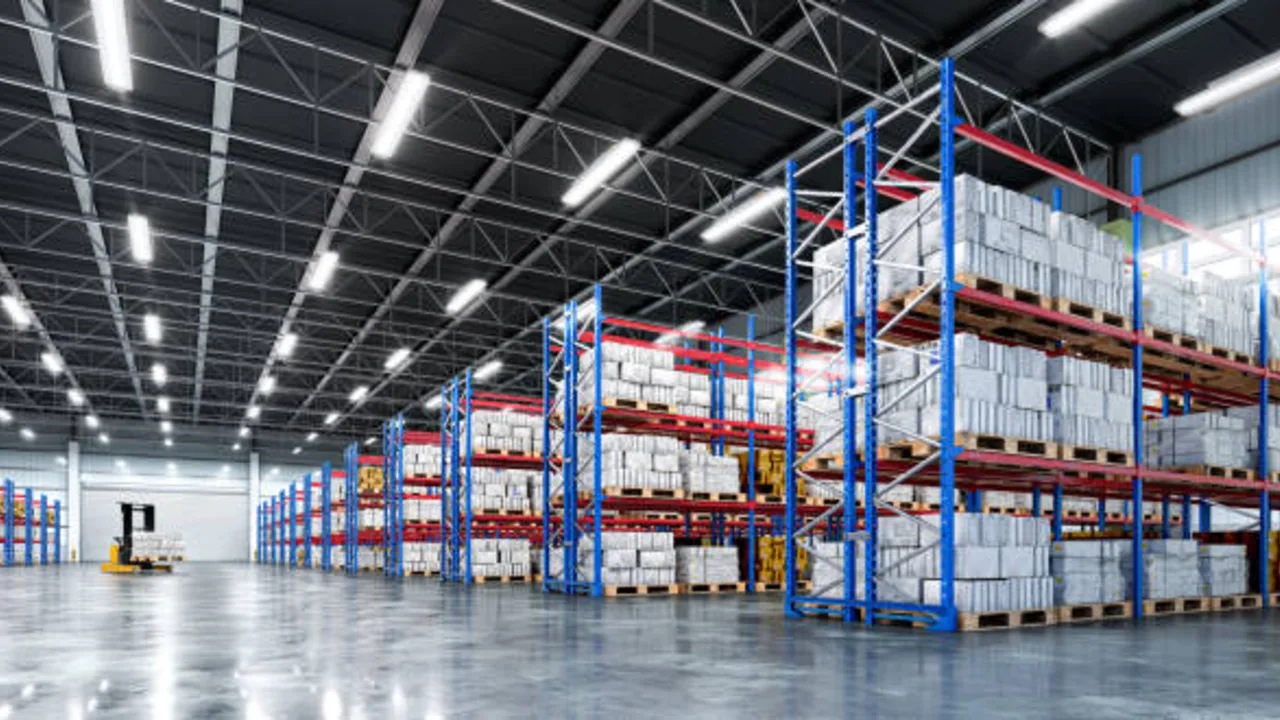
Warehouses typically operate between 10 to 24 hours per day. Artificial lighting systems—especially high-bay LED fixtures—consume significant electricity to maintain safe and productive working conditions. A properly engineered warehouse daylighting design reduces artificial lighting loads by introducing balanced natural illumination throughout operational zones.
Daylight autonomy metrics show that well-designed facilities can maintain sufficient natural light for 50–70% of working hours annually, depending on climate. This directly translates into lower energy bills and reduced peak demand charges.
Environmental & ESG Benefits
Environmental regulations and sustainability benchmarks such as LEED increasingly encourage daylight integration. A strategic warehouse daylighting design lowers carbon emissions by decreasing electrical consumption. Reduced dependency on mechanical lighting also extends fixture lifespan, minimizing replacement waste.
Financial Return on Investment
Although installing skylight systems involves upfront capital costs, the ROI is often attractive. In many projects, warehouse daylighting design delivers payback within 2–5 years through lighting energy savings alone.
Core Principles of Warehouse Daylighting Design
Uniform Light Distribution
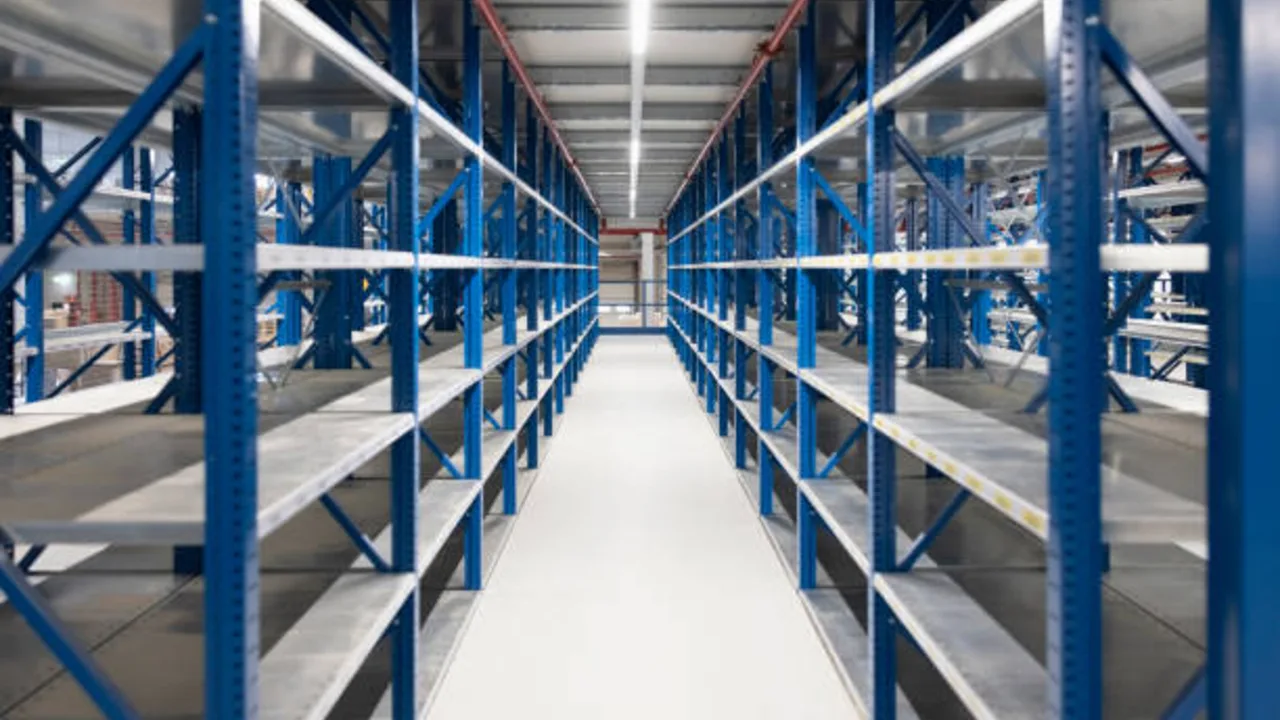
One of the primary objectives of warehouse daylighting design is uniform light distribution. Uneven lighting creates glare hotspots and shadowed aisles, which reduce safety and productivity. Strategic skylight spacing in grid layouts ensures balanced illumination across storage racks and working zones.
Controlled Solar Heat Gain
Daylighting must not compromise thermal performance. High-performance skylight systems incorporate diffused glazing materials that scatter sunlight while limiting direct solar heat gain. This is a fundamental engineering consideration in warehouse daylighting design, particularly in tropical or desert climates.
Integration with Smart Lighting Controls
Modern warehouse daylighting design integrates daylight sensors and automated dimming systems. When natural light levels increase, artificial lighting automatically reduces output. This synergy between skylight placement and lighting automation maximizes efficiency.
Skylight Systems in Warehouse Applications
Skylight systems are central to effective warehouse daylighting design. Various configurations are available depending on climate, budget, and structural layout.
Common Skylight Types
- Continuous ridge skylight systems
- Dome skylight units
- Multi-wall polycarbonate skylight panels
- Tubular daylighting devices
Skylight Performance Comparison
| Skylight Type | Light Diffusion | Thermal Performance | Cost Level | Best Application |
|---|---|---|---|---|
| Ridge Skylight | High | Moderate | Medium | Large-span roofs |
| Dome Skylight | Moderate | Moderate | Low | Retrofit projects |
| Polycarbonate Panel | Very High | High | Medium | Industrial warehouses |
| Tubular System | Targeted | High | High | Office zones inside warehouse |
Roof Design Considerations for Daylighting
Compatibility with Steel Structures
A steel structure warehouse provides ideal conditions for advanced warehouse daylighting design. Long-span steel trusses allow flexible skylight spacing without excessive structural modification.
Load and Waterproofing Engineering
Skylight installations must account for wind uplift, snow loads, and waterproof detailing. Proper flashing systems and sealants are essential components of reliable warehouse daylighting design.
Energy Modeling & ROI Analysis
Energy modeling tools simulate daylight penetration and artificial lighting reduction. A data-driven warehouse daylighting design approach ensures measurable performance outcomes.
Traditional vs Daylighting-Integrated Warehouse
| Factor | Conventional Lighting | Daylighting Integrated |
|---|---|---|
| Electricity Consumption | High | Reduced by 20–50% |
| Lighting Maintenance | Frequent | Lower |
| Worker Comfort | Artificial | Natural & Balanced |
| Carbon Emissions | Higher | Lower |
Glare Control and Worker Comfort
A well-executed warehouse daylighting design does more than reduce energy consumption—it directly impacts worker well-being, safety, and operational productivity. Warehouses are high-activity environments where employees rely heavily on visual clarity for tasks such as inventory scanning, forklift navigation, order picking, quality inspection, and equipment handling. Poor lighting conditions, especially glare, can increase eye strain, reduce concentration, and elevate accident risk.
Glare occurs when excessive brightness or uneven contrast disrupts visual comfort. In large industrial spaces, direct sunlight entering through improperly positioned skylight openings can create bright hotspots on floors, reflective rack surfaces, or machinery. These high-contrast zones force workers’ eyes to constantly adjust, leading to fatigue and reduced visual efficiency over time. An optimized warehouse daylighting design carefully balances illumination levels to eliminate these inconsistencies.
Diffused skylight materials play a central role in glare mitigation. Multi-wall polycarbonate panels, prismatic lenses, and light-scattering glazing systems distribute incoming daylight evenly across the workspace rather than allowing direct beam penetration. This diffusion process softens brightness intensity while maintaining high light transmission rates. The result is uniform ambient lighting that enhances visibility without creating discomfort.
In addition to material selection, skylight placement strategy is equally important. Grid-based positioning aligned with rack aisles ensures consistent light coverage across operational zones. Advanced warehouse daylighting design also integrates daylight-responsive dimming systems that maintain steady illumination levels throughout the day. When exterior sunlight intensifies, artificial lighting automatically adjusts, preventing over-lighting and glare spikes.
Worker comfort extends beyond visual clarity. Exposure to natural light has been shown to improve mood, reduce fatigue, and increase overall job satisfaction. In large-scale distribution centers where employees spend long hours indoors, natural daylight contributes to healthier circadian rhythms compared to fully artificial lighting environments. From a management perspective, this translates into improved productivity, reduced absenteeism, and enhanced workplace morale.
Furthermore, glare-controlled environments contribute to safety compliance. Clear visibility reduces forklift collision risks, misreading of labels, and operational errors. For facilities handling precision tasks or high-value goods, proper warehouse daylighting design ensures accuracy and minimizes costly mistakes.
Ultimately, glare control is not merely a comfort feature—it is a strategic design component. By combining diffused skylight technology, intelligent layout planning, and responsive lighting automation, modern warehouses achieve a balanced indoor environment that supports both energy efficiency and human performance.
Case Study Examples

Logistics Distribution Center
A large logistics facility implemented advanced warehouse daylighting design with grid-based skylight placement and smart dimming controls. The project achieved a 25% reduction in lighting energy consumption.
Industrial Manufacturing Warehouse
By combining skylight panels with LED automation, the warehouse improved working conditions and lowered operational energy costs by nearly 30%.
Future Trends in Warehouse Daylighting Design
Emerging innovations include smart glazing systems, AI-driven lighting automation, and solar-integrated skylight technologies. The evolution of warehouse daylighting design continues to align energy efficiency with digital building management systems.
FAQ
How much energy can warehouse daylighting design save?
Savings typically range between 20–50% of lighting energy usage.
Are skylights suitable for all warehouses?
Most modern steel roof systems are compatible with skylight integration.
Does daylighting increase cooling costs?
Not when properly engineered with diffused, insulated skylight systems.
Can existing warehouses be retrofitted?
Yes, retrofit skylight solutions are available.
What is the typical ROI?
Usually 2–5 years depending on energy rates and facility size.
In conclusion, warehouse daylighting design is no longer optional for energy-conscious industrial facilities. By combining optimized skylight systems with smart automation and steel structural flexibility, warehouses can reduce costs, improve comfort, and strengthen sustainability performance.