In modern industrial development, decision-makers are increasingly shifting their focus from upfront investment to long-term value. One of the most critical metrics in this transition is warehouse lifecycle cost. Rather than evaluating a warehouse purely based on construction cost, lifecycle analysis considers the total cost of ownership over decades, including design, construction, operation, maintenance, and eventual replacement or reuse.
For developers, logistics operators, and investors, understanding warehouse lifecycle cost provides a clearer picture of financial performance. A design that appears cheaper initially may generate significantly higher operating cost over time due to inefficiencies, maintenance demands, or limited flexibility. Conversely, a slightly higher upfront investment can result in substantial savings across the building’s lifespan.
This article explores how different warehouse designs—steel, concrete, and hybrid systems—compare in terms of warehouse lifecycle cost, highlighting key cost drivers and long-term implications for industrial projects.
Understanding Warehouse Lifecycle Cost
Warehouse lifecycle cost refers to the total expenditure associated with a warehouse from its initial concept to its end of service life. This includes capital expenditure (CAPEX), ongoing operating cost, maintenance, and end-of-life considerations. A comprehensive lifecycle approach ensures that decisions are not driven by short-term savings at the expense of long-term efficiency.
Initial Construction Cost (CAPEX)
The initial phase of any warehouse project involves design, material procurement, labor, and construction. While this stage often receives the most attention, it typically represents only a portion of the total warehouse lifecycle cost. Steel structures generally offer faster construction timelines and lower labor intensity, while concrete systems may require longer curing times and more extensive site work.
Construction speed directly impacts financing and project delivery. Faster completion reduces interest costs and allows earlier operation, influencing overall warehouse lifecycle cost positively.
Operating Cost Over Time
Operating cost forms a significant portion of warehouse lifecycle cost. Energy consumption for lighting, ventilation, and climate control can accumulate over decades. Structural design influences these costs through insulation performance, daylight integration, and airflow efficiency.
Warehouses designed with efficient layouts and adaptable systems reduce operational friction. For instance, structures that support automation systems can lower labor-related operating cost while improving throughput.
Maintenance and Repair Cost
Maintenance plays a critical role in warehouse lifecycle cost. Different structural systems require different levels of upkeep. Steel structures may need periodic surface protection, while concrete systems can face cracking, moisture penetration, or structural degradation over time.
Preventive maintenance strategies can significantly reduce unexpected repair expenses. However, the inherent characteristics of the chosen structural system still determine baseline maintenance cost levels.
End-of-Life and Residual Value
At the end of its service life, a warehouse may be demolished, repurposed, or expanded. Steel structures often retain residual value due to recyclability, while concrete demolition typically results in disposal cost. These factors contribute to the overall warehouse lifecycle cost calculation.
Overview of Common Warehouse Design Types
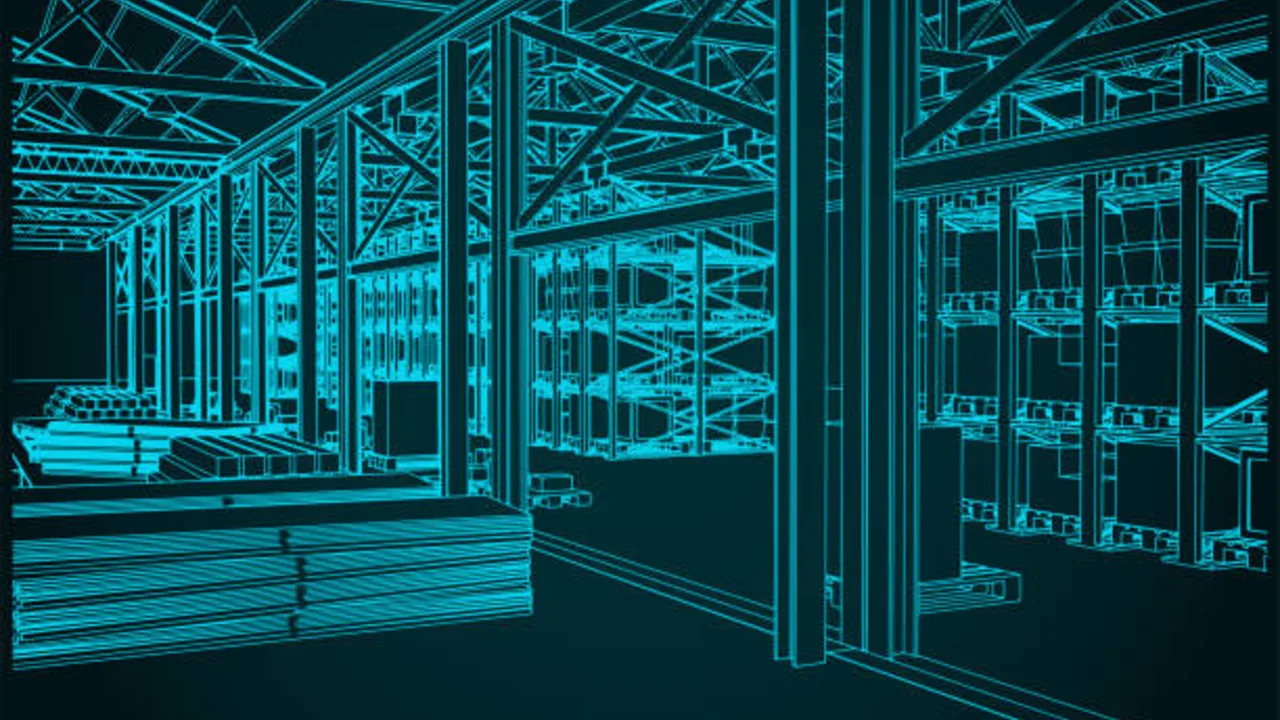
Steel Structure Warehouse
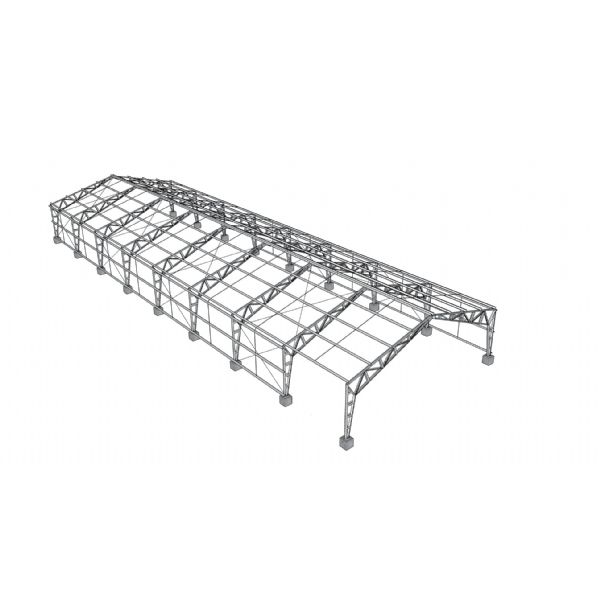
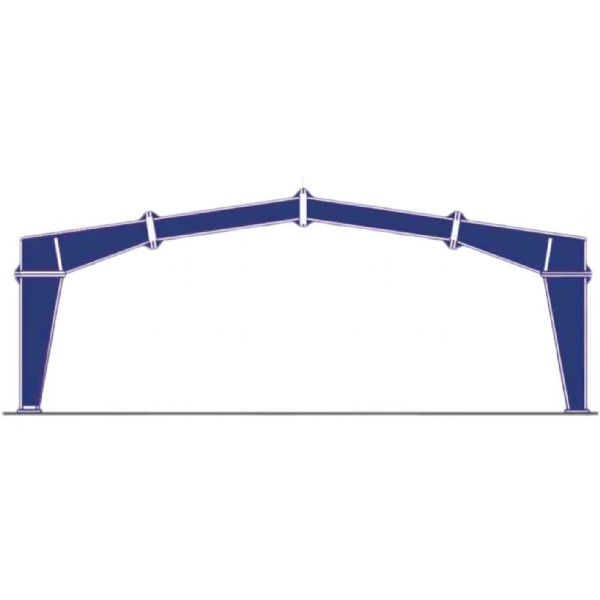
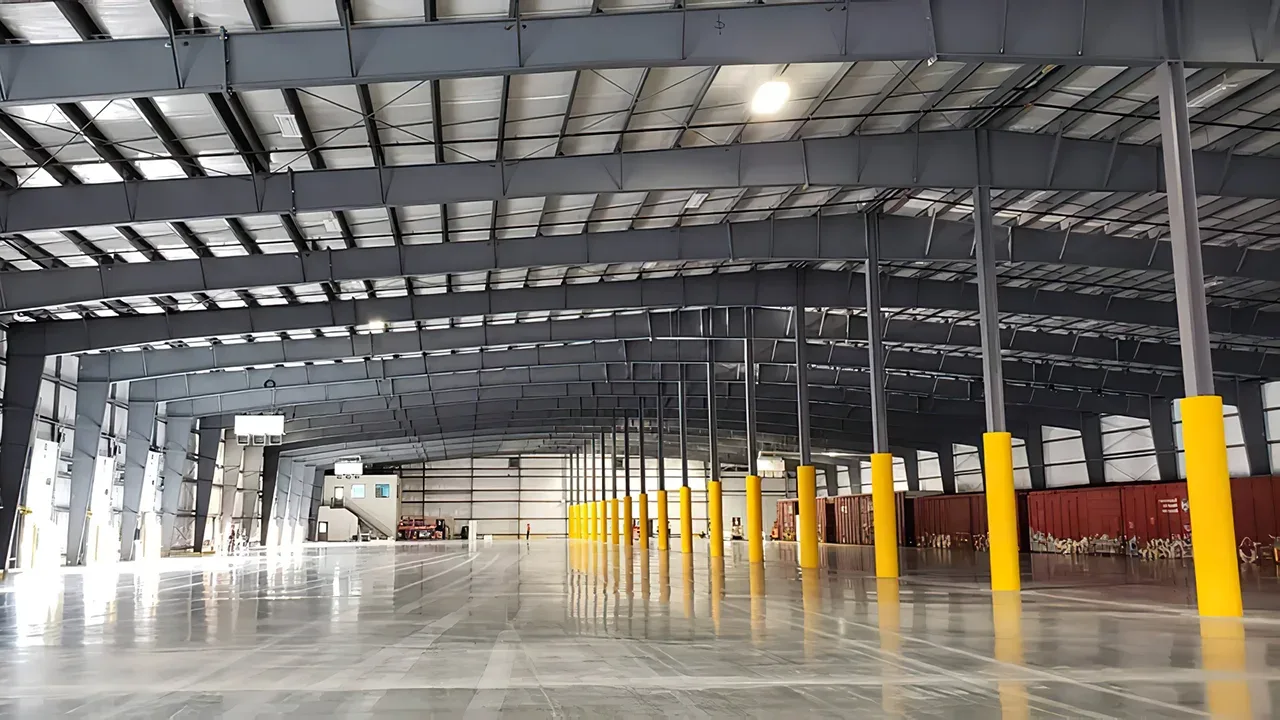
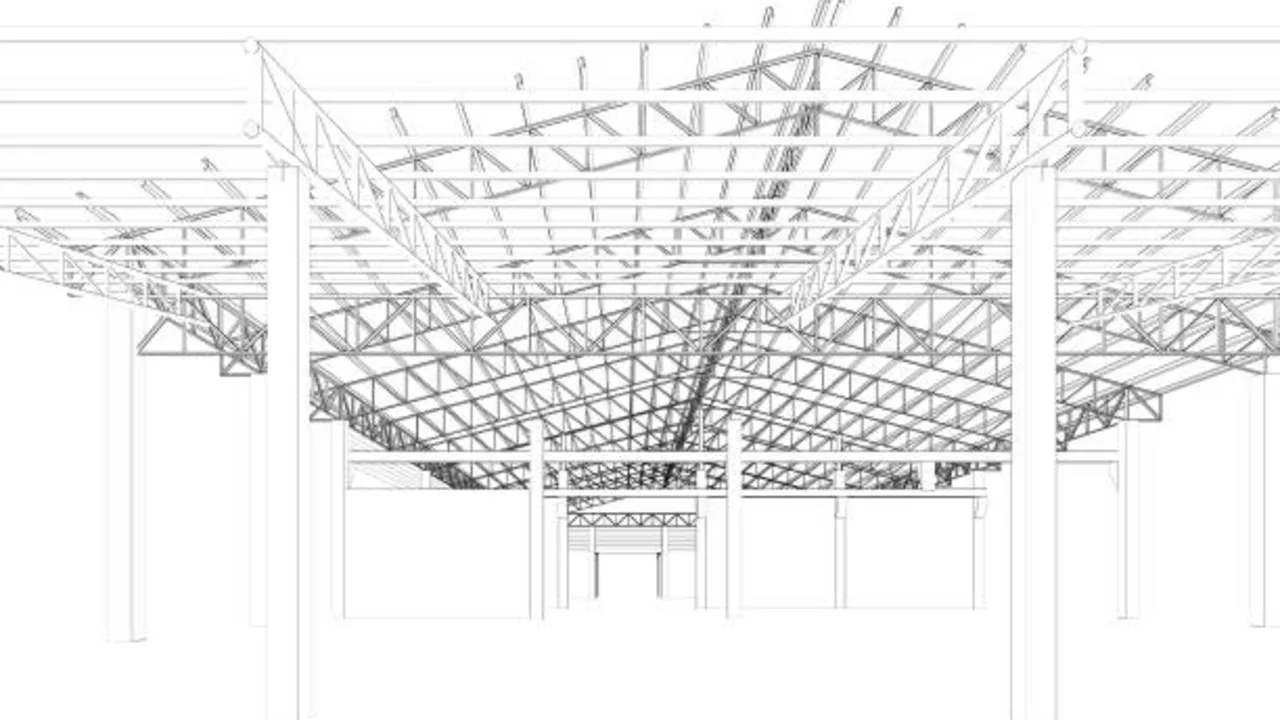
Steel warehouses are widely used in industrial and logistics applications due to their flexibility and efficiency. Their modular design allows rapid construction and easy expansion. In lifecycle terms, steel systems often provide favorable warehouse lifecycle cost due to reduced construction time and adaptable layouts.
Reinforced Concrete Warehouse
Concrete warehouses offer durability and mass stability. However, they typically involve longer construction schedules and higher labor requirements. While concrete may perform well in certain environments, its contribution to warehouse lifecycle cost depends heavily on usage conditions and maintenance needs.
Hybrid Warehouse Systems
Hybrid designs combine steel framing with concrete elements, aiming to balance performance and cost. These systems can optimize certain aspects of warehouse lifecycle cost but may introduce complexity in construction and maintenance coordination.
Initial Cost Comparison Between Warehouse Designs
Initial construction cost varies significantly between steel, concrete, and hybrid systems. Steel structures typically reduce labor intensity and construction duration, leading to faster project completion. Concrete systems may involve higher material mass and extended timelines, increasing initial expenses.
However, focusing solely on initial cost can be misleading. A design with lower upfront expenditure may result in higher operating cost and maintenance burden, ultimately increasing warehouse lifecycle cost.
Operating Cost Comparison Across Warehouse Designs
Energy Efficiency and Environmental Control
Energy efficiency is a major contributor to operating cost. Steel warehouses often allow better integration of insulation systems and natural lighting solutions, reducing long-term energy consumption. Concrete structures may provide thermal mass advantages but can be less adaptable to modern energy optimization strategies.
Maintenance Requirements and Cost Impact
Different materials behave differently under environmental exposure. Steel requires corrosion protection, while concrete may experience cracking or water infiltration. The frequency and complexity of maintenance activities directly affect warehouse lifecycle cost.
Flexibility and Operational Efficiency
Operational flexibility plays a key role in lifecycle performance. Warehouses that can be easily reconfigured or expanded reduce future capital expenditure and operating cost. Steel systems, in particular, support layout adjustments and equipment upgrades without major structural modification.
As industrial operations evolve, adaptability becomes a decisive factor in minimizing warehouse lifecycle cost and maintaining long-term competitiveness.
Lifecycle Cost Analysis: Short-Term vs Long-Term Perspective
In the short term, differences in warehouse lifecycle cost may appear minimal. However, over a 10–20 year period, variations in operating cost, maintenance frequency, and structural adaptability become more pronounced. Designs that optimize both performance and efficiency tend to deliver significantly better financial outcomes.
A comprehensive evaluation of warehouse lifecycle cost must therefore consider both immediate investment and long-term operational impact, ensuring that design decisions align with strategic business objectives.
Lifecycle Cost Analysis: Steel vs Concrete vs Hybrid Systems
A meaningful comparison of warehouse lifecycle cost requires evaluating performance over extended time horizons. While initial cost differences are often visible, long-term financial outcomes are driven by cumulative operating cost, maintenance cycles, and structural adaptability.
10-Year Cost Projection
Within the first decade of operation, capital expenditure still dominates warehouse lifecycle cost. However, differences begin to emerge in operating cost efficiency. Steel structure warehouses typically benefit from faster construction, allowing earlier revenue generation and reduced financing pressure.
Energy consumption patterns also start to diverge. Warehouses designed with efficient insulation systems and optimized layouts demonstrate lower operating cost, particularly in regions with extreme climates.
20–30 Year Long-Term Cost Outlook
Over a 20–30 year period, maintenance and operational factors become the primary drivers of warehouse lifecycle cost. Concrete structures may experience cumulative repair requirements, including crack remediation and surface degradation. Steel systems, when properly protected, maintain structural integrity with predictable maintenance cycles.
In addition, operational changes over time—such as automation upgrades or layout reconfiguration—can significantly impact cost. Flexible structures reduce the need for major reinvestment, lowering total warehouse lifecycle cost across decades.
Cost Sensitivity Factors
Several external factors influence lifecycle outcomes. Climate conditions affect corrosion rates and thermal performance, while usage intensity determines wear and maintenance frequency. Labor cost and energy pricing further shape long-term operating cost, making localized analysis essential.
Real Case Scenario: Warehouse Lifecycle Cost Optimization
A logistics distribution center project in Southeast Asia provides a clear example of warehouse lifecycle cost optimization. The project involved a 22,000 m² facility designed for high-throughput storage and automated handling systems.
Initially, a reinforced concrete design was considered due to perceived durability. However, lifecycle analysis revealed that construction time would extend by approximately 30%, delaying operational revenue. Additionally, projected operating cost associated with energy consumption and maintenance exceeded that of a steel-based solution.
The project team ultimately selected a steel structure design. By optimizing the structural layout and integrating energy-efficient cladding systems, the warehouse lifecycle cost was reduced significantly over a 25-year projection period. Faster construction enabled earlier operation, while reduced maintenance complexity lowered long-term operating cost.
Post-completion analysis showed measurable improvements in operational efficiency and cost control, validating the lifecycle-focused design strategy.
Key Factors Influencing Warehouse Lifecycle Cost Decisions
Selecting the optimal warehouse design requires a holistic understanding of project-specific conditions. Several factors directly influence warehouse lifecycle cost and must be evaluated during the planning phase.
- Climate and Environment: Temperature variations, humidity, and exposure conditions affect both operating cost and maintenance requirements.
- Industry Application: Logistics, manufacturing, and cold storage facilities have different performance demands and cost profiles.
- Expansion Requirements: Future scalability impacts long-term warehouse lifecycle cost, especially in rapidly growing industries.
Strategies to Reduce Warehouse Lifecycle Cost
Smart Structural Design
Optimizing structural layout reduces unnecessary material usage while maintaining required performance. Efficient design improves both construction cost and long-term operating cost, contributing to lower warehouse lifecycle cost overall.
Material Selection Strategy
Choosing appropriate materials is essential for lifecycle optimization. Steel systems often provide advantages in flexibility and speed, while concrete may be suitable for specific structural requirements. A balanced approach ensures optimal warehouse lifecycle cost performance.
Preventive Maintenance Planning
Implementing a proactive maintenance strategy reduces unexpected failures and extends service life. Scheduled inspections and timely repairs help control operating cost and prevent escalation of warehouse lifecycle cost over time.
Why Steel Structure Warehouses Often Deliver Better Lifecycle Value
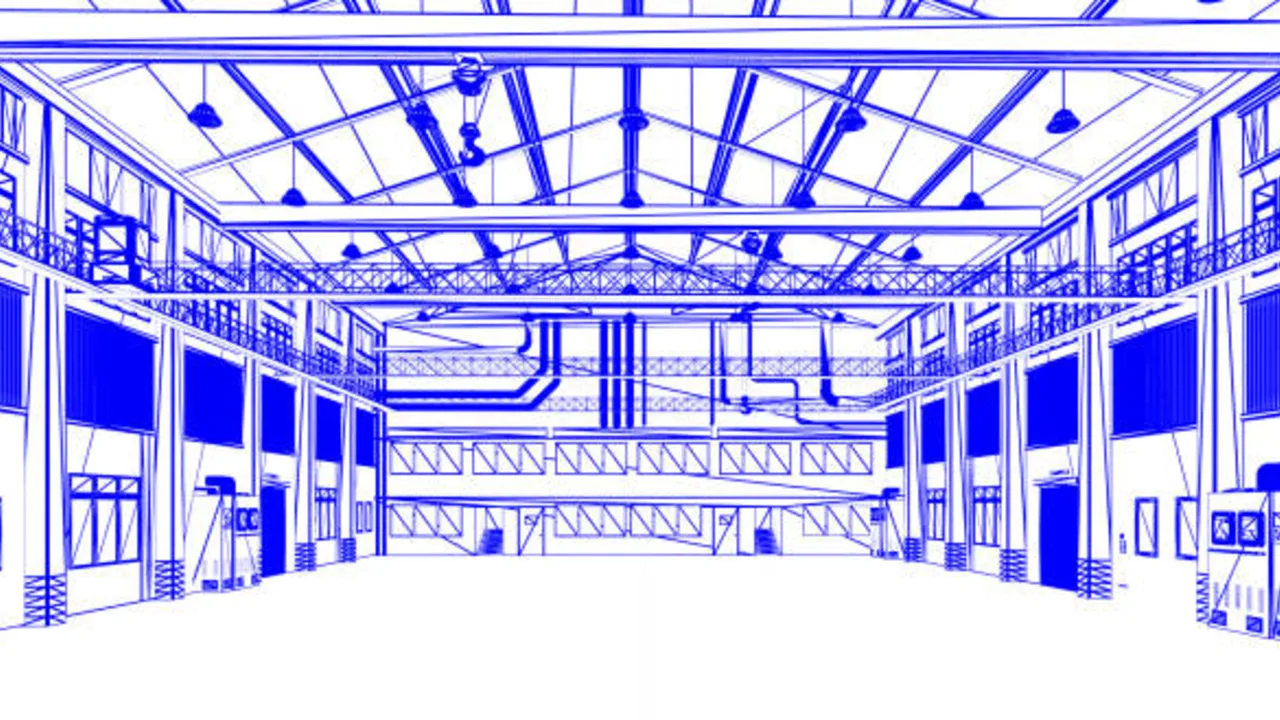
Steel structures are increasingly favored in industrial construction due to their efficiency and adaptability. From a lifecycle perspective, they offer faster return on investment, reduced construction timelines, and lower cumulative operating cost.
Their modular nature allows easy expansion and modification, enabling businesses to adapt without significant structural reinvestment. This flexibility plays a critical role in minimizing warehouse lifecycle cost in dynamic operational environments.
For developers seeking long-term performance and efficiency, working with an experienced steel structure warehouse provider ensures optimized design and execution aligned with lifecycle cost objectives.
Conclusion
Evaluating warehouse designs through the lens of warehouse lifecycle cost provides a more accurate understanding of long-term value. While initial construction cost remains important, operating cost, maintenance, and adaptability ultimately determine financial performance.
By considering the full lifecycle—from design to operation and beyond—developers and operators can make informed decisions that enhance efficiency, reduce risk, and maximize return on investment. In modern industrial construction, lifecycle thinking is no longer optional—it is essential.