Modern logistics relies on high-density storage, fast throughput, and predictable safety margins. At the center of these requirements sits one critical variable: warehouse racking load. In a steel warehouse, racking systems do far more than hold pallets—they define how loads travel through racks, floors, columns, and the primary steel frame. Misjudging racking loads can quietly undermine efficiency, increase maintenance costs, and elevate safety risks.
This article breaks down warehouse racking load from an engineering and operational perspective. We’ll examine how pallet weight, column spacing, floor capacity, and structural coordination work together—and how to plan a steel warehouse that performs reliably today and adapts to tomorrow.
Understanding Warehouse Racking Load Basics
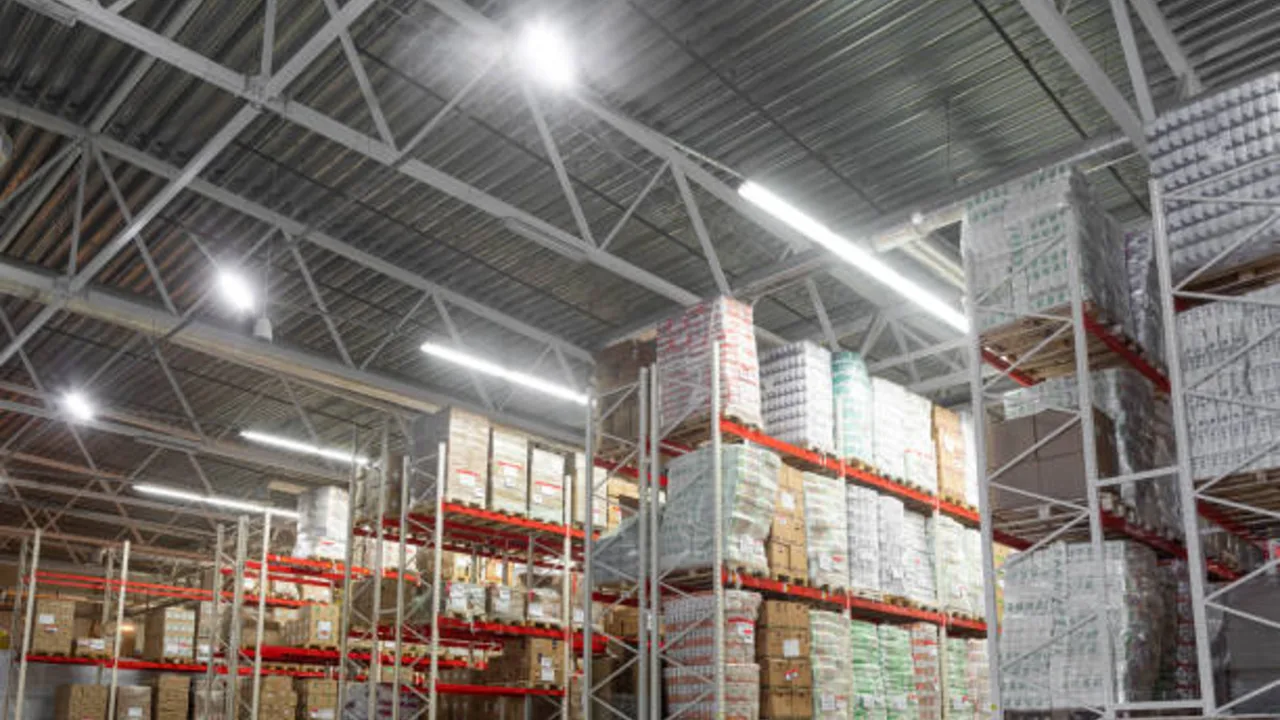
Warehouse racking load refers to the total forces imposed on racking systems by stored goods and handling operations. These forces are transferred through the racks into the warehouse floor and then into the steel structure. Unlike uniform building loads, racking loads are highly concentrated and can change over time.
- Dead load: The self-weight of racking frames, beams, and accessories.
- Live load: The weight of stored pallets and goods.
- Dynamic load: Additional forces from forklifts, pallet placement, and movement.
In steel warehouses, the interaction between racking load and structural layout is inseparable. Treating racking as an afterthought often leads to costly retrofits.
Types of Warehouse Racking Systems and Their Load Characteristics
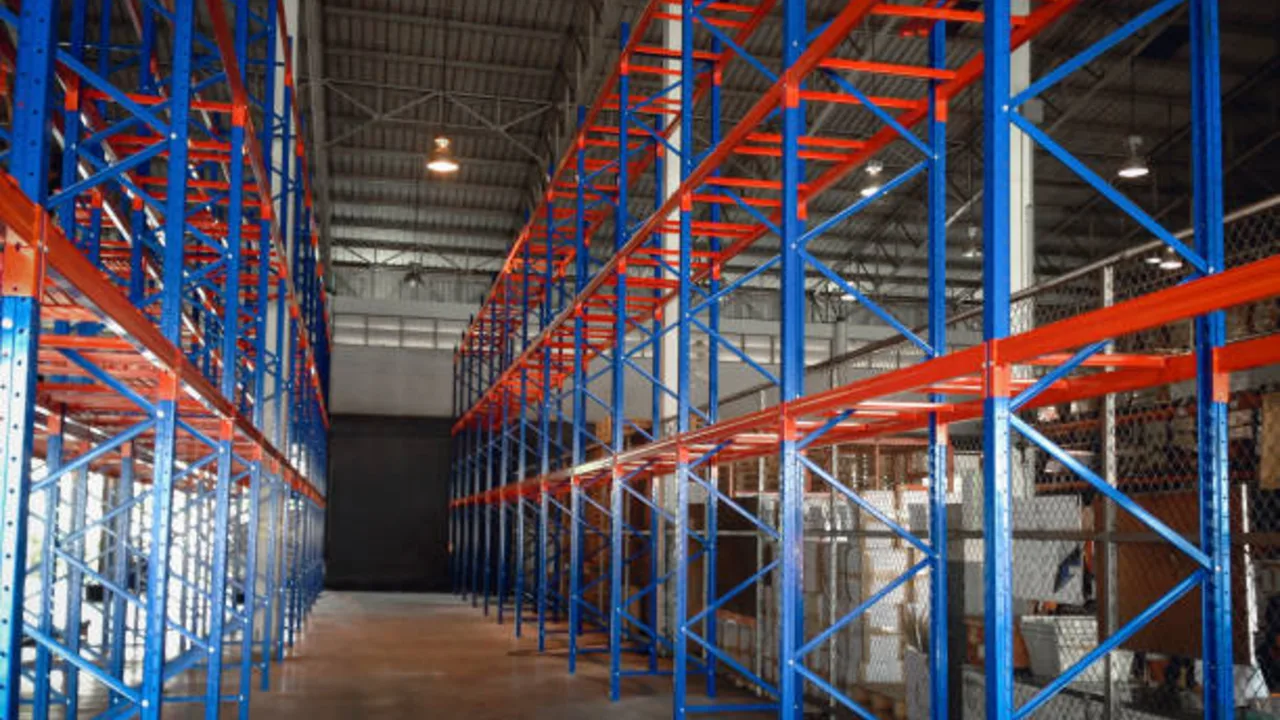
Selective Pallet Racking
Selective racking is the most common system. Each pallet position carries a defined pallet load that transfers vertically through upright frames. While the load distribution is relatively uniform, tall configurations increase bending demands on frames and anchors.
Drive-In and Drive-Through Racking
These systems concentrate pallet load deeper within the rack. The cumulative effect increases localized warehouse racking load and amplifies horizontal forces, making floor anchorage and rack bracing more critical.
Push-Back and Pallet Flow Racking
Dynamic movement introduces impact loads. While individual pallet load values may be modest, the combined effect during peak operations can exceed static assumptions if not properly accounted for.
Cantilever Racking
Used for long or irregular items, cantilever racks introduce asymmetric pallet load behavior. Horizontal forces and overturning moments become dominant design concerns.
Pallet Load: The Core Variable in Racking Design
Every racking calculation begins with pallet load, as it defines the fundamental demand placed on the racking system and, ultimately, on the entire warehouse structure. While pallet dimensions are often standardized, pallet load is not. In real warehouse operations, pallet load can vary significantly and must be treated as a critical design input rather than a fixed assumption.
One primary source of variation is product type and packaging density. Pallets carrying bagged goods, steel components, machinery parts, or liquid-filled containers may occupy the same footprint but impose very different loads on racking beams and uprights. High-density packaging can dramatically increase pallet load without any visible change in pallet size.
Moisture content and bulk material variability also influence pallet load over time. Agricultural products, raw materials, and chemical goods may absorb moisture during storage, increasing weight beyond initial estimates. In bulk storage, inconsistent filling practices can create uneven pallet load distribution, raising localized stresses within the racking system.
Another critical factor is operational stacking habits. During peak demand periods, pallets are often stacked higher or heavier than originally planned. These short-term adjustments can become routine, gradually pushing the racking system beyond its intended capacity if pallet load limits are not clearly defined and enforced.
Design errors frequently result from relying on average pallet weights instead of maximum pallet load values. Average figures may appear efficient during planning, but they fail to capture worst-case conditions that govern structural safety. For reliable warehouse racking load planning, racking systems must be designed around the heaviest plausible pallet load, supported by appropriate safety margins. This approach reduces the risk of beam deformation, upright buckling, and anchor failure, ensuring stable performance throughout the warehouse’s operational life.
Optimized column spacing allows:
- Even pallet load distribution
- Straight rack aisles without compromises
- Reduced need for custom rack frames
In a steel structure warehouse, early alignment between racking grids and structural grids minimizes load conflicts and maximizes storage efficiency.
Interaction Between Racking Load and Steel Structure Warehouse Design
Racking loads follow a clear path:
- Pallet load applied to rack beams
- Transferred to rack uprights
- Delivered to floor slab through anchors
- Distributed into the steel structure foundation system
Ignoring this load path can lead to under-designed slabs, overstressed columns, or excessive deflection in primary frames. Integrated design ensures the warehouse racking load is supported efficiently.
Floor Load Capacity vs Racking Load Requirements
Warehouse floors are often the weakest link. Slab-on-grade systems must resist:
- Point loads from rack uprights
- Distributed pallet load across aisles
- Dynamic forklift wheel loads
Cracking, settlement, and anchor pull-out failures commonly trace back to mismatched assumptions between racking load and slab design.
Seismic and Wind Effects on Warehouse Racking Load
In seismic regions, tall racks behave like vertical structures within the warehouse. Earthquake forces amplify warehouse racking load demands, especially at anchorage points. Wind-driven sway can also introduce lateral stresses in open-sided or high-bay warehouses.
Proper bracing and anchoring are essential, particularly when racks exceed standard heights.
Operational Factors That Increase Warehouse Racking Load Risk
Even well-designed systems can fail if operations change. Common risk multipliers include:
- Forklift impacts during peak shifts
- Uneven pallet stacking
- Higher pallet load introduced without review
Routine load audits help ensure the original warehouse racking load assumptions remain valid.
Safety Standards and Design Guidelines for Racking Load
Safety standards and design guidelines play a critical role in controlling warehouse racking load and reducing operational risk. While formal codes and regulations vary by region, widely accepted best practices share the same core objectives: preventing overload, ensuring structural stability, and protecting both personnel and stored goods.
One of the most important requirements across safety guidelines is the use of clearly defined load ratings. Each racking system should have documented maximum pallet load limits for individual beam levels, bays, and the overall rack structure. These load ratings must be based on engineering calculations rather than supplier assumptions or past operating habits.
Clear and visible signage is another essential element. Load capacity signs should be installed at aisle entrances or directly on racking frames, indicating maximum pallet load, bay load, and rack height limits. When operators can easily see load restrictions, the risk of accidental overloading is significantly reduced.
Documented rack capacity data is equally important for long-term compliance. Engineering drawings, load calculations, and inspection records should be maintained throughout the warehouse lifecycle. This documentation allows facility managers to verify that any changes in pallet load, racking configuration, or storage strategy remain within the original design limits.
Routine inspection and maintenance are emphasized in most design guidelines. Over time, forklift impacts, floor settlement, or unauthorized rack modifications can alter how warehouse racking load is transferred through the system. Regular inspections help identify bent uprights, damaged anchors, or beam deflection before these issues escalate into structural failures.
From a risk management perspective, compliance with recognized safety guidelines also reduces liability exposure. In the event of an incident, documented adherence to accepted racking load standards demonstrates due diligence and responsible facility management.
For additional technical background on storage systems and industrial safety practices, industry references such as OSHA’s materials handling guidance provide useful context on load control, storage stability, and workplace safety expectations.
How Integrated Design Improves Racking Load Performance

When racking suppliers, structural engineers, and warehouse planners collaborate early, the result is a more resilient steel structure warehouse. Coordinated design balances safety, cost, and storage density without overbuilding.
Cost Implications of Racking Load Decisions
Higher racking load capacity often increases steel tonnage and slab thickness. However, the long-term savings from reduced downtime, fewer repairs, and safer operations frequently outweigh the initial cost.
Final Checklist for Warehouse Racking Load Planning
- Confirm maximum pallet load assumptions
- Align column spacing with racking layout
- Verify floor load capacity
- Allow margin for future expansion
- Document and label racking load limits
A disciplined approach to warehouse racking load planning ensures that steel warehouses remain safe, efficient, and adaptable throughout their service life.