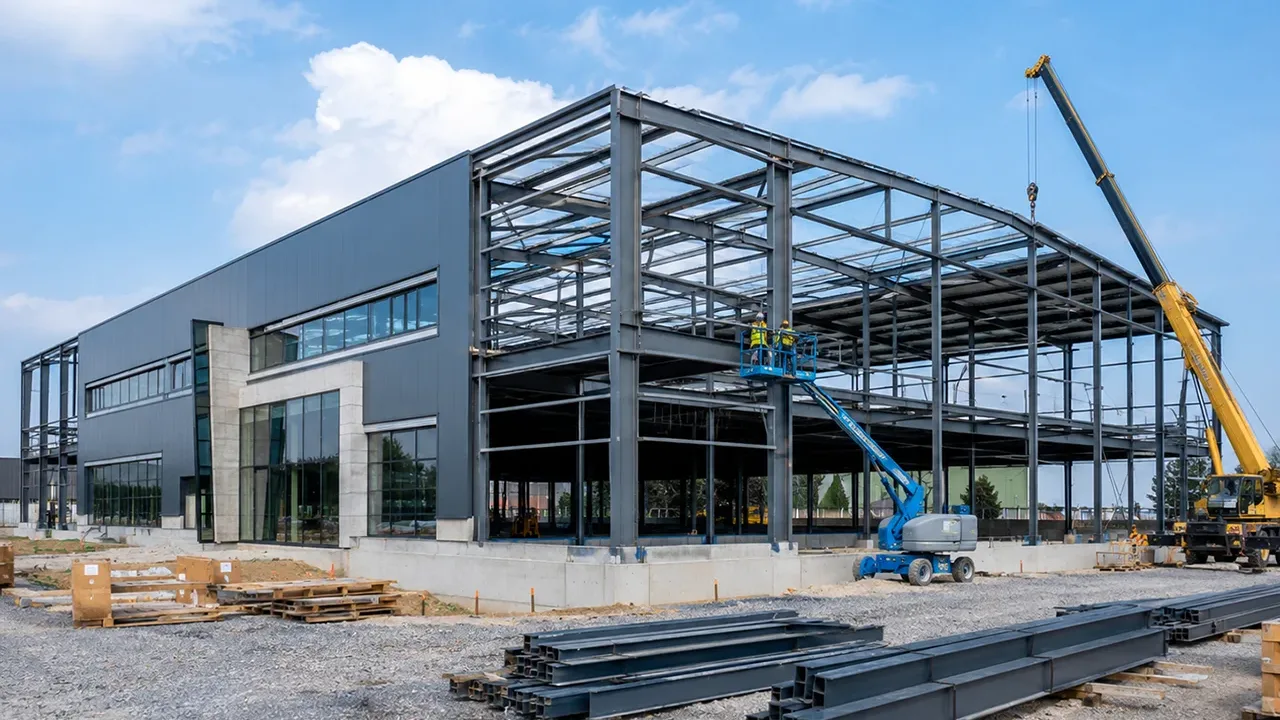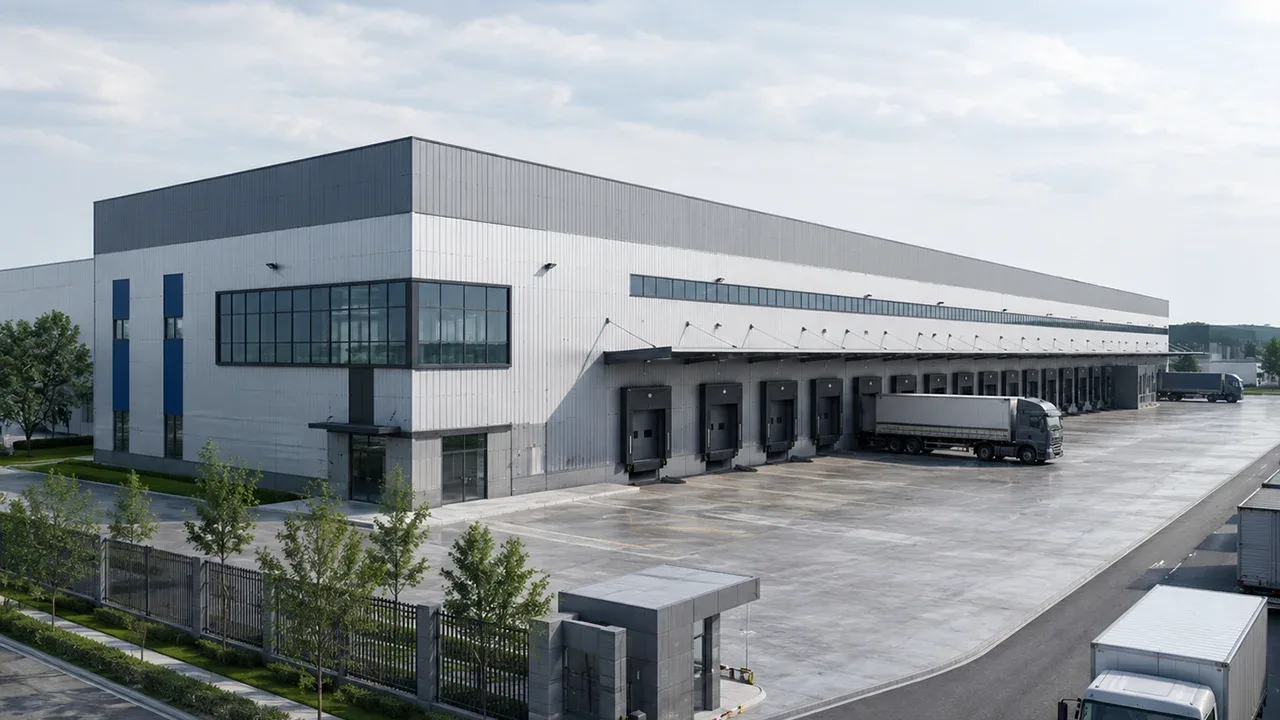

Modern industrial facilities demand advanced safety strategies, especially in large-scale storage environments. One of the most critical yet often underestimated systems in industrial architecture is warehouse smoke exhaust. In a fire event, smoke spreads faster than flames, reducing visibility, increasing toxic exposure, and accelerating structural damage. For steel warehouse buildings with high ceilings and expansive floor areas, a properly engineered warehouse smoke exhaust system becomes a fundamental component of comprehensive fire safety planning.
Steel warehouse buildings typically feature wide clear spans, tall internal volumes, and high-density storage. While these characteristics maximize operational efficiency, they also create unique fire behavior patterns. Hot smoke rises rapidly, forming a smoke layer beneath the roof that can quickly descend if not controlled. Without an effective warehouse smoke exhaust strategy, evacuation routes become compromised and firefighting operations are severely hindered.
In modern steel structure warehouse projects, smoke control systems are integrated during the structural design phase rather than added as an afterthought. By combining structural engineering with fire protection design, developers can ensure compliance with international fire safety standards while maintaining cost efficiency and long-term durability.
Why Warehouse Smoke Exhaust Is Critical for Fire Safety
The Role of Smoke Control in Industrial Fires
During a warehouse fire, smoke becomes the primary threat long before structural collapse occurs. Toxic gases, reduced oxygen levels, and impaired visibility create life-threatening conditions within minutes. A properly designed warehouse smoke exhaust system removes hot smoke from the upper layers of the building, maintaining a higher clear-air zone for occupants and emergency responders.
By venting smoke through roof openings or mechanical extraction systems, heat accumulation beneath the roof is reduced. This not only improves visibility but also slows temperature rise, protecting structural steel elements from rapid strength degradation. Effective warehouse smoke exhaust design therefore directly contributes to both life protection and structural resilience.
Regulatory Requirements and Fire Codes
Compliance with fire regulations is a non-negotiable requirement in industrial construction. International standards such as NFPA (USA), EN 12101 (Europe), and various GB codes (China) provide detailed guidance for smoke ventilation design in large buildings. These regulations define minimum exhaust areas, vent spacing, smoke reservoir dimensions, and activation mechanisms.
For high-bay storage warehouses, fire codes often require maintaining a specific smoke layer height above floor level to allow safe evacuation. A well-calculated warehouse smoke exhaust system ensures that smoke stratification remains stable long enough for occupants to exit safely. Integrating fire safety compliance early in the design phase reduces costly redesign and project delays.
Types of Warehouse Smoke Exhaust Systems
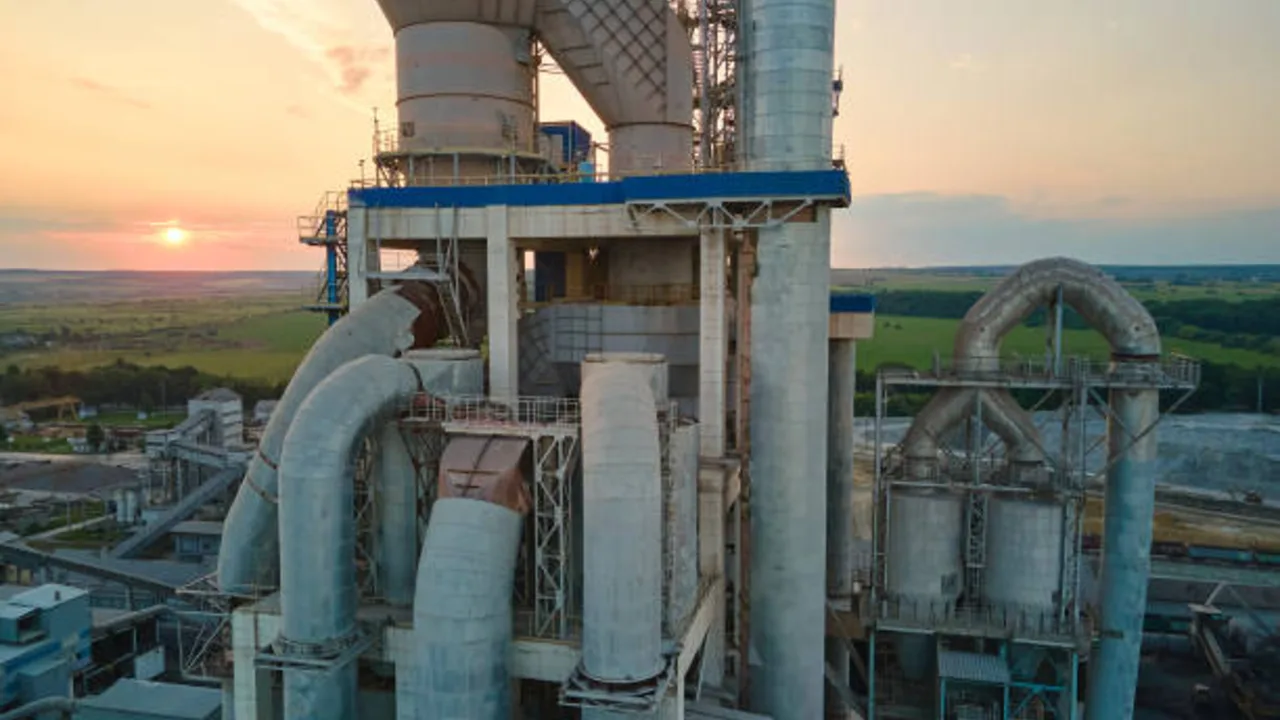
Natural Smoke Ventilation Systems
Natural ventilation is one of the most widely used approaches in warehouse smoke exhaust design. This system relies on the natural buoyancy of hot smoke. As smoke rises, it exits through roof-mounted vents that automatically open when triggered by heat sensors or fire alarm systems.
Natural smoke vents are typically installed along the roof ridge or distributed evenly across large roof areas. Because steel warehouses often feature wide clear spans and lightweight roofing systems, they are particularly suitable for natural smoke ventilation. The absence of complex ductwork reduces installation costs and simplifies maintenance.
Additionally, some designs integrate smoke vents with skylight panels, allowing dual functionality — daylighting during normal operations and smoke extraction during emergencies. In many cases, natural warehouse smoke exhaust systems provide a cost-effective solution for large single-compartment warehouses.
Mechanical Smoke Exhaust Systems
In facilities where compartmentalization or limited roof access restricts natural ventilation, mechanical systems become necessary. Mechanical warehouse smoke exhaust systems use high-capacity exhaust fans and duct networks to actively remove smoke from designated zones.
Unlike natural systems, mechanical extraction provides greater control over airflow direction and smoke removal rate. This approach is often used in multi-level warehouses, cold storage facilities, or warehouses with complex layouts. Backup power systems are essential to ensure operational reliability during fire emergencies.
Although mechanical systems require higher initial investment and ongoing maintenance, they deliver consistent performance regardless of external weather conditions. For certain high-risk storage environments, mechanical warehouse smoke exhaust may be the preferred option to meet strict fire safety requirements.
Hybrid Smoke Exhaust Solutions
In advanced industrial projects, engineers increasingly combine natural and mechanical strategies to optimize performance. Hybrid warehouse smoke exhaust systems allow passive ventilation under standard fire scenarios while activating mechanical extraction in severe conditions.
This layered approach enhances redundancy and improves overall system resilience. Smart control systems linked to fire detection sensors can automatically determine the optimal exhaust mode, balancing safety performance and energy efficiency.
Structural Considerations in Steel Warehouse Smoke Exhaust Design
Integration with Steel Roof Structure
Integrating warehouse smoke exhaust systems into a steel warehouse roof requires careful structural coordination. Each vent opening alters the load distribution of roof panels and supporting purlins. Engineers must reinforce framing around vent cutouts to maintain structural integrity under wind and snow loads.
Waterproof detailing is equally important. Flashing systems and insulation continuity must be carefully designed to prevent leakage or thermal bridging. In high-wind regions, vent covers must be rated for uplift resistance to ensure long-term durability.
Clear Span and Airflow Efficiency
Large clear-span warehouses create significant smoke reservoir zones beneath the roof. Proper placement of smoke vents ensures uniform smoke layer extraction across the entire roof area. Uneven vent distribution can lead to localized heat buildup, compromising structural elements.
Engineers often divide large warehouses into smoke compartments to improve control. Compartmentalization enhances the performance of the warehouse smoke exhaust system by preventing uncontrolled horizontal smoke spread.
Heat Resistance and Structural Stability
Although steel is non-combustible, it loses strength rapidly when exposed to high temperatures. Effective warehouse smoke exhaust design helps limit peak temperatures at roof level, reducing thermal stress on primary structural members.
Additional fire protection strategies such as intumescent coatings or fire-rated insulation further improve structural stability. By combining smoke ventilation with passive fire protection measures, steel warehouses can achieve higher fire safety ratings and extended structural endurance during fire events.
Smoke Exhaust Calculation and Engineering Design
Smoke Production Rate Estimation
Accurate engineering is the foundation of any effective warehouse smoke exhaust system. Before selecting vent types or determining exhaust capacity, engineers must estimate the potential smoke production rate during a fire scenario. This calculation depends on several variables, including fire load density, storage configuration, commodity classification, and ceiling height.
Warehouses storing high-plastic or combustible materials generate significantly more smoke compared to facilities storing metal components. The higher the storage rack system, the greater the potential heat release rate. These variables influence the required smoke extraction volume and the size of the smoke reservoir zone.
By accurately modeling fire growth and smoke development, engineers can ensure that the warehouse smoke exhaust system maintains a tenable environment long enough for evacuation and emergency response.
Vent Sizing and Placement Strategy
Determining the correct vent area is a crucial design step. Fire codes typically specify the minimum free vent area as a percentage of total roof area. However, simply meeting minimum requirements does not guarantee optimal performance.
Strategic vent placement improves airflow patterns and prevents smoke stagnation. Even distribution across the roof, alignment with structural bays, and coordination with sprinkler systems are essential factors. In large steel buildings, vent spacing must also account for purlin layout and roof load distribution.
Automatic activation systems triggered by heat-sensitive devices provide faster response compared to manual operation. A well-designed warehouse smoke exhaust system integrates seamlessly with fire alarms and sprinkler activation sequences to maximize overall fire safety.
CFD Simulation and Performance Testing
Modern projects increasingly rely on Computational Fluid Dynamics (CFD) simulations to validate smoke exhaust performance. CFD modeling allows engineers to visualize smoke movement, temperature distribution, and airflow velocity under various fire scenarios.
This digital verification ensures that the proposed warehouse smoke exhaust design meets regulatory standards before construction begins. Performance-based engineering provides flexibility while maintaining compliance with fire safety requirements.
Cost Factors in Warehouse Smoke Exhaust Systems
System Type Impact on Budget
The overall cost of a warehouse smoke exhaust system depends largely on whether the project adopts natural, mechanical, or hybrid ventilation. Natural systems typically involve lower upfront investment because they require fewer mechanical components. Mechanical systems, while more expensive, provide higher control precision and consistent performance.
Installation and Structural Modification
Installing smoke vents in an existing warehouse often requires roof cutting, additional steel reinforcement, and waterproof detailing. In new construction, integrating warehouse smoke exhaust during the structural design phase significantly reduces installation complexity and cost.
Long-Term Maintenance Costs
Maintenance requirements vary by system type. Natural vents require periodic inspection and lubrication of moving components. Mechanical systems involve fan servicing, motor inspection, and electrical testing. Proper maintenance ensures long-term fire safety reliability and regulatory compliance.
Warehouse Smoke Exhaust in Large Steel Warehouse Projects
In large industrial developments, warehouse smoke exhaust must be coordinated with structural engineering, roofing systems, and fire protection planning. Early-stage integration prevents conflicts between vent openings and structural framing.
Modern large-scale steel warehouses benefit from clear-span designs that naturally support efficient smoke reservoir formation. By combining structural optimization with ventilation planning, developers achieve improved airflow performance and enhanced fire safety compliance.
Comparison Table – Natural vs Mechanical Warehouse Smoke Exhaust
| Feature | Natural Ventilation | Mechanical System |
|---|---|---|
| Initial Cost | Lower | Higher |
| Energy Consumption | None | Requires Power Supply |
| Maintenance Level | Low | Medium–High |
| Installation Complexity | Simple | More Complex |
| Best Application | Large single-compartment warehouses | Compartmented or complex layouts |
Paraguay Warehouse Project by XTD Steel Structure
One of the most practical demonstrations of efficient industrial warehouse engineering is the Paraguay Warehouse Project completed by XTD Steel Structure in South America. This project showcases how a modern steel warehouse can achieve structural efficiency, rapid construction, and long-term operational reliability while meeting the specific demands of a regional industrial market.
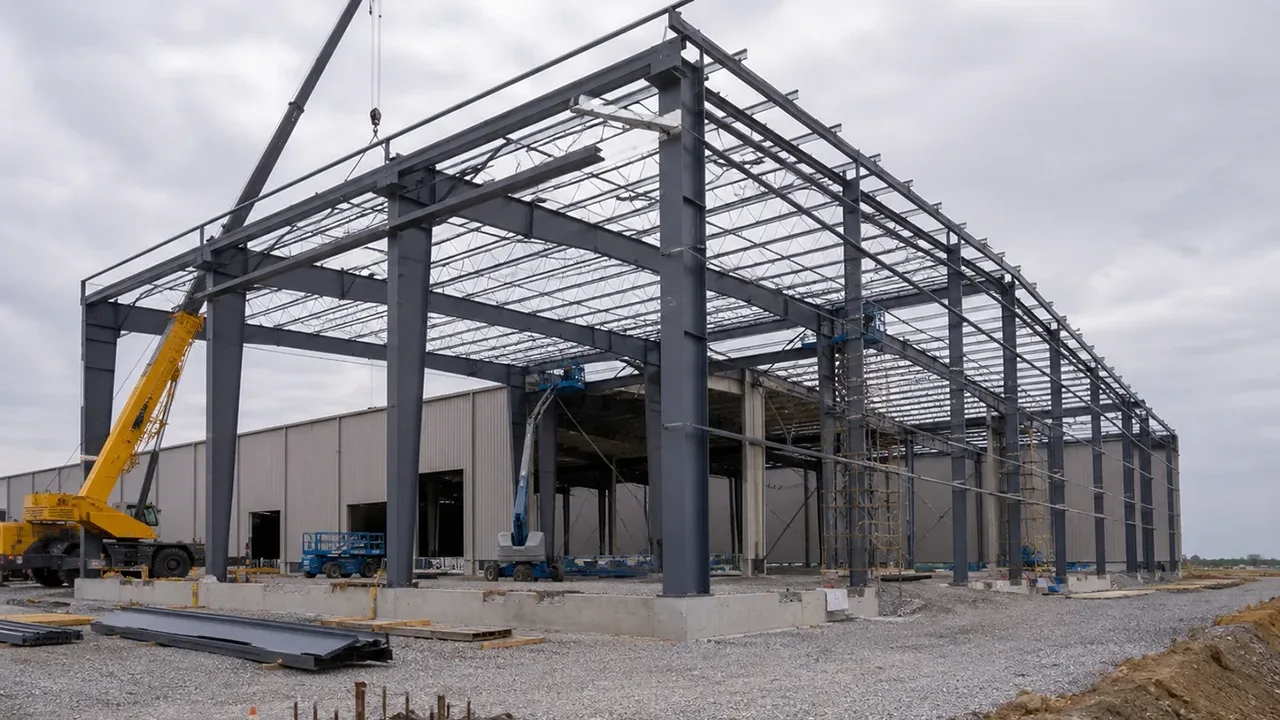
The facility covers a total building area of 1,080 square meters and incorporates 25.34 tons of structural steel (excluding colored wall and roof panels). Engineered using a standardized portal rigid frame system, the warehouse provides a spacious column-free interior layout. This clear-span configuration supports bulk storage, palletized goods, light manufacturing materials, and equipment housing without internal obstructions.
Several core strengths of modern steel warehouse construction are evident in this project:
- Structural adaptability to local climate and logistics conditions
- Efficient prefabrication and fast on-site assembly through bolted steel connections
- Optimized material distribution with rational column spacing and strong load-bearing capacity
The design also prioritizes operational flexibility. The wide interior space allows the future integration of racking systems, mezzanine platforms, or specialized equipment without major structural modification. Additionally, the structure is engineered to withstand regional humidity and wind loads, enhancing long-term durability and supporting comprehensive fire safety planning within industrial environments.
Overall, the Paraguay Warehouse Project illustrates how advanced steel warehouse engineering — combined with intelligent structural planning and efficient construction methods — can deliver durable, scalable, and cost-effective industrial facilities.
Common Design Mistakes in Warehouse Smoke Exhaust
Even experienced teams can make critical errors in warehouse smoke exhaust planning. One common mistake is underestimating fire load density, resulting in insufficient vent area. Another frequent issue is poor vent placement, which causes uneven smoke extraction.
Failing to reinforce roof framing around vent openings can compromise structural performance. Additionally, neglecting backup power systems in mechanical designs reduces system reliability during emergencies.
A comprehensive engineering review is essential to ensure that the warehouse smoke exhaust system fully supports the building’s overall fire safety strategy.
Future Trends in Warehouse Smoke Exhaust and Fire Safety
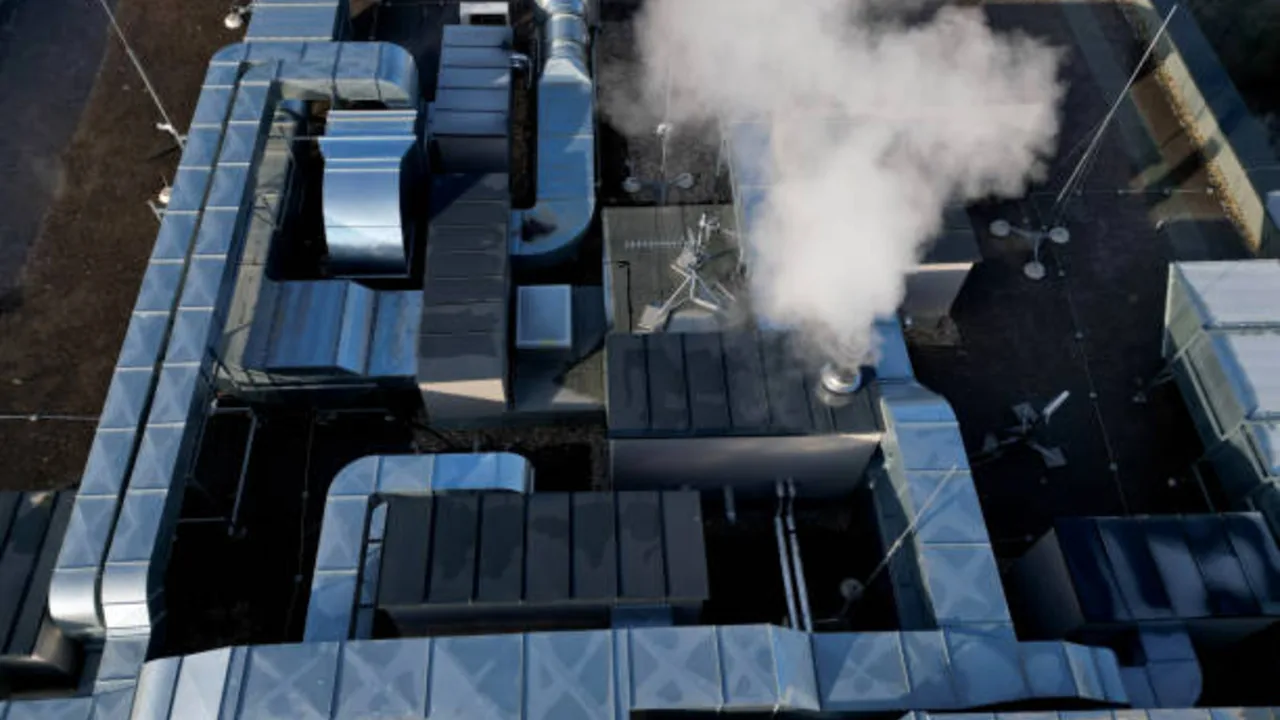
Technology is reshaping industrial fire protection. Smart sensors, automated roof vent systems, and AI-driven fire detection are increasingly integrated into warehouse smoke exhaust designs. These systems respond dynamically to real-time temperature and smoke data.
Sustainability considerations are also influencing system design. Energy-efficient fans, recyclable vent materials, and daylight-integrated roof systems contribute to environmentally responsible fire safety solutions.
As warehouse scale and automation continue to grow, smoke control engineering will become even more critical to protecting both assets and personnel.
FAQ – Warehouse Smoke Exhaust
What is the purpose of warehouse smoke exhaust?
Warehouse smoke exhaust removes hot smoke during a fire event, maintaining visibility and reducing temperature buildup to enhance fire safety and evacuation efficiency.
How many smoke vents are required in a steel warehouse?
The required number depends on fire load, roof area, and applicable fire codes. Engineering calculations determine the correct vent size and spacing.
Can warehouse smoke exhaust improve fire safety compliance?
Yes. A properly engineered warehouse smoke exhaust system ensures compliance with national and international fire safety regulations.
What is the difference between smoke ventilation and HVAC?
HVAC systems regulate indoor climate during normal operations, while warehouse smoke exhaust systems activate specifically during fire emergencies.
Does warehouse smoke exhaust significantly increase building cost?
While it adds to initial investment, proper smoke exhaust design reduces long-term risk, insurance costs, and potential structural damage.
Conclusion
A properly engineered warehouse smoke exhaust system is not simply a regulatory requirement—it is a strategic investment in life protection, asset preservation, and structural resilience. In steel warehouse environments with large spans and high storage density, smoke management plays a decisive role in determining the outcome of a fire event.
By integrating smoke exhaust planning during early structural design, coordinating with fire protection systems, and applying accurate engineering calculations, developers can achieve optimal fire safety performance while maintaining cost efficiency. As industrial facilities continue to expand in scale and complexity, advanced warehouse smoke exhaust solutions will remain essential to sustainable and safe warehouse development.