Overview of Steel Structure Manufacturing
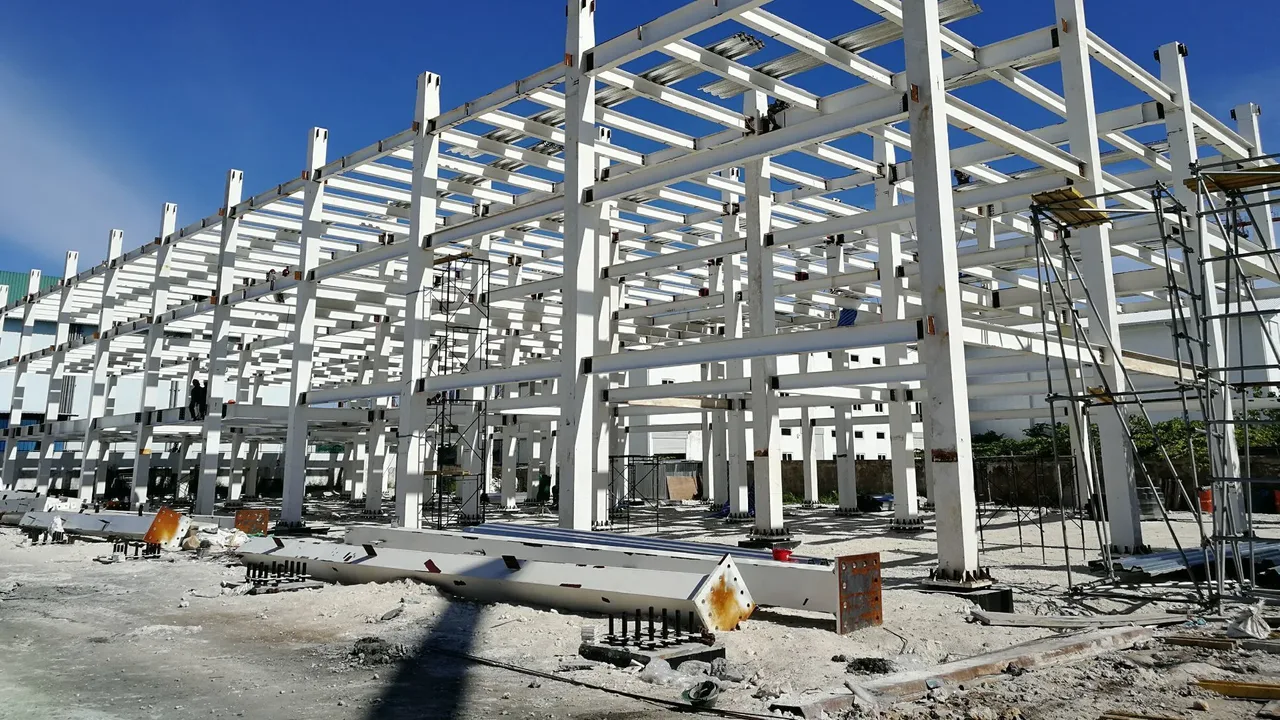
The role of a steel structure manufacturer extends far beyond simply producing steel components. Modern manufacturing companies integrate engineering design, fabrication technology, and project coordination to deliver complete structural solutions.
Structural steel manufacturing typically involves transforming raw steel materials such as plates and profiles into finished components like columns, beams, trusses, and connection elements. These components are engineered according to structural calculations and detailed fabrication drawings.
Because steel manufacturing is performed in controlled industrial environments, the process offers greater consistency compared with on-site construction methods. This level of precision is particularly important in large projects where hundreds or even thousands of structural components must fit together accurately during installation.
Types of Steel Structures Manufactured
Industrial Steel Building Structures
Industrial facilities are among the most common projects served by a steel structure manufacturer. These buildings include factories, workshops, and manufacturing plants that require strong and durable structural systems.
Industrial steel buildings must support heavy equipment, production lines, and overhead crane systems while maintaining wide interior spaces. Structural steel provides the strength and flexibility necessary to meet these operational requirements.
Steel Structure Warehouse Systems
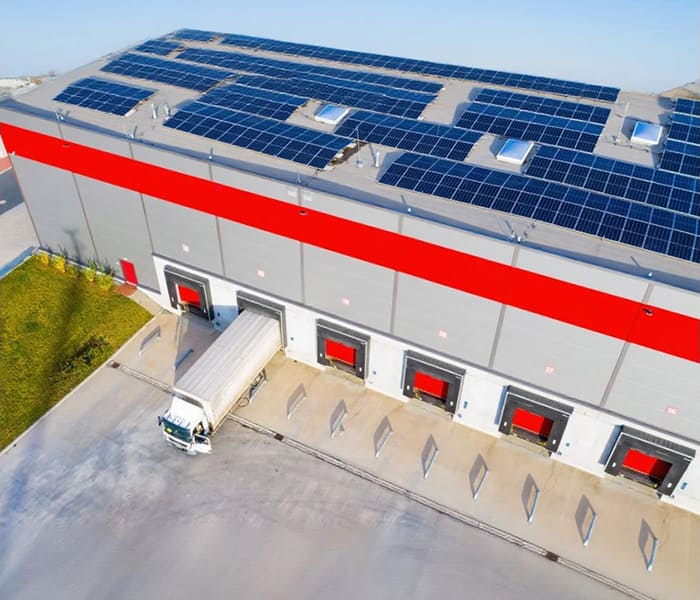
Warehouses and logistics facilities rely heavily on prefabricated steel structures. A prefab steel structure manufacturer can produce large-span warehouse frames designed for high storage capacity and efficient logistics operations.
Steel warehouse buildings often feature long spans, high roof clearances, and modular structural layouts that allow facilities to expand as operational needs grow.
Specialized Structural Steel Systems
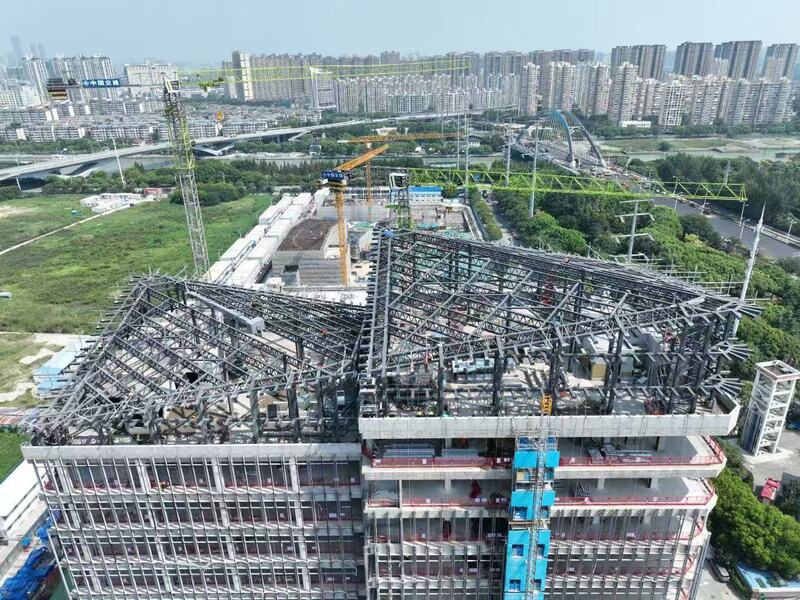
In addition to standard building structures, manufacturers also produce specialized structural systems for complex engineering projects. These may include space truss structures, large-span roof systems, and custom-designed structural components.
Such systems require advanced engineering calculations and precise fabrication processes to ensure structural safety and performance.
Steel Structure Manufacturing Process
Structural Engineering and Design
The manufacturing process begins with structural engineering and design. Engineers analyze building loads, environmental conditions, and project requirements to determine the optimal structural configuration.
Detailed shop drawings and fabrication models are then created to guide the production process. These drawings specify the exact dimensions, welding details, and connection systems required for each component.
Structural Steel Processing
Once the engineering drawings are finalized, the manufacturing phase begins. Structural steel processing typically involves several key operations:
- CNC cutting of steel plates and profiles
- Drilling and punching for connection holes
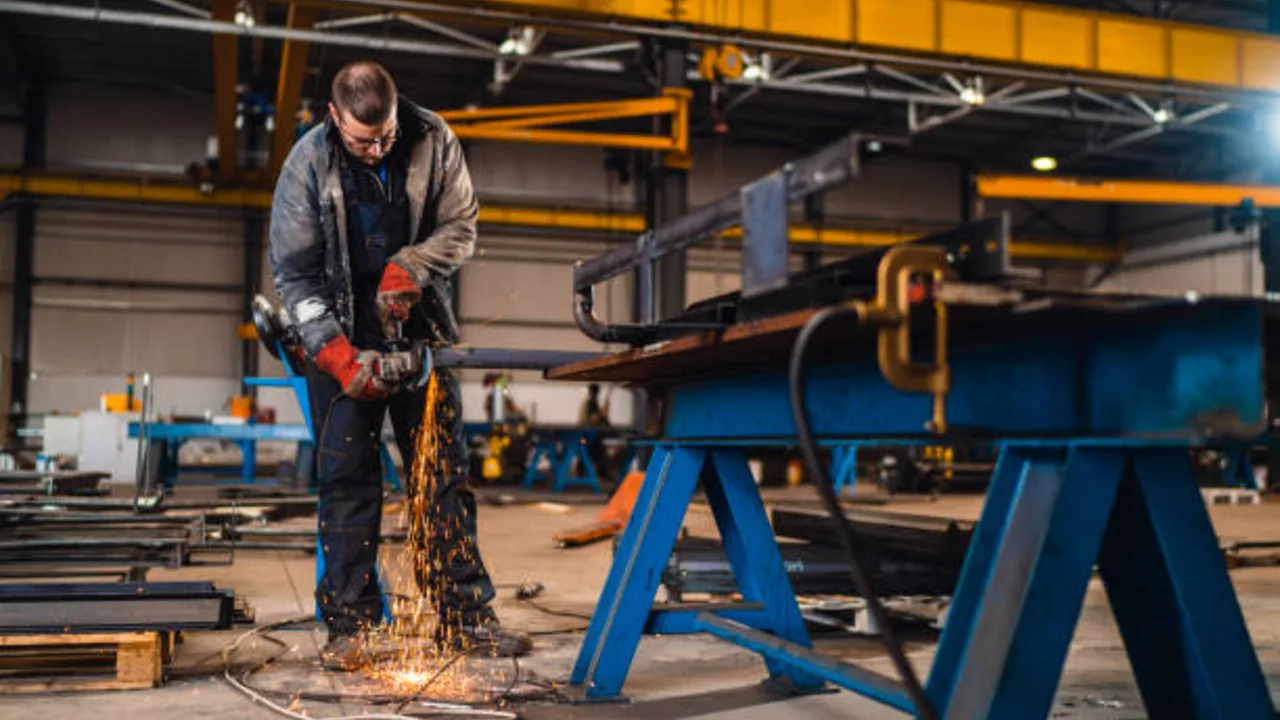
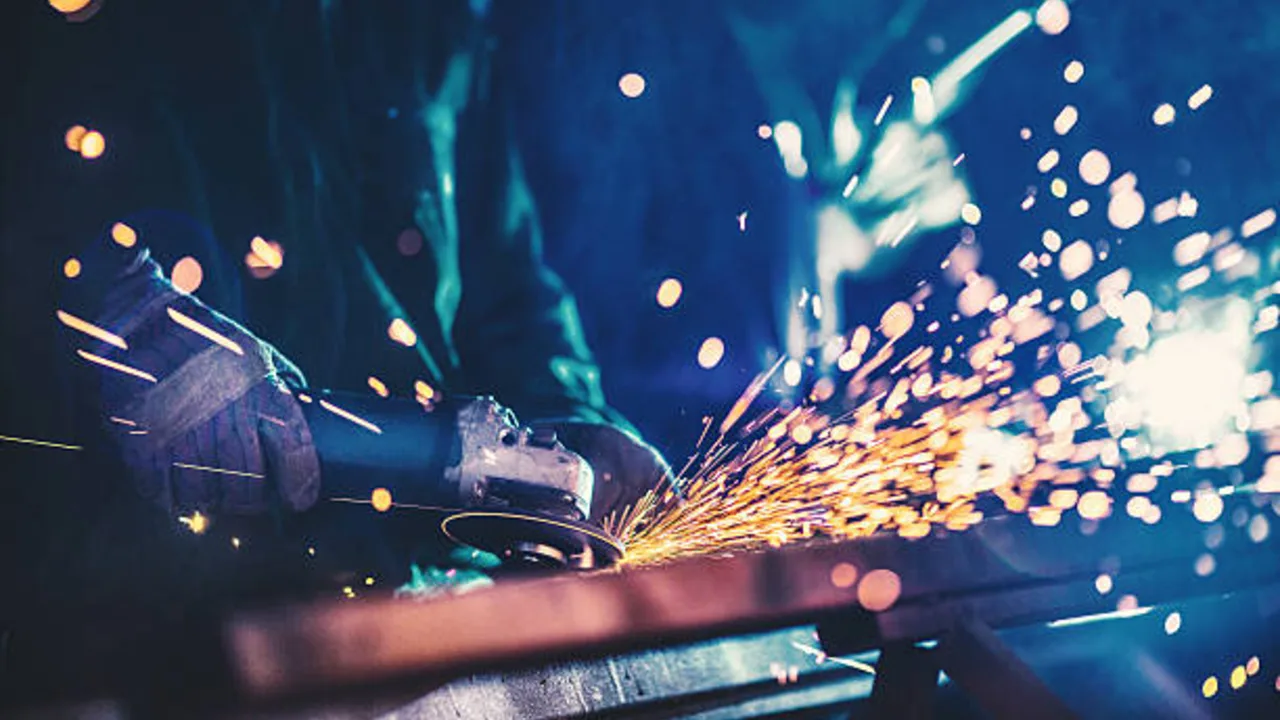
- Welding of structural assemblies
- Precision assembly of structural components
These processes transform raw steel materials into finished structural components ready for installation.
Surface Treatment and Protection
To ensure long-term durability, steel components often undergo protective surface treatments. These treatments help prevent corrosion and improve structural lifespan.
Common surface protection methods include:
- Hot-dip galvanizing
- Industrial anti-corrosion coatings
- Fire-resistant protective systems
Proper surface treatment is especially important for structures exposed to harsh environmental conditions.
Manufacturing Facilities and Production Capacity
Steel Fabrication Workshops
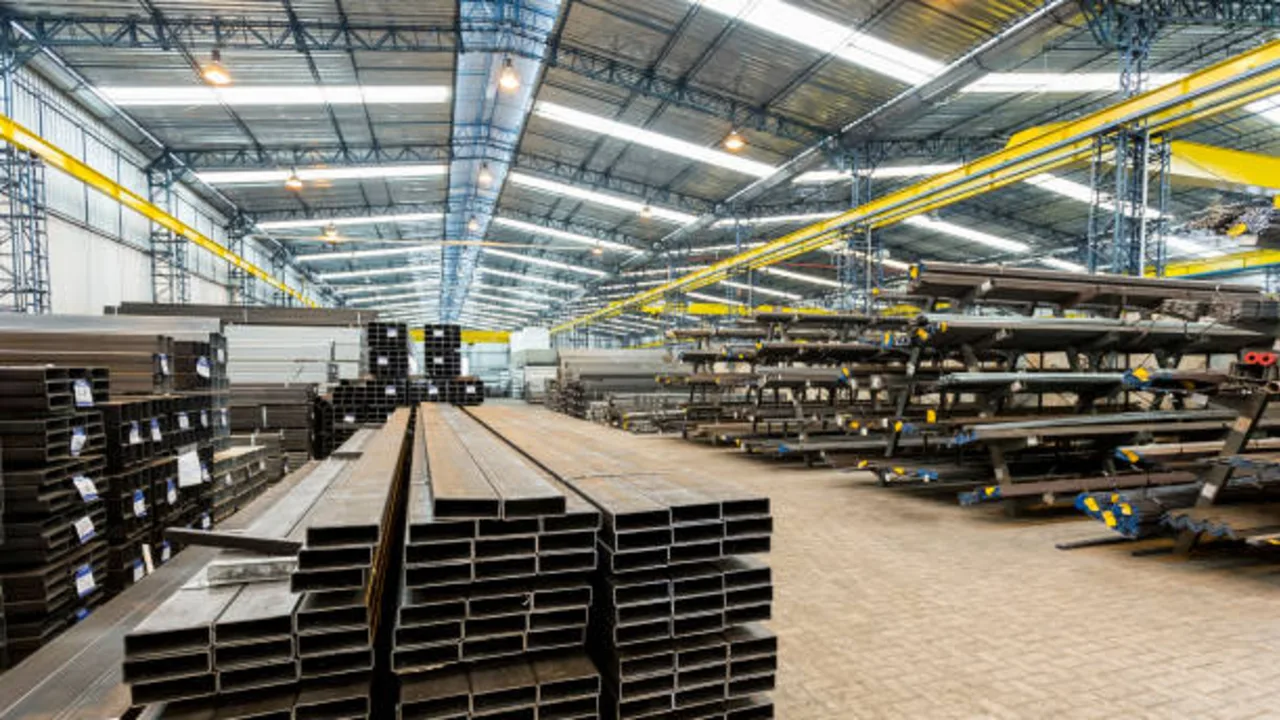
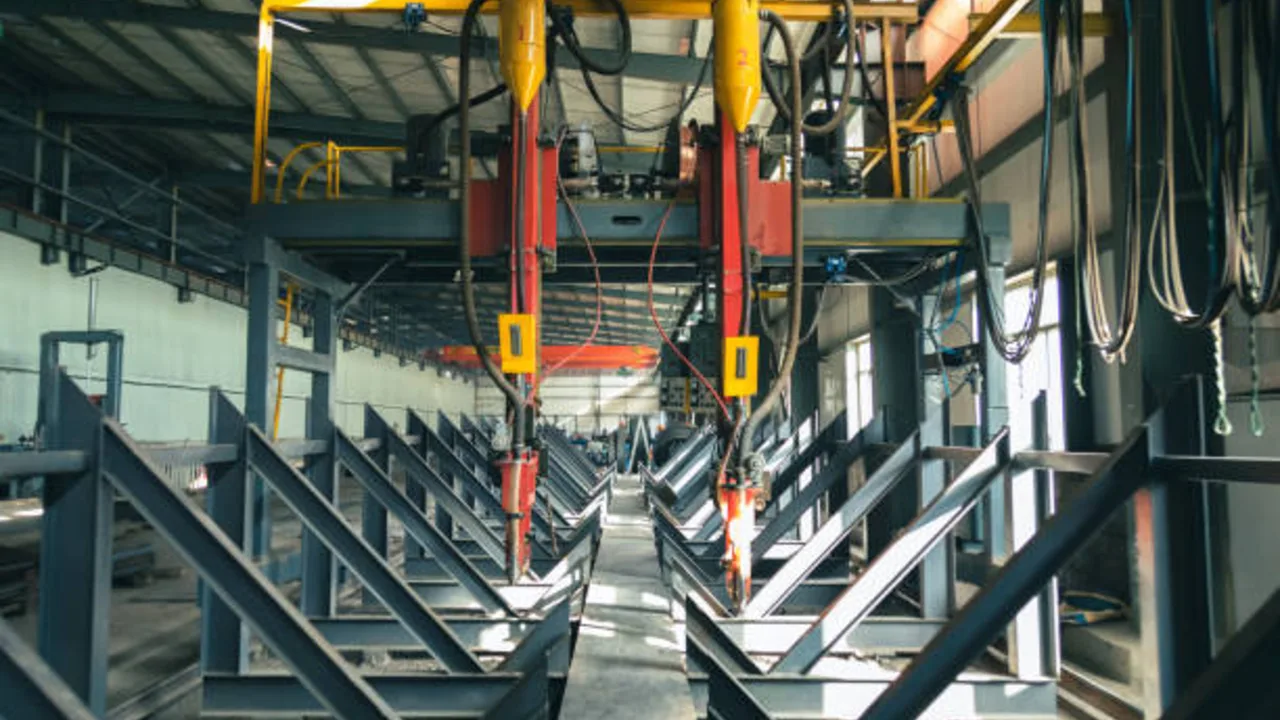
A professional steel structure manufacturer typically operates large fabrication workshops equipped with advanced production equipment. Modern steel fabrication facilities often include automated cutting machines, CNC drilling lines, robotic welding systems, and heavy-duty assembly platforms.
These facilities enable manufacturers to produce structural components efficiently while maintaining strict dimensional accuracy.
Production Capacity and Quality Control
Large construction projects require manufacturers capable of producing high volumes of structural steel within tight deadlines. Standardized manufacturing processes allow fabrication facilities to maintain stable production output without compromising quality.
Quality control procedures are implemented throughout the production process to ensure that every component meets engineering specifications.
Inspection and Testing
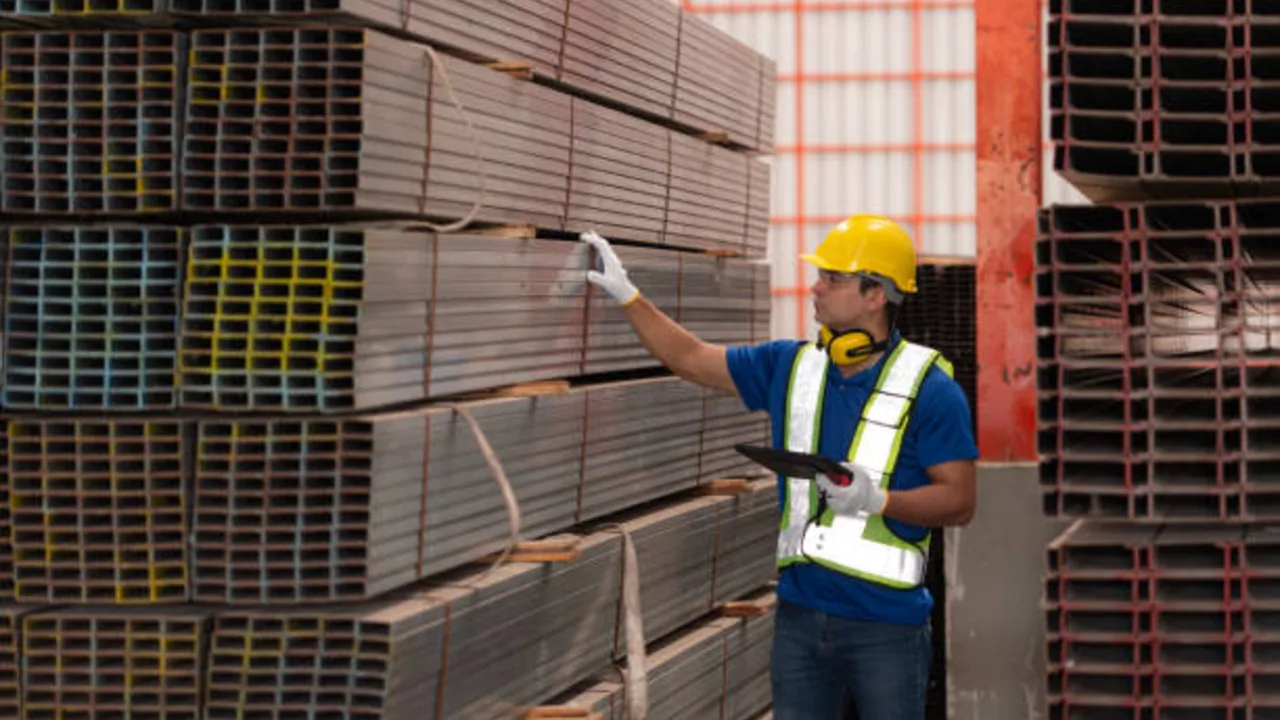
Before shipment, structural components undergo multiple inspection procedures. These inspections may include material verification, weld quality testing, and dimensional tolerance checks.
Comprehensive inspection ensures that all manufactured components comply with structural design standards and project requirements.
Applications of Manufactured Steel Structures
Industrial Construction Projects
Manufactured steel structures are widely used in industrial construction projects such as manufacturing plants, processing facilities, and heavy industrial workshops.
These buildings require robust structural systems capable of supporting heavy operational loads and complex equipment installations.
Warehousing and Logistics Facilities
Logistics centers and distribution warehouses are among the most common applications for prefabricated steel structures. A china steel structure manufacturer can produce large-scale warehouse systems designed for efficient storage and transportation operations.
Commercial and Infrastructure Buildings
Steel structures are also widely applied in commercial developments and public infrastructure projects. Exhibition halls, transportation terminals, and large public venues often require structural systems capable of achieving wide spans and open interior spaces.
Advantages of Working with a Steel Structure Manufacturer
Partnering with an experienced steel structure manufacturer offers several advantages for construction projects:
- High precision through factory manufacturing
- Faster project timelines through prefabrication
- Consistent structural quality across all components
- Improved cost efficiency through industrial production
These advantages make steel manufacturing an essential component of modern construction practices.
Why Choose an Experienced Steel Structure Manufacturer
Engineering Expertise
Engineering capability is one of the most important factors when selecting a structural steel supplier. Experienced manufacturers combine engineering design with fabrication expertise to deliver optimized structural systems.
Manufacturing Scale
Large-scale manufacturing capacity allows companies to handle complex international projects that require thousands of structural components.
Global Supply and Logistics
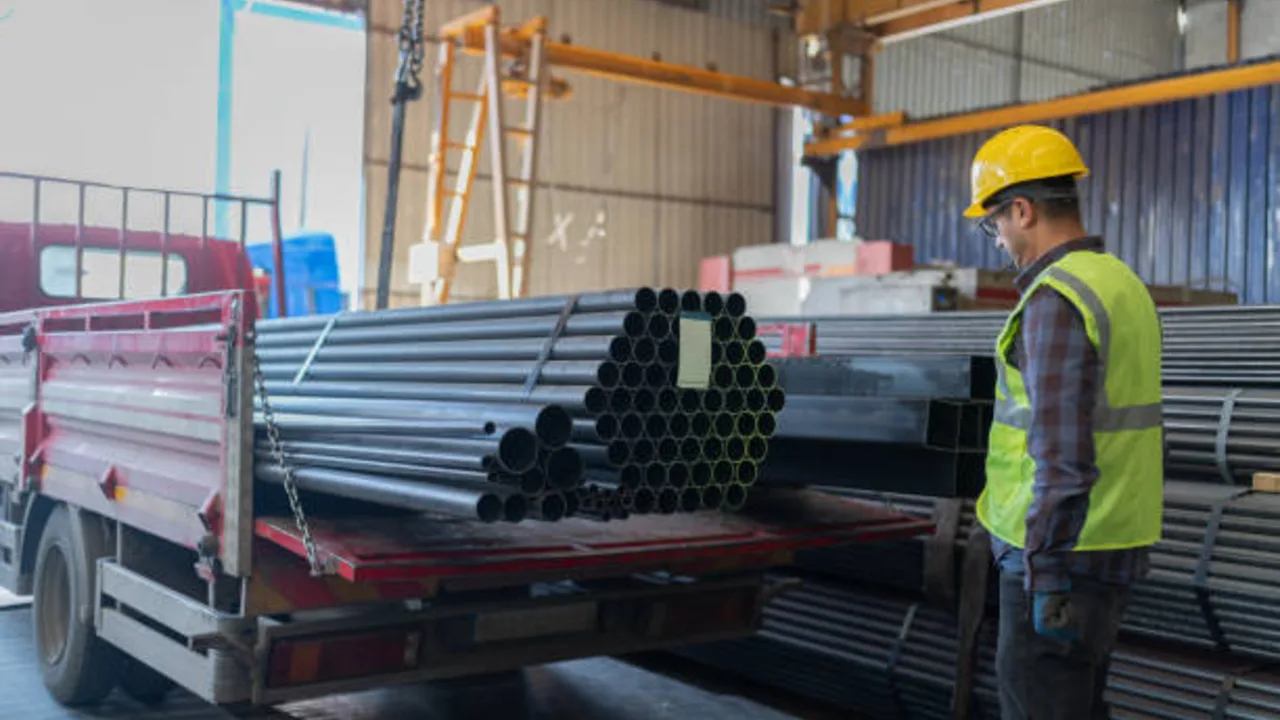
International construction projects require reliable supply chains and transportation planning. Experienced manufacturers can coordinate production schedules and global shipping to ensure on-time project delivery.
As an experienced structural steel supplier, XTD Steel Structure provides integrated solutions covering engineering design, structural fabrication, and international project coordination.
Frequently Asked Questions About Steel Structure Manufacturing
What does a steel structure manufacturer do?
A steel structure manufacturer produces the structural steel components used in buildings and infrastructure projects, including columns, beams, trusses, and connection systems.
How are steel structures fabricated in factories?
Structural steel components are fabricated through processes such as cutting, drilling, welding, and assembly based on engineering drawings.
What quality standards are used in steel manufacturing?
Manufacturers follow international engineering standards and quality control procedures to ensure that structural components meet safety and performance requirements.
Can manufacturers customize steel building components?
Yes. Most manufacturers provide customized fabrication services to meet the specific structural design and engineering requirements of each project.
Work with a Professional Steel Structure Manufacturer
Choosing a reliable steel structure manufacturer is essential for ensuring the success of modern construction projects. Through advanced engineering, industrial manufacturing processes, and strict quality control, steel structure manufacturers deliver structural systems that support safe and efficient building construction.
With professional engineering support and global manufacturing capabilities, companies like XTD Steel Structure help clients deliver industrial and commercial construction projects with confidence.