Overview of Prefabricated Steel Structure
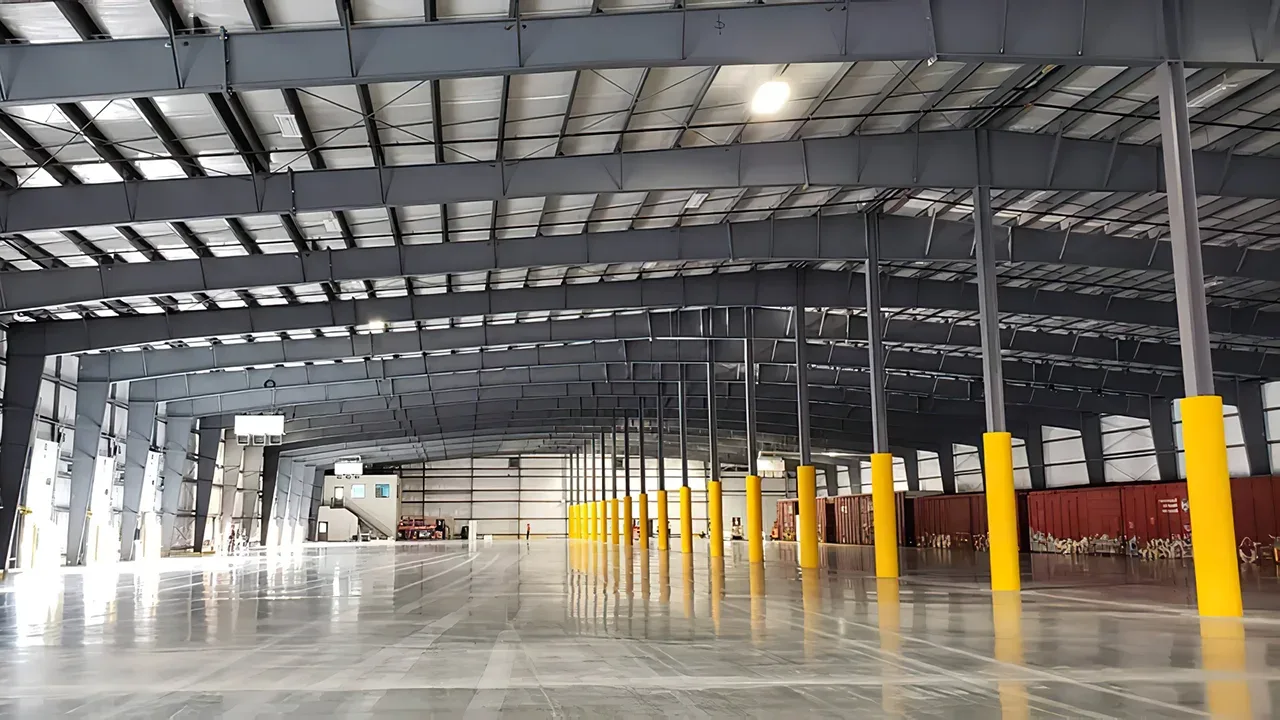
A prefabricated steel structure refers to a building system where the main load-bearing components are manufactured in a factory before being assembled on site. These components include steel columns, beams, trusses, and connection plates that form the structural frame of the building.
Prefabricated construction reduces on-site work, shortens construction time, and improves safety. Since most of the work is completed in the workshop, weather conditions have less impact on the construction schedule.
Modern prefabricated buildings are widely used in industrial plants, storage facilities, commercial halls, and infrastructure projects due to their efficiency and durability.
Characteristics of Prefabricated Steel Structure
Factory-Made Structural Components
The main feature of a prefabricated steel structure is that all structural components are produced in a fabrication factory. Advanced machines ensure that each part meets strict engineering requirements.
Factory production allows better quality control, accurate dimensions, and consistent performance.
Fast Installation on Site
Because the components are prefabricated, installation on site becomes much faster. Most connections are made using bolts, which simplifies assembly and reduces labor cost.
Fast installation is especially important for industrial projects where construction time directly affects production schedules.
Flexible Structural Design
A prefabricated steel building structure can be designed with modular systems that allow flexible layout and easy expansion. Buildings can be extended in the future without major structural changes.
This flexibility makes prefabricated steel suitable for long-term industrial planning.
Types of Prefabricated Steel Structure Buildings
Prefabricated Steel Warehouse
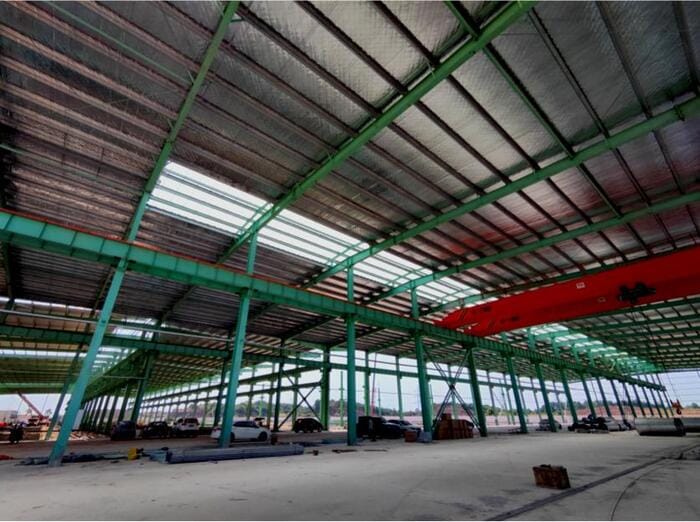
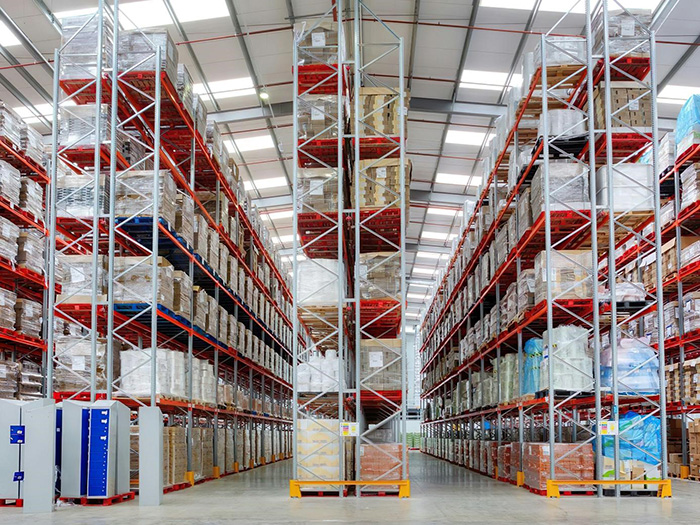
Warehouses are one of the most common applications of prefabricated steel structure. Large-span design allows efficient storage space without many interior columns.
Prefabricated warehouses are widely used in logistics, manufacturing, and distribution industries.
Prefabricated Steel Factory
Industrial plants require strong structures and flexible layout. Prefabricated factory buildings can support heavy equipment while maintaining large interior space.
Steel structures are ideal for manufacturing facilities, processing plants, and production workshops.
Prefabricated Steel Commercial Buildings
Commercial buildings such as exhibition halls, shopping centers, and office buildings often use prefabricated steel systems to achieve large spans and modern architectural design.
Steel allows designers to create open space while maintaining structural strength.
Prefabricated Steel Workshop
A prefabricated steel structure workshop provides durable and flexible space for production and maintenance activities.
Workshops built with prefabricated steel can be modified easily when production requirements change.
Structural Systems Used in Prefabricated Steel Structure
Portal Frame System
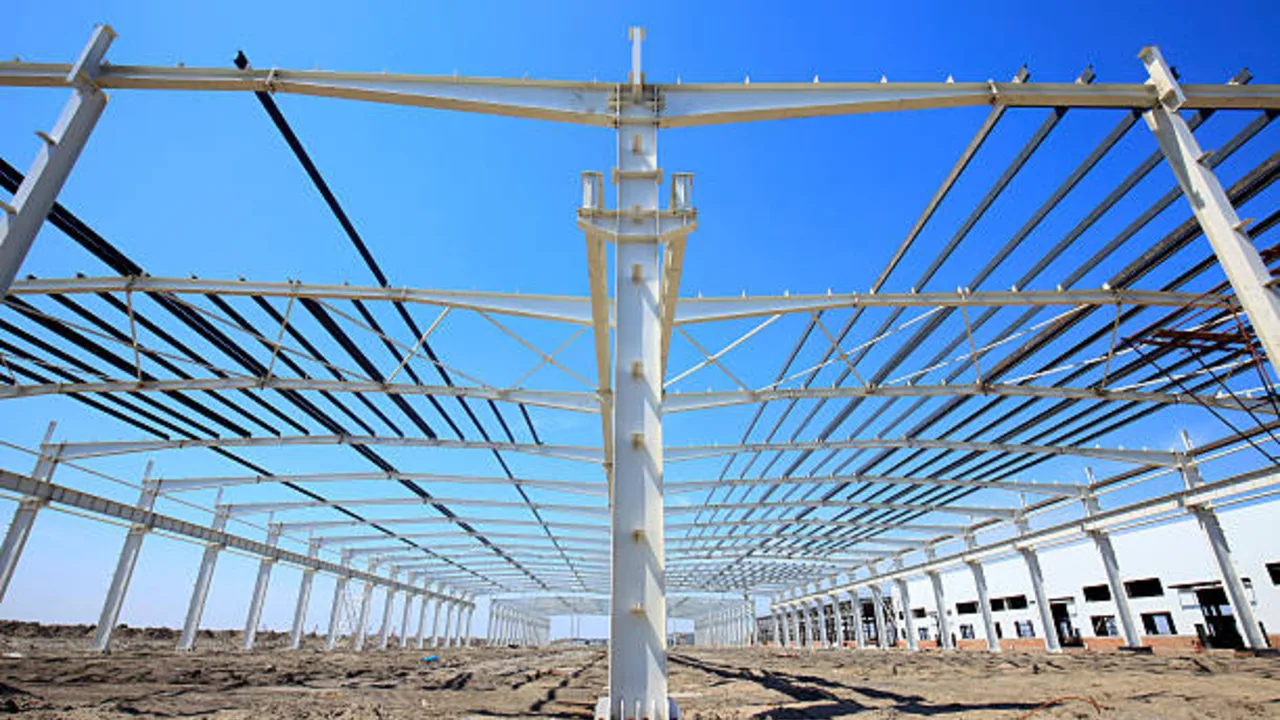
The portal frame is the most common structural system used in prefabricated steel structure projects. It is cost-efficient and suitable for medium and large-span buildings.
This system allows fast installation and reliable performance.
Truss Structure System
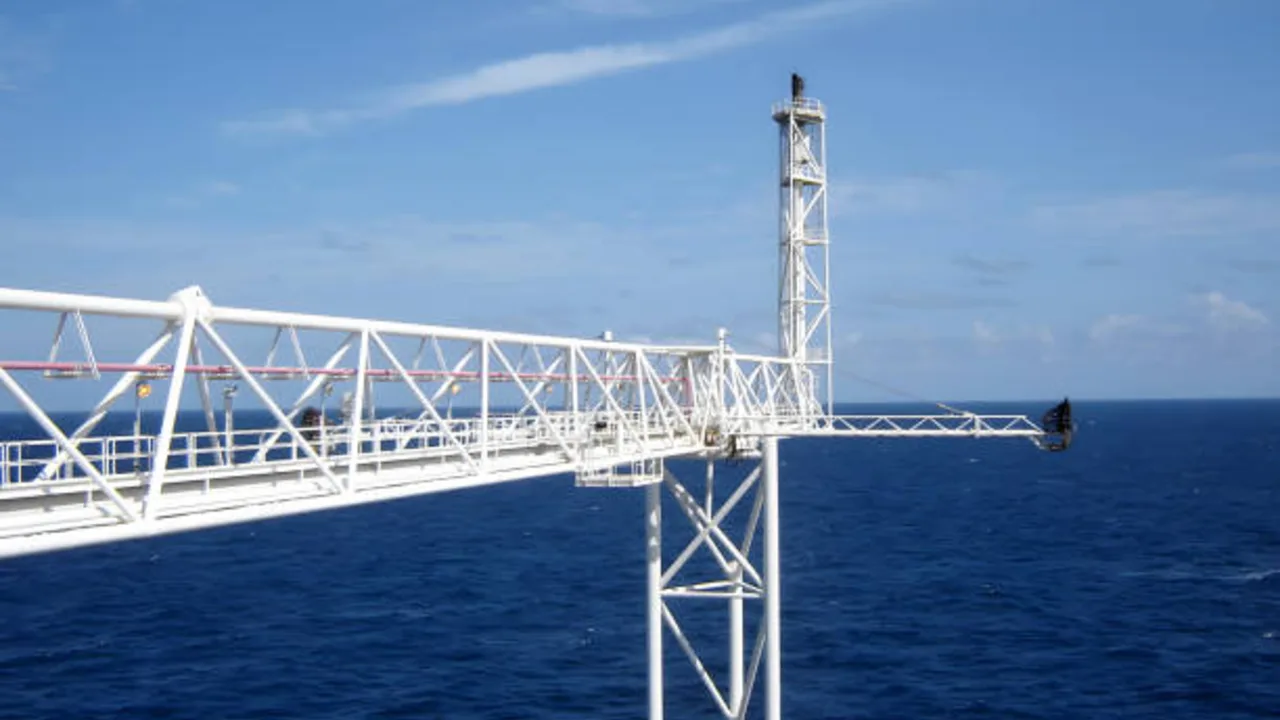
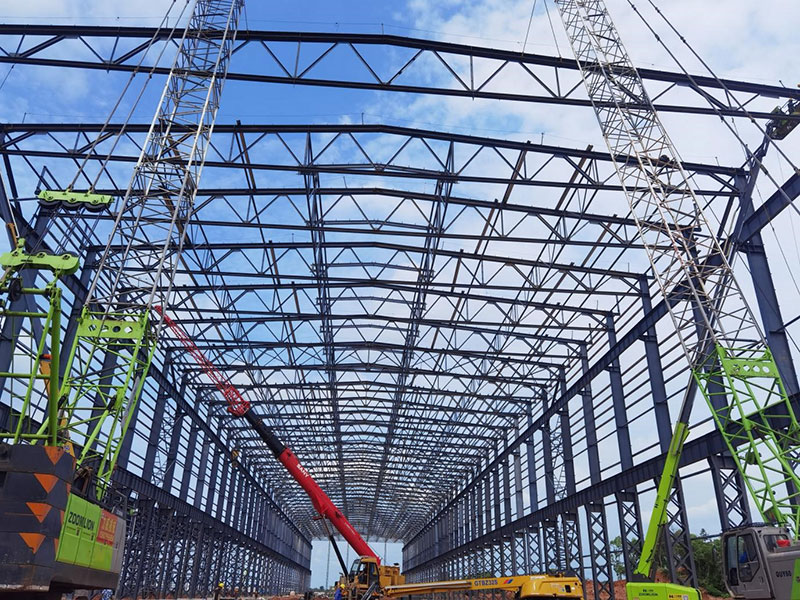
Truss structures are used when larger spans or higher load capacity is required. They are common in industrial buildings, warehouses, and large workshops.
Truss systems provide strong support while keeping the structure lightweight.
Space Frame and Special Structures
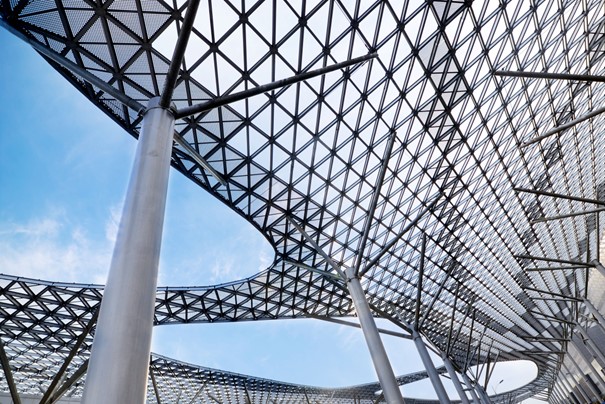
For complex projects such as stadiums, airports, and exhibition halls, space frame or special steel systems are used.
These systems allow large open space and unique architectural design.
Prefabricated Steel Structure Production Process
Engineering Design
The process of building a prefabricated steel structure begins with engineering design. Engineers calculate loads, plan layout, and prepare detailed drawings.
Modern projects often use BIM and 3D modeling to ensure accuracy.
Steel Structure Fabrication
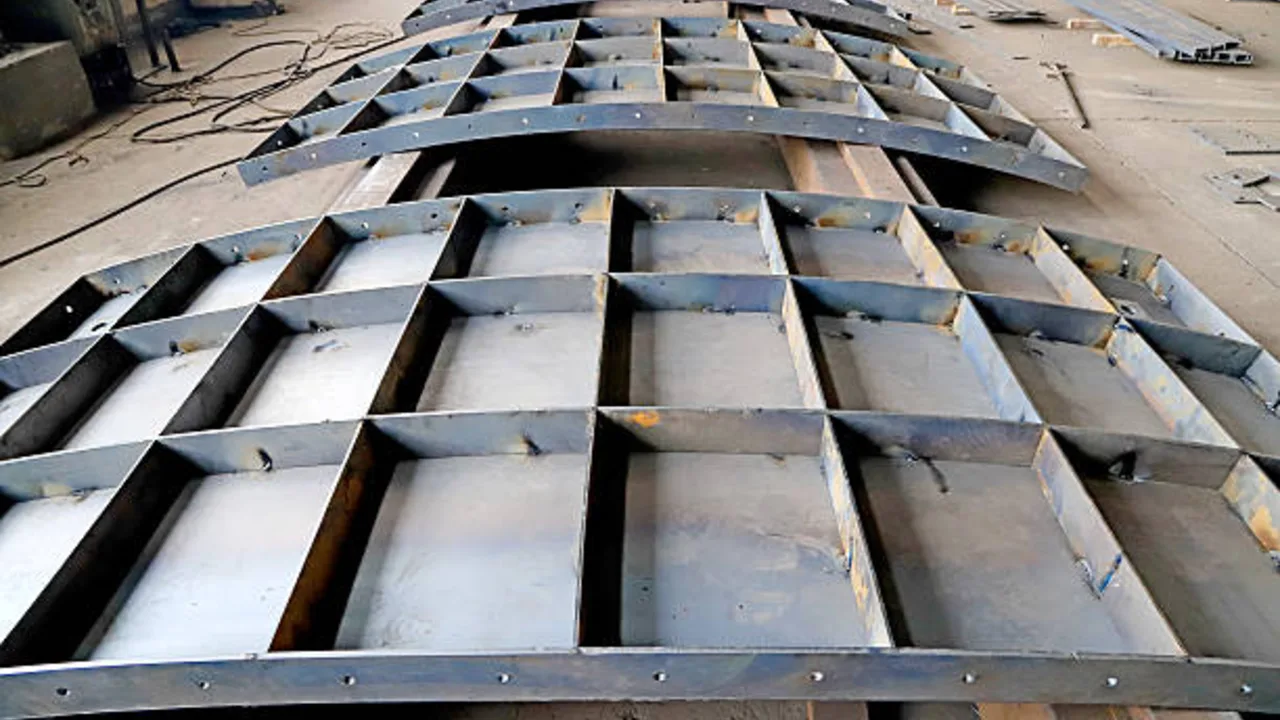
After design approval, structural components are produced in the workshop. The fabrication process includes cutting, drilling, welding, and assembly.
Factory fabrication ensures high precision and stable quality.
Surface Treatment
To protect steel from corrosion, surface treatment is applied. Common methods include painting and hot-dip galvanizing.
Proper treatment increases durability and service life.
On-Site Installation
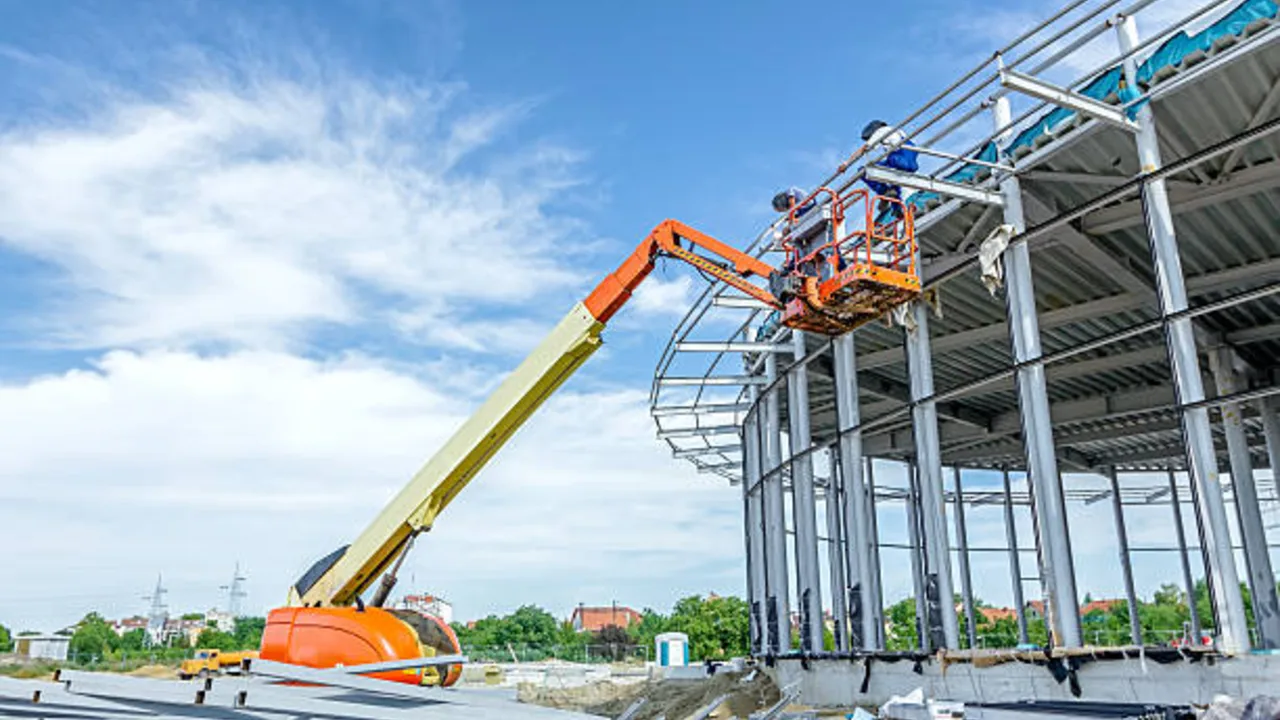
After fabrication, components are transported to the project site. Installation usually starts with columns, then beams, and finally roof and wall systems.
Prefabricated installation reduces construction time and improves safety.
Advantages of Prefabricated Steel Structure
- Faster construction
- Lower overall cost
- High structural strength
- Flexible layout
- Easy transportation
- Suitable for international projects
These advantages make prefabricated steel structure one of the most popular building solutions today.
Why Choose Professional Prefabricated Steel Structure Supplier
Engineering Experience
Professional suppliers provide structural design support to ensure safety and efficiency.
Large Fabrication Workshop
Modern workshops allow mass production with stable quality.
International Project Support
Global projects require reliable fabrication, packaging, and shipping coordination.
With extensive experience, XTD Steel Structure provides integrated services including design, fabrication, and project support for prefabricated steel buildings worldwide.
Applications of Prefabricated Steel Structure
- Industrial buildings
- Warehouses
- Factories
- Workshops
- Commercial buildings
- Infrastructure projects
Frequently Asked Questions
What is prefabricated steel structure?
It is a building system where steel components are produced in a factory and assembled on site.
Is prefab steel cheaper than concrete?
In many cases, prefabricated steel construction reduces time and cost compared with concrete.
How long does prefab construction take?
Because most work is done in the factory, installation on site is much faster.
Can prefab steel buildings be expanded?
Yes, prefabricated steel structures can be designed for future expansion.
Work with Professional Prefabricated Steel Structure Supplier
A high-quality prefabricated steel structure ensures fast construction, reliable performance, and long service life. With proper engineering, advanced fabrication, and professional installation, prefabricated steel buildings are ideal for modern construction projects.
As an experienced supplier, XTD Steel Structure supports global clients with engineering, manufacturing, and delivery of prefabricated steel structure systems.