Production Environments That Use Steel Structure Factories
Manufacturing Plants
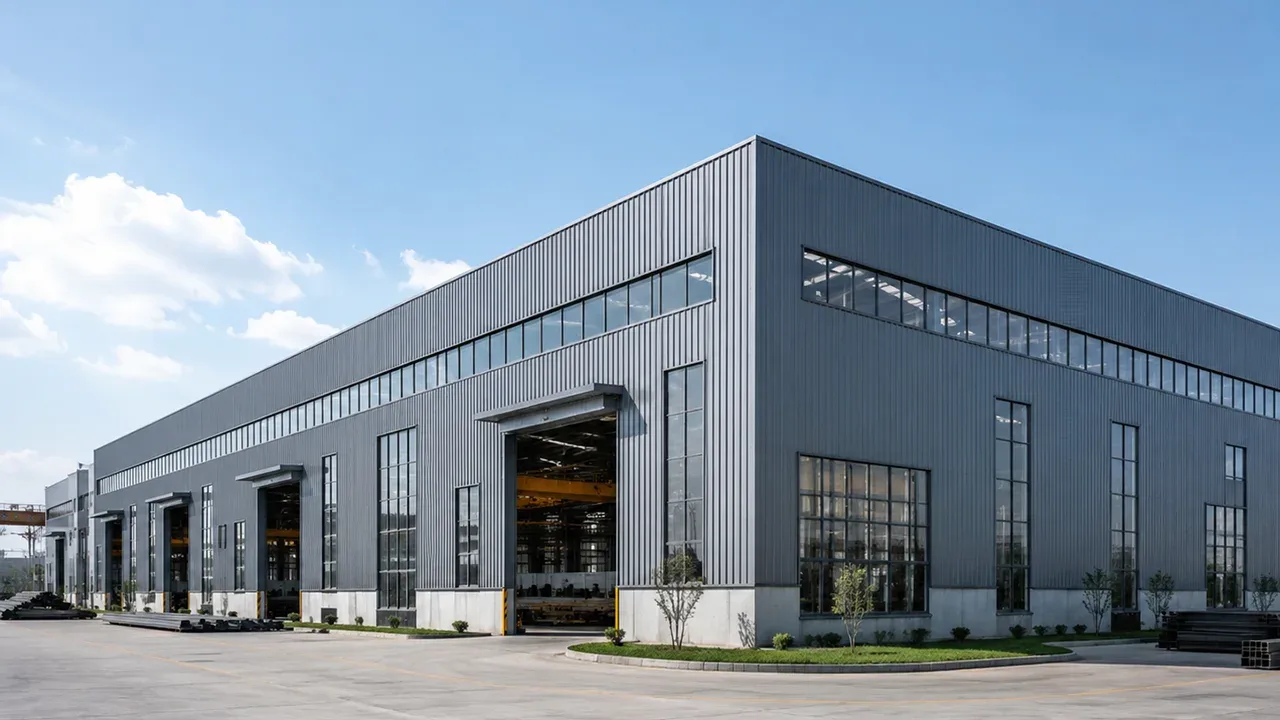
Manufacturing facilities often require large uninterrupted spaces to support assembly lines, industrial automation systems, and heavy machinery installation. Steel structures allow production plants to maintain flexible layouts while supporting demanding operational loads.
This flexibility is especially important for industries that regularly upgrade production systems or reconfigure manufacturing processes.
Processing Facilities
Processing operations typically involve material movement, equipment integration, ventilation systems, and continuous workflow organization. A Production Steel Structure Factory can support these requirements with efficient structural layouts and adaptable internal configurations.
Steel buildings also simplify the installation of industrial ventilation and utility systems.
Heavy Industrial Production
Heavy industrial environments require structures capable of supporting crane systems, high-clearance production zones, and significant operational loads.
Steel framing systems are commonly engineered for:
- Overhead crane integration
- Heavy equipment foundations
- Large-span workshop areas
- High vertical clearance
Multi-Function Production Facilities
Many modern factories combine manufacturing, storage, packaging, and logistics operations within a single facility. Steel structures support this integrated approach through flexible zoning and scalable layouts.
How Steel Structures Improve Production Efficiency
Industrial productivity is heavily influenced by factory layout and operational organization. Steel structures improve production environments by reducing physical limitations inside the building.
Column-Free Manufacturing Space
Large-span steel systems reduce the need for internal support columns, creating more usable manufacturing space and improving equipment placement flexibility.
Faster Equipment Installation
Steel factories simplify the installation process for machinery, conveyor systems, and automated production lines.
Better Workflow Organization
Open layouts help manufacturers optimize material flow, workforce movement, and production efficiency.
Easier Future Expansion
- Additional production lines
- Warehouse expansion
- Equipment upgrades
- Logistics integration
Steel structures allow industrial facilities to evolve alongside operational growth.
Structural Requirements in Production Factory Projects
Heavy Load Structural Support
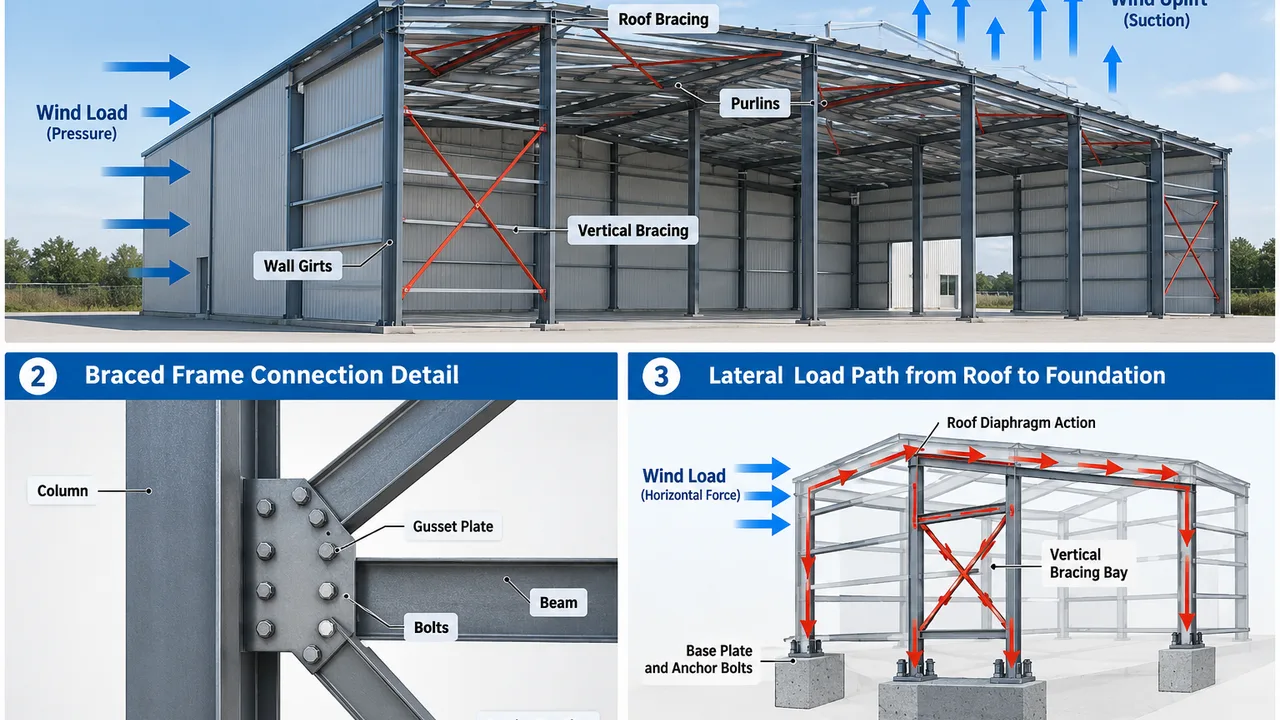
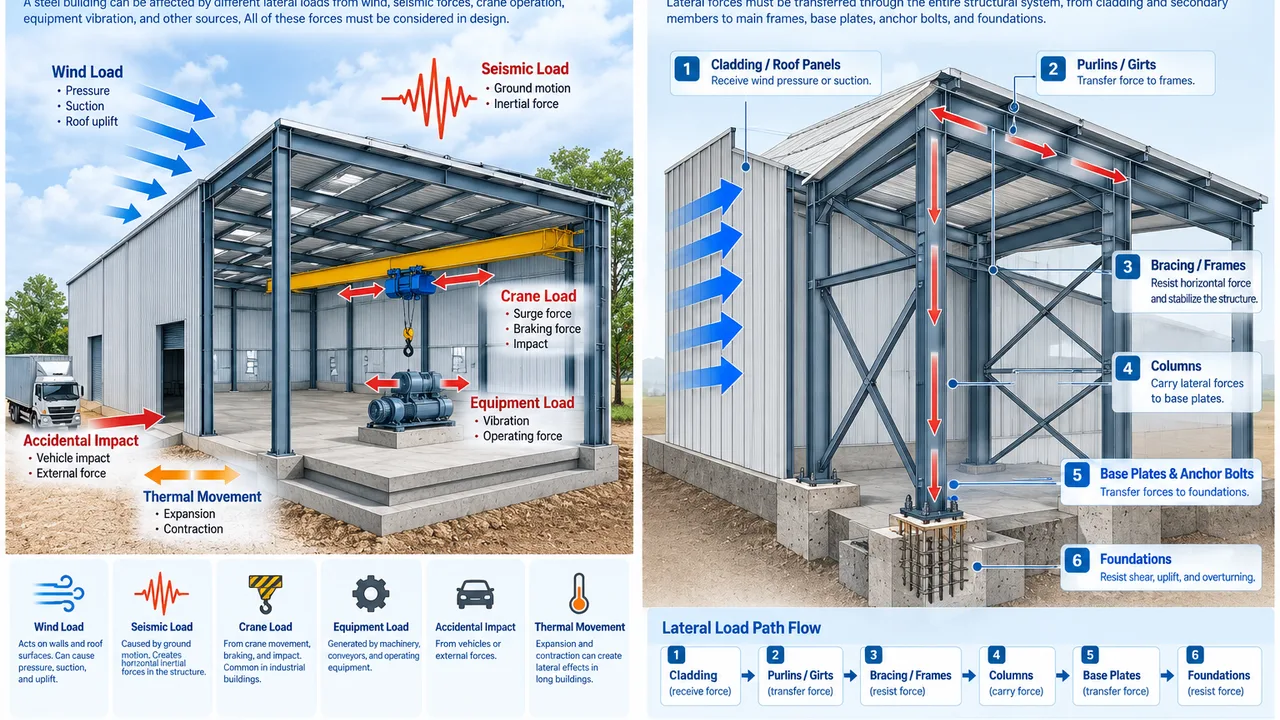
Industrial production facilities must support machinery loads, storage systems, and continuous operational stress. Engineers analyze structural load distribution carefully during project development.
Crane Beam Integration
Many production factories require overhead crane systems for material handling and equipment movement. Steel structures can integrate crane beams directly into the structural framework.
Ventilation and Thermal Control
Industrial environments often require efficient ventilation, heat management, and airflow planning to maintain operational stability and worker safety.
Safety and Fire Resistance
Production facilities must comply with industrial safety standards. Fire-resistant systems, emergency access planning, and structural protection measures are integrated into the engineering process.
Factory Layout Planning for Industrial Operations
Efficient industrial facilities depend heavily on operational planning. The structural design of a Production Steel Structure Factory is often coordinated directly with manufacturing workflow requirements.
Raw Material Flow
Material receiving zones are positioned to minimize transportation distance and reduce operational bottlenecks.
Production Zone Arrangement
Production lines are organized according to manufacturing sequence, equipment positioning, and operational safety.
Finished Product Storage
Storage areas are integrated into the facility layout to improve logistics efficiency and shipment coordination.
Logistics Access and Transportation
- Truck access planning
- Loading and unloading zones
- Internal transportation routes
- Shipping coordination systems
Careful planning improves both operational efficiency and long-term scalability.
Fabrication and Construction Process
Engineering and Shop Drawings
Industrial steel factory projects begin with structural calculations, production planning, and detailed shop drawings.
Steel Component Manufacturing
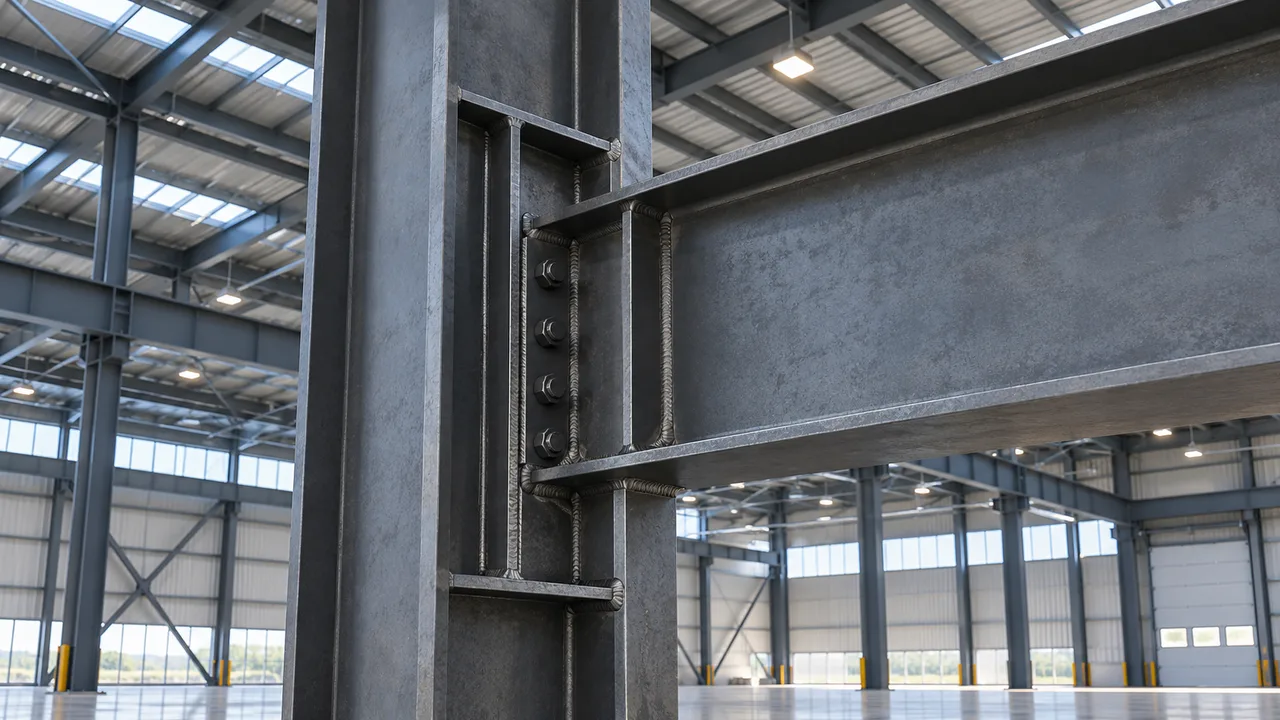
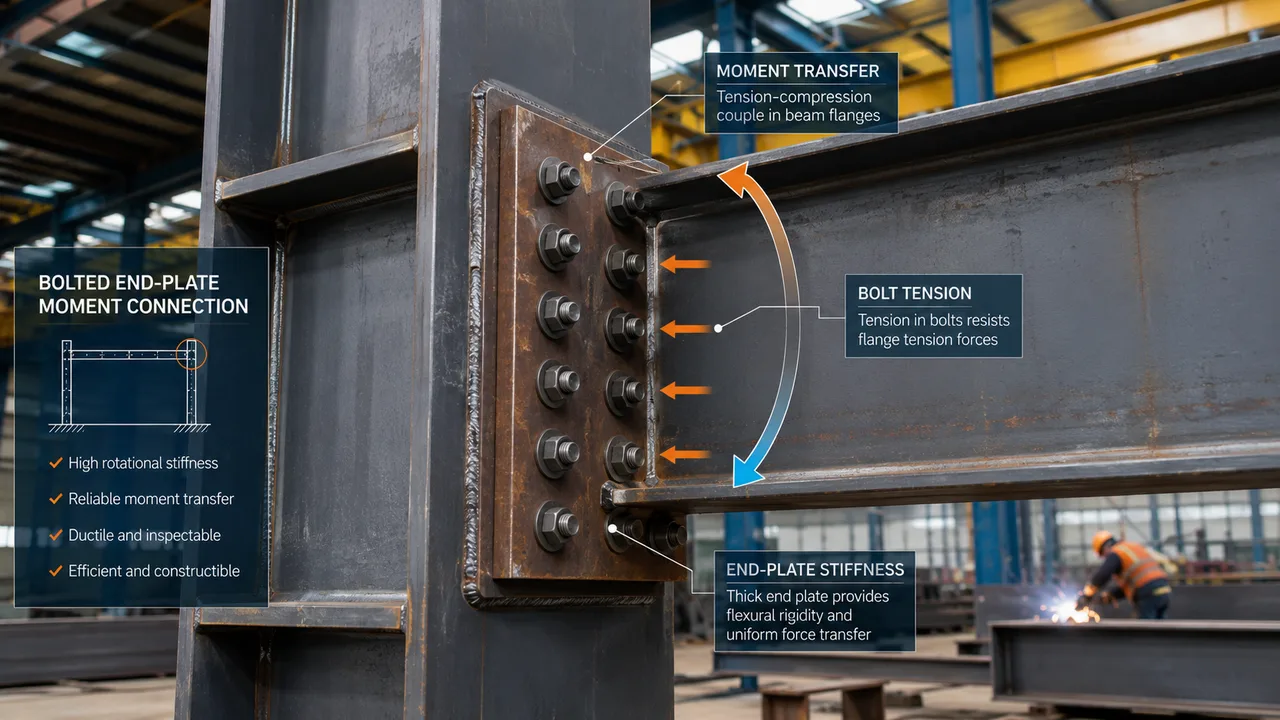
Components are fabricated using precision cutting, welding, drilling, and assembly processes under controlled factory conditions.
Surface Protection Systems
Protective systems may include:
- Anti-corrosion coatings
- Galvanized steel systems
- Industrial-grade paint applications
Site Installation Coordination
Installation teams coordinate lifting operations, structural alignment, and equipment access to maintain construction efficiency.
XTD Steel Structure supports industrial factory projects with integrated engineering, fabrication, and installation coordination services.
Advantages of Production Steel Structure Factory
Modern industrial facilities require more than basic structural functionality. Production factories must support long-term operational performance and future scalability.
- Reduced construction schedules
- Flexible production layouts
- High structural durability
- Efficient maintenance access
- Support for industrial automation
- Expandable operational capacity
Efficient factory infrastructure directly contributes to manufacturing performance.
Industrial Project Experience and Engineering Support
Industrial projects involve coordination between structural engineering, production systems, logistics planning, and operational requirements. Choosing an experienced steel structure partner can improve execution efficiency and reduce project risks.
Engineering capability, industrial fabrication experience, and understanding of manufacturing operations all play important roles in factory construction success.
Common Questions About Production Steel Structure Factory
Can steel factories support heavy machinery?
Yes. Steel structures can be engineered to support heavy industrial equipment and crane systems.
Are steel factories suitable for automated production?
Yes. Open layouts and flexible structural systems work well with automated manufacturing lines.
How large can a production steel structure factory be?
Steel structures can support very large-span industrial facilities depending on operational requirements.
Can the factory expand in the future?
Yes. Steel systems are often designed to support future expansion and operational upgrades.
Build Efficient Industrial Production Facilities
A properly designed Production Steel Structure Factory helps manufacturers improve operational efficiency, support industrial scalability, and optimize long-term production performance. Steel structures continue to play a major role in modern industrial infrastructure development.
Careful engineering, efficient fabrication, and coordinated installation contribute to reliable production environments capable of supporting evolving manufacturing demands.