Why Steel Structures Work Well for Office Buildings
Office developments often require open floor plans, flexible interior configurations, and modern façade systems. Steel framing systems make these requirements easier to achieve because of their high strength and efficient span capability.
Compared to conventional construction methods, steel systems can reduce the number of interior columns, allowing larger uninterrupted office spaces and more adaptable workspace layouts.
For commercial developers, flexibility after project completion is often just as important as construction speed.
Steel structures also support:
- Efficient vertical expansion
- Modern glass façade integration
- Flexible partition systems
- Future office reconfiguration
Common Office Building Configurations
Low-Rise Office Buildings
Low-rise office projects are commonly used in business parks, suburban commercial zones, and professional service centers. These buildings prioritize accessibility, efficient circulation, and adaptable floor planning.
Steel framing systems allow faster construction while supporting modern architectural aesthetics.
Mid-Rise Corporate Buildings
Urban office developments often require mid-rise structures capable of supporting multiple departments, mixed office functions, and integrated building services.
A steel structure office building provides structural efficiency while maintaining flexible commercial space arrangements.
Multi-Tenant Office Developments
- Flexible leasing layouts
- Adjustable office partitions
- Shared meeting facilities
- Scalable tenant configurations
These features make steel structures highly suitable for commercial office investment projects.
Architectural Advantages of Steel Office Buildings
Flexible Interior Workspace Design
Steel systems support modern workspace concepts such as open offices, collaborative environments, and multi-functional commercial areas.
Reduced structural limitations give architects more freedom during interior planning.
Glass Curtain Wall Compatibility
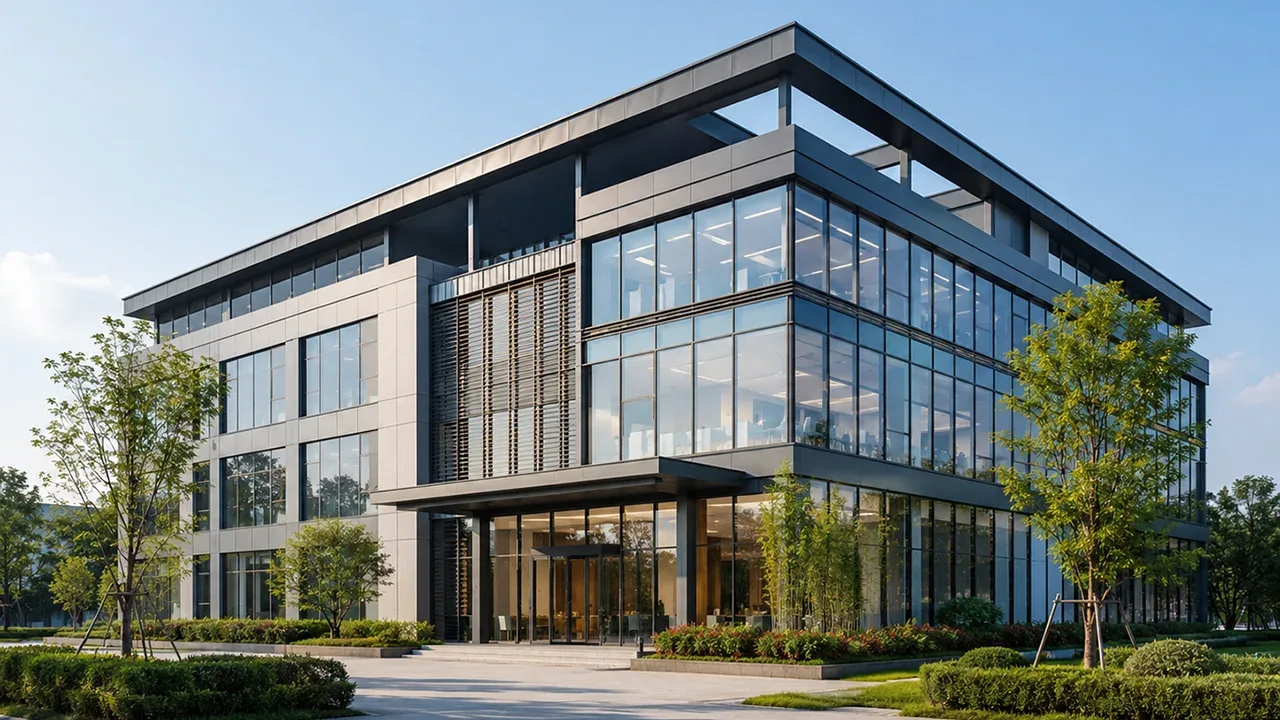
Many contemporary office buildings use glass curtain wall systems to maximize natural lighting and create a modern visual identity.
Steel framing integrates efficiently with these façade systems while maintaining structural stability.
Long-Span Meeting and Lobby Areas
Corporate office buildings frequently include large meeting rooms, reception spaces, and atriums requiring wider spans and fewer internal supports.
Steel structures perform especially well in these areas because of their high load-bearing capacity.
| Feature | Steel Structure | Traditional Concrete |
|---|---|---|
| Interior Flexibility | High | Moderate |
| Construction Speed | Faster | Slower |
| Future Renovation | Easier | More restrictive |
| Structural Weight | Lighter | Heavier |
Construction Speed and Commercial Efficiency
Commercial projects often operate under strict schedules because delayed occupancy can directly affect business operations and investment returns.
Prefabricated steel systems help reduce construction timelines by allowing structural components to be manufactured simultaneously with site preparation activities.
On-site installation is also more streamlined because many structural elements arrive ready for assembly.
For developers and property owners, this can mean:
- Earlier project completion
- Faster tenant occupancy
- Reduced labor disruption
- Improved project scheduling
Structural Performance for Commercial Buildings
Wind and Seismic Resistance
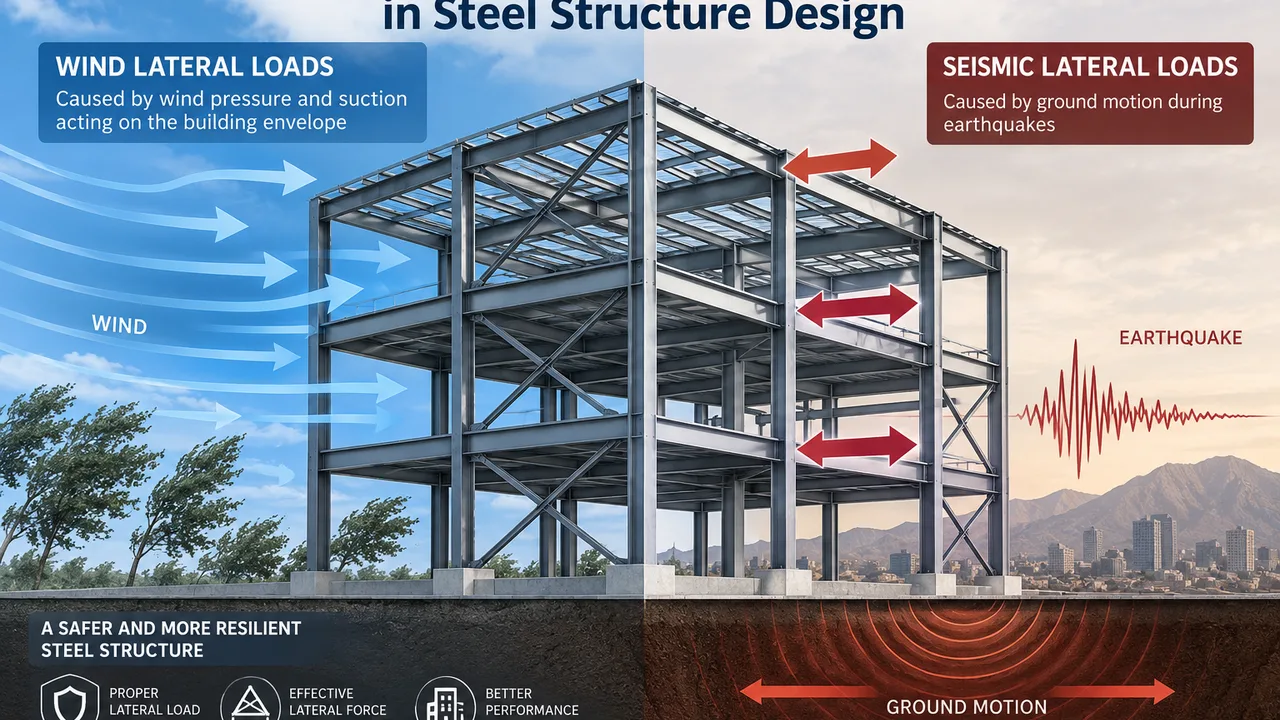
Office buildings must maintain structural stability under varying environmental conditions. Steel framing systems are engineered to resist wind forces and seismic activity while supporting long-term building safety.
Load Distribution for Office Usage
Commercial office spaces include meeting rooms, technical equipment, suspended systems, and high occupant loads. Proper load distribution is essential for operational reliability.
Steel structures provide efficient load transfer across multiple floors and open-plan environments.
Fire Protection Integration
Modern office projects incorporate fire-resistant materials, compartment systems, and integrated evacuation planning.
Steel structures can work together with advanced fire protection solutions to meet commercial building regulations.
Steel Structure Office Building Applications
Office steel structures are widely used across different commercial sectors because of their flexibility and efficient construction performance.
- Corporate headquarters
- Technology campuses
- Co-working office spaces
- Financial service centers
- Government administrative buildings
- Commercial mixed-use developments
Different office environments require different structural and architectural approaches, making design flexibility especially important.
What Matters in Office Building Engineering
Modern office projects involve more than structural framing alone. Successful commercial buildings require coordination between architecture, mechanical systems, electrical infrastructure, and long-term operational planning.
Key engineering considerations often include HVAC integration, vertical transportation systems, parking coordination, and future renovation capability.
As an experienced commercial steel structure provider, XTD Steel Structure supports office development projects through integrated engineering, fabrication, and construction coordination.
Questions Clients Often Ask
Are steel office buildings suitable for high-rise projects?
Yes. Steel framing systems are widely used for mid-rise and high-rise commercial office buildings.
Can office layouts be modified in the future?
Steel structures provide greater flexibility for future interior renovations and workspace adjustments.
How fast can steel office buildings be completed?
Construction speed depends on project scale, but prefabricated steel systems generally reduce overall project timelines.
Developing Efficient Commercial Workspaces
A well-designed steel structure office building combines commercial efficiency, architectural flexibility, and long-term operational performance. Steel systems continue to support modern office development by enabling faster construction, adaptable workspaces, and efficient structural solutions.
For companies and developers planning future-ready commercial environments, steel construction offers a practical balance between speed, durability, and modern workspace requirements.