Industrial Requirements in Electronics Manufacturing Facilities
Clean Production Environments
Electronics manufacturing often involves sensitive components, precision assembly, and strict control of dust, humidity, and airflow. The building structure must allow proper integration of HVAC systems, clean production zones, and technical service routes.
A steel structure can support these requirements by providing stable framing, open spans, and flexible interior partitioning. This allows production areas, inspection zones, packaging spaces, and controlled rooms to be arranged with fewer structural limitations.
Flexible Utility Infrastructure
Electronics factories typically require dense utility systems, including electrical distribution, compressed air, ventilation, cable trays, fire protection systems, and process piping. A steel building frame allows these systems to be planned clearly within roof spaces, mezzanines, and service corridors.
- Overhead cable tray support
- Mechanical and electrical service routing
- Equipment platform integration
- Cleanroom and HVAC compatibility
High-Efficiency Production Flow
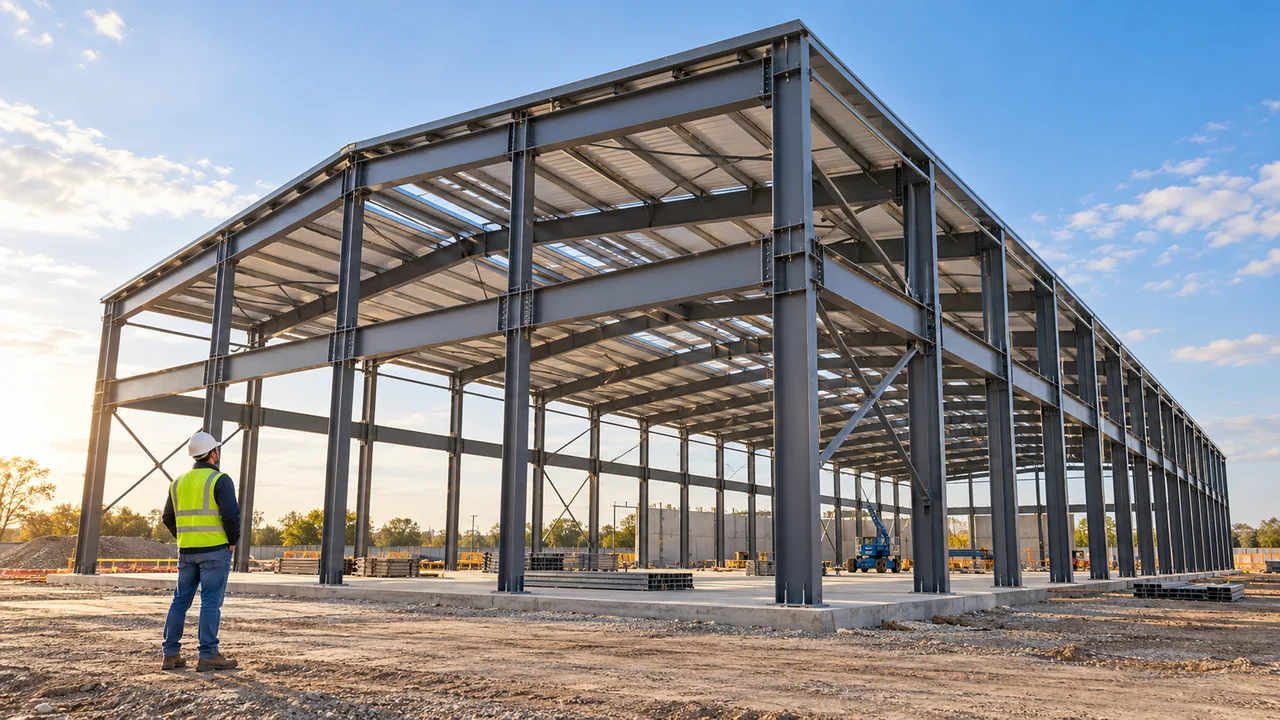
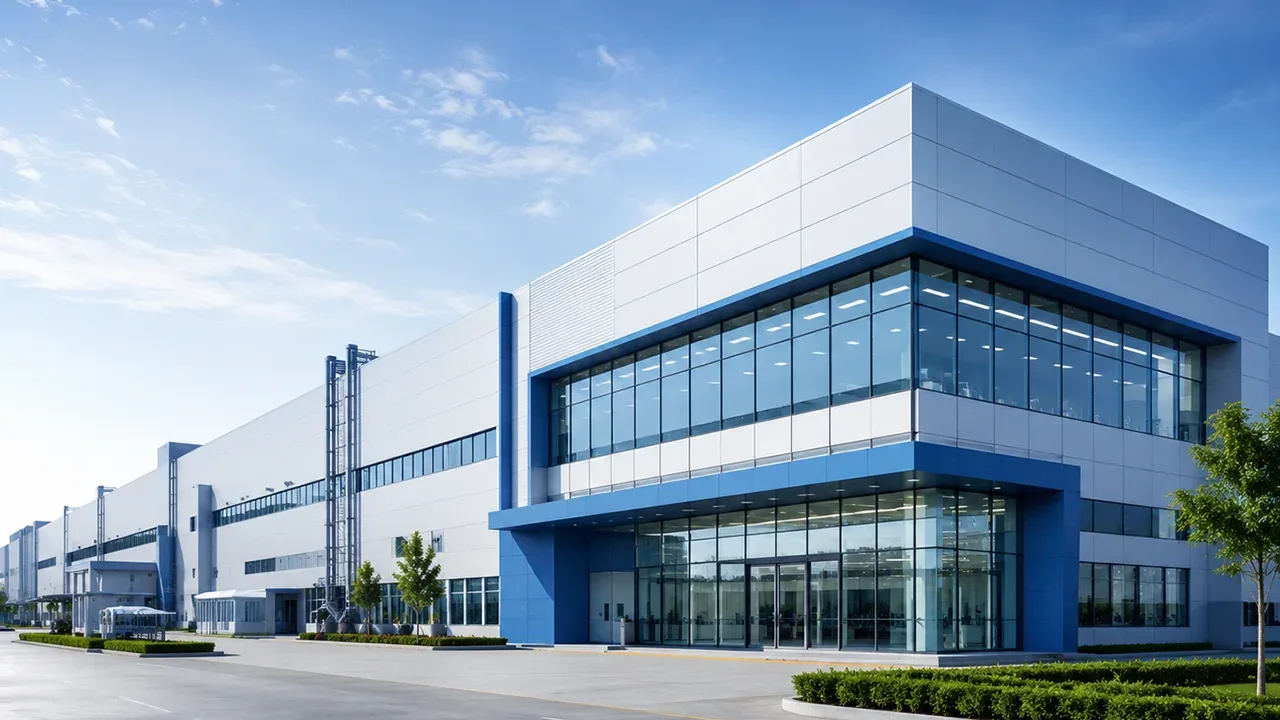
Production efficiency depends heavily on layout. Material receiving, component storage, assembly, testing, packaging, and shipment areas must connect logically. A Steel Structure Factory for Electronics Production can be designed with wide interior spans that reduce obstacles and improve internal movement.
This is especially useful for factories that use conveyor systems, automated production lines, or modular assembly cells.
Why Steel Structures Are Used in Electronics Factories
Faster Facility Expansion
Electronics markets can change quickly. Production demand may increase when a new product line launches or when export orders grow. Steel structures allow faster expansion compared with many traditional construction systems.
Additional bays, storage areas, or technical platforms can often be planned more easily when the original structure is designed with future growth in mind.
Precision Structural Fabrication
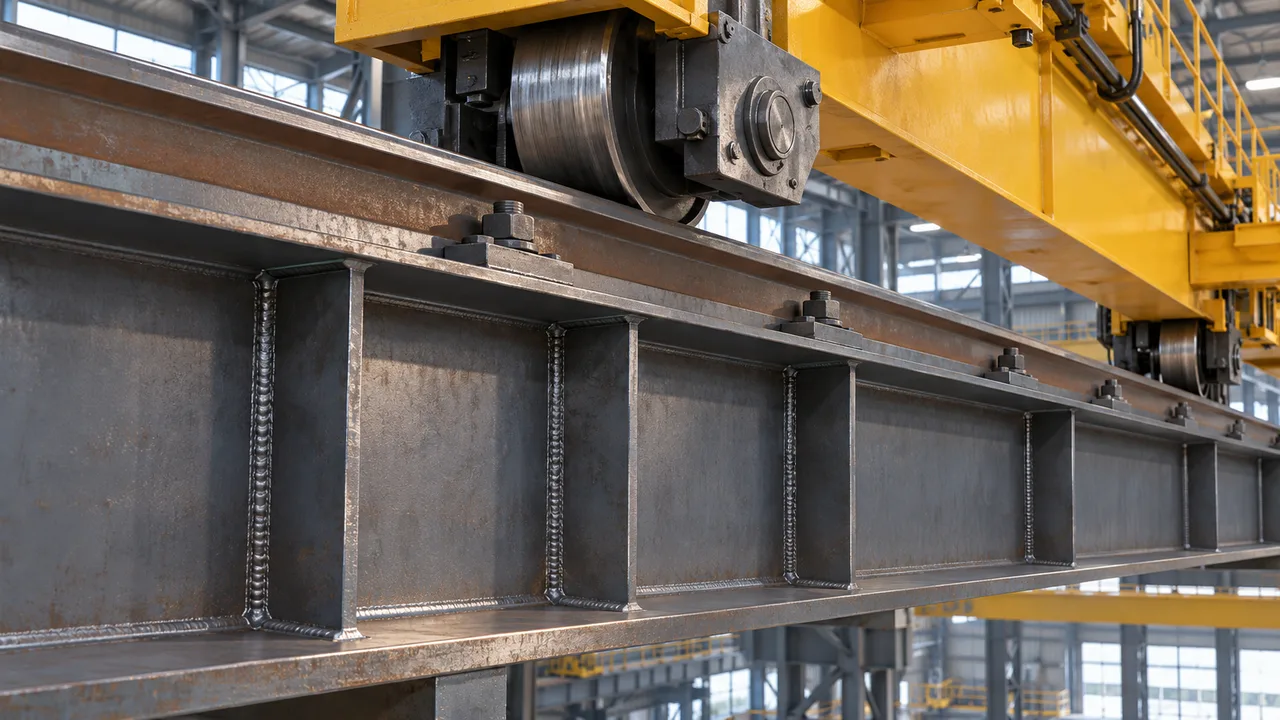
Steel components are fabricated in controlled factory environments using cutting, drilling, welding, and assembly processes. This improves dimensional accuracy and reduces unexpected errors during site installation.
For electronics production, where machinery placement and building services must be coordinated carefully, this precision is especially valuable.
Adaptability for Automation Systems
Modern electronics factories increasingly rely on automation. Robotic assembly, automated inspection, conveyor lines, and smart logistics systems require predictable layouts and stable structural support.
Steel structures can be designed to accommodate:
- Automated production lines
- Material handling systems
- Technical mezzanines
- Equipment maintenance access
- Future layout reconfiguration
Reduced Construction Interruption
When an electronics manufacturer expands an existing site, construction disruption must be minimized. Prefabricated steel components help shorten the on-site construction period, reducing interference with nearby production operations.
Structural Planning for Electronics Production Plants
Vibration and Stability Considerations
Some electronics production processes involve sensitive equipment, inspection tools, or automated machinery. Structural stability must be considered during design to reduce unwanted vibration and maintain accurate equipment operation.
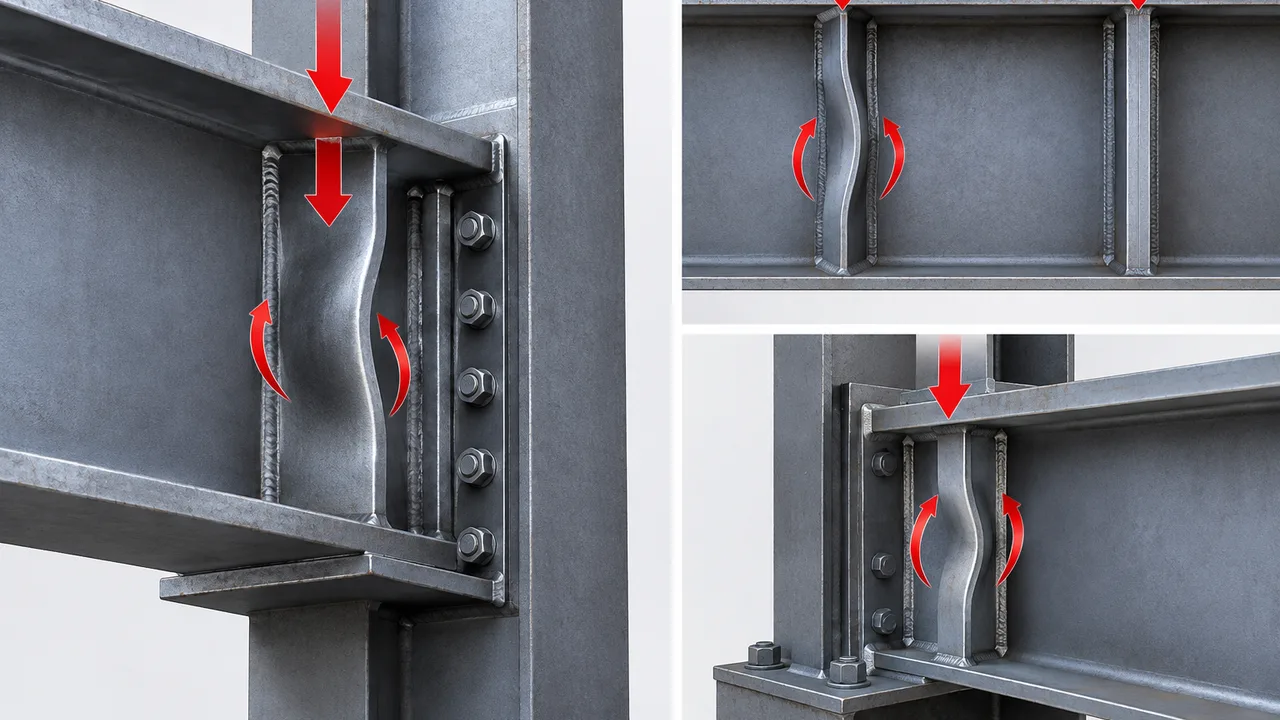
Engineers can plan column spacing, floor systems, bracing layouts, and equipment support zones based on the needs of each production process.
HVAC and Environmental Control Integration
Temperature, humidity, dust control, and airflow management can directly affect electronics manufacturing quality. Steel structure buildings can be planned to support large HVAC units, ducting systems, filtration equipment, and insulated envelope systems.
For facilities with clean production requirements, coordination between structural design and mechanical systems is essential from the early project stage.
Multi-Level Production Support
Many electronics factories use mezzanine floors, technical platforms, or maintenance walkways. These areas may support offices, inspection rooms, storage zones, or utility systems.
A steel frame can be designed to integrate these secondary levels without limiting the main production floor.
Common Applications of Electronics Steel Structure Factories
Consumer Electronics Manufacturing
Factories producing appliances, smart devices, lighting products, or electronic assemblies often require flexible production layouts. Steel structure systems make it easier to adjust line arrangements as products change.
Semiconductor and Component Facilities
Component production facilities may require controlled environments, precision assembly areas, and strict equipment coordination. Steel structures can support clean production layouts and technical service zones when engineered correctly.
Electrical Equipment Production
Manufacturers of switchgear, control panels, transformers, and electrical systems need strong buildings that can support material handling and organized workflow. A Steel Structure Factory for Electronics Production can combine production, testing, storage, and shipping areas in one efficient facility.
Battery and Energy Storage Manufacturing
Battery and energy storage facilities often require controlled production zones, safety planning, ventilation, and scalable layouts. Steel buildings can be adapted for these requirements while allowing future production expansion.
Fabrication and Construction Workflow
Engineering and Structural Modeling
The project begins with structural planning, load analysis, layout coordination, and digital modeling. Engineers define the frame system, span, roof structure, service zones, and expansion possibilities.
Factory Steel Fabrication
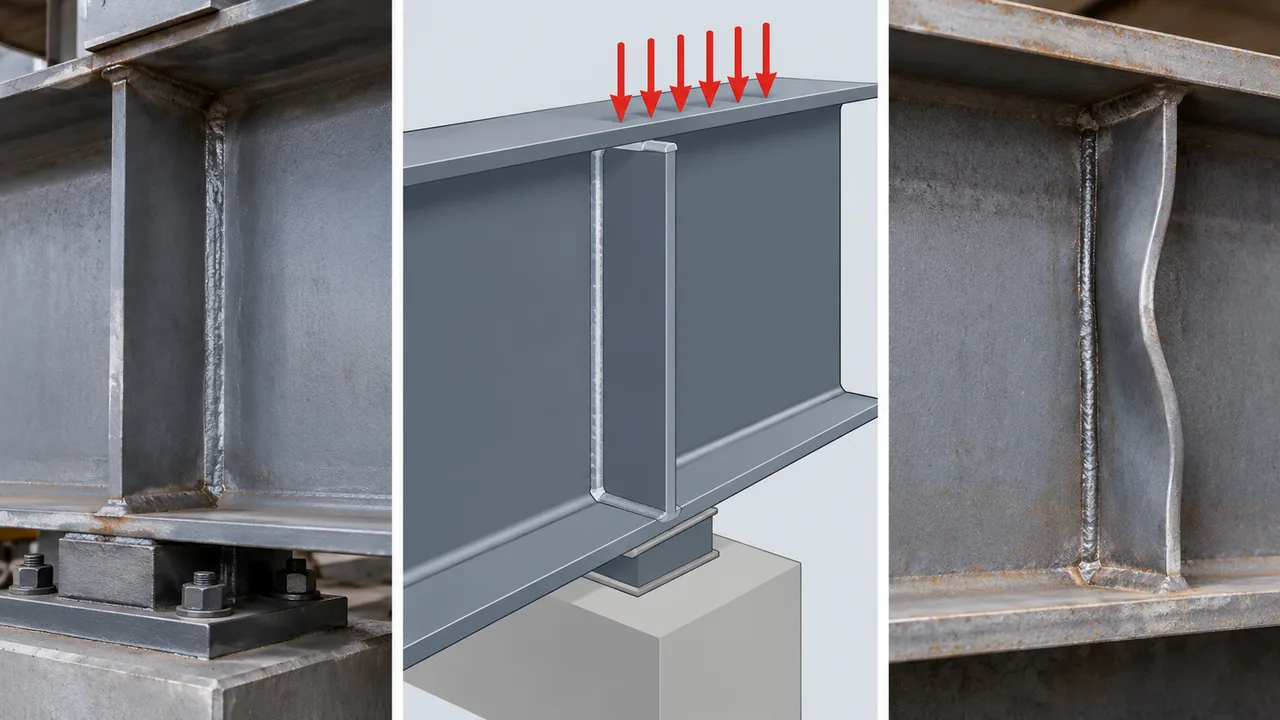
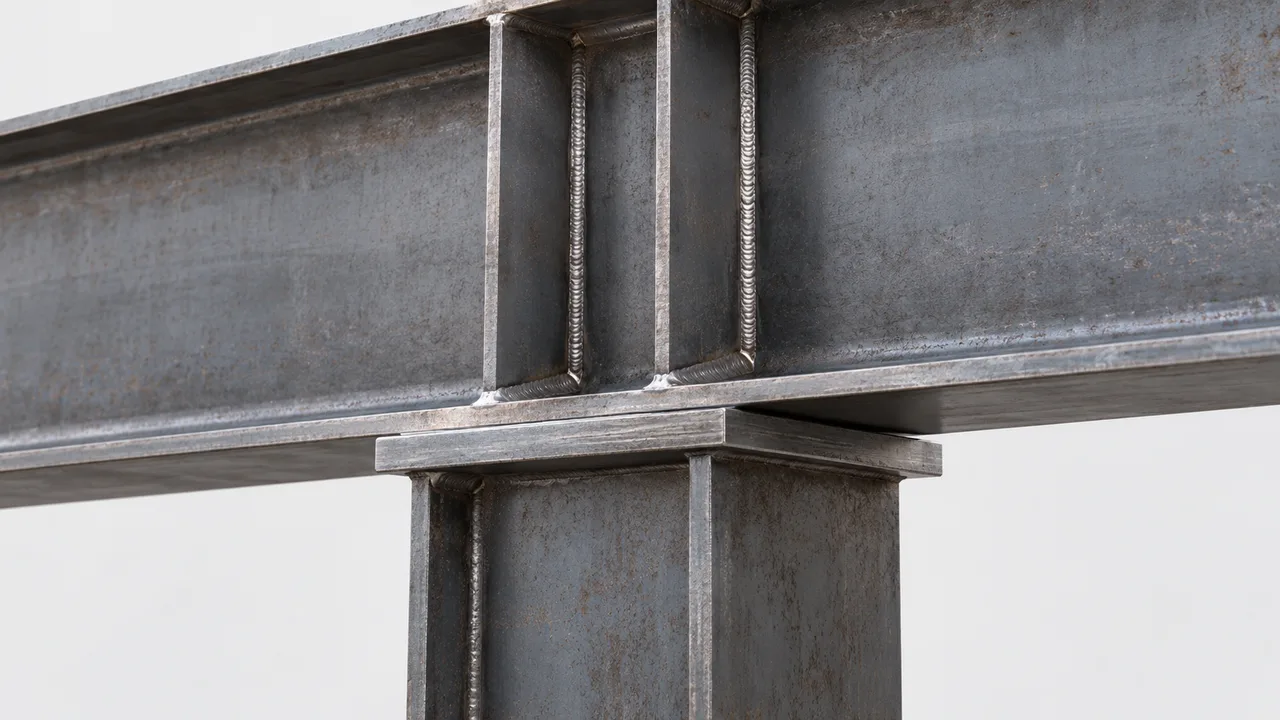
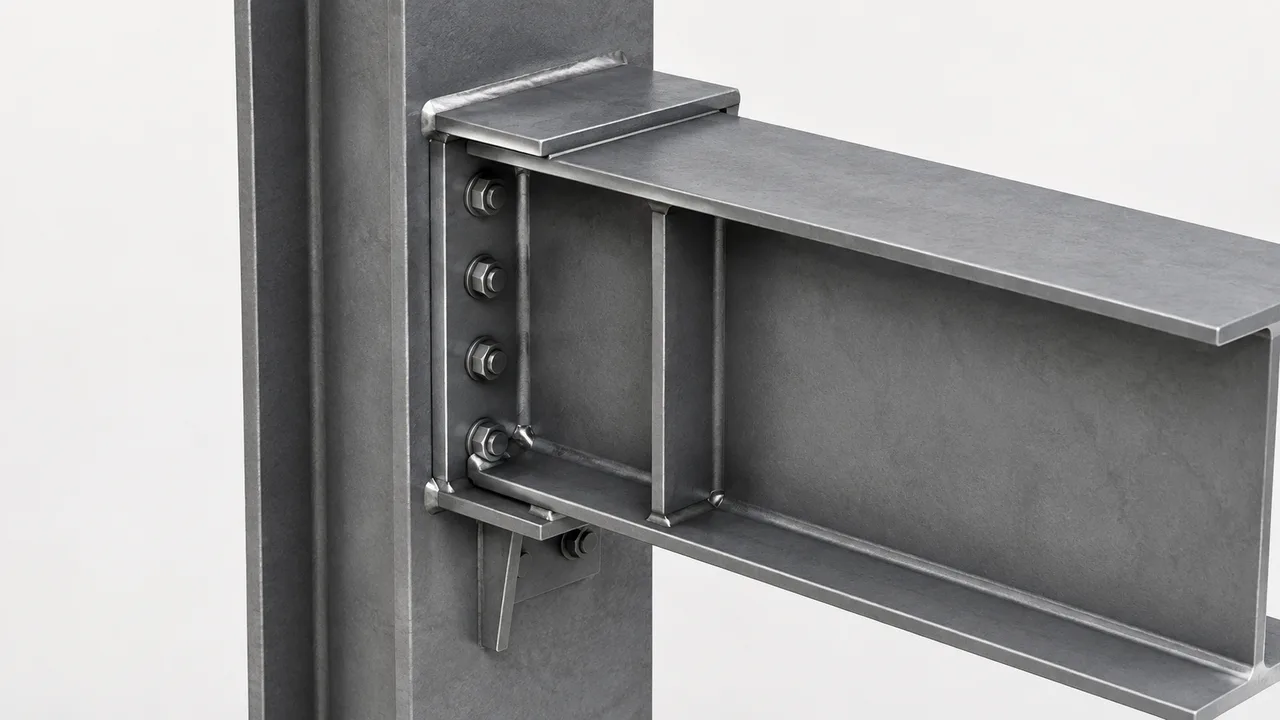
Steel columns, beams, trusses, bracing members, and connection plates are fabricated in the factory according to approved drawings. Manufacturing quality is controlled before delivery to the project site.
Modular Delivery Coordination
Components are packed and shipped according to the installation sequence. This helps reduce site congestion and improves assembly efficiency.
On-Site Installation and System Integration
At the site, the main steel frame is erected, aligned, and connected. After structural installation, building envelope systems, utilities, HVAC, fire protection, and production-related systems can be integrated.
- Project design and engineering review
- Fabrication drawing approval
- Steel component manufacturing
- Delivery and site preparation
- Steel frame installation
- Envelope, utility, and production system coordination
Long-Term Operational Benefits
Electronics production facilities must remain useful even as technology, equipment, and production demand change. Steel structures support long-term operational planning because they are strong, flexible, and easier to modify than many rigid building systems.
- Scalable capacity: suitable for future production expansion.
- Efficient space use: large spans improve production flow.
- Lower maintenance: protective coatings improve durability.
- Automation-ready layouts: easier integration with modern production systems.
- Faster construction: prefabrication reduces project timelines.
For electronics manufacturers, the real value is not only the building itself, but the ability to keep production spaces adaptable as products and technologies evolve.
Choosing an Industrial Steel Structure Partner
Electronics factory projects require more than basic steel fabrication. They need engineering coordination, precise production, project logistics, and an understanding of industrial facility requirements. A qualified partner should be able to coordinate structural design with mechanical, electrical, production, and site planning needs.
XTD Steel Structure supports industrial building projects with integrated design coordination, steel fabrication, and project delivery services for manufacturing facilities. For electronics production, this helps align the building structure with practical operational requirements.
Frequently Asked Questions
Can a steel structure support clean electronics production?
Yes. Steel structures can be designed to support clean production layouts, HVAC systems, insulated panels, and controlled internal zones.
Are steel factories suitable for automated electronics production?
Yes. Large-span steel buildings can accommodate automated production lines, conveyors, robotic systems, and future equipment upgrades.
Can an electronics steel factory be expanded later?
Yes. If expansion is considered during the original design, steel structure factories can often be extended or modified as production demand grows.
Build Efficient Electronics Production Facilities
A well-planned Steel Structure Factory for Electronics Production gives manufacturers a strong, flexible, and scalable foundation for modern industrial operations. With the right structural design, fabrication quality, and project coordination, steel buildings can support precise manufacturing environments and long-term facility growth.
For electronics companies planning new production capacity or facility expansion, steel structure construction offers a practical path toward faster delivery, better layout flexibility, and future-ready industrial performance.