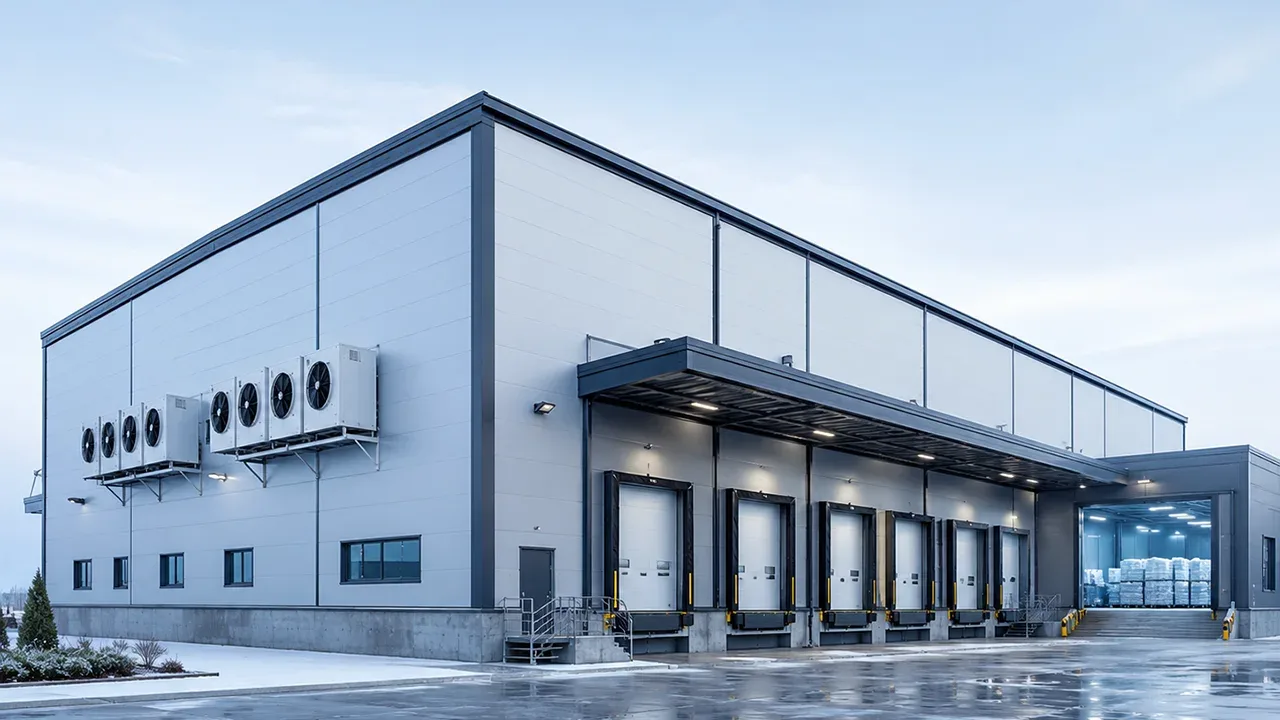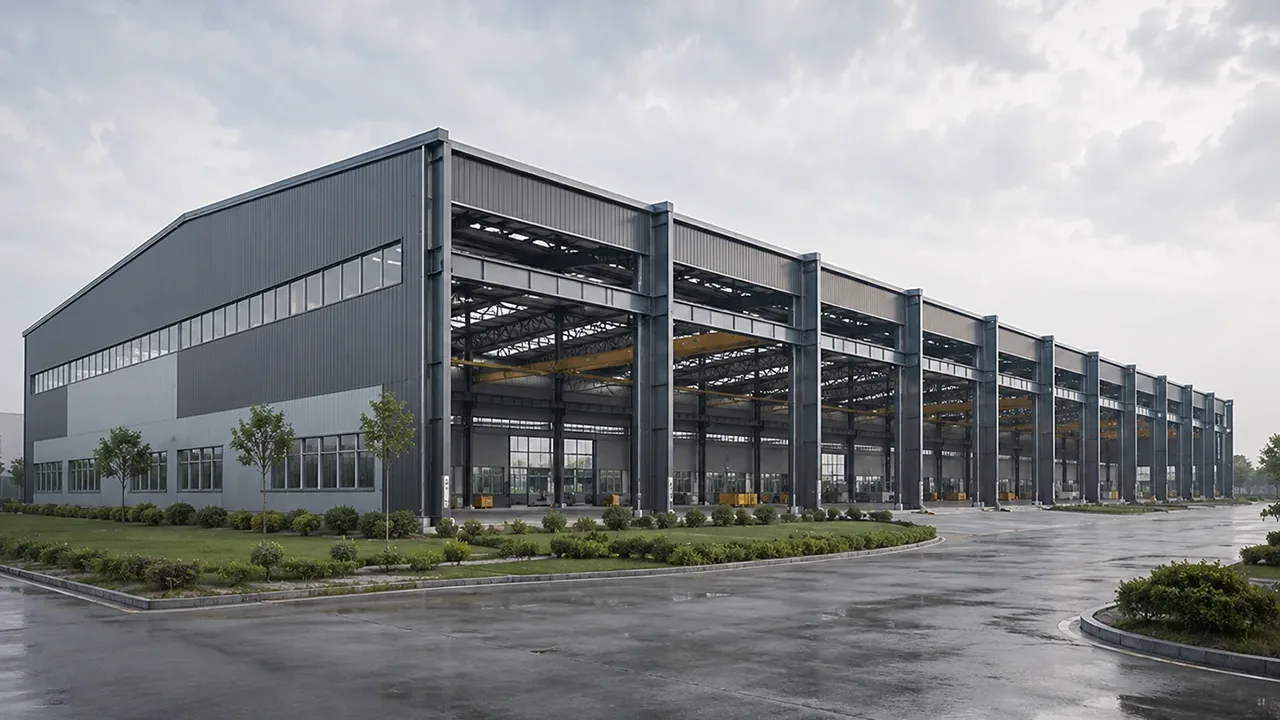
Steel roof structure advantages go far beyond basic strength. Modern builders choose steel roofing because it solves several project problems at the same time: long-span support, faster construction, predictable fabrication, flexible roof geometry, easier maintenance planning, and better long-term adaptability. For industrial and commercial buildings, the roof is not just a protective cover. It affects how the building works, how quickly it can be delivered, and how easily it can adapt to future needs.
A warehouse roof must support open storage space, purlins, roof panels, wind resistance, drainage, and future maintenance access. A factory roof may need to coordinate with ventilation ducts, exhaust fans, fire pipes, cranes, skylights, and production equipment. A commercial hall may require wide spans, a clean ceiling zone, lighting integration, and a more refined appearance. In each case, steel gives designers and builders a structural material that can be shaped around both engineering requirements and building function.
The real value of a steel roof structure comes from the whole system. Rafters, trusses, purlins, bracing, connections, coating, lifting plans, and installation sequence must work together. When planned properly, steel roofing can reduce unnecessary obstruction, improve construction speed, support wider layouts, and provide a durable framework for long-term use.
Quick Overview of Steel Roof Structure Advantages
Before comparing roof systems in detail, it helps to understand the main advantages that make steel a preferred choice for modern roofing. These advantages are especially important for buildings where span, speed, structural reliability, and future flexibility matter.
| Advantage | What It Means in Practice | Best Project Fit |
|---|---|---|
| High strength-to-weight ratio | Steel can support roof loads without overly bulky members | Warehouses, factories, workshops, large-span halls |
| Clear-span capability | Fewer internal columns and more usable floor area | Logistics centers, production spaces, commercial halls |
| Faster fabrication | Members can be cut, drilled, welded, marked, and coated before delivery | Projects with tight construction schedules |
| Flexible roof forms | Steel works with portal frames, trusses, curved roofs, and hybrid systems | Industrial, commercial, and public buildings |
| Better quality control | Factory fabrication improves accuracy and inspection control | Export projects, large projects, repeated building programs |
| Durability with coating | Proper surface treatment improves long-term roof performance | Coastal, humid, industrial, and heavy-use facilities |
| Future adaptability | Steel framing can be reviewed for extensions, equipment, or solar upgrades | Growing businesses and long-term facilities |
These benefits do not appear automatically just because a roof uses steel. They depend on design quality, load planning, connection details, fabrication control, coating selection, and installation preparation. A well-designed steel roof is valuable because it connects structural performance with practical construction.
Advantage #1 — Better Strength-to-Weight Performance
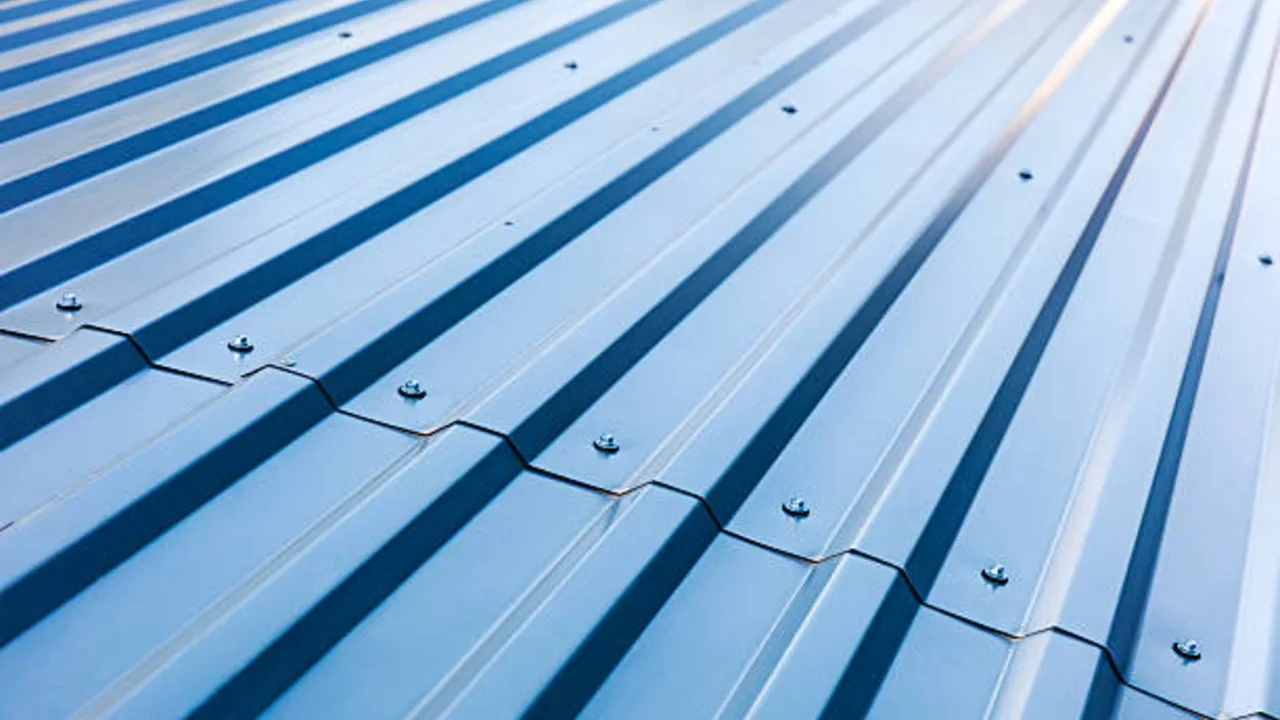
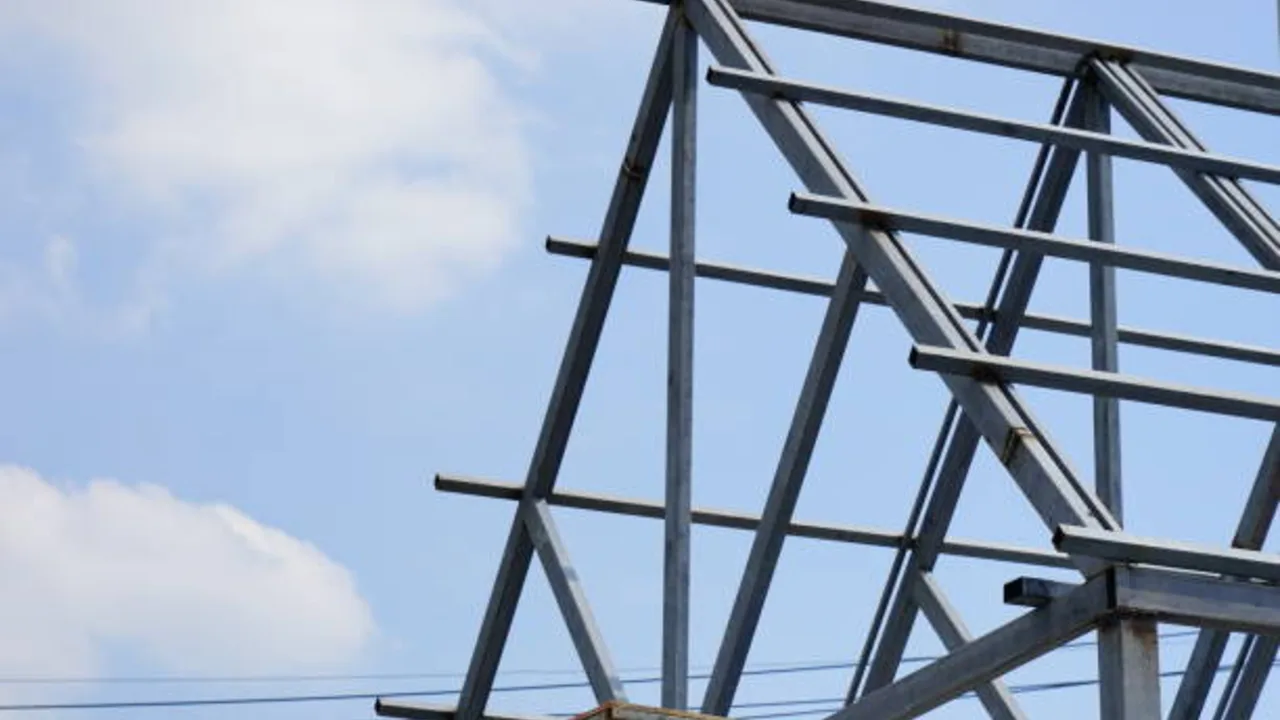
One of the most important steel roof structure advantages is its ability to carry heavy roof demands without becoming unnecessarily massive. Steel has strong load-bearing capacity compared with its weight, which makes it suitable for wide roofs, repeated industrial bays, equipment-supported roof areas, and long-span framing systems.
Why Steel Can Support More Without Becoming Bulky
Roof structures must carry more than roof sheets. They may support purlins, insulation, ceiling systems, maintenance loads, wind uplift resistance, suspended services, solar panels, HVAC units, smoke vents, and access walkways. If the roof material becomes too heavy, it can increase column loads, foundation demand, and erection difficulty.
Steel helps reduce this problem because it can provide strong structural capacity with efficient member sizes. A properly selected steel rafter, truss, or space frame system can support roof loads while keeping the structure practical for fabrication and installation. This is especially useful for industrial buildings where the roof area is large and the internal layout must remain open.
How This Helps Large Industrial Roofs
Large roofs need predictable performance. A factory or warehouse roof may cover thousands of square meters, so small design inefficiencies can quickly become expensive. Steel allows engineers to balance member size, span, deflection control, connection design, and installation method more precisely.
In many projects, steel also supports repeated structural logic. When roof bays repeat, fabrication becomes faster, member marking becomes clearer, and installation crews can work more predictably. This is why steel is often selected for warehouses, workshops, logistics centers, production halls, and industrial buildings where roof repetition creates construction efficiency.
| Material | Strength | Weight | Span Potential | Fabrication Control | Typical Concern |
|---|---|---|---|---|---|
| Steel | High | Moderate | High | Strong shop control | Requires corrosion protection |
| Reinforced concrete | High | Heavy | Moderate to high | Often site-dependent | Higher load on foundations |
| Timber | Moderate | Light | Limited to moderate | Varies by material and supplier | Moisture, pests, fire protection |
| Aluminum | Moderate | Light | Moderate | Good | Higher material cost in many projects |
This comparison does not mean steel is always the only possible roofing material. It means steel offers a strong balance between structural capacity, span flexibility, prefabrication, and construction practicality for many modern industrial and commercial projects.
Advantage #2 — Wider Clear Spans and Fewer Interior Columns
Clear span is one of the biggest reasons builders choose steel roof systems. A wider span can reduce the number of interior columns, which improves how the building can be used. This matters not only for appearance, but also for storage efficiency, production flow, equipment movement, and future layout changes.
Why Clear Span Matters for Modern Buildings
In warehouses, interior columns can interrupt rack layouts, forklift routes, staging zones, and loading flow. In factories, columns can interfere with production lines, equipment placement, crane routes, and future process adjustments. In workshops, open space makes it easier to move large parts, vehicles, machinery, and repair equipment. In commercial halls, fewer columns create cleaner sightlines and a more flexible interior layout.
Steel roof structures can be designed with portal frames, trusses, or hybrid systems depending on the span requirement. The right system depends on building width, wind load, roof load, deflection control, installation method, and budget. Wider spans can increase steel demand, but they can also create long-term operational value when open space improves building efficiency.
When Long Span Becomes a Real Economic Advantage
A long-span roof is not automatically the best option. The span should match the building’s actual use. For example, saving columns may be valuable in a logistics warehouse with high storage density, but less important in a small storage building where columns do not affect operations. The advantage becomes strongest when open space improves productivity, flexibility, or tenant value.
| Building Type | Why Clear Span Matters | Steel Roof Benefit |
|---|---|---|
| Warehouse | Rack layout, forklift routes, loading flow | Fewer columns and cleaner storage zones |
| Factory | Production line layout, machinery clearance, future process changes | Open production area with fewer obstructions |
| Workshop | Equipment movement, repair bays, vehicle access | Flexible working space for changing operations |
| Commercial hall | Interior planning, visual openness, ceiling coordination | Cleaner ceiling zone and wider usable area |
| Logistics center | Fast movement, loading efficiency, storage flexibility | Better operational flow and circulation |
The economic value of a clear-span roof is often found in daily building use. Fewer obstructions can improve movement, reduce layout conflicts, simplify tenant planning, and make future modifications easier.
Advantage #3 — Faster Fabrication and Installation
Speed is another major advantage of steel roof construction. Steel roof members can be prefabricated before arriving on site. This includes cutting, drilling, welding, plate preparation, member marking, coating, packing, and quality checking. Once delivered, the site team can focus on assembly, alignment, bolting, bracing, and roof panel installation.
Prefabricated Members Reduce Site Work
Prefabrication reduces the amount of work that must be done under uncertain site conditions. Instead of cutting and fitting many structural parts in the field, the workshop prepares members according to approved drawings. This controlled process improves dimensional accuracy, reduces material waste, and helps the erection team follow a clearer sequence.
For repeated roof bays, the benefit becomes even stronger. Similar rafters, purlins, bracing members, and connection details can move through fabrication more efficiently. Member marks also help workers identify where each part belongs, reducing confusion during site assembly.
Why Speed Matters Beyond Labor Cost
Fast installation is not only about saving labor hours. It can shorten the overall construction schedule, reduce exposure to weather, help enclose the building earlier, and allow other trades to begin sooner. For factories, warehouses, and commercial buildings, earlier completion can support earlier operation, rental, storage use, or production setup.
| Stage | Time-Saving Advantage | Practical Result |
|---|---|---|
| Engineering | Repeated bay logic and standardized details | Faster detailing and fewer drawing conflicts |
| Fabrication | CNC cutting, drilling, welding, and marking | Better accuracy and faster shop production |
| Delivery | Numbered and packed members | Easier sorting and fewer site delays |
| Installation | Bolted assembly and planned lifting sequence | Faster erection and better site control |
| Roof panel work | Coordinated purlin layout | Faster roof sheet installation |
Speed is most effective when the design, fabrication, logistics, and installation teams coordinate early. A roof that is easy to fabricate but difficult to lift may still slow down the project. A roof that is easy to install but poorly packed may also lose time on site. Steel gives the project a strong platform for speed, but planning determines whether that speed is actually achieved.
Advantage #4 — Strong Compatibility with Different Roof Systems
Steel is not limited to one roof type. It can be used in portal frame roofs, steel truss roofs, space frame roofs, curved roofs, sawtooth roofs, and hybrid systems. This flexibility allows builders to choose a roof system based on building function instead of forcing every project into one structural pattern.
Portal Frame Roofs for Efficient Industrial Buildings
Portal frame roofs are common in warehouses, workshops, storage buildings, and simple industrial facilities. They use repeated steel frames, usually with columns and rafters, to support the roof and transfer loads toward the foundation. This system is practical when the building has a regular shape, repeated bays, moderate span, and a straightforward roof slope.
Portal frames are often selected because they are efficient to design, fabricate, deliver, and erect. Their repeated geometry can reduce shop drawing time, simplify connection details, and make site assembly more predictable. For many industrial buildings, this balance of economy and practicality is a major reason steel remains a preferred roofing material.
Truss Roofs for Large-Span Projects
Truss roofs are useful when a building requires longer spans without using very deep solid beams. A truss distributes forces through triangulated members, allowing the roof to cover wider areas while controlling weight and deflection. This makes truss roofs suitable for large factories, commercial halls, workshops, logistics facilities, and other buildings that need open space below the roof.
For projects comparing roof system options, understanding steel roof structure advantages helps owners decide whether a portal frame, truss, or hybrid layout fits the building best. The right system depends on the roof span, equipment loads, transport limits, crane access, and installation sequence.
Curved, Sawtooth, and Hybrid Roofs for Special Functions
Some buildings need more than a simple roof shape. Curved steel roofs can support architectural expression in sports buildings, commercial halls, showrooms, and public spaces. Sawtooth roofs can help factories and workshops improve daylight and ventilation planning. Hybrid systems can combine portal frames, trusses, and special roof zones when different areas of the building have different requirements.
| Steel Roof System | Main Advantage | Best Use Case | Design Attention |
|---|---|---|---|
| Portal frame roof | Fast and economical repetition | Warehouses, workshops, storage buildings | Wind load, eave details, and bracing layout |
| Steel truss roof | Long-span efficiency | Factories, halls, large commercial spaces | Node details, splices, and lifting points |
| Space frame roof | Multi-directional load distribution | Terminals, exhibition halls, public buildings | Precision fabrication and node complexity |
| Curved steel roof | Architectural roof profile | Sports, commercial, and public buildings | Cladding coordination and fabrication accuracy |
| Sawtooth roof | Daylight and ventilation planning | Factories and workshops | Drainage, waterproofing, and orientation |
| Hybrid roof | Different zones for different functions | Complex industrial and commercial buildings | Load-path coordination and transition details |
This compatibility gives steel roof structures a major advantage in modern construction. Instead of treating every roof as a standard frame, designers can match the roof system to the building’s operation, appearance, span demand, and future use.
Advantage #5 — Better Precision and Quality Control
Another important reason builders choose steel roofing is the level of control that can be achieved before the structure reaches the site. Many roof components can be fabricated in a workshop environment where cutting, drilling, welding, marking, coating, and inspection are easier to manage than in open field conditions. This improves consistency and reduces the risk of site correction during installation.
Factory Fabrication Improves Consistency
In steel roof construction, accuracy matters at every stage. Bolt holes must align. Splice plates must fit. Purlin lines must match the roof panel layout. Truss nodes must follow the approved geometry. Bracing members must connect without forcing the structure out of alignment. When these details are prepared in a controlled fabrication environment, the final roof is more predictable.
Factory fabrication also allows quality checks before delivery. Welds can be inspected, member dimensions can be verified, coating thickness can be reviewed, and packing lists can be prepared. This helps reduce missing parts, mismatched members, and unexpected field modification.
Why Precision Matters During Roof Installation
A roof structure may be strong in design, but poor fit-up can slow installation and create safety concerns. Misaligned bolt holes, unclear member marks, inconsistent plate details, or damaged coating can delay erection. Precision helps the site team lift, align, bolt, brace, and inspect the roof with fewer interruptions.
| Quality Control Item | Why It Matters | Benefit on Site |
|---|---|---|
| Member marking | Each part can be matched to its correct position | Faster assembly and less confusion |
| Bolt hole accuracy | Connections fit without forcing members | Less rework and faster bolting |
| Weld inspection | Critical joints can be checked before coating | Better connection reliability |
| Coating inspection | Surface protection can be confirmed before shipment | Less touch-up and better durability |
| Trial assembly | Complex sections can be checked before delivery | Lower risk during final erection |
Precision does not only improve quality. It also improves schedule control. When the roof arrives with clear marks, accurate holes, correct plates, and verified coating, the installation team can work more confidently and avoid unnecessary site delays.
Advantage #6 — Durability with the Right Surface Protection
Steel roof structures can provide strong long-term performance when corrosion protection is planned according to the building environment. Durability is not only about the steel member itself. It depends on surface preparation, coating type, drainage details, inspection access, and future maintenance planning.
Steel Roofs Can Last Longer When Coating Is Planned Correctly
A dry inland warehouse, a coastal workshop, a humid storage facility, a food processing plant, and a chemical building should not always use the same coating strategy. Their exposure conditions are different. Humidity, salt, industrial exhaust, cleaning chemicals, condensation, and poor ventilation can all affect steel durability.
This is why surface protection should be treated as part of the roof system, not as a decorative finish. A roof structure may be difficult to access after installation, so coating decisions made at the beginning can affect future maintenance cost and service life.
Corrosion Protection Options
Common protection options include primer and finish paint, hot-dip galvanizing, fire protection coating, and special anti-corrosion coating systems. The right choice depends on exposure level, project budget, fire requirements, maintenance access, and owner expectations.
| Environment | Common Risk | Recommended Protection Logic |
|---|---|---|
| Dry inland warehouse | Lower corrosion exposure | Standard paint system may be sufficient |
| Coastal building | Salt, humidity, and wind-driven moisture | Stronger coating or galvanizing should be reviewed |
| Chemical facility | Corrosive atmosphere and industrial fumes | Special coating system may be required |
| Food processing plant | Moisture, cleaning, and hygiene requirements | Corrosion-resistant and maintainable coating logic |
| Agricultural building | Moisture, ammonia, and ventilation issues | Durable coating with inspection access |
Good durability planning reduces long-term risk. It helps protect the roof from premature corrosion, coating failure, difficult repairs, and unexpected maintenance shutdowns. For owners who want stable building performance over many years, this is one of the most practical steel roof structure advantages.
Advantage #7 — Easier Expansion and Future Modification
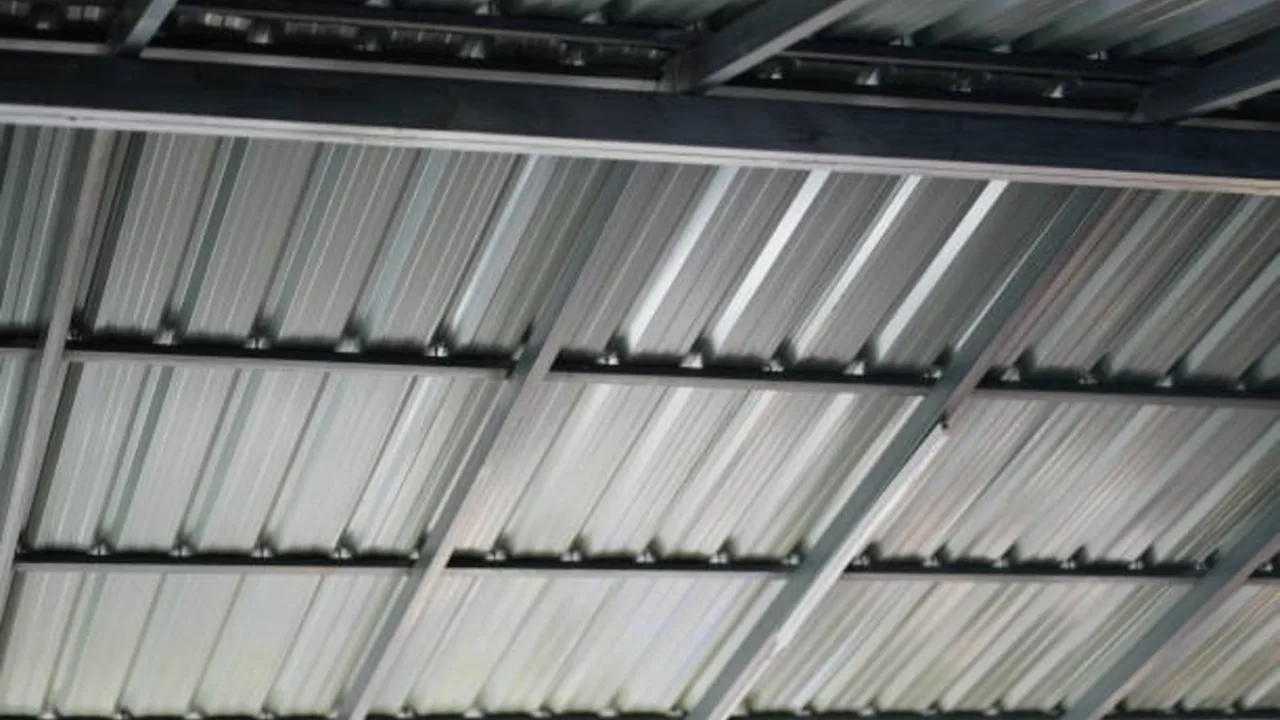
Modern buildings rarely stay unchanged forever. Warehouses expand storage capacity. Factories add production lines. Commercial buildings adjust tenant layouts. Owners may add solar panels, HVAC units, skylights, service walkways, or new roof openings. A steel roof structure can support future planning when the original design leaves room for review and modification.
Why Future Flexibility Matters
Future flexibility is valuable because building needs often change after operation begins. A logistics company may need extra loading capacity. A factory may add new equipment. A workshop may need more ventilation. A commercial building may require new ceiling services. If the roof structure is difficult to modify, these upgrades can become expensive and disruptive.
Steel framing can often be reviewed, reinforced, extended, or adapted more systematically than many heavily site-built systems. Repeated bays make extensions easier to plan. Bolted connections can help with selected modifications. Clear fabrication records can help engineers understand the original structural logic.
How Steel Supports Future Planning
Future modification must still be engineered properly. Roof members should not be cut, drilled, or overloaded without structural review. However, when the original steel roof is well documented, future changes can be assessed more clearly.
| Future Need | How Steel Roof Structure Helps | Important Reminder |
|---|---|---|
| Building extension | Repeated frames or bays can continue the original layout | Match the original design logic and load assumptions |
| Solar panels | Steel roof members can be checked for additional load | Confirm roof capacity before installation |
| HVAC upgrade | Local support frames can be designed where needed | Avoid adding concentrated loads without review |
| New skylights | Openings can be framed with proper detailing | Do not cut purlins or bracing randomly |
| Service walkways | Walkway loads can be coordinated with roof members | Include maintenance load in the design check |
This adaptability is especially useful for long-term industrial owners. A roof that can be evaluated and upgraded later gives the building more operational value over time.
Advantage #8 — Better Long-Term Value, Not Just Lower Initial Cost
Steel roofing is not always selected because it has the lowest initial material price. It is often selected because it can deliver stronger long-term value. The real comparison should include design efficiency, fabrication control, installation speed, usable floor area, maintenance access, durability, and future upgrade potential.
Why the Cheapest Roof Is Not Always the Best Roof
A cheap roof can become expensive if it creates hidden problems. Poor connection details can slow installation. Weak coating can increase maintenance cost. Bad drainage coordination can create leakage risk. Insufficient service planning can require later reinforcement. A roof with low initial cost but high rework risk may not be the most economical choice.
A value-based steel roof design looks at the full building life cycle. It considers how the roof will be fabricated, transported, lifted, aligned, inspected, maintained, and modified in the future.
Where Steel Delivers Strong Return
Steel delivers strong value when the roof system improves both construction and operation. Faster installation can shorten the project schedule. Wider spans can improve building use. Better fabrication control can reduce rework. Durable coating can reduce maintenance. Future adaptability can support business growth.
| Decision Area | Cheap-Only Approach | Value-Based Steel Roof Approach |
|---|---|---|
| Member design | Lowest steel tonnage only | Balanced strength, serviceability, and buildability |
| Connections | Minimal detailing | Practical, inspectable, and repeatable connections |
| Coating | Basic protection without exposure review | Environment-matched durability planning |
| Installation | No clear temporary stability plan | Planned lifting, bracing, alignment, and safety sequence |
| Future use | No allowance for upgrade or expansion | Roof logic that can be reviewed for future changes |
Long-term value is one of the strongest reasons steel remains common in modern roofing. It gives owners a roof structure that can support current use while remaining practical for future operation.
Common Misunderstandings About Steel Roof Structure Advantages
Steel roofing is widely used, but it is also commonly misunderstood. Some owners think steel roofs are only for basic warehouses. Others assume steel is always expensive or that the lightest structure is always the best. These assumptions can lead to poor roof decisions.
“Steel Roofs Are Only for Industrial Buildings”
Steel roofs are very common in warehouses, factories, and workshops, but their use is not limited to industrial buildings. They are also used in commercial halls, sports buildings, showrooms, transportation terminals, exhibition centers, schools, public buildings, and hybrid facilities. Steel is useful wherever span, speed, precision, and adaptable roof geometry are important.
“Steel Is Always More Expensive”
Initial material price is only one part of the decision. Steel may reduce project time, improve clear span, simplify prefabrication, support future expansion, and reduce certain maintenance risks when properly protected. A roof should be compared by total value, not only by raw material price.
“A Lighter Roof Is Always Better”
A lighter roof is not automatically better. The roof must still meet load, deflection, bracing, connection, durability, and installation requirements. A slightly heavier but simpler steel roof may sometimes be more economical than a lighter system with complicated plates, difficult welds, or slow erection.
| Myth | Reality |
|---|---|
| Steel roofs are only for warehouses | They work across industrial, commercial, and public buildings |
| Steel is always expensive | Total value depends on fabrication, installation, durability, and service life |
| Long span is always best | Span should match building function and budget logic |
| Lighter steel always saves money | Simpler fabrication may matter more than lowest weight |
| Coating is only cosmetic | Coating affects durability, maintenance cost, and long-term performance |
Understanding these differences helps owners make better roof decisions. The strongest roof option is not always the most dramatic design, the lightest structure, or the cheapest quotation. It is the system that fits the building’s real operating needs.
How to Decide Whether a Steel Roof Structure Is Right for Your Project
Choosing a steel roof structure should begin with project requirements, not only with material preference. The right decision depends on the building’s span, load demand, roof shape, installation conditions, maintenance plan, and future expansion needs.
| Question | Why It Matters |
|---|---|
| Do you need wide clear space? | This determines the span requirement and roof system type |
| Will the roof support equipment? | Solar panels, HVAC units, ducts, pipes, and walkways affect load design |
| Is speed important? | Steel prefabrication may help shorten the construction schedule |
| Is the site difficult to access? | Transport, crane access, and laydown space affect installation planning |
| Is corrosion exposure high? | Coating selection must match the environment |
| Will the building expand later? | Repeated steel framing can support future extension planning |
| Are roof openings needed? | Skylights, smoke vents, and service penetrations affect purlins and bracing |
| Is the roof architectural? | Curved, sawtooth, space frame, or hybrid steel systems may be considered |
This checklist helps narrow the decision. If the project needs open space, fast construction, predictable fabrication, durable performance, and future adaptability, steel is often a strong roof structure option. If the project has unusual loads, special geometry, or difficult site conditions, steel can still work well, but the design must be coordinated early.
Conclusion: Steel Roof Structure Advantages Come from the Whole System
Steel roof structure advantages come from more than strength. Steel roofing can support wider spans, faster fabrication, cleaner installation, better quality control, flexible roof geometry, durable surface protection, and future building upgrades. These benefits are strongest when the roof is designed as a complete system rather than as isolated beams, purlins, and panels.
The best steel roof structure balances engineering performance with real construction needs. It must support loads clearly, coordinate with roof panels and services, remain practical to fabricate, arrive on site in the correct sequence, install safely, and perform reliably over time. When these factors are planned early, steel becomes one of the most practical roofing choices for modern industrial, commercial, and public buildings.
Steel becomes most valuable when the roof is not treated as a simple cover, but as a structural system that supports the building’s function today and its flexibility tomorrow.