How Steel Structures Support Processing Factory Operations
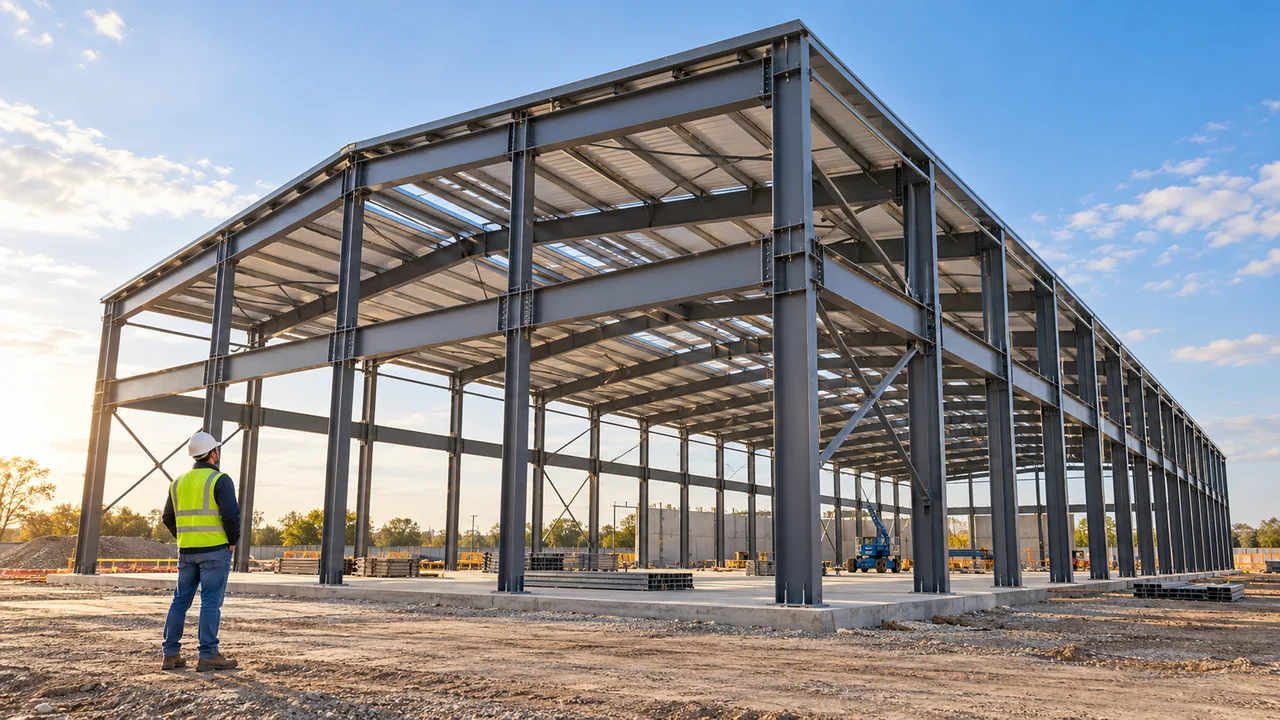
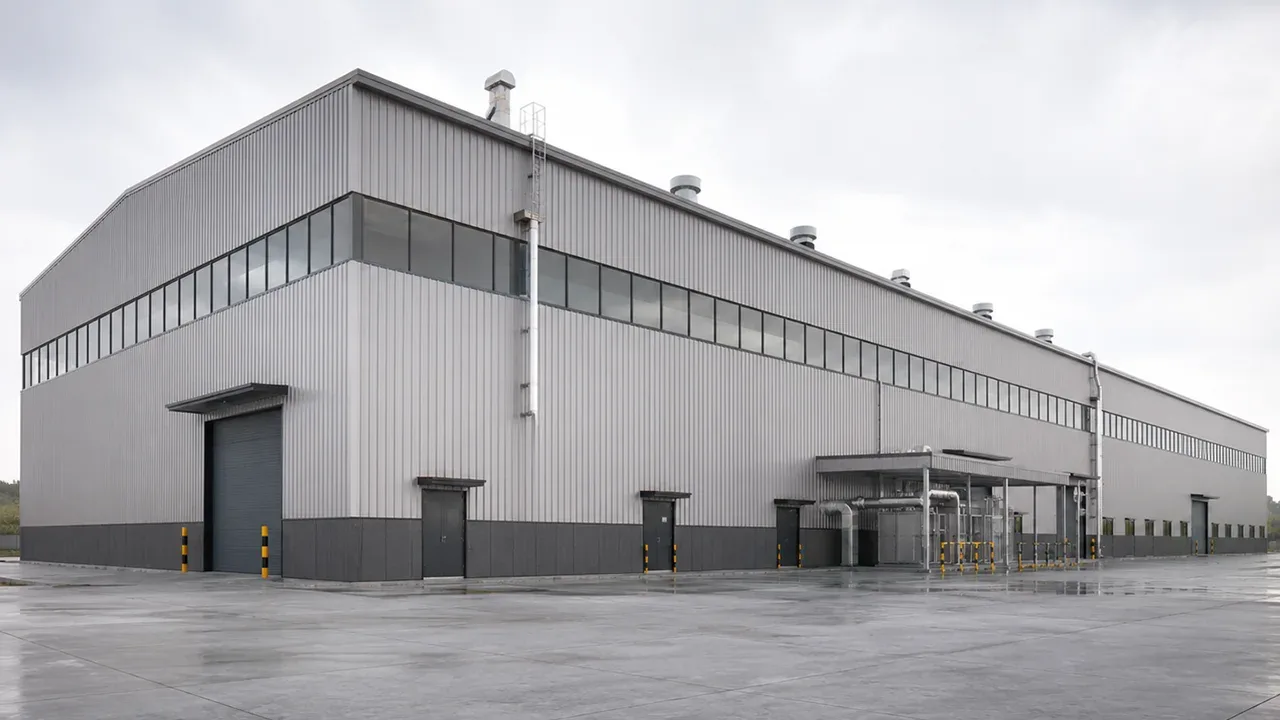
Processing facilities typically involve heavy machinery, utility systems, ventilation infrastructure, and continuous material movement. A processing steel structure factory can accommodate these operational requirements more effectively than many traditional construction systems.
Steel structures are commonly selected for processing operations because they support:
- Large uninterrupted production areas
- Efficient equipment installation
- Flexible utility routing
- Future production line expansion
- Heavy load structural performance
The ability to customize column spacing and roof height also improves workflow efficiency inside processing facilities.
Typical Processing Industries Using Steel Structure Factories
Food Processing Plants
Food processing facilities often require controlled environments, efficient production flow, and hygienic operational layouts. Steel structures support these requirements through adaptable building configurations and durable framing systems.
Open interior spaces also simplify equipment installation and production line organization.
Mineral and Material Processing Facilities
Industrial material processing operations frequently involve heavy equipment, conveyor systems, and high-load production environments.
Steel structures provide the strength necessary to support demanding operational conditions while maintaining flexibility for future modifications.
Chemical and Industrial Processing Buildings
Chemical processing environments often require ventilation systems, corrosion protection, and specialized utility integration.
A properly engineered processing steel structure factory can incorporate these industrial systems while supporting safe operational workflows.
Recycling and Waste Processing Plants
Recycling facilities require durable structures capable of supporting heavy machinery and constant operational activity.
Steel buildings allow operators to create efficient sorting, processing, and material handling zones within a single integrated facility.
Factory Layout Planning for Processing Facilities
Efficient processing operations depend heavily on workflow-oriented facility planning. Steel structures provide flexibility for creating operational zones that improve productivity and reduce unnecessary movement.
Raw Material Intake Areas
Material receiving zones are typically designed for truck access, unloading systems, and temporary storage functions.
Production and Processing Zones
Main production areas must support machinery layouts, utility systems, ventilation equipment, and operator access.
- Raw material intake
- Processing operations
- Intermediate storage
- Packaging or finishing
- Dispatch and logistics
Storage and Dispatch Sections
Finished product storage and outbound logistics areas are designed to improve transportation efficiency and reduce handling delays.
Maintenance and Utility Areas
Processing factories often require dedicated maintenance rooms, utility equipment spaces, and service corridors to support uninterrupted operations.
Structural Requirements in Processing Environments
Corrosion Resistance and Protective Coatings
Many processing environments involve humidity, chemicals, or industrial contaminants. Steel structures often integrate protective coatings and corrosion-resistant treatment systems.
These solutions help extend building lifespan and reduce maintenance requirements.
High Roof Clearance for Equipment
Industrial processing machinery frequently requires elevated installation clearance and overhead operational space.
Steel framing systems support higher roof structures while maintaining structural efficiency.
Ventilation and Heat Management
Processing facilities often generate heat, dust, fumes, or moisture during production. Proper ventilation design is essential for operational performance and worker safety.
Steel structures allow efficient integration of ventilation and airflow systems.
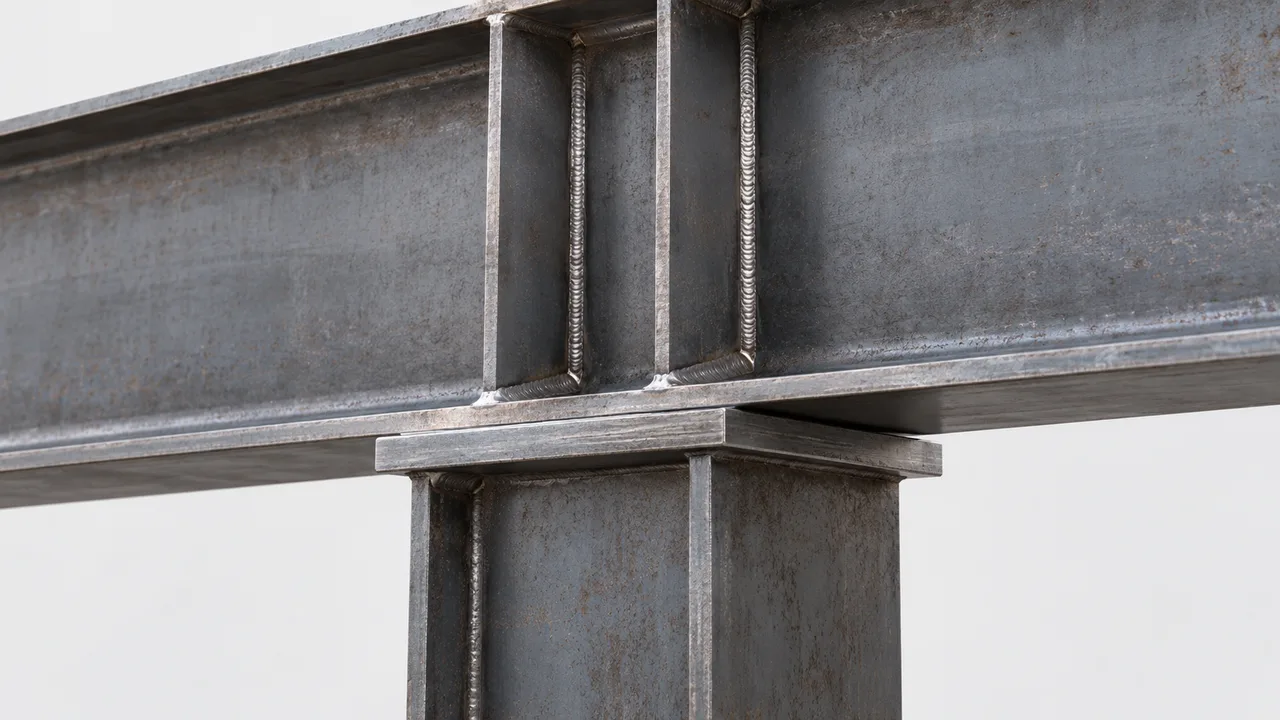
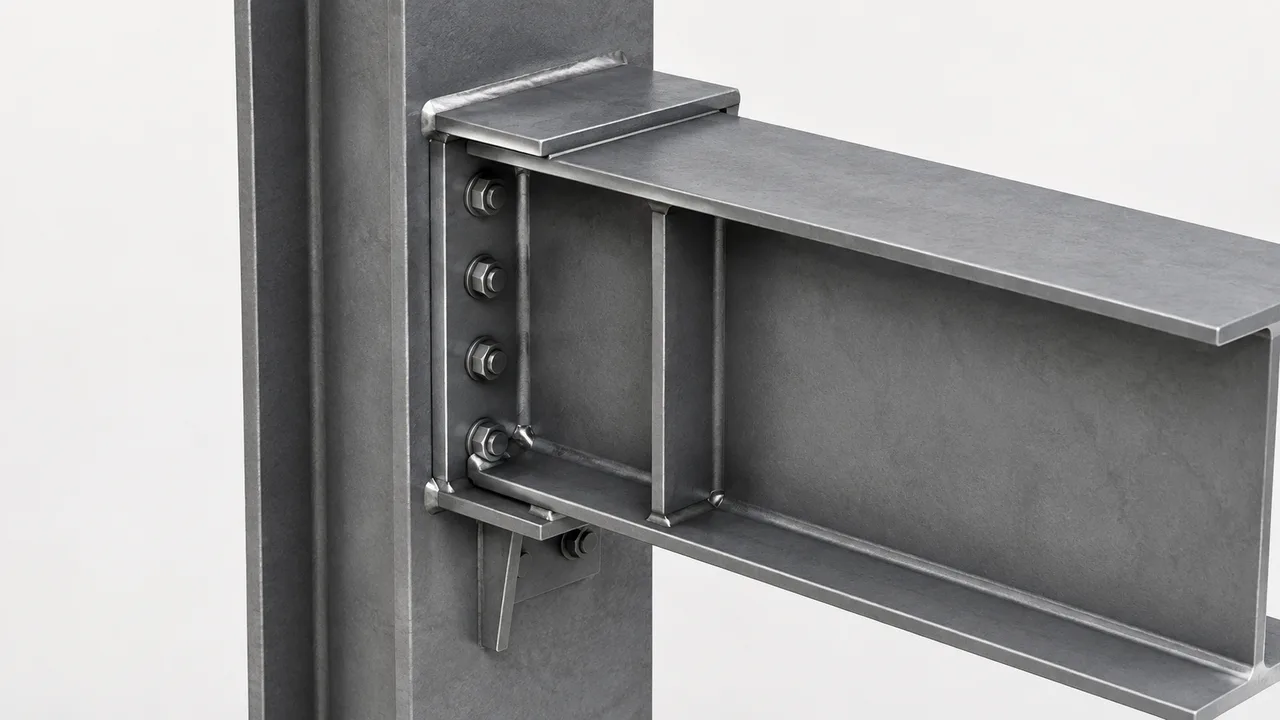
Heavy Load Structural Capacity
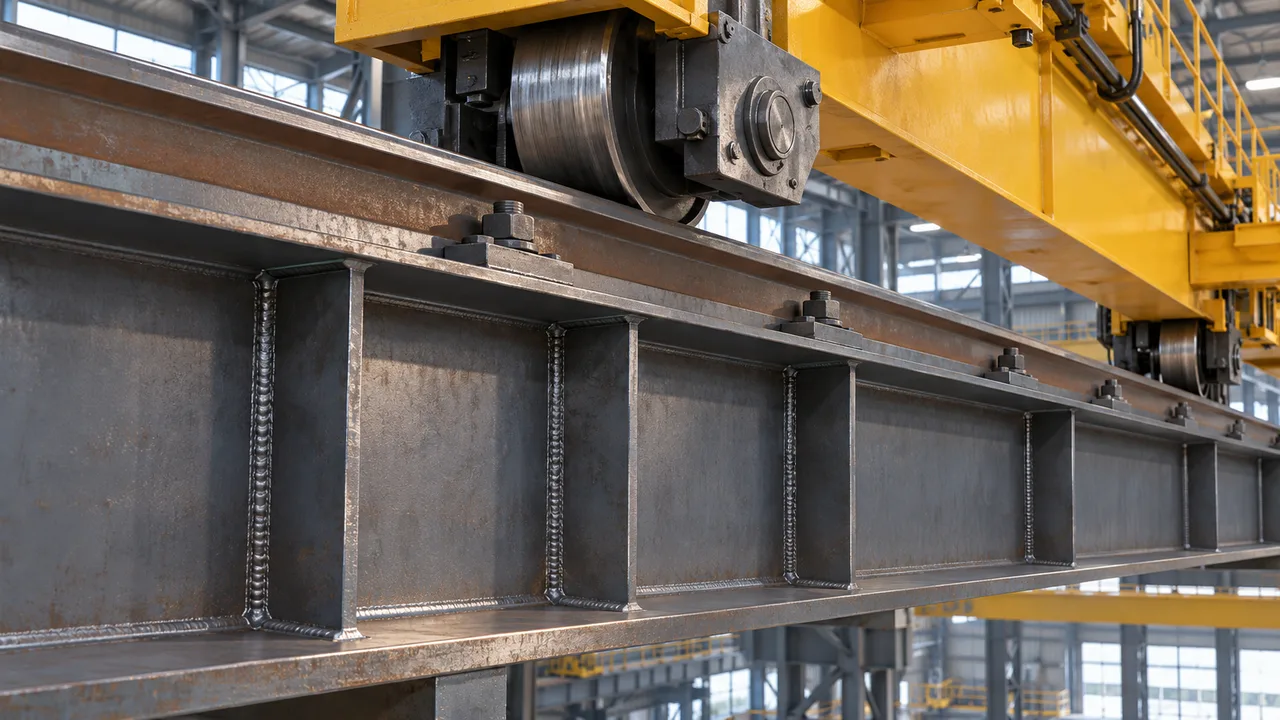
Processing plants may involve suspended equipment, conveyor systems, cranes, or large industrial machinery.
The structural capacity of steel framing systems supports these operational loads effectively.
Fabrication and Construction Strategy
Modular Fabrication for Industrial Projects
Many steel components are prefabricated before arriving at the project site. This approach improves installation efficiency and reduces construction timelines.
Installation Scheduling Around Equipment Delivery
Industrial projects often require coordination between structural installation and machinery delivery schedules.
Careful sequencing helps reduce project delays and operational interruptions.
Reducing Downtime During Expansion Projects
Some processing facilities require expansion while maintaining active production. Steel structures simplify phased construction and future building modifications.
Operational Advantages of Steel Processing Factories
Industrial operators increasingly prefer steel structures because they combine flexibility, durability, and efficient construction performance.
- Faster industrial project execution
- Flexible equipment integration
- Scalable production layouts
- Reduced maintenance requirements
- Long-term operational adaptability
Well-planned steel processing facilities also support future technology upgrades and evolving production systems.
Choosing a Steel Structure Partner for Processing Facilities
Processing industry projects require close coordination between structural engineering, equipment planning, utility systems, and operational workflow requirements.
Manufacturing precision and industrial project experience play major roles in successful processing facility development.
With experience across industrial construction projects, XTD Steel Structure supports integrated steel structure solutions for modern processing operations.
Common Questions About Processing Steel Structure Factory Projects
Why are steel structures suitable for processing factories?
Steel structures provide flexible layouts, large-span spaces, and strong support for industrial equipment and utilities.
Can processing factories be expanded later?
Yes. Steel systems are highly adaptable for future production line expansion and facility modification.
Are steel processing facilities suitable for heavy equipment?
Yes. Properly engineered steel structures can support heavy industrial machinery and operational loads.
Build Efficient Industrial Processing Facilities
A professionally designed processing steel structure factory helps industrial operators improve production efficiency, operational flexibility, and long-term facility performance. Steel construction supports modern processing industries through durable structures and scalable layouts.
Careful planning, engineering coordination, and quality fabrication all contribute to creating processing facilities capable of supporting continuous industrial operations.