A steel dome construction cost estimate cannot be judged by steel weight alone. A dome project may look like a simple curved roof from the outside, but its real budget is shaped by geometry, span, rise, structural system, node complexity, surface treatment, transport, lifting method, roof cladding, drainage, and installation planning. Two dome buildings with the same floor area can have very different budgets if their load conditions, connection details, site access, or envelope systems are different.
Steel domes are used for stadium roofs, storage domes, exhibition halls, industrial covers, sports arenas, transport buildings, and public architectural spaces. These projects often require large open interiors, curved roof forms, clear load paths, and careful coordination between steel framing and the building envelope. Because of that, the final cost is not only a matter of how many tons of steel are used. It also depends on how easily the dome can be fabricated, shipped, lifted, connected, covered, drained, inspected, and maintained.
A realistic budget should therefore begin before fabrication. Project owners need to understand what drives cost, which items are included in each quotation, and how early design decisions affect later construction stages. A dome that appears light in the structural model may become expensive if it has too many unique nodes, difficult cladding geometry, special transport requirements, or heavy temporary works. On the other hand, a slightly heavier but repetitive and easier-to-build system may sometimes produce a lower total project cost.
What Does Steel Dome Construction Cost Include?
Steel dome construction cost usually includes more than the primary steel frame. A complete budget may involve engineering, shop drawings, steel fabrication, node fabrication, surface treatment, packaging, shipping, unloading, temporary support, crane work, site installation, roof cladding, drainage, waterproofing, inspection access, and sometimes maintenance platforms or equipment supports.
The exact scope depends on the contract. Some suppliers quote only the steel frame. Others include design, fabrication, surface treatment, export packaging, installation guidance, or cladding. This is why comparing dome prices without matching scope can be misleading. The lowest number may not include the same responsibilities.
Structural Steel Frame Cost
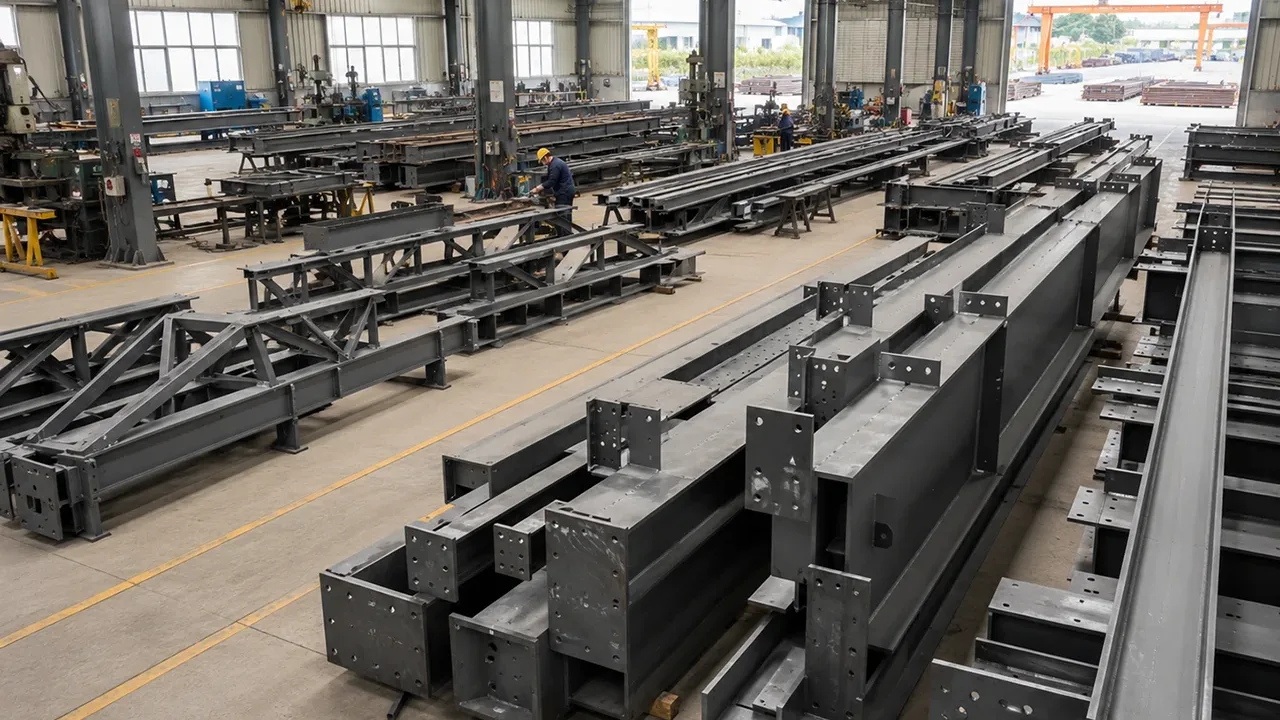
The structural steel frame includes the main load-bearing components of the dome. These may include radial members, ring members, ribs, space frame bars, crown elements, perimeter support rings, bracing, base plates, and secondary support members. Steel weight matters because material cost is important, but it is only one part of the total budget.
The type of member also affects cost. Straight members are usually easier to fabricate than curved or segmented members. Repeated members are easier to cut, drill, inspect, and assemble than many custom pieces. Higher steel grades, special profiles, heavy sections, or complex geometry may increase fabrication cost even if the total tonnage appears reasonable.
A good budget review should separate raw steel quantity from fabrication difficulty. A dome with lower tonnage but difficult cutting, many unique parts, and complicated node angles may not be cheaper than a dome with more repetitive structural members.
Connection, Node, and Plate Cost
Connections often have a large impact on dome cost. A simple rectangular steel building may use many repeated beam-column connections. A dome, however, may include many nodes where members meet at different angles. These nodes may require welded plates, bolted gussets, ball nodes, cast connectors, custom brackets, or special shop-assembled parts.
The more complex the node, the more time is needed for detailing, fabrication, welding, drilling, inspection, marking, and site assembly. Node cost can rise even when the main members are not especially heavy. This is especially true for geodesic domes, space frame domes, and architectural domes where many members meet in three-dimensional geometry.
Good connection planning can reduce cost risk. Repeating node types, simplifying bolt access, avoiding unnecessary eccentricity, and confirming assembly sequence early can make the dome easier to fabricate and install.
Surface Treatment and Corrosion Protection
Surface treatment is another important cost component. Steel domes may be exposed to outdoor weather, coastal air, humidity, industrial pollution, chemical environments, or condensation risk. The correct protection system depends on the project location and long-term maintenance plan.
Common options include primer, multi-layer paint systems, hot-dip galvanizing, zinc-rich coatings, finish coats, and site touch-up after installation. A basic indoor coating system will not cost the same as a heavy-duty system for a humid coastal or chemical environment. Complex nodes may also be harder to coat and inspect because many plates, angles, and contact surfaces are concentrated in small areas.
Coating should not be treated as a last-minute item. If the protection system is selected after fabrication planning, the project may face delays, handling issues, coating damage, or added repair cost. A better approach is to define the exposure environment and coating standard before production begins.
Transportation, Packaging, and Handling
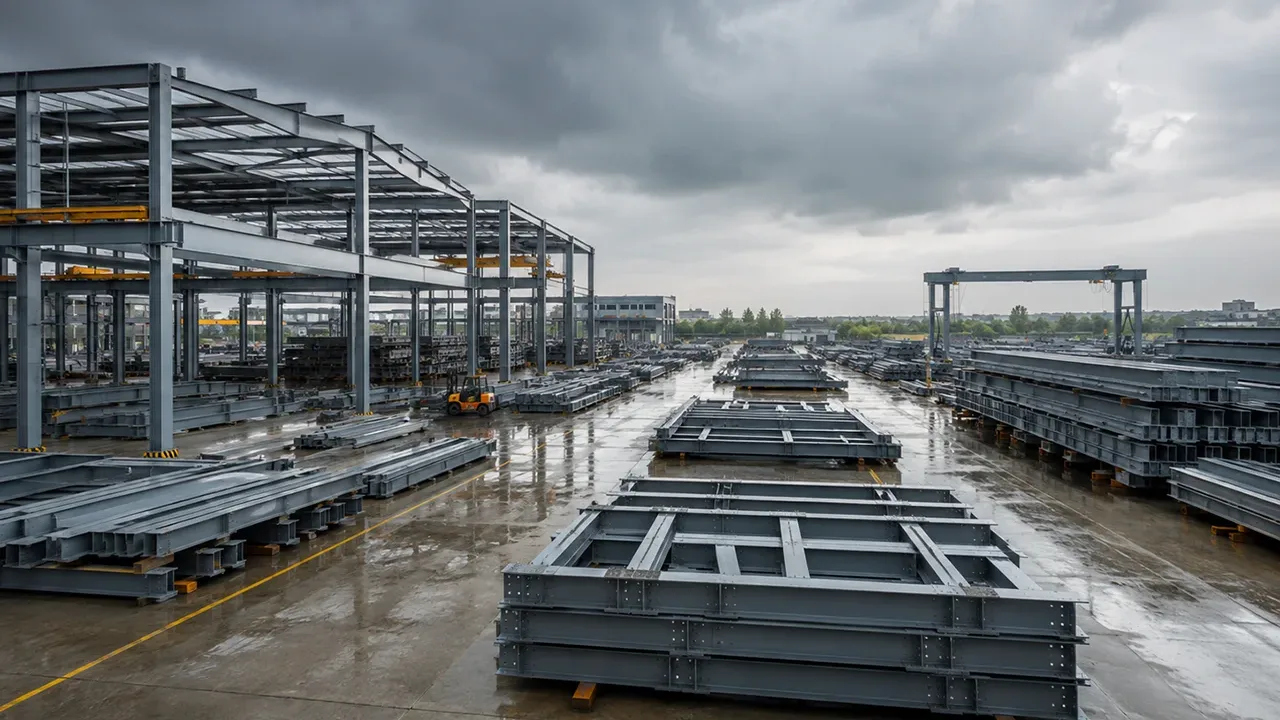
Transportation cost depends on member length, segment size, packing method, shipping distance, container loading, truck route, export requirements, and site unloading conditions. A dome design that is efficient structurally may still be expensive to deliver if members are too long, segments are too large, or shapes are difficult to pack.
For export projects, packaging and marking become even more important. Components may travel by truck, container, sea freight, and local site transport before reaching the construction area. If members are not packed by erection sequence, site teams may waste time searching for parts or moving materials repeatedly.
Handling should also be considered. Heavy or awkward dome segments may require larger forklifts, cranes, storage areas, and lifting plans. Smaller members may be easier to transport but can increase the number of site connections. The best logistics plan balances transport efficiency with installation efficiency.
Main Design Factors That Affect Steel Dome Construction Cost
The design stage strongly influences the final budget. Once the dome geometry, span, rise, structural type, support condition, and cladding strategy are fixed, many cost decisions become locked in. Changing them later can require redesign, re-fabrication, or site modification.
Dome Span and Rise
Span is one of the biggest cost drivers. A larger span usually increases structural demand, member size, ring forces, support reactions, erection difficulty, and deflection control requirements. Large-span domes can provide impressive open interiors, but they also require stronger load paths and more careful installation planning.
The rise of the dome also matters. A shallow dome may reduce overall building height and create a low-profile appearance, but it can increase horizontal thrust at the perimeter and make drainage more difficult. A higher dome may improve structural geometry in some cases, but it can increase cladding area, wind exposure, installation height, and crane requirements.
The most economical dome is not always the shallowest, tallest, or lightest option. The best geometry is the one that balances structural behavior, usable interior space, roof drainage, cladding practicality, and erection method.
Dome Type and Structural System
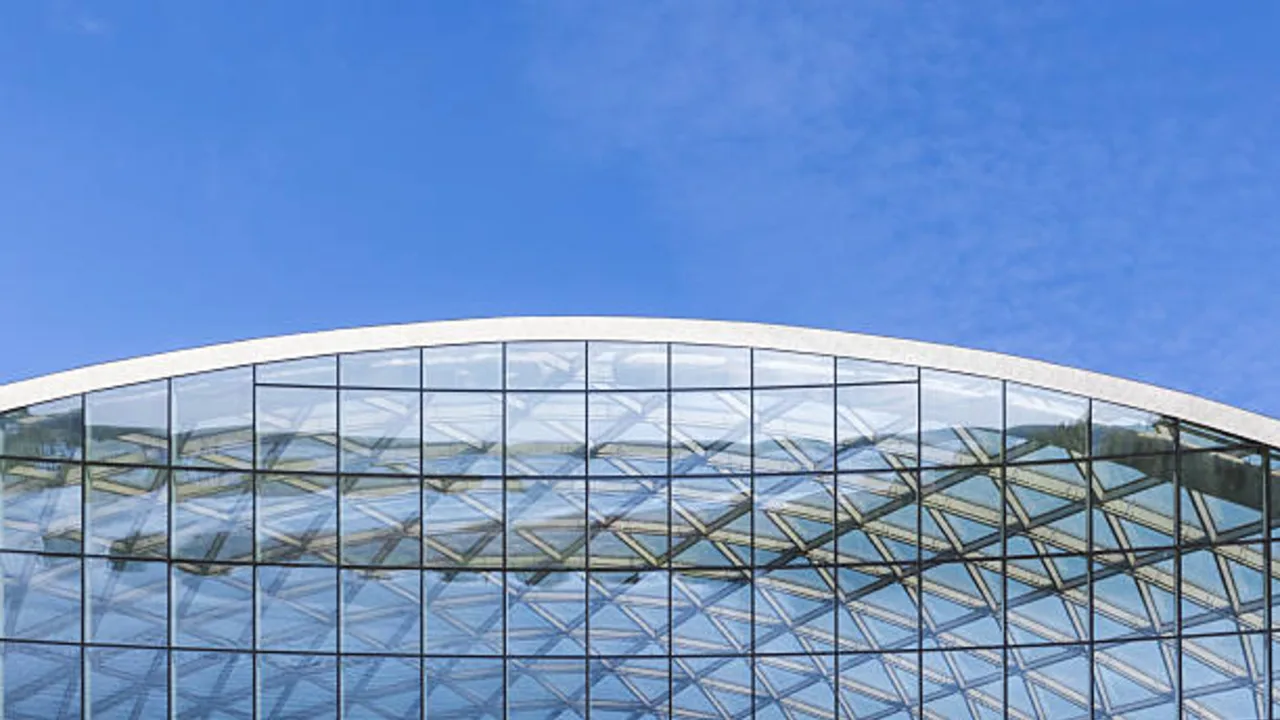
Different dome systems have different cost behavior. A ribbed dome may provide a clear load path and easier structural understanding, but may require stronger secondary framing between ribs. A geodesic dome may benefit from triangular stability and repeated patterns, but node accuracy and cladding coordination can become more demanding. A space frame dome may distribute loads efficiently in three dimensions, but it often increases node count and assembly coordination.
| Dome System | Cost Advantage | Possible Cost Challenge |
|---|---|---|
| Ribbed dome | Clear main load path and organized member layout | Secondary framing and ring member coordination |
| Geodesic dome | Repetition and triangular stability | Node accuracy and panel layout complexity |
| Space frame dome | Strong three-dimensional load distribution | High node count and detailed erection planning |
| Grid shell dome | Light visual form and flexible geometry | Buckling control, connection stiffness, and cladding fit |
| Hybrid dome | Can balance architecture and structural efficiency | More coordination between different systems |
No system is automatically the cheapest. The final cost depends on repetition, connection detail, span, load demand, cladding compatibility, fabrication capability, transport limits, and site installation method.
Member Repetition vs Custom Geometry
Repetition can reduce cost significantly. When many members share the same length, hole pattern, node type, and connection detail, the workshop can fabricate faster and inspect more easily. Repetition also helps packaging, labeling, and site assembly.
Custom geometry may still be necessary for architectural domes, special public buildings, irregular sites, or performance-driven roof forms. However, custom geometry should be used intentionally. Too many unique members can increase detailing time, cutting time, inspection effort, and installation risk.
At the early design stage, owners should ask how many member types, node types, and panel types the dome will require. A design with reasonable repetition is often easier to control in both cost and schedule.
Support Condition and Ring Beam Requirement
A dome must transfer forces into columns, concrete walls, ring beams, or foundations. The support condition affects both structural performance and budget. If the dome creates strong horizontal thrust, the perimeter support system must be designed to resist it. If the support ring is flexible, the dome may move more than expected. If anchor bolts or ring beams are inaccurate, installation can become difficult.
The ring beam may be steel, reinforced concrete, or a hybrid system. It must collect forces from the dome and distribute them into the supporting structure. A weak or unprepared support system can create redesign cost, site correction cost, or installation delay.
Foundation coordination is also important. The dome supplier, structural engineer, and civil contractor should confirm support layout, anchor bolt templates, ring beam geometry, and tolerance requirements before fabrication begins.
Fabrication Cost Drivers in Dome Projects
Fabrication is where the dome design becomes real steel components. The more complex the geometry and connection system, the more important shop drawings, fabrication accuracy, quality control, and packaging become.
Shop Drawing Detail and Engineering Coordination
Dome fabrication requires accurate shop drawings. These drawings must show member marks, node coordinates, bolt holes, plate sizes, weld details, assembly logic, coating requirements, and packaging instructions. A flat-roof steel building may use more repeated details, while a dome often needs more careful geometric control.
More complex geometry means more detailing hours. If the shop drawings are unclear, the project may face wrong cuts, missing plates, hole mismatch, coating conflicts, or site assembly problems. Strong engineering coordination at this stage can prevent expensive rework later.
Cutting, Drilling, Welding, and Node Fabrication
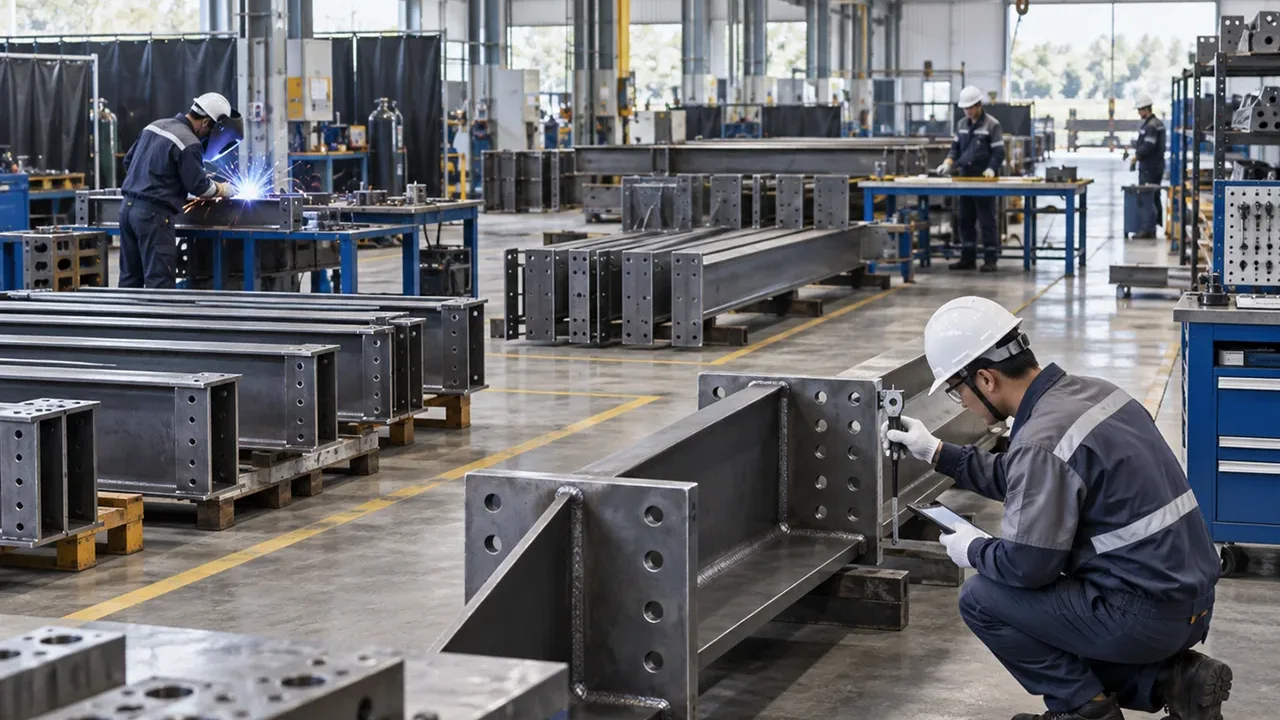
The workshop cost of a dome depends heavily on cutting, drilling, welding, and node fabrication. CNC cutting can improve accuracy, but angled cuts, curved members, segmented ribs, and multi-directional nodes still require careful setup and checking.
Hole alignment is especially important. If bolt holes are slightly wrong, the error may multiply across the dome. Welding access also affects cost. Compact nodes with many plates may require more labor, more inspection, and more coating touch-up.
In many dome projects, node complexity affects workshop labor more than raw steel weight. This is why cost planning must review fabrication difficulty, not only material quantity.
Quality Control and Trial Assembly
Quality control protects both budget and schedule. For complex domes, trial assembly may be useful before shipment. This can include assembling a representative segment, checking node fit-up, verifying bolt alignment, confirming ring closure, or testing the crown detail.
Trial assembly adds upfront workshop cost, but it can reduce much larger site delays. It is especially useful for large-span domes, export projects, complex nodes, tight installation schedules, or projects where crane time is expensive.
The goal is not to trial-assemble every part unnecessarily. The goal is to identify critical zones where a small fabrication issue could create a large installation problem.
Coating System and Workshop Handling
The coating system can affect both fabrication flow and cost. Primer, intermediate coats, finish coats, galvanizing, drying time, inspection, touch-up, and packing protection all need planning. If coated components are handled poorly, the project may face site repair work and appearance problems.
Complex nodes and dense connection zones can be harder to coat and inspect. Bolted contact surfaces may require specific treatment. Welded areas may need preparation before coating. Export packaging may need additional protection to prevent damage during transport.
A good fabrication plan connects coating requirements with production sequence, inspection points, and packaging method.
Installation and Lifting Costs
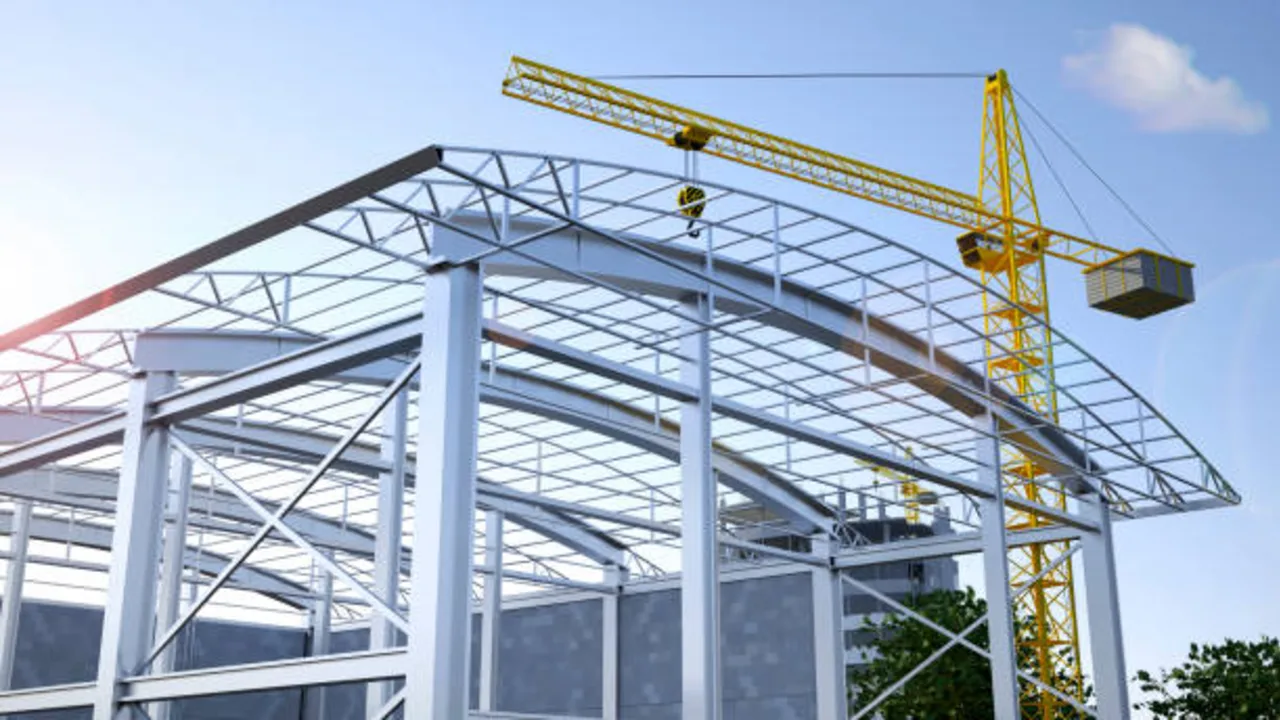
Installation is one of the most important parts of steel dome construction cost because dome structures are rarely installed like simple straight-frame buildings. The curved geometry, working height, segment shape, connection sequence, and temporary stability requirements can all affect site labor and lifting cost.
Crane Access and Lifting Method
Crane planning affects both budget and safety. The project team must review crane radius, lifting height, segment weight, ground condition, truck access, laydown area, and obstacle clearance. A dome segment may not be flat or evenly balanced, so lifting points and rigging methods must be planned carefully.
Large preassembled dome sections can reduce high-altitude assembly work, but they may require bigger cranes, more rigging preparation, and stronger temporary supports. Smaller members are easier to lift, but they usually increase the number of connections and the amount of work at height. Neither method is automatically cheaper. The best lifting method depends on site access, dome span, member weight, schedule, safety plan, and available equipment.
If crane access is ignored during early planning, the project may face expensive adjustments later. The dome may need to be divided into smaller segments, the erection sequence may need to change, or the contractor may need additional temporary works. These decisions can affect both cost and schedule.
Temporary Support and Erection Sequence
A dome may not be fully stable until enough members, rings, bracing, and support connections are completed. During erection, temporary towers, scaffolding, bracing cables, staged tightening, or temporary frames may be required. These temporary works can become a significant budget item, especially for large-span domes.
Temporary support should be part of the construction plan from the beginning. It should not be treated as a small site detail after the steel has already arrived. The erection sequence must define which parts of the dome are installed first, when the structure becomes stable, when bolts can be fully tightened, and when temporary supports can be removed.
A well-planned erection sequence can reduce crane standby time, improve safety, and prevent alignment problems. A poorly planned sequence can create delays, unstable partial structures, repeated rework, or additional lifting operations.
Site Labor and Assembly Speed
Site labor cost depends on bolt quantity, node access, working height, member weight, labeling quality, weather, site organization, and installation sequence. A dome with many small members may be easy to transport but slower to assemble. A dome with large preassembled sections may reduce connection work but require more lifting preparation.
Clear member identification can save real cost. If members, nodes, bolts, plates, and secondary supports are not labeled according to the erection sequence, workers may spend unnecessary time searching, sorting, and moving materials. This is especially important for geodesic domes and space frame domes where many pieces may look similar.
Weather can also affect installation speed. Wind conditions may limit lifting. Rain can slow work at height. Hot, cold, or humid site conditions can affect worker productivity and coating repair. A realistic budget should include practical site conditions, not only ideal installation assumptions.
Tolerance Problems and Field Modification
Tolerance problems can increase cost quickly. Anchor bolt errors, ring beam misalignment, support elevation differences, or member mismatch may cause connection delays. In a circular or curved structure, one small error can affect many surrounding parts.
Field modification should be minimized. Cutting, drilling, reaming, or welding on site can slow installation, reduce quality, damage coatings, and increase inspection needs. If modification happens at height, the cost and safety risk become even higher.
Prevention is cheaper than correction. Anchor bolt templates, site survey checks, ring beam verification, trial assembly, clear shop drawings, and pre-installation inspection can all reduce field modification cost.
Roof Cladding and Envelope Costs
The steel frame is only one part of a dome building. Roof cladding, waterproofing, insulation, drainage, skylights, vents, and internal performance requirements can strongly affect total project cost. In some architectural dome projects, the envelope can become as important to the budget as the steel structure itself.
Panel Type and Curved Surface Compatibility
Curved geometry affects cladding selection. Some dome roofs use metal panels. Others use insulated panels, standing seam systems, membrane roofing, glass sections, or custom cladding. Each option has different support spacing, fixing details, waterproofing requirements, movement behavior, and installation difficulty.
A panel system that works well on a straight roof may not automatically work well on a dome. Curved surfaces may require segmented panels, tapered panels, special overlaps, flexible seams, or custom flashing. If the cladding system is selected too late, the steel secondary framing may need changes.
The cladding layout should be coordinated with dome geometry before fabrication. Proper coordination reduces panel waste, leakage risk, fixing problems, and site rework.
Waterproofing, Drainage, and Flashing
Dome roofs still need controlled drainage. Water may move in several directions depending on curvature, slope, panel seams, roof openings, and gutter layout. Drainage zones must be planned clearly so water does not collect in shallow areas or around penetrations.
Gutters, downpipes, valleys, roof edges, skylight borders, vents, access hatches, and flashing details all affect both cost and long-term performance. Poor drainage planning can lead to leaks, ponding, corrosion, coating damage, and higher maintenance cost.
Waterproofing should be treated as part of the dome system, not as a separate finish. The steel frame, secondary members, panel layout, penetrations, and drainage paths should be coordinated together.
Skylights, Vents, and Service Openings
Openings can increase dome cost because they interrupt structural rhythm and cladding layout. Skylights, smoke vents, ventilation openings, access hatches, exhaust units, and service penetrations often require additional framing, local reinforcement, flashing, waterproofing, and inspection access.
Late changes are especially expensive. If openings are added after fabrication, the project may require new members, additional plates, coating repair, structural review, or revised cladding details. The best approach is to identify openings early and coordinate them with the dome structure and envelope system.
Thermal, Acoustic, and Fire Performance Requirements
Some dome buildings require insulation, acoustic lining, fire protection, internal ceilings, condensation control, or smoke management systems. These items may not be part of the main steel frame, but they still affect the total building budget.
A storage dome may need ventilation and condensation control. A sports arena may need acoustic treatment and internal ceiling systems. An exhibition hall may require thermal insulation, lighting support, and fire safety coordination. These requirements should be included in early cost planning so the budget reflects the complete building, not only the steel shell.
Project Planning Factors That Change the Final Budget
Even with the same dome size and structural system, final cost can change because of location, schedule, delivery distance, site constraints, and future maintenance needs. A reliable estimate must reflect the actual project conditions.
Local Code, Wind, Snow, Seismic, and Environmental Loads
Location changes design demand. A dome in a high-wind coastal region will not have the same structural and coating requirements as a dome in a sheltered inland site. Snow regions may require stronger roof members and different drainage planning. Seismic zones may affect support design, connection detailing, and lateral stability.
Environmental exposure also matters. Coastal air, industrial pollution, chemical processing areas, high humidity, and condensation risk can increase surface treatment cost. A generic price per square meter is rarely accurate without local load and exposure information.
Delivery Distance and Export Requirements
Delivery distance affects packaging, transport method, shipping cost, and handling risk. Domestic projects may use direct truck transport, while export projects may require container loading, sea freight, stronger packaging, customs documents, clearer marking, and more durable protection.
For export dome projects, packing sequence is important. If components arrive without logical labels or erection grouping, the installation team may lose time during sorting. Clear marking and protected packaging may add cost upfront, but they help reduce site delays.
Construction Schedule and Site Constraints
A tight schedule can increase cost. The project may need more crews, larger cranes, overtime, preassembly, faster logistics, or extra supervision. A restricted site can also raise cost if there is limited laydown space, difficult truck access, nearby buildings, weak ground, or limited crane positioning.
Schedule and site constraints should be reviewed before the final dome system is selected. A system that works well on an open site may not be practical in a dense urban location. A design that saves steel weight may lose its advantage if it requires complicated lifting in a restricted site.
Future Expansion and Maintenance Access
Future needs can influence initial budget. Maintenance walkways, safety anchors, inspection routes, solar readiness, HVAC support, lighting support, and access hatches may add cost during construction. However, including them early is often cheaper than retrofitting them later.
A dome building should be planned for its full service life. If the owner may later add solar panels, lighting rigs, ventilation units, or maintenance platforms, the structure and secondary framing should allow for that possibility. A slightly higher initial cost can reduce future modification cost.
Cost Comparison: What Makes One Dome More Expensive Than Another?
The table below shows how different design and project conditions can shift steel dome construction cost. It is not a price list, but it helps explain why two dome projects with similar floor area may have different budgets.
| Cost Factor | Lower-Cost Condition | Higher-Cost Condition | Budget Impact |
|---|---|---|---|
| Span | Moderate span with practical support spacing | Very large span with high deflection control demand | Increases member size, ring forces, and erection complexity |
| Dome geometry | Balanced shape with practical rise and drainage | Very shallow, irregular, or highly customized geometry | Can increase thrust, detailing, drainage, and cladding cost |
| Node complexity | Repeated and accessible node details | Many unique multi-angle nodes | Raises detailing, fabrication, inspection, and installation labor |
| Member repetition | Many repeated lengths and connection types | Many custom members and hole patterns | Increases shop drawing and fabrication time |
| Cladding type | Standard panel system compatible with dome spacing | Custom panels, glass, or complex waterproofing | Can strongly affect total building cost |
| Coating system | Standard indoor or mild-exposure coating | Coastal, chemical, humid, or heavy-duty corrosion protection | Raises surface treatment and touch-up cost |
| Transport method | Compact members and efficient packing | Large segments, special trucks, difficult export packing | Increases logistics and handling cost |
| Crane requirement | Accessible site and moderate lifting weight | High lifts, large radius, heavy segments, restricted site | Raises equipment and erection cost |
| Temporary support | Simple erection sequence with limited temporary works | Large temporary towers, bracing, or staged support | Can become a major cost item |
| Openings and equipment | Planned early and coordinated with framing | Added late after design or fabrication | Triggers reinforcement, redesign, and waterproofing changes |
| Site access | Open laydown area and clear truck access | Restricted urban or congested industrial site | Increases handling, crane time, and labor cost |
| Local load requirements | Moderate wind, no snow, mild environment | High wind, snow, seismic, coastal, or corrosive exposure | Raises structural and protection requirements |
When a Heavier Dome Can Be Cheaper
The lowest steel tonnage does not always mean the lowest total project cost. A slightly heavier dome with repeated members, simple nodes, standard cladding support, and an easy erection sequence may be cheaper overall than a lighter dome with many unique parts and difficult site assembly.
This is why cost planning should evaluate total project logic. Material savings can disappear if fabrication, connection, transport, or installation costs increase too much.
When a Lightweight Dome Becomes Expensive
A lightweight dome can become expensive when the weight reduction depends on too many custom members, complex nodes, difficult cladding geometry, heavy temporary support, or complicated lifting. If the system is hard to fabricate, ship, assemble, or waterproof, the apparent steel saving may not reduce the final budget.
The best dome design is not simply the lightest. It is the design that provides the right balance between material efficiency, fabrication simplicity, installation safety, envelope performance, and long-term maintenance.
How to Estimate Steel Dome Construction Cost More Accurately
A better estimate starts with project information, not only a price per square meter. The more complete the early information, the more realistic the budget can be.
Start with Function and Span, Not Price per Square Meter
The building function determines many cost drivers. A storage dome, stadium roof, industrial cover, exhibition hall, and transport building all have different requirements. Span, clear height, roof equipment, cladding type, ventilation, access, corrosion protection, and public safety requirements may all change.
A price per square meter can be useful for rough discussion, but it should not be used as the only planning tool. A serious estimate needs the building function, location, span, height, load conditions, envelope expectation, and installation condition.
Define the Structural Design Direction Early
A realistic budget should begin with a clear steel dome structure design, because geometry, load path, ring beam behavior, and node layout all influence fabrication and installation cost. When the structural direction is unclear, quotes may include different assumptions, making comparison difficult.
The design direction does not need to be fully finalized at the first budget stage, but the major decisions should be clear enough to guide cost planning. These include dome type, approximate span and rise, support condition, cladding expectation, and installation method.
Confirm Load Conditions and Site Information
Project owners should prepare key information before requesting a detailed estimate. This includes project location, wind speed, snow load if applicable, seismic requirements, soil or foundation condition, corrosion environment, building use, required interior clearance, roof equipment, and site access limitations.
Without this information, suppliers may have to make assumptions. Different assumptions produce different prices. A higher quote may include stronger design assumptions, while a lower quote may exclude important loads or site conditions. Clear information helps create fairer and more useful comparisons.
Separate Budget into Work Packages
A dome budget is easier to control when it is separated into work packages. These may include engineering and design, steel fabrication, node fabrication, surface treatment, transport, installation, temporary works, roof cladding, drainage, waterproofing, MEP support, and maintenance access.
This breakdown helps owners see where cost changes happen. If the budget rises, the team can identify whether the driver is steel weight, node complexity, coating, shipping, crane work, cladding, or site constraints. That makes value engineering more focused and less risky.
Common Budget Mistakes in Steel Dome Projects
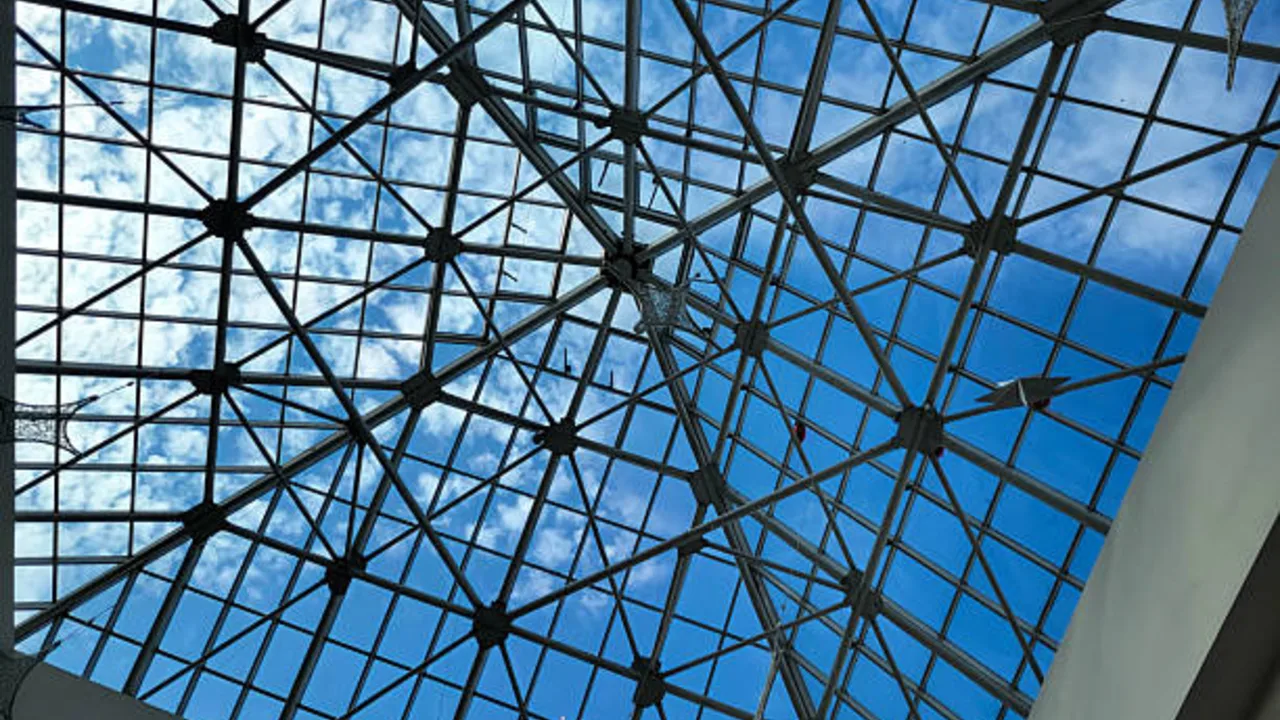
Many budget problems come from comparing incomplete scopes or delaying important decisions. Avoiding these mistakes can make cost planning more predictable.
Comparing Quotes Without Matching Scope
One quote may include engineering, shop drawings, coating, export packing, installation guidance, and cladding support. Another quote may include only the main steel frame. If owners compare only the final number, they may choose a lower quote that excludes important work.
Every quote should be compared line by line. Scope, material grade, coating, connection type, transport, installation, cladding, drainage, and temporary works should be clearly identified.
Ignoring Connection and Node Complexity
Node details can strongly affect cost even when steel weight looks low. Complex node systems require more detailing, fabrication time, inspection, and installation coordination. If node cost is ignored, the budget may be too optimistic.
Treating Cladding as a Separate Late Decision
Cladding affects purlin spacing, secondary framing, waterproofing, openings, drainage, and installation method. If it is selected after the dome frame is already designed, the project may need redesign or site adjustment.
A better approach is to coordinate the structural dome and roof envelope together from the early planning stage.
Underestimating Temporary Works
Temporary towers, scaffolding, bracing, crane standby, and staged assembly can become significant cost items. This is especially true for large-span domes or restricted sites. Temporary works should be included in the erection plan and budget, not added only after installation begins.
Changing Openings or Equipment After Fabrication
Late skylights, vents, solar panels, HVAC units, lighting rigs, or maintenance platforms can require reinforcement and rework. These changes may also affect waterproofing, coating repair, and installation sequence. Identifying equipment and openings early helps protect the budget.
Budget Planning Checklist for Steel Dome Projects
Before approving a dome budget, project owners can review the following checklist:
- Dome purpose: Define whether the project is a stadium roof, storage dome, industrial cover, exhibition hall, transport building, or public facility.
- Required span and clear height: Confirm open-space requirements and interior clearance.
- Dome rise and radius: Review how geometry affects structure, drainage, cladding, and erection.
- Dome type: Compare ribbed, geodesic, space frame, grid shell, and hybrid systems.
- Local loads: Confirm wind, snow, seismic, rain, and environmental exposure requirements.
- Support system: Review columns, ring beams, concrete walls, foundations, and horizontal force resistance.
- Node complexity: Check whether connections are repeated, accessible, and practical to fabricate.
- Member repetition: Identify how many member types, node types, and panel types are required.
- Steel grade and fabrication method: Confirm member sizes, cutting method, drilling, welding, and inspection requirements.
- Surface treatment: Select coating or galvanizing based on corrosion environment and maintenance access.
- Cladding system: Coordinate roof panels, insulation, waterproofing, skylights, and vents.
- Drainage: Confirm gutters, downpipes, valleys, roof edges, and penetrations.
- Transportation route: Review segment size, truck access, container loading, packaging, and unloading.
- Crane and lifting method: Confirm lifting weight, crane radius, working height, rigging, and ground condition.
- Temporary support: Include towers, bracing, scaffolding, staged erection, and safety systems.
- Site condition: Review storage space, access roads, weather exposure, and installation restrictions.
- Schedule: Identify whether fast delivery requires extra crews, preassembly, overtime, or larger equipment.
- Future maintenance: Plan inspection access, safety anchors, walkways, solar readiness, and equipment supports.
This checklist helps owners move from a rough price discussion to a more complete project budget.
Conclusion: Accurate Dome Cost Planning Starts Before Fabrication
Steel dome construction cost depends on the full project logic, not only material weight. Span, dome geometry, structural system, node complexity, support design, fabrication accuracy, surface treatment, transport, lifting method, roof cladding, drainage, temporary works, and site conditions all influence the final budget.
The most reliable cost plan begins early, before the dome is fabricated. Owners should define the building function, confirm local loads, coordinate structure with cladding, review installation access, and compare quotations by complete scope. When the dome is treated as a full building system rather than only a steel frame, the budget becomes easier to understand, control, and optimize.