What Defines a Modern Steel Structure Warehouse Building?
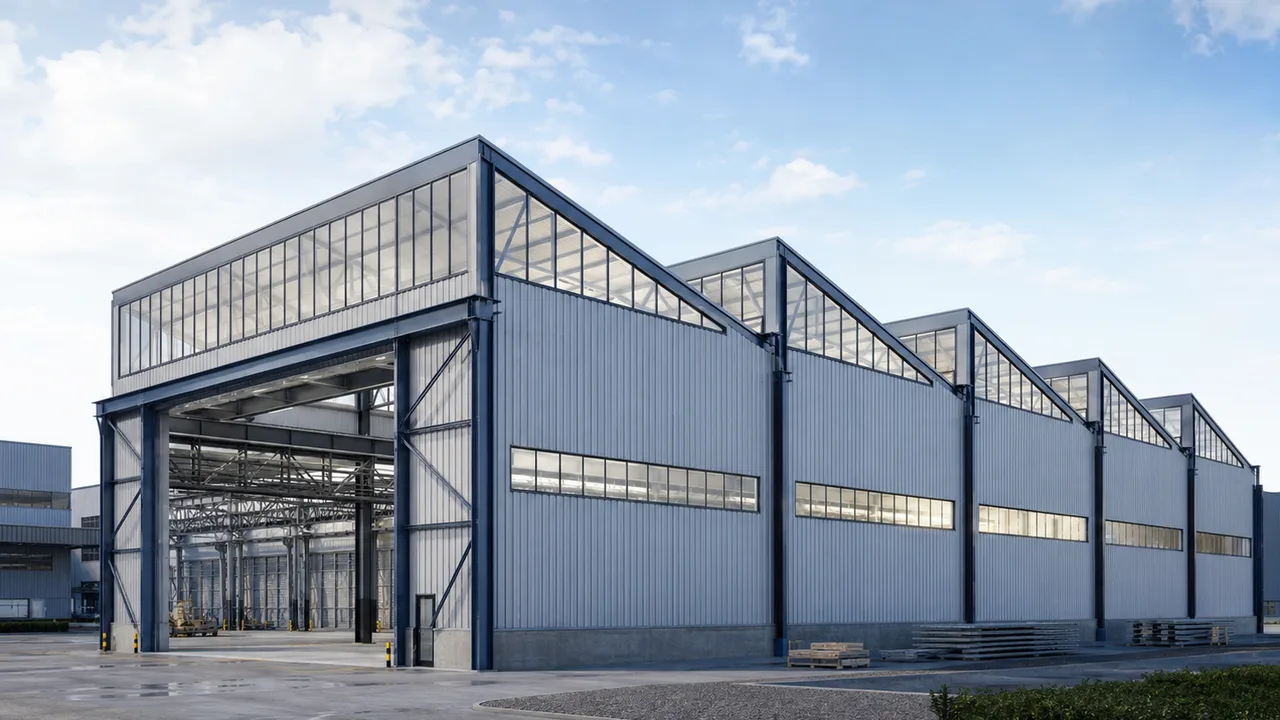
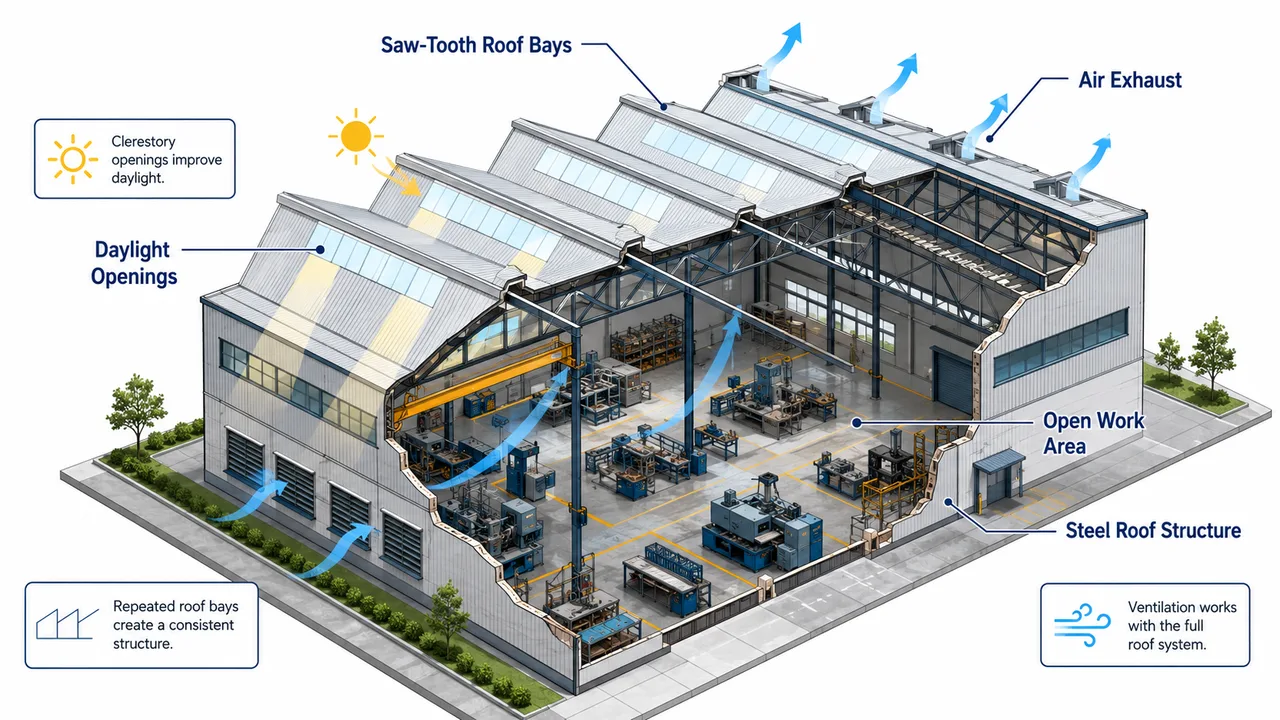
A modern warehouse building is no longer simply a storage facility. Today’s industrial operations require structures that integrate logistics efficiency, flexible layouts, automation systems, and future scalability.
A properly engineered steel structure warehouse building typically includes:
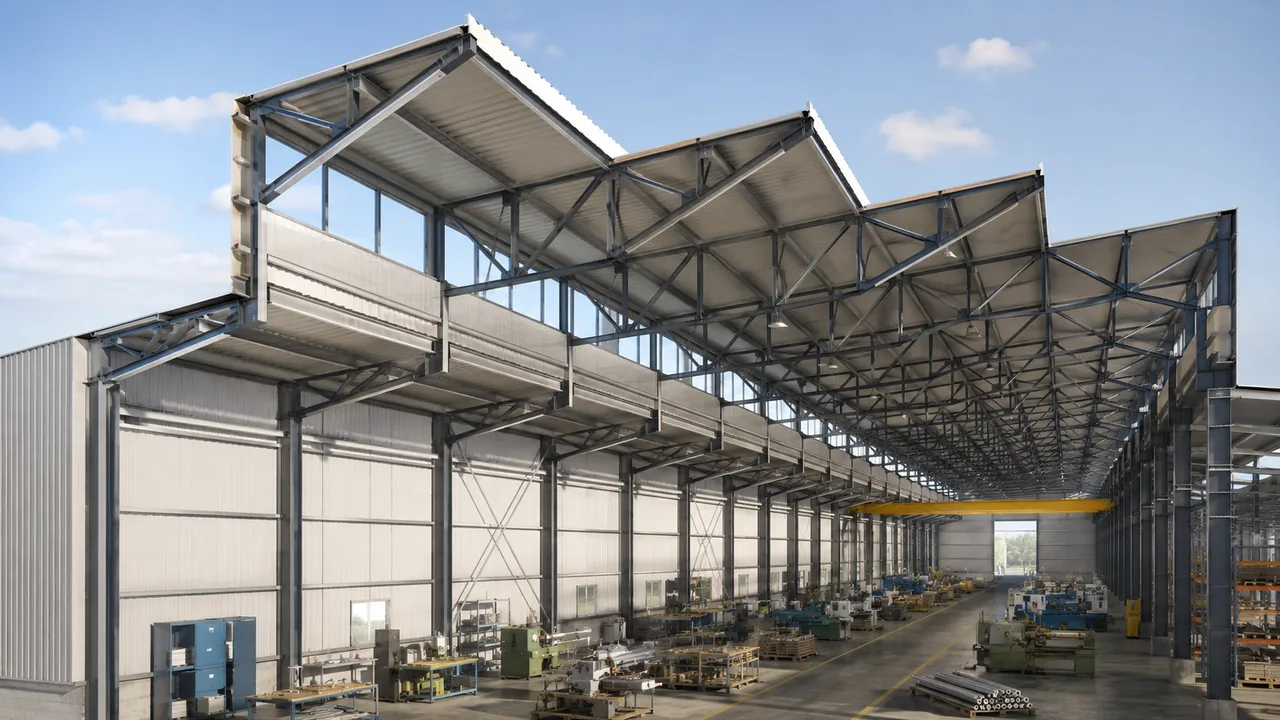
- Large clear-span interior space
- Efficient cargo circulation routes
- High vertical storage capacity
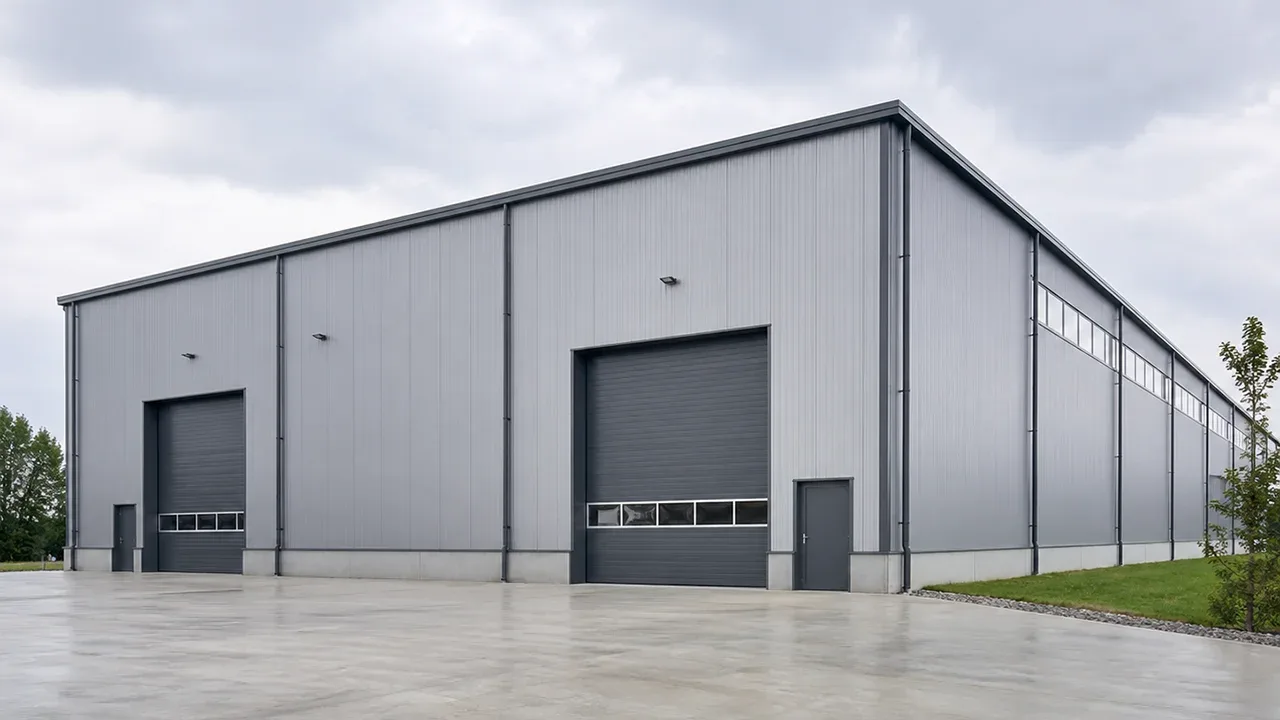
- Dock and loading integration
- Flexible expansion capability
- Support for automated warehouse systems
Steel framing systems allow warehouse operators to maximize usable floor area while reducing internal structural obstructions.
Common Warehouse Building Configurations
Distribution Warehouse Buildings
Distribution warehouses focus on fast inventory turnover and efficient shipment movement. These facilities often require wide loading zones, organized logistics flow, and optimized transportation access.
Steel structures support these operational requirements through open layouts and efficient structural spans.
Manufacturing Storage Buildings
Manufacturing facilities frequently use warehouse buildings for raw material storage, finished product handling, and equipment organization.
The flexibility of steel systems allows integration between production and storage operations within the same industrial site.
E-Commerce Fulfillment Warehouses
The rapid growth of e-commerce has increased demand for high-efficiency warehouse buildings capable of handling automated systems, sorting operations, and continuous inventory movement.
A steel structure warehouse building can support large-scale fulfillment operations while maintaining flexible layout planning.
Multi-Purpose Industrial Warehouse Buildings
Many businesses require warehouse buildings that combine storage, packaging, assembly, and logistics operations. Steel systems allow facilities to adapt to multiple industrial functions.
Structural Advantages for Warehouse Operations
Clear Span Interior Design
Clear-span steel structures reduce the number of internal columns, creating more open operational space.
This improves forklift movement, storage layout flexibility, and equipment circulation.
High Roof Load Capacity
Warehouse buildings often require roof systems capable of supporting:
- Ventilation equipment
- Solar systems
- Lighting infrastructure
- Overhead operational systems
Steel framing systems provide strong load-bearing performance while maintaining structural stability.
Expansion-Friendly Structural Systems
Industrial operations frequently grow over time. Steel warehouse systems can be expanded more efficiently compared to many traditional construction methods.
This scalability supports long-term operational planning.
Operational Efficiency Inside Warehouse Buildings
Loading and Unloading Efficiency
Warehouse performance depends heavily on logistics flow. Properly designed loading areas improve transportation efficiency and reduce operational delays.
Steel structures allow flexible dock placement and circulation planning.
Equipment and Forklift Movement
Large open warehouse layouts improve forklift access and internal transportation routes.
Reducing structural obstructions helps improve workplace safety and operational speed.
Storage Optimization and Rack Systems
Modern warehouses rely on high-density storage systems to maximize operational capacity. Steel structures support taller rack systems and optimized vertical storage configurations.
Materials and Structural Components
Primary Steel Framing Systems
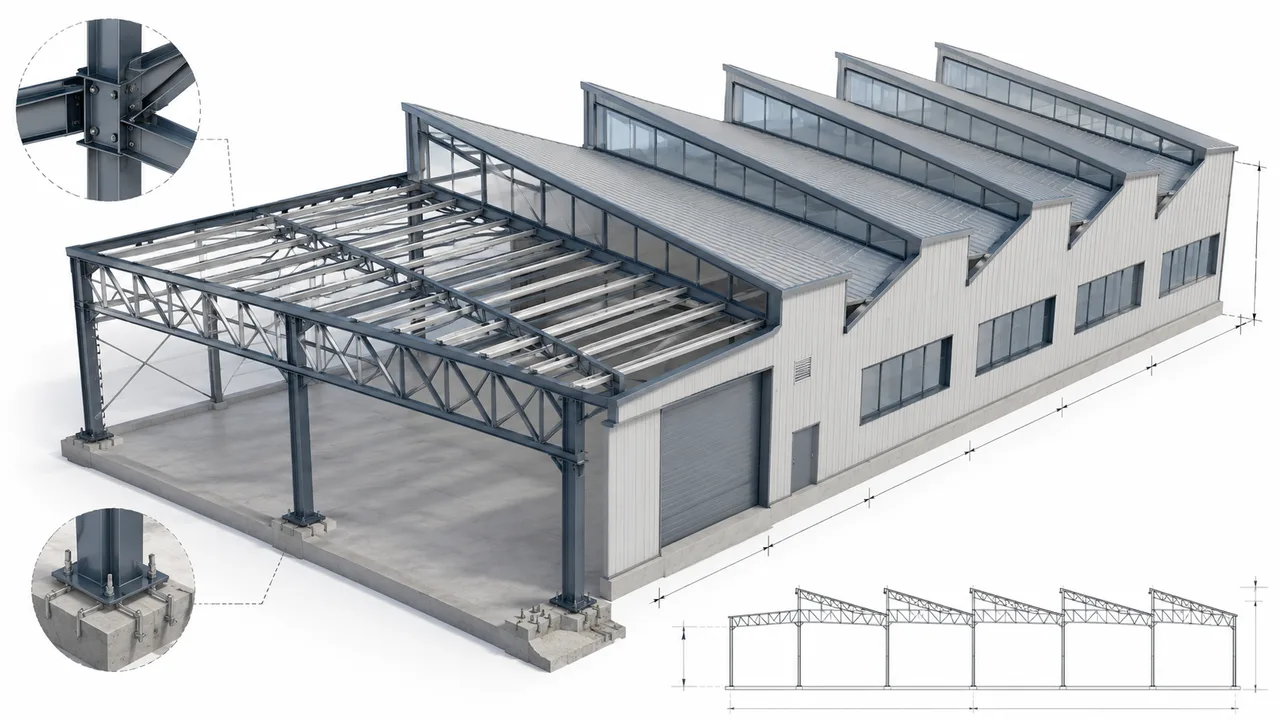
Main structural systems commonly include:
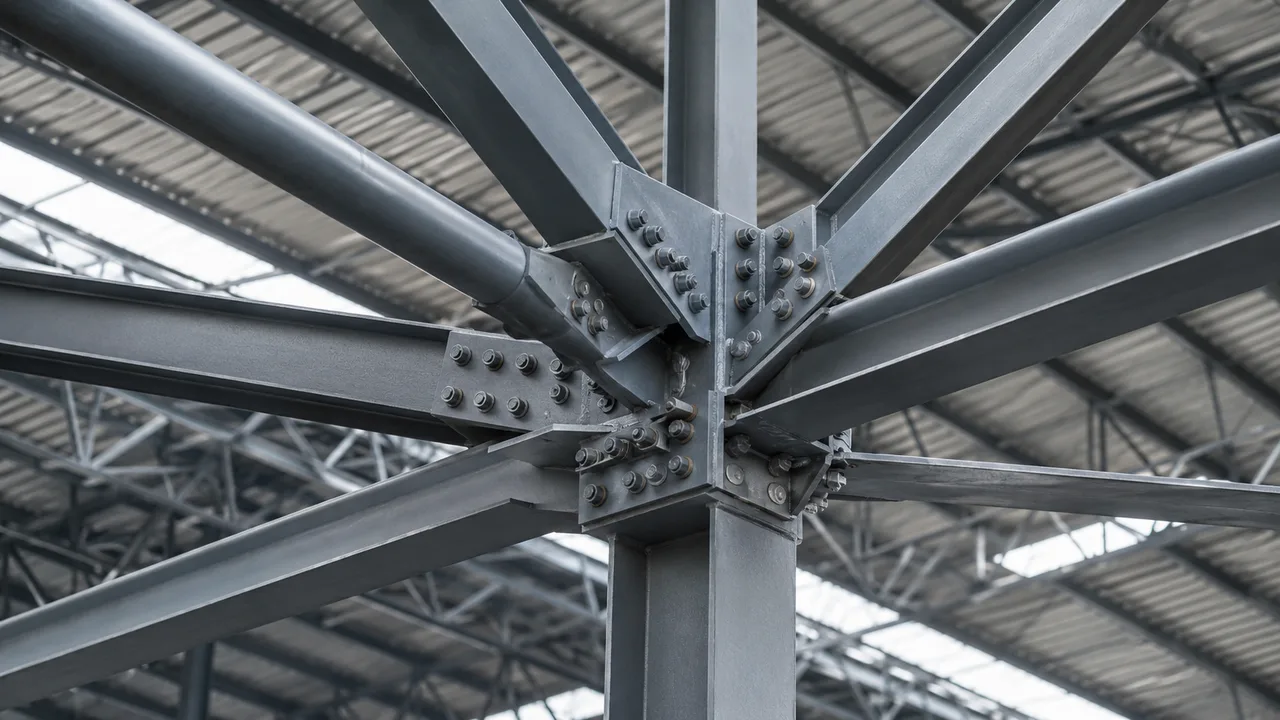
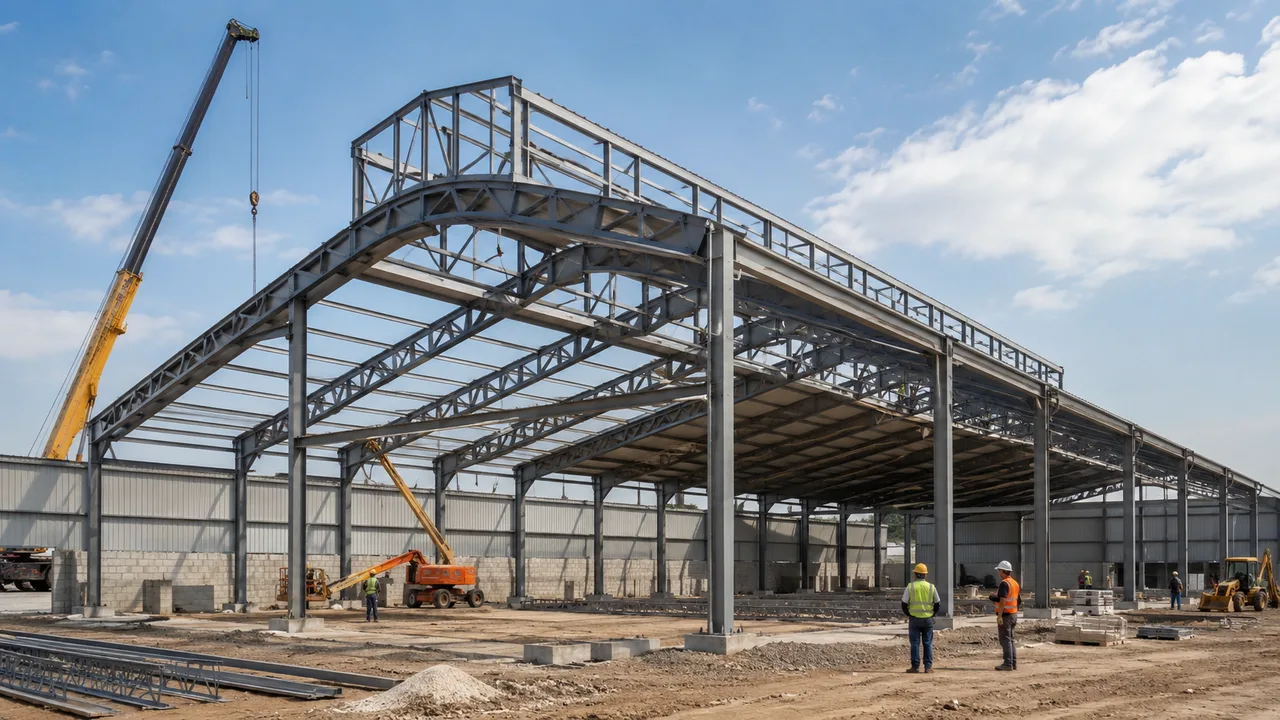
- Portal frames
- Steel columns
- Roof trusses
- Bracing systems
These components work together to provide structural strength and operational flexibility.
Wall and Roof Panel Options
Warehouse buildings may use insulated sandwich panels, corrugated steel panels, or composite wall systems depending on operational requirements.
Roofing systems are selected based on climate conditions and insulation needs.
Corrosion Protection and Surface Treatment
Steel components typically receive protective treatments such as:
- Anti-corrosion coatings
- Galvanization
- Industrial painting systems
These treatments improve long-term durability and reduce maintenance requirements.
Construction Workflow for Warehouse Buildings
Engineering and Site Planning
Warehouse projects begin with structural analysis, logistics planning, and site layout coordination.
Engineering teams evaluate operational requirements before fabrication begins.
Off-Site Steel Fabrication
Structural components are manufactured in controlled factory environments to improve quality consistency and reduce construction delays.
As an experienced industrial building supplier, XTD Steel Structure supports warehouse projects with integrated engineering and fabrication services.
Fast On-Site Assembly
Pre-engineered steel systems allow faster installation compared to many traditional construction methods.
This helps businesses reduce downtime and accelerate operational startup.
Industries Using Steel Structure Warehouse Buildings
- Logistics and freight distribution
- Manufacturing industries
- Retail and e-commerce operations
- Agricultural storage
- Cold storage facilities
- Construction material supply
The flexibility of warehouse steel systems makes them suitable for a wide range of industrial sectors.
Choosing the Right Warehouse Building Partner
Warehouse projects require more than basic construction capability. Structural efficiency, operational planning, future scalability, and installation coordination all influence long-term facility performance.
Companies selecting a warehouse building partner should evaluate engineering expertise, fabrication capacity, project experience, and customization capability.
Questions Clients Often Ask
How long does warehouse construction usually take?
Construction timelines depend on building size and project complexity, but steel systems typically reduce installation time significantly.
Can warehouse buildings be expanded later?
Yes. Steel structures are commonly designed to allow future expansion and operational growth.
Are steel warehouses suitable for heavy industrial equipment?
Yes. Properly engineered steel warehouse buildings can support heavy operational and storage requirements.
Build Smarter Warehouse Infrastructure
A well-designed steel structure warehouse building supports efficient logistics flow, scalable operations, and long-term industrial performance. Modern steel systems allow businesses to improve storage efficiency while maintaining operational flexibility.
Careful engineering, quality fabrication, and efficient installation all contribute to stronger warehouse infrastructure for modern industrial operations.