Understanding the Role of a Steel Building Manufacturer
The demand for steel building systems continues to grow because organizations require structures that can be constructed quickly while maintaining high levels of strength and reliability. Steel manufacturers support this demand by producing complete structural systems tailored to specific project requirements.
A professional manufacturer participates in multiple project stages, including engineering review, detailing, fabrication, quality inspection, packaging, transportation planning, and installation support. This integrated approach improves communication and helps projects stay on schedule.
Rather than simply supplying materials, manufacturers deliver engineered building solutions that support long-term operational performance and structural safety.
What Does a Steel Building Manufacturer Produce?
Industrial Steel Buildings
Industrial facilities represent one of the largest applications for steel building systems. Manufacturing plants, production facilities, processing workshops, and heavy industrial operations often require large open spaces, crane support systems, and robust structural performance.
Steel building systems allow industrial operators to create efficient layouts that accommodate machinery, production lines, and future expansion requirements.
Steel Warehouse Buildings
Warehousing and logistics facilities depend heavily on steel construction because of its ability to provide large column-free spaces and high storage capacity. Distribution centers, inventory facilities, fulfillment centers, and logistics hubs frequently utilize steel structures to maximize operational efficiency.
Modern warehouse buildings often incorporate automated systems that benefit from the flexibility and scalability of steel construction.
Commercial and Public Buildings
Steel buildings are also widely used for offices, commercial facilities, retail centers, transportation terminals, sports facilities, and public infrastructure. Their flexibility allows architects and engineers to create functional spaces while maintaining structural efficiency.
The adaptability of steel construction supports both simple and architecturally complex building designs.
Core Components Manufactured for Steel Buildings
Primary Structural Frames
The primary frame forms the main load-bearing system of a steel building. These components commonly include:
- Steel columns
- Primary beams
- Rigid frame rafters
- Main trusses
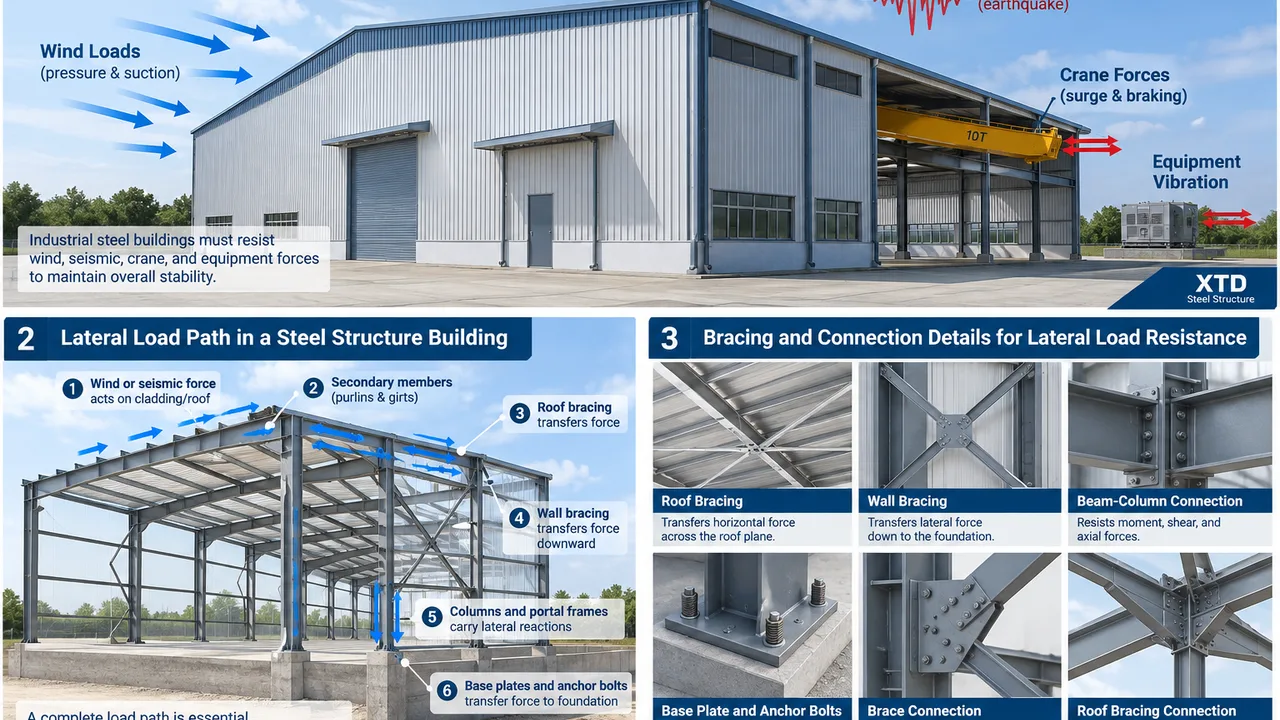
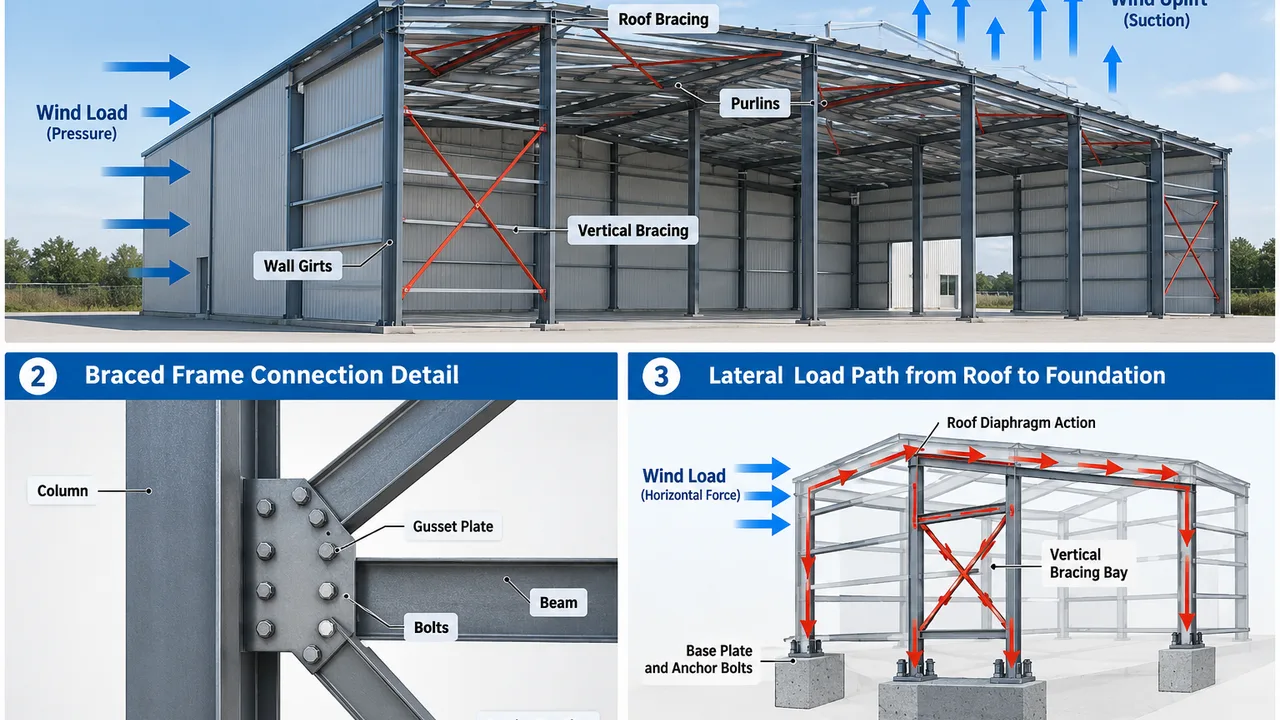
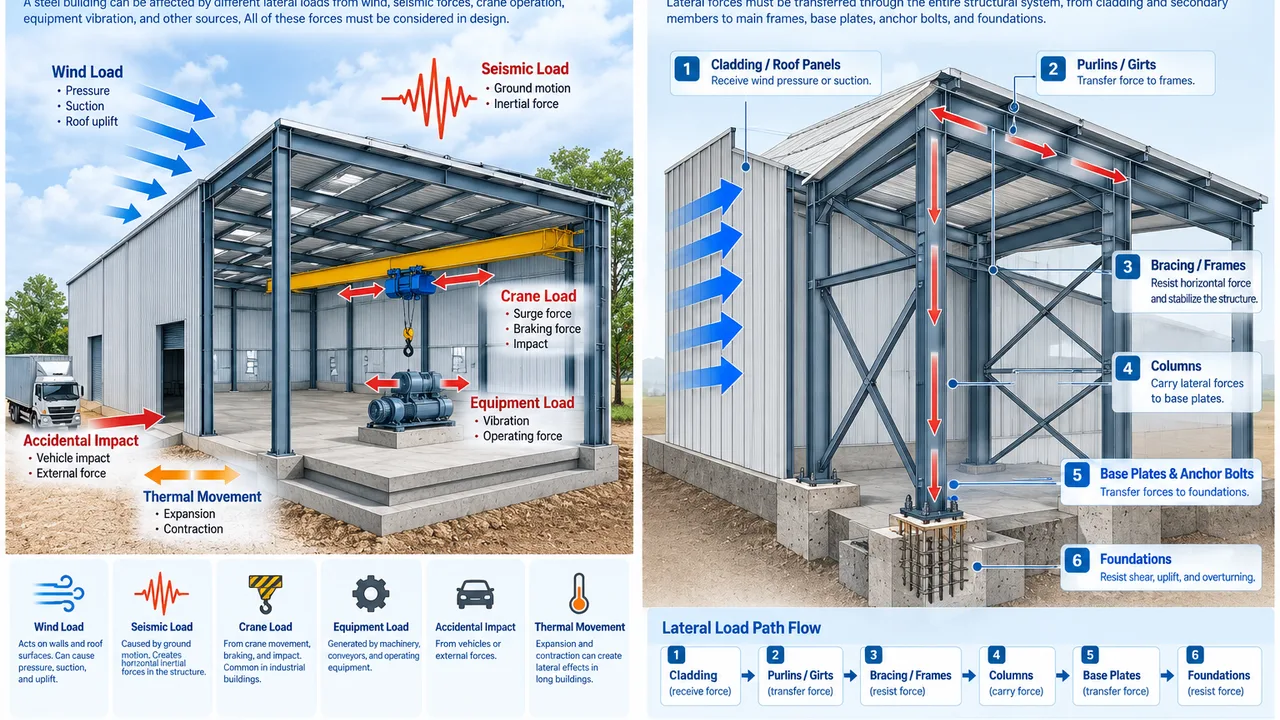
These structural elements transfer loads safely to the foundation while providing the overall stability of the building.
Secondary Steel Members
Secondary framing components support roofing and wall systems while helping distribute structural loads. Typical components include:
- Purlins
- Girts
- Bracing systems
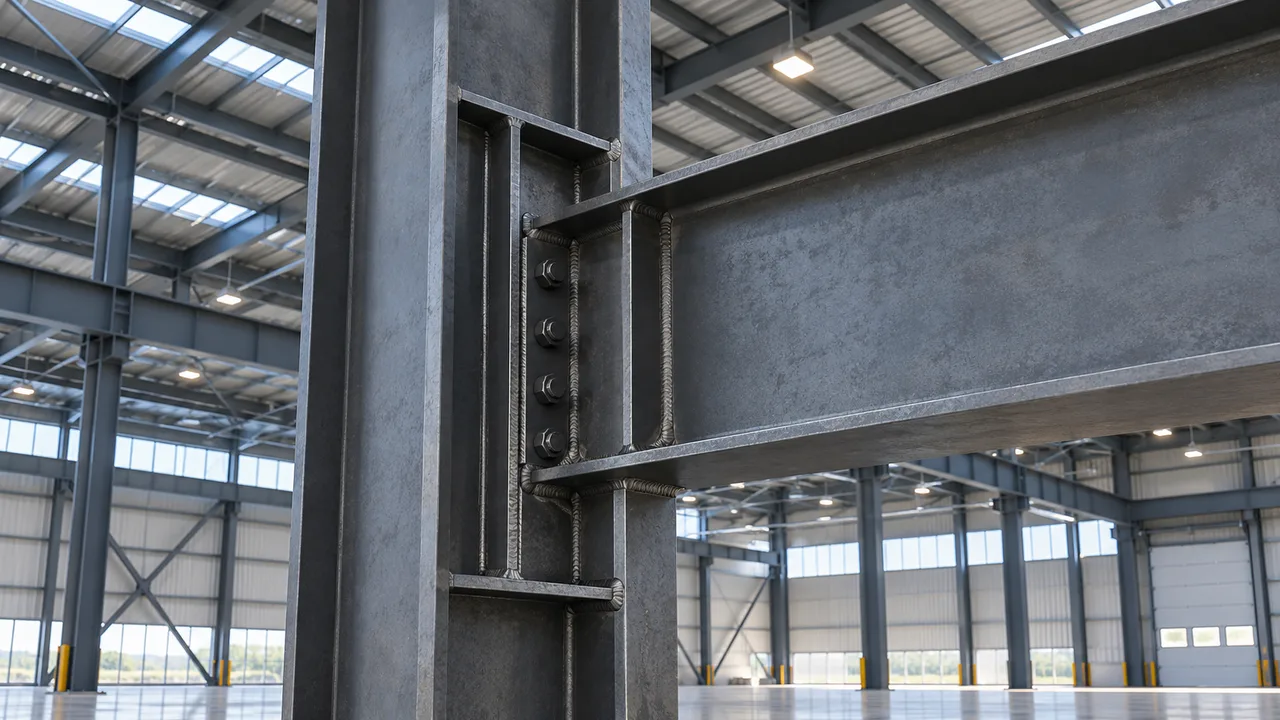
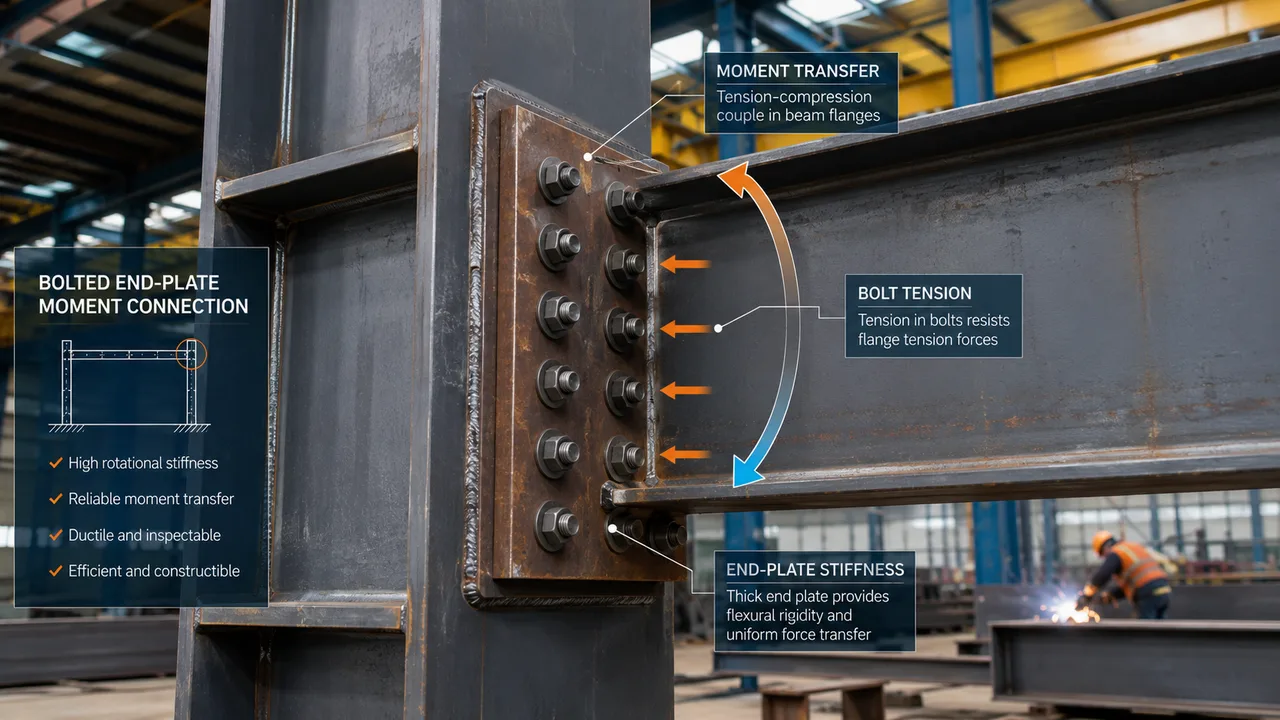
- Connection members
Properly designed secondary systems improve building performance and simplify installation.
Roofing and Wall Systems
A modern steel building manufacturer often provides integrated building envelope solutions, including insulated roof panels, wall cladding systems, weather protection assemblies, and energy-efficient enclosure systems.
These components contribute to building durability, thermal performance, and long-term operational efficiency.
Engineering Capabilities of a Steel Building Manufacturer
Structural Design Support
Engineering support begins long before fabrication starts. Structural engineers evaluate building loads, local environmental conditions, and project requirements to develop safe and efficient structural systems.
Typical engineering considerations include:
- Dead loads and live loads
- Wind loading requirements
- Seismic considerations
- Equipment support loads
- Building code compliance
Careful engineering helps optimize both structural performance and project costs.
Shop Drawings and Detailing
Before production begins, detailed shop drawings are created to define every structural component and connection. These drawings guide fabrication activities and help ensure installation accuracy.
Many manufacturers also utilize BIM coordination and digital production planning to improve project efficiency and reduce potential conflicts.
Building Optimization
Experienced engineering teams continuously evaluate opportunities to improve material efficiency, fabrication productivity, transportation logistics, and construction performance.
This optimization process often reduces waste while improving overall project value.
Steel Building Manufacturing Process
Material Selection and Inspection
Manufacturing starts with the selection of steel materials that meet project specifications. Raw materials undergo inspection to verify grade, dimensions, and overall quality before entering production.
Material verification helps ensure that the finished structure meets engineering requirements and industry standards.
CNC Processing and Fabrication
Modern manufacturing facilities use CNC equipment and automated machinery for cutting, drilling, marking, and preparing steel components. These technologies improve consistency while maintaining tight dimensional tolerances.
Accurate processing contributes directly to faster assembly and reduced installation issues.
Welding and Surface Treatment
Following fabrication, components undergo welding and assembly according to approved procedures. After fabrication is complete, surface protection systems may be applied, including:
- Hot-dip galvanizing
- Industrial protective coatings
- Multi-layer paint systems
These treatments protect steel components against corrosion and environmental exposure.
Quality Assurance in Steel Building Manufacturing
Manufacturing Quality Control
Quality control procedures monitor every production stage, from incoming materials to final packaging. Inspections verify dimensional accuracy, fabrication quality, and compliance with project specifications.
Consistent quality management reduces the likelihood of site installation problems and project delays.
Welding Inspection
Weld quality directly affects structural reliability. Inspection programs often include:
- Visual inspection
- Ultrasonic testing
- Magnetic particle testing
- Additional non-destructive testing methods
These procedures help confirm structural integrity before shipment.
Compliance with International Standards
Many projects require compliance with recognized structural steel standards, welding codes, and quality management systems. Adhering to these standards supports consistent manufacturing quality and dependable project outcomes.
Industries Served by Steel Building Manufacturers
Industrial Manufacturing
Industrial sectors such as automotive, machinery production, heavy equipment manufacturing, and processing industries frequently utilize steel buildings because of their strength and adaptability.
These facilities often require large clear spans, overhead cranes, and future expansion flexibility.
Warehousing and Logistics
Distribution centers, logistics parks, and e-commerce facilities rely on steel construction to create efficient storage environments with high operational capacity.
Steel structures support changing logistics requirements while maintaining durability and structural performance.
Agriculture and Commercial Development
Agricultural storage facilities, livestock buildings, equipment shelters, commercial developments, and mixed-use projects also benefit from steel building systems.
The versatility of steel construction allows a single structural solution to serve multiple industries.
Logistics, Shipping, and Installation Support
Packaging and Export Preparation
After fabrication and inspection, building components are packaged according to shipping and handling requirements. Proper packaging helps protect structural members during transportation and storage.
Export projects may require specialized documentation, labeling, and logistics planning.
Global Project Delivery
International projects require coordination between manufacturing schedules, shipping timelines, customs procedures, and site readiness. Experienced manufacturers help manage these processes to support timely delivery.
Effective logistics planning minimizes disruptions and improves project execution.
Technical Installation Support
Many manufacturers provide installation guidance and engineering assistance during erection. Technical support helps construction teams interpret drawings, verify connections, and maintain structural accuracy throughout installation.
Benefits of Working with a Professional Steel Building Manufacturer
- Consistent manufacturing quality
- Faster construction schedules
- Reliable long-term structural performance
- Scalable production capacity
- Cost-efficient project execution
These advantages make steel construction an attractive option for organizations seeking durable and efficient building solutions.
Why Choose an Experienced Steel Building Manufacturer
Advanced Manufacturing Facilities
Modern facilities utilize automated production lines, CNC processing systems, robotic equipment, and digital quality management tools to improve efficiency and consistency.
Engineering and Project Experience
Experienced manufacturers understand how to manage complex projects involving multiple stakeholders, technical requirements, and construction phases.
International Project Portfolio
Global project experience demonstrates the ability to deliver steel building systems across diverse markets and construction environments.
As a trusted industry supplier, XTD Steel Structure provides engineering, fabrication, and project coordination services for industrial, commercial, and infrastructure developments worldwide.
Frequently Asked Questions
What is a steel building manufacturer?
A steel building manufacturer designs, fabricates, and supplies structural systems and building components used in steel construction projects.
What types of steel buildings can be manufactured?
Manufacturers can produce industrial buildings, warehouses, logistics facilities, commercial structures, agricultural buildings, and many other custom projects.
How long does steel building production take?
Production schedules vary based on project size, design complexity, material availability, fabrication requirements, and shipping arrangements.
What standards are followed during production?
Production typically follows structural steel standards, welding codes, fabrication specifications, and quality management procedures required by the project.
Start Your Steel Building Project
Choosing the right steel building manufacturer is an important step toward achieving a successful project. A capable manufacturing partner can provide engineering expertise, precision fabrication, reliable quality control, and coordinated delivery support.
By working with an experienced team, project owners can improve construction efficiency, reduce risks, and create durable steel buildings designed for long-term performance.