What Is Commercial Steel Structure Construction?
Commercial steel structure construction refers to the design, fabrication, and erection of steel-framed buildings used for commercial purposes. These buildings may include office towers, shopping malls, retail centers, hotels, exhibition facilities, service buildings, and other commercial developments.
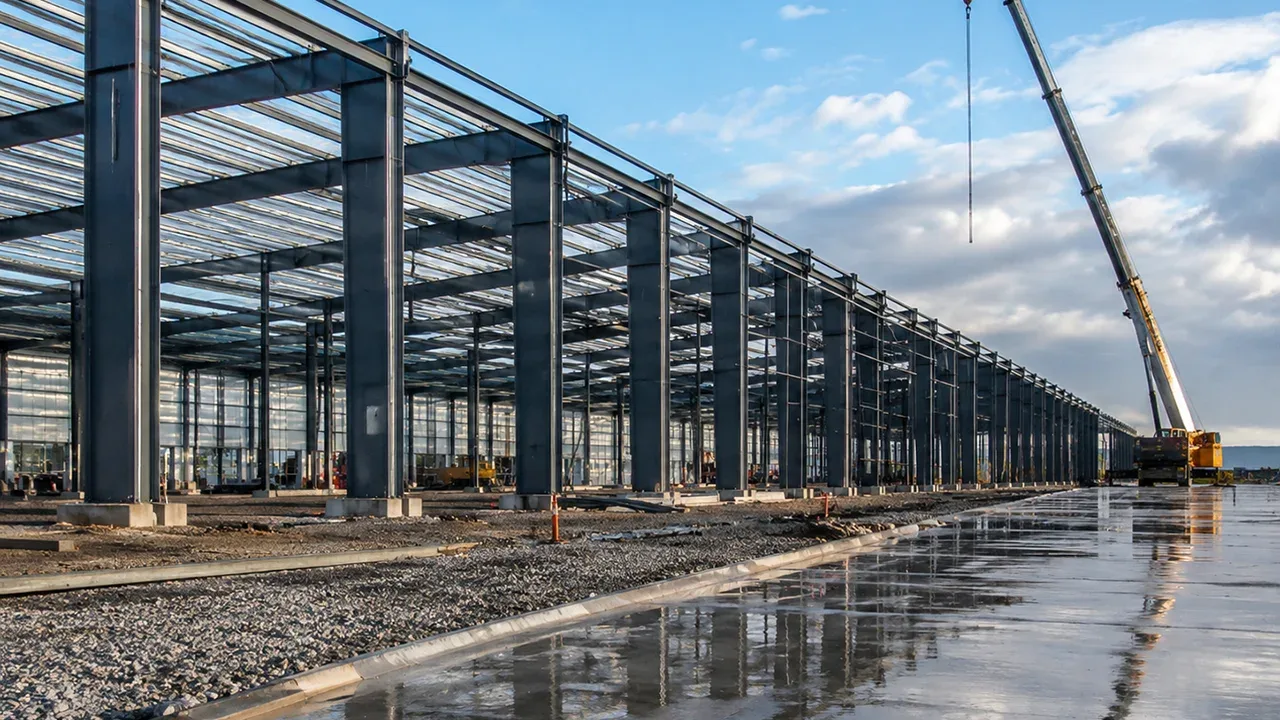
The structural framework typically consists of steel columns, beams, bracing systems, floor structures, and roof systems that work together to support the building safely and efficiently.
Modern commercial projects often utilize prefabricated steel components manufactured in controlled factory environments before being transported to the construction site for installation.
Types of Commercial Buildings Built with Steel Structures
Office Buildings
Office developments frequently utilize steel structural systems because they provide open floor plans and flexible interior layouts. Steel framing allows architects to create larger unobstructed spaces while maintaining structural efficiency.
Multi-story office buildings benefit from steel’s high strength-to-weight ratio, which helps reduce structural weight while supporting significant occupancy loads.
Shopping Centers and Retail Buildings
Retail facilities often require large open spaces that can accommodate changing tenant requirements. Steel structures support these needs by minimizing interior columns and allowing adaptable floor layouts.
Shopping centers, retail parks, and commercial plazas frequently rely on steel construction to maximize usable space and support future expansion opportunities.
Exhibition and Convention Centers
Exhibition halls and convention facilities require long-span structural systems capable of creating large column-free areas. Steel structures provide an efficient solution for these demanding architectural requirements.
The ability to achieve wide spans makes steel an ideal choice for public gathering facilities where flexibility and visibility are critical.
Mixed-Use Commercial Developments
Modern urban developments often combine retail, office, entertainment, and service functions within a single project.
Steel structural systems provide the flexibility necessary to accommodate diverse occupancy requirements while supporting complex architectural designs.
Advantages of Commercial Steel Structure Construction
Faster Construction Schedules
One of the most significant advantages of commercial steel structure construction is the ability to accelerate project schedules.
Because structural components are fabricated off-site, foundation work and steel fabrication can often proceed simultaneously. This parallel workflow reduces overall project duration and improves construction efficiency.
Once delivered to the site, prefabricated steel components can be assembled rapidly, minimizing disruptions and reducing labor requirements.
Flexible Architectural Design
Steel structures provide architects with greater design freedom compared with many traditional construction materials.
Benefits include:
- Large open floor plans
- Long-span structural systems
- Reduced interior columns
- Flexible space planning
- Support for unique architectural forms
This flexibility is particularly valuable for commercial developments where tenant needs may change over time.
Structural Strength and Durability
Steel offers exceptional strength and durability while maintaining relatively low structural weight. This combination enables commercial buildings to support significant loads without excessive structural mass.
Properly designed and protected steel structures can provide decades of reliable performance under demanding operating conditions.
Future Expansion Opportunities
Commercial developments frequently require future modifications, expansions, or tenant improvements.
Steel structural systems can often accommodate these changes more efficiently than conventional construction methods, allowing owners to adapt their buildings to evolving business needs.
Engineering Considerations for Commercial Steel Structures
Structural Design Requirements
Commercial buildings must be designed to safely support a variety of loads while complying with applicable building regulations.
Engineering considerations include:
- Occupancy loads
- Wind loads
- Seismic requirements
- Roof loads
- Mechanical equipment loads
- Future expansion allowances
Comprehensive structural analysis helps ensure safety, performance, and long-term reliability.
Material Selection
Material selection plays a critical role in project success. Engineers evaluate steel grades based on structural demands, environmental exposure, fabrication requirements, and project budgets.
Protective systems such as galvanizing and industrial coatings may also be specified to improve durability and corrosion resistance.
Building Code Compliance
Commercial projects must comply with local building regulations, fire safety requirements, accessibility standards, and structural design codes.
Early coordination between designers, engineers, and construction teams helps streamline approval processes and minimize project risks.
Commercial Steel Structure Construction Process
Project Planning and Engineering
The construction process begins with project planning, conceptual design, and engineering development.
During this phase, engineers perform structural analysis, develop design criteria, and prepare detailed construction documentation.
Steel Fabrication
Following engineering approval, steel components are manufactured in fabrication facilities using advanced processing equipment.
Fabrication activities typically include:
- CNC cutting
- Drilling and machining
- Assembly
- Welding
- Surface treatment
- Quality inspections
Factory-controlled fabrication improves accuracy and consistency throughout the project.
Site Preparation and Foundation Work
While fabrication progresses, construction teams prepare the site and complete foundation systems.
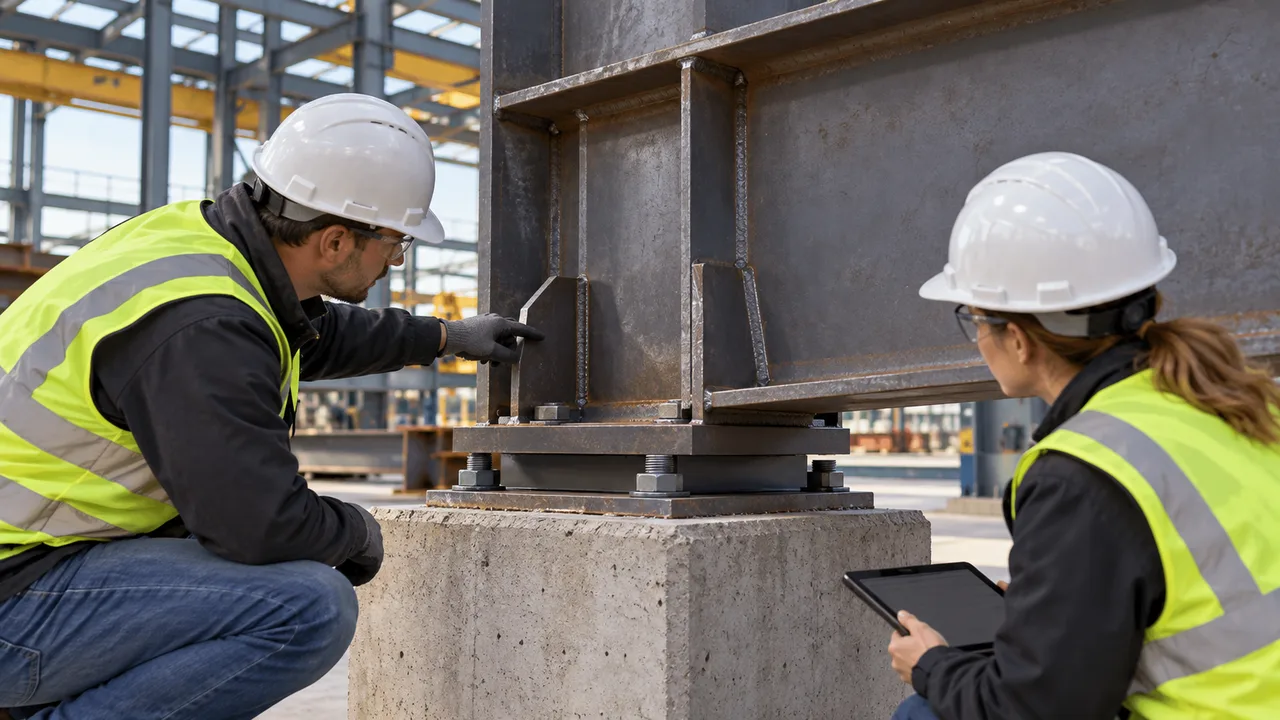
Proper foundation construction is essential because it provides the support necessary for the steel superstructure.
Structural Erection
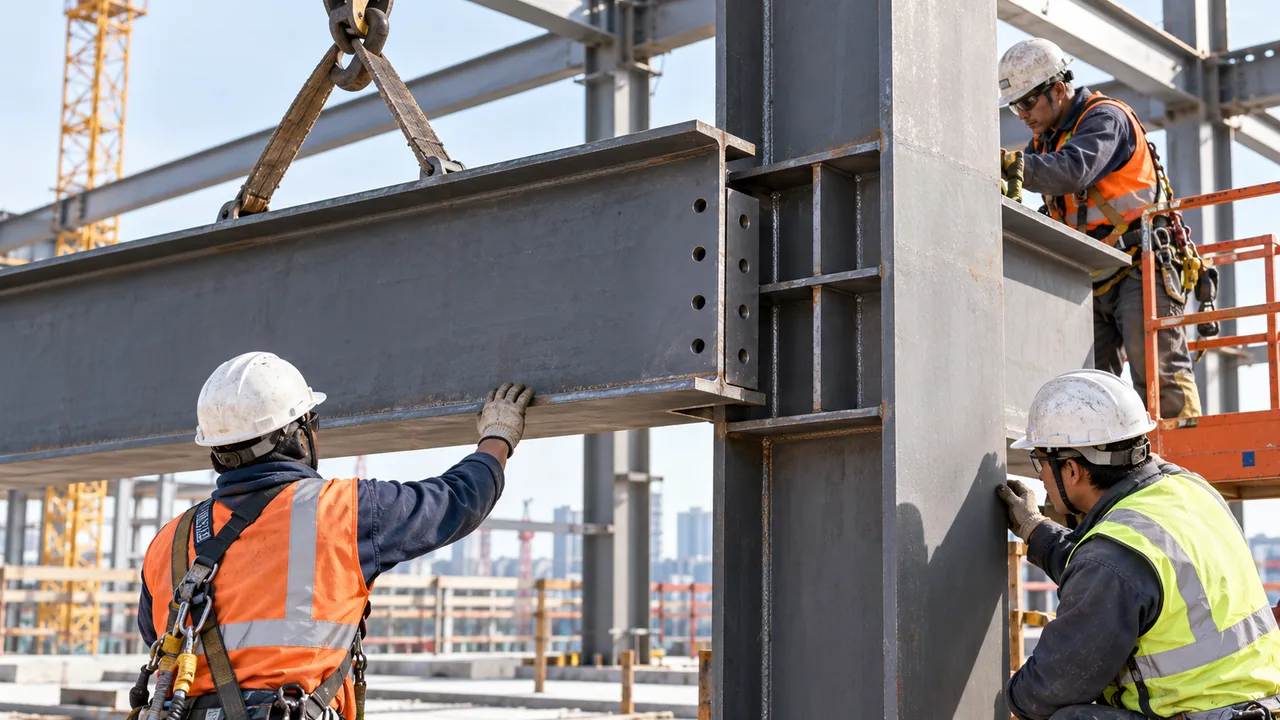
Once steel components arrive on-site, erection crews begin assembling the structural frame.
This phase generally includes:
- Column installation
- Beam erection
- Bracing installation
- Floor framing assembly
- Roof structure installation
Accurate erection procedures help maintain alignment and ensure structural integrity.
Building Envelope Installation
Following completion of the primary structure, contractors install wall systems, roof systems, insulation, cladding, and exterior finishes.
The building envelope protects the interior environment while contributing to overall energy performance and aesthetics.
Applications of Commercial Steel Structure Construction
Corporate Office Buildings
Business parks, headquarters facilities, and corporate office developments frequently utilize steel structures because of their flexibility and construction efficiency.
Steel framing supports modern workplace layouts while enabling future modifications as organizational needs evolve.
Retail and Shopping Facilities
Retail centers require adaptable layouts, large open spaces, and efficient construction schedules.
Commercial steel structures provide these benefits while supporting long-term operational requirements.
Hospitality and Service Buildings
Hotels, conference facilities, entertainment venues, and service-oriented developments often utilize steel structural systems to achieve both architectural and functional goals.
The versatility of steel enables designers to create attractive and efficient commercial environments.
Public Commercial Infrastructure
Many transportation-related commercial developments, exhibition facilities, and public service buildings utilize steel structures because of their strength, flexibility, and construction efficiency.
These projects often involve complex architectural requirements and large public occupancy loads.
Quality Control During Commercial Steel Construction
Material Inspection
Quality assurance begins with material verification. Steel grades, material certificates, and traceability records help ensure compliance with project specifications.
Proper material control supports reliable structural performance throughout the building lifecycle.
Fabrication Quality Control
Fabrication inspections verify dimensional accuracy, weld quality, and manufacturing compliance.
Inspection procedures may include visual examinations, dimensional checks, and non-destructive testing methods where required.
Construction Quality Assurance
During erection, construction teams verify alignment, connections, bolt installation, and overall structural assembly.
Continuous quality monitoring helps identify issues early and maintain project standards.
Why Choose Steel for Commercial Construction
Cost Efficiency
Steel construction can reduce project costs through faster schedules, reduced labor requirements, and efficient material utilization.
Accelerated project completion may also allow owners to begin operations sooner, improving overall investment returns.
Sustainability Benefits
Steel is one of the most recyclable construction materials available today. Many steel products contain recycled content and can be recycled again at the end of a building’s service life.
This contributes to sustainable construction practices and supports environmental goals.
Long-Term Performance
Properly designed steel structures offer excellent durability and require relatively low maintenance.
Their ability to resist structural deterioration helps support long-term operational efficiency and asset value.
Why Choose XTD Steel Structure
Engineering and Construction Experience
Successful commercial steel structure construction requires coordination between engineering, fabrication, logistics, and construction teams.
Experienced project management helps ensure smooth execution from design through final completion.
Advanced Manufacturing Capability
Modern fabrication facilities equipped with CNC processing equipment, automated welding systems, and comprehensive quality management procedures help deliver consistent results.
Global Project Support
XTD Steel Structure provides engineering support, steel fabrication, project coordination, and international delivery services for commercial developments worldwide.
Extensive experience across industrial, commercial, and infrastructure projects helps ensure reliable project outcomes and long-term customer satisfaction.
Frequently Asked Questions
What is commercial steel structure construction?
It refers to the design, fabrication, and erection of steel-framed buildings used for commercial applications such as offices, shopping centers, hotels, and mixed-use developments.
What commercial buildings use steel structures?
Office buildings, retail centers, shopping malls, exhibition halls, hotels, convention centers, and transportation-related commercial facilities commonly utilize steel structures.
How long does commercial steel construction take?
Project duration varies depending on building size, complexity, site conditions, and project scope. However, steel construction often shortens schedules compared with traditional methods.
Are steel commercial buildings suitable for future expansion?
Yes. Steel structures are highly adaptable and can often accommodate future expansions, renovations, and layout modifications more easily than many conventional building systems.
Start Your Commercial Steel Structure Project
Professional commercial steel structure construction combines engineering expertise, precision fabrication, and efficient installation to create modern commercial buildings that support long-term business success.
By partnering with an experienced steel construction provider, developers can achieve faster project delivery, reliable structural performance, and flexible building solutions that meet evolving commercial requirements.