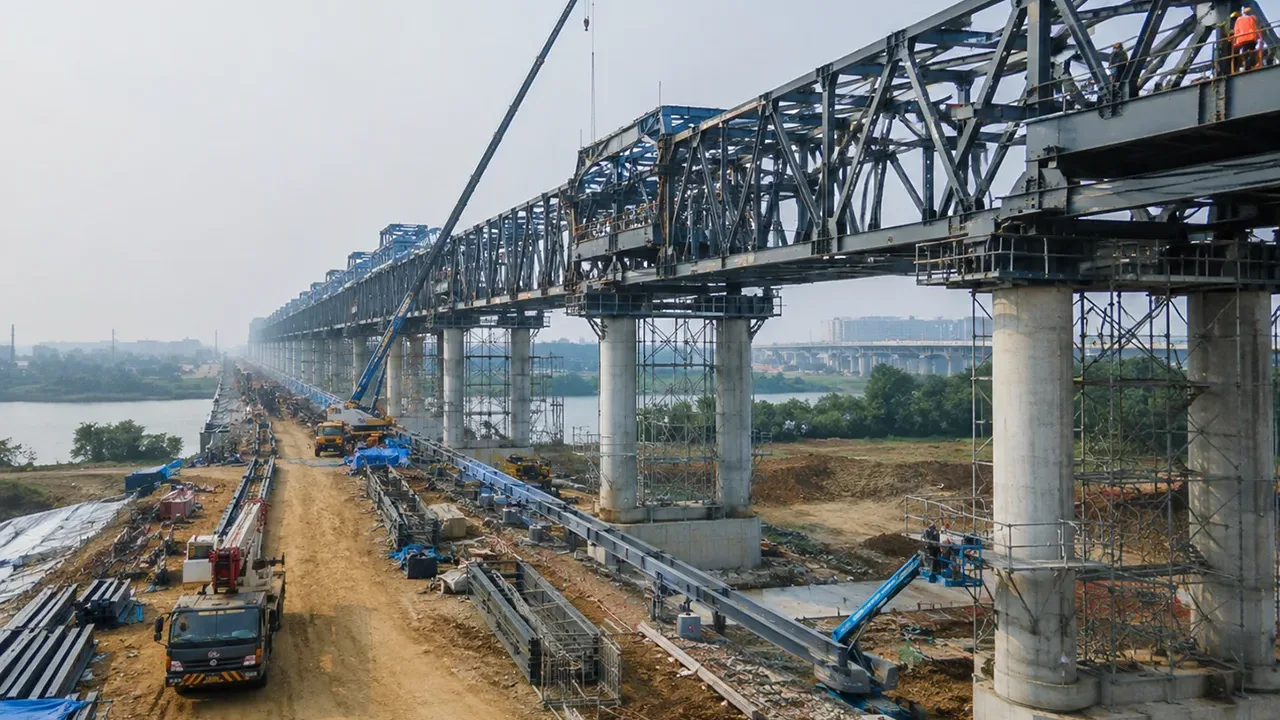
What Is Infrastructure Steel Structure Construction?
Infrastructure steel structure construction refers to the engineering, fabrication, and erection of steel structural systems used in public, transportation, industrial, and utility infrastructure projects. These structures are designed to support critical facilities that serve communities, industries, and economic development.
Unlike conventional buildings, infrastructure projects often involve unique design challenges, large-scale structural systems, complex loading conditions, and strict regulatory requirements.
The construction process typically includes feasibility studies, engineering design, material procurement, fabrication, logistics coordination, site installation, quality control, and final commissioning.
Types of Infrastructure Steel Structure Projects
Transportation Infrastructure
Transportation systems depend heavily on steel structures because of their strength, adaptability, and ability to accommodate large public spaces.
Common transportation projects include:
- Railway stations
- Airport terminals
- Bus terminals
- Transit hubs
- Passenger platforms
Steel structures help create spacious, efficient facilities capable of supporting high traffic volumes while maintaining architectural flexibility.
Bridge and Crossing Structures
Bridges represent one of the most recognizable applications of infrastructure steel structures. Engineers utilize steel because of its high strength-to-weight ratio and ability to span long distances.
Typical bridge-related projects include:
- Pedestrian bridges
- Highway bridges
- Steel overpasses
- Connecting corridors
- Access walkways
These structures often require specialized engineering to address dynamic loads, environmental exposure, and long-term durability.
Public Infrastructure Facilities
Public facilities frequently rely on steel structures to achieve large column-free spaces and efficient building layouts.
Applications include:
- Convention centers
- Exhibition halls
- Sports facilities
- Cultural venues
- Public service buildings
Steel construction enables architects and engineers to create visually impressive structures while maintaining structural performance.
Industrial Infrastructure
Industrial infrastructure projects require robust structural systems capable of supporting equipment, utilities, and operational processes.
Examples include:
- Pipe rack systems
- Utility corridors
- Industrial platforms
- Equipment support structures
- Processing facility frameworks
These systems often operate under demanding conditions and require specialized engineering solutions.
Key Components of Infrastructure Steel Structure Construction
Primary Structural Systems
The primary structure forms the main load-bearing framework of an infrastructure project.
Common primary structural components include:
- Steel columns
- Steel beams
- Truss systems
- Space frame structures
- Long-span roof systems
These elements transfer loads safely throughout the structure and provide overall stability.
Secondary Structural Systems
Secondary framing components support the primary structure and contribute to overall performance.
Typical secondary systems include:
- Bracing systems
- Purlins
- Girts
- Connection assemblies
- Support members
Proper integration of secondary systems enhances structural efficiency and durability.
Building Envelope and Protection Systems
Many infrastructure projects require enclosure and protection systems that shield occupants, equipment, and structural components from environmental conditions.
These systems may include:
- Roofing systems
- Wall cladding
- Corrosion protection
- Fire protection systems
- Environmental barriers
Protection systems help maximize service life while minimizing maintenance requirements.
Engineering Requirements for Infrastructure Projects
Structural Performance
Infrastructure facilities often support large numbers of users, heavy equipment, and complex operational activities.
Engineers must evaluate:
- Dead loads
- Live loads
- Dynamic loads
- Equipment loads
- Impact forces
Proper engineering analysis ensures that structures remain safe and functional throughout their operational life.
Environmental Design Factors
Infrastructure structures are frequently exposed to challenging environmental conditions. Design teams must consider local climate and environmental factors during engineering development.
Important considerations include:
- Wind loads
- Seismic activity
- Temperature variations
- Corrosion exposure
- Extreme weather conditions
Addressing these factors early improves long-term structural reliability.
Regulatory Compliance
Infrastructure projects must comply with national and local regulations, design standards, and industry-specific requirements.
Compliance activities often include:
- Code verification
- Safety reviews
- Design approvals
- Quality audits
- Inspection programs
Strict compliance helps ensure public safety and project success.
Infrastructure Steel Structure Construction Process
Feasibility and Planning
The project begins with a detailed evaluation of technical, financial, and operational requirements. Site investigations and feasibility studies help determine the most effective construction strategy.
Early planning provides a strong foundation for successful project execution.
Engineering and Detailed Design
Engineering teams develop structural calculations, detailed models, fabrication drawings, and installation plans.
Modern infrastructure projects frequently utilize BIM coordination to improve collaboration among engineers, contractors, and stakeholders.
Fabrication and Manufacturing
Following design approval, structural components are manufactured in controlled production facilities.
Fabrication activities generally include:
- Material procurement
- CNC cutting
- Precision drilling
- Welding operations
- Assembly procedures
- Surface treatment
Factory-controlled production improves consistency, accuracy, and quality control.
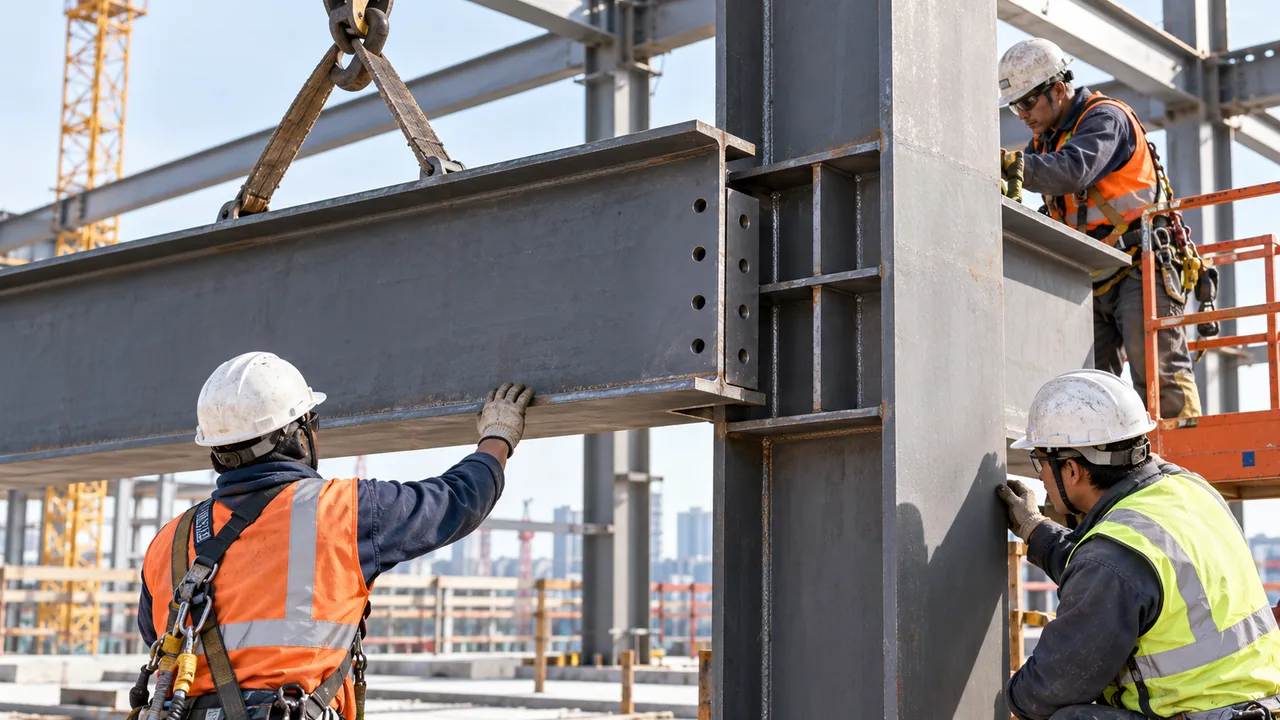
Site Construction and Erection
After fabrication and site preparation, steel structures are transported and erected according to approved installation procedures.
The erection process may include:
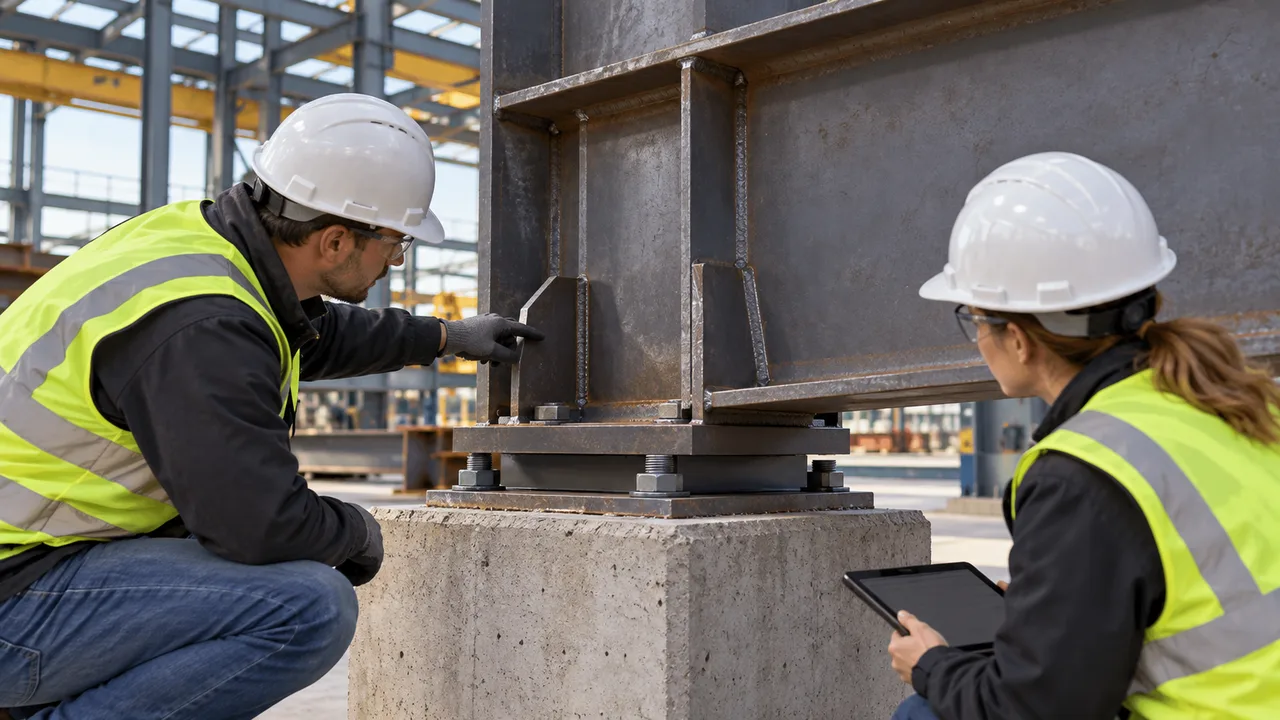
- Foundation coordination
- Column installation
- Beam placement
- Truss erection
- Final alignment and inspection
Proper construction management helps ensure safety and efficient project delivery.
Quality Control Throughout Construction
Material Verification
Quality assurance begins with verification of incoming materials. Material certifications, traceability systems, and inspection records help confirm compliance with project specifications.
Reliable material control supports consistent project quality.
Fabrication Inspection
Manufactured components undergo detailed inspections before shipment.
Inspection activities may include:
- Dimensional verification
- Surface inspection
- Fit-up inspection
- Documentation review
These procedures help identify issues before components reach the construction site.
Welding Quality Assurance
Welding quality is a critical element of infrastructure steel structure construction. Qualified welders and inspection teams help maintain structural integrity throughout production.
Inspection methods may include visual examination and non-destructive testing where required.
Construction Quality Management
Field inspections verify proper alignment, connection installation, structural stability, and compliance with approved engineering requirements.
Comprehensive quality management reduces risks and improves project outcomes.
Advantages of Infrastructure Steel Structure Construction
Fast Project Delivery
Prefabricated structural components allow fabrication and site preparation activities to occur simultaneously. This approach can significantly shorten project schedules.
Faster completion helps infrastructure assets become operational sooner.
High Structural Strength
Steel provides excellent strength while maintaining efficient material usage. This characteristic allows engineers to create robust structures capable of supporting demanding operational loads.
Long Span Capability
Many infrastructure facilities require large unobstructed spaces. Steel structures can achieve substantial spans while maintaining structural performance and design flexibility.
Durability and Reliability
Properly designed and protected steel structures can provide decades of reliable service. Corrosion protection systems and quality construction practices contribute to long-term durability.
Future Expansion Flexibility
Many infrastructure projects evolve over time. Steel structural systems can often accommodate future modifications, expansions, and upgrades with relative efficiency.
Industries and Sectors Served
Transportation
Airports, railway systems, transit stations, and transportation hubs rely extensively on steel infrastructure systems.
Government Infrastructure
Public facilities, civic buildings, and community infrastructure projects frequently utilize steel structures for durability and efficiency.
Energy and Utilities
Power facilities, utility corridors, substations, and energy-related projects often require specialized steel support structures.
Mining and Industrial Development
Mining operations and industrial facilities utilize steel infrastructure systems to support equipment, utilities, and production activities.
Public Facilities
Sports venues, convention centers, exhibition halls, and cultural facilities often rely on steel construction for large-span architectural solutions.
Why Choose XTD Steel Structure
Infrastructure Project Experience
XTD Steel Structure has experience supporting a variety of infrastructure developments across industrial, transportation, and public sectors.
Advanced Manufacturing Capabilities
Modern fabrication facilities equipped with CNC equipment and quality management systems help ensure consistent production quality.
Engineering Expertise
Professional engineering teams provide structural design support, fabrication optimization, and project coordination services.
International Project Delivery
XTD Steel Structure supports international infrastructure developments through integrated engineering, manufacturing, logistics coordination, and technical assistance services.
Frequently Asked Questions
What is infrastructure steel structure construction?
It is the process of designing, fabricating, and erecting steel structures used in transportation, public, industrial, and utility infrastructure projects.
What infrastructure projects use steel structures?
Common examples include bridges, stations, terminals, industrial platforms, pipe racks, exhibition halls, and public facilities.
Why are steel structures preferred for infrastructure?
Steel offers high strength, long-span capability, construction efficiency, and long-term durability.
How long do infrastructure steel structures last?
With proper engineering, protective systems, and maintenance, steel infrastructure structures can provide reliable service for many decades.
Start Your Infrastructure Project
Infrastructure steel structure construction provides a reliable foundation for transportation networks, public facilities, industrial developments, and utility systems. Through advanced engineering, precision manufacturing, and professional construction management, steel structures help deliver safe, durable, and efficient infrastructure assets.
Partnering with an experienced provider ensures high-quality execution, coordinated project delivery, and long-term value for infrastructure developments of every scale.