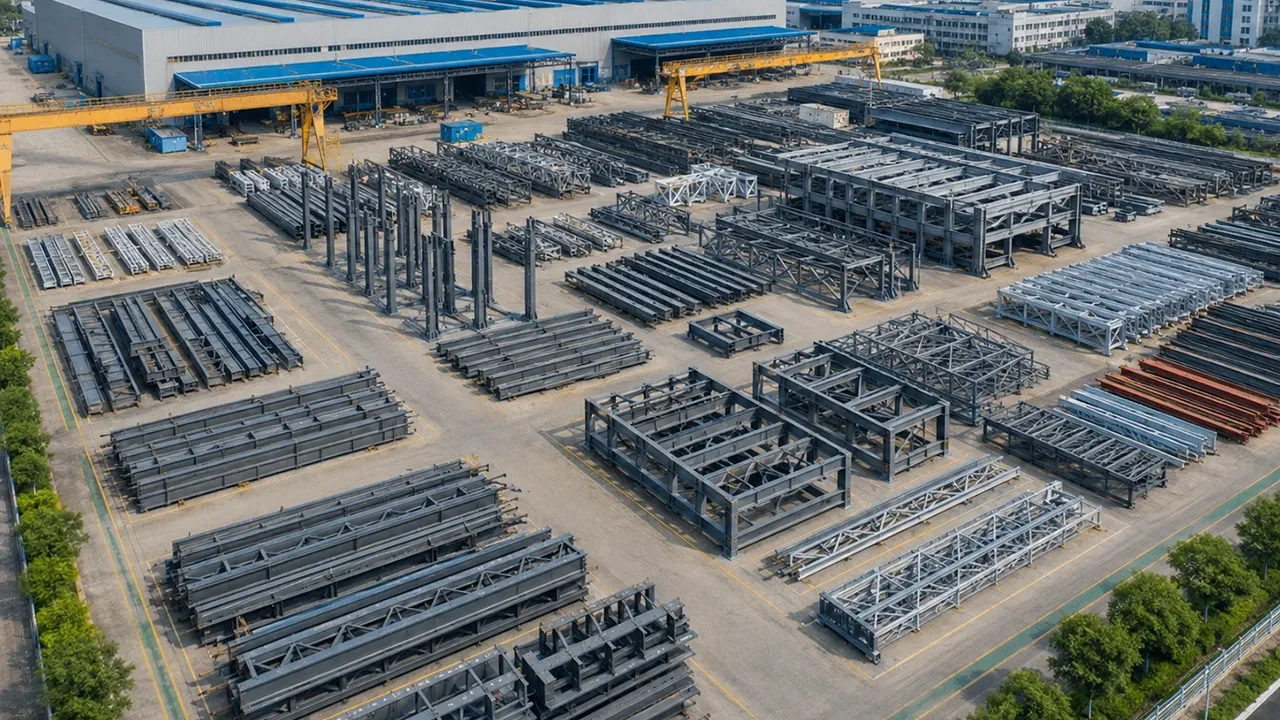
What Is a Steel Structure System Manufacturer?
A steel structure system manufacturer is a company that designs, fabricates, and supplies complete steel building systems rather than individual structural components. These systems include primary structural members, secondary framing, roof systems, wall systems, connection components, and supporting accessories required for building construction.
Unlike suppliers that focus only on specific components, system manufacturers provide integrated solutions designed to function as a complete building structure.
A typical steel structure system may include:
- Primary structural framing
- Secondary support systems
- Roof structures
- Wall systems
- Connection assemblies
- Protective coatings
- Installation documentation
This integrated approach helps improve project coordination and construction efficiency.
What Is Included in a Steel Structure System?
Primary Structural Frame
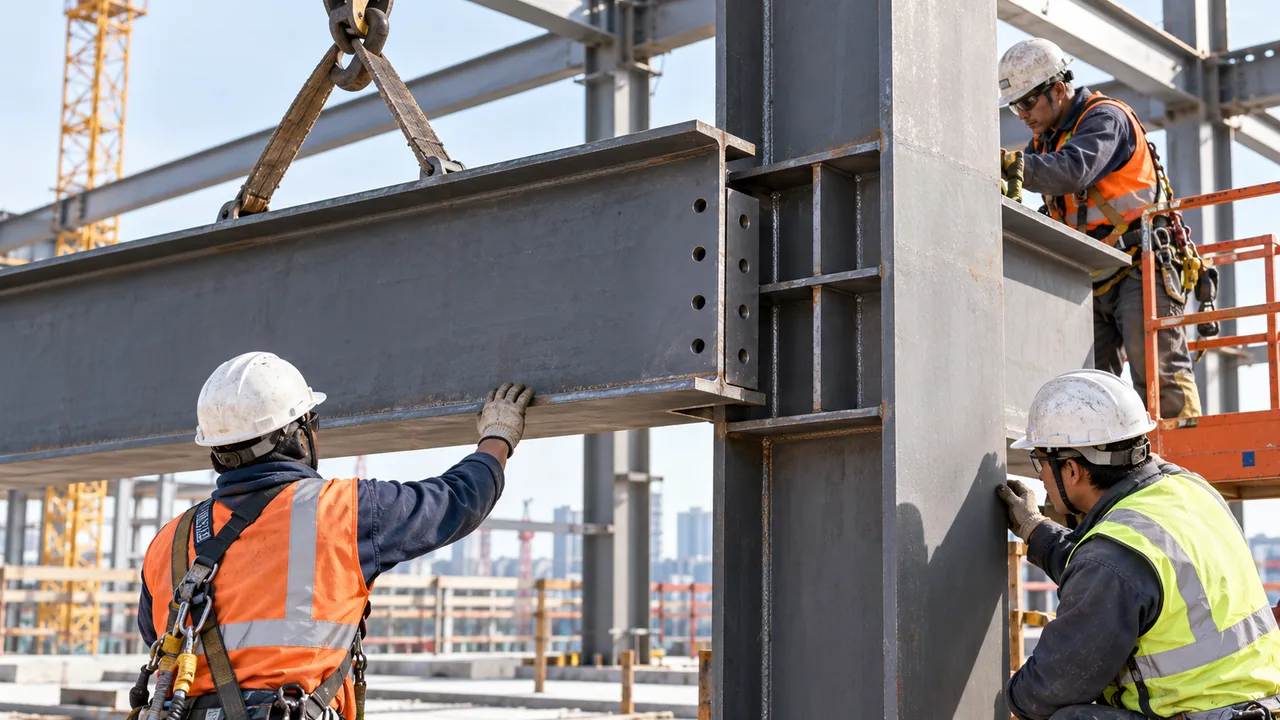
The primary frame forms the main load-bearing system of the building and provides overall structural stability.
Typical components include:
- Steel columns
- Steel beams
- Portal frames
- Rigid frame systems
- Long-span structural members
These components support roof systems, wall systems, operational equipment, and environmental loads.
Secondary Structural Members
Secondary framing distributes loads and supports building envelope systems.
Common components include:
- C purlins
- Z purlins
- Wall girts
- Eave struts
- Bracing systems
Properly designed secondary members contribute significantly to overall building performance.
Roof Systems
Roof systems protect the building interior while contributing to structural performance and environmental control.
Typical roof system components include:
- Roofing panels
- Insulation systems
- Skylights
- Drainage systems
- Roof accessories
Roof design can be customized according to climate conditions and operational requirements.
Wall Systems
Wall systems provide enclosure, protection, and energy efficiency for the completed structure.
Common wall system components include:
- Wall panels
- Metal cladding systems
- Insulated wall systems
- Weather barriers
- Architectural façade elements
Wall systems may be designed to satisfy performance, appearance, and insulation requirements.
Types of Steel Structure Systems Manufactured
Industrial Steel Structure Systems
Industrial facilities often require robust structural systems capable of supporting heavy equipment and demanding operations.
Applications include:
- Manufacturing plants
- Production facilities
- Processing plants
- Machinery workshops
- Industrial service buildings
Industrial systems are typically designed for durability, operational efficiency, and future expansion.
Warehouse Steel Structure Systems
Warehouse projects require efficient structural systems that maximize storage capacity and operational flexibility.
Common applications include:
- Distribution centers
- Logistics facilities
- Storage warehouses
- E-commerce fulfillment centers
- Cold storage facilities
Large-span steel systems help optimize warehouse operations and space utilization.
Commercial Steel Structure Systems
Commercial buildings utilize steel framing to achieve flexible layouts and efficient construction schedules.
Examples include:
- Office buildings
- Retail centers
- Exhibition halls
- Business parks
- Mixed-use developments
Steel structures support architectural flexibility while maintaining structural reliability.
Agricultural Steel Structure Systems
Agricultural operations benefit from steel systems that provide durability and cost-effective construction.
Applications may include:
- Agricultural storage buildings
- Equipment shelters
- Processing facilities
- Livestock buildings
- Farm support structures
Steel systems offer long-term performance in demanding agricultural environments.
Infrastructure Steel Structure Systems
Infrastructure projects frequently require specialized steel systems capable of supporting public and industrial functions.
Examples include:
- Transportation facilities
- Industrial corridors
- Utility buildings
- Public infrastructure structures
- Energy support facilities
These systems are often engineered to satisfy complex performance requirements.
Engineering Services Provided
Structural Design
Engineering teams develop structural solutions based on project requirements, operational needs, and environmental conditions.
Design services typically include:
- Load analysis
- Structural calculations
- Building optimization
- Material efficiency studies
Professional engineering helps improve safety, performance, and project value.
Shop Drawings
Detailed fabrication and installation drawings support accurate manufacturing and efficient site construction.
Documentation may include:
- Fabrication drawings
- Assembly drawings
- Connection details
- Installation references
Accurate documentation contributes to smoother project execution.
Connection Design
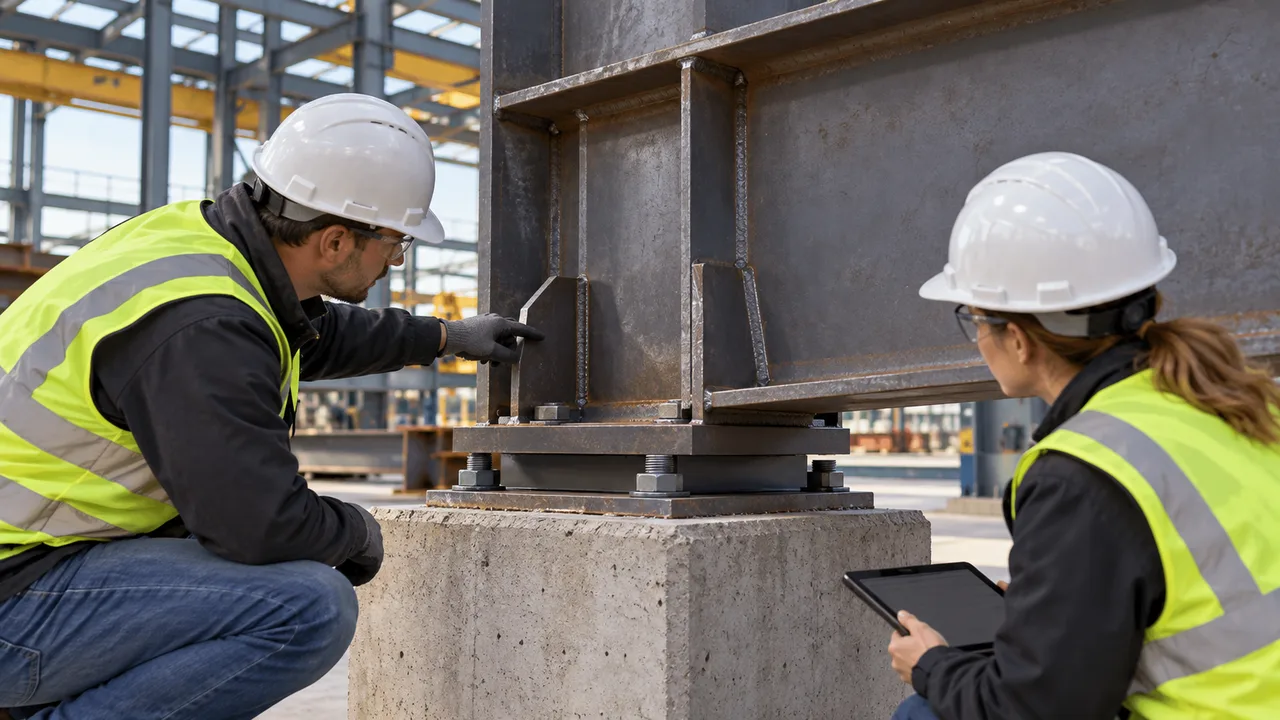
Connection systems play a critical role in structural integrity and overall building performance.
Common connection types include:
- Bolted connections
- Welded connections
- Moment connections
- Custom engineered connections
Connection design is developed according to project requirements and applicable standards.
Project-Specific Engineering
Every project presents unique structural and operational challenges.
Customized engineering solutions may address:
- Large spans
- Crane systems
- Heavy equipment support
- Special architectural requirements
- Future expansion needs
Tailored engineering helps ensure project success and long-term building performance.
Manufacturing Capabilities
Steel Processing
Modern manufacturing facilities utilize advanced equipment to achieve precise and efficient steel processing.
Typical operations include:
- CNC cutting
- Drilling
- Forming
- Plate processing
- Section preparation
Precision processing improves fabrication quality and dimensional accuracy.
Fabrication Operations
Fabrication transforms processed materials into finished structural components.
Key fabrication activities include:
- Welding
- Assembly
- Fit-up operations
- Dimensional verification
- Quality inspections
Consistent fabrication procedures support reliable project outcomes.
Surface Treatment
Protective treatments help extend structural service life and improve environmental resistance.
Options may include:
- Industrial painting
- Hot-dip galvanizing
- Protective coating systems
- Corrosion-resistant treatments
Treatment selection depends on environmental conditions and project specifications.
Packaging and Delivery
Proper packaging and logistics planning help ensure safe transportation and efficient site handling.
Logistics support may include:
- Export packaging
- Container planning
- Shipping coordination
- Delivery scheduling
Effective logistics contribute to successful project execution.
Quality Control in Steel Structure System Manufacturing
Material Verification
Incoming materials are inspected to verify compliance with project specifications and quality requirements.
Dimensional Inspection
Fabricated components undergo dimensional verification to ensure manufacturing accuracy.
Welding Quality Control
Welding procedures and inspections help maintain structural integrity throughout production.
Final Product Inspection
Completed systems undergo final review before packaging and shipment to confirm readiness for project delivery.
Benefits of Working with a Steel Structure System Manufacturer
Single Source Responsibility
Working with one supplier simplifies communication, accountability, and project coordination.
Better Project Coordination
Integrated engineering and manufacturing improve consistency throughout project execution.
Consistent Product Quality
System manufacturers maintain quality standards across all structural components.
Faster Project Execution
Coordinated production and logistics can help reduce overall project timelines.
Reduced Procurement Complexity
Obtaining a complete system from one source simplifies purchasing and supply management.
Industries Served
Manufacturing
Production facilities rely on integrated steel systems for efficient operations.
Logistics
Distribution and fulfillment centers benefit from large-span structural solutions.
Warehousing
Storage facilities require durable and flexible steel building systems.
Agriculture
Agricultural operations utilize steel systems for storage and operational support.
Energy and Infrastructure
Industrial and infrastructure projects frequently require specialized structural systems.
Why Choose XTD Steel Structure
Complete System Manufacturing
XTD Steel Structure provides integrated steel structure solutions covering engineering, fabrication, and project support.
Advanced Production Facilities
Modern manufacturing equipment supports precision fabrication and efficient production.
International Project Experience
XTD Steel Structure has supplied steel structure systems for projects across multiple international markets.
Engineering and Technical Support
Professional engineering teams assist clients throughout planning, manufacturing, and project execution.
Frequently Asked Questions
What does a steel structure system manufacturer provide?
A steel structure system manufacturer supplies complete building systems including structural framing, secondary members, roof systems, wall systems, and engineering support.
Can steel structure systems be customized?
Yes. Most systems are engineered according to project-specific requirements and operational needs.
What components are included in a steel structure system?
Components typically include primary framing, secondary framing, roofing systems, wall systems, and connection assemblies.
Do manufacturers provide engineering support?
Many manufacturers offer structural design assistance, shop drawings, technical consultation, and project support services.
Start Your Steel Structure System Project
Steel structure system manufacturer services provide an integrated approach to modern construction by combining engineering, manufacturing, quality control, and logistics support into a complete building solution. From industrial facilities and warehouses to commercial developments and infrastructure projects, professionally manufactured steel structure systems help improve efficiency, quality, and project performance.
Partnering with an experienced manufacturer such as XTD Steel Structure helps ensure reliable engineering, precision fabrication, efficient delivery, and long-term structural success.