What Is Steel Fabrication for Construction Industry?
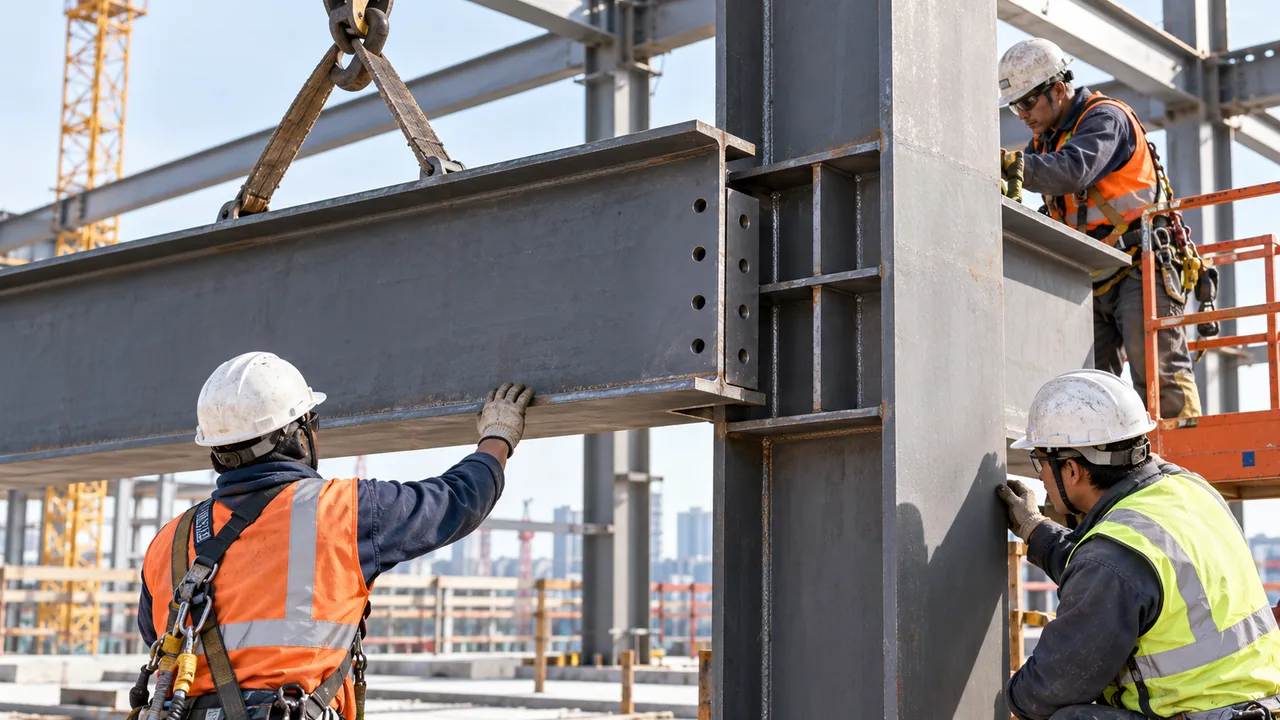
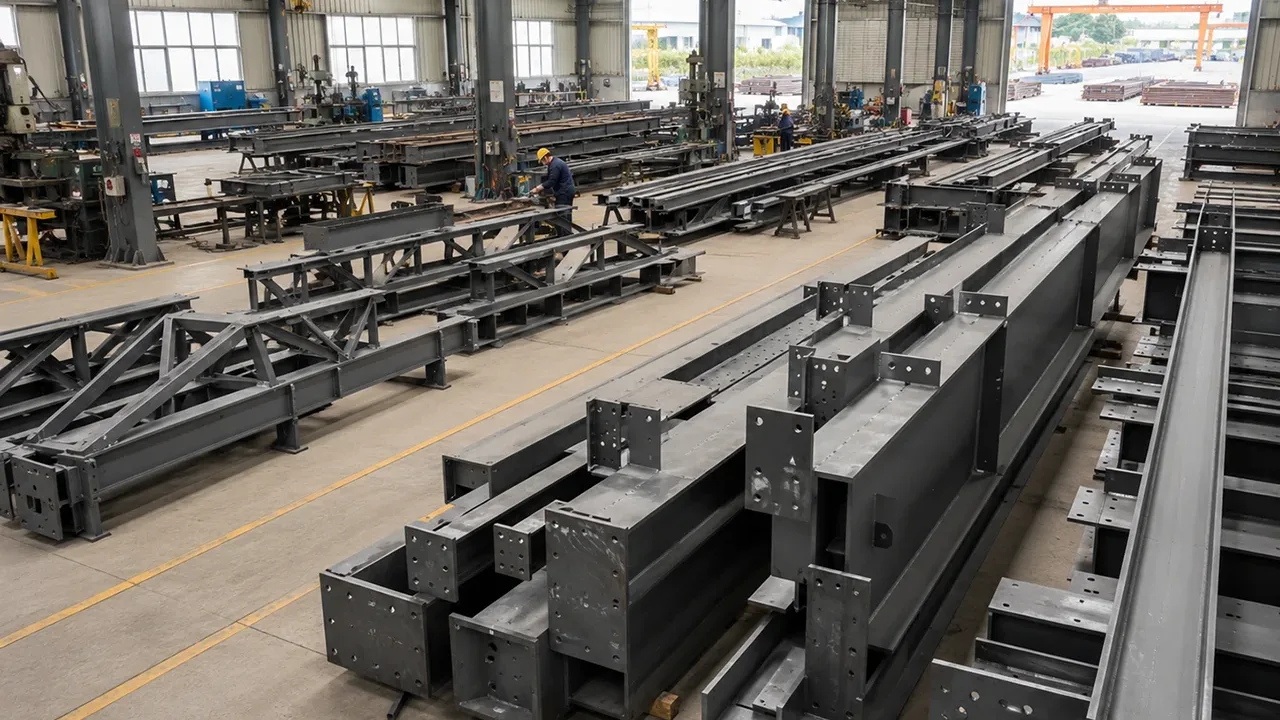
Steel fabrication for construction industry refers to the engineering, processing, manufacturing, assembly, and preparation of structural steel components used in construction projects. The fabrication process converts steel plates, sections, and other raw materials into finished products ready for installation on-site.
Steel fabrication supports nearly every stage of modern construction by providing structural elements that form the framework of buildings and infrastructure.
Typical fabricated products include:
- Steel columns
- Steel beams
- Steel trusses
- Steel frames
- Bracing systems
- Connection assemblies
These components are manufactured according to project-specific engineering requirements and building standards.
Why Steel Fabrication Is Essential in Construction
Structural Strength and Reliability
One of the primary reasons fabricated steel is widely used in construction is its exceptional strength-to-weight ratio and structural reliability.
Steel structures can support:
- Heavy building loads
- Industrial equipment
- Large-span roofs
- Multi-story buildings
- Infrastructure systems
Properly fabricated structural steel provides long-term stability and dependable performance throughout the life of a project.
Faster Construction Schedules
Construction schedules are often a major concern for developers and contractors. Fabricated steel helps accelerate project timelines through off-site manufacturing.
Benefits include:
- Reduced on-site labor
- Shorter installation periods
- Improved project coordination
- Faster building enclosure
- Earlier project completion
These advantages contribute to more efficient construction management.
Design Flexibility
Modern architecture and engineering frequently require customized structural solutions that can accommodate unique building designs.
Fabricated steel supports:
- Custom structural layouts
- Long-span systems
- Complex geometries
- Architectural features
- Future building modifications
This flexibility makes steel suitable for a wide range of construction applications.
Scalability for Large Projects
Large industrial and infrastructure developments often require significant quantities of structural steel components.
Fabrication facilities can support:
- High-volume production
- Multi-phase projects
- Large structural assemblies
- Complex engineering requirements
- International project delivery
Scalable manufacturing capabilities help ensure projects remain on schedule.
Types of Fabricated Steel Components Used in Construction
Structural Steel Columns
Steel columns provide the primary vertical support system for buildings and structural frameworks.
Their functions include:
- Supporting roof systems
- Carrying floor loads
- Transferring loads to foundations
- Maintaining structural stability
Column fabrication requires strict dimensional accuracy to ensure proper installation.
Structural Steel Beams
Steel beams distribute loads between columns and other structural elements.
Common beam applications include:
- Floor support systems
- Roof framing
- Industrial platforms
- Equipment support structures
Fabricated beams are engineered according to project load requirements.
Steel Trusses
Steel trusses provide efficient structural solutions for buildings requiring large clear spans.
Applications include:
- Warehouses
- Factories
- Aircraft hangars
- Sports facilities
- Transportation buildings
Trusses help maximize usable interior space while maintaining structural efficiency.
Steel Frames
Steel frames form the structural skeleton of many buildings and industrial facilities.
Steel framing systems provide:
- Structural stability
- Load transfer capability
- Design flexibility
- Future expansion opportunities
Frame fabrication requires close coordination between engineering and production teams.
Secondary Steel Components
In addition to primary structural members, fabrication facilities produce secondary components that support the overall structural system.
Examples include:
- Purlins
- Bracing systems
- Connection plates
- Steel stair systems
- Support assemblies
Although smaller than primary members, these components play an essential role in structural performance.
Construction Sectors Served
Industrial Buildings
Industrial construction relies heavily on fabricated steel for structural strength and operational flexibility.
Applications include:
- Manufacturing facilities
- Production plants
- Processing centers
- Industrial workshops
Warehouse Construction
Warehouses require large-span structures capable of supporting storage operations and logistics activities.
Fabricated steel supports:
- Distribution centers
- Logistics facilities
- Storage buildings
- E-commerce warehouses
Commercial Buildings
Commercial construction projects often use steel structures to create flexible floor plans and efficient building systems.
Examples include:
- Office buildings
- Retail centers
- Business complexes
- Mixed-use developments
Public Infrastructure
Infrastructure projects frequently require fabricated steel components designed to meet demanding operational requirements.
Applications include:
- Transportation terminals
- Public facilities
- Utility structures
- Infrastructure support systems
Institutional Projects
Educational and public service facilities benefit from steel structures because of their durability and flexibility.
Typical projects include:
- Schools
- Universities
- Training centers
- Community facilities
Steel Fabrication Process for Construction Projects
Engineering and Detailing
Every fabrication project begins with engineering analysis and detailed shop drawings that define production requirements.
Material Procurement
Certified steel materials are sourced according to project specifications and quality standards.
CNC Cutting and Processing
Advanced CNC equipment performs precision cutting, drilling, and shaping operations to achieve accurate dimensions.
Welding and Assembly
Qualified fabrication teams assemble components using controlled welding procedures and inspection protocols.
Surface Treatment
Protective systems such as painting and galvanizing help improve durability and corrosion resistance.
Packaging and Delivery
Completed components are packaged and prepared for transportation according to project schedules and site requirements.
Engineering Requirements in Construction Steel Fabrication
Structural Load Requirements
Fabricated steel components must safely support all anticipated building and operational loads.
Building Code Compliance
Engineering teams ensure all fabricated components meet applicable construction standards and regulations.
Connection Design
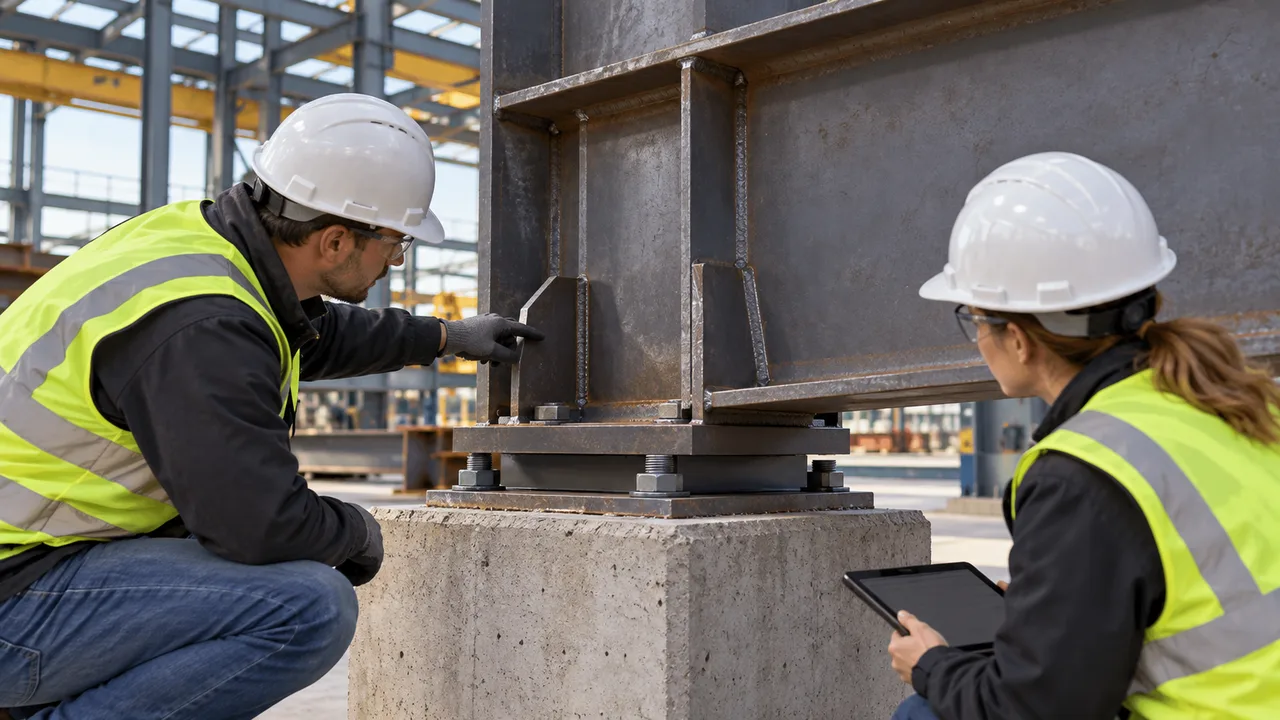
Connections play a critical role in structural performance and must be carefully engineered and fabricated.
Corrosion Protection
Protective coatings are selected based on environmental exposure and project service conditions.
Installation Efficiency
Fabrication processes are optimized to simplify on-site assembly and reduce installation time.
Quality Control During Fabrication
Material Inspection
Incoming materials are verified to ensure compliance with project specifications.
Dimensional Accuracy Verification
Measurements and inspections confirm fabrication accuracy before shipment.
Welding Inspection
Weld quality is monitored throughout production using established inspection procedures.
Surface Quality Control
Protective coatings and surface treatments are inspected to ensure proper coverage and performance.
Documentation and Traceability
Production records help maintain traceability and quality assurance throughout the fabrication process.
Advantages of Steel Fabrication for Construction Industry
Reduced Construction Time
Prefabricated components accelerate installation and reduce overall project schedules.
Improved Quality Consistency
Controlled factory environments support consistent manufacturing standards.
Better Cost Control
Efficient fabrication processes help optimize labor, material usage, and project coordination.
Enhanced Structural Performance
Precision-engineered components contribute to stronger and more reliable structures.
Long-Term Durability
Properly fabricated steel structures provide decades of dependable service with minimal maintenance.
Why Choose XTD Steel Structure
Extensive Construction Industry Experience
XTD Steel Structure has experience supporting industrial, commercial, warehouse, and infrastructure projects across international markets.
Advanced Fabrication Facilities
Modern manufacturing equipment supports efficient production and precision fabrication.
Professional Engineering Support
Engineering teams provide technical assistance throughout project planning, fabrication, and delivery.
Global Project Delivery Capability
XTD Steel Structure offers integrated support from engineering and manufacturing through logistics and project execution.
Frequently Asked Questions
What is steel fabrication in construction?
Steel fabrication is the process of converting raw steel materials into engineered structural components used in construction projects.
Which construction projects require fabricated steel?
Industrial buildings, warehouses, commercial facilities, infrastructure projects, and institutional developments commonly use fabricated steel.
How does fabrication improve construction efficiency?
Off-site manufacturing reduces on-site work, improves quality control, and accelerates project schedules.
What quality controls are used during steel fabrication?
Material inspections, dimensional verification, welding inspections, and documentation systems help ensure quality throughout production.
Start Your Construction Steel Fabrication Project
Steel fabrication for construction industry provides the structural foundation for modern buildings and infrastructure. High-quality fabrication improves construction efficiency, enhances structural performance, and supports successful project delivery.
By partnering with an experienced manufacturer such as XTD Steel Structure, project owners gain access to professional engineering, advanced fabrication capabilities, quality assurance systems, and reliable global project support.