What Is a High Capacity Steel Manufacturer?
A high capacity steel manufacturer is a company capable of producing large volumes of structural steel components through integrated engineering, fabrication, quality management, and logistics systems. Unlike smaller fabrication workshops that focus on limited production runs, high-capacity manufacturers are equipped to handle multiple large-scale projects simultaneously while maintaining production efficiency.
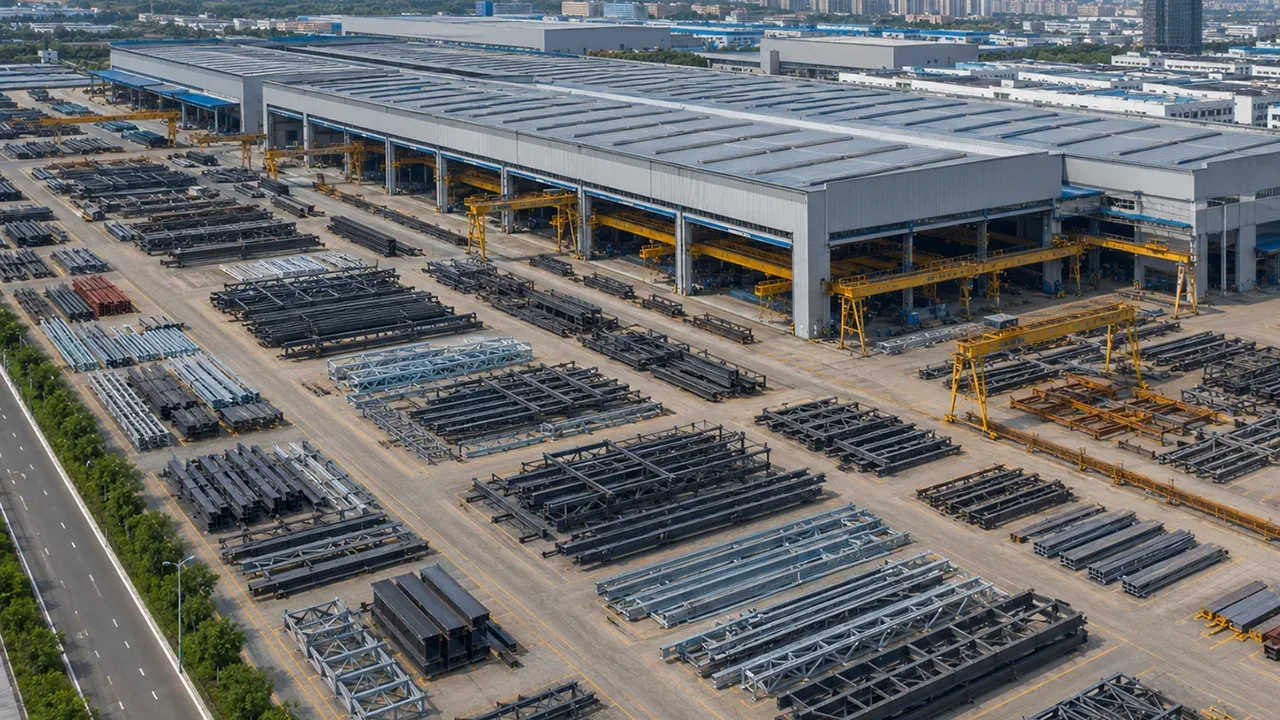
These manufacturers typically operate modern production facilities designed for continuous manufacturing and optimized workflow management.
Their operations often include:
- Large-scale fabrication workshops
- High-output production lines
- Advanced CNC processing equipment
- Automated welding systems
- Dedicated engineering departments
- Comprehensive quality assurance systems
These capabilities allow manufacturers to deliver structural steel for projects ranging from standard industrial buildings to highly customized engineering applications.
Core Manufacturing Capabilities
Large Production Capacity
The defining advantage of a high capacity steel manufacturer is the ability to maintain stable production while supporting multiple projects at the same time.
Production strengths include:
- High-volume steel fabrication
- Simultaneous project execution
- Stable manufacturing schedules
- Efficient production planning
- Reliable project delivery
Large production capacity helps contractors reduce scheduling risks and maintain construction progress.
Advanced Manufacturing Equipment
Modern fabrication facilities rely on advanced equipment to maximize precision, consistency, and productivity.
Typical equipment includes:
- CNC flame and plasma cutting machines
- CNC drilling systems
- Automatic welding lines
- Robotic fabrication equipment
- Heavy-duty assembly stations
- Shot blasting and painting lines
Automation improves production speed while maintaining strict dimensional accuracy throughout the manufacturing process.
Efficient Production Management
High-capacity manufacturing depends on effective production planning as much as physical equipment.
Production management typically includes:
- Material planning
- Production scheduling
- Capacity allocation
- Workflow optimization
- Inventory coordination
- Delivery scheduling
These management systems help maintain consistent output across multiple concurrent projects.
Skilled Engineering and Production Teams
Experienced engineers, production specialists, and quality professionals play a critical role in supporting large manufacturing operations.
Technical teams are responsible for:
- Structural engineering coordination
- Shop drawing preparation
- Fabrication planning
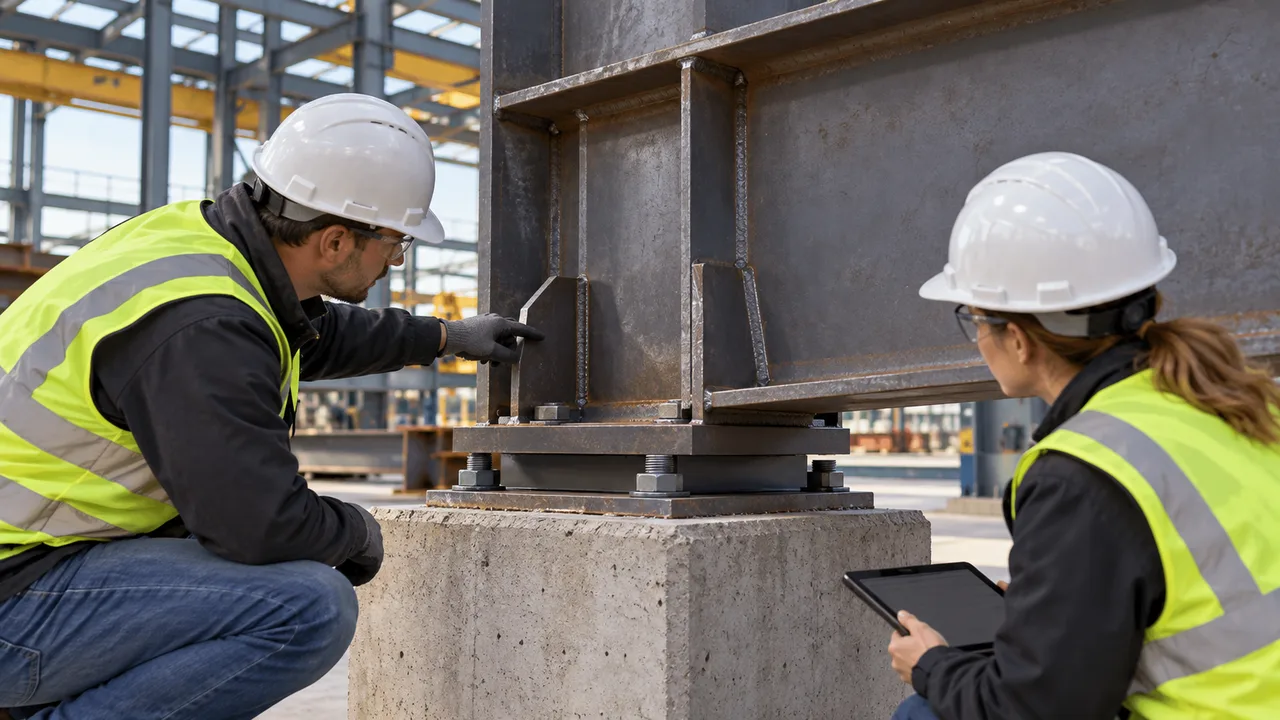
- Quality inspections
- Production supervision
- Technical support
Strong engineering support helps ensure that every fabricated component meets project specifications.
Steel Products Manufactured
Structural Steel Frames
Structural frames form the foundation of industrial, commercial, and infrastructure buildings.
Applications include:
- Factory buildings
- Warehouses
- Logistics centers
- Industrial facilities
- Commercial buildings
High-capacity production allows complete structural framing systems to be fabricated efficiently.
Steel Columns and Beams
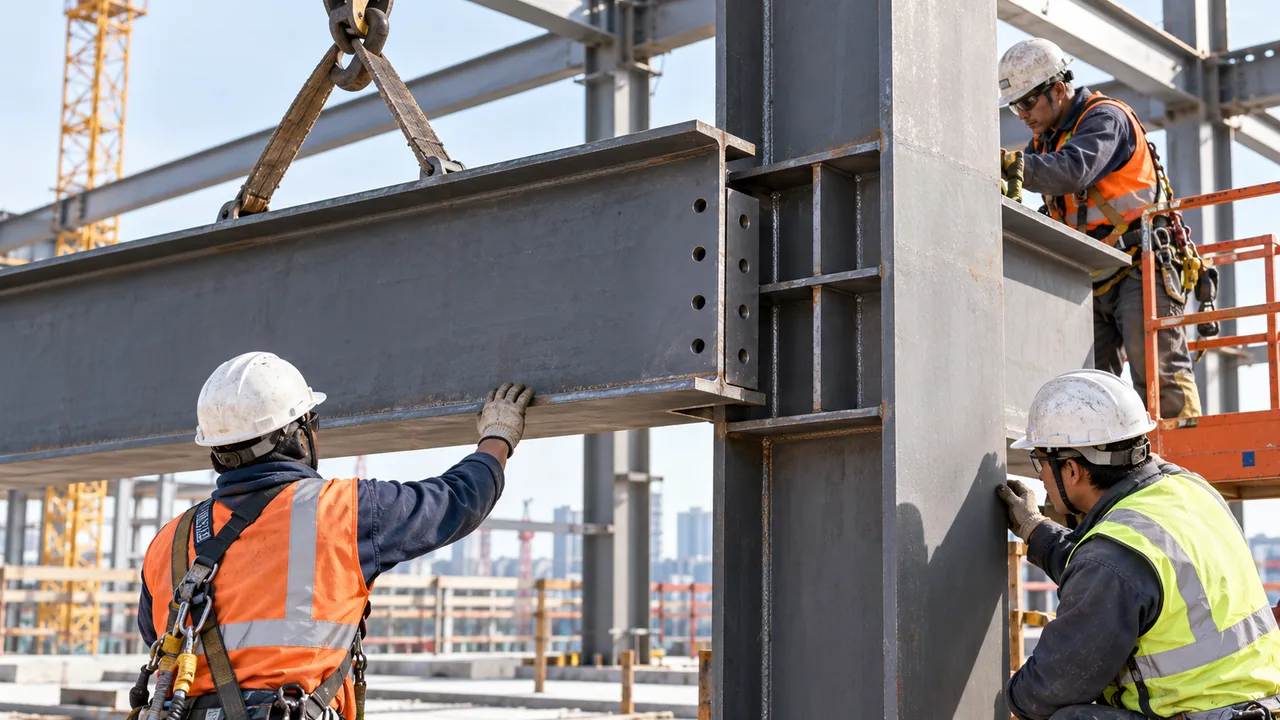
Columns and beams provide the primary load-bearing framework of steel buildings.
Manufactured products may include:
- Wide flange beams
- Heavy steel columns
- Built-up members
- Plate girders
- Custom fabricated sections
Precision fabrication ensures reliable structural performance during installation and service.
Steel Trusses
Steel trusses are widely used for long-span roofs and specialized structural applications.
They provide:
- Large clear spans
- Efficient load distribution
- Reduced structural weight
- Architectural flexibility
High-capacity fabrication facilities can manufacture both standard and custom truss systems.
Portal Frame Systems
Portal frames remain one of the most common structural systems for industrial construction.
Typical applications include:
- Warehouse buildings
- Factory buildings
- Manufacturing plants
- Distribution centers
- Storage facilities
Portal frame systems combine structural efficiency with economical construction.
Secondary Steel Components
Complete building systems also require numerous secondary steel products.
These include:
- Purlins
- Bracing systems
- Connection plates
- Support members
- Structural accessories
Producing all structural components within one manufacturing system improves project coordination and quality consistency.
Industries Served
Manufacturing
Manufacturing plants require durable structural systems capable of supporting heavy equipment, production lines, and future facility expansion.
Warehousing and Logistics
Distribution centers and logistics facilities benefit from large-span steel structures that maximize storage capacity and operational efficiency.
Mining
Mining projects require heavy-duty structural steel capable of supporting processing equipment, conveyor systems, and maintenance facilities.
Energy
Power generation and energy infrastructure projects depend on reliable structural steel for equipment support and industrial operations.
Infrastructure
Transportation facilities, bridges, public buildings, and utility projects require high-quality structural steel manufactured to strict engineering standards.
Commercial Construction
Commercial developments utilize steel structures for office buildings, exhibition halls, shopping facilities, and mixed-use developments where speed and flexibility are essential.