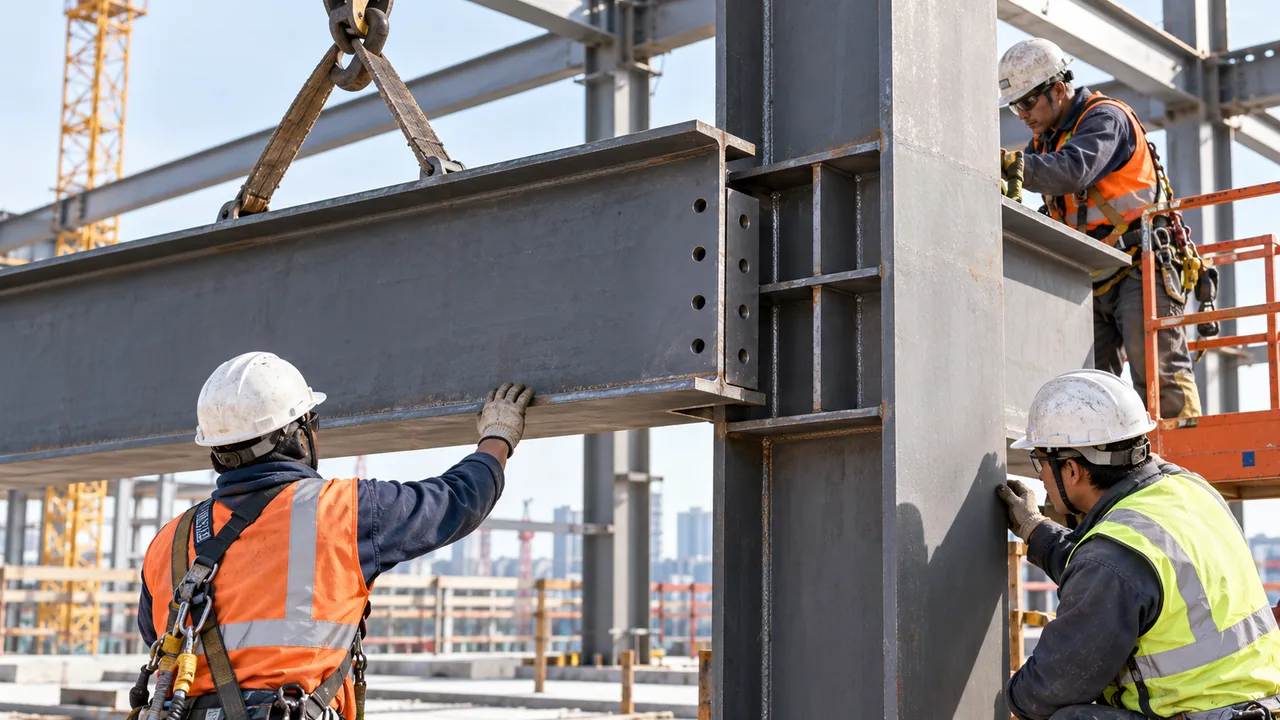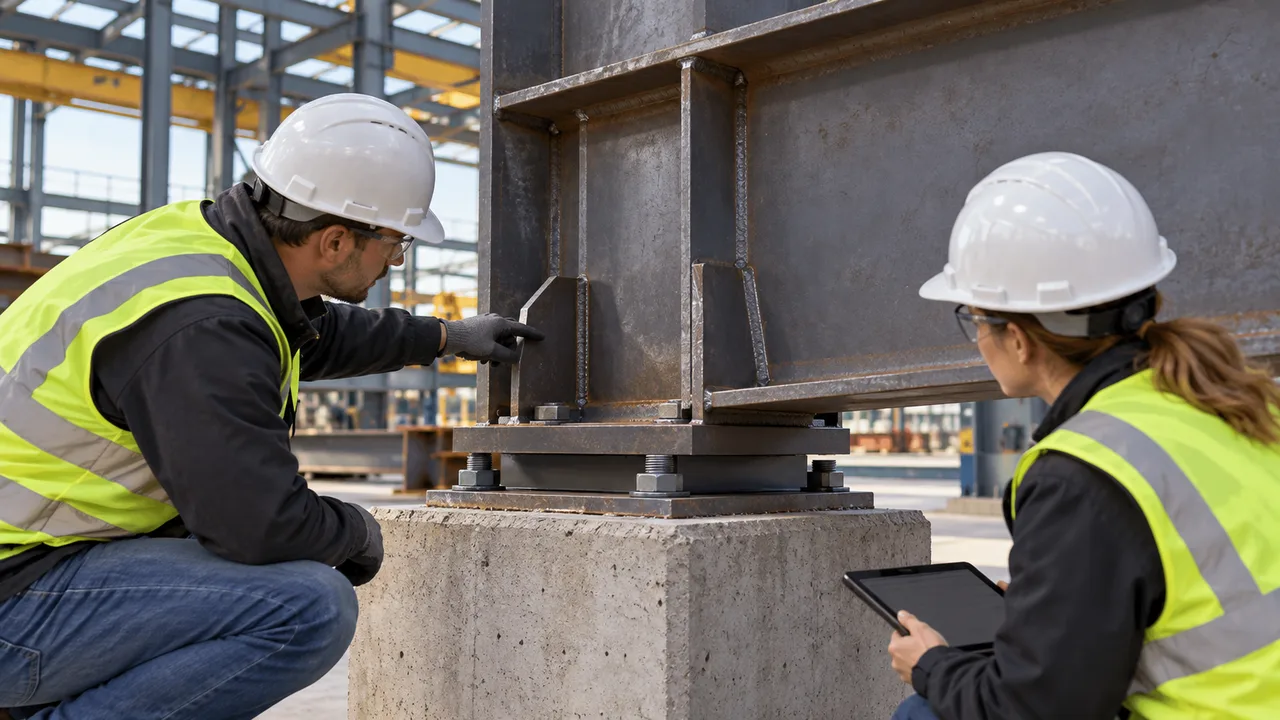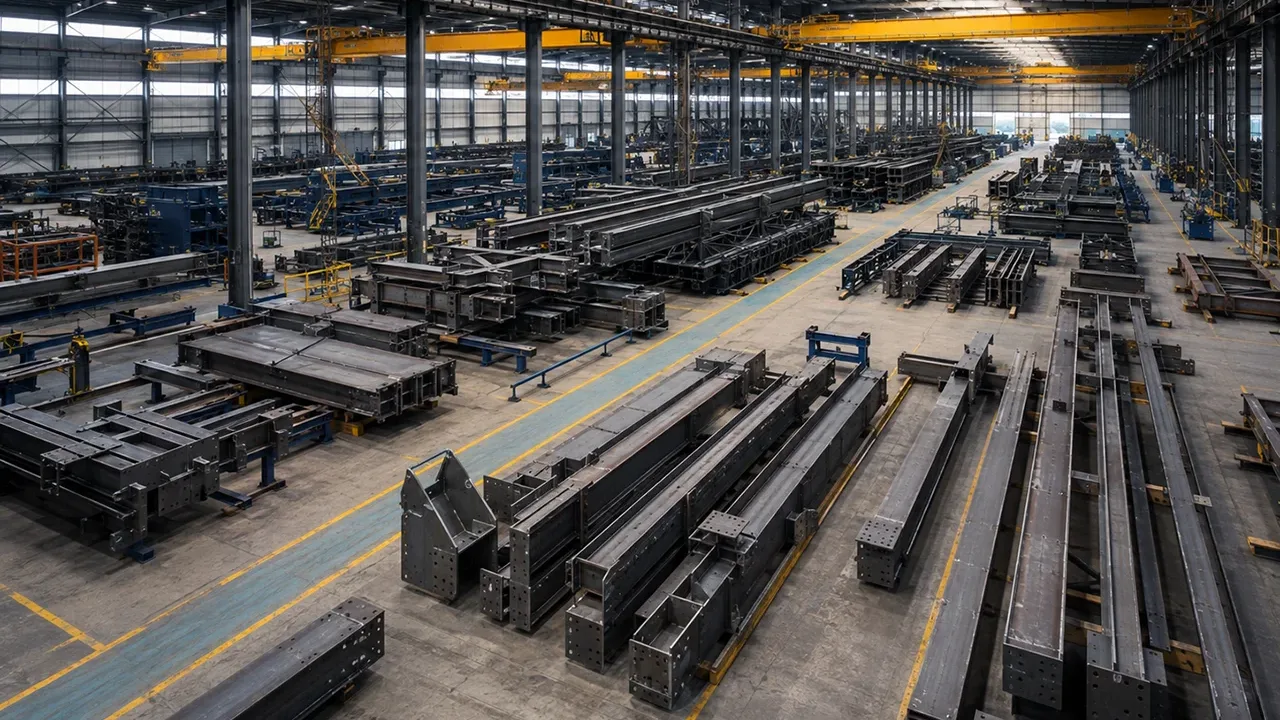
What Is High Capacity Steel Fabrication?
High capacity steel fabrication refers to the large-scale manufacturing of structural steel components using advanced production facilities, automated equipment, and organized production management systems. Unlike small fabrication workshops that focus on limited production volumes, high-capacity manufacturers are designed to process significant quantities of structural steel while maintaining strict quality standards.
Large-scale fabrication combines engineering expertise with efficient production planning to manufacture steel components for complex construction projects.
A typical high-capacity fabrication operation includes:
- Engineering review and production planning
- Large-scale material procurement
- Automated CNC cutting and drilling
- Precision welding and assembly
- Surface treatment and corrosion protection
- Comprehensive quality inspection
- Packaging and international shipping preparation
Every stage is carefully coordinated to maximize productivity while ensuring each component meets engineering requirements.
Why High Fabrication Capacity Matters
Supporting Large Construction Projects
Large industrial developments often require thousands of tons of fabricated structural steel delivered according to strict construction schedules. Manufacturers with high production capacity can fabricate numerous structural components simultaneously, preventing delays that could impact the overall project.
High-capacity fabrication supports:
- Multi-building industrial complexes
- Large warehouse developments
- Manufacturing plants
- Infrastructure projects
- Mining facilities
The ability to process multiple production batches simultaneously helps contractors maintain continuous construction progress.
Faster Project Delivery
Production capacity directly influences project delivery time. Modern fabrication facilities utilize automated equipment and optimized production scheduling to manufacture steel components more efficiently.
Benefits include:
- Reduced production lead times
- Continuous manufacturing operations
- Higher daily production output
- Improved scheduling flexibility
- Reliable project delivery
Faster fabrication allows construction teams to begin installation earlier and maintain project timelines.
Consistent Product Quality
Large manufacturing facilities implement standardized production procedures across every fabrication stage.
Quality consistency is achieved through:
- Automated CNC equipment
- Standard operating procedures
- Digital production monitoring
- Experienced fabrication personnel
- Systematic inspection processes
These systems help ensure that every fabricated component meets the same engineering and quality requirements regardless of production volume.
Improved Supply Chain Management
High-capacity steel fabrication requires effective coordination between engineering, procurement, manufacturing, quality control, and logistics.
Well-organized production management provides:
- Efficient material planning
- Inventory optimization
- Production scheduling
- Delivery coordination
- Export logistics management
Integrated supply chain management reduces production interruptions while supporting reliable international project delivery.
High Capacity Steel Fabrication Process
Engineering Review
Every project begins with a detailed engineering review to evaluate drawings, material specifications, fabrication complexity, and production schedules.
Engineering activities include:
- Drawing verification
- Connection review
- Material planning
- Production sequencing
- Manufacturing optimization
Comprehensive planning establishes an efficient production workflow before fabrication begins.
Material Procurement
Reliable production depends on stable raw material supply.
Material management typically includes:
- Structural steel sourcing
- Material certification verification
- Inventory control
- Storage management
- Traceability documentation
Proper material planning minimizes production delays while maintaining consistent manufacturing quality.
Automated CNC Processing
Modern fabrication facilities utilize CNC technology to improve precision and production efficiency.
Automated processing includes:
- CNC plasma cutting
- CNC flame cutting
- CNC drilling
- Beam processing
- Plate machining
Automation reduces manual errors while ensuring dimensional accuracy across high production volumes.
Assembly and Welding
Fabricated steel components are assembled and welded according to qualified welding procedures and engineering specifications.
Production operations include:
- Component fit-up
- Structural welding
- Dimensional verification
- Weld inspection
- Assembly correction
Experienced welders and inspection personnel maintain consistent fabrication quality throughout production.
Surface Treatment
Protective surface treatment improves corrosion resistance and extends structural service life.
Common treatments include:
- Shot blasting
- Industrial painting
- Hot-dip galvanizing
- Protective coating systems
- Surface quality inspection
The appropriate protection system is selected according to project specifications and environmental conditions.
Final Inspection
Before shipment, all fabricated components undergo comprehensive quality inspections.
Inspection procedures include:
- Dimensional measurement
- Weld quality inspection
- Surface coating verification
- Component identification
- Packing inspection
Final quality verification ensures fabricated steel components are ready for transportation and installation.
Products Manufactured at High Capacity
Structural Steel Frames
Large fabrication facilities manufacture complete structural framing systems for industrial and commercial buildings.
Steel Columns
Precision-fabricated columns support heavy structural loads while maintaining strict dimensional tolerances.
Steel Beams
Primary and secondary beams are produced for various structural applications using automated production equipment.
Roof Trusses
High-capacity production supports the fabrication of large-span roof trusses for warehouses, factories, and public buildings.
Portal Frames
Portal frame systems are manufactured for industrial buildings requiring efficient construction and large clear spans.
Custom Steel Components
Complex fabricated components can be produced according to project-specific engineering requirements and custom designs.
Industries Served
High-capacity steel fabrication supports numerous industries, including:
- Manufacturing plants
- Logistics warehouses
- Mining facilities
- Infrastructure construction
- Commercial developments
Each industry benefits from reliable production capacity, consistent quality, and efficient project delivery.
Advantages of High Capacity Steel Fabrication
- Shorter manufacturing lead times
- Higher production efficiency
- Capability to support large-volume projects
- Consistent product quality
- Reliable international project supply
- Improved project scheduling
- Reduced production bottlenecks
Quality Control in Large-Scale Fabrication
Quality assurance remains essential regardless of production volume. Comprehensive quality systems include:
- Material traceability
- CNC process verification
- Welding inspections
- Production monitoring
- Final quality assurance
These procedures help ensure that every fabricated component satisfies project specifications before shipment.
Why Choose XTD Steel Structure
XTD Steel Structure combines advanced manufacturing equipment with organized production management to support high-volume steel fabrication projects worldwide. From engineering review and CNC processing to welding, inspection, and export logistics, every production stage is carefully managed to deliver reliable structural steel components for industrial, commercial, logistics, mining, and infrastructure developments.
“`