What Is Light Steel Fabrication?
Definition of Light Steel Fabrication
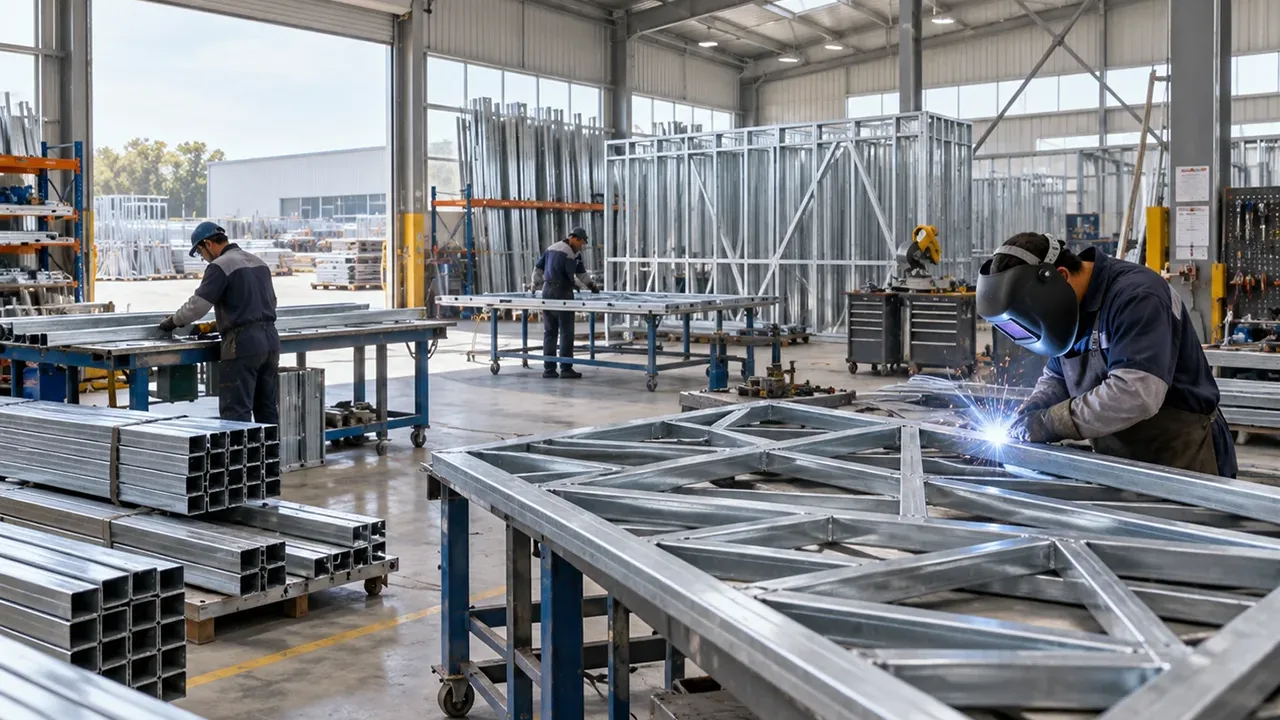
Light steel fabrication refers to the production of structural and non-structural steel components with relatively low individual weight and efficient section geometry. These components may be cold-formed, cut from light steel sections, assembled from plates and profiles, or manufactured as part of a complete framing package.
The process is commonly used for purlins, girts, studs, tracks, small beams, light columns, bracing members, roof framing, wall framing, modular building elements, and customized secondary steel components.
Characteristics of Light Steel Components
Light steel systems are designed to provide useful structural capacity with reduced material weight. Typical characteristics include:
- Thin or moderately thick steel sections
- High strength-to-weight efficiency
- Repeatable profiles and connection patterns
- Fast factory production
- Easy handling and transportation
- Compatibility with prefabricated construction
Although individual components are lighter, they still require controlled fabrication because they often form interconnected systems where alignment and consistency are critical.
Advantages Compared with Heavy Steel Fabrication
Heavy steel fabrication is necessary for major load-bearing frames, long-span trusses, crane structures, and large industrial components. Light fabrication serves a different purpose by producing components that can reduce overall building weight, simplify logistics, and accelerate installation.
The two methods are often used together. Heavy primary frames may support lighter purlins, wall members, bracing, and enclosure framing manufactured as part of the same project package.
Our Light Steel Fabrication Capabilities
Engineering Review
Manufacturing begins with a review of customer drawings, dimensions, steel grades, section types, hole patterns, connection details, coating requirements, and delivery priorities. This stage helps identify missing information or potential production issues before material processing begins.
For customized components, engineering coordination may also address allowable tolerances, assembly sequence, packaging groups, and compatibility with primary steel structures or building enclosure systems.
CNC Cutting and Processing
CNC equipment supports accurate cutting, drilling, slotting, profiling, and plate preparation. Digital processing improves repeatability across large batches and reduces manual marking errors.
This is especially valuable for projects containing hundreds or thousands of similar components that must maintain consistent dimensions and connection locations.
Forming and Assembly
Cold forming and controlled section preparation can be used to manufacture C sections, Z sections, channels, tracks, studs, and other efficient profiles. Components are then assembled according to approved production information.
Forming accuracy is important because section geometry affects fit-up, stiffness, connection alignment, and final installation performance.
Precision Welding
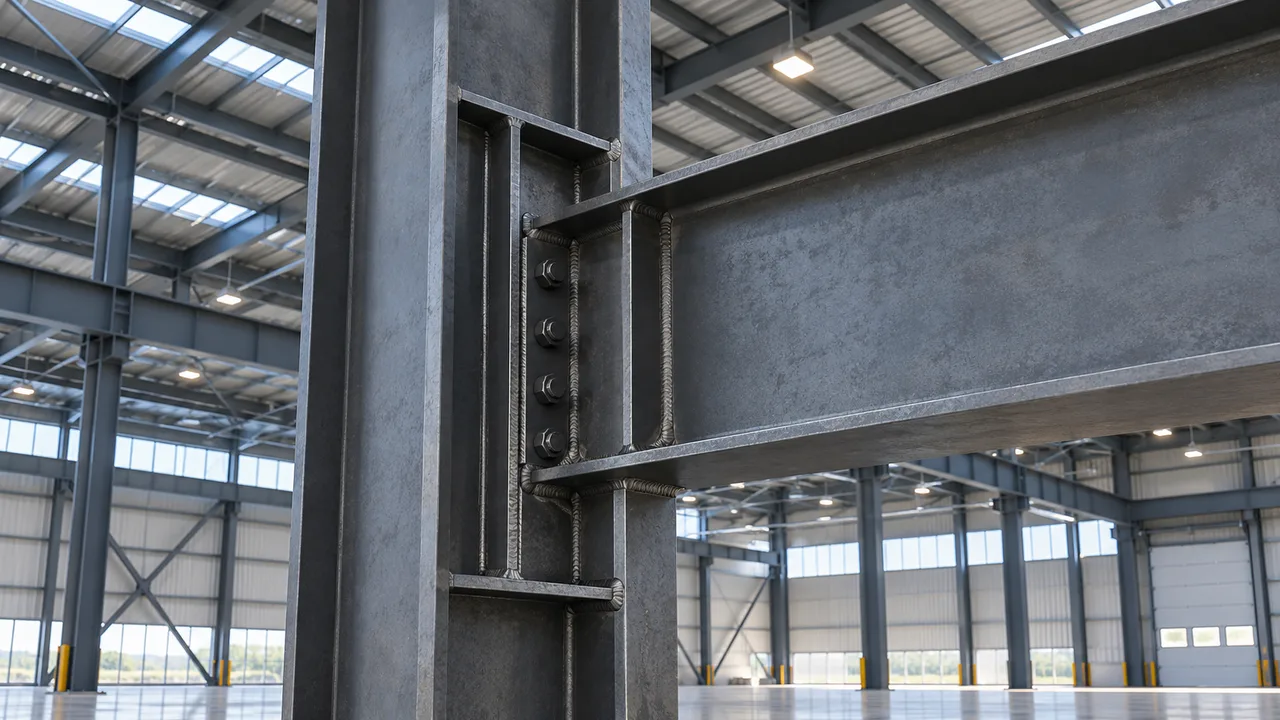
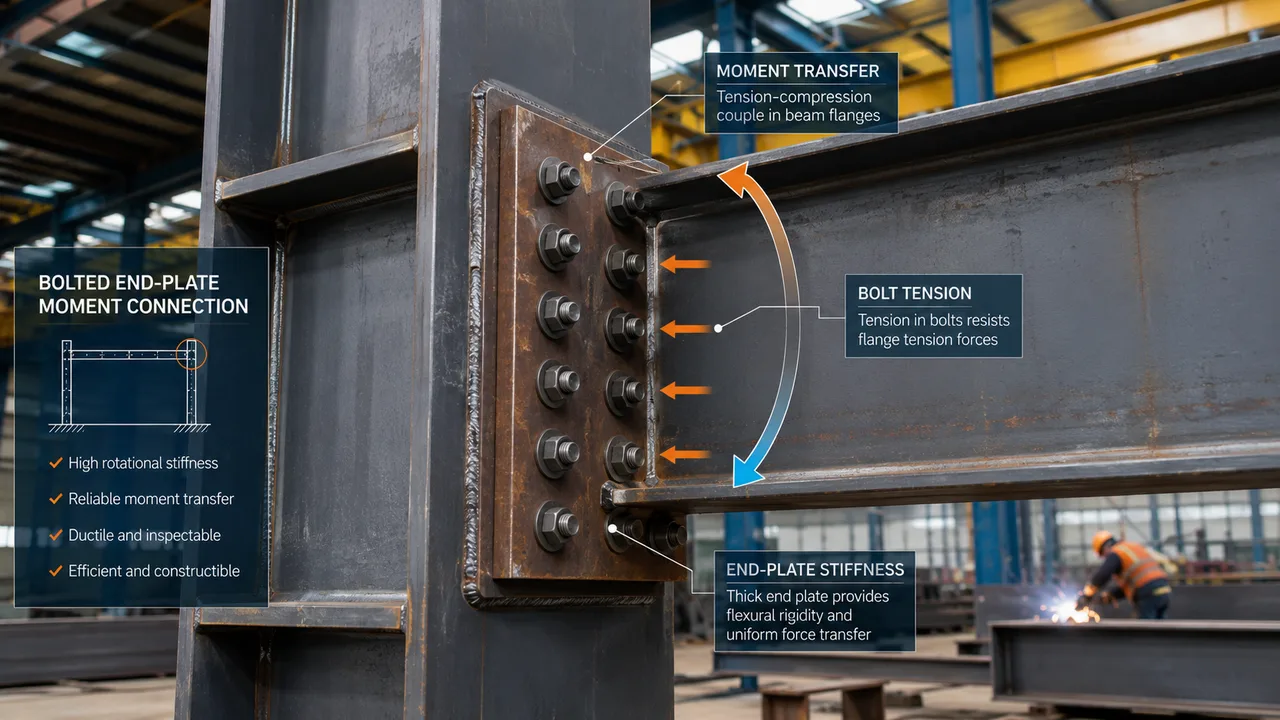
Some light steel components require welded end plates, stiffeners, brackets, cleats, connection plates, or custom assemblies. Welding procedures and production sequences are selected to maintain joint quality without causing unnecessary distortion.
Dimensional checks during fabrication help confirm that welded components remain within the required tolerances.
Surface Treatment
Surface protection can be adapted to the building environment and project specification. Available options may include:
- Shop primer systems
- Industrial paint coatings
- Anti-corrosion finishes
- Hot-dip galvanizing where suitable
- Pre-galvanized sections for selected applications
The correct protection system helps extend service life, particularly in humid, agricultural, coastal, or industrial environments.
Component Identification and Packaging
Finished components can be marked according to project numbers, installation zones, frame lines, building sections, or customer-defined identification systems. Clear marking simplifies unloading, sorting, and site installation.
Packaging is organized according to component size, surface protection, transportation method, and erection sequence.
Light Steel Components We Manufacture
C Purlins
C purlins are widely used as secondary roof and wall members in steel buildings. They can support roof sheeting, wall cladding, insulation systems, and other building envelope components.
Hole patterns, lengths, thicknesses, and connection details can be customized according to structural drawings.
Z Purlins
Z purlins are often selected for continuous roof systems because overlapping sections can provide efficient load transfer across multiple frames. They are commonly used in warehouses, factories, workshops, and agricultural buildings.
Steel Studs and Tracks
Steel studs and tracks are used for light framing, partitions, modular walls, internal enclosures, and selected external wall systems. Factory production helps maintain consistent spacing, section shape, and connection compatibility.
Roof and Wall Framing Components
Light roof and wall framing may include girts, rails, edge members, framing around openings, eave components, and supports for panels, doors, windows, or service installations.
Bracing Members
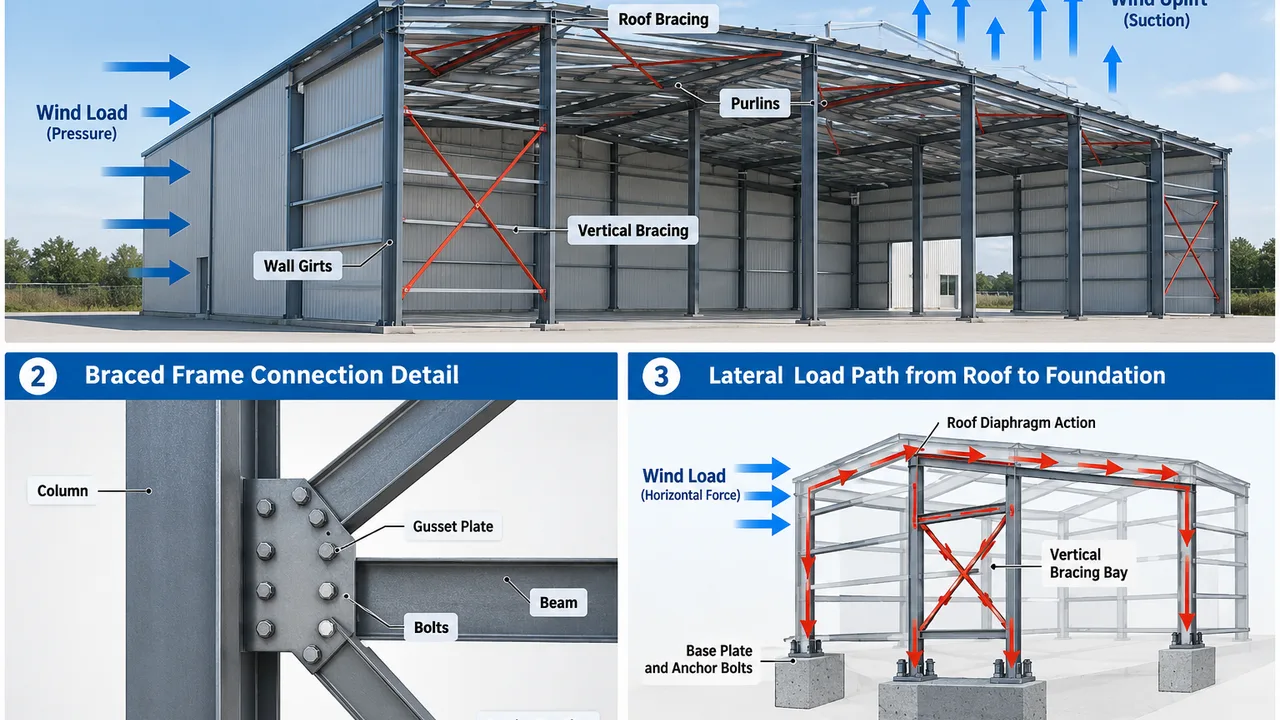
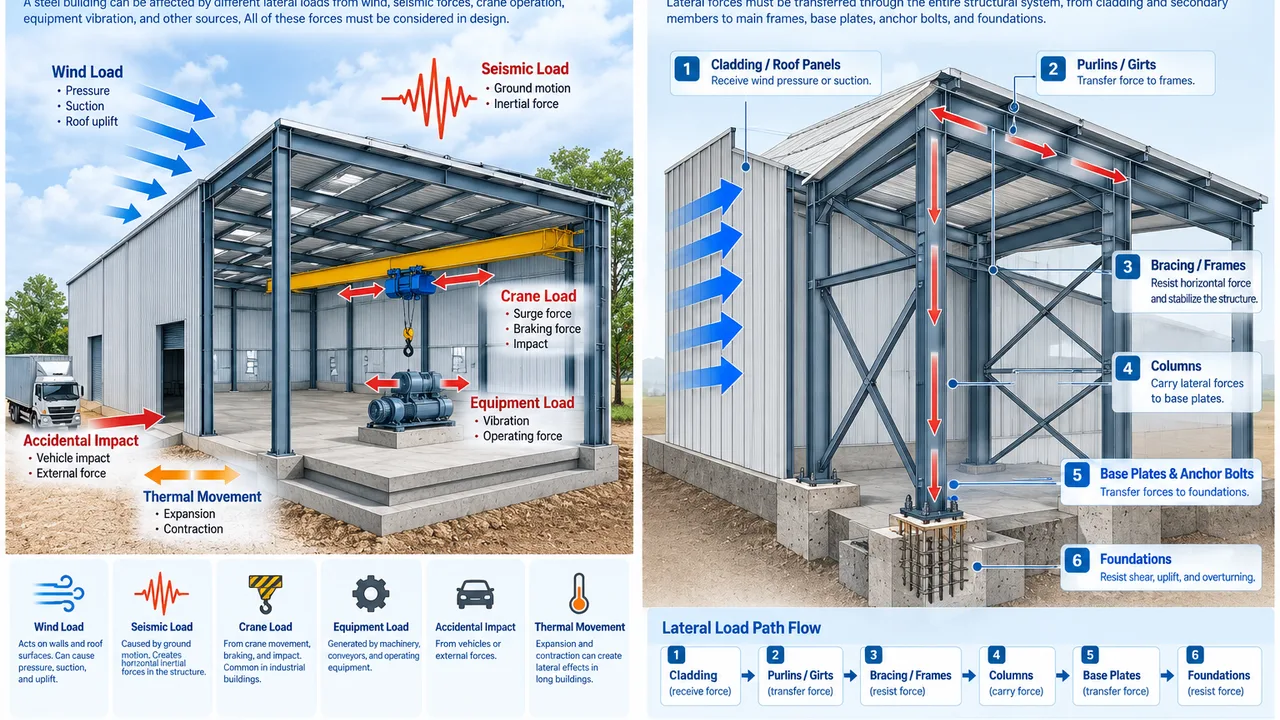
Light bracing components contribute to structural stability and load transfer. These may include rods, angles, light channels, flat bars, or custom fabricated members designed for roof and wall bracing systems.
Light Steel Beams and Columns
Smaller beams and columns can be produced for mezzanines, modular buildings, lightweight extensions, equipment enclosures, offices, utility rooms, and other secondary structures.
Custom Light Steel Components
Custom production may include brackets, cleats, frames, access platforms, support assemblies, equipment bases, façade supports, or project-specific components developed from customer drawings.
Manufacturing Process
Technical Review
The project team confirms dimensions, materials, tolerances, connection details, surface treatment, quantity, and delivery requirements before production release.
Material Preparation
Steel coils, sheets, plates, sections, and other materials are prepared according to approved specifications. Material identification and production records can be maintained where required.
CNC Processing
Components are cut, drilled, profiled, and prepared using controlled equipment. Accurate processing supports reliable assembly and consistent field installation.
Fabrication and Welding
Where required, components are fitted, assembled, and welded using suitable fixtures and controlled procedures. Production checks help manage alignment and distortion.
Surface Protection
After fabrication, components receive the specified surface preparation and protective finish. Coating application is coordinated with handling and packaging requirements.
Quality Inspection
Inspection may include material checks, dimensional verification, hole-position checks, weld inspection, coating review, and final component identification.
Packing and Delivery
Approved components are grouped and packed according to shipment plans. Export packages may be optimized for containers, open-top containers, flat racks, or other transportation methods.
Quality Control in Light Steel Fabrication
Material Verification
Material grades, thicknesses, section sizes, and certificates are reviewed according to project requirements before production begins.
Dimensional Inspection
Lengths, widths, section geometry, hole positions, diagonals, and connection dimensions are checked at defined production stages. This helps maintain compatibility between related components.
Welding Inspection
Welded assemblies are visually inspected, with additional testing applied where required by the project specification.
Surface Finish Inspection
Surface preparation, coating coverage, finish quality, and component condition are checked before packing.
Final Factory Inspection
The final review confirms quantity, identification, dimensional compliance, surface condition, and delivery readiness.
Applications of Light Steel Fabrication
Industrial Buildings
Industrial facilities use light steel components for secondary framing, equipment enclosures, roof systems, wall supports, internal partitions, and utility structures.
Commercial Buildings
Commercial developments can use light framing for offices, retail facilities, showrooms, internal walls, roof supports, and architectural substructures.
Warehouses
Warehouse projects commonly require purlins, girts, bracing, door framing, wall supports, and other lightweight secondary components.
Factories
Factory buildings use light steel framing around production zones, openings, service areas, wall systems, and secondary roof structures.
Agricultural Buildings
Farm buildings, livestock facilities, machinery sheds, grain storage structures, and agricultural warehouses benefit from lightweight, corrosion-protected components that are easy to transport and install.
Office Buildings
Light steel framing supports internal partitions, modular office areas, ceilings, façades, and smaller structural extensions.
Modular Construction
Modular systems rely heavily on repeatable light steel components. Accurate factory fabrication improves assembly speed and supports standardized production across multiple units.
Why Choose Light Steel Fabrication?
Reduced Structural Weight
Lighter components reduce dead load and may simplify foundations, transportation, handling, and lifting requirements.
Faster Manufacturing
Repeatable sections and automated processing support efficient batch production and shorter manufacturing cycles.
Easier Transportation
Light components can often be bundled efficiently, improving container utilization and reducing handling complexity.
Efficient Installation
Smaller member weights allow faster positioning and connection, often with less lifting equipment than heavy structural components require.
Flexible Design Options
Profiles, lengths, hole patterns, brackets, finishes, and packaging can be adapted to suit different project requirements.
Cost-Effective Construction
Material efficiency, faster production, simplified logistics, and rapid installation can contribute to lower overall project costs when light steel systems are appropriate.
Why Choose XTD Steel Structure?
- Experience with both primary and secondary steel components
- Advanced CNC cutting, drilling, and profiling equipment
- Stable capacity for customized and batch production
- Coordinated engineering and manufacturing review
- Strict dimensional and quality control
- Export packaging and international delivery experience
- Flexible production planning for project schedules
XTD Steel Structure supports contractors, developers, distributors, and engineering companies with customized manufacturing packages that combine accurate processing, reliable quality management, and practical logistics preparation.
Frequently Asked Questions
What is light steel fabrication?
It is the controlled production of lightweight steel framing and structural components such as purlins, girts, studs, tracks, bracing, small beams, columns, brackets, and custom assemblies.
What types of components can you manufacture?
We can manufacture standard and customized light steel members for roof systems, wall framing, modular construction, industrial buildings, warehouses, factories, offices, and agricultural facilities.
Do you fabricate according to customer drawings?
Yes. Components can be manufactured according to structural drawings, shop drawings, material schedules, and technical specifications supplied by the customer.
What surface treatment options are available?
Available options may include shop primers, industrial coating systems, anti-corrosion paint, pre-galvanized material, and hot-dip galvanizing where suitable.
Can you export fabricated light steel components?
Yes. Components can be inspected, marked, bundled, packed, documented, and prepared for international container or project-specific shipment.
Request a Light Steel Fabrication Quote
For contractors, developers, EPC companies, distributors, and building system suppliers, professional light steel fabrication can provide accurate components, efficient batch production, and installation-ready delivery. Send your drawings, material specifications, quantities, coating requirements, and destination details so our team can evaluate the project and prepare a customized manufacturing proposal.