Quality Starts Before Steel Enters Production
Good fabrication does not begin at the cutting machine. It begins when the project requirements, drawings, loads, connection details, transportation limits, and erection sequence are reviewed together. A steel structure manufacturer with professional project control will look for potential issues before production starts, because correcting a drawing is much easier than correcting finished steel members.
Engineering Review and Production Feasibility
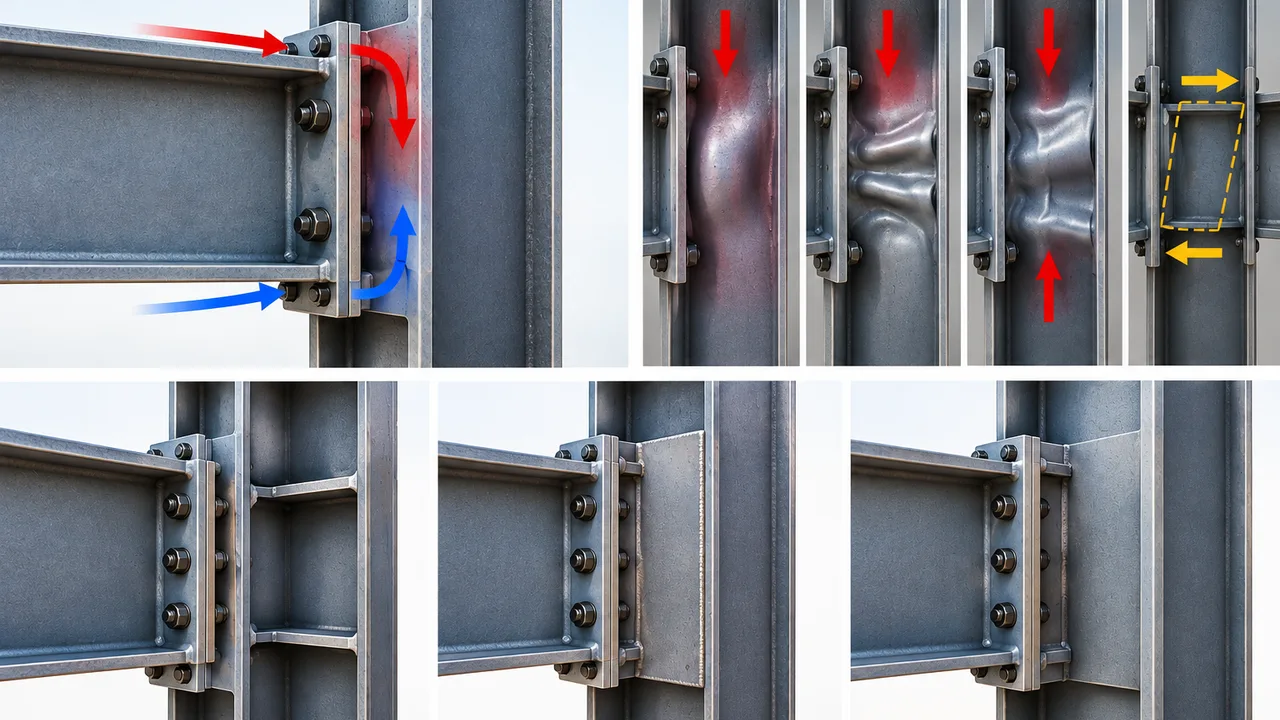
Before manufacturing begins, engineers and production teams should review whether the steel components can be fabricated, transported, lifted, and installed efficiently. This includes member segmentation, bolt-hole positions, plate thickness, connection type, welding access, bracing layout, and erection sequence.
For large or complex projects, fabrication feasibility is especially important. A design may look correct on paper, but if it is difficult to weld, coat, pack, or install, the project may face avoidable delays. Early technical review helps connect engineering intention with practical manufacturing conditions.
Material Selection and Traceability
Material quality is the foundation of structural performance. Steel grade, plate thickness, section size, procurement control, and material certificates should be checked according to project requirements. When materials are properly identified and traceable, the production team can control quality more confidently from cutting to final packing.
Traceability also helps clients understand what materials are used in their project. For international steel structure projects, clear material documentation supports quality assurance, export preparation, and communication with project stakeholders.
Clear Standards for Fabrication Accuracy
Dimensional accuracy affects installation directly. If bolt holes do not align, base plates are inconsistent, connection surfaces are poorly prepared, or members are fabricated outside acceptable tolerance, the problem will usually appear during site assembly. A professional steel structure manufacturer controls these details through measuring, inspection, and production standards.
Accurate fabrication reduces forced fitting, cutting, re-drilling, and correction work on site. It also improves the final appearance and structural reliability of the building.
Manufacturing Capability That Supports Project Reliability
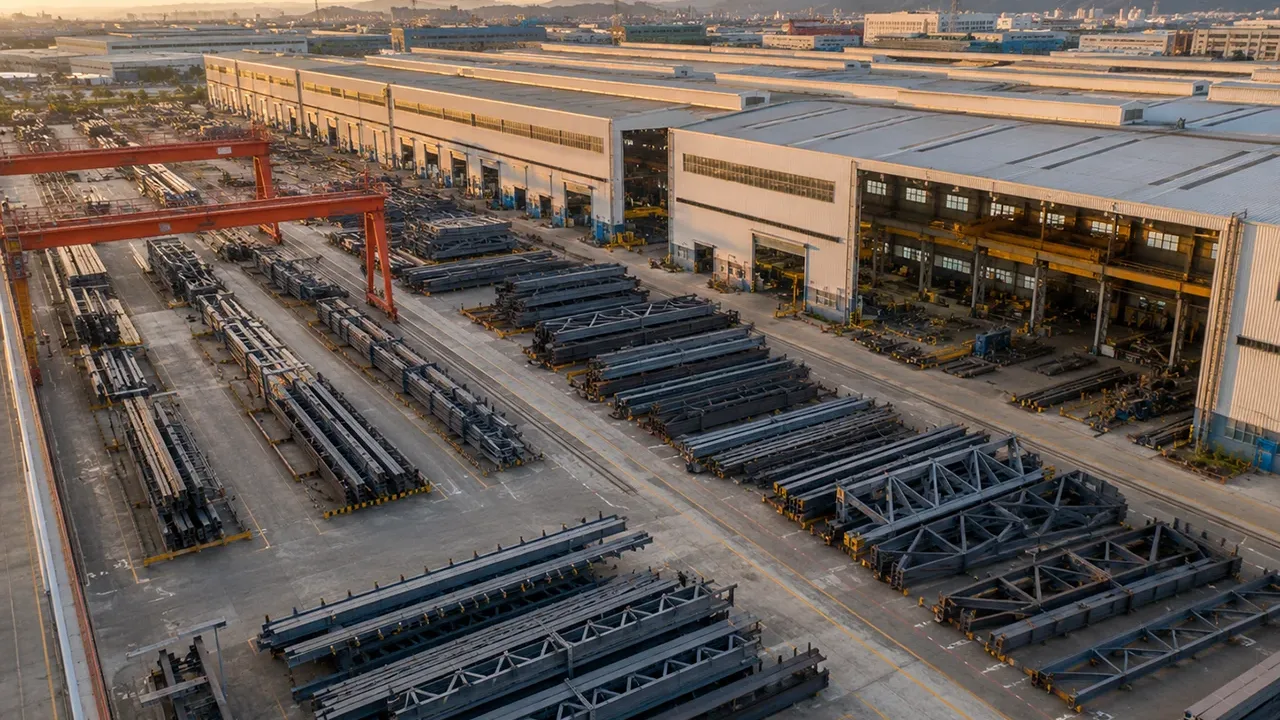
Manufacturing capability is not only about factory size. It is about whether the factory can consistently produce steel components that match drawings, project tolerance, delivery sequence, and installation requirements. Reliable production requires equipment, skilled workers, inspection procedures, and communication between engineering and fabrication teams.
CNC Cutting, Drilling, and Plate Processing
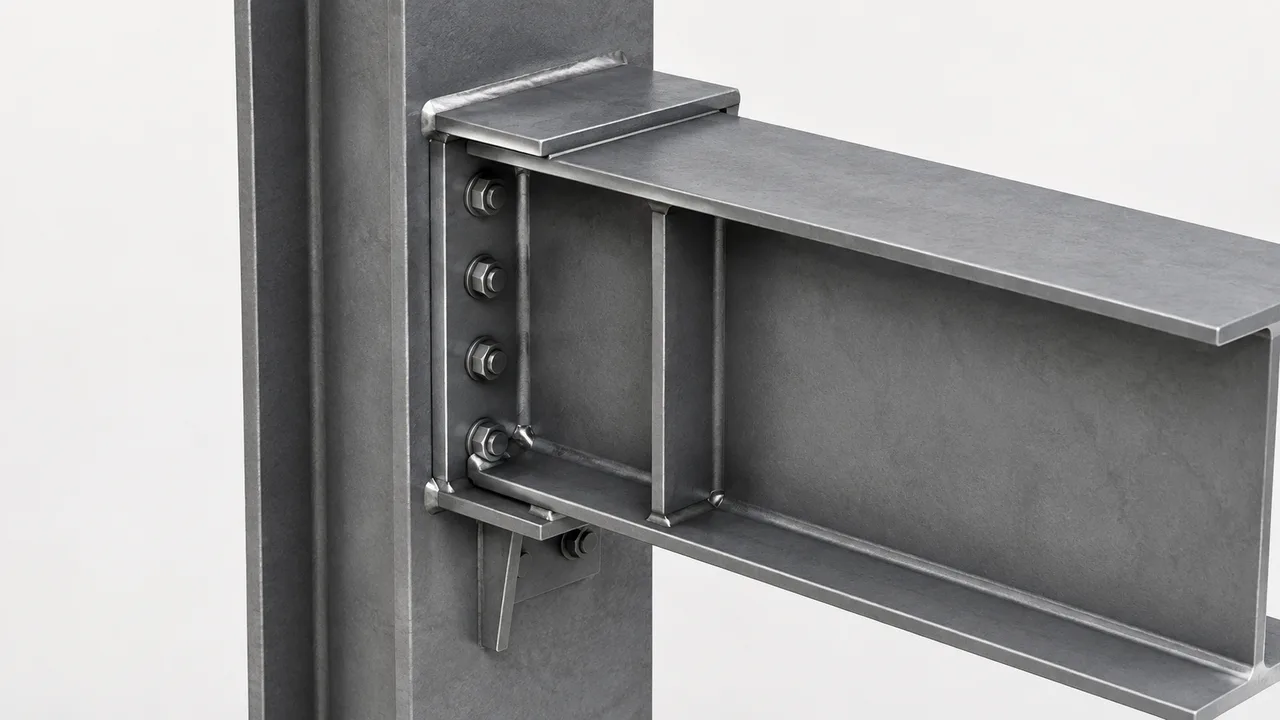
CNC cutting and drilling help improve production consistency for beams, columns, plates, gussets, brackets, and connection components. When holes, edges, and plates are processed accurately, component fit-up becomes more predictable during assembly and installation.
Plate preparation is also important for welded connections, base plates, stiffeners, and custom components. Clean cutting, correct hole positioning, and controlled processing reduce cumulative errors throughout the structure.
Welding, Assembly, and Component Fit-Up
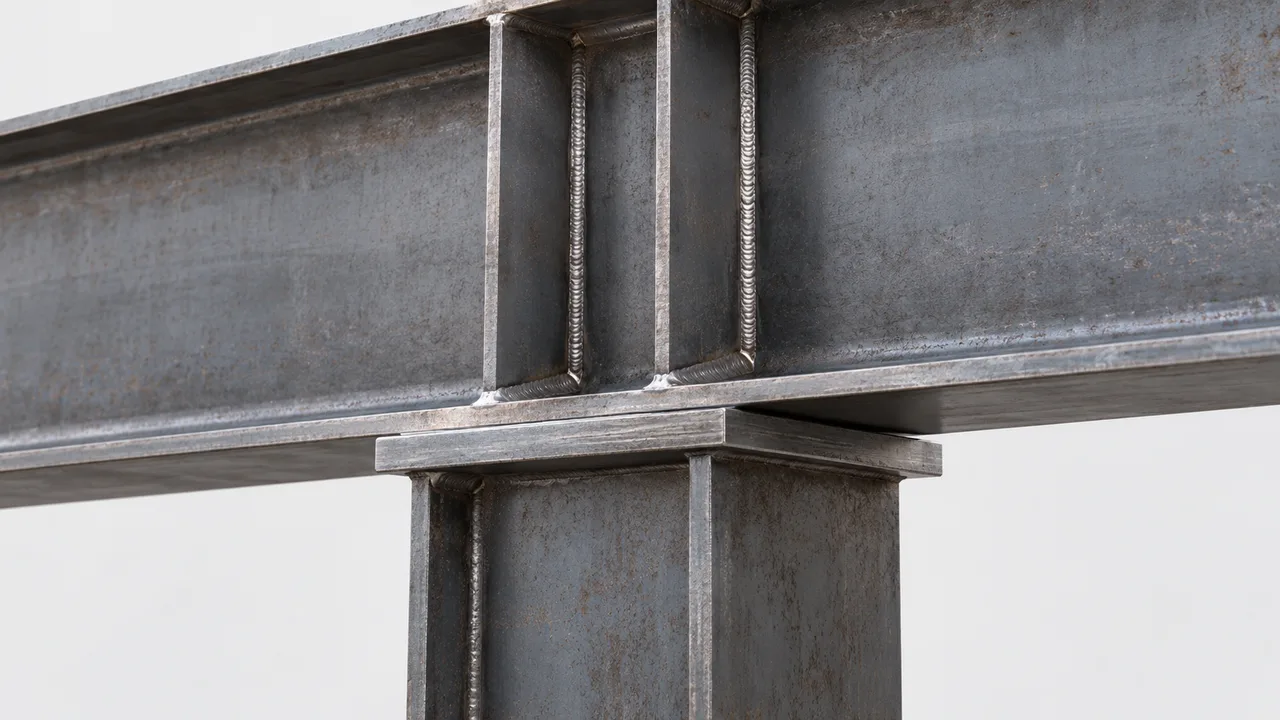
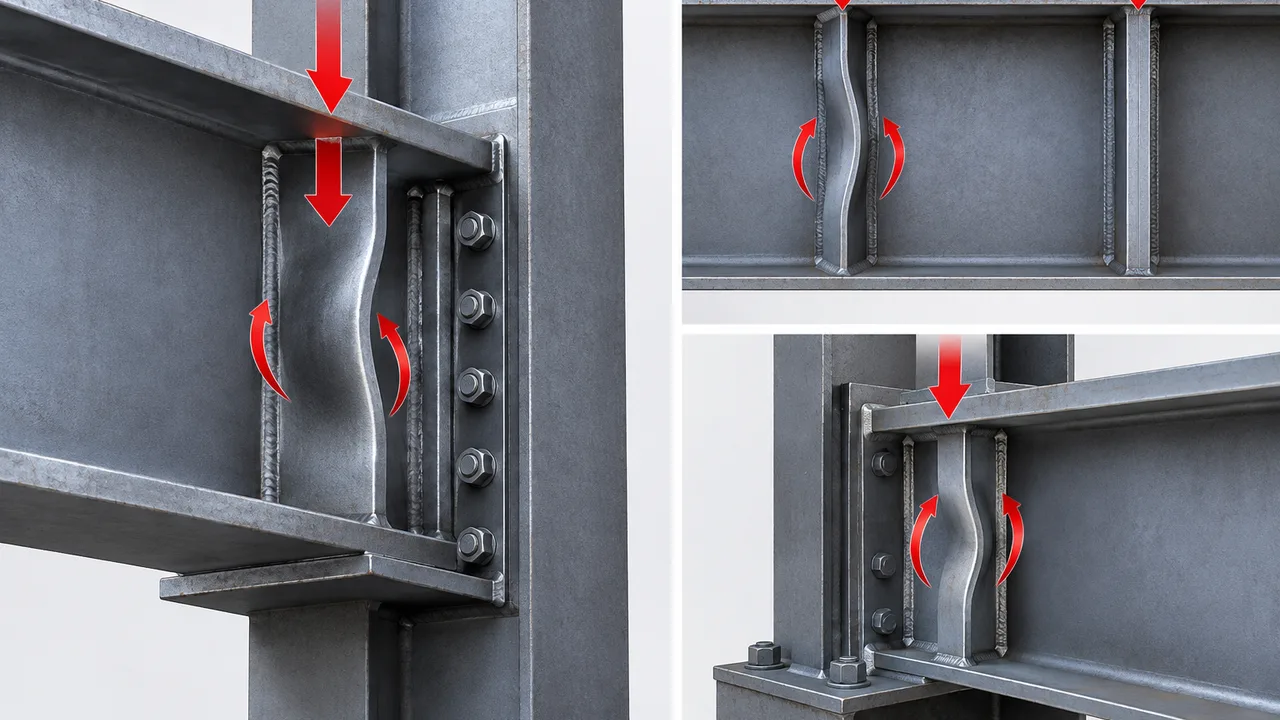
Welding quality plays a major role in steel structure performance. Proper fit-up, welding sequence, weld appearance, penetration control, and inspection help ensure that components can resist the forces they are designed to carry. Poor welding may not always be visible at first glance, but it can create long-term performance risks.
Before surface treatment, assembled components should be checked for alignment, dimensions, connection compatibility, and weld quality. This step helps prevent defects from being hidden under coating or discovered too late during installation.
Heavy and Light Steel Component Manufacturing
Different projects require different production capabilities. Portal frames, trusses, platforms, corridors, bridge components, crane beams, bracing systems, and secondary members all involve different fabrication details. A professional steel structure manufacturer should be able to manage both heavy structural steel and lighter supporting components within a coordinated production system.
This flexibility is valuable when a project includes several structure types in one package, such as a factory building with crane beams, a warehouse with mezzanine areas, or a public building with custom truss elements.
Quality Control Points in Steel Structure Manufacturing
Quality control should follow the steel component through each stage of production. Instead of relying only on final inspection, a stronger approach checks materials, processing, welding, dimensions, surface treatment, marking, and packing before the project leaves the factory.
| Production Stage | Quality Check | Why It Matters |
|---|---|---|
| Material Inspection | Steel grade, size, thickness, and certificate review | Ensures the project starts with approved and traceable materials |
| Cutting and Drilling | Length, hole position, plate shape, and edge quality | Improves component accuracy and connection alignment |
| Welding | Fit-up, weld size, weld appearance, and inspection requirements | Supports structural strength and long-term reliability |
| Dimensional Check | Member length, straightness, base plate position, and assembly geometry | Reduces installation problems and on-site correction work |
| Surface Treatment | Blasting, coating thickness, adhesion, and coverage | Protects the steel structure against corrosion and environmental exposure |
| Component Marking | Part numbers, installation marks, and package identification | Helps the site team identify and assemble components efficiently |
| Packing Inspection | Bundle protection, loading sequence, bolts, and accessory grouping | Reduces shipping damage and confusion during unloading or erection |
Surface Treatment and Long-Term Protection
Steel structure manufacturing is not complete when the welding is finished. Surface treatment is a critical part of long-term building performance, especially for warehouses, factories, industrial facilities, coastal projects, humid environments, or export projects where components may spend time in transport and site storage.
Blasting and Surface Preparation
Surface preparation helps remove rust, mill scale, oil, dust, and other contaminants before coating. Proper blasting creates a cleaner surface profile, allowing paint or protective coating to bond more effectively with the steel.
If surface preparation is weak, even a good coating system may fail earlier than expected. For this reason, blasting and cleaning should be controlled carefully before primer or finish coating is applied.
Anti-Corrosion Paint or Galvanizing Options
Different project environments require different protection systems. Industrial paint systems are commonly used for many warehouse, factory, and commercial steel structures. For more corrosive environments or selected exposed components, hot-dip galvanizing may be considered depending on the project specification.
The correct surface treatment depends on climate, humidity, chemical exposure, coastal conditions, maintenance expectations, and service life requirements. A professional steel structure manufacturer should help match the protection system to the real operating environment.
Protection for Transport and Site Storage
For export projects, finished components must be protected during packing, container loading, sea transport, unloading, and site storage. Surface damage during shipping can affect appearance and corrosion resistance, especially if components are exposed to moisture before erection.
Good packing, proper bundling, protective separation, and clear component marking help preserve fabrication quality until the steel members are ready for installation.
Professional Manufacturing for Different Steel Structure Projects
Steel structure manufacturing must adapt to the type of project being delivered. A simple storage shed, a heavy-duty factory, a public building, and a custom truss structure do not share the same manufacturing priorities. Each project requires different attention to load, span, connection detail, appearance, logistics, and site installation.
Warehouse and Factory Steel Structures
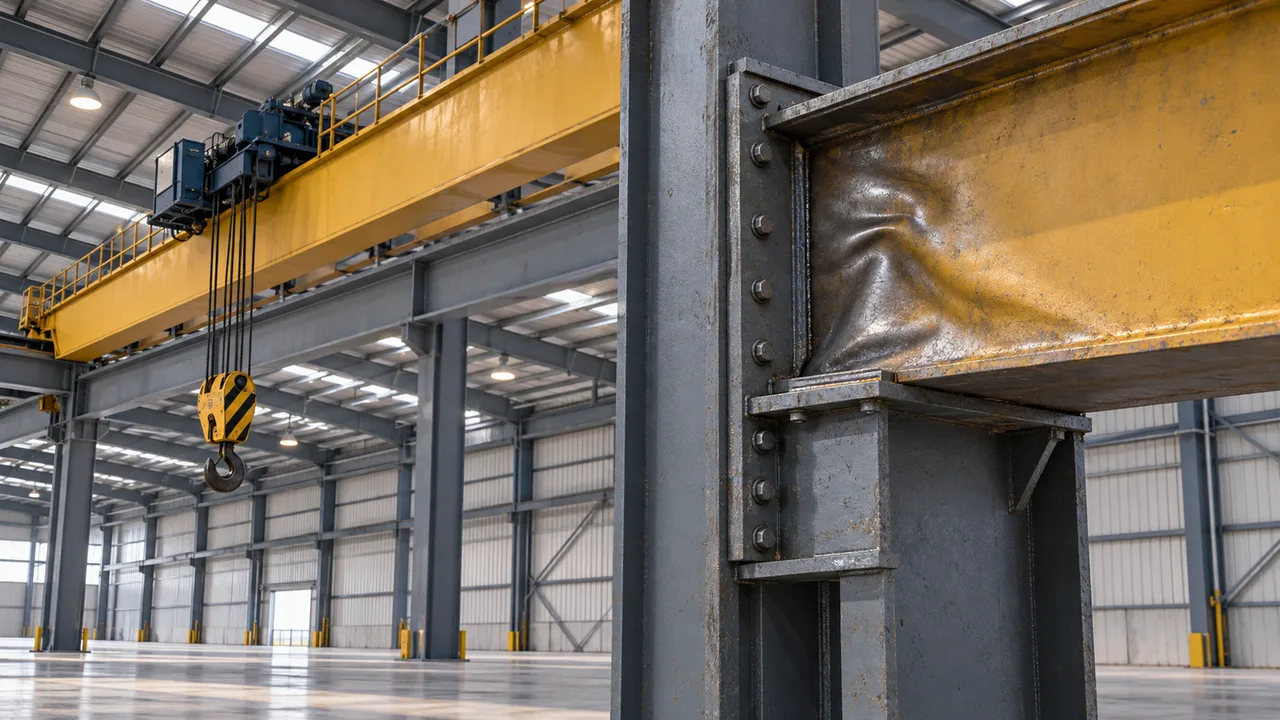
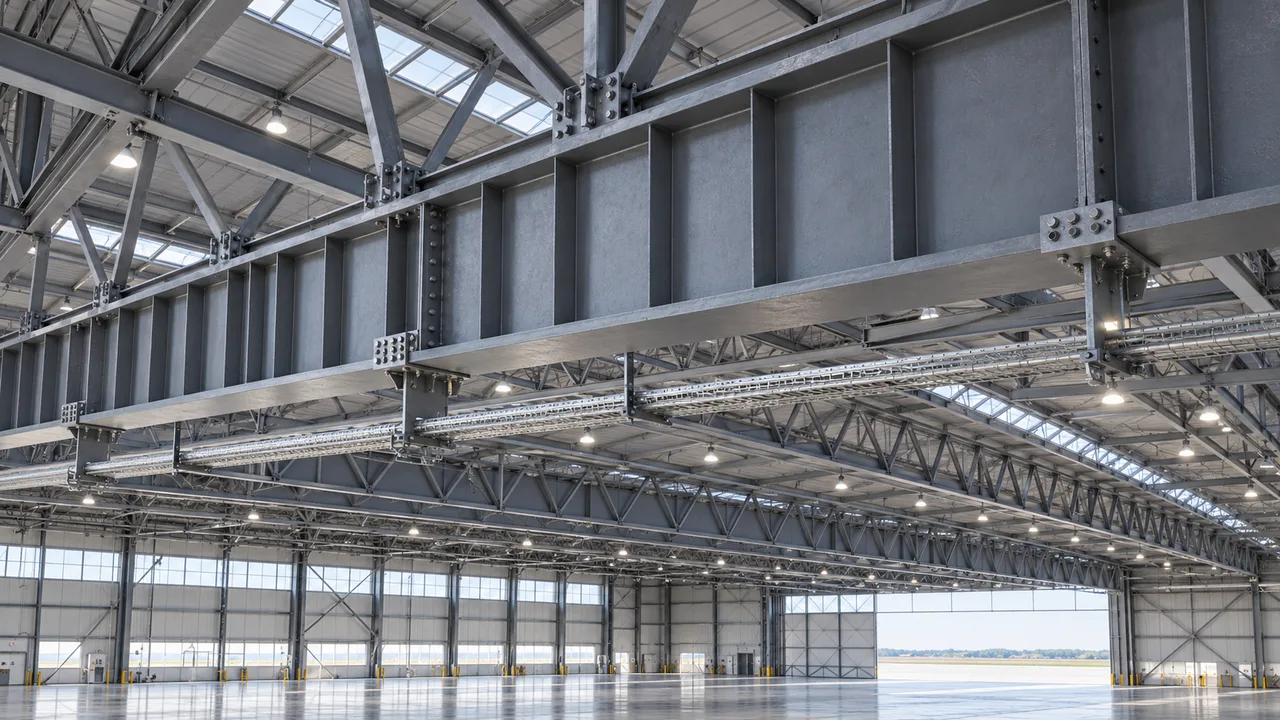
Warehouses and factories often use portal frame systems, wide spans, crane beams, bracing systems, roof purlins, wall girts, and secondary steel components. Manufacturing quality affects not only structural safety but also erection speed, wall and roof panel alignment, equipment support, and future expansion.
For industrial clients, reliable fabrication helps reduce installation uncertainty and supports smoother coordination between civil work, steel erection, enclosure, and equipment installation.
Commercial and Public Steel Buildings
Commercial and public steel buildings may involve showrooms, exhibition halls, offices, stations, airport facilities, service buildings, and mixed-use spaces. These projects often require closer coordination with façade systems, architectural appearance, mechanical equipment, fire safety planning, and public circulation.
Manufacturing accuracy becomes more visible in these projects because exposed steel, long-span roofs, glass façades, and entrance structures require better alignment and cleaner detailing.
Truss, Platform, Bridge, and Special Steel Components
Trusses, industrial platforms, pipe corridors, bridge elements, and special-shaped steel components usually require more detailed coordination. Member angles, node geometry, welding access, trial assembly needs, transportation segmentation, and lifting plans should be considered before fabrication begins.
For these projects, manufacturing quality depends not only on machines, but also on experienced detailing, careful checking, and communication between technical and production teams.
Export-Ready Production and Delivery Coordination
Export steel structure projects require more than finished components. They require clear packaging, component identification, documentation, shipping coordination, and communication that helps the client understand how each package connects to the installation plan.
Component Marking and Packing
Each steel component should be marked according to the project drawings and packing list. Clear marks help the installation team identify columns, beams, bracing, purlins, plates, bolts, and accessories quickly after arrival.
Packing should also consider container loading, unloading sequence, component weight, surface protection, and site handling. A well-organized package can save time during erection and reduce confusion on overseas projects.
Documentation and Communication
Project documentation may include shop drawings, packing lists, component marks, material documents, coating information, bolt lists, and installation references. These documents help connect the factory production package with the client’s site work.
Clear communication is especially important when drawings, site conditions, and installation teams are located in different countries. A professional steel structure manufacturer should support the client with practical technical communication before and after delivery.
Schedule Control for International Projects
Manufacturing schedules should be planned according to project urgency, production capacity, inspection requirements, coating time, packing sequence, and shipping availability. Poor schedule control can create problems even when fabrication quality is acceptable.
For multi-stage projects, batch delivery may be arranged so that the first installation components arrive earlier while later components continue in production. This helps align factory output with construction progress.
Why Work With a Professional Steel Structure Manufacturer?
Working with the right manufacturing partner helps reduce risks that are difficult to solve once components arrive on site. Price matters, but steel structure projects also depend on accuracy, coordination, accountability, and long-term reliability.
- Fewer installation errors because components are fabricated and marked according to project drawings
- More stable welding quality through controlled production and inspection procedures
- Better hole alignment for bolted connections, base plates, bracing, and secondary members
- Clearer project control from technical review to production, coating, packing, and shipping
- Stronger export readiness through organized documentation, component marking, and delivery planning
- Improved long-term performance through proper material control and surface protection
A professional approach helps clients avoid the hidden cost of low-quality fabrication: site delays, rework, damaged coatings, missing components, unclear packing, and structural correction after delivery.
How XTD Steel Structure Supports Manufacturing Quality
XTD Steel Structure supports project-based steel manufacturing through engineering coordination, steel processing, welding, drilling, surface treatment, inspection, component marking, and export-ready packing. The goal is to connect design requirements with factory execution so that each project can move from production to site installation more smoothly.
For warehouse, factory, commercial, infrastructure, and special steel structure projects, manufacturing support can be adjusted according to drawings, load requirements, span, component type, coating needs, destination, and project schedule.
Instead of treating fabrication as a separate production step, XTD Steel Structure focuses on coordination across the full manufacturing process. This helps clients manage quality from technical confirmation to final delivery.
Project Workflow From Inquiry to Delivery
Requirement Review and Technical Confirmation
The process begins with project information such as drawings, building dimensions, application, design loads, destination country, coating requirements, expected delivery schedule, and any special installation conditions. Technical review helps identify unclear details before production begins.
Shop Drawing, Fabrication, and Quality Inspection
After confirmation, engineering details are converted into shop drawings and production information. Steel components are then processed, assembled, welded, inspected, coated, marked, and prepared for packing according to the project plan.
Quality inspection is carried out at key production stages so that defects can be corrected before they affect later work or site installation.
Packing, Shipping, and Installation Support
Finished components are packed according to shipment and installation requirements. For export projects, container planning, component grouping, bolt packaging, and document coordination help the client receive and organize the materials more efficiently.
When required, remote installation support and drawing clarification can be provided to help the site team understand the structure package during erection.
Professional Steel Structure Manufacturer FAQs
What makes a steel structure manufacturer professional?
A professional manufacturer controls the full process from technical review and material selection to fabrication, welding, inspection, surface treatment, marking, packing, and delivery. The focus is not only producing steel components, but producing them accurately for real project installation.
How do you control fabrication quality?
Fabrication quality can be controlled through material inspection, CNC processing, welding checks, dimensional verification, coating inspection, component marking, and packing review. Each stage helps reduce errors before the steel structure reaches the site.
Can you manufacture steel structures for export projects?
Yes. Export-ready manufacturing can include component marking, packing lists, container loading coordination, surface protection, and project documentation to support overseas delivery and installation.
What surface treatment options are available?
Common options include blasting and anti-corrosion paint systems. For selected components or demanding environments, galvanizing may also be considered depending on project specifications and exposure conditions.
Can you work from client drawings or provide design support?
Yes. Clients can provide drawings for review and fabrication coordination. Technical support may also be provided for structural layout, component detailing, manufacturability review, and production preparation depending on project requirements.
Build Your Project With Manufacturing Quality From the Start
Manufacturing quality should be planned before the first steel plate is cut. When engineering review, material control, fabrication accuracy, surface protection, marking, packing, and delivery are coordinated properly, the entire project becomes easier to manage from factory to site.
If you are looking for a professional steel structure manufacturer for a warehouse, factory, commercial building, platform, truss, bridge, or custom steel project, prepare your drawings, project location, span, load requirements, application, coating needs, and delivery schedule. With the right manufacturing partner, your steel structure can be produced with better accuracy, clearer control, and stronger long-term reliability.