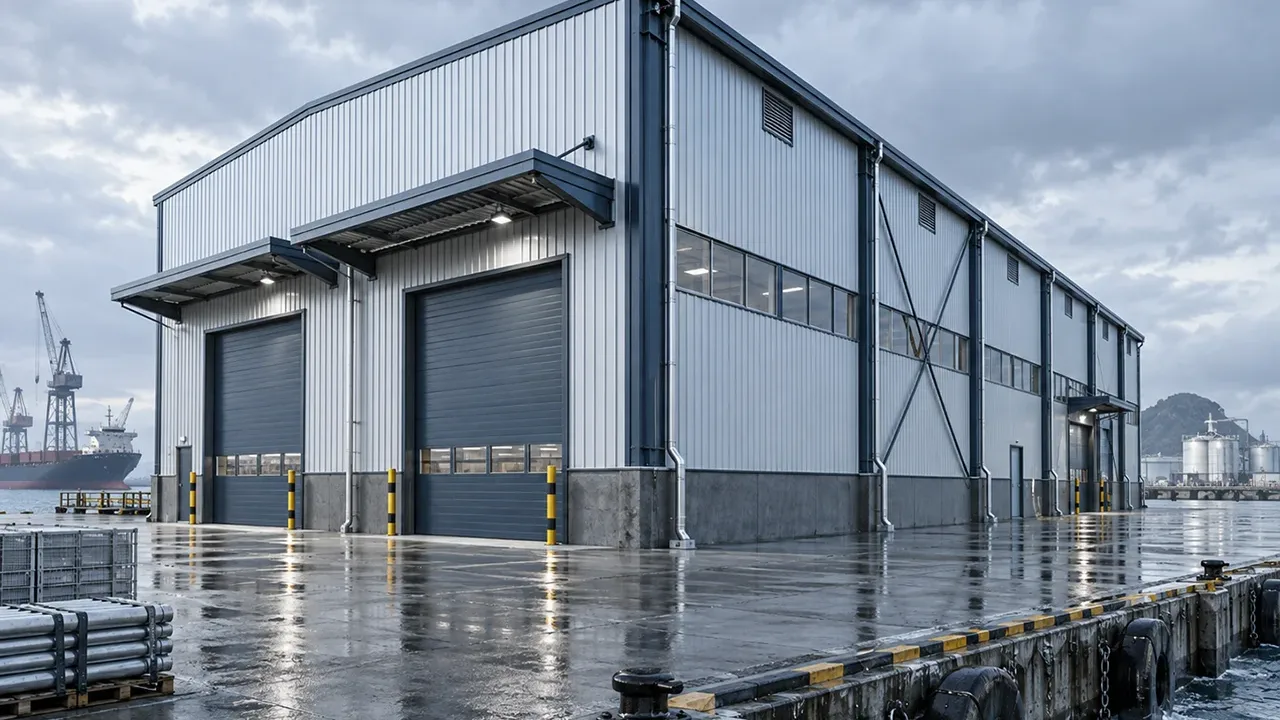
Designed for Buildings Exposed to Corrosive Conditions
Not every steel structure building faces the same environmental risk. A building located in a dry inland area may need a different protection strategy from one built near the sea, inside a chemical processing zone, or in a humid agricultural environment. That is why corrosion resistance should be selected according to real project conditions, not as a standard decorative finish.
Corrosive environments may include salt air, high humidity, frequent rainfall, industrial dust, chemical vapors, fertilizer exposure, livestock moisture, or process residues. These factors can shorten coating life if the surface system and structural details are not properly planned.
A well-designed corrosion resistant steel structure building combines suitable steel detailing, surface treatment, coating control, water management, and inspection planning. The goal is to reduce corrosion risk while keeping the building practical for daily operation and future maintenance.
Where Corrosion Protection Matters Most
Coastal and Humid Locations
Steel buildings in coastal or humid regions are exposed to moisture and salt-related corrosion risks. Roof edges, wall connections, exposed bolts, secondary members, gutters, and lower wall areas may experience faster deterioration if protection is not properly specified.
For coastal projects, corrosion protection should consider coating type, coating thickness, fastening system, drainage route, ventilation, and the possibility of using galvanized components in exposed areas. The structure should also avoid details that collect water or trap salt deposits.
Industrial and Chemical Environments
Industrial buildings may face corrosive exposure from dust, fumes, chemical vapors, high-temperature processes, or production residues. In these conditions, a basic coating system may not be enough. The protection strategy should match the level of exposure and the type of industrial activity inside or around the building.
Factories, workshops, processing plants, waste handling facilities, and material storage buildings may require stronger coating systems, better ventilation, and easier access for inspection. Early planning helps reduce the risk of difficult repair work after the building is already operating.
Agricultural and Storage Facilities
Agricultural buildings can also create corrosive conditions. Fertilizer storage, animal housing, feed processing, food-related humidity, and wash-down areas may expose steel members to moisture, chemical content, or organic residues.
For these facilities, corrosion resistance should be coordinated with wall panels, roof ventilation, floor drainage, internal humidity, and cleaning procedures. The building must support daily use without allowing moisture to remain trapped around structural elements.
Key Protection Methods for Steel Structure Buildings
Surface Preparation Before Coating
Coating performance begins before the first layer of paint is applied. Surface preparation helps remove rust, mill scale, welding residue, dust, oil, and other contaminants that can weaken coating adhesion. Blasting, cleaning, edge preparation, and inspection are important steps in creating a reliable protection system.
If surface preparation is poor, even an expensive coating may fail early. For a steel building exposed to harsh environments, preparation quality is often one of the most important factors behind long-term durability.
Anti-Corrosion Paint Systems
Anti-corrosion paint systems may include primer, intermediate coat, and topcoat. The specific coating system depends on the project environment, expected service life, maintenance plan, and visual requirements. Coating thickness should be controlled according to the approved specification instead of applied casually.
For many industrial projects, protective coating provides a practical balance between durability, cost, and appearance. It can be adjusted for indoor exposure, outdoor exposure, high humidity, or more demanding industrial atmospheres.
Hot-Dip Galvanizing for Selected Components
Hot-dip galvanizing can be used for selected components that face higher exposure or are difficult to repaint after installation. These may include secondary steel parts, brackets, fasteners, purlins, handrails, exposed members, or components located near moisture-prone areas.
Galvanizing is not always required for the entire building, but it can be a strong option when the project needs additional corrosion protection in critical zones. The decision should be based on environment, component size, transportation, assembly method, and long-term maintenance access.
Detail Design That Reduces Water Traps
Good detailing can reduce corrosion risk before coating is even considered. Steel members should be arranged to avoid unnecessary water pockets, hidden gaps, blocked drainage paths, and areas that are difficult to inspect or clean.
Roof slope, gutter design, wall flashing, bolt locations, panel overlaps, and base details should all be reviewed. A building that sheds water efficiently and allows inspection access will usually be easier to maintain over its service life.
Structural Design Factors for Long-Term Durability
Durability starts with understanding how the building will be used and where it will be built. Wind, rainfall, humidity, temperature changes, seismic conditions, stored materials, production processes, and maintenance expectations all affect the final design strategy.
In a corrosion resistant steel structure building, the protection system should work together with the structural system. Roof and wall panels must be coordinated with fasteners, flashings, insulation, ventilation, and drainage. Internal condensation should also be considered, especially in buildings where temperature difference or stored materials can increase humidity.
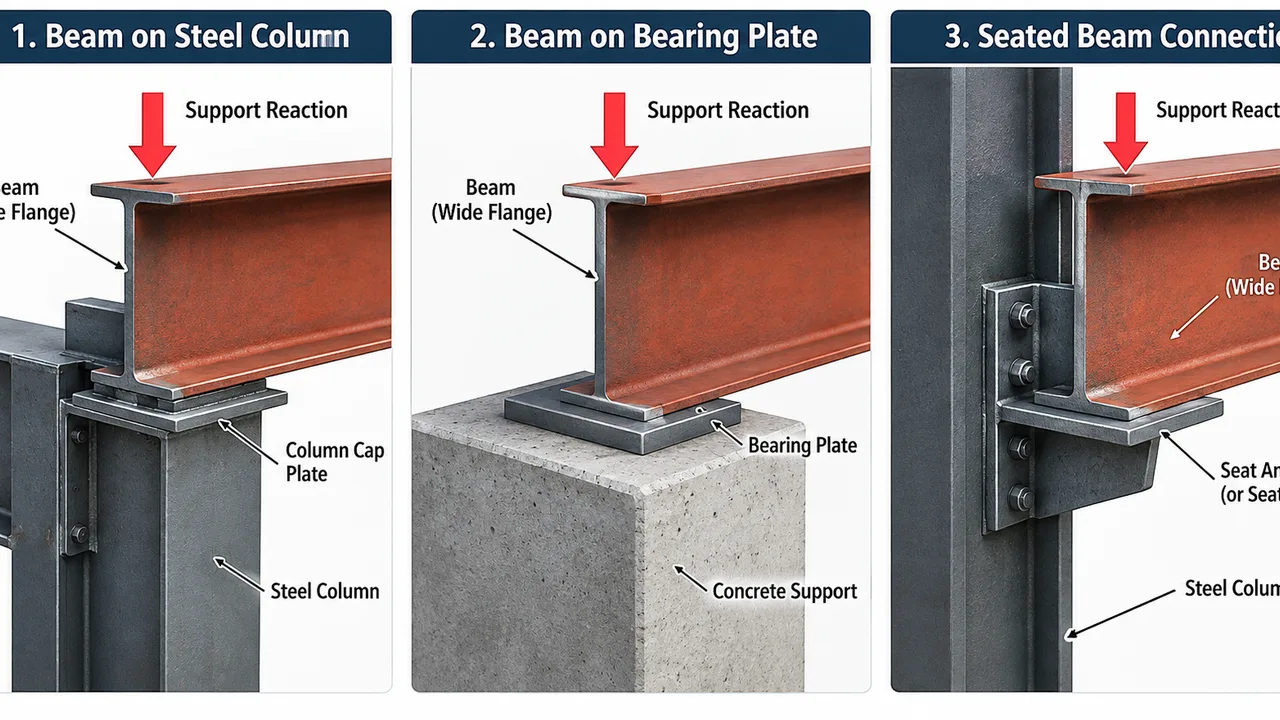
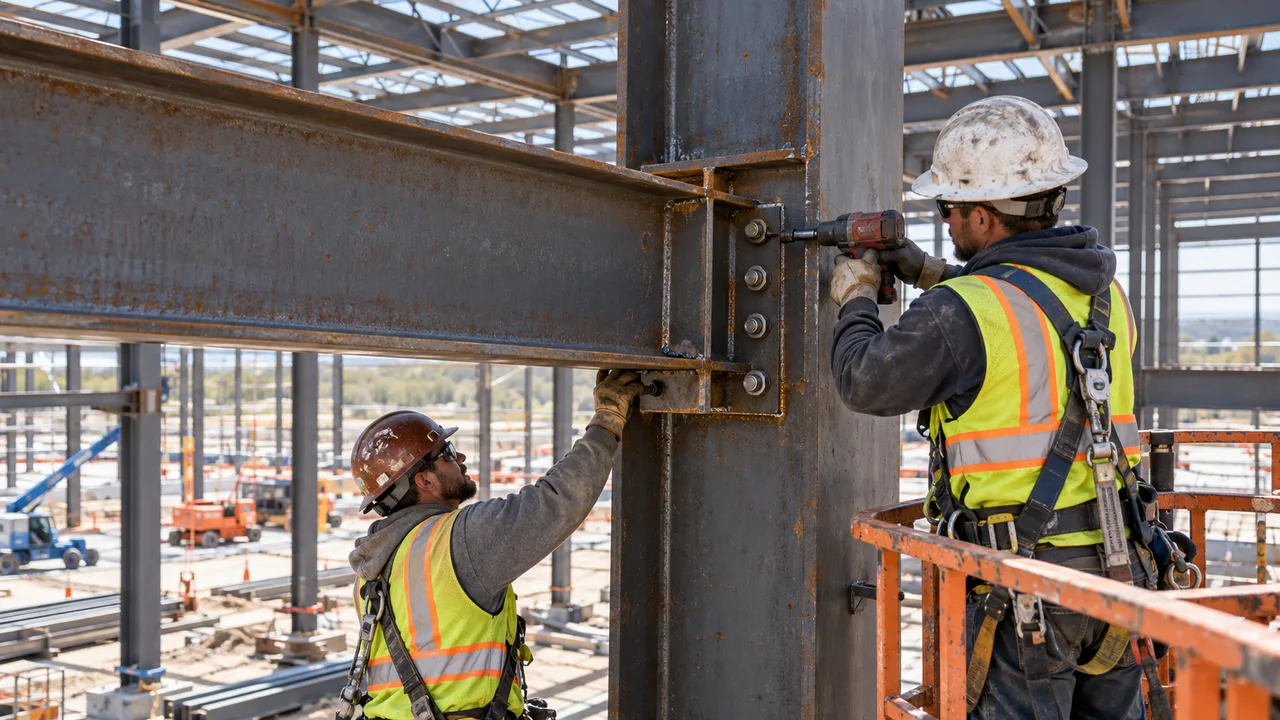
Fasteners and connection areas require careful attention because they are common points where corrosion may begin. If the building includes exposed bolts, panel joints, crane areas, mezzanine connections, or exterior platforms, the protection plan should address these details clearly.
Inspection and maintenance access should also be part of design thinking. A building that is impossible to inspect or repaint in critical areas may create higher long-term cost, even if the original coating system is strong.
Fabrication Quality and Coating Control
Factory fabrication has a direct effect on corrosion resistance. Accurate cutting, drilling, welding, assembly, and surface treatment help create components that are easier to coat and install. Poor welding finish, sharp edges, misaligned holes, or uncontrolled handling can reduce coating quality and create weak points in the protection system.
XTD Steel Structure supports steel building projects through engineering coordination, steel processing, welding, drilling, inspection, surface treatment, and export-ready packing. This allows structural fabrication and corrosion protection requirements to be considered as connected parts of the same project.
Before coating, fabricated members should be checked for surface condition and dimensional accuracy. After coating, quality control may include visual inspection, dry film thickness checks, touch-up review, component marking, and packing methods that reduce coating damage during transportation.
For international projects, packing and handling are especially important. A strong coating system can still be damaged if members are dragged, poorly stacked, or exposed to impact during loading and unloading. Protection during shipment helps preserve the quality achieved in the factory.
Recommended Protection Options by Project Condition
The right protection strategy depends on exposure level, building function, budget, and expected service life. The table below shows common directions for different project conditions.
| Project Condition | Recommended Protection | Design Consideration |
|---|---|---|
| Normal inland environment | Standard anti-corrosion coating system | Suitable for general industrial or commercial steel buildings with moderate exposure |
| High humidity area | Enhanced coating with better ventilation planning | Condensation control, drainage, and panel detailing should be reviewed carefully |
| Coastal location | Stronger coating system and selected galvanized components | Salt air exposure requires attention to fasteners, edges, gutters, and exposed members |
| Industrial chemical exposure | Project-specific protective coating system | Coating selection should match chemical risk, fumes, dust, and process environment |
| Agricultural building | Moisture-resistant coating and good drainage design | Fertilizer, livestock moisture, wash-down areas, and humidity should be considered |
| Long-term outdoor exposure | Durable coating system with planned inspection access | Future repainting and maintenance routes should be included in the building plan |
| Components difficult to repaint | Galvanizing or higher-grade coating where practical | Hard-to-access components need stronger protection from the beginning |
Why Choose a Corrosion Resistant Steel Structure Building?
A standard steel building may be suitable for controlled indoor conditions, but harsher environments require better protection planning. Choosing a corrosion-resistant solution helps the owner reduce long-term maintenance risk and improve building reliability.
- Longer service life in humid, coastal, agricultural, or industrial environments
- Reduced maintenance pressure through better coating and detail planning
- Improved structural reliability by protecting primary and secondary steel members
- Better appearance retention for visible exterior and commercial-facing buildings
- Lower lifecycle risk compared with buildings where corrosion protection is added too late
- Stronger investment protection for facilities expected to operate for many years
For projects where exposure conditions are already known to be challenging, corrosion protection should not be treated as an optional upgrade. It should be part of the building strategy from the first design discussion.
Suitable Building Types and Applications
Industrial Buildings and Workshops
Industrial buildings often combine production equipment, material storage, ventilation systems, overhead doors, and heavy daily use. A corrosion-resistant steel structure can help protect the frame in environments with dust, moisture, chemical exposure, or process-related contamination.
Warehouses and Logistics Buildings
Warehouses and logistics buildings may be located near ports, industrial parks, or humid regions where long-term exposure can affect steel components. Corrosion protection is especially important for storage facilities that must protect goods, support high utilization, and reduce maintenance interruption.
Agricultural and Processing Buildings
Agricultural and processing buildings may face humidity, fertilizer, organic residues, wash-down processes, and ventilation challenges. A suitable corrosion protection strategy helps the building remain practical for daily operation while supporting hygiene, storage, and equipment needs.
Commercial or Public Steel Buildings
Commercial and public buildings such as market halls, exhibition spaces, transportation facilities, and coastal service buildings may need both durability and a clean appearance. In these projects, corrosion resistance supports structural performance as well as long-term visual quality.
Project Workflow From Design to Delivery
Exposure Review and Technical Proposal
The process begins by reviewing the project location, building function, exposure level, corrosive materials, local climate, expected service life, and maintenance expectations. These inputs help define whether the building needs standard coating, enhanced coating, selected galvanizing, or a more specific protection system.
Engineering, Detailing, and Protection Selection
After the exposure conditions are understood, the structural design and protection strategy can be coordinated together. This includes frame layout, drainage details, ventilation, roof and wall systems, fastener selection, coating specification, and access for future inspection.
Fabrication, Surface Treatment, and Shipment
During fabrication, steel members are cut, drilled, welded, inspected, and prepared for surface treatment. Coating or galvanizing is then carried out according to the project specification. Components are marked and packed to support efficient delivery and reduce handling damage before installation.
Corrosion Resistant Steel Structure Building FAQs
What makes a steel structure building corrosion resistant?
Corrosion resistance comes from a combination of good design, proper surface preparation, suitable protective coating, possible galvanizing for selected components, drainage planning, ventilation, and maintenance access. It is not only about applying paint.
Is paint coating enough for corrosion protection?
Paint coating can be enough for many environments, but the system must match the exposure condition. In coastal, chemical, or high-humidity environments, stronger coating systems or selected galvanized components may be needed.
When should hot-dip galvanizing be used?
Hot-dip galvanizing is useful for components with high exposure, frequent moisture contact, or difficult repainting access. It may be applied to selected parts rather than the entire building, depending on the project design.
Can this building be used in coastal areas?
Yes. A corrosion resistant steel structure building can be designed for coastal use when salt air exposure, coating system, fastener protection, drainage, and maintenance planning are considered from the beginning.
How often does the building need maintenance?
Maintenance frequency depends on exposure level, coating system, building use, and local environment. Regular inspection helps identify coating damage, water traps, or early corrosion before they become larger repair issues.
Build for Harsh Conditions and Long-Term Use
Corrosive environments demand more than a standard steel frame and a simple paint finish. A durable building should connect structural design, fabrication quality, surface protection, drainage, ventilation, and future maintenance into one coordinated solution.
If your project is located in a coastal zone, humid region, industrial site, agricultural facility, or other harsh environment, prepare the building size, location, exposure condition, operating use, drawings, and expected service life. XTD Steel Structure can support the development of a practical steel structure building solution with corrosion resistance planned from the early project stage.