Steel Structure in Brazil
Product Description
Industrial growth, logistics expansion, agricultural facilities, commercial development, and infrastructure projects create a wide range of requirements for steel structure in Brazil. From warehouses and manufacturing plants to transportation facilities and large-span buildings, steel systems provide the flexibility to accommodate different building functions, site conditions, and project scales.
For projects spread across a country as large and geographically diverse as Brazil, successful steel construction depends on more than producing beams and columns. Structural design, fabrication accuracy, transport planning, erection sequence, local environmental conditions, and architectural requirements all need to work together. A well-coordinated prefabricated steel structure in Brazil can reduce extensive site fabrication while allowing structural components to be prepared under controlled factory conditions.
XTD Steel Structure supports Brazilian developers, contractors, engineering companies, and industrial clients with project-specific structural solutions manufactured in China for international delivery. Our approach combines engineering coordination, controlled fabrication, quality management, export preparation, and practical construction planning to support projects from early structural requirements through shipment and site assembly.
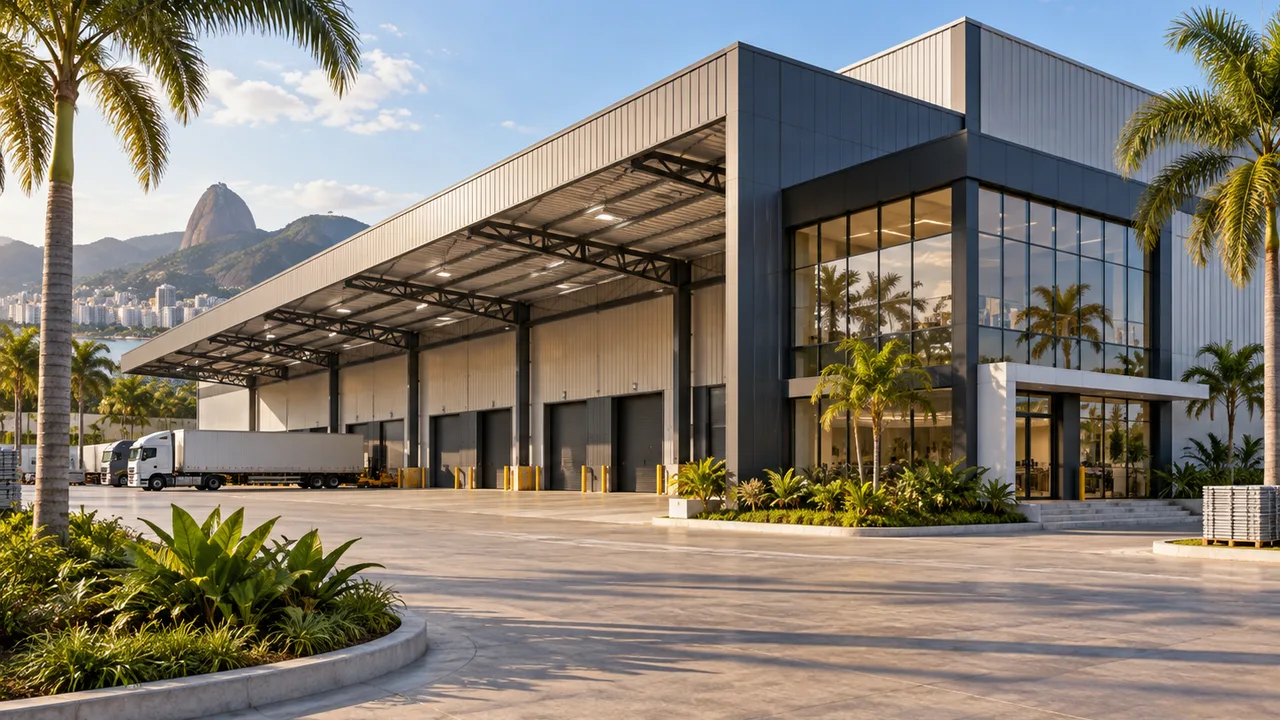
What We Build in Brazil
We support industrial factories, steel warehouses, logistics centers, workshops, aircraft hangars, office buildings, commercial facilities, agricultural buildings, transportation structures, stadium-related facilities, infrastructure projects, and other applications where steel structures in Brazil can provide efficient spans, adaptable layouts, and reliable structural performance.
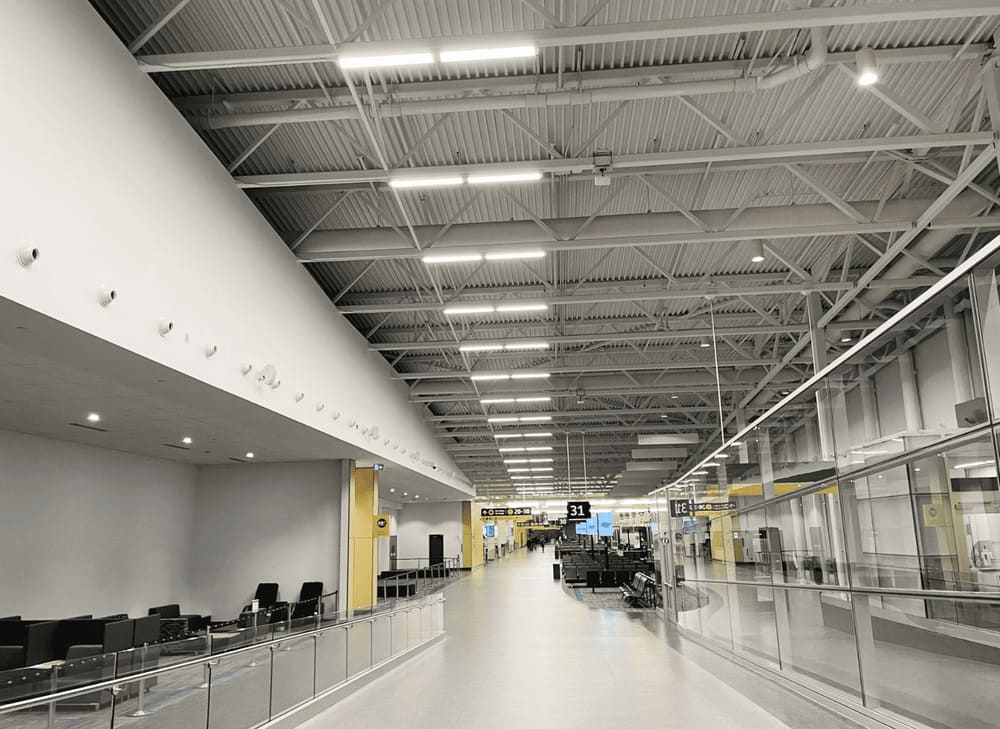
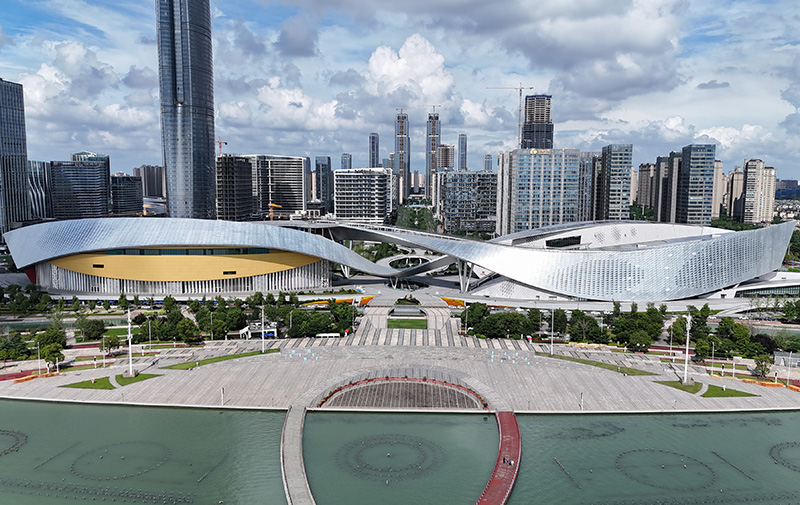
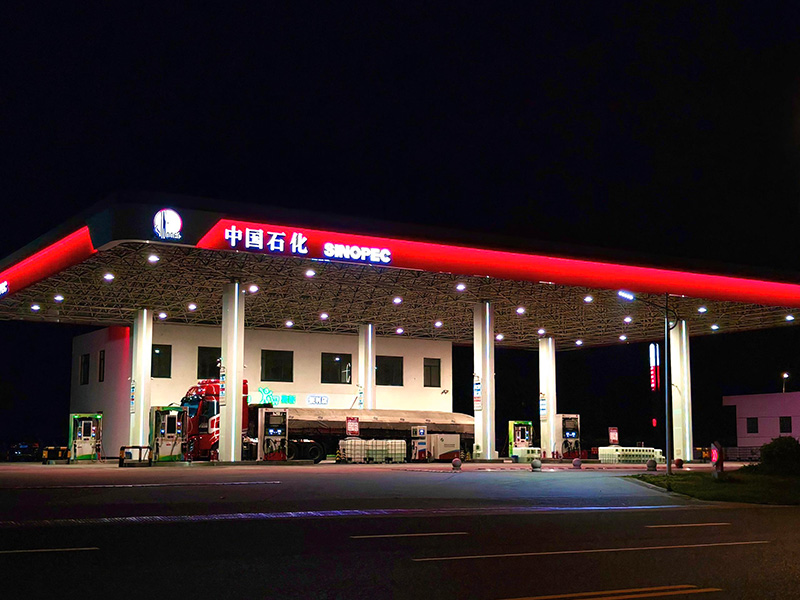
Our Steel Structure Products
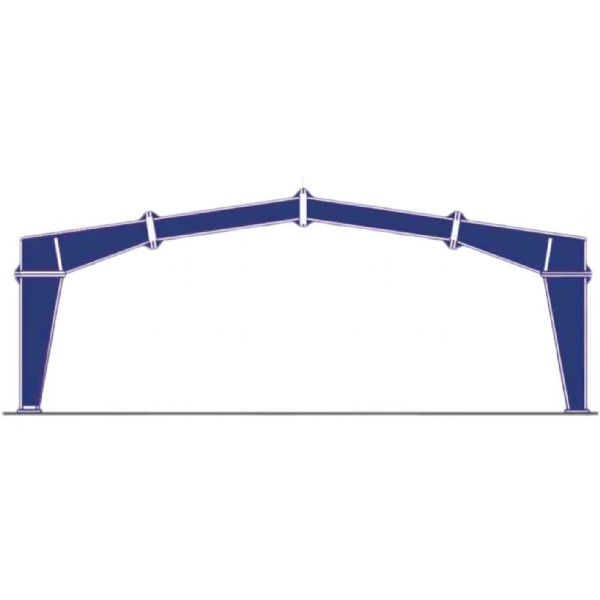
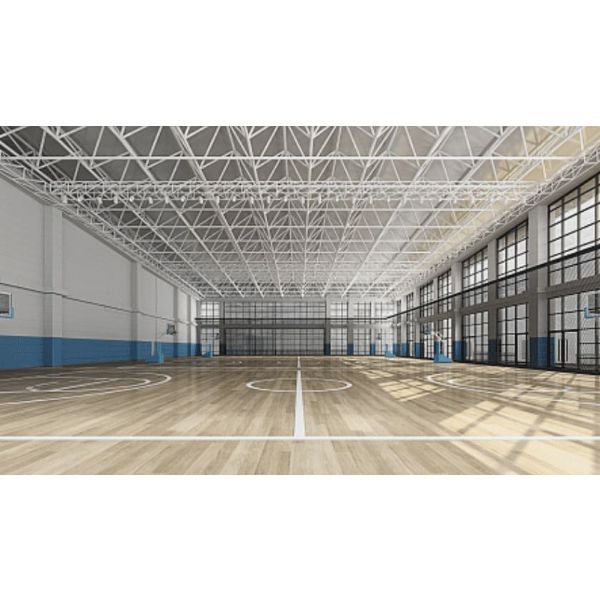
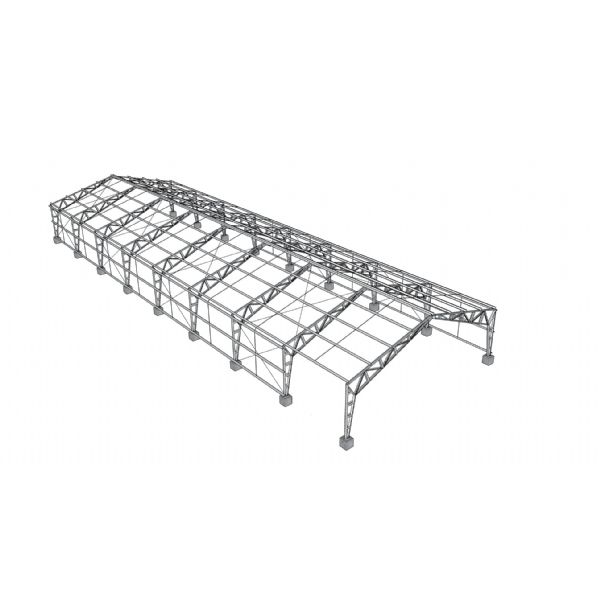
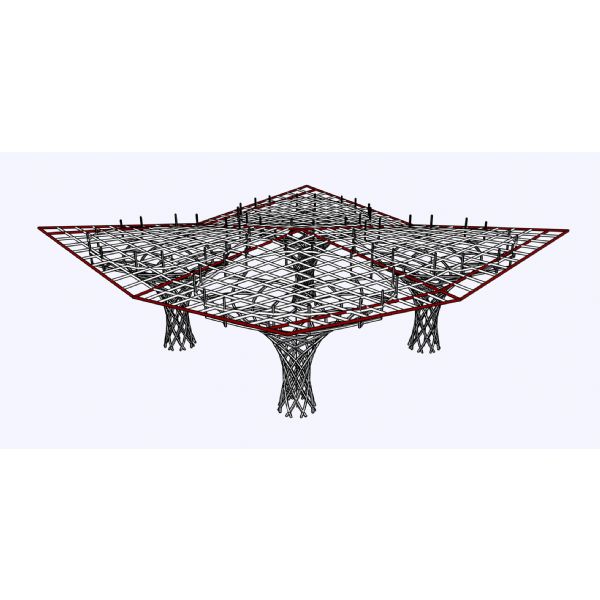
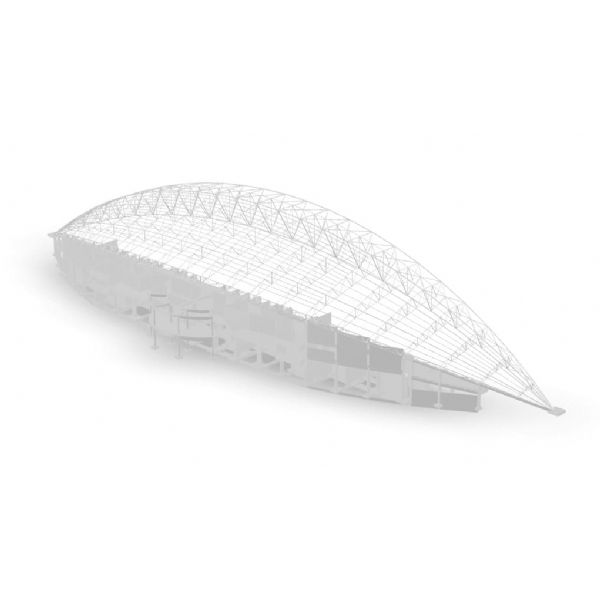
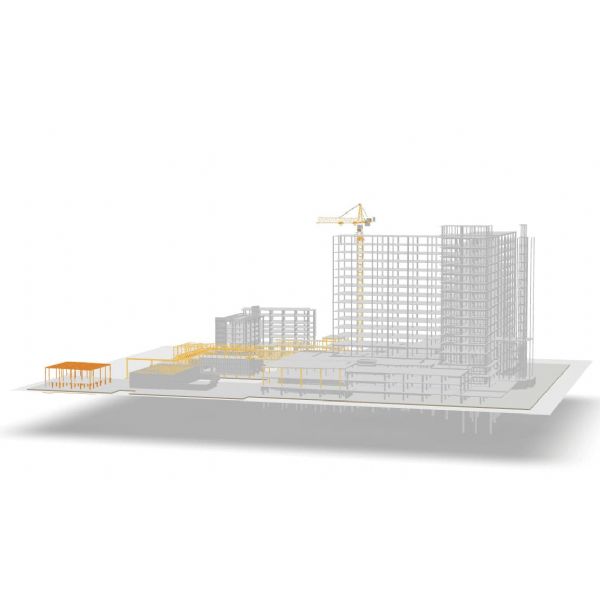
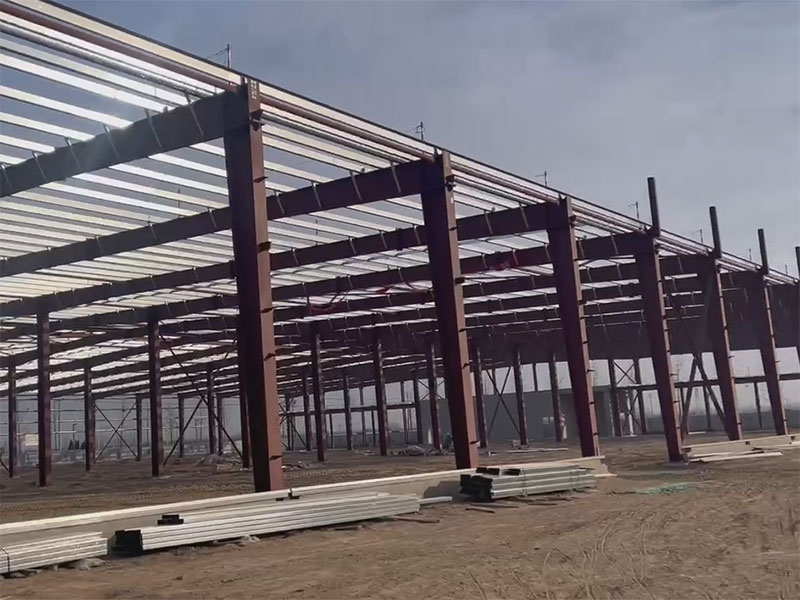
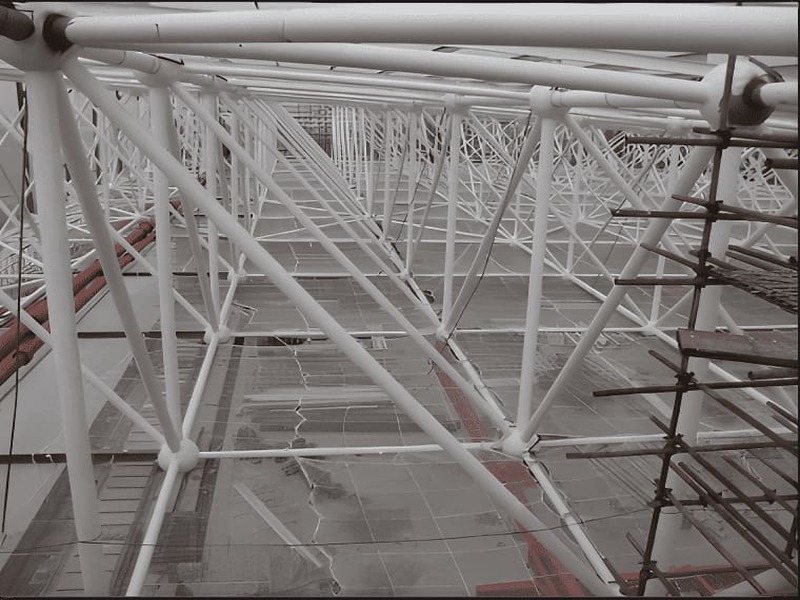
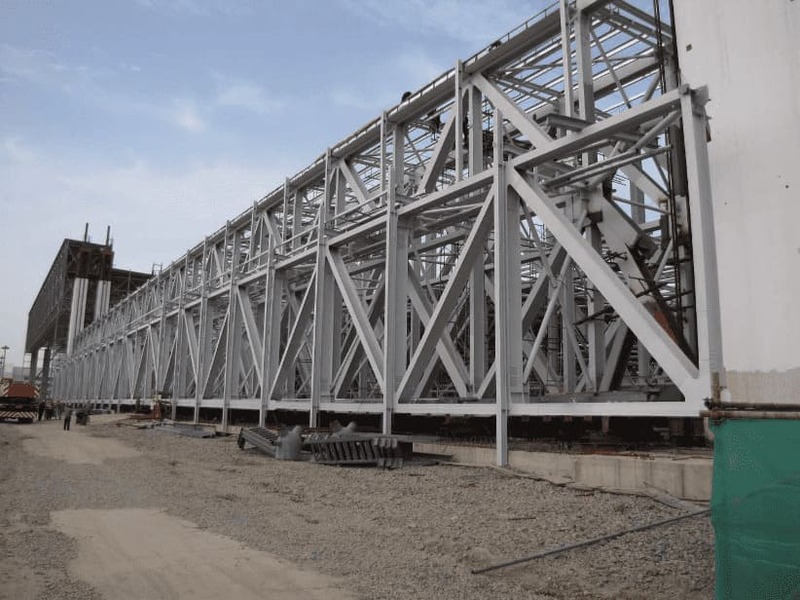
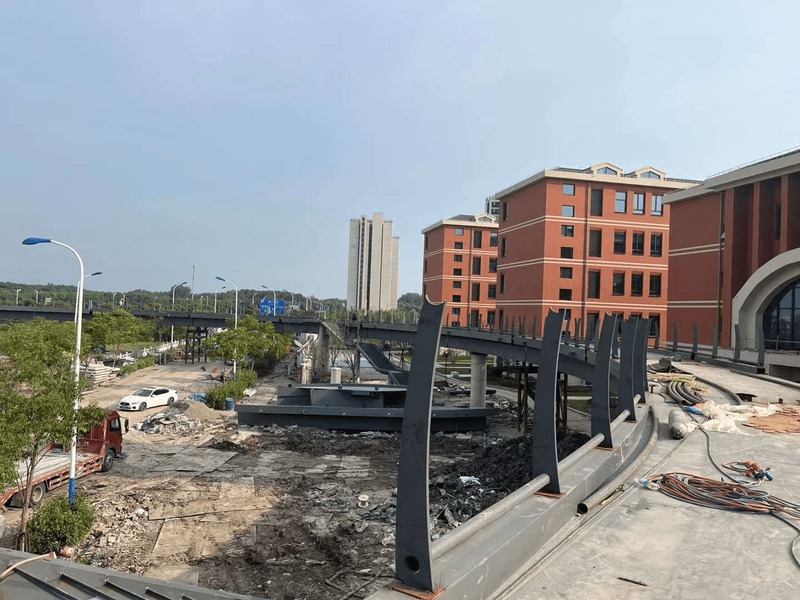
Our manufacturing capabilities cover rigid portal frames, space truss structures, steel space frames, structural steel bridges, steel-concrete structures, corridors, industrial working platforms, infrastructure components, and customized structural steel in Brazil project packages developed according to the building function and engineering requirements.
Our Project Experience
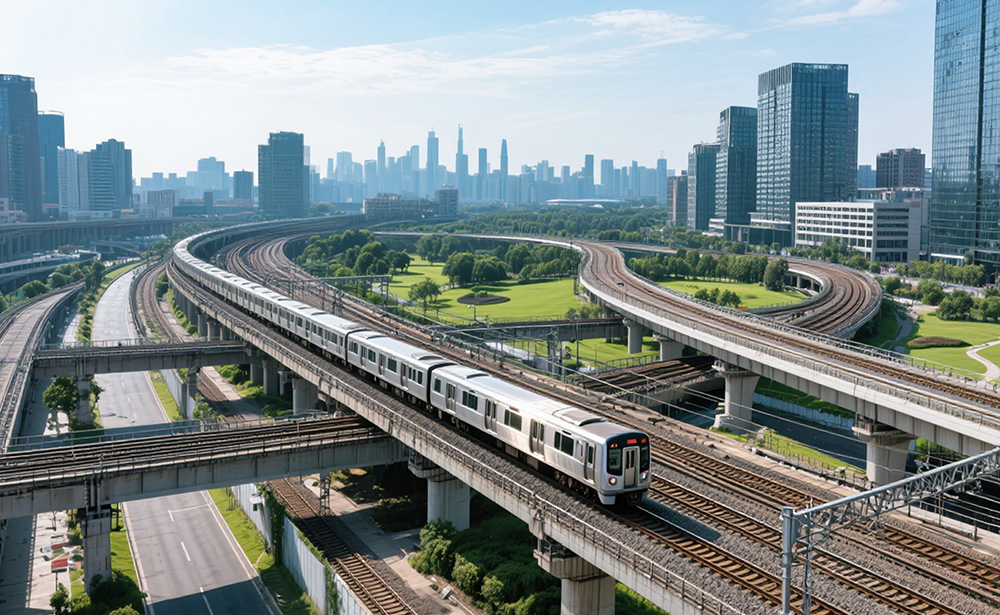
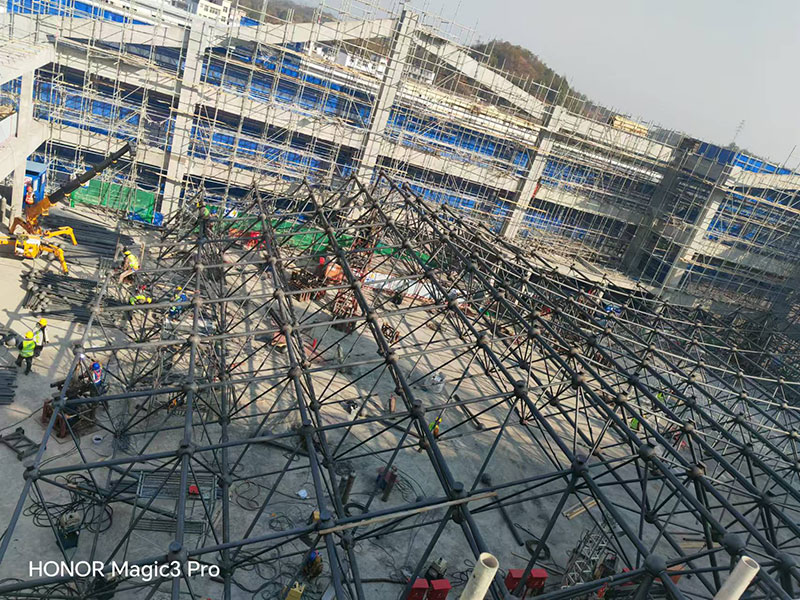
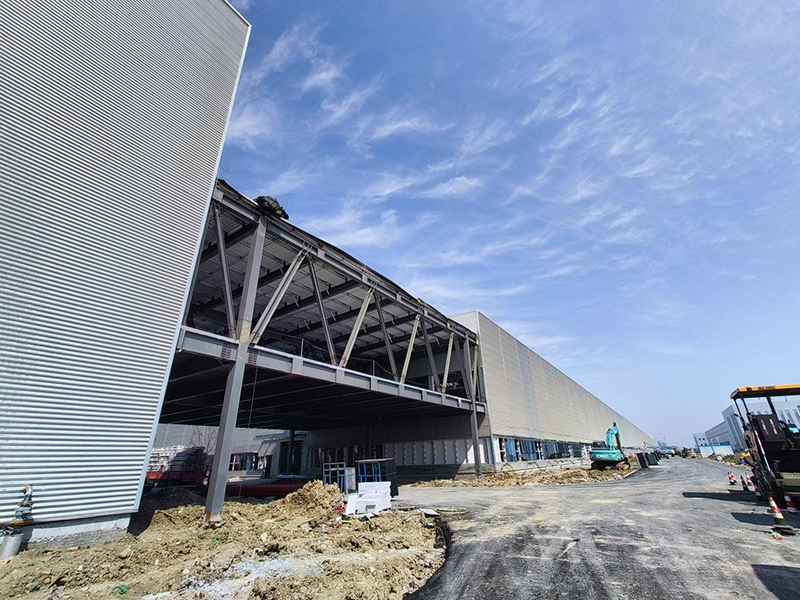
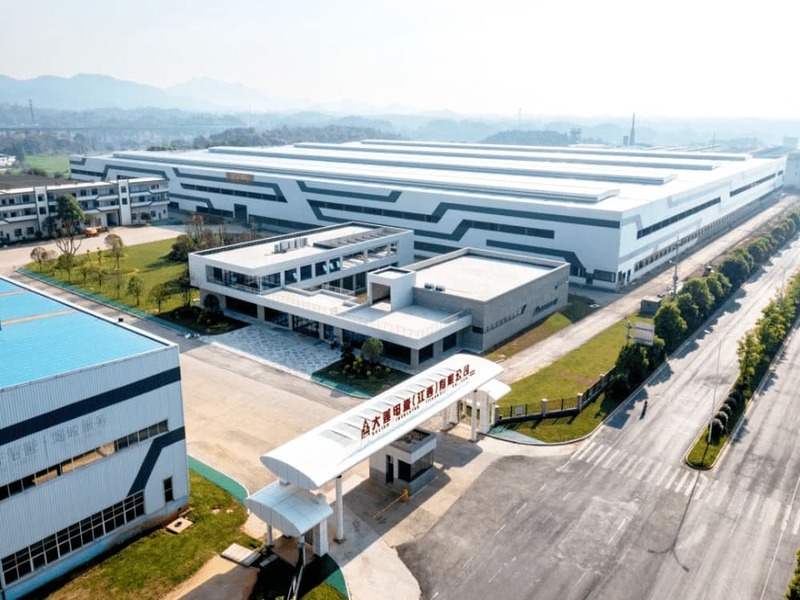
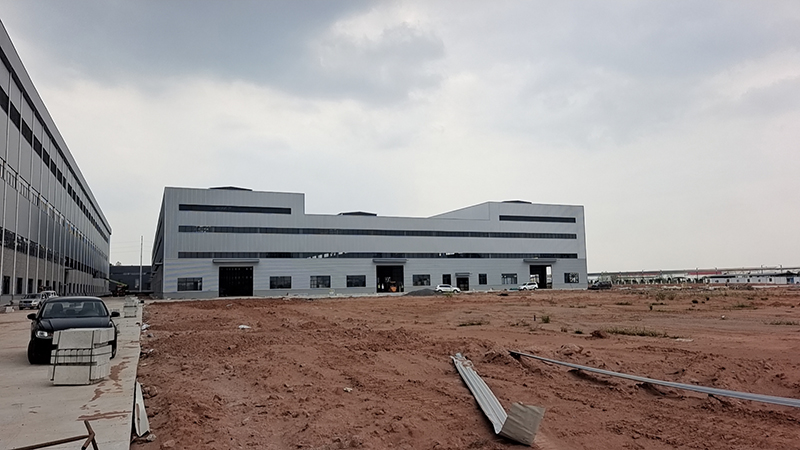
Our experience includes railway stations, airport-related buildings, industrial facilities, large-span structures, public buildings, warehouses, and infrastructure developments. This project background helps us coordinate fabrication and international delivery for Brazilian projects with different structural geometries, construction schedules, and site requirements.
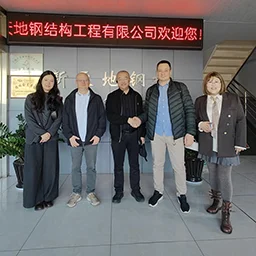
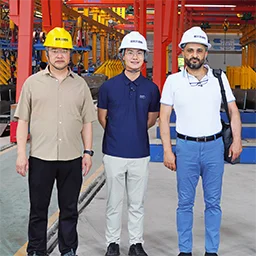
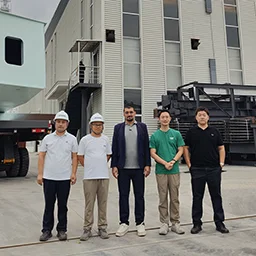
Our Clients
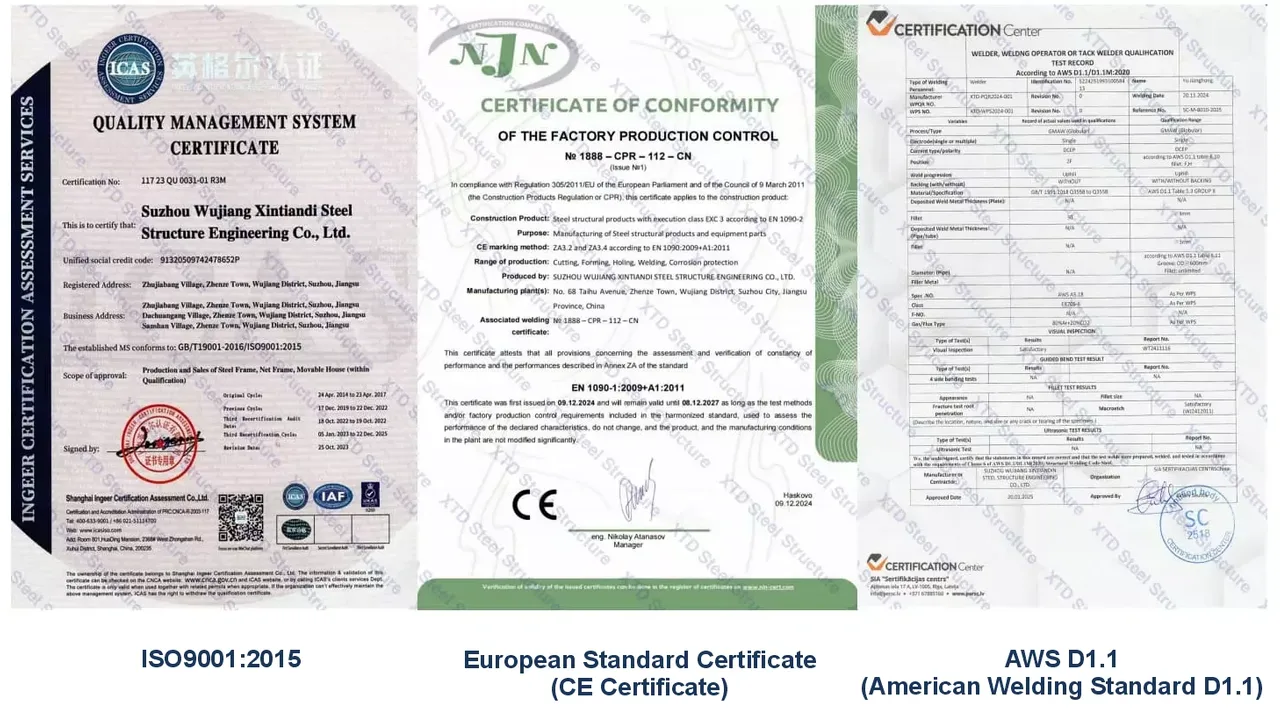
Awards and Certificates
Frequently Asked Questions
What types of steel structures are suitable for projects in Brazil?
The appropriate system depends on the building function, span, height, loads, architectural requirements, and project location. A steel structure in Brazil may use portal frames for warehouses and factories, trusses or space frames for large-span facilities, or customized framing for commercial and infrastructure applications. The structural system should always be selected around the actual engineering requirements rather than using one standard configuration for every project.
Can a steel structure be designed for Brazilian environmental conditions?
Yes. Steel structures in Brazil can be engineered according to project-specific wind actions, rainfall and drainage requirements, temperature conditions, corrosion exposure, applicable loads, and other local design criteria. The exact requirements vary by location and building use, so project information must be reviewed before structural design and fabrication are finalized.
Can prefabricated steel structures be shipped from China to Brazil?
Yes. Steel structures in Brazil can be engineered according to project-specific wind actions, rainfall and drainage requirements, temperature conditions, corrosion exposure, applicable loads, and other local design criteria. The exact requirements vary by location and building use, so project information must be reviewed before structural design and fabrication are finalized.
Do you work with Brazilian contractors and engineering companies?
Yes. A prefabricated steel structure in Brazil can be manufactured in China, marked according to the erection sequence, packaged for international transportation, and shipped to the required Brazilian port. Proper component segmentation and container planning are important because transport dimensions, shipping efficiency, unloading conditions, and site access can influence how the structure should be fabricated and packaged.
How do I choose a steel structure supplier for a project in Brazil?
Yes. XTD Steel Structure can coordinate with local contractors, developers, consultants, and engineering teams. Responsibilities can be organized according to the project delivery model, with our team supporting structural coordination, fabrication, technical documentation, packaging, logistics preparation, and installation guidance while local partners manage relevant approval and site requirements.
What buildings benefit most from prefabricated steel construction?
When evaluating a steel structure supplier in Brazil or an international supplier serving the Brazilian market, buyers should review engineering capability, fabrication capacity, quality procedures, previous project experience, export packaging, documentation, and the supplier’s ability to coordinate with the local project team. Price alone does not show whether a supplier can reliably manage a complete structural package.
Can structural steel systems be customized for different regions of Brazil?
Warehouses, factories, workshops, logistics facilities, agricultural buildings, hangars, commercial halls, and other buildings with repetitive structural bays or large open interiors are particularly suitable. Prefabrication allows the main components to be manufactured before arrival on site, helping reduce field processing and making installation more organized.
What information is needed to start a Brazilian steel structure project?
Yes. Brazil contains very different project environments, so structural steel in Brazil should not be treated as a single standardized solution. Building dimensions, structural loads, coastal or inland exposure, operational requirements, cladding systems, ventilation, insulation, and future expansion plans can all influence the final structural configuration.
Rafael Nogueira
Marina Azevedo
Thiago Vasconcelos
Fernanda Ribeiro
Gustavo Tavares
Blogs
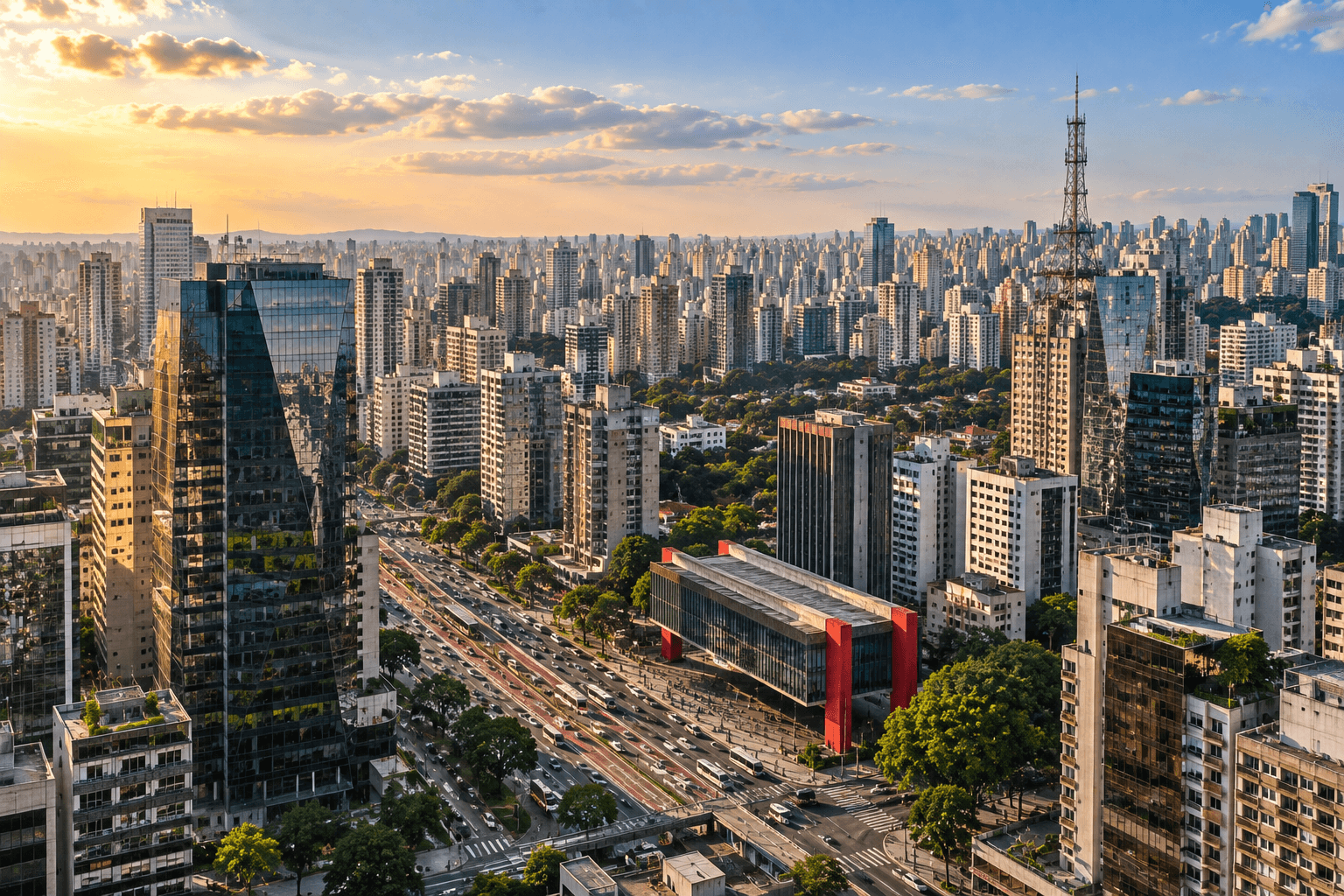
Industrial projects in São Paulo often need to combine large operational areas, fast execution, layout flexibility, and capacity for future expansion. In this context, a

Industrial projects in Buenos Aires often begin with a specific need: obtaining more usable floor space, reducing construction time, and creating facilities capable of adapting
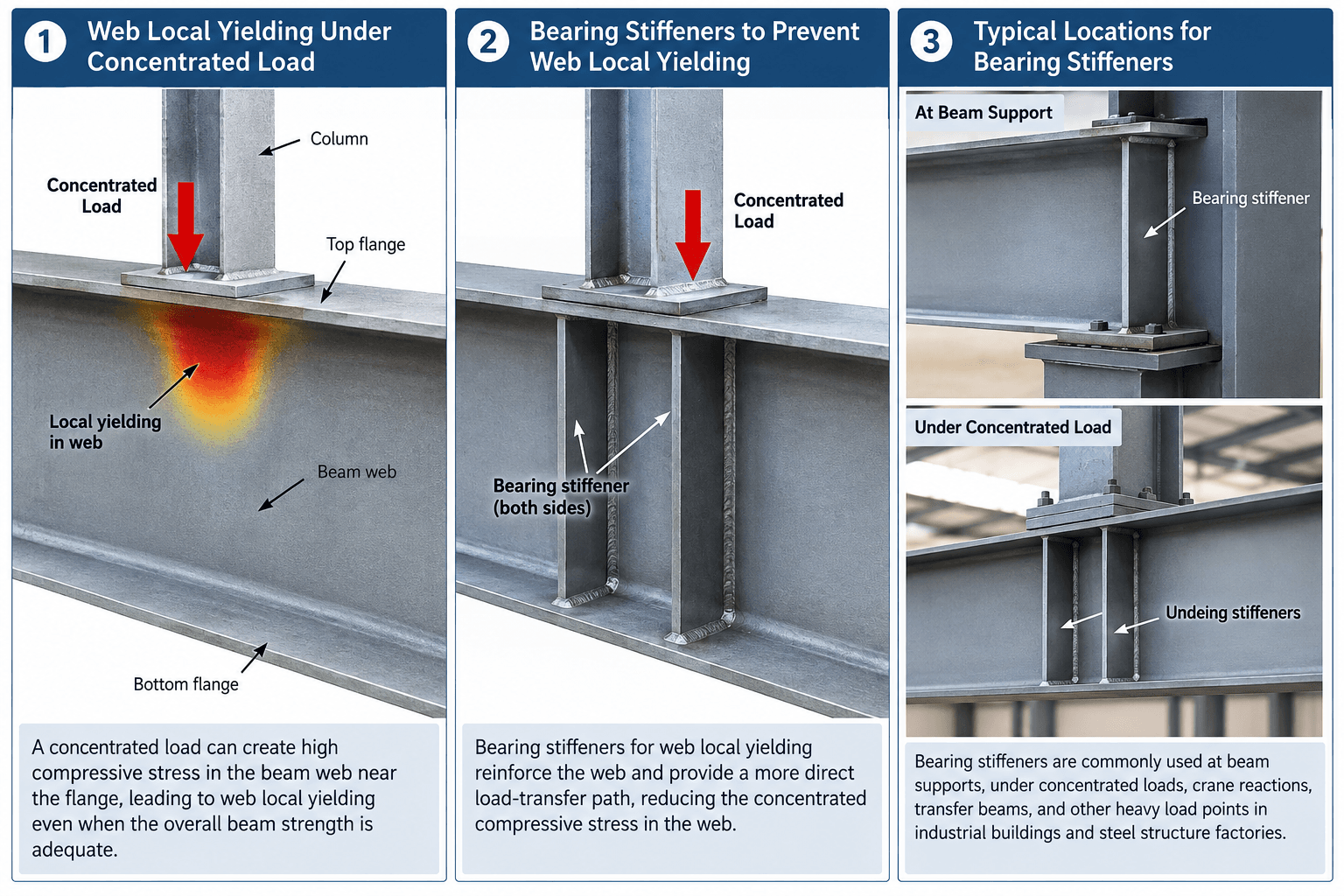
Concentrated forces do not always spread smoothly through a steel beam. A heavy support reaction, column load, crane reaction, equipment load, or secondary framing connection
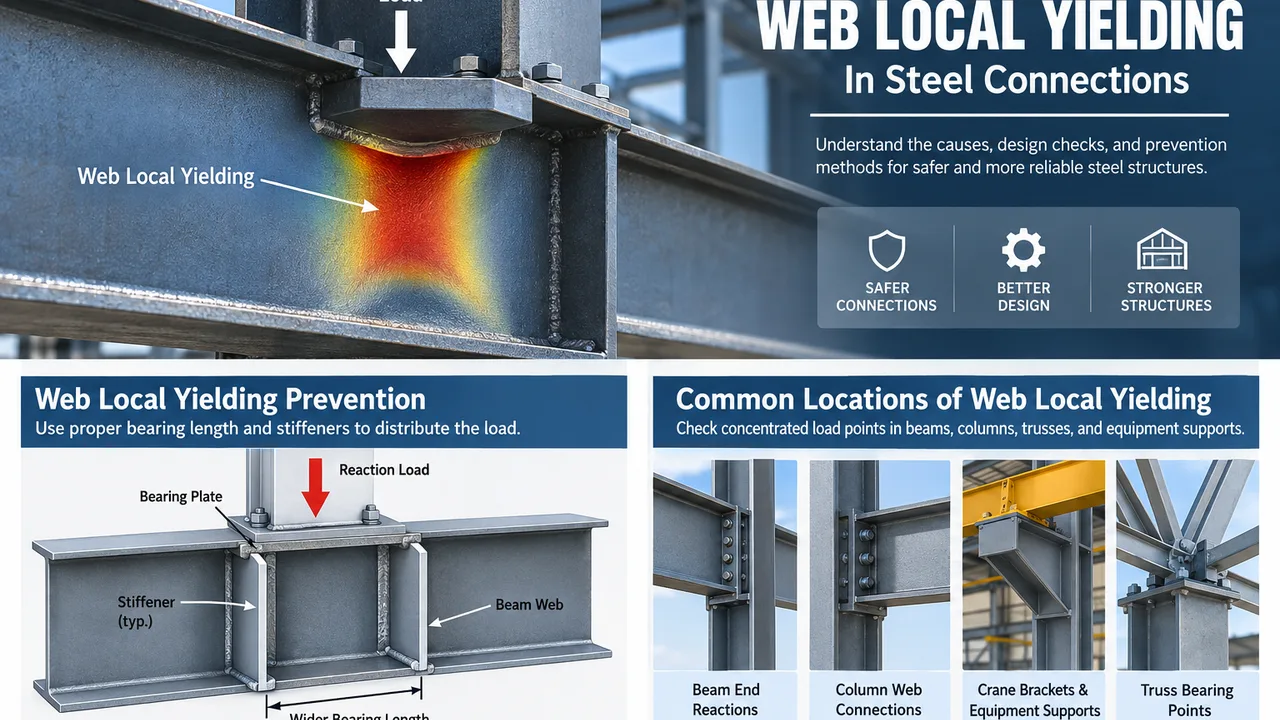
A steel beam may have enough overall bending and shear strength and still develop a serious local problem where a heavy reaction or point load
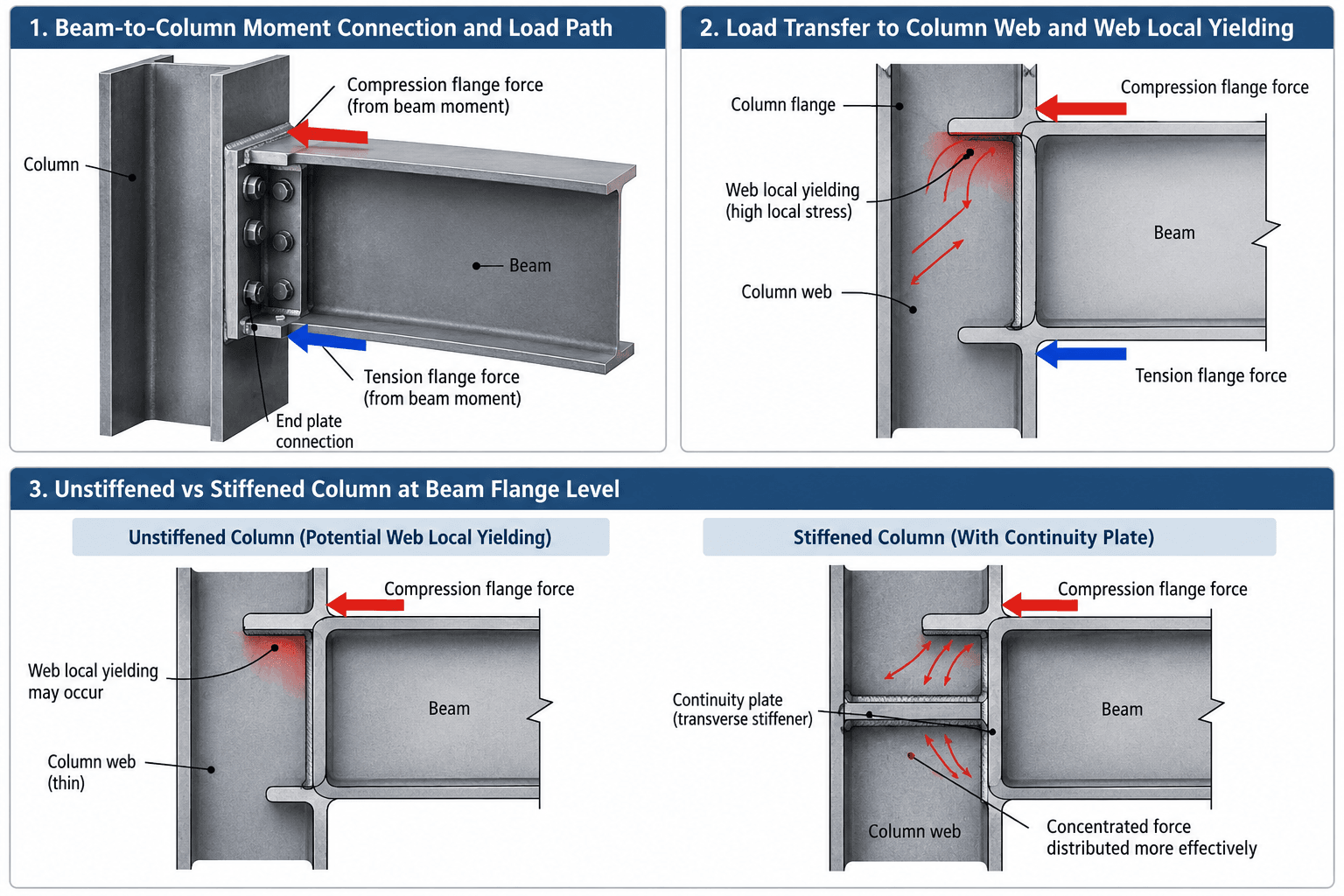
Web local yielding in beam-to-column connections can control a steel joint even when its bolts and welds have adequate capacity. In a typical moment connection,
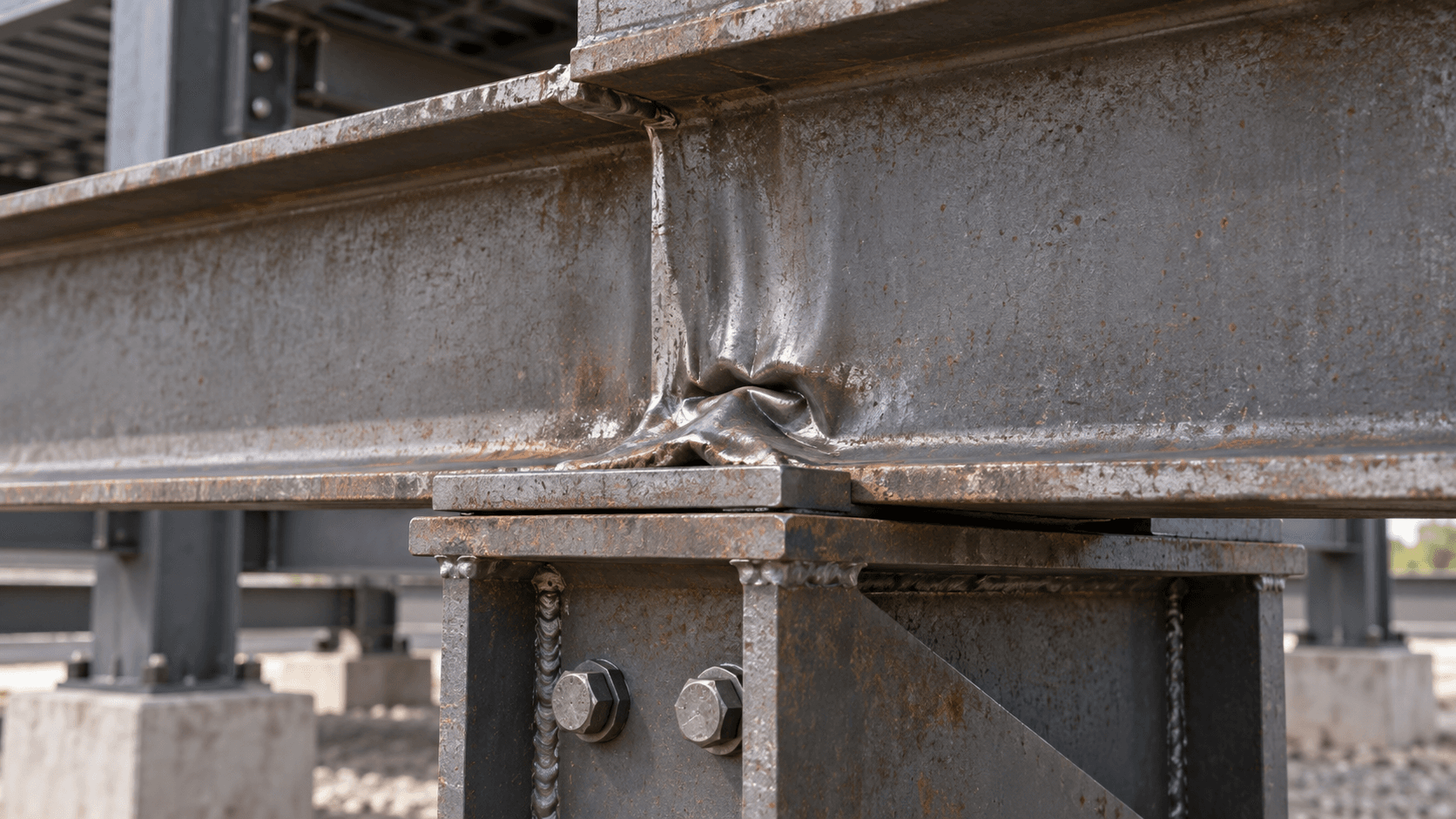
Steel beams are commonly checked for bending, shear, and deflection, but concentrated forces can create a very different set of problems around the web. Heavy
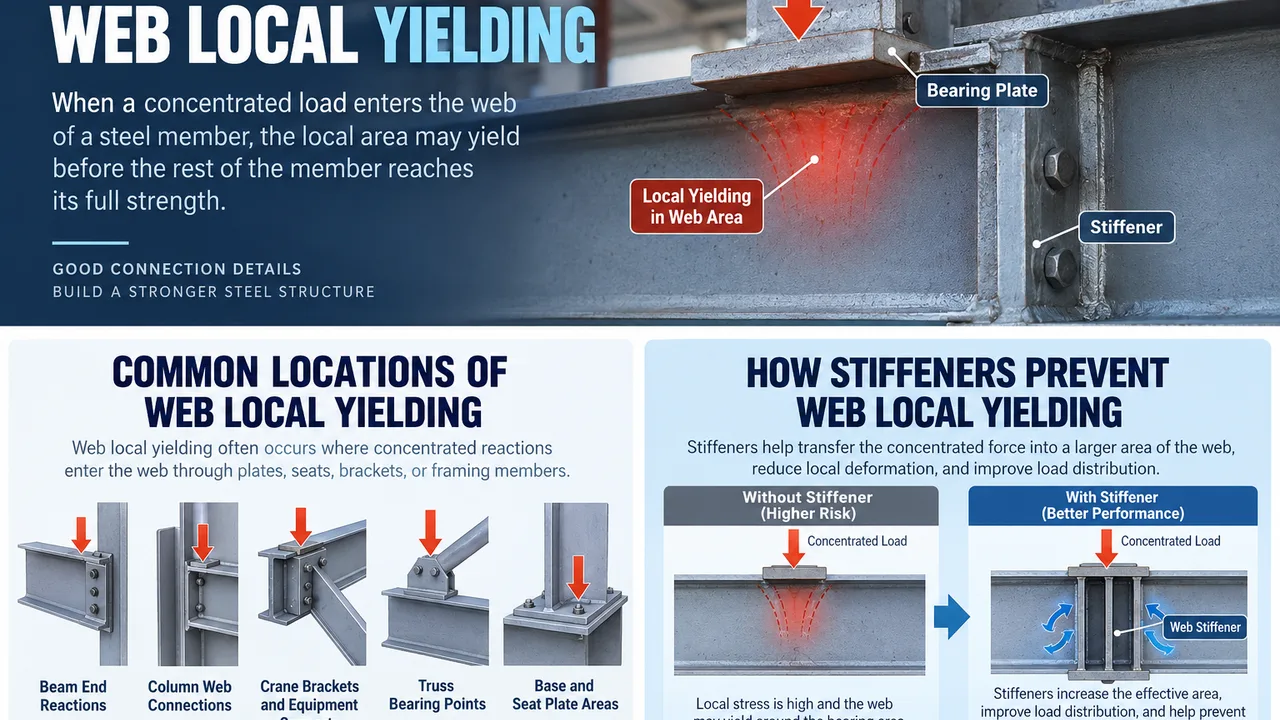
Steel connection design is not only about checking bolts, welds, and plates. In many steel structures, the connected member itself can become the controlling part
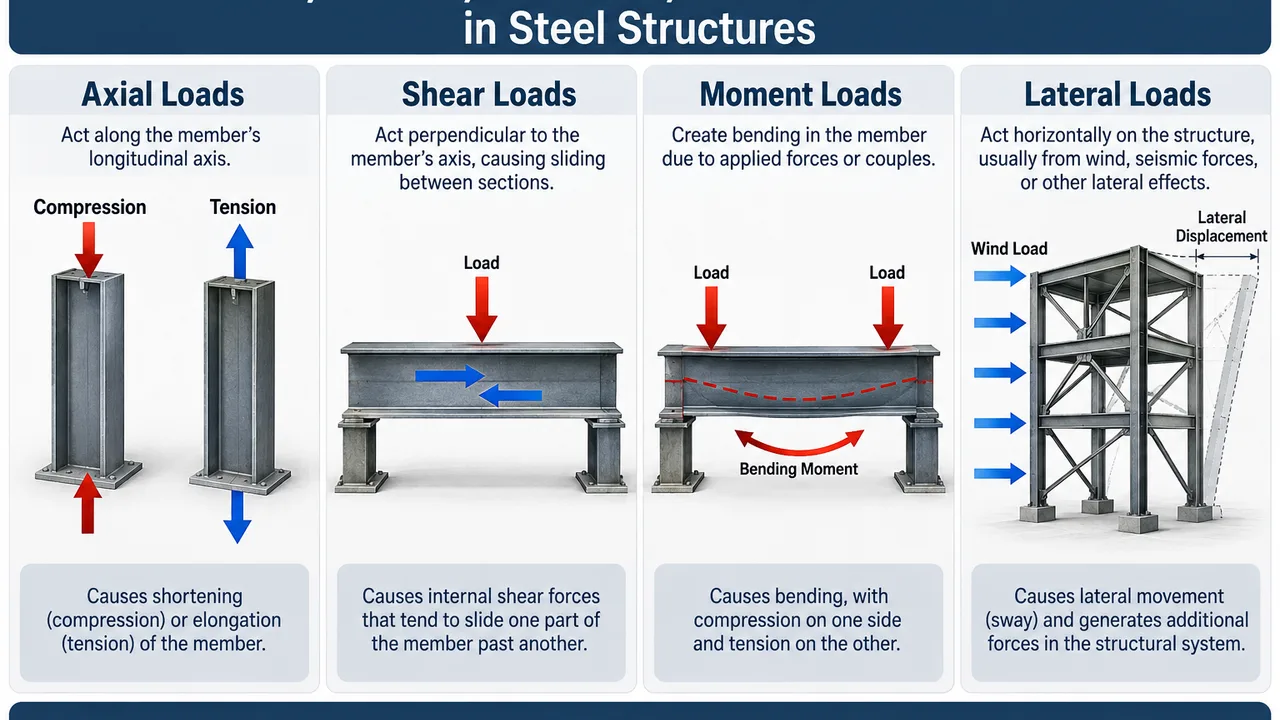
Every steel structure must transfer different types of forces safely from the roof, floor, wall system, frame, and bracing into the foundation. In real buildings,
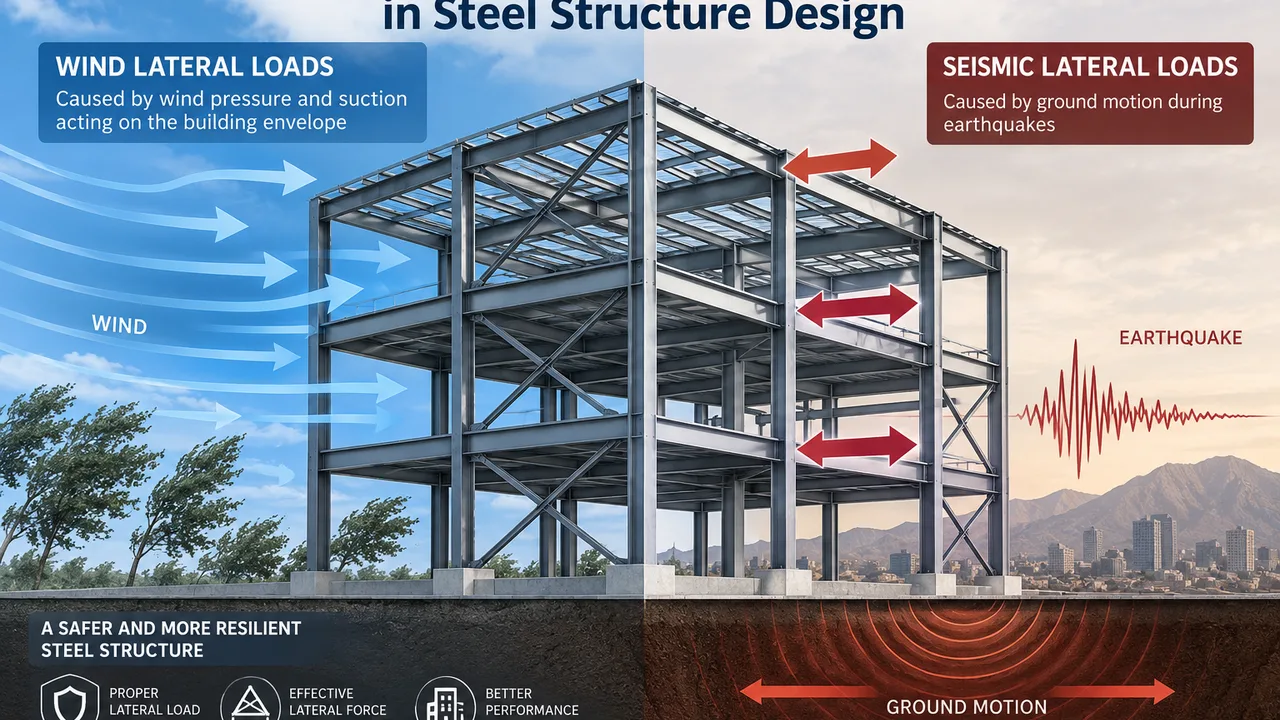
Steel structures must resist more than gravity loads from roofs, floors, equipment, and cladding. In real building conditions, horizontal forces can push, pull, shake, or

- +86 138 6251 1010
- [email protected]