The growth of industrial, energy, and logistics projects in Neuquén requires construction systems capable of meeting demanding schedules, large operational spaces, and different load configurations. In this context, a steel structure in Neuquén makes it possible to develop industrial buildings with components manufactured under controlled conditions and subsequently transported for erection on site.
The efficiency of a project does not depend solely on selecting steel sections. Structural engineering, fabrication, surface protection, logistics, and erection must be planned as parts of the same process. This coordination is particularly important in facilities where workshops, warehouses, industrial equipment, and technical areas must be integrated within a coherent structural solution.
For projects of different scales, a steel structure building in Neuquén can be configured according to the building dimensions, operational loads, required spans, and possibilities for future expansion. Early planning also helps reduce modifications during fabrication and avoid interference during erection.
Why Steel Structures Are Suitable for Projects in Neuquén
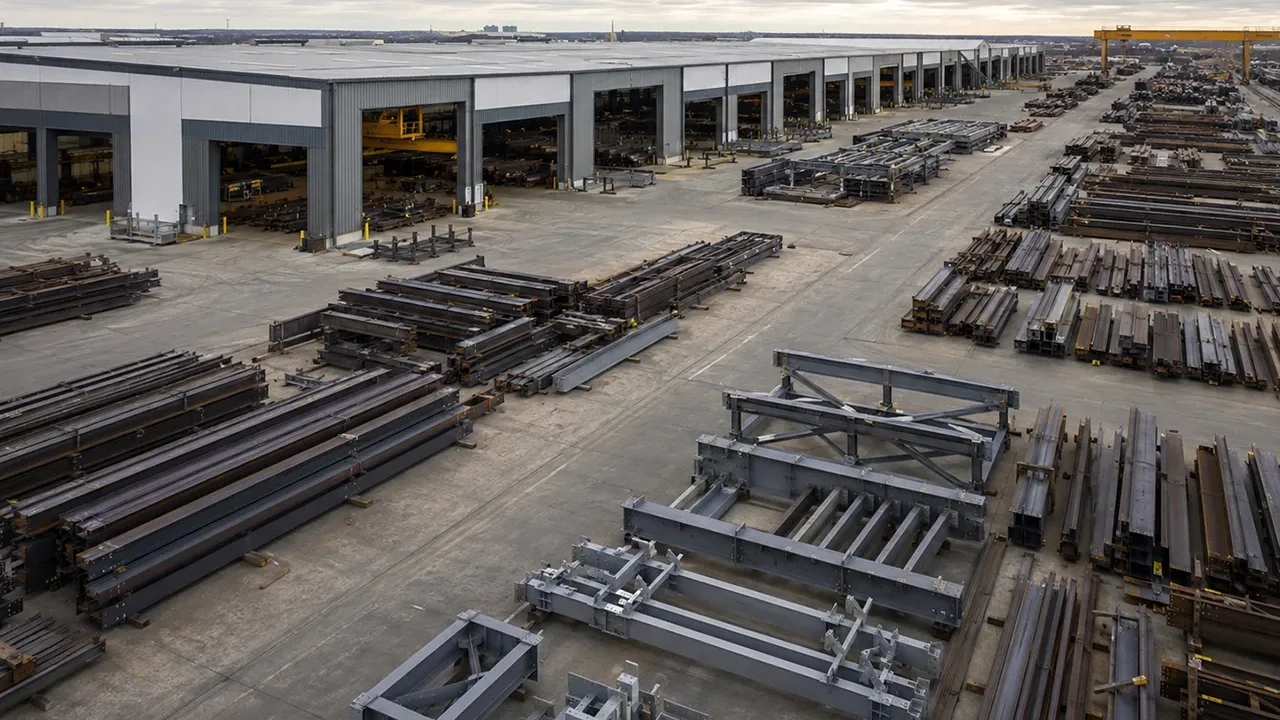
One of the main advantages of steel structures in Neuquén is the ability to move a significant portion of the work from the construction site to the factory. Columns, beams, trusses, plates, and other components can be cut, drilled, welded, and inspected before dispatch.
Prefabrication helps reduce activities performed directly on site and allows erection to be organized according to predefined sequences. For industrial projects, this characteristic can facilitate coordination between the main structure, cladding, building services, and production equipment.
Steel also provides flexibility to create large interior spaces with fewer intermediate supports. This is useful when a building requires open areas for machinery, vehicle circulation, storage, production lines, or equipment maintenance.
In addition, when future expansion is considered during the engineering stage, the structural system can be designed to facilitate later extensions without unnecessarily modifying existing areas.
Applications of Steel Structure in Neuquén

Structural requirements can vary considerably from one project to another. For this reason, a steel structure in Neuquén should be developed according to the actual use of the building rather than simply based on a standard configuration.
Industrial Plants and Production Buildings
Industrial plants may require large production areas, auxiliary buildings, maintenance zones, and spaces for technical installations. The structural system must be coordinated with equipment layouts, internal routes, and operational requirements.
In facilities that use heavy machinery, loads transmitted by equipment and maintenance requirements must also be considered. An appropriate configuration allows production areas to be organized without introducing supports that interfere with workflow.
Energy Projects
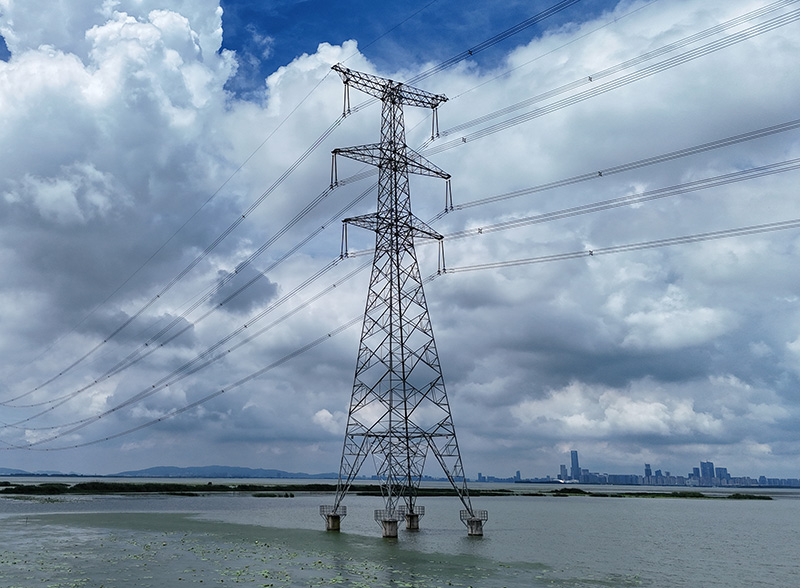
Projects related to the energy sector may include workshops, warehouses, technical buildings, platforms, and auxiliary structures. Each facility has different load requirements, dimensions, and service conditions.
In these cases, the design of structural steel in Neuquén must consider not only the strength of the building but also the integration of equipment, piping, installations, and access systems when they form part of the project scope.
Warehouses and Logistics Centers
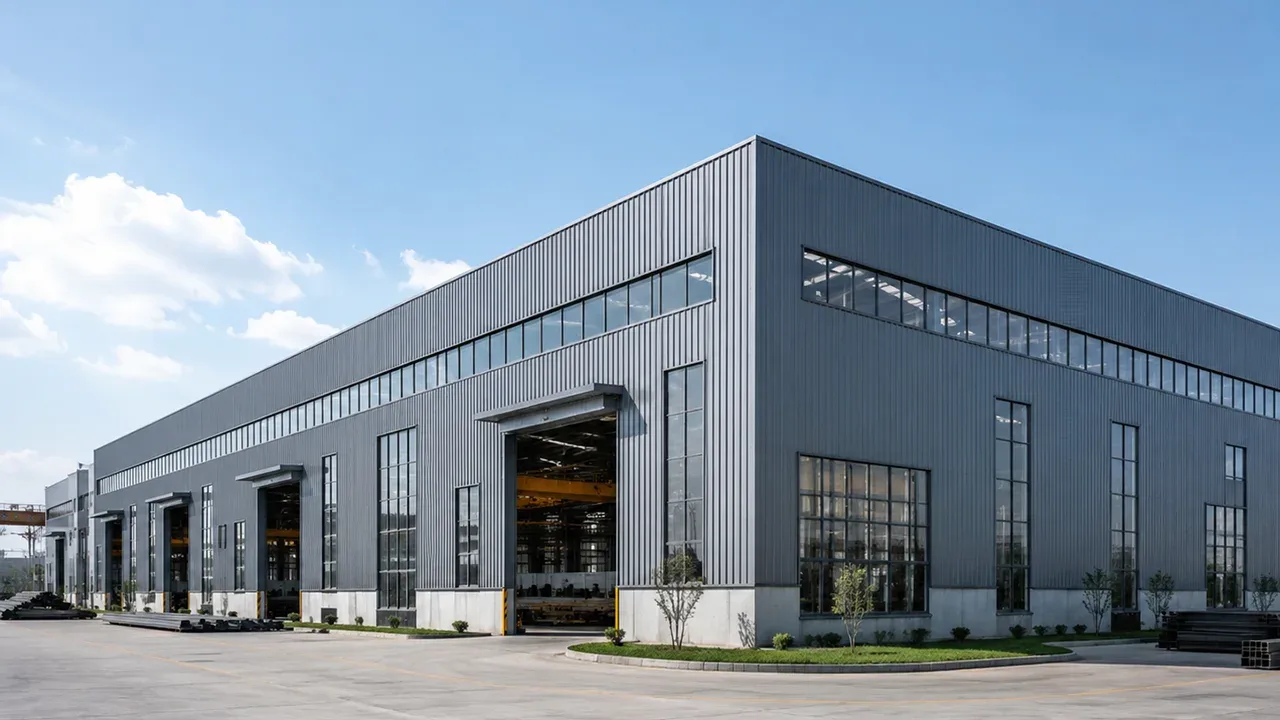
Warehouses and logistics centers generally prioritize large interior areas, efficient circulation, and flexibility for storage systems. Steel frames make it possible to develop spacious areas and adapt column spacing to operational requirements.
Clear height, door dimensions, loading and unloading zones, and vehicle routes should be incorporated from the early stages of design.
Hangars, Workshops, and Maintenance Buildings
Hangars and workshops may require larger spans, oversized access points, and open areas for vehicles or machinery. Depending on the operation, overhead cranes or other lifting equipment may also need to be integrated.
These requirements directly affect the dimensions of columns, beams, connections, and bracing systems, so they should be defined before completing the structural design.
Design of a Steel Structure Building in Neuquén
Design begins with a clear understanding of the building’s function. Overall dimensions are important, but permanent and variable loads, environmental conditions, industrial equipment, and service requirements must also be defined.
For a steel structure building in Neuquén, engineering must evaluate the actions applicable to the project, including wind loads corresponding to the site and loads generated by equipment or suspended systems where applicable.
Coordination with architecture and other disciplines is also essential. The positions of doors, façades, equipment, ducts, and installations can influence the configuration of the main structure.
Selection of the Structural System
There is no single system suitable for every project. Rigid frames can be efficient for industrial buildings and warehouses, while trusses may be appropriate when larger spans or specific configurations are required.
Multi-story projects may use beam-and-column systems, while more complex buildings can combine different structural solutions. Selection should be based on loads, geometry, use, fabrication, transportation, and erection method.
Optimizing Steel Weight and Use
Using more steel does not necessarily produce a better solution. The objective of efficient engineering is to provide the required strength and stiffness without creating unnecessary overdesign.
Optimizing structural steel in Neuquén can also influence fabrication, transportation, and erection costs. Excessively heavy sections may require larger handling equipment, while an excessive number of components and connections can increase fabrication hours.
For this reason, cost should be evaluated by considering the complete system rather than only the total weight of the steel.
Fabrication of Steel Structures for Projects in Neuquén
Once the design is approved, structural models and drawings must be converted into precise information for production. Shop drawings indicate dimensions, materials, holes, welds, plates, connections, and the identification of each component.
The fabrication of a steel structure in Neuquén may include cutting, drilling, edge preparation, assembly, welding, and different finishing operations. Precision during these stages is important because dimensional errors can later become erection problems.
An organized identification system also facilitates logistics. Components can be marked according to the drawings and erection sequences so that the site team can locate the required parts without sorting through materials in a disorganized manner.
Quality Control During Fabrication
Quality control should be integrated into the fabrication process rather than performed only at the end. Checks can begin with material receiving and continue through cutting, assembly, welding, and finishing.
Depending on project specifications, the process may include dimensional verification, weld inspection, component checks, and review of surface preparation before applying the protective system.
Detecting a deviation inside the factory is generally more efficient than discovering it after the component has already reached the construction site. For this reason, traceability and inspection records are important elements for industrial projects.
Corrosion Protection and Service Conditions
The protection system should be selected according to the exposure environment and anticipated service conditions. Not every building requires exactly the same treatment.
Surface preparation is a fundamental stage before applying paints or coatings. When required by the project, alternative systems such as galvanizing can also be evaluated for specific components.
Initial protection, however, is only one part of the strategy. Inspection and maintenance throughout the service life help preserve the performance of steel structures in Neuquén, particularly in areas where certain elements are exposed to specific environmental conditions or industrial processes.
Transportation of Steel Structures to Neuquén

Logistics should be considered from the engineering stage. Designing a component that can be fabricated correctly but is difficult to transport can result in modifications, additional costs, and delays before it reaches the construction site.
Component dimensions and weights should be evaluated together with transportation conditions. When elements have considerable lengths or complex geometries, it may be appropriate to divide them into sections that are subsequently connected during erection.
The dispatch sequence also matters. Instead of shipping components without reference to the erection schedule, batches can be organized so that the first pieces required on site are available at the appropriate time.
Design for Transportation and Erection
Bolted site connections can be used to assemble prefabricated components and reduce certain operations at the construction site. The design of these connections must be coordinated with tolerances, erection access, and the structural sequence.
Packaging and identification should also prevent damage or confusion during transportation. Integrated planning between engineering, factory production, logistics, and erection reduces the possibility that a critical component arrives too late or cannot be installed as planned.
Erection of Steel Structures in Neuquén
Before beginning the erection of a steel structure in Neuquén, site conditions, foundations, and the positions of anchor bolts must be verified. Deviations in these elements can directly affect column installation.
The process normally continues with the lifting of columns, beams, or trusses and the progressive installation of bracing systems. Maintaining temporary stability during each stage is essential until the structural system reaches its intended configuration.
After initial positioning, alignment checks and adjustments are carried out before completing the connections and continuing with secondary elements.
Coordination Between Fabrication and Site Work
Efficient erection depends on what happened long before the components arrived on site. A missing piece, incorrect identification, or an out-of-sequence delivery can leave equipment and personnel waiting.
Coordination between production and the construction site allows shipments to be prepared according to the actual progress of erection. It also facilitates the resolution of technical queries when site conditions require verification.
Integrating engineering, fabrication, and erection within a common strategy helps reduce unnecessary interfaces between different parties.
How to Reduce Project Schedules for Steel Structure in Neuquén
Construction speed does not depend solely on working faster at the site. In many cases, the greatest opportunities to reduce project duration appear during planning.
When technical information is sufficiently defined, certain engineering, procurement, and production preparation activities can be coordinated to avoid idle time. Prefabrication allows a significant portion of the structure to be produced while other activities progress on site.
For a steel structure in Neuquén, organizing fabrication and dispatches according to the erection sequence can also reduce unnecessary accumulation of components.
Late design changes represent another significant risk. Modifying dimensions, loads, connections, or equipment after fabrication has begun can create rework and affect materials that have already been processed. More complete technical definition before production helps control this risk.
Factors That Influence the Cost of Steel Structures in Neuquén
The cost of steel structures in Neuquén depends on multiple variables and cannot be properly evaluated using only a generic price per ton.
Total tonnage has an influence, but so do geometric complexity, structural spans, height, number of connections, welding requirements, and the surface protection system.
Transportation can represent another important part of the cost, especially when oversized components are involved or when the project requires multiple dispatch stages. Similarly, erection depends on component weight, working height, available access, and the lifting equipment required.
Projects incorporating overhead cranes, platforms, mezzanines, equipment support structures, or other special elements also require additional engineering and fabrication considerations.
For this reason, comparing proposals exclusively on the basis of steel price per ton can be misleading. A more complete evaluation considers engineering, fabrication, protection, logistics, documentation, and erection scope.
Selecting a Supplier for a Steel Structure Project in Neuquén
A supplier’s capabilities should be evaluated beyond its commercial offer. For industrial projects, it is important to verify whether the supplier can consistently coordinate engineering, shop drawings, fabrication, inspection, and technical documentation.
Actual production capacity also matters. Cutting, drilling, welding, assembly, and surface treatment equipment should be compatible with the type and volume of components required.
For projects requiring international fabrication followed by transportation to Argentina, logistics experience and the organized preparation of components become particularly important. Batches should be correctly identified and coordinated with the planned erection sequence.
Buyers evaluating solutions at the national level can also consult Steel Structure in Argentina to learn about XTD Steel Structure’s approach to steel projects intended for the Argentine market.
From Engineering to Erection: An Integrated Approach
Managing a project through a coordinated workflow helps reduce disconnects between design and production. Information developed during engineering should be converted directly into shop drawings and subsequently into fabricated and identified components.
After fabrication, inspections, surface treatment, packaging, and dispatch should follow the same project logic. In this way, information is not lost each time the work moves from one stage to another.
XTD Steel Structure integrates design, processing, fabrication, and project management capabilities for steel structures. For a steel structure in Neuquén project, this approach makes it possible to coordinate everything from initial structural decisions to the preparation of components for transportation and erection.
Integration also facilitates schedule control. If a technical modification affects a connection or component, the information can be communicated to the appropriate team before the issue progresses to subsequent stages.
Planning a Steel Structure Project in Neuquén
A more complete request for quotation allows a more accurate technical proposal to be developed. Before starting, it is advisable to define the main building dimensions, intended use, location, and operational requirements.
Architectural or conceptual drawings help clarify the geometry, while load information allows the structural system to be evaluated. Heavy equipment, overhead cranes, suspended loads, platforms, or installations that may affect the design should also be specified.
For a steel structure building in Neuquén, other relevant information includes the type of cladding, corrosion protection requirements, special service conditions, and the expected scope of the supplier.
The planned schedule should also be communicated from the beginning. Knowing target dates makes it possible to organize engineering, material procurement, fabrication, and dispatch according to the project’s actual priorities.
Frequently Asked Questions About Steel Structure in Neuquén
What Types of Buildings Can Be Constructed With Steel Structure in Neuquén?
The system can be used for industrial plants, warehouses, logistics centers, workshops, hangars, maintenance buildings, facilities associated with energy projects, and different auxiliary structures. The configuration should be adapted to the loads, dimensions, and specific use of each project.
How Long Does Steel Structure Fabrication Take?
The schedule depends on tonnage, component complexity, material availability, welding requirements, surface treatment, and production capacity. Engineering and drawing approval are also part of the overall schedule, so the required time should be evaluated according to the actual characteristics of the project.
Can Steel Structures Be Fabricated Outside Argentina and Transported to Neuquén?
Steel components can be prefabricated and organized for international transportation when the project and its logistics strategy allow it. This requires consideration of transportation dimensions, component segmentation, identification, packaging, applicable documentation, and erection sequence. Specific import, transportation, and site requirements should be verified for each project.
What Information Is Needed to Request a Quotation?
It is advisable to provide available drawings, main dimensions, location, building use, known loads, equipment requirements, material specifications, and expected scope. The more complete the initial information, the more accurate the technical and commercial evaluation can be.
Can a Steel Structure Be Expanded in the Future?
Yes, an expansion can be considered during the initial engineering stage. Feasibility depends on the structural configuration, future loads, and the way certain connections and elements are designed. Planning the expansion from the beginning is generally more efficient than subsequently modifying a structure that was not designed for that purpose.
Steel Solutions for the Industrial Development of Neuquén
Industrial and energy projects require much more than isolated steel components. Final performance depends on how engineering, fabrication, quality control, surface protection, transportation, and erection are coordinated throughout the entire project.
A properly planned steel structure in Neuquén can be adapted to industrial plants, warehouses, workshops, energy facilities, and other buildings where construction efficiency and operational flexibility are priorities. The selection of the structural system should always respond to the specific conditions and requirements of each project.
XTD Steel Structure can work from drawings, specifications, and technical requirements to develop solutions for steel structures in Neuquén. Sharing the building dimensions, loads, intended use, location, and schedule makes it possible to begin a technical evaluation and define an appropriate solution for fabrication and delivery.