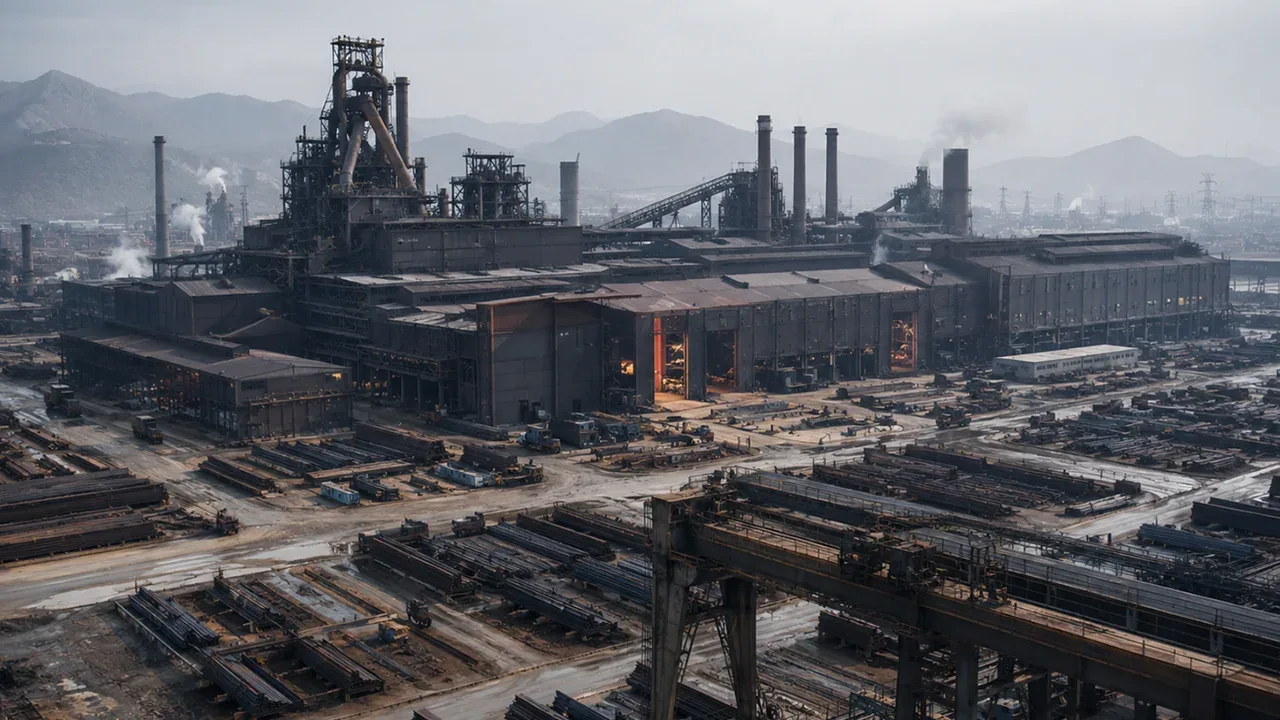
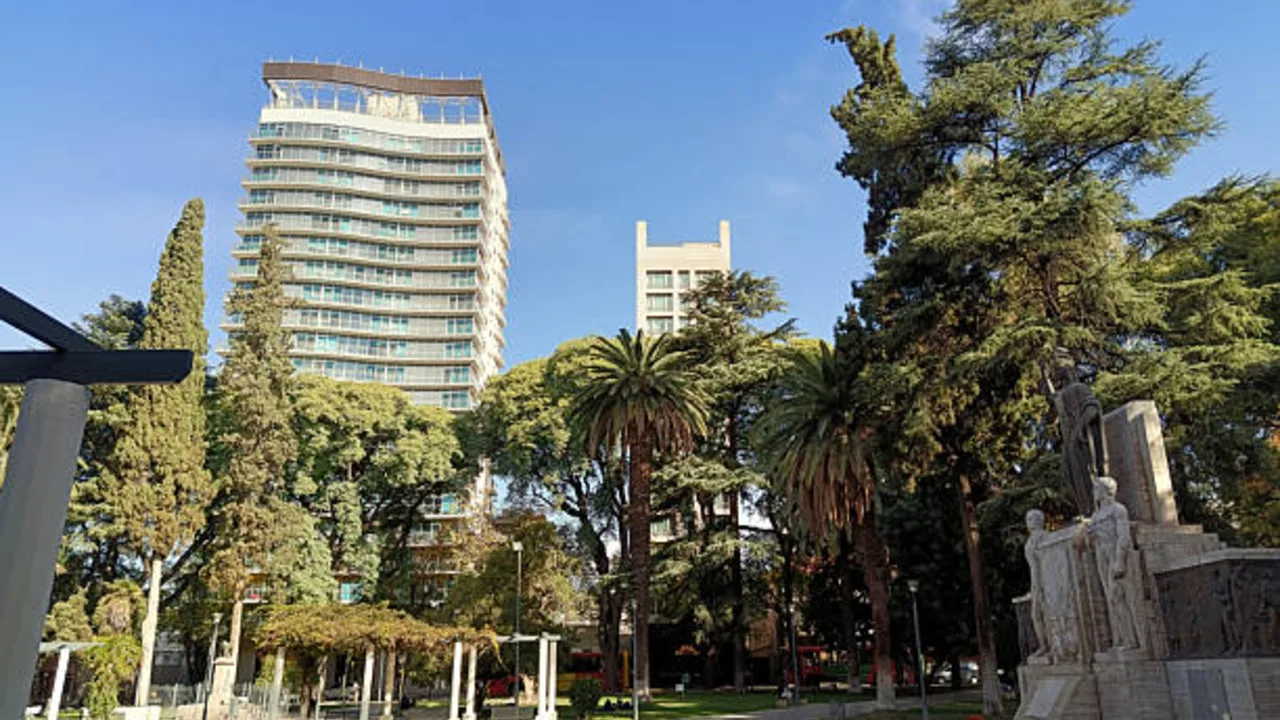
Industrial projects in Mendoza often require much more than a structural solution capable of covering large areas. Manufacturing plants, wineries, storage centers, and agro-industrial facilities need spaces that make it possible to organize processes, integrate equipment, move materials, and expand operations without turning every future change into a complex intervention.
In this context, a steel structure in Mendoza makes it possible to develop buildings with large spans, flexible configurations, and components prefabricated under controlled conditions. The system can be adapted to everything from a relatively simple industrial building to industrial complexes with different heights, mezzanines, technical areas, overhead cranes, or specialized production zones.
However, the performance of a steel structure depends on much more than the material used. Engineering, anticipated loads, site conditions, fabrication, surface protection, logistics, and the erection sequence must be coordinated from the earliest stages of the project. This planning is especially important when the building must be integrated with industrial processes, intensive storage, or future expansions.
Why a Steel Structure in Mendoza Is Suitable for Industrial Projects
A steel structure in Mendoza can offer important advantages when a project requires large interior spaces and an organized construction program. Portal frames and other structural steel systems can reduce the number of interior supports, facilitating the layout of production lines, racks, machinery, vehicle circulation, and operational areas.
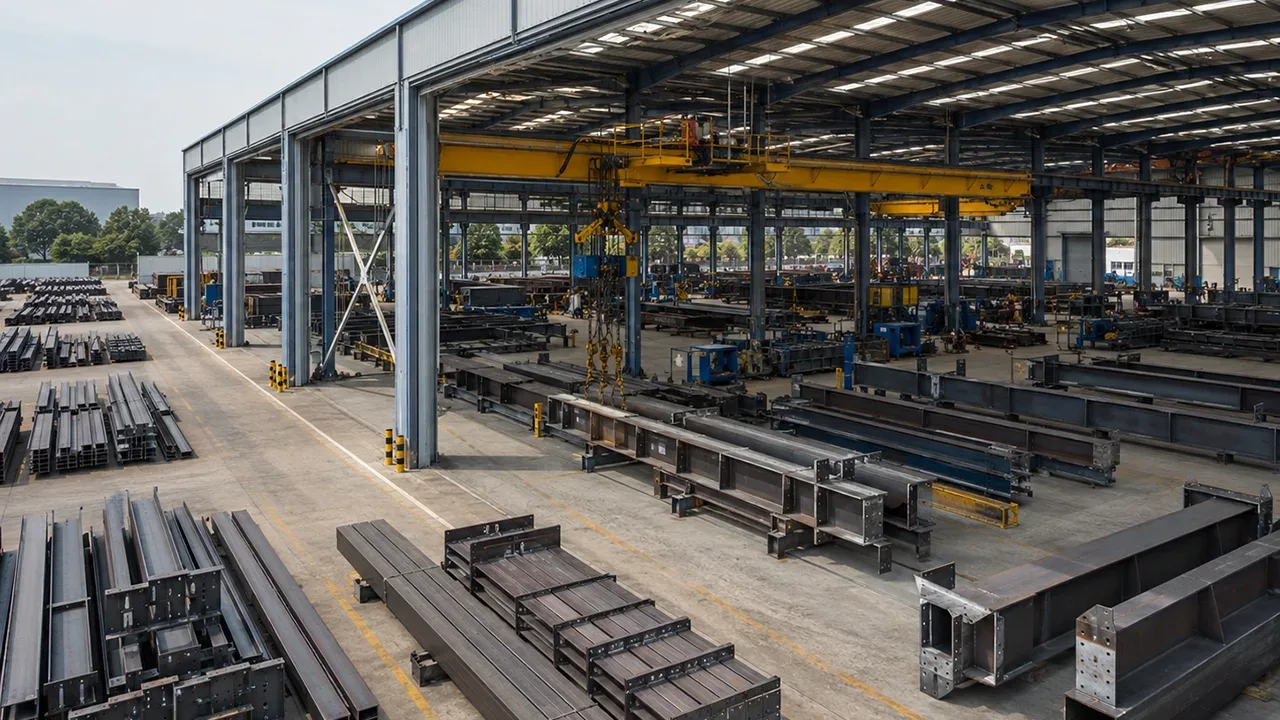
Another advantage is prefabrication. A considerable portion of a steel structure building in Mendoza can be produced in a factory while other activities are carried out on site, provided there is proper coordination between engineering, foundations, fabrication, and logistics. This makes it possible to reduce certain transformation activities on site and establish a more controlled erection sequence.
Flexibility is also relevant for industrial facilities whose use may change over time. Storage requirements may increase, a plant may incorporate new production lines, or a winery may need additional areas. When these possibilities are considered during the initial design, the structure can be prepared for future expansions or modifications with a more efficient strategy.
These advantages do not mean that every building should be designed in the same way. The final configuration depends on spans, heights, loads, equipment, ground conditions, and the operational requirements of each project.
Applications of Steel Structures in Mendoza

Steel structures in Mendoza can be used for projects with very different functions. The selection of the structural system should begin with the actual use of the building, since an industrial plant, a winery, and a logistics center may require different layouts, loads, and operating conditions.
Industrial Buildings and Production Plants
Industrial buildings need spaces capable of integrating production processes without creating unnecessary interference between the structure, machinery, and circulation. Steel systems make it possible to develop large working areas and adapt the structural grid to manufacturing lines, assembly areas, maintenance, internal storage, and equipment movement.
When overhead cranes, industrial platforms, mezzanines, or suspended equipment are present, their loads must be incorporated during the engineering phase. Designing these elements after the main structure has already been fabricated can lead to costly modifications and difficulties during erection.
Wineries and Buildings for the Wine Industry
The wine industry has an important presence in Mendoza, and its facilities may include reception, processing, fermentation, storage, bottling, and dispatch areas. A steel structure makes it possible to organize different operational zones within the same complex and adapt heights and spans according to the equipment being used.
In this type of project, cladding, insulation, ventilation, and the environmental conditions required for operation must also be considered. The main structure should be coordinated with these systems from the design stage.
Warehouses and Logistics Centers
Buildings intended for storage need to use the available space efficiently. Large spans can reduce interior obstructions, while an appropriate structural grid facilitates the installation of racks and the movement of forklifts, trucks, and other material-handling equipment.
The design should consider not only current capacity but also potential changes to the storage system, future automation, and building expansions.
Agro-Industrial Facilities
Steel structures in Mendoza can also be used for agricultural processing facilities, input storage, machinery maintenance, and other operations associated with agro-industrial supply chains. Each application requires an assessment of loads, service environment, ventilation, and steel protection according to the specific conditions of the project.
Components of a Steel Structure Building in Mendoza
A steel structure building in Mendoza functions as an integrated system. The main columns and beams transfer loads toward the foundations, while portal frames, trusses, and bracing systems provide strength and stability against the actions considered during design.
Roof purlins and secondary members support the cladding systems and help distribute certain loads toward the main structure. Base plates, stiffeners, bolts, and welded or bolted connections make it possible to transfer forces between the different components.
The selection of structural steel in Mendoza, plate thicknesses, and section dimensions should not be determined in isolation. Each component forms part of a structural model in which loads are transferred from one element to another until they reach the foundations.
In addition, the structure must be coordinated with roofing, façades, industrial doors, electrical installations, fire protection systems, ventilation, piping, and production equipment. Early coordination can reduce interference and subsequent modifications during fabrication or erection.
Designing Steel Structures for Mendoza Conditions
The design of a steel structure in Mendoza must respond both to the use of the building and to the specific conditions of the site. It is not sufficient to select sections based on general dimensions; the complete system must be verified against the applicable actions and load combinations established for the project.
Structural Loads and Building Use
Permanent loads include the self-weight of the structure, roofing, cladding, and other fixed elements. These are combined with live loads related to the use of the building and, where applicable, loads generated by machinery, platforms, storage, suspended installations, or overhead cranes.
In industrial facilities, it is especially important to know the planned equipment before finalizing the design. A heavy machine, an internal conveying system, or a concentrated storage area can significantly change the structural demands.
Wind Actions
Wind actions depend on different variables, including the project location, terrain characteristics, building height, and geometry. The roof, façades, frames, and bracing systems must work together to transfer these actions safely.
The large roof and cladding areas of industrial buildings make this analysis especially relevant during engineering.
Seismic Design
Seismic considerations are an important aspect of structural projects in Mendoza. The lateral-force-resisting system, connections, and overall building configuration must be developed according to the seismic conditions applicable to the site and the corresponding regulatory requirements.
Load continuity and the interaction between frames, bracing, connections, and foundations must be analyzed as part of a single system. Decisions made during the conceptual stage can influence both structural performance and the amount of steel and fabrication complexity.
Durability and Steel Protection
Steel protection should be defined according to the exposure environment and the expected service life. Anti-corrosion paint systems, proper surface preparation, and, when required by the project, galvanized solutions can be used to protect the components.
Future maintenance should also be considered. Designing details that are accessible for inspection and avoiding areas where moisture can accumulate helps maintain the durability of the system.
From Design to Structural Steel Fabrication
The production of structural steel in Mendoza for a project begins long before the components arrive at the construction site. Once the engineering criteria have been established, models and detailed drawings transform the structural design into specific information for fabricating each column, beam, plate, truss, and connection.
The material is prepared according to the project specifications and subsequently goes through cutting, drilling, forming, and welding operations. Dimensional accuracy during these stages is essential, since small accumulated deviations can create problems during erection.
Fabrication inspections make it possible to verify dimensions, welds, and other requirements before the surface protection systems are applied. Depending on the specifications, different inspection and quality-control methods may be used.
Technical organizations such as the American Institute of Steel Construction (AISC) publish resources related to steel design, fabrication, and construction that serve as an international technical reference for the industry.
Once completed, the components of steel structures in Mendoza must be identified and organized according to the planned transportation and erection sequence. Fabricating a component correctly is only one part of the process; it must also arrive at the site at the right time and in a sequence that allows it to be installed efficiently.
Prefabrication and Erection of a Steel Structure in Mendoza

Prefabrication makes it possible to carry out a significant portion of the processing operations within a controlled factory environment. For a steel structure in Mendoza, this can include cutting, drilling, welding, partial assemblies, surface preparation, and component identification before dispatch.
An efficient erection strategy begins with logistics planning. Components should be grouped according to the order in which they will be needed on site. On large projects, shipping components without considering the actual installation sequence can occupy storage space and complicate operations.
During erection, cranes lift columns, beams, trusses, and other components into position. Initial connections allow the system to be progressively stabilized, while alignment and dimensional checks help maintain the intended geometry.
Temporary bracing may also be necessary during certain phases, since a partially erected structure does not always behave in the same way as the completed system. For this reason, engineering, fabrication, transportation, and erection should be treated as connected stages of the same project.
How to Plan Project Costs and Schedules
The cost of a steel structure building in Mendoza cannot be accurately determined solely from the square meters of the building. Two projects with similar floor areas may require very different quantities of steel and fabrication processes.
Factors that influence cost include overall dimensions, structural spans, height, tonnage, geometry, design loads, section types, connection complexity, and surface protection requirements. Industrial equipment, overhead cranes, platforms, and other special loads can also significantly modify the solution.
- Building dimensions, height, and main spans
- Steel tonnage and specifications
- Fabrication and connection complexity
- Operational loads and industrial equipment
- Paint systems or corrosion protection
- Transportation from the factory to the project site
- Equipment, personnel, and erection sequence
- Specific technical or inspection requirements
Optimization should pursue structural and production efficiency at the same time. Reducing weight without considering fabrication can result in excessively complex connections, while oversimplifying details can unnecessarily increase material consumption.
Early planning makes it possible to balance tonnage, ease of fabrication, transportation, and erection to develop a more efficient solution in terms of both cost and schedule.
Choosing a Supplier for Steel Structures in Mendoza
Supplier selection should consider more than the ability to produce tons of steel. A manufacturer for steel structures in Mendoza projects needs to coordinate engineering, procurement, production, quality control, documentation, and logistics.
Production capacity is especially important for projects with tight schedules. The manufacturer must have sufficient equipment, personnel, and organization to execute the contracted volume without creating bottlenecks that affect dispatch dates.
Traceability and inspection procedures should also be evaluated. The identification of materials and components facilitates control during production and subsequently helps organize transportation and erection.
For buyers working with international suppliers, experience in packaging, container planning, documentation, and delivery coordination becomes even more important. XTD Steel Structure integrates engineering, fabrication, and project management for Steel Structure in Argentina solutions, including industrial buildings, warehouses, production facilities, and other prefabricated steel projects.
Before selecting a supplier, it is advisable to review its experience with projects of comparable scale and complexity, as well as its ability to maintain coordination between design, workshop, and construction site.
Steel Projects for Industry, Wineries, and Warehouses in Mendoza
Developing a steel structure in Mendoza for an industrial plant, winery, or warehouse requires starting with the actual operational needs. The interior layout, loads, equipment, clear height, circulation, and future expansions should be defined before optimizing the structural system.
A well-planned steel structure building in Mendoza can combine large functional spaces with controlled fabrication and an organized erection sequence. At the same time, the design must respond to the specific conditions of the site and the technical requirements applicable to the project.
Coordination between engineering, fabrication, logistics, and erection is ultimately what makes it possible to transform structural steel in Mendoza into a functional building. For larger industrial projects, evaluating these variables from the earliest stages helps ensure that steel structures in Mendoza respond both to current needs and to the future growth of the operation.