Built Around the Demands of Mining Operations
Mining facilities operate under conditions that differ significantly from conventional commercial buildings. Heavy machinery, continuous material handling, dust exposure, equipment vibration, and difficult environmental conditions can influence both the structural system and building configuration.
Construction logistics also require particular attention. A project located far from established industrial centers may have limited access to cranes, skilled fabrication labor, or replacement materials. Every unnecessary site modification can affect construction progress and operational planning.
Prefabricated steel construction addresses these challenges through early engineering coordination, accurate component manufacturing, organized transportation, and planned assembly. Building dimensions, structural loads, equipment interfaces, and site constraints are reviewed before fabrication to reduce avoidable problems during installation.
Prefabricated Steel Buildings for Mining Facilities
Mining Equipment Maintenance Workshops
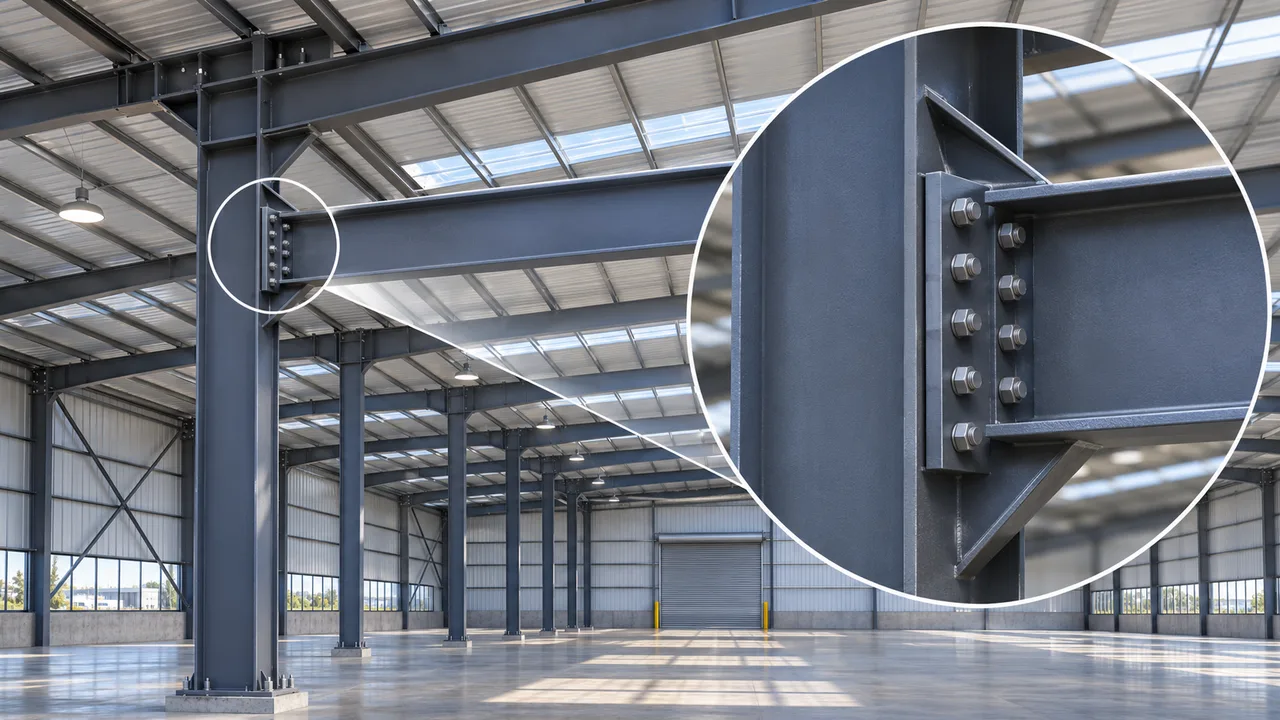
Maintenance workshops support the inspection, servicing, and repair of mining trucks, excavators, loaders, drilling equipment, and other heavy machinery. These buildings often require large access doors, generous clear heights, spacious maintenance bays, and unobstructed equipment movement.
Steel frames can be configured to accommodate overhead cranes, lifting equipment, and dedicated service zones when required. Crane capacity, wheel loads, equipment dimensions, and maintenance access should be established during the initial engineering stage.
Mineral Processing and Production Buildings
Mineral processing facilities may require structural enclosures around crushing equipment, screening systems, processing lines, and associated production machinery. Their layout must accommodate equipment footprints, maintenance clearance, material transfer routes, and operational access.
Depending on the process, the structure may also need to account for equipment vibration, concentrated loads, ventilation, and interfaces with independently supported machinery. Engineering coordination helps ensure that the building supports the production process without creating unnecessary restrictions.
Mining Storage and Material Warehouses
Mining projects depend on reliable storage for spare parts, mechanical components, tools, consumables, packaged materials, and operational supplies. Prefabricated steel warehouses provide flexible floor layouts, wide access openings, and adaptable storage configurations.
Roof height, column spacing, loading areas, racking arrangements, and internal vehicle routes can be planned according to the actual storage operation. Insulated cladding, ventilation, and corrosion protection may be incorporated where environmental conditions require additional protection.
Conveyor Shelters and Auxiliary Steel Structures
Mining infrastructure frequently includes conveyor shelters, transfer station enclosures, equipment platforms, access structures, and supporting steel frameworks. These systems connect processing, handling, and transportation activities across the site.
Prefabricated components can be manufactured for project-specific equipment interfaces and transported in manageable sections. The design should address structural loads, maintenance access, equipment clearances, and coordination with foundations and mechanical systems.
Why Prefabrication Works for Remote Mining Sites
Reduced On-Site Fabrication Requirements
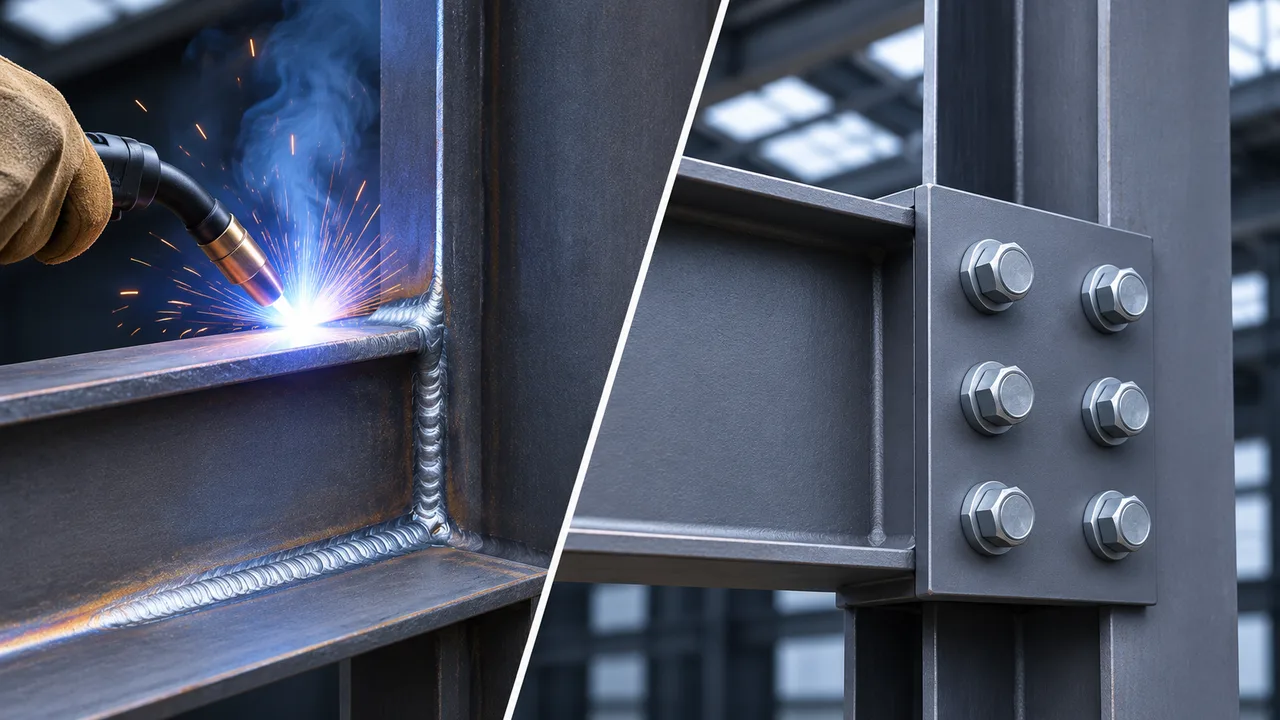
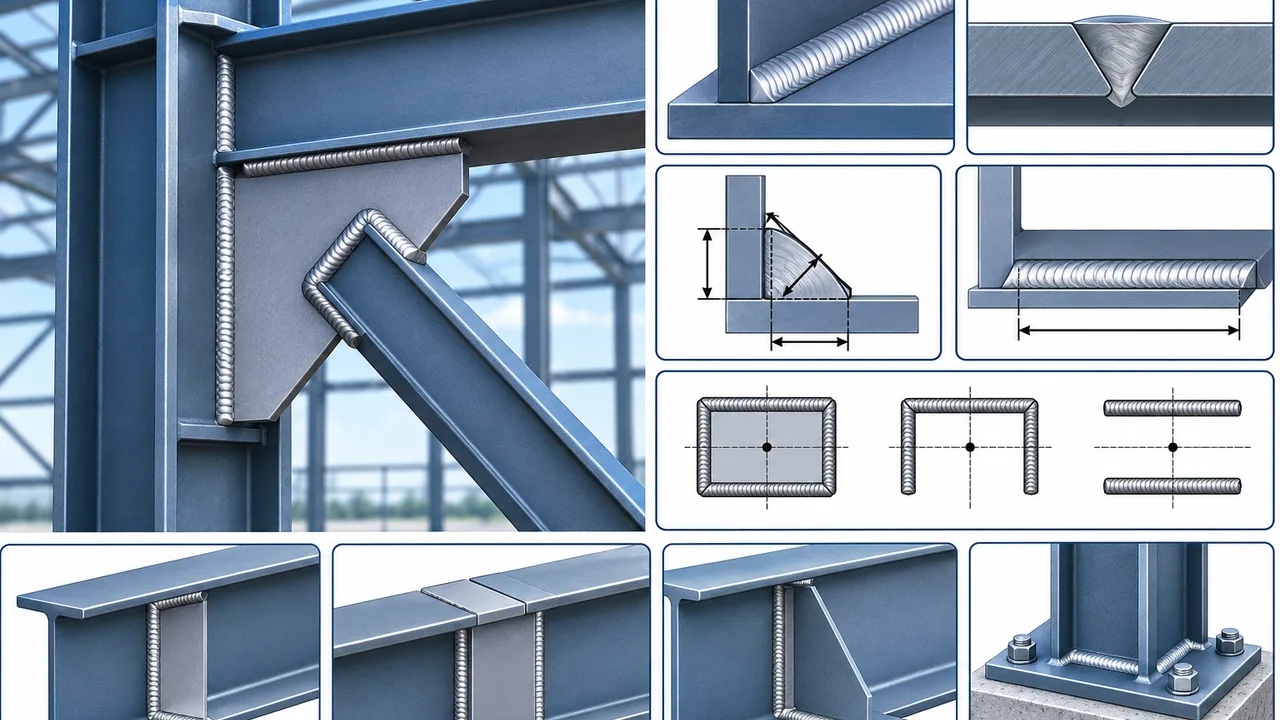
Factory production allows major steel components to be cut, drilled, welded, and inspected before delivery. This reduces dependence on extensive on-site fabrication, which can be difficult to manage in remote locations.
Prefabrication also improves dimensional consistency and helps limit corrective work when the steel components arrive at the construction site.
Faster Structural Assembly
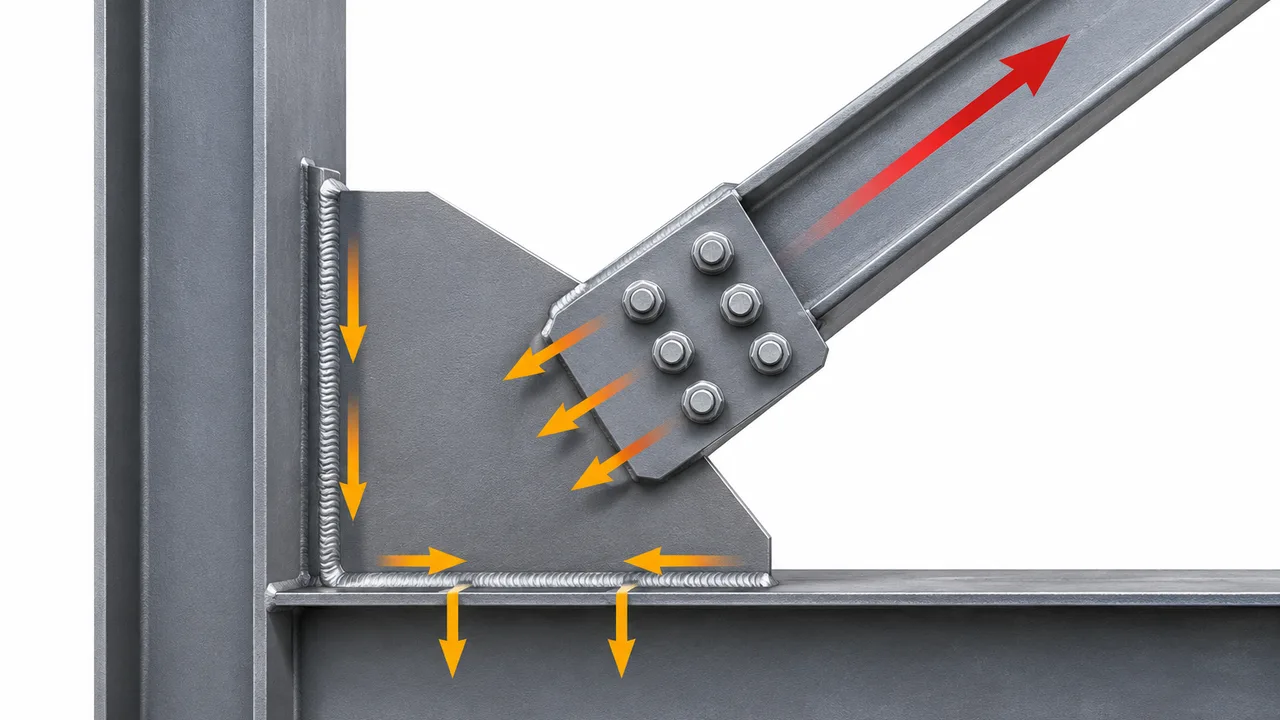
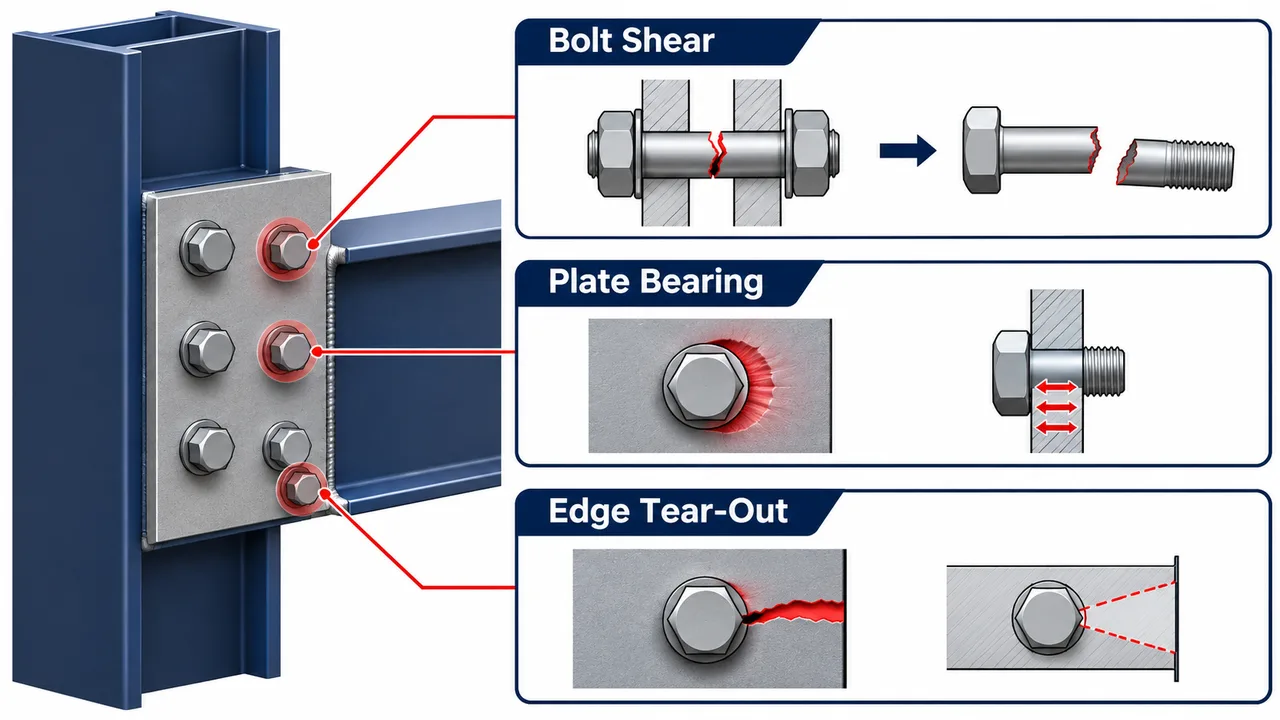
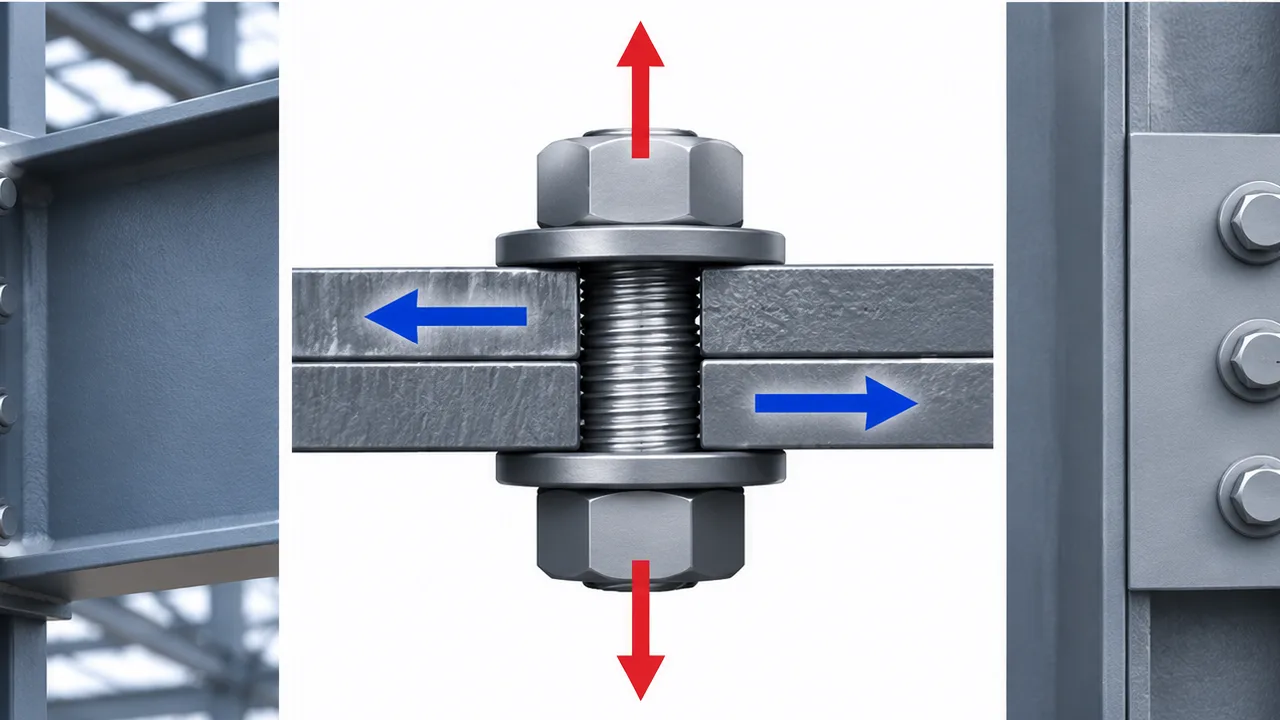
Pre-engineered connection details, accurately drilled bolt holes, and organized component identification support efficient erection. Bolted connections can reduce field welding requirements and simplify assembly when foundations, lifting equipment, and installation teams are ready.
Actual construction duration depends on project complexity, access conditions, workforce availability, and site preparation.
Simplified Transport and Delivery Planning
Transportation is a critical part of remote mining construction. Structural members must be planned around shipping dimensions, road limitations, container capacity, unloading equipment, and site access.
Component segmentation and delivery sequencing help ensure that large structural assemblies can reach the site and be installed in a practical order.
Flexible Expansion for Changing Mining Needs
Mining operations can change as production capacity, equipment requirements, and storage demand develop. Modular steel framing and planned extension bays can make future expansion more practical.
Potential modifications should be considered during the original engineering stage, particularly where additional cranes, equipment loads, or building extensions may be required.
Structural Design for Heavy Mining Environments
Heavy Equipment Loads and Clearances
Mining workshops and processing buildings may require higher clearances, larger door openings, reinforced structural members, or crane-supporting frames. Equipment loads must be evaluated together with building geometry, foundation conditions, and operational movement.
For crane-equipped facilities, the design may include crane runway beams, reinforced columns, lateral bracing, and connection details appropriate for the specified lifting equipment.
Wind, Seismic, and Environmental Resistance
Mining sites can be located in exposed terrain, mountainous regions, deserts, coastal areas, or locations with significant seismic activity. The structural design must respond to applicable wind, snow, seismic, temperature, and other environmental requirements.
Frame selection, member sizing, bracing arrangements, anchorage, and foundation interfaces should reflect the conditions of the actual project location.
Dust, Moisture, and Corrosion Protection
Dust, humidity, industrial exposure, and changing temperatures can influence the long-term performance of mining buildings. Surface preparation, protective coatings, selected galvanized components, ventilation, and suitable roof and wall systems help manage these conditions.
The protection strategy should reflect the expected exposure level and maintenance requirements rather than relying on a single standard coating specification.
Structural Interfaces With Mining Equipment
Mining facilities often involve direct coordination between structural steel and mechanical equipment. Conveyor supports, access platforms, suspended services, maintenance openings, equipment foundations, and processing systems may all affect the structural layout.
Reviewing these interfaces before fabrication helps reduce conflicts during installation and improves accessibility for future inspection and maintenance.
Recommended Steel Structure Configurations
The appropriate structural system depends on the function of the mining facility, equipment requirements, building dimensions, and site conditions. Common configurations include:
| Configuration | Typical Application | Design Priority |
|---|---|---|
| Portal Steel Frame | Mining workshops and storage warehouses | Clear spans, practical layouts, and efficient erection |
| Heavy Steel Frame | Equipment maintenance and industrial service buildings | Crane loads, structural strength, and equipment clearance |
| Steel Truss Structure | Wide-span mineral processing facilities | Long roof spans and structural efficiency |
| Modular Steel Structure | Remote-site auxiliary buildings | Transportation efficiency and simplified assembly |
| Conveyor Support Structure | Material handling and transfer facilities | Equipment interfaces, access, and structural stability |
| Insulated Steel Building | Enclosed workshops, storage, and operational facilities | Temperature management and condensation control |
Factory Fabrication for Mining Steel Structures
Accurate fabrication is essential when steel components must be transported to remote construction locations. Misaligned connections, dimensional errors, and incomplete component identification can create costly installation problems where corrective resources are limited.
XTD Steel Structure supports mining-related steel projects through fabrication detailing, CNC cutting, drilling, welding, dimensional inspection, surface treatment, and shipment preparation. Component accuracy and connection compatibility are considered throughout manufacturing to support efficient assembly.
Depending on project requirements, quality control may include material verification, weld inspection, dimensional checks, coating inspection, and final component marking. Export packaging should protect the steel during loading, transportation, and handling while allowing installation teams to identify components efficiently.
Managing Construction Challenges at Mining Sites
Limited Site Access and Logistics
Remote mining locations may involve restricted road widths, difficult terrain, long transportation distances, or limited unloading capacity. Large structural members should be assessed against shipping and site access constraints before fabrication.
Where necessary, steel assemblies can be divided into transportable sections with engineered connections suitable for site assembly.
Installation Sequencing and Site Coordination
Successful erection requires coordination between foundation readiness, equipment mobilization, component delivery, lifting operations, temporary stability, and permanent bracing.
A planned sequence helps installation teams erect the main structural frames before proceeding with secondary members, roof components, wall systems, and remaining structural elements. Site-specific erection procedures and safety requirements must be addressed by the responsible construction team.
Operational Safety and Maintenance Access
Mining buildings must support safe equipment movement and practical maintenance activities. Door clearances, crane operating zones, walkways, access platforms, emergency routes, and service areas should be reviewed during layout development.
Structural coordination with the facility’s operational requirements helps prevent equipment conflicts and improves long-term usability.
From Engineering to Mining Site Installation
Project Requirement and Site Review
The process begins with reviewing the project location, facility function, preliminary dimensions, equipment arrangement, operating loads, environmental conditions, and delivery schedule. These inputs guide the initial structural proposal.
Structural Engineering and Shop Detailing
Engineers develop the structural configuration, load assumptions, frame layout, connections, and fabrication details. Coordination with equipment suppliers and foundation designers is important where the structure interfaces with mining machinery.
Prefabrication, Inspection, and Protective Treatment
Approved steel components are manufactured using controlled cutting, drilling, welding, and inspection procedures. Surface protection is applied according to project specifications, followed by component identification and packing preparation.
Shipment and On-Site Assembly Support
Fabricated components are organized for transportation and installation. Depending on the agreed project scope, delivery coordination, assembly documentation, and technical installation support can be arranged to help the construction team complete structural erection efficiently.
Advantages of Prefabricated Steel Structures for Mining Projects
Choosing a prefabricated steel structure for mining can provide practical advantages when engineering, manufacturing, and site requirements are coordinated from the beginning.
- Reduced site fabrication: factory-made components minimize extensive cutting, drilling, and welding at remote locations.
- Efficient assembly: accurate connections and planned erection sequences support faster structural installation.
- Flexible industrial layouts: structural spans and clearances can be adapted to maintenance, processing, and storage operations.
- Transport-ready components: planned segmentation helps accommodate road access and shipping limitations.
- Heavy equipment compatibility: frames can be engineered for specified crane systems, equipment loads, and maintenance requirements.
- Expansion potential: modular arrangements can support future building extensions when planned in advance.
- Factory-controlled quality: manufacturing inspections help improve component consistency before delivery.
Prefabricated Steel Structure for Mining FAQs
What mining facilities can use prefabricated steel structures?
Prefabricated steel structures can be used for equipment maintenance workshops, mineral processing buildings, storage warehouses, conveyor shelters, transfer stations, auxiliary industrial buildings, and other mining support facilities.
Can prefabricated steel buildings support overhead cranes and heavy equipment?
Yes. Steel frames can be engineered to accommodate specified overhead cranes, lifting systems, and heavy equipment requirements. Crane capacity, equipment loading, clearances, and supporting structural details must be confirmed during design.
Are these structures suitable for remote mining locations?
Yes. Factory fabrication reduces the need for extensive on-site steel processing. However, transportation routes, unloading equipment, foundation readiness, and erection conditions should be reviewed before production.
How are steel structures protected against corrosion and harsh mining conditions?
Protection may include surface blasting, anti-corrosion coatings, galvanizing for selected components, suitable cladding, and ventilation. The final specification depends on the site’s humidity, dust, industrial exposure, and expected service life.
Can a mining steel building be expanded or modified later?
Yes. Expansion can be considered through modular layouts, reserved extension areas, and adaptable structural arrangements. Future modifications should be assessed against the original design capacity and operational requirements.
Develop a Steel Structure Solution for Your Mining Project
Mining infrastructure requires structural solutions that connect engineering performance with practical construction and operational needs. A prefabricated steel structure for mining can help reduce remote-site fabrication, organize project delivery, and accommodate the demanding layouts required by industrial equipment and material handling systems.
Share your project location, facility purpose, preliminary dimensions, equipment layout, crane requirements, environmental conditions, and expected construction schedule. XTD Steel Structure can review these requirements and support the development of a project-specific steel structure proposal covering fabrication, protective treatment, transportation planning, and delivery coordination.