Steel Structure Manufacturing for Complex Industrial Projects
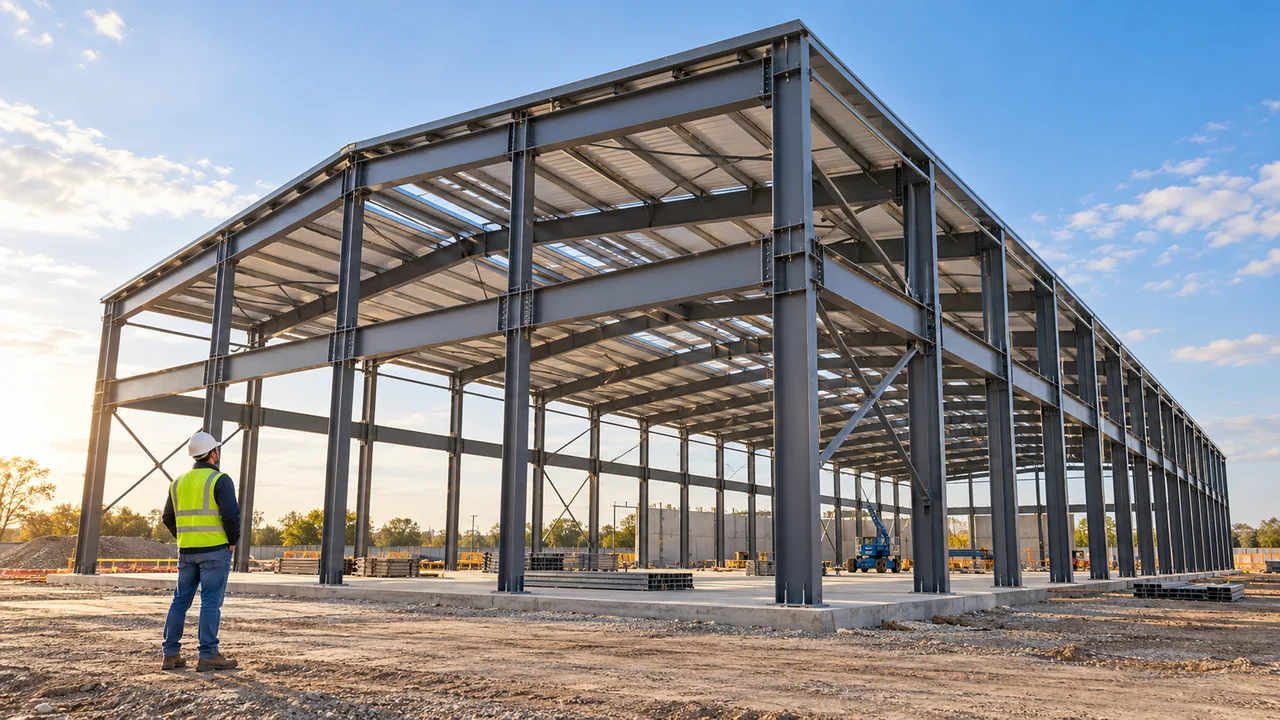
Industrial steel structures are designed around operational requirements rather than building appearance alone. A production facility may need large column-free areas for machinery layouts, elevated platforms for processing equipment, heavy crane beams for material handling, or dedicated support structures for conveyors and utilities.
These conditions make industrial manufacturing significantly different from producing standardized structural components. The manufacturer must understand how project-specific requirements influence fabrication details, connection geometry, member sizes, production sequencing, and delivery planning.
Typical industrial project requirements may include:
- Large-span structural frames
- Heavy columns and built-up beams
- Overhead crane support systems
- Equipment support platforms
- Customized connection details
- High-clearance production spaces
- Corrosion-resistant coating systems
- Future building expansion provisions
Manufacturing accuracy becomes especially important when multiple structural systems must connect within the same facility. Primary frames, secondary steel, equipment platforms, bracing systems, and specialized supports must all be coordinated to reduce installation conflicts.
What Does an Industrial Steel Structure Manufacturer Provide?
A professional steel structure manufacturer for industrial projects supports the transformation of engineering requirements into finished structural components ready for transportation and installation. The exact scope depends on the project, but industrial manufacturing commonly involves multiple coordinated stages.
Core services may include:
- Engineering and drawing coordination
- Shop drawing development support
- Material procurement and verification
- CNC cutting and drilling
- Component assembly
- Structural welding
- Surface preparation and coating
- Dimensional inspection
- Component marking
- Export packaging and delivery coordination
The objective is not simply to produce steel members individually. Each component must form part of a coordinated structural package that reflects the project drawings, erection sequence, connection requirements, and site conditions.
From Engineering Data to Fabricated Components
Industrial manufacturing begins with accurate technical information. Structural drawings, connection details, material specifications, load requirements, and project standards must be reviewed before production begins.
Engineering data is converted into fabrication information covering:
- Member dimensions
- Plate thicknesses
- Hole locations
- Connection geometry
- Weld details
- Component identification
- Assembly requirements
Clear coordination between engineering and production teams reduces ambiguity and helps prevent avoidable manufacturing errors. Digital models and production drawings can also improve traceability across complex projects containing large numbers of individual components.
Manufacturing for Project-Specific Requirements
No two industrial facilities operate under exactly the same conditions. A machinery plant may prioritize crane-supported production bays, while a processing facility may require multi-level platforms and equipment support frames. A logistics building may instead prioritize large spans and high-bay storage capacity.
Project-specific manufacturing can respond to variables such as:
- Building span and bay spacing
- Structural height
- Machinery loads
- Dynamic operating forces
- Crane capacity
- Environmental exposure
- Future production expansion
This flexibility is one of the main reasons structural steel is widely used across complex industrial developments.
Industrial Projects Supported by Steel Structure Manufacturing
Manufacturing Plants
Manufacturing plants require structural systems that support production while preserving efficient internal movement. Machinery placement, assembly operations, material flow, ventilation, utilities, and maintenance access can all influence the steel structure.
Typical applications include:
- Production halls
- Machinery manufacturing plants
- Assembly buildings
- Automotive-related facilities
- Industrial equipment factories
- Component production centers
Steel frames can be configured around production lines while providing options for overhead cranes, mezzanines, equipment supports, and future extensions.
Processing Facilities
Processing plants often contain interconnected equipment systems rather than simple open production floors. Structural steel may need to support machinery, elevated operating levels, access platforms, pipe systems, and material transfer equipment.
Applications can include:
- Mineral processing facilities
- Food processing plants
- Raw material processing buildings
- Industrial production lines
- Bulk handling facilities
Manufacturing for these projects requires careful coordination between the building structure and process equipment requirements.
Heavy Industrial Workshops
Heavy workshops are designed for demanding operations such as machinery assembly, equipment maintenance, fabrication, and industrial repair. These buildings frequently require stronger structural members than conventional commercial facilities.
Common requirements include:
- Heavy overhead cranes
- Large access doors
- High internal clearance
- Long production bays
- Equipment maintenance zones
- Heavy-duty structural frames
Accurate manufacturing is particularly important for crane beams, brackets, columns, and connection zones exposed to repetitive operational loads.
Industrial Warehouses and Logistics Facilities
Industrial storage buildings support raw materials, production inventory, spare parts, and finished goods. Their structural requirements may differ considerably from basic storage sheds, especially when automated systems or high-bay operations are involved.
Typical projects include:
- Raw material warehouses
- Finished goods storage buildings
- Distribution centers
- High-bay logistics facilities
- Manufacturing support warehouses
Large-span steel systems help maximize usable floor area while supporting efficient movement of forklifts, conveyors, and storage systems.
Mining and Resource Projects
Mining developments often operate in demanding environments and remote locations. Their steel structures may support processing operations, equipment maintenance, material handling, or storage functions.
Common applications include:
- Processing buildings
- Maintenance workshops
- Conveyor support structures
- Equipment platforms
- Industrial warehouses
- Utility structures
Manufacturing quality and organized component identification are particularly valuable when structures must be transported over long distances and installed under challenging site conditions.
Key Manufacturing Capabilities for Industrial Steel Projects
CNC Steel Processing
Computer-controlled equipment improves the accuracy and repeatability of industrial steel production. CNC processing can be used for cutting, drilling, plate preparation, and other operations where consistent dimensions are essential.
Key benefits include:
- Precise hole positioning
- Repeatable component dimensions
- Efficient plate utilization
- Reduced manual processing errors
- Better preparation for assembly
For projects involving hundreds or thousands of connected components, consistent processing accuracy can significantly improve downstream assembly and site erection.
Heavy Steel Fabrication
Large industrial projects may require structural members beyond standard lightweight building systems. Heavy fabrication capabilities support components designed for high loads, wide spans, crane operations, and specialized industrial functions.
Typical components include:
- Heavy steel columns
- Large built-up beams
- Crane support members
- Deep structural girders
- Heavy connection plates
- Customized load-bearing frames
Producing these members requires controlled material preparation, accurate assembly, suitable welding procedures, and systematic dimensional inspection.
Complex Welding and Assembly
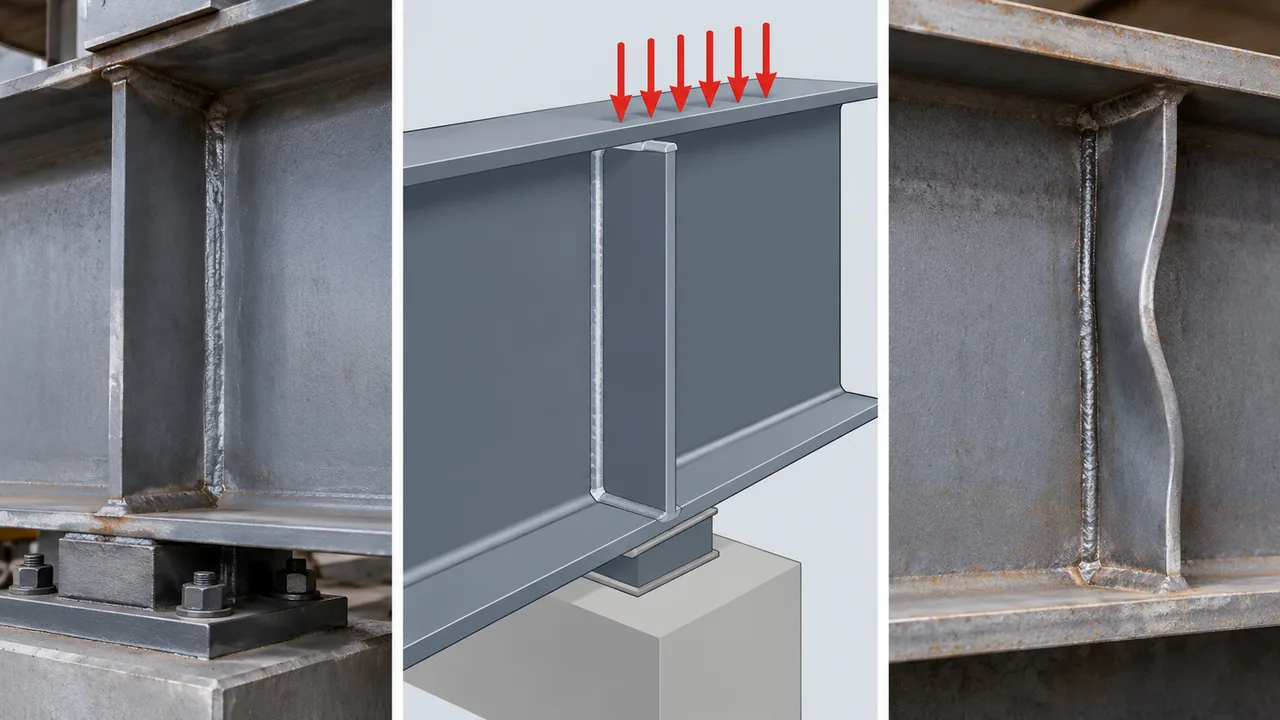
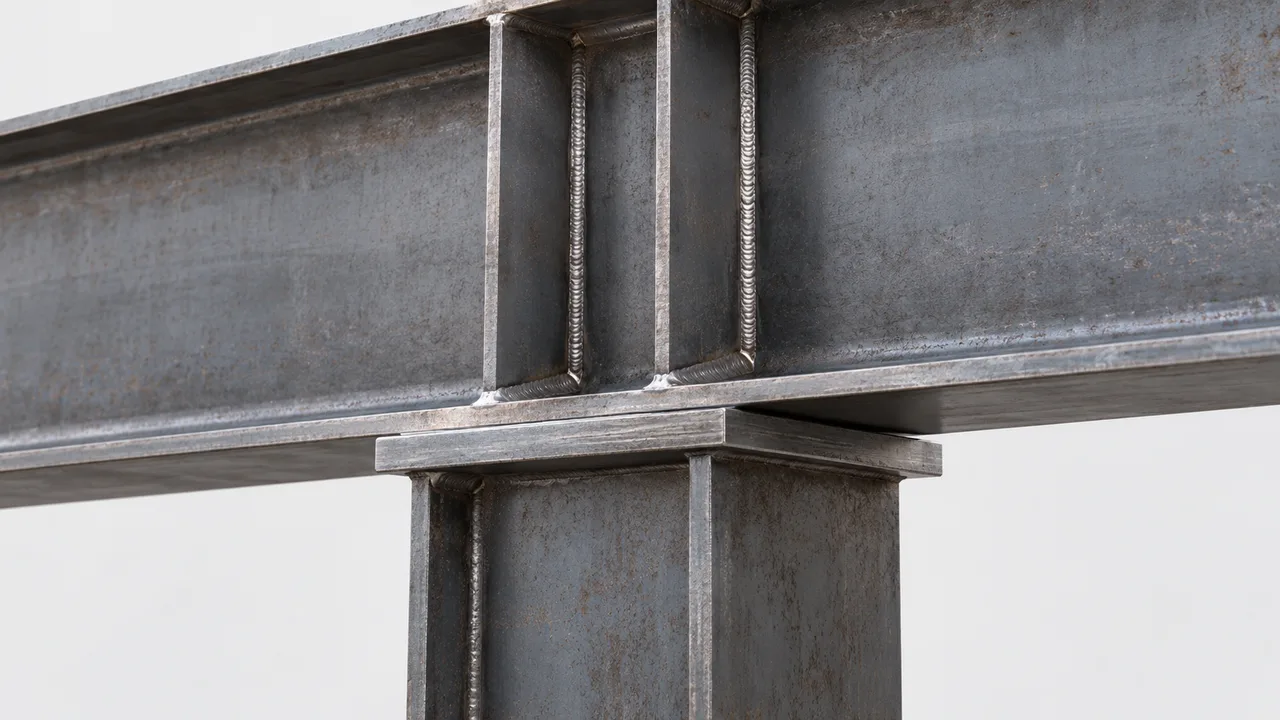
Industrial structures often contain built-up sections and customized assemblies that require more than simple cutting and drilling. Fit-up accuracy, welding sequence, heat input, and distortion management can all influence final component geometry.
A controlled workflow may involve:
- Component positioning
- Assembly verification
- Welding procedure control
- Sequence planning
- Distortion monitoring
- Post-welding dimensional checks
Reliable welding and assembly practices help ensure that large fabricated components remain compatible with project tolerances.
Customized Structural Components
Industrial facilities frequently require non-standard components designed around equipment layouts or operating processes.
Examples include:
- Equipment support frames
- Industrial platforms
- Maintenance access structures
- Conveyor supports
- Special brackets
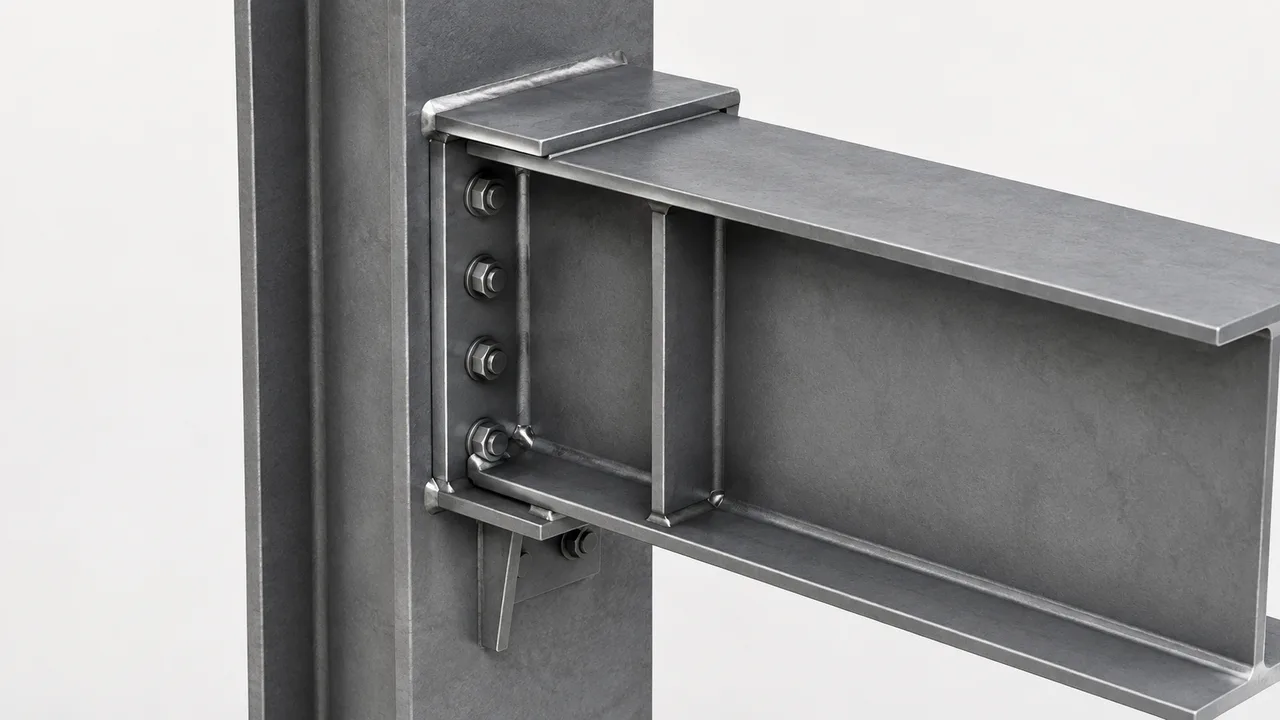
- Complex connection assemblies
Customization allows the structural package to respond directly to the facility’s operational requirements rather than forcing industrial processes into a standardized building system.
Manufacturing Process for Industrial Steel Structures
Engineering and Drawing Review
Before material processing begins, technical documents are reviewed to confirm fabrication requirements and identify coordination points. This stage helps connect structural design intent with practical manufacturing procedures.
Review items may include:
- Member specifications
- Connection details
- Material grades
- Welding requirements
- Dimensional tolerances
- Coating specifications
Early review can reduce production interruptions and improve coordination between different project disciplines.
Material Procurement and Verification
Industrial projects depend on correct material selection. Steel grades, plate thicknesses, section sizes, and documentation must correspond with approved project requirements.
Material control can include:
- Grade verification
- Material certificate review
- Batch identification
- Visual inspection
- Traceability records
Organized material management provides a reliable foundation for subsequent fabrication and inspection.
Cutting and Component Preparation
Steel plates and sections are processed according to production drawings. Depending on component type, preparation may involve several manufacturing methods.
Typical operations include:
- CNC cutting
- Saw cutting
- Precision drilling
- Edge preparation
- Beveling
- Component marking
Accurate preparation reduces fit-up problems during later assembly stages.
Assembly and Welding
Prepared components are positioned and assembled according to approved fabrication details. Welding is then completed under controlled production procedures appropriate to the project requirements.
Important considerations include:
- Fit-up accuracy
- Joint preparation
- Welding sequence
- Distortion control
- Dimensional verification
For heavy industrial members, these controls are particularly important because even small deviations can affect connections and site assembly.
Surface Treatment
Industrial steel structures may operate in humid, coastal, dusty, chemically aggressive, or otherwise demanding environments. Surface protection is therefore selected according to project exposure and service conditions.
Possible treatments include:
- Abrasive blasting
- Primer application
- Multi-layer protective coatings
- Project-specific corrosion systems
- Touch-up preparation for transport and erection
Proper surface preparation is essential for achieving reliable coating performance.
Final Inspection and Packaging
Before shipment, fabricated components undergo final verification and are organized for delivery.
Final-stage activities may include:
- Dimensional checks
- Connection verification
- Component marking
- Coating inspection
- Packing list preparation
- Export packaging
Clear marking and organized packaging help installation teams identify components efficiently after arrival at the project site.
Quality Control for Industrial Steel Structure Manufacturing
Quality control should be integrated throughout production rather than treated as a single final inspection. For a steel structure manufacturer for industrial projects, systematic control is especially important because manufacturing deviations can affect equipment interfaces, crane alignment, field connections, and erection schedules.
Material Traceability
Material records help confirm that specified steel grades are used for the intended structural components. Depending on project requirements, traceability can include batch references, certificates, component records, and production documentation.
Dimensional Inspection
Dimensional checks may cover:
- Overall member length
- Section geometry
- Hole positions
- Plate locations
- Connection dimensions
- Assembly tolerances
Accurate dimensions improve compatibility between fabricated components and reduce corrective work during installation.
Welding Quality Control
Weld quality affects the reliability of fabricated assemblies. Inspection requirements depend on structural importance, project specifications, and applicable standards.
Controls may include:
- Welding procedure management
- Visual inspection
- Welder qualification records
- Non-destructive testing where required
- Repair documentation
Coating Inspection
Protective coating systems must be applied to properly prepared surfaces and verified according to project requirements.
Inspection may include:
- Surface cleanliness
- Coating continuity
- Dry film thickness
- Visible defect checks
- Repair verification
Engineering Factors That Affect Industrial Steel Manufacturing
Heavy Equipment Loads
Industrial machinery can introduce concentrated loads, dynamic forces, vibration, and operational movement. Structural components supporting these systems must be manufactured according to precise engineering details.
Overhead Crane Requirements
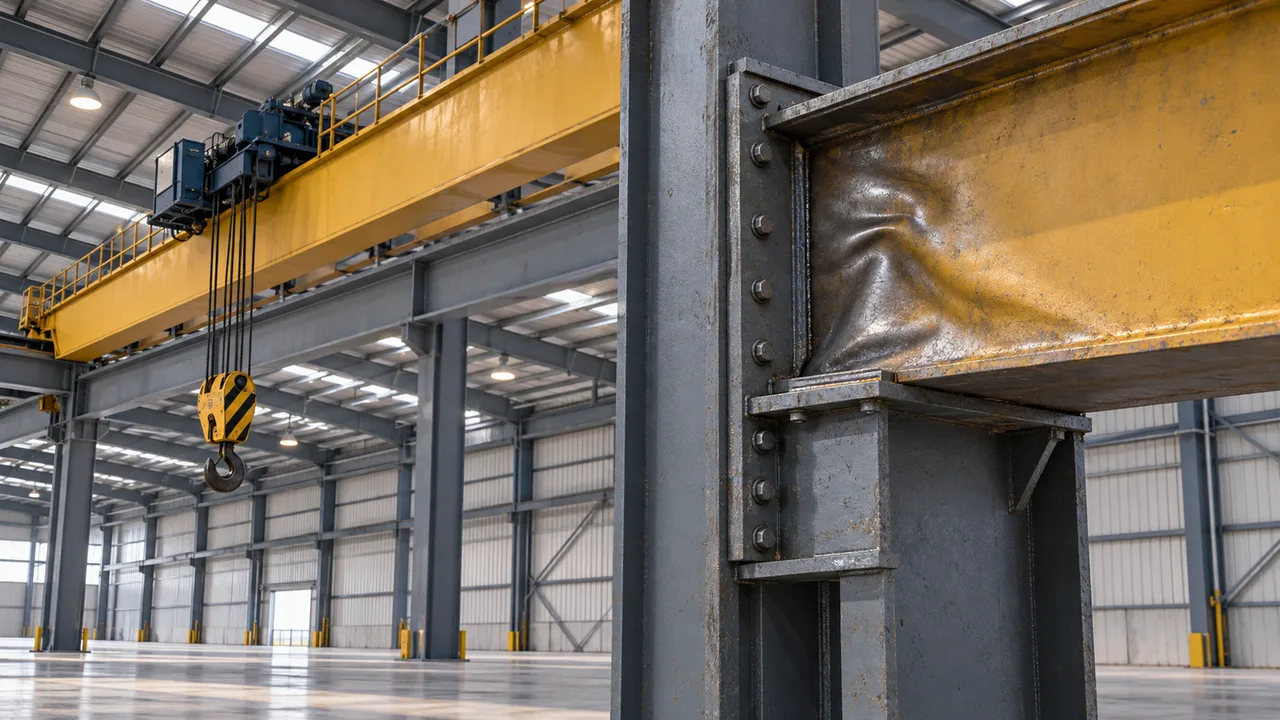
Crane-supported buildings require careful coordination of columns, brackets, crane beams, connections, and alignment. Repetitive crane movement makes dimensional consistency particularly important.
Large Span Requirements
Wide production areas often benefit from reduced internal columns. Large-span structures can improve machinery layouts and material flow but may require deeper members, built-up sections, trusses, or other project-specific solutions.
Future Expansion
Industrial facilities frequently evolve as production capacity grows. Structural planning may consider additional bays, extended production lines, new equipment zones, or future warehouse expansion.
Why Manufacturer Selection Matters for Industrial Projects
Choosing a manufacturer based only on unit price can create risks when the project involves complex fabrication, large tonnage, demanding tolerances, or international delivery. Production capacity, technical coordination, inspection systems, and schedule management should also be considered.
Production Capacity
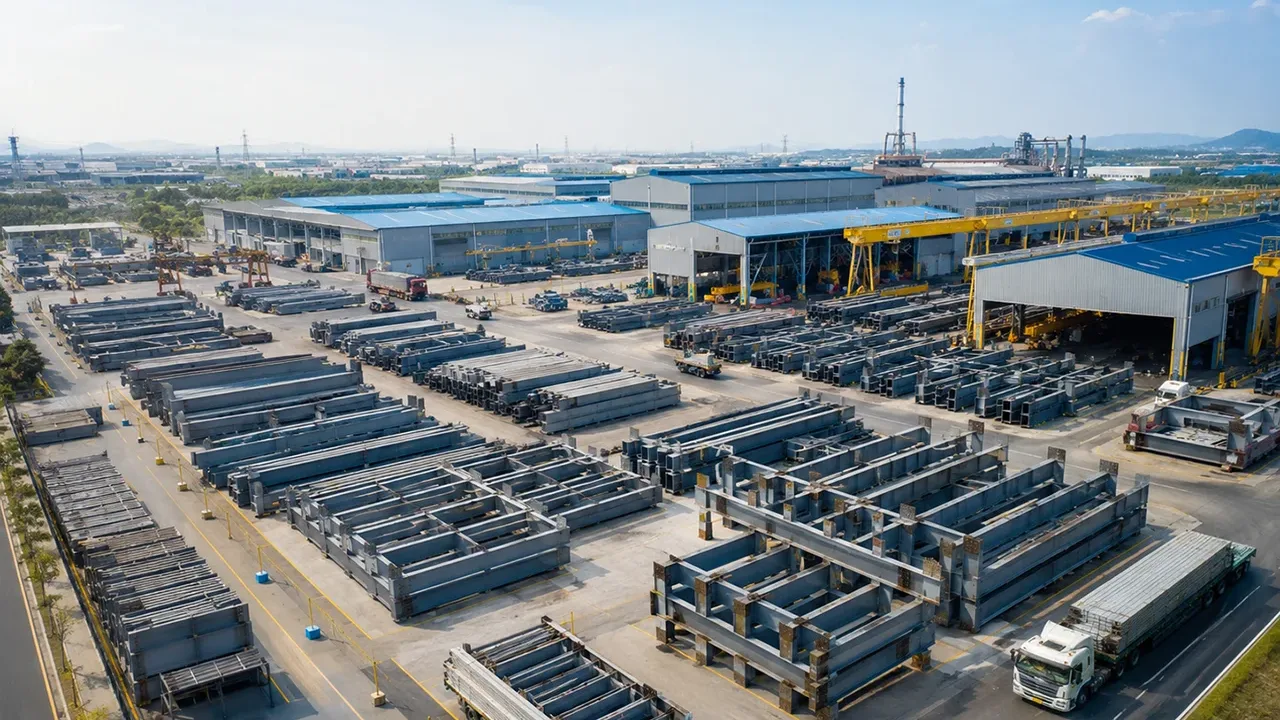
A capable manufacturer must coordinate material preparation, machining, assembly, welding, coating, inspection, and packaging without losing control of project sequencing. This becomes increasingly important for large-volume industrial developments.
Manufacturing Accuracy
Accurate components can improve site fit-up, reduce field modifications, and support faster erection. Precision is especially valuable where multiple structural systems connect within restricted tolerances.
Project Coordination
Industrial manufacturing requires communication across engineering, procurement, production, quality control, logistics, and site teams. Coordinated information flow helps reduce avoidable delays.
International Supply Capability
Export projects introduce additional requirements involving shipment planning, documentation, packaging, container utilization, component marking, and delivery sequencing.
For overseas industrial developments, organized supply can be as important as manufacturing capacity itself.
XTD Steel Structure for Industrial Project Manufacturing
XTD Steel Structure supports customized industrial projects through coordinated engineering, steel processing, fabrication, quality inspection, and international project supply. Manufacturing requirements can be developed around the specific needs of factories, warehouses, workshops, mining-related facilities, processing buildings, and infrastructure-associated structures.
Project support can cover conventional structural frames as well as heavy members, large-span systems, customized components, equipment support structures, and specialized industrial steel assemblies. By coordinating fabrication information with production sequencing and delivery requirements, the objective is to provide components that arrive ready for efficient site organization and installation.
For international projects, clear component identification, practical packaging, and delivery coordination help reduce complexity after fabricated steel leaves the manufacturing facility.
Frequently Asked Questions
What types of industrial projects can a steel structure manufacturer support?
Applications can include manufacturing plants, industrial warehouses, heavy workshops, processing facilities, mining support buildings, logistics centers, equipment structures, and selected infrastructure-related projects.
Can industrial steel structures be customized for heavy machinery?
Yes. Structural systems can be developed around machinery loads, crane requirements, equipment platforms, maintenance access, specialized supports, and other project-specific operating conditions.
How is manufacturing quality controlled?
Quality control may include material verification, dimensional inspection, welding control, non-destructive testing where specified, coating inspection, component marking, and final documentation according to project requirements.
Can fabricated steel structures be supplied internationally?
Yes. International supply can include export packaging, shipment planning, component identification, packing documentation, and coordination of fabricated steel packages for overseas projects.
Discuss Your Industrial Steel Structure Project
Every industrial development has different requirements for structural loads, production layouts, building dimensions, equipment integration, delivery schedules, and future expansion. Working with a steel structure manufacturer for industrial projects that can coordinate these factors from engineering information through fabrication and delivery helps create a more efficient project workflow.
Share your project drawings, structural requirements, expected production schedule, destination, and operational priorities to evaluate a manufacturing approach suited to your industrial facility.