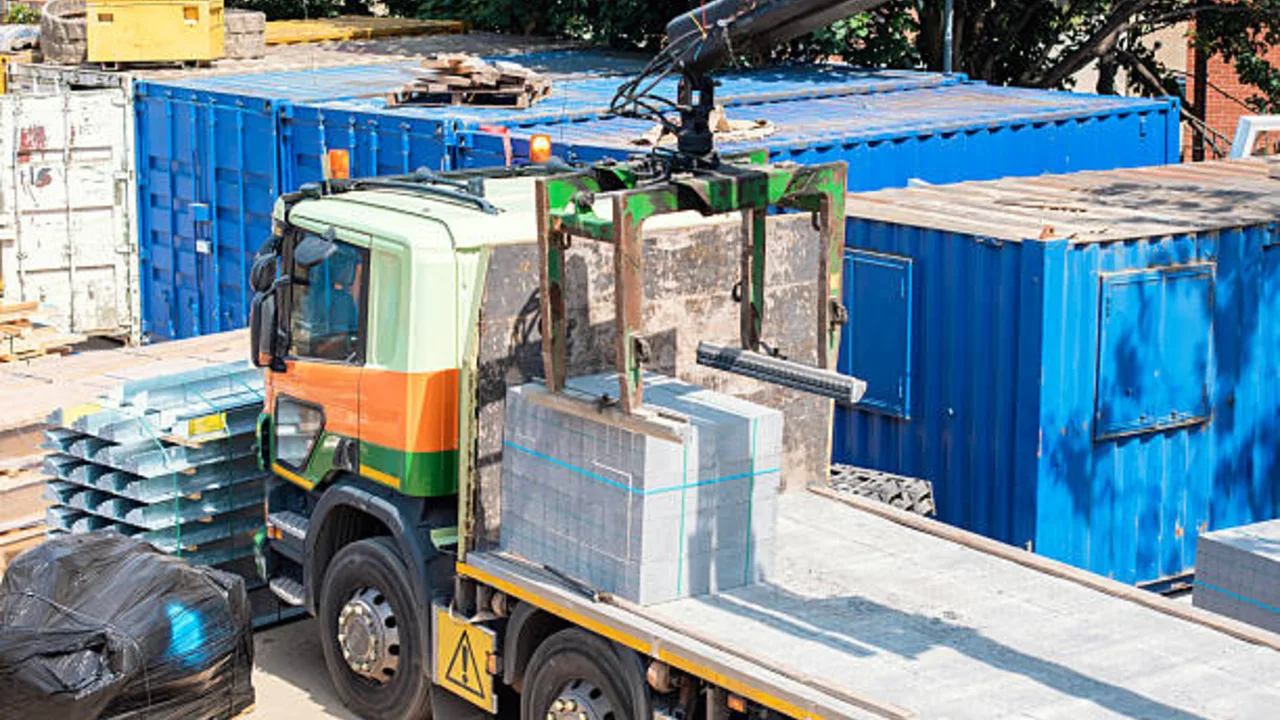
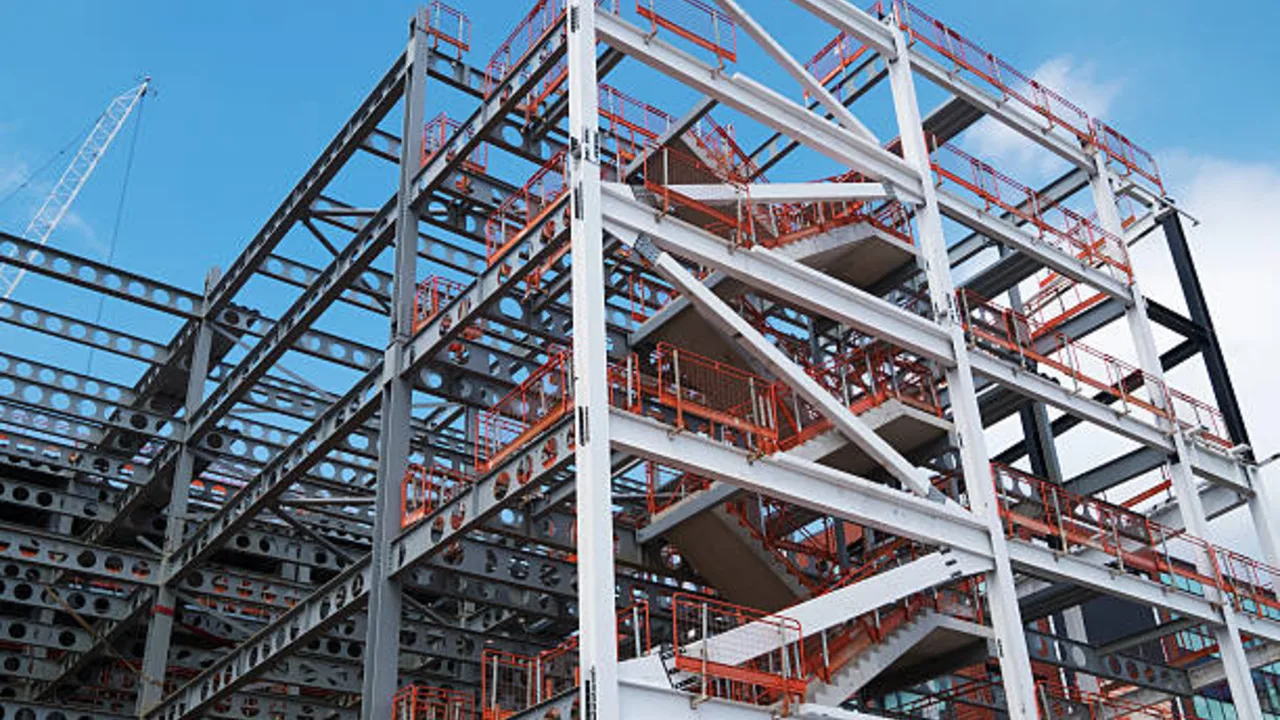
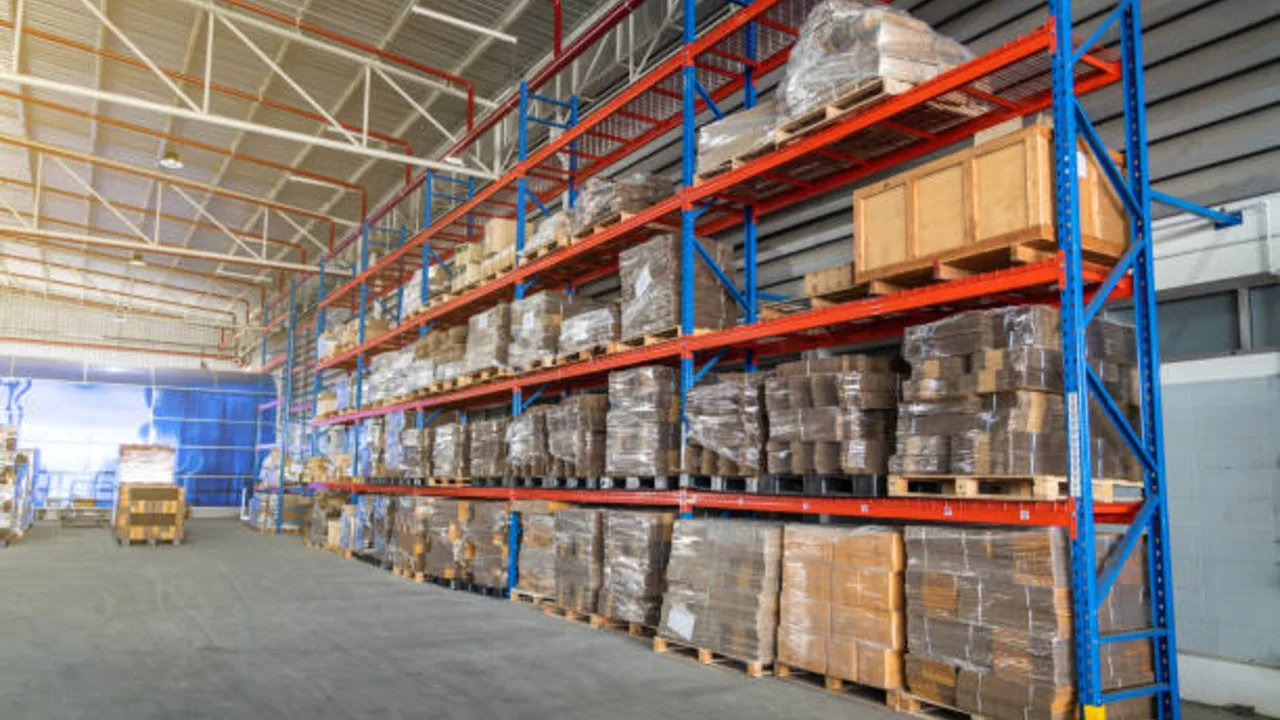
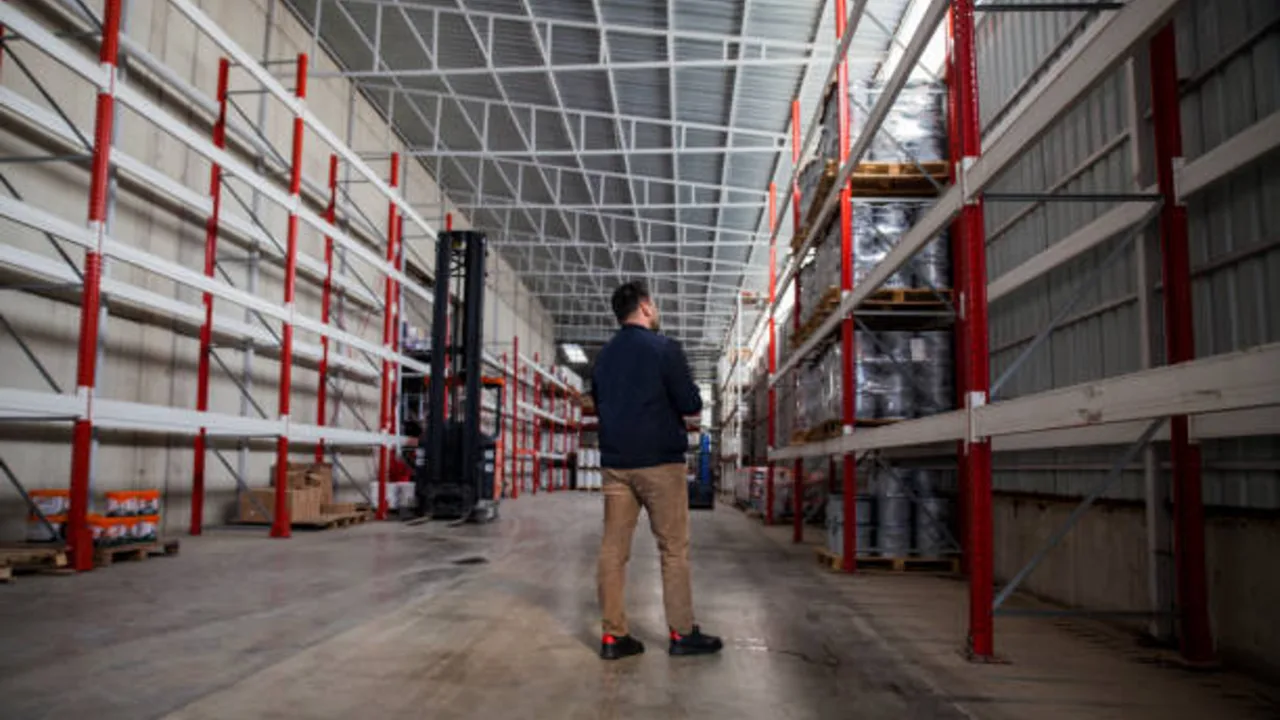
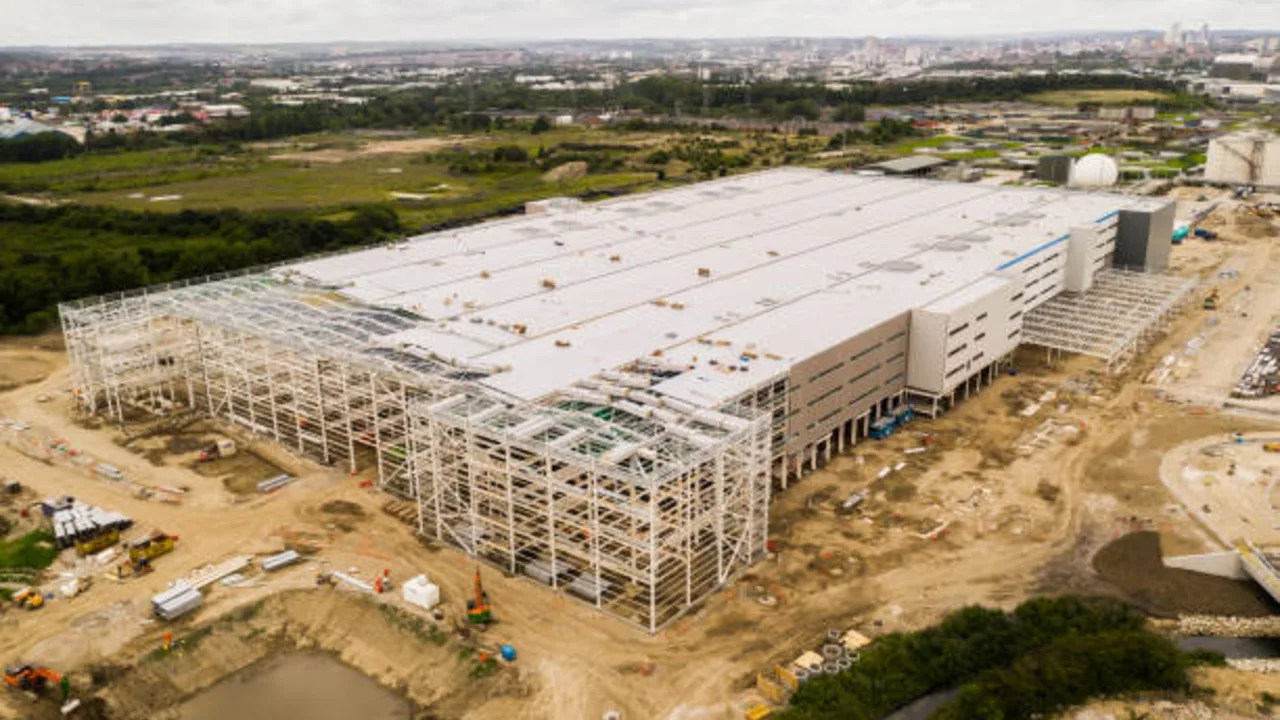
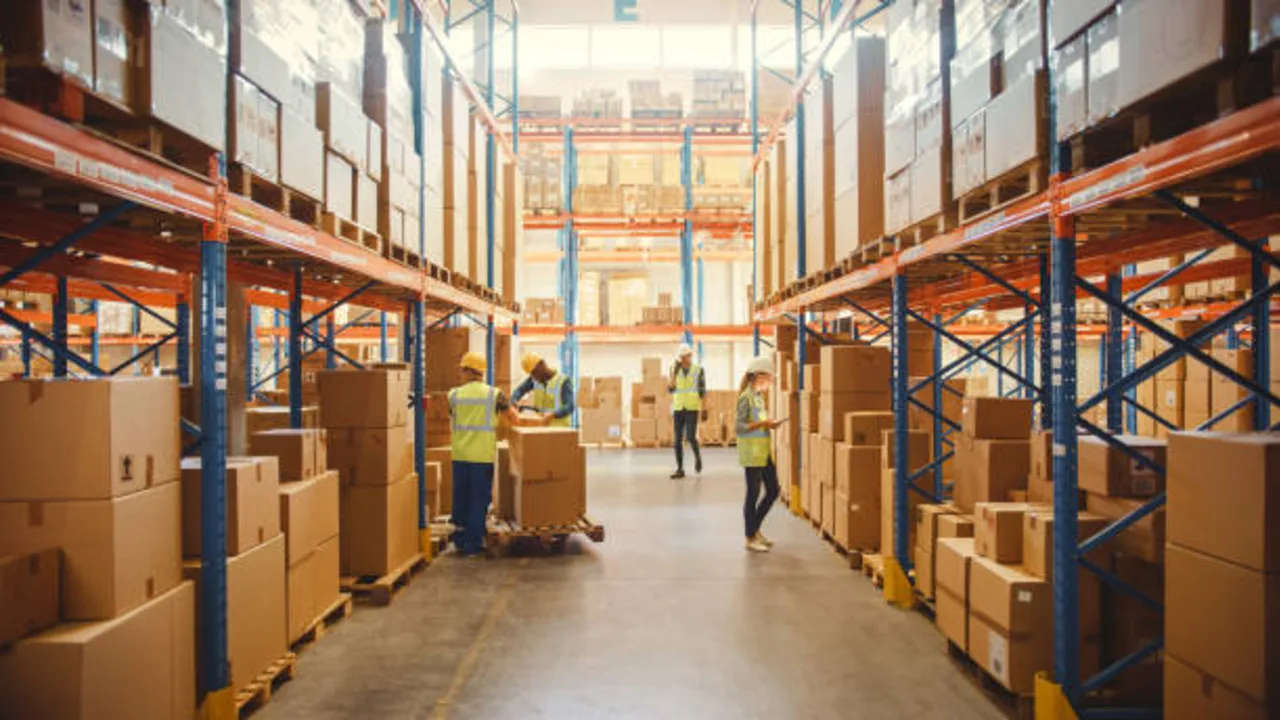
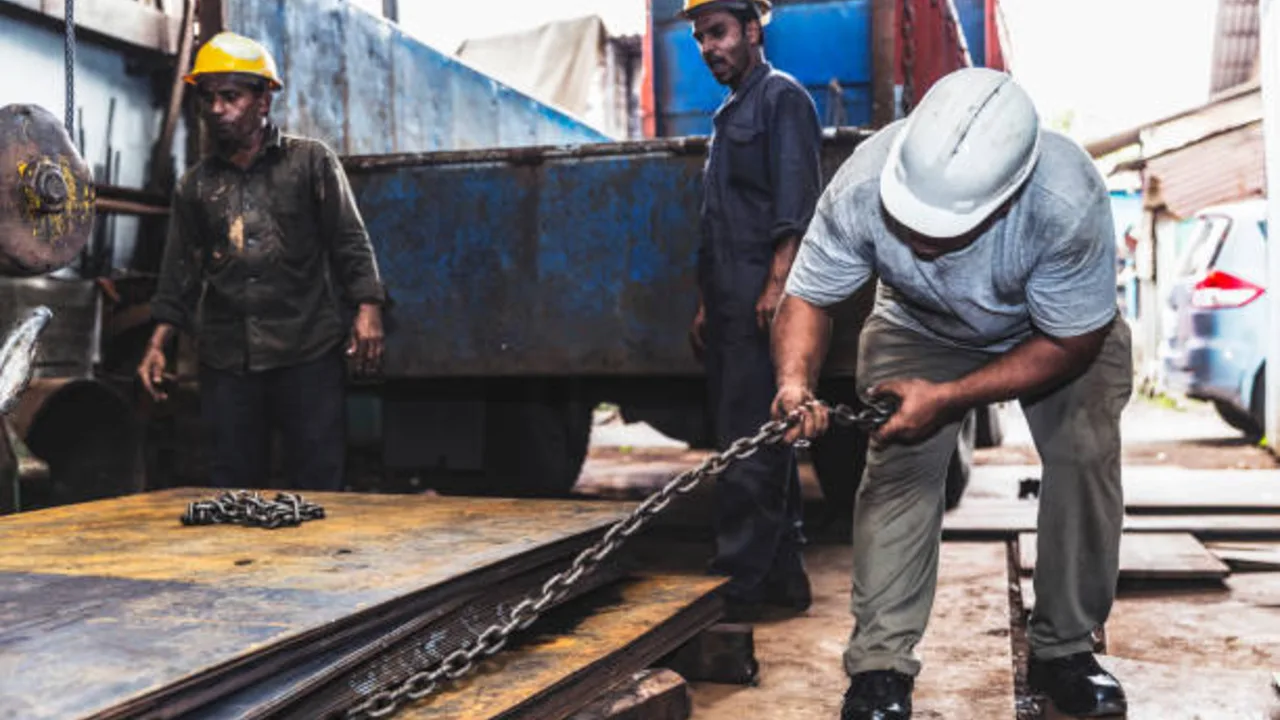
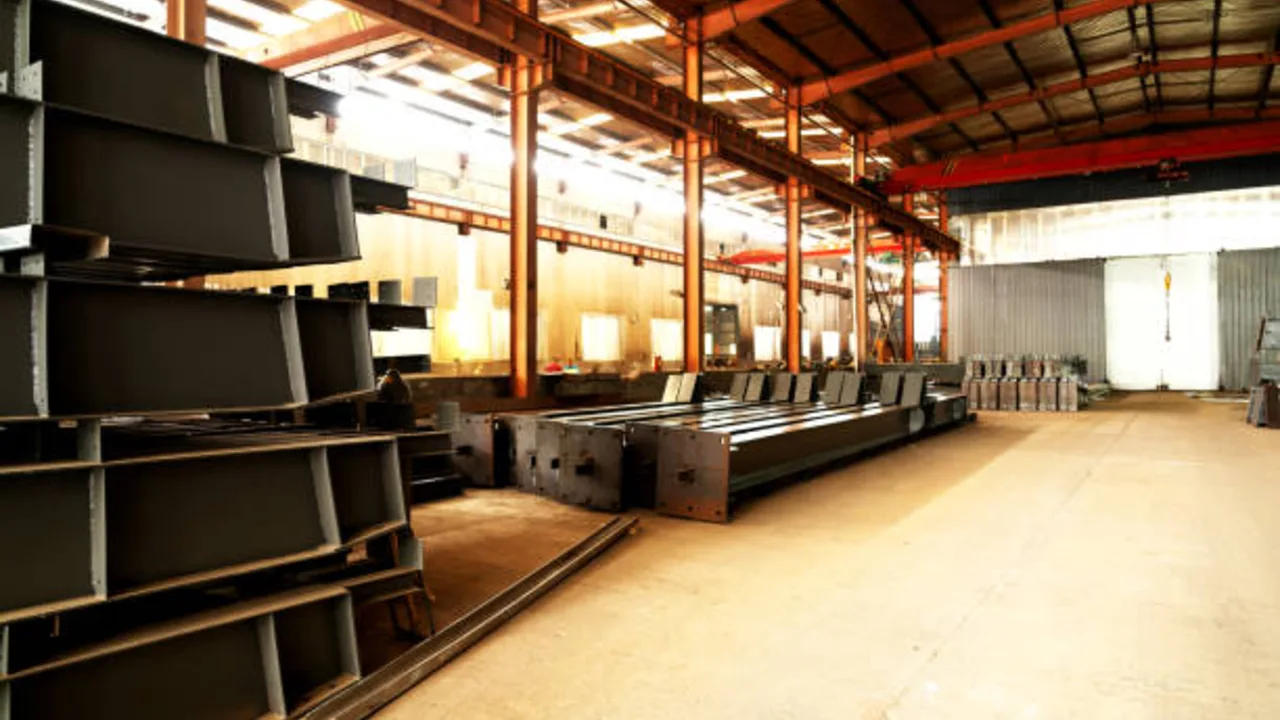
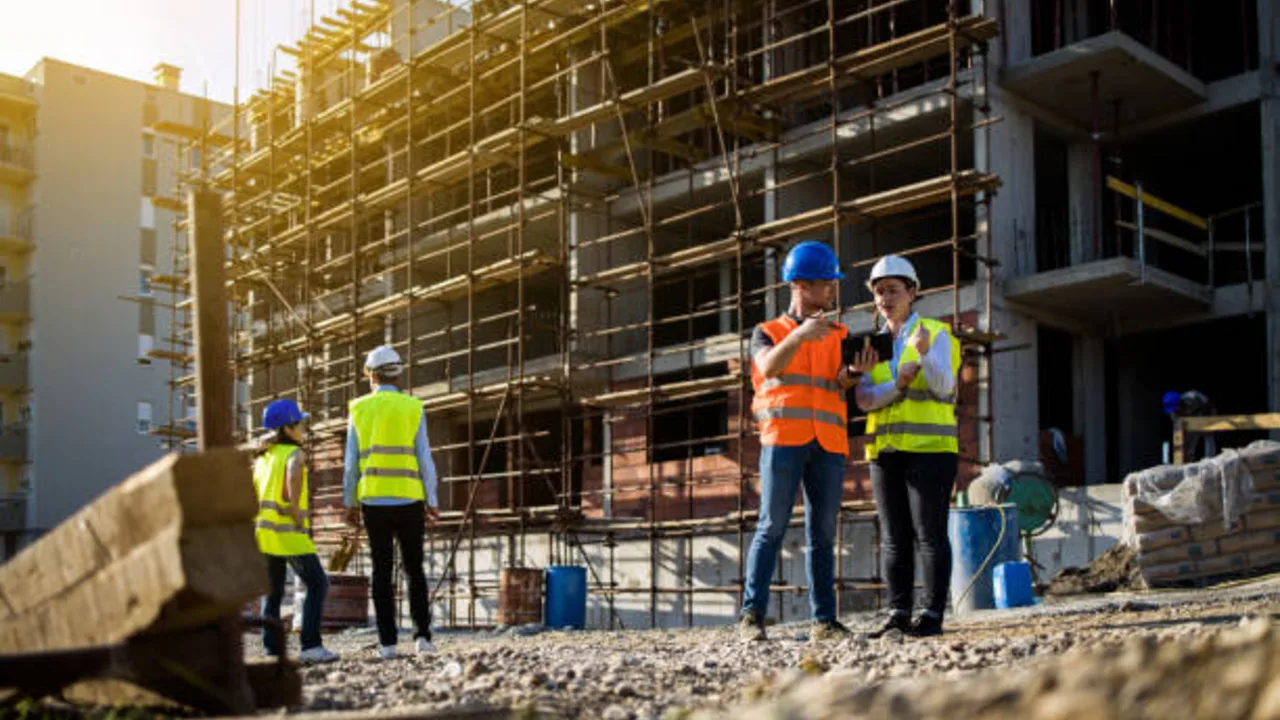
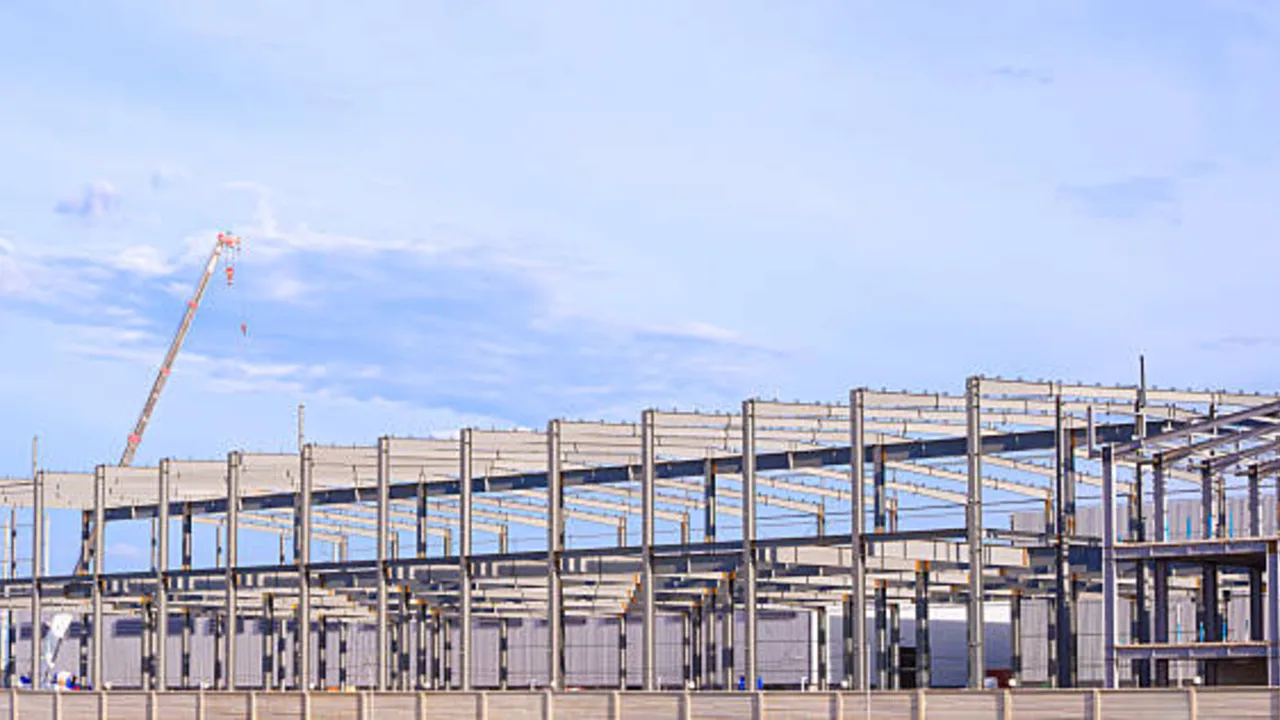
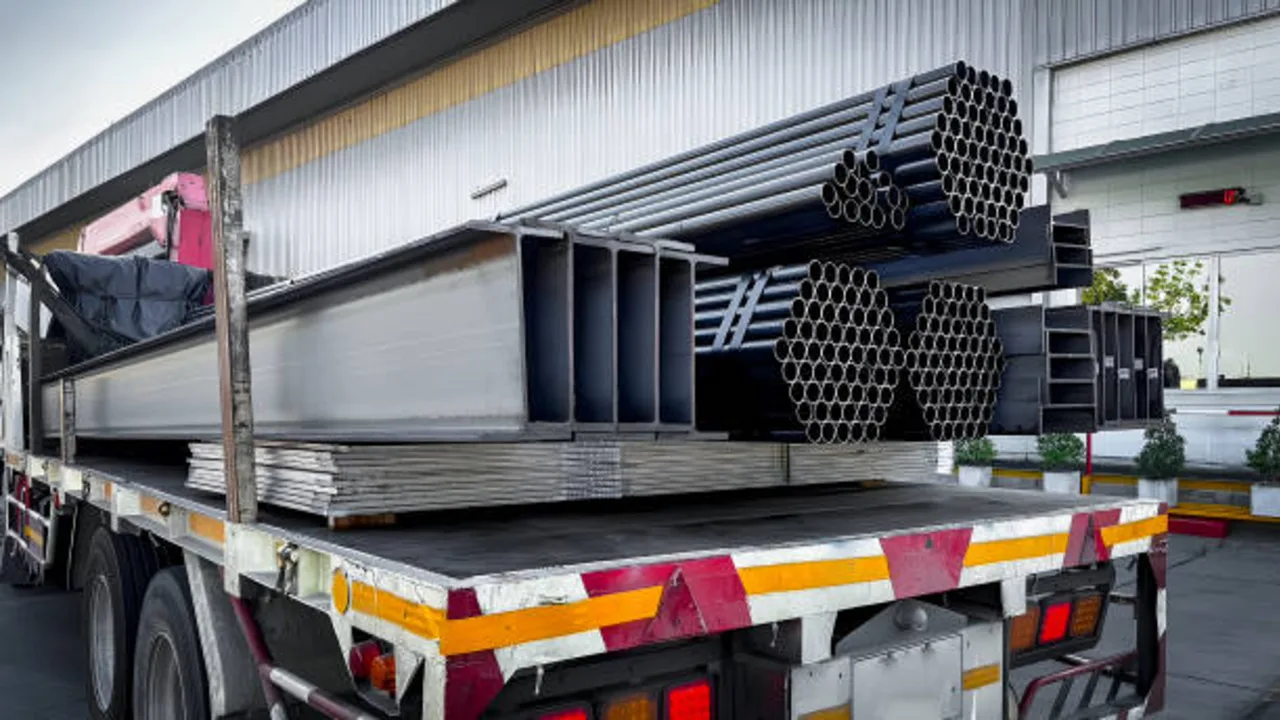
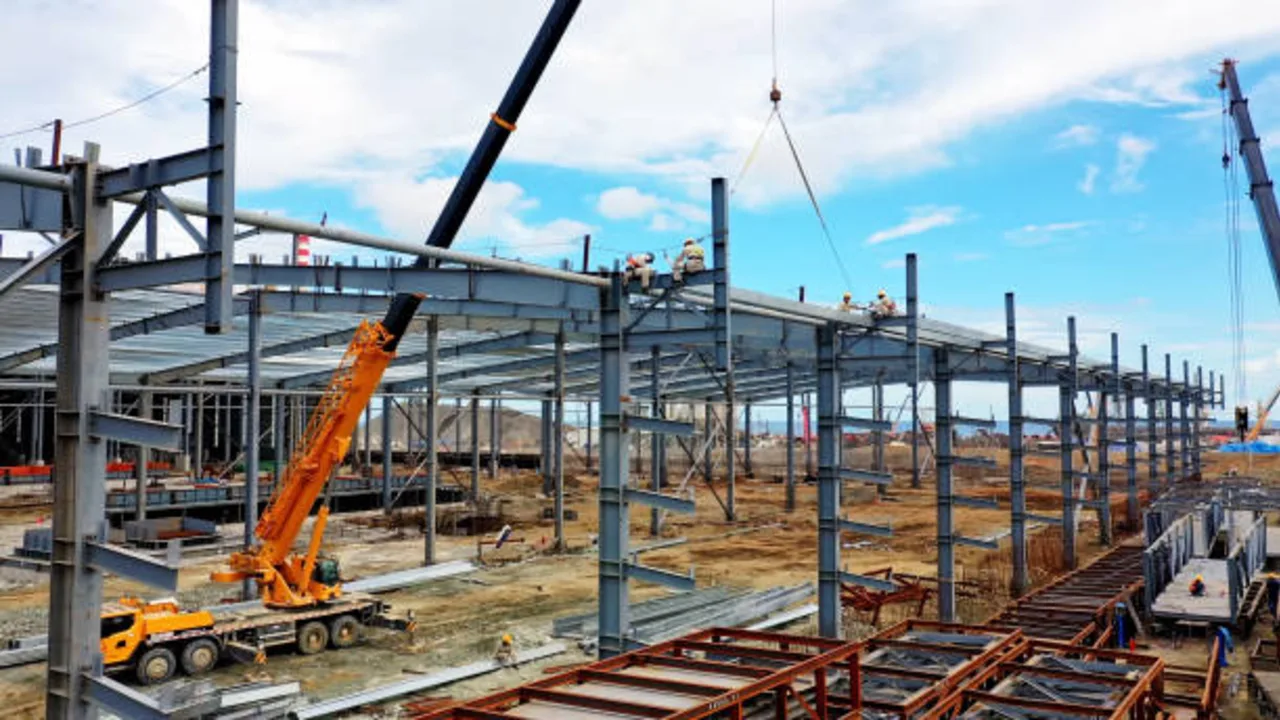
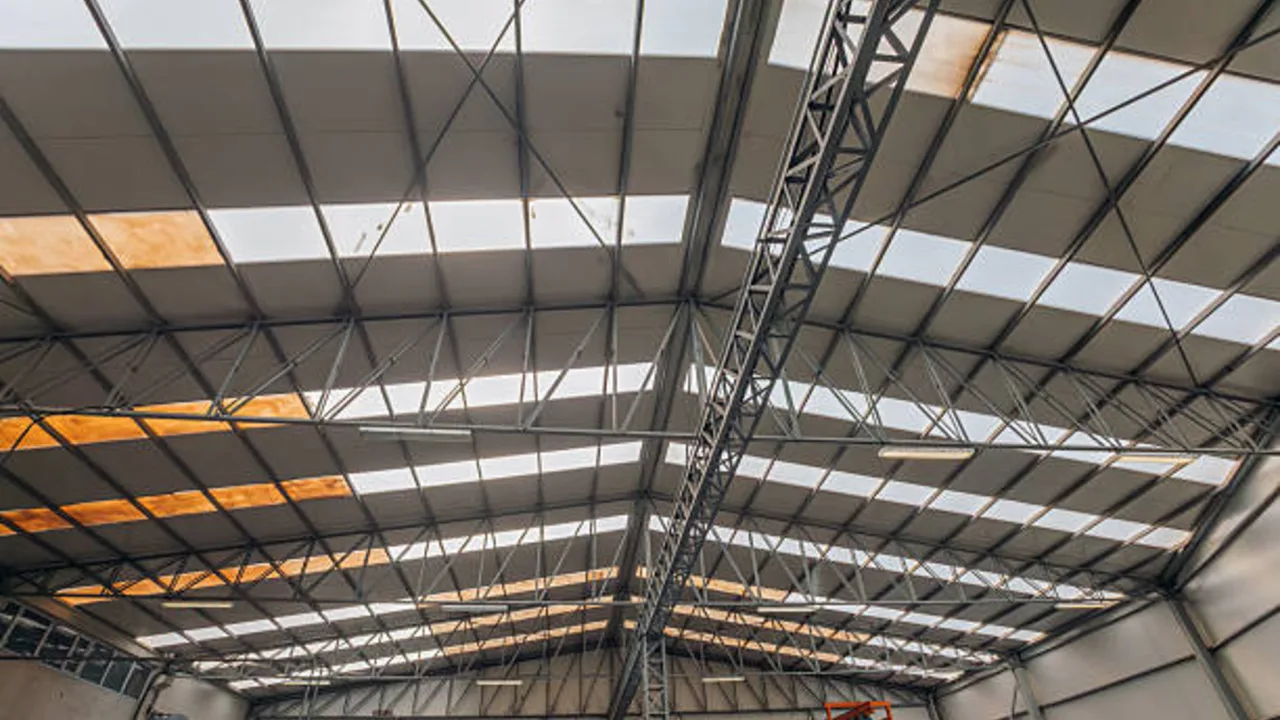
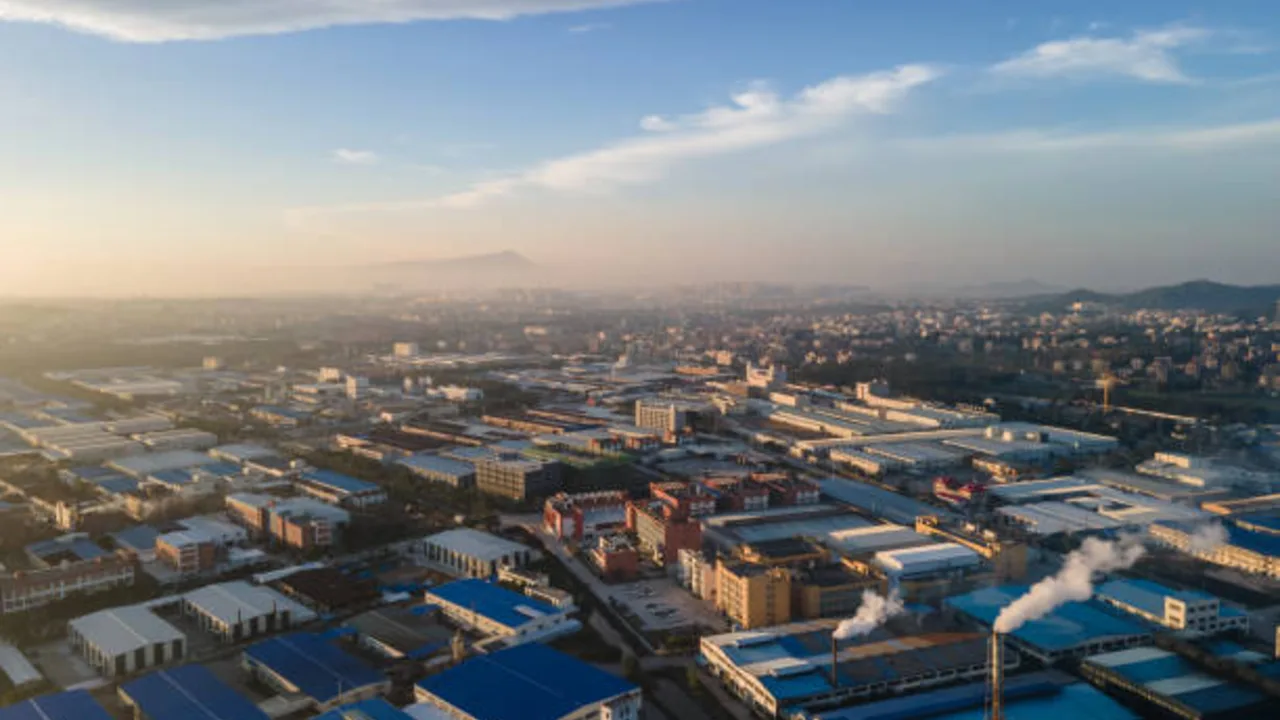
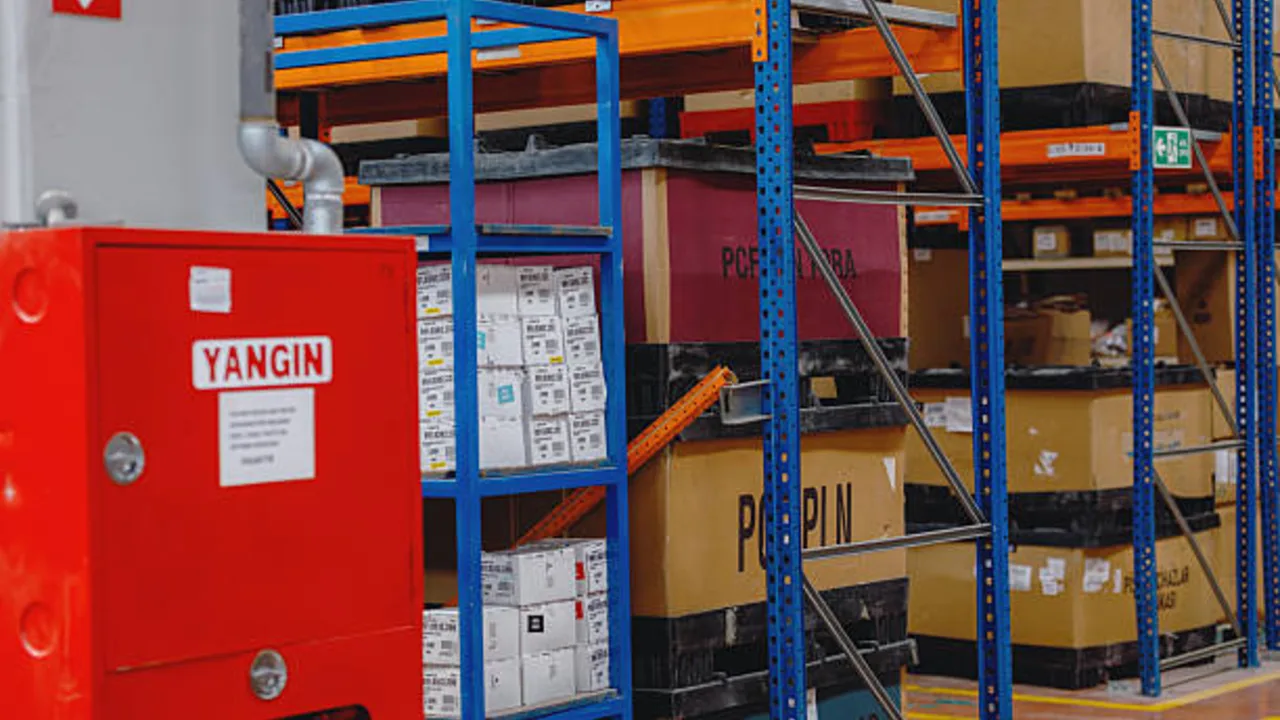
In modern industrial development, logistics is no longer a supporting function—it is a critical driver of project success. Steel construction projects, in particular, rely heavily
In industrial construction, time is directly tied to cost. Every delay not only impacts project schedules but also creates cascading effects on labor, equipment utilization,
In modern industrial and infrastructure projects, coordination is no longer a secondary management task—it is a critical engineering function. Steel structure projects, in particular, demand
Weather conditions are often underestimated in construction planning, yet they play a decisive role in project execution—especially during steel erection. Unlike enclosed construction environments, steel
In modern construction, more projects are being executed in environments exposed to strong and unpredictable wind conditions. Coastal developments, open industrial zones, and elevated terrains
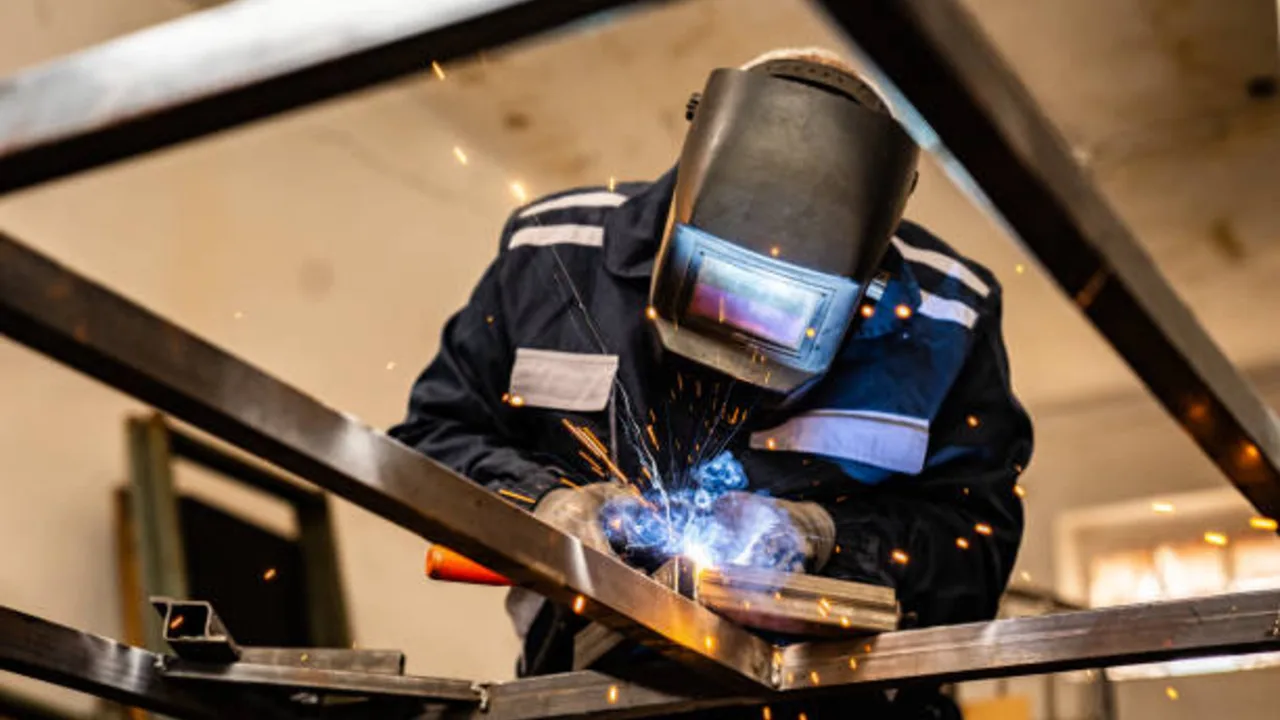
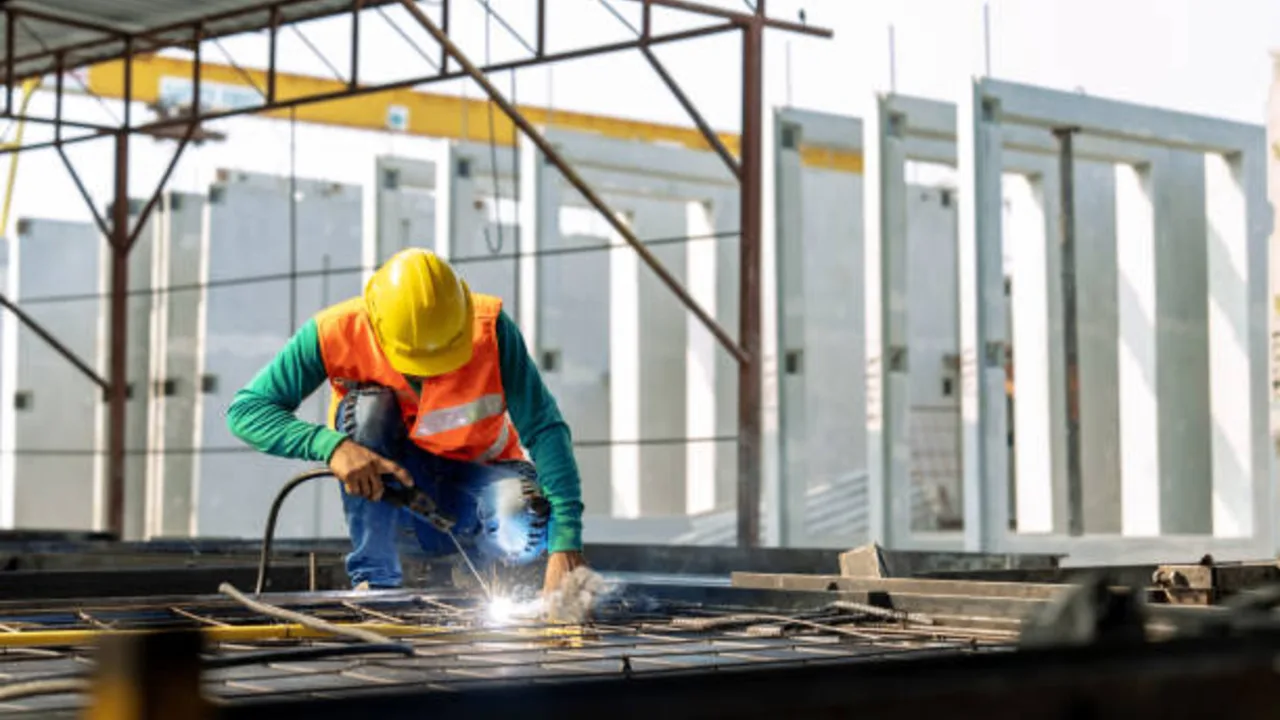
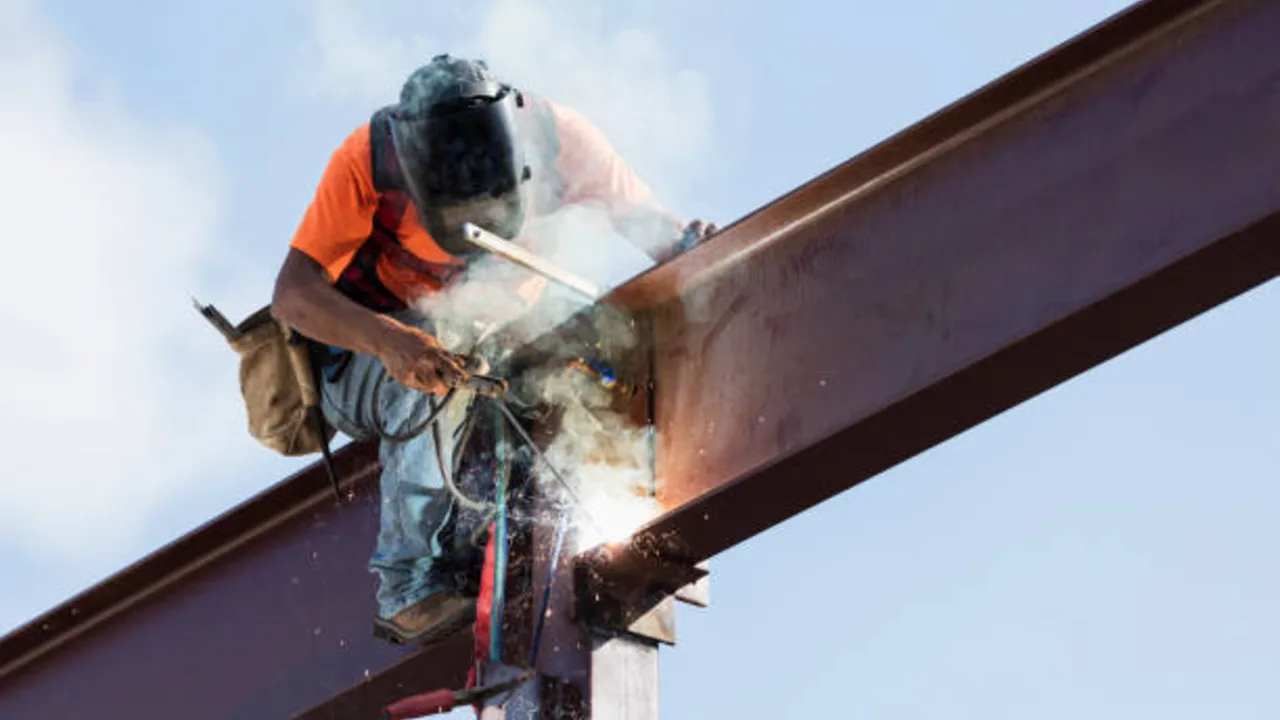
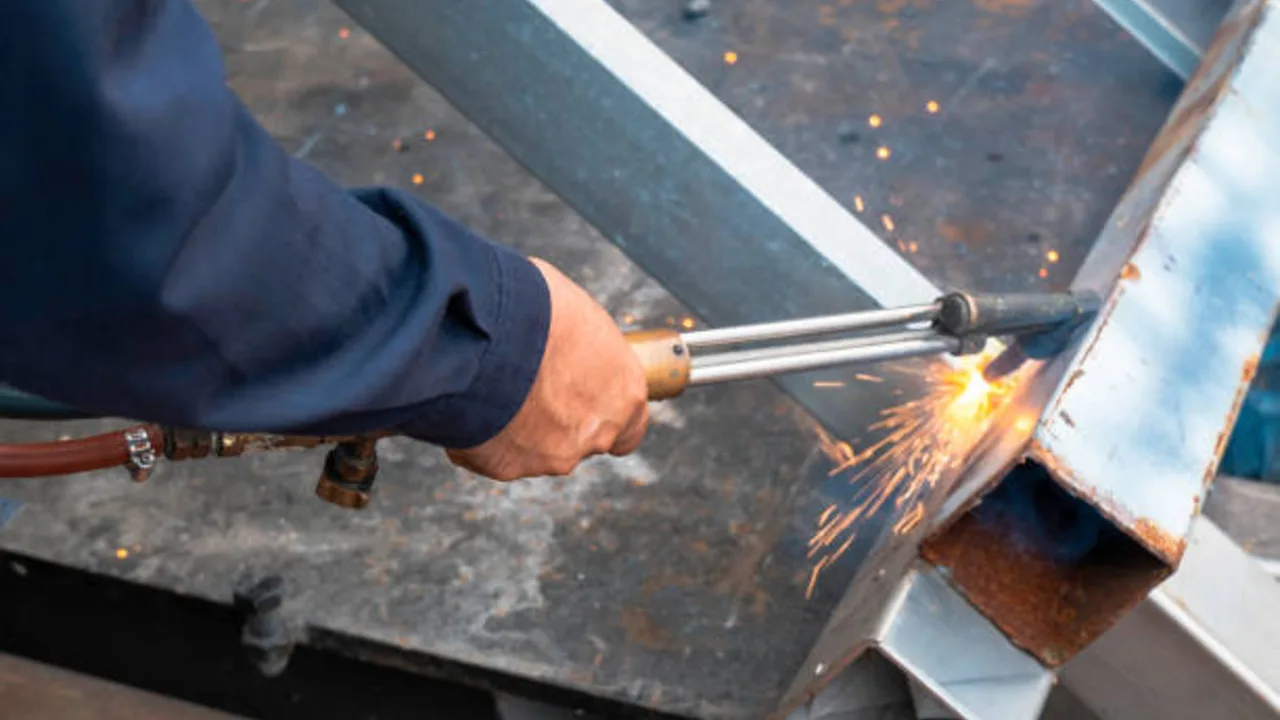
Welding plays a critical role in steel construction, directly affecting structural integrity, safety, and long-term durability. In modern projects, choosing between site welding vs shop
In modern construction environments, project timelines are becoming increasingly compressed, while urban constraints continue to limit daytime operations. As a result, night shift steel construction
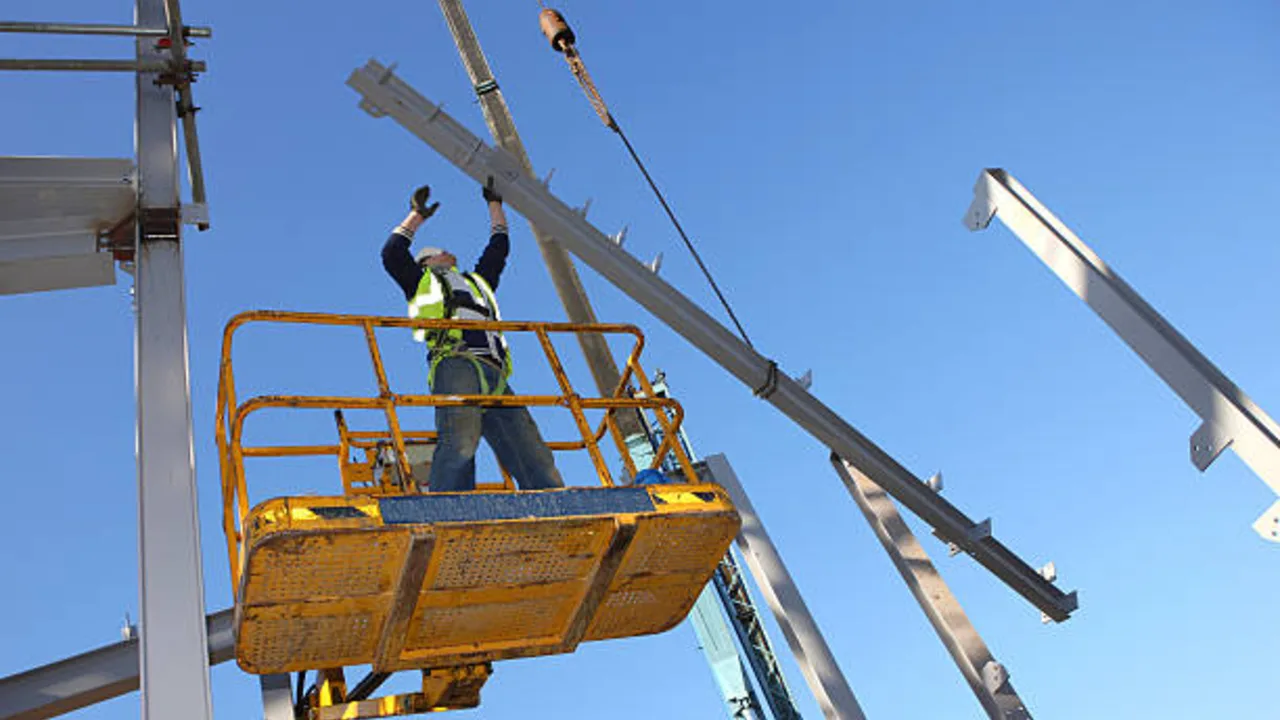
In modern steel projects, lifting operations are among the most critical and high-risk activities on site. From erecting heavy columns to installing long-span beams, every
In today’s construction landscape, projects are increasingly being executed in constrained environments where space, access, and operational flexibility are limited. Urban densification, redevelopment of brownfield
In modern construction, precision is not optional—it is fundamental. One of the most critical challenges during installation is managing steel erection dimensional errors. Even small
In modern industrial development, decision-makers are increasingly shifting their focus from upfront investment to long-term value. One of the most critical metrics in this transition
In modern construction projects, quality control is not optional—it is a fundamental requirement for safety, performance, and long-term durability. One of the most effective tools
In industrial construction, controlling costs is not just a financial concern—it is a core part of project success. Steel warehouse developments, in particular, involve large
As industrial parks, logistics hubs, and e-commerce distribution networks continue to expand, the demand for multi-tenant warehouse facilities is increasing rapidly. Instead of building single-user
Remote warehouse construction has become increasingly important as industries expand into areas with limited infrastructure, such as mining regions, rural industrial zones, energy projects, and
In large industrial construction, site condition plays a critical role in structural performance. One of the most common challenges in warehouse development is warehouse uneven
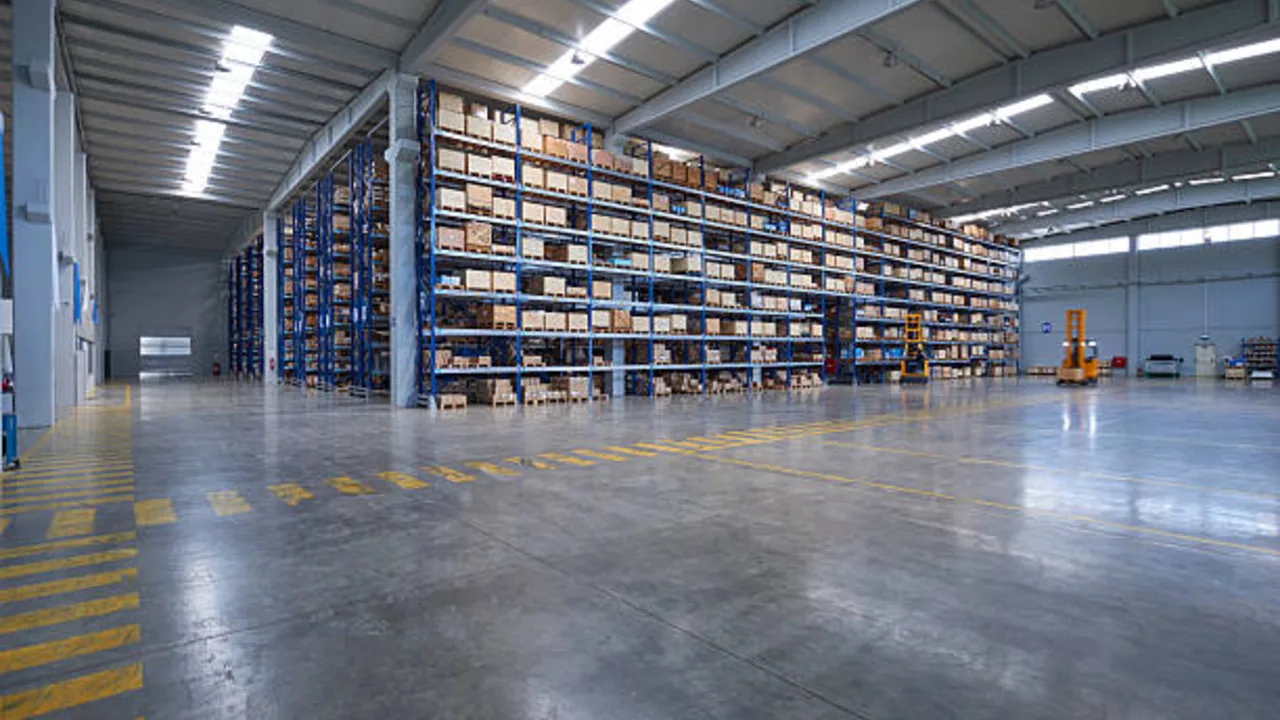
Modern logistics and industrial operations increasingly require taller storage spaces to improve efficiency and reduce land usage. A high clearance warehouse is designed to provide
Modern logistics buildings require more than strong structures. They also require high precision in floor construction. One of the most important factors affecting warehouse performance
Many industrial facilities built decades ago were designed for production methods and storage requirements that no longer match modern logistics and manufacturing needs. As industries
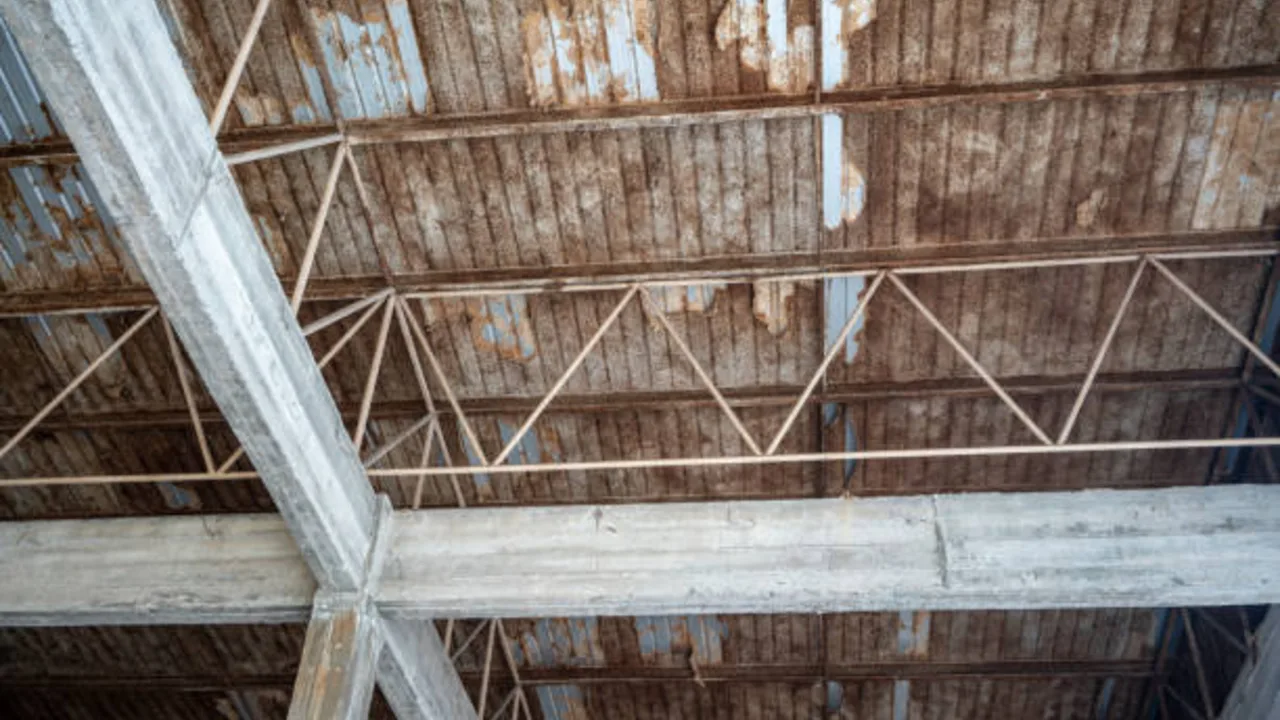
Industrial warehouses are designed for long service life, often expected to operate for decades without major structural changes. However, long-term performance does not happen automatically.
Design revisions are common in industrial construction, especially in large steel warehouse projects where structural, operational, and logistical requirements must be coordinated. Proper warehouse design
Temporary storage planning is one of the most important but often underestimated aspects of industrial construction projects. During warehouse construction, large quantities of materials, structural
Modern industrial buildings rarely operate with a single type of machinery. Most factories today combine heavy production equipment, light assembly lines, storage systems, and moving
Structural safety is one of the most important considerations in industrial building design. Modern factories often contain heavy equipment, overhead cranes, long-span roofs, and complex
Project handover is one of the most important stages in industrial construction. In large manufacturing facilities, the completion of the building does not mean the
Roof drainage is one of the most critical but often overlooked aspects of industrial building design. In large manufacturing facilities, especially those built with long-span
Industrial factories contain heavy machinery, moving equipment, overhead cranes, forklifts, and continuous production lines operating in the same environment. In such conditions, proper spacing between
Expanding an operating factory is one of the most complex challenges in industrial construction. In many manufacturing environments, stopping production is not an option because
Industrial production environments are not always dry and clean. Many manufacturing processes generate large amounts of moisture, steam, or water vapor that can significantly affect
Industrial factories are dynamic environments where vehicles, heavy equipment, and material handling systems operate continuously throughout the day. Forklifts move pallets across production floors, trucks
Industrial factory buildings require strict quality control throughout the entire construction process. Unlike small commercial buildings, steel factories often involve long-span structures, heavy equipment loads,
Industrial projects rarely follow the exact design defined at the beginning of the project. During construction, adjustments are often required due to equipment updates, layout
Industrial factories often operate with heavy machinery, rotating equipment, overhead cranes, and production lines running continuously throughout the day. While these operations are essential for
Constructing an industrial building inside a dense city environment presents challenges that are very different from building in open industrial zones. Urban steel factory construction
Industrial factories rely on structural precision. Production lines, heavy machinery, overhead cranes, and automated systems all depend on stable foundations to operate correctly. When the
Industrial factories often use large amounts of water during daily operations. Cooling systems, cleaning processes, chemical production, and equipment maintenance can all generate continuous water
Industrial factories are complex environments where large open spaces, heavy machinery, and continuous production processes operate together. While modern steel structures allow efficient construction of
Modern industrial buildings must support more than structural loads. They must also support efficient movement of materials, vehicles, and automated systems. In today’s manufacturing environment,
Industrial factories are complex environments where structural efficiency, operational safety, and long-term maintenance must be considered together. While much attention is usually given to production
Industrial factories that handle chemicals, solvents, or aggressive processing materials present one of the most challenging environments for structural steel. In these facilities, steel components
Active industrial facilities often need expansion, modification, or structural upgrades while production continues. In these situations, construction cannot follow the same approach used for empty
Industrial buildings made of steel are assembled in stages, and during the early phases of erection the structure is not yet fully stable. Columns, beams,
Modern manufacturing increasingly relies on efficiency-driven production systems where every step of the process must contribute value. In industrial environments, factory layout plays a critical
Industrial factories are environments where high-powered machinery, material handling systems, and continuous production processes operate simultaneously. While these operations are essential for manufacturing efficiency, they
Modern industrial production rarely stops. Many manufacturing facilities now operate around the clock in two or three rotating shifts to maximize productivity and equipment utilization.
In modern industrial construction, building size continues to increase as manufacturing operations demand wider production spaces and larger equipment layouts. Large industrial buildings often extend
In modern industrial architecture, vertical space is just as important as floor area. Efficient industrial production requires not only sufficient workspace for machinery but also
In modern industrial construction, structural planning must go far beyond simply supporting the weight of a building. Industrial facilities contain diverse machinery, production systems, storage
In modern manufacturing environments, floor precision plays a critical role in ensuring smooth industrial operations. One of the most important technical considerations in industrial construction
In modern industrial environments, overhead cranes are essential for material handling, equipment movement, and continuous production operations. In steel manufacturing plants and heavy industrial workshops,
In modern industrial environments, machinery performance depends not only on mechanical precision but also on structural stability beneath it. In steel manufacturing plants and industrial
In modern industrial construction, factory column grid optimization is not merely a structural decision — it is a production strategy. The arrangement of columns within
Ordering a steel building is not simply a purchasing decision—it is a technical commitment that affects structural safety, project timelines, installation efficiency, and long-term operational
In modern construction projects, cost efficiency is rarely determined during fabrication or construction. Instead, it is largely established during the earliest stages of engineering design.
In many industrial regions around the world, thousands of steel buildings constructed decades ago are still in operation. While these structures were originally designed for
Industrial buildings are long-term infrastructure assets. When companies invest in manufacturing plants, logistics hubs, or heavy equipment facilities, they expect the structure to perform reliably
Steel structures are widely recognized for their durability, strength-to-weight ratio, and construction efficiency. However, long-term performance is not determined by design alone. Proper steel building
In steel construction, structural safety is not only determined by the final design but also by how the structure behaves during installation. One of the
In modern construction, precision on the construction site plays a critical role in structural safety and installation efficiency. One of the most important factors influencing
In modern construction, installation efficiency often determines whether a project finishes ahead of schedule or faces costly delays. One of the most critical decisions during
Structural safety is never accidental. In modern construction, reliability is achieved through engineering discipline, calibrated calculations, and carefully defined steel building safety factors. Every structural
Industrial facilities are engineered to support heavy equipment, high roof spans, overhead cranes, and demanding operational loads. In this context, steel building code compliance is
Fire safety is one of the most critical performance requirements in modern industrial and commercial construction. While steel offers exceptional strength-to-weight ratio, speed of erection,
Coastal regions are among the fastest-growing zones for industrial and commercial development. Ports, shipyards, offshore energy facilities, seafood processing plants, and logistics hubs are increasingly
Across the world, rapid urbanization is pushing industrial, commercial, and infrastructure development into areas with high seismic activity. From manufacturing hubs along tectonic belts to
Extreme weather patterns are becoming more frequent, and structural resilience is no longer optional in vulnerable regions. Among the most critical engineering challenges in these
Tropical regions present some of the most demanding environmental conditions for structural systems. Designing a steel building tropical climate project requires more than standard structural
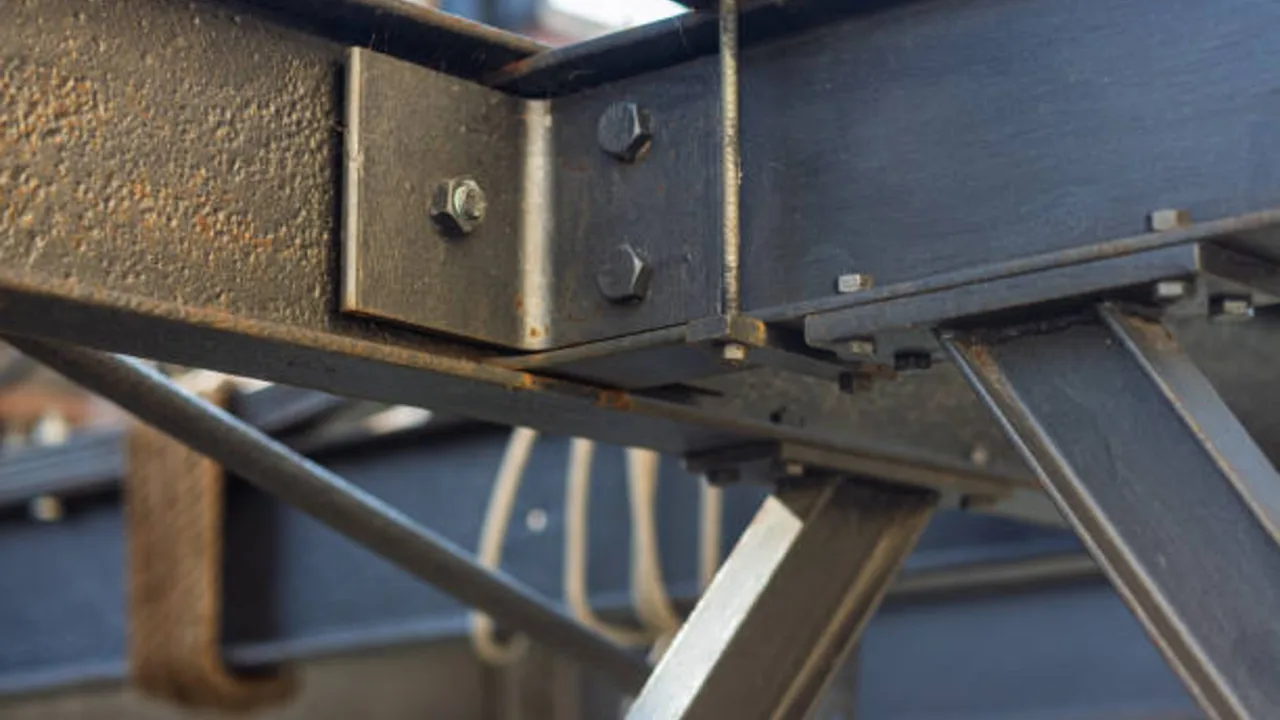
In modern structural engineering, connection design is just as critical as member sizing. While beams and columns often receive primary attention, long-term durability frequently depends
Precision defines the success of any prefabricated system. In modern industrial and commercial construction, structural components are manufactured off-site, transported to the project location, and
In modern structural engineering, connection design is one of the most decisive elements in overall building performance. While beams, columns, and bracing members form the
In modern structural engineering, continuity and stiffness determine whether a steel system performs as intended under gravity, wind, and seismic forces. Among the most critical
In modern structural engineering, durability is no longer an optional consideration — it is a fundamental requirement. Industrial facilities, warehouses, logistics hubs, and heavy-duty workshops
Choosing the right structural member is one of the most important decisions in any steel building structure. Among the most common options are hollow sections
In modern construction, structural reliability begins with material precision. One of the most critical yet frequently underestimated factors in structural engineering is steel building plate
In modern industrial production, the strength and reliability of steel structures begin long before fabrication starts. The foundation lies in how raw materials are selected,
In today’s highly competitive construction and infrastructure market, steel manufacturing capacity planning plays a decisive role in determining whether projects are delivered on time, within
Selecting the correct steel material is one of the most critical decisions in structural engineering. The performance, safety, durability, and long-term cost efficiency of any
The connection between structural steel and reinforced concrete is one of the most critical zones in any industrial, commercial, or infrastructure project. While steel frames
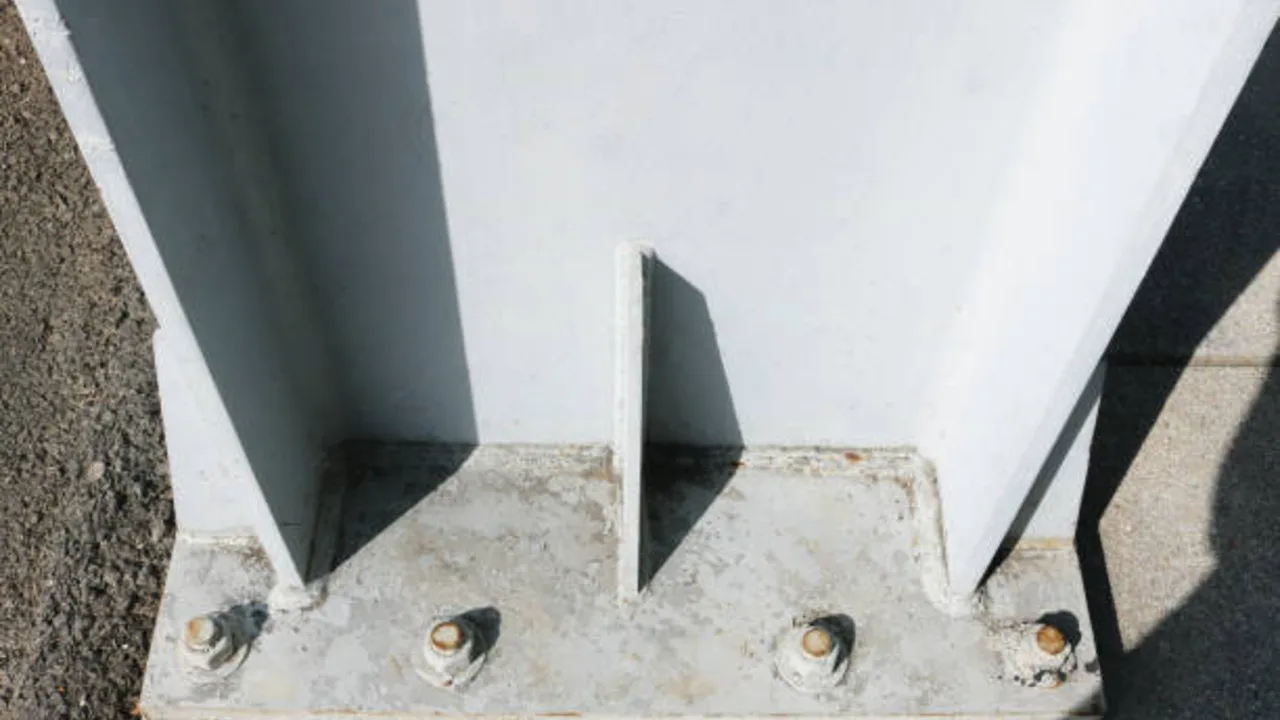
In modern steel construction, structural performance begins long before the first column is erected. It starts at the foundation level—specifically with anchor bolt placement. When
The success of any steel structure building depends heavily on what lies beneath it. While steel frames provide strength, flexibility, and rapid construction advantages, none
Modern industrial and commercial buildings rely heavily on structural efficiency, long-span capability, and durability. While columns and beams often receive the most attention in design
In modern industrial and commercial projects, dimensional precision is not a luxury — it is a structural necessity. From multi-bay warehouses to complex long-span roofs,
In modern project delivery, temporary works steel construction plays a decisive role in ensuring safety during the most vulnerable stage of a building’s life cycle
In modern industrial and commercial projects, steel construction sequencing is one of the most critical yet underestimated factors determining whether a project finishes on time
In modern structural engineering, the concept of a steel building load path is fundamental to ensuring safety, durability, and long-term performance. Every steel structure —
Large-scale industrial and commercial structures are designed to perform under demanding environmental and operational conditions. From logistics warehouses and aircraft hangars to stadium roofs and
In industrial construction, roof geometry is never just an architectural choice. It is a structural, environmental, and operational decision that directly affects long-term performance. Among
Modern logistics, manufacturing, and distribution operations are expanding at an unprecedented pace. Rising e-commerce demand, globalized supply chains, and increasing inventory turnover have forced warehouse
Effective warehouse site drainage is one of the most overlooked yet critical components in industrial construction. While structural steel frames, roofing systems, and floor slabs
Steel warehouses are designed to support heavy loads, large clear spans, and long operational lifecycles. However, without a well-planned warehouse corrosion protection strategy, even the
Industrial expansion across Southeast Asia, Africa, South America, and other equatorial regions has dramatically increased demand for high-performance logistics and storage facilities. However, constructing a
Modern logistics and industrial expansion have driven warehouses to become taller, wider, and more structurally demanding than ever before. High-bay storage systems, automated racking, and
Modern industrial expansion increasingly takes place in regions with moderate to high seismic activity. In these environments, warehouse seismic design is no longer optional —
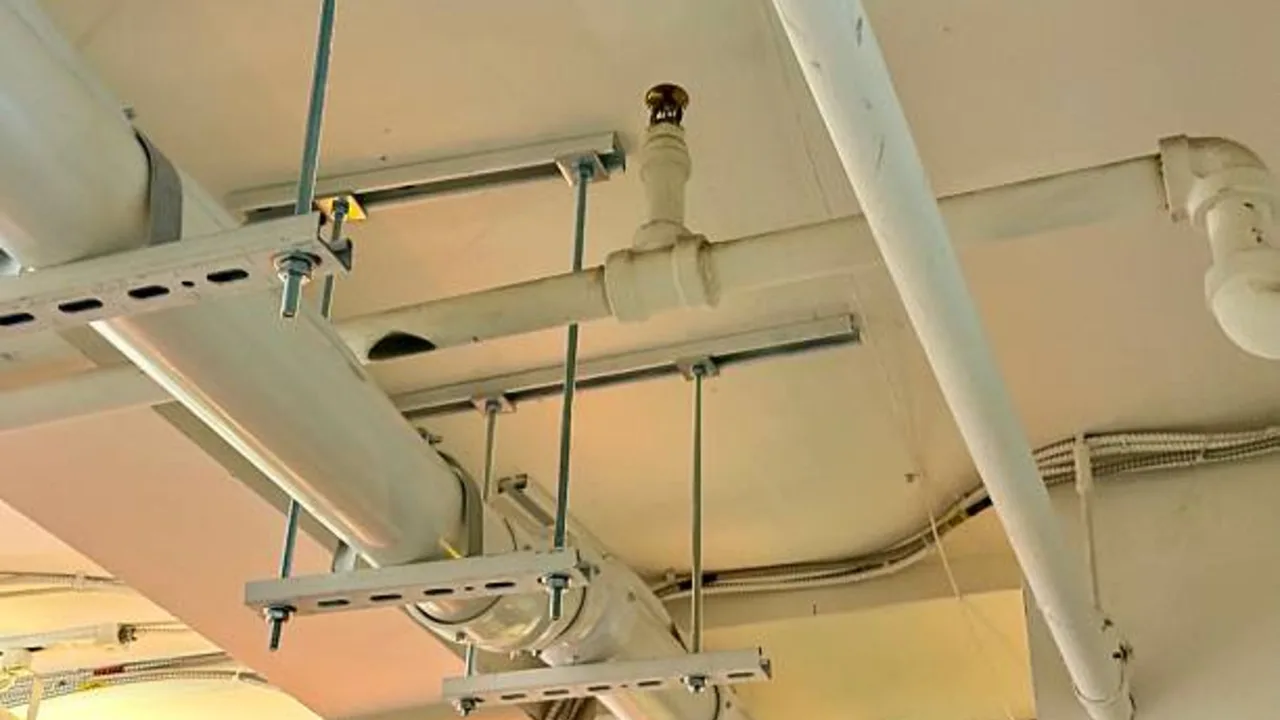
Modern industrial facilities demand advanced safety strategies, especially in large-scale storage environments. One of the most critical yet often underestimated systems in industrial architecture is
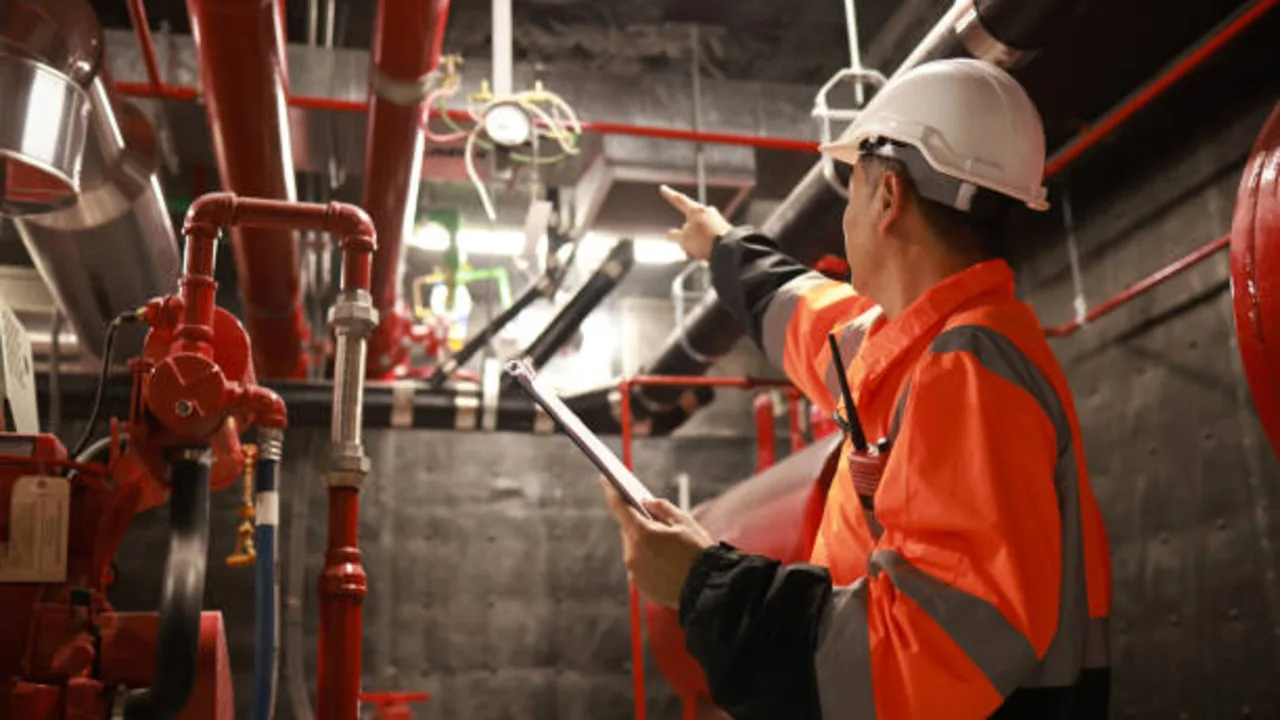
While warehouse fire compartmentation is a passive fire protection strategy, it must work in coordination with active fire protection systems to achieve maximum effectiveness. Passive
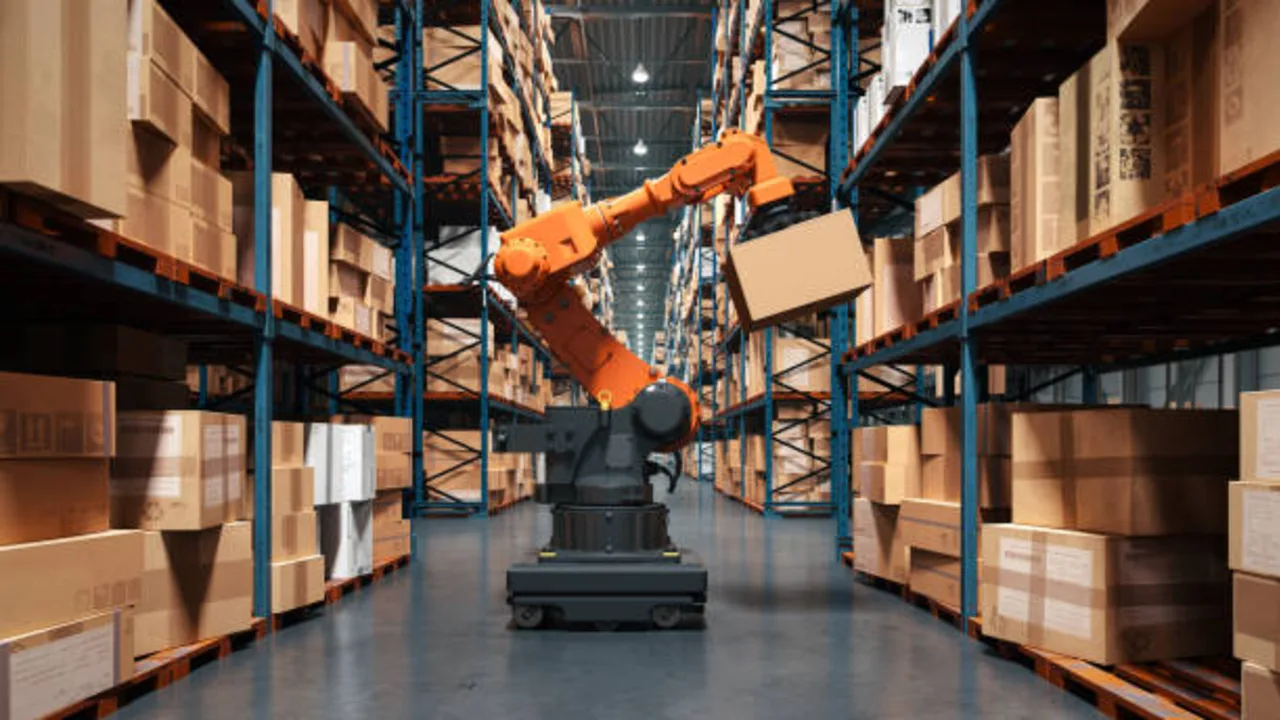
The logistics industry is entering a new era defined by robotics, AI-driven inventory systems, and real-time data integration. At the center of this transformation stands
Modern manufacturing depends on stability, synchronization, and operational resilience. In high-volume production environments, even minor supply interruptions can disrupt schedules, delay shipments, and increase costs.
In today’s fast-paced global supply chain, efficiency, speed, and scalability define success. Modern logistics distribution centers must handle high inventory turnover, complex sorting systems, and