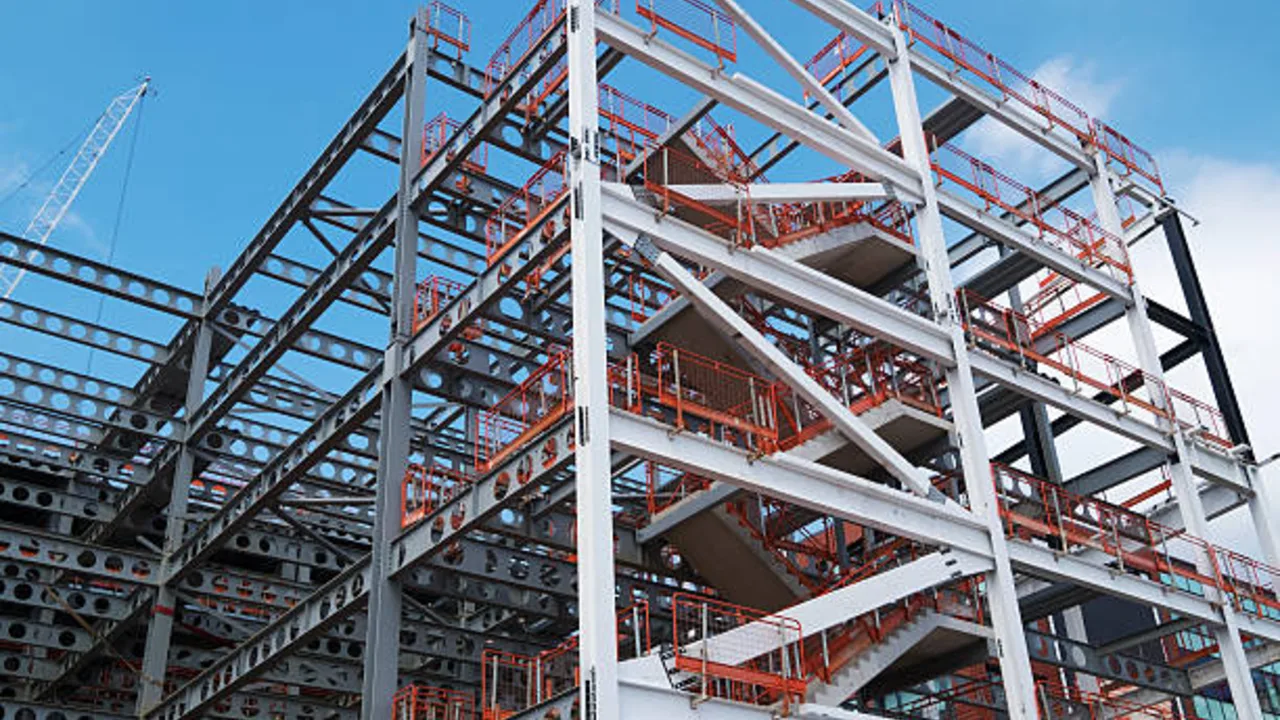
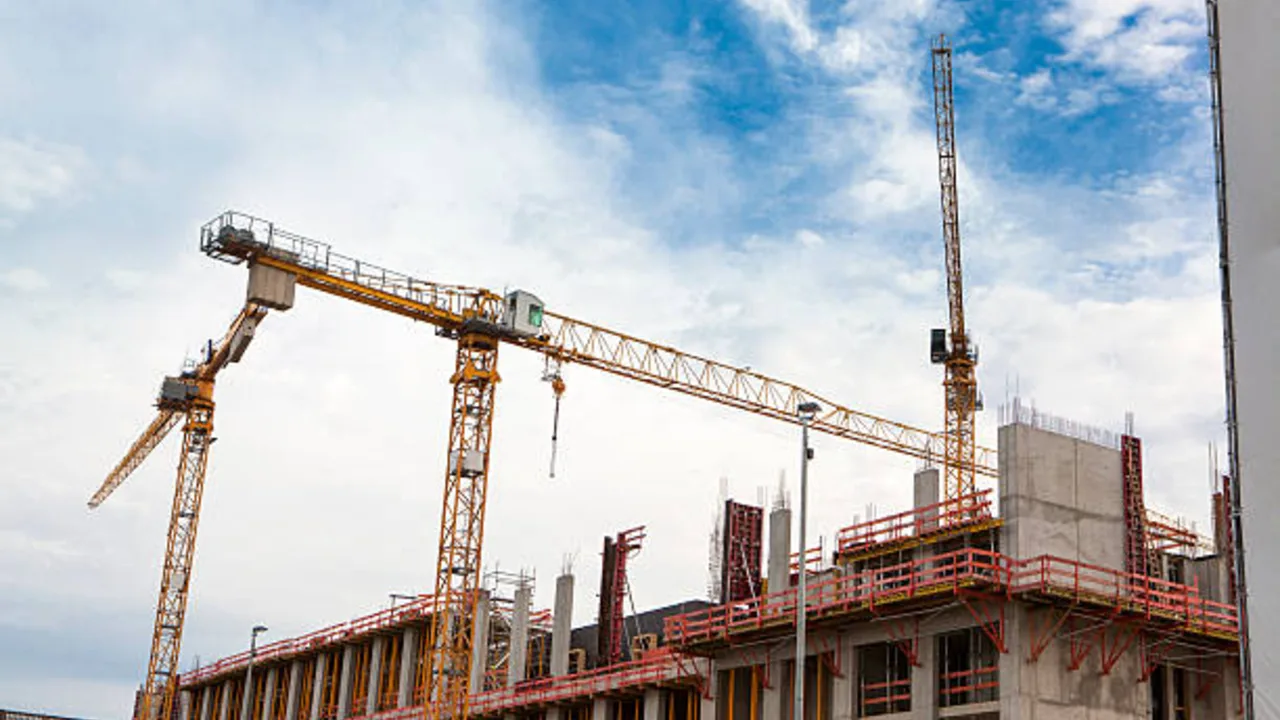
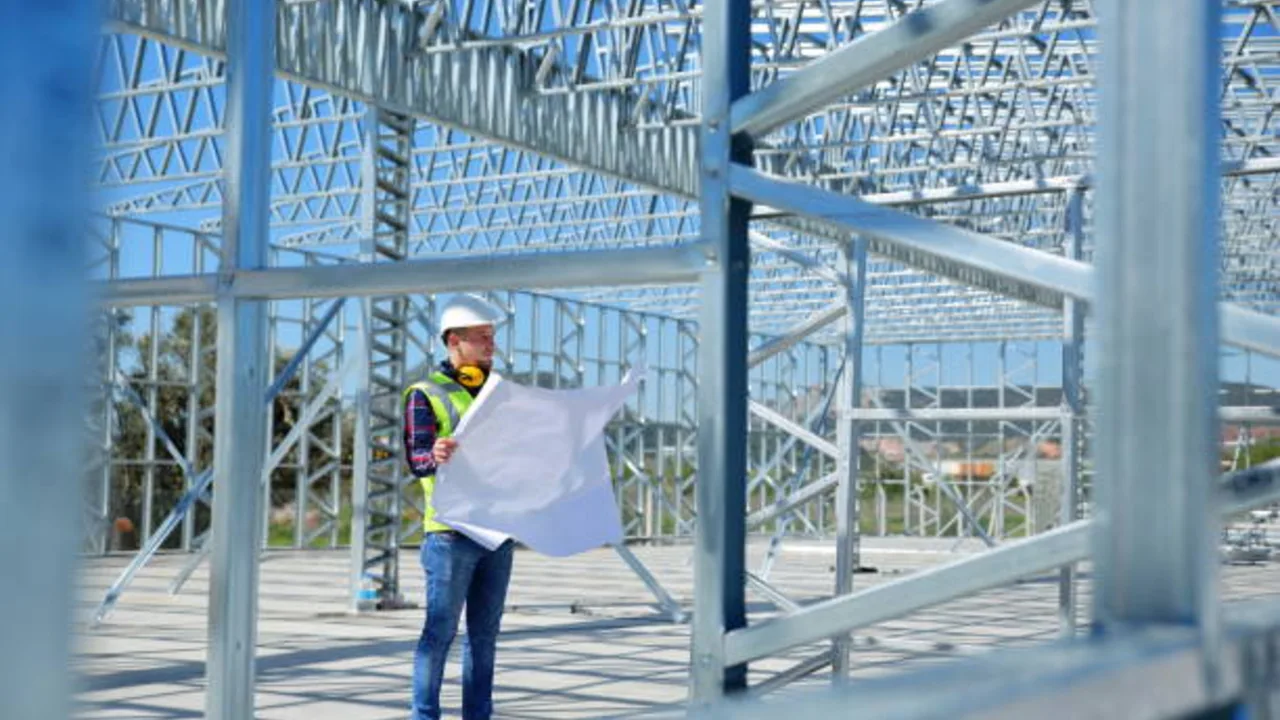
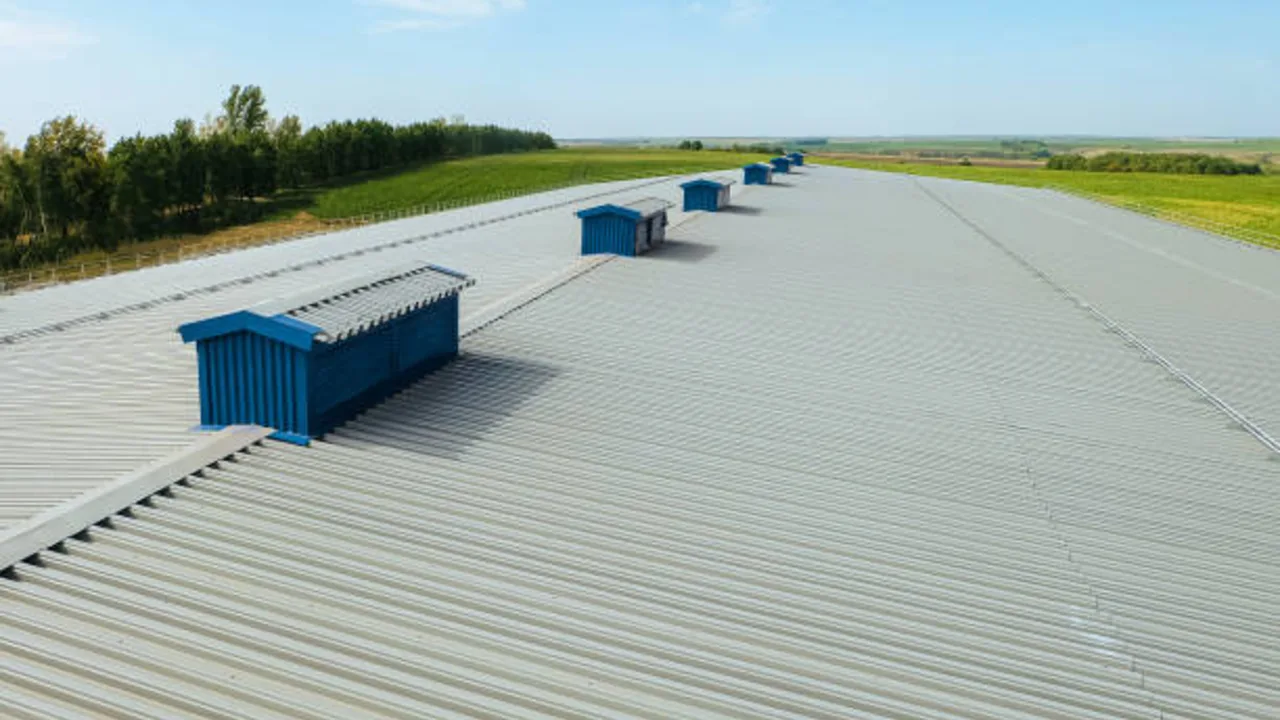
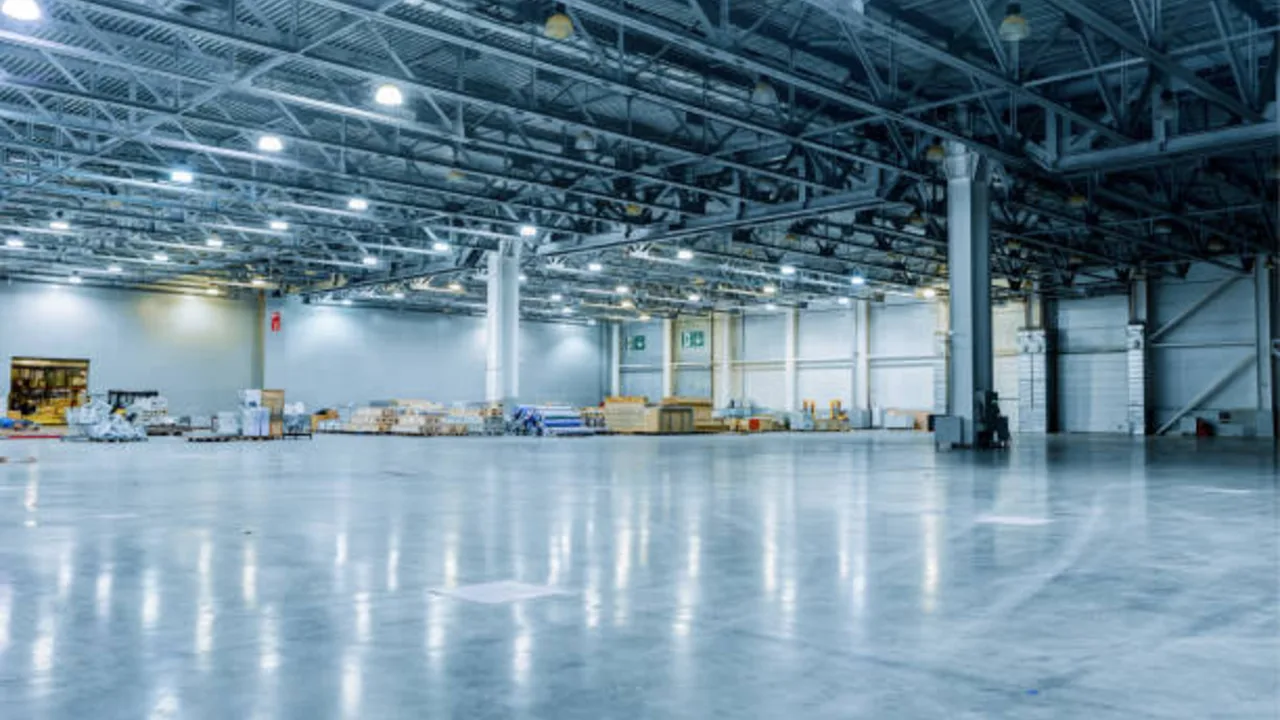
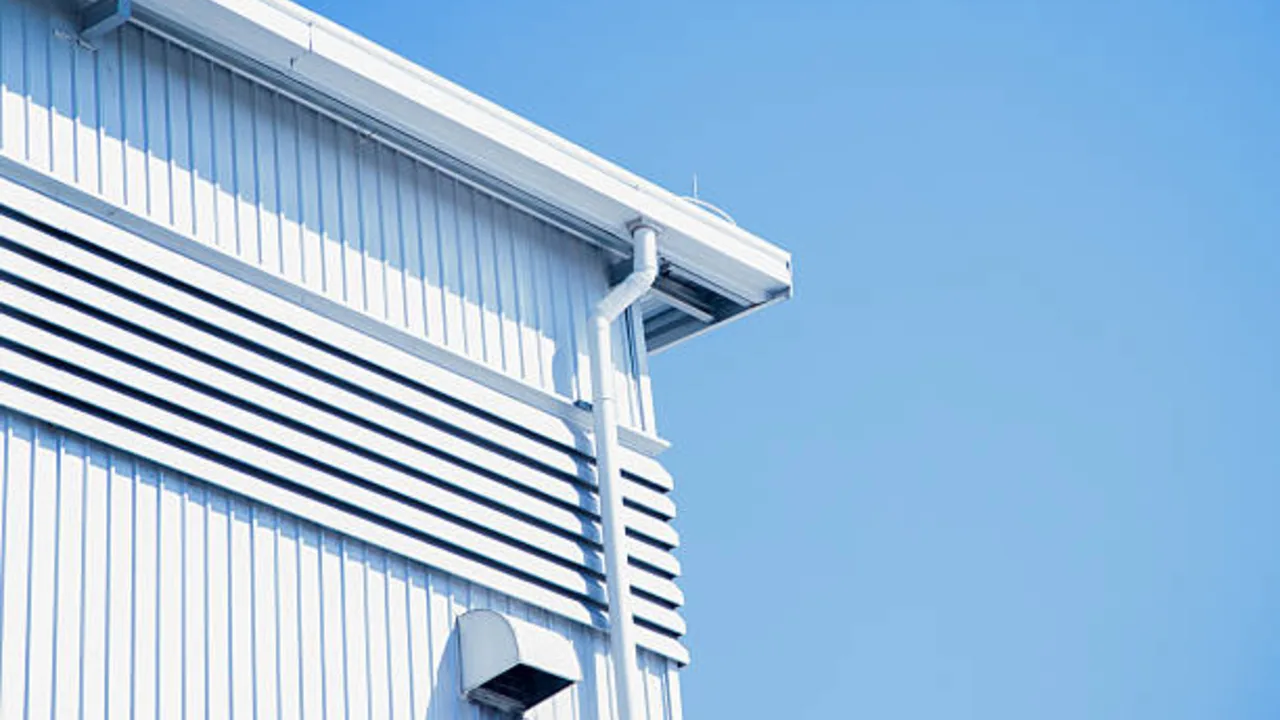
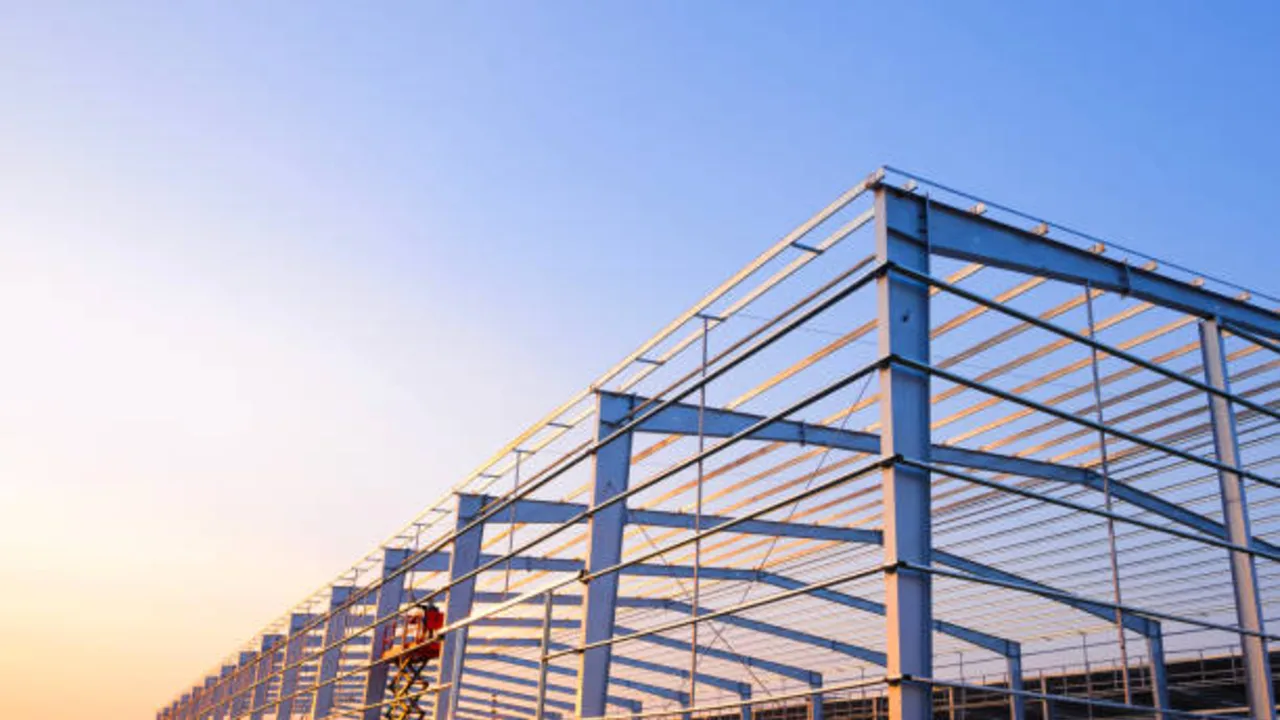
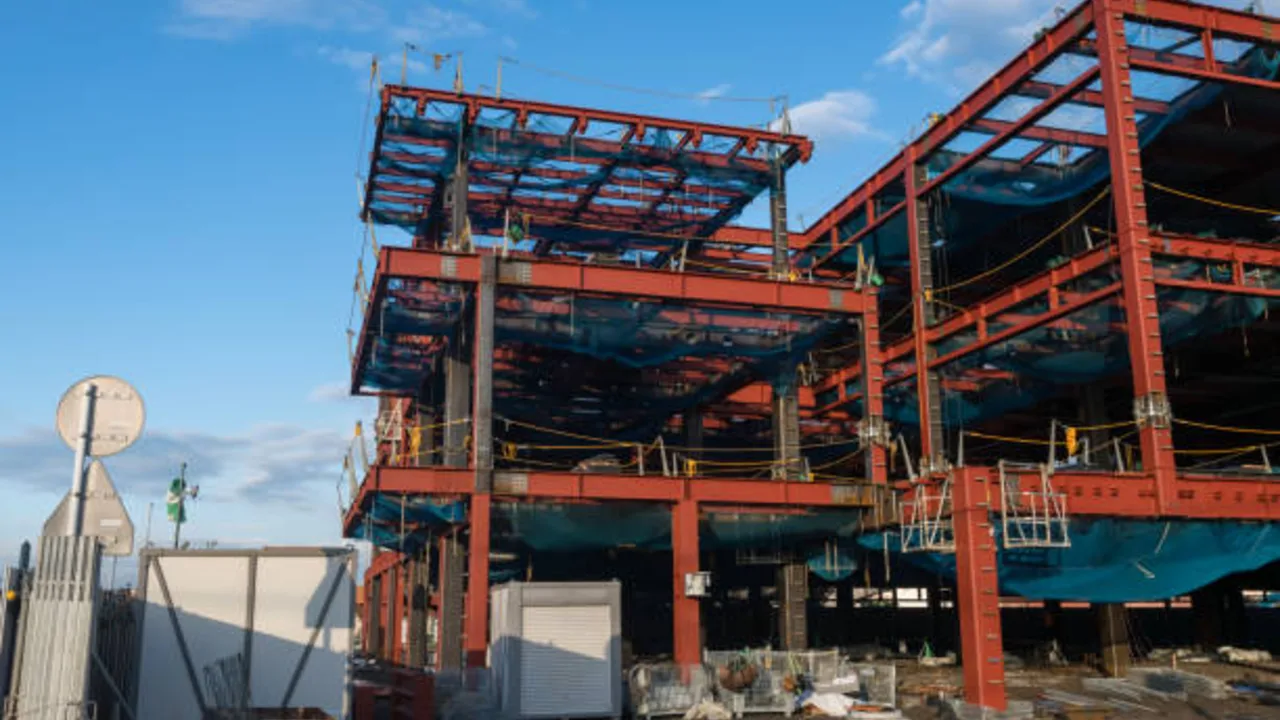
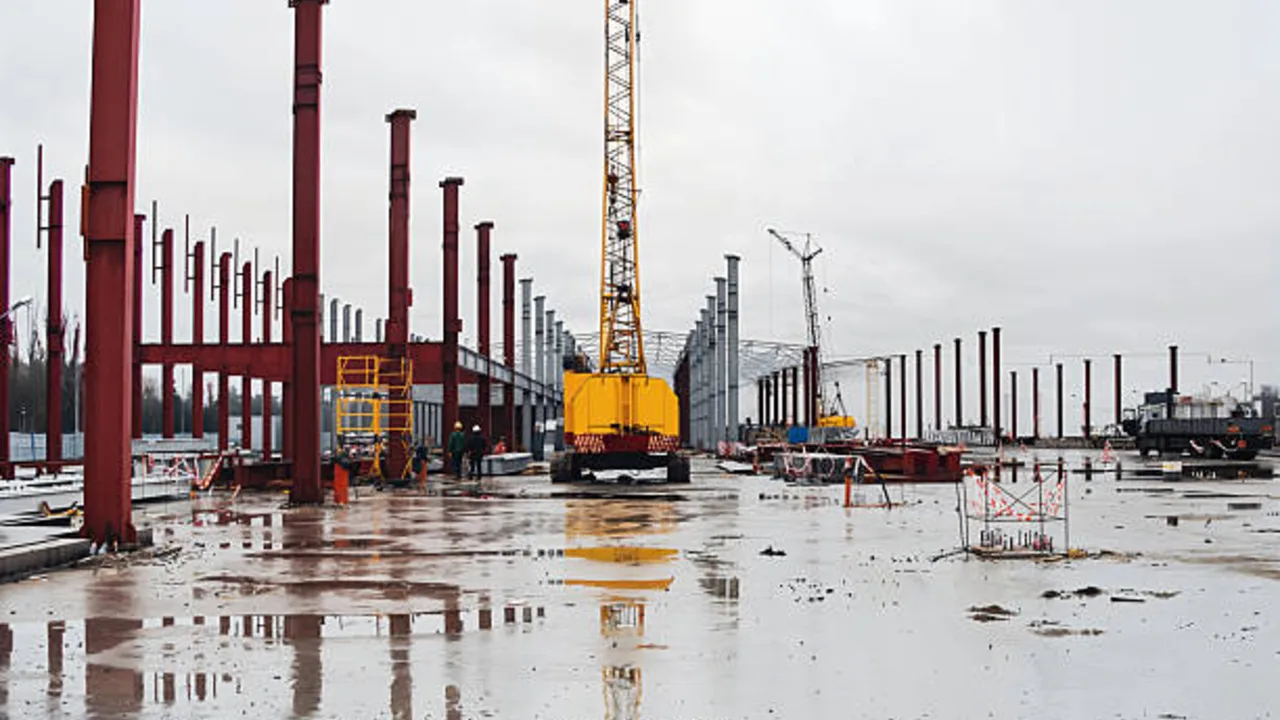
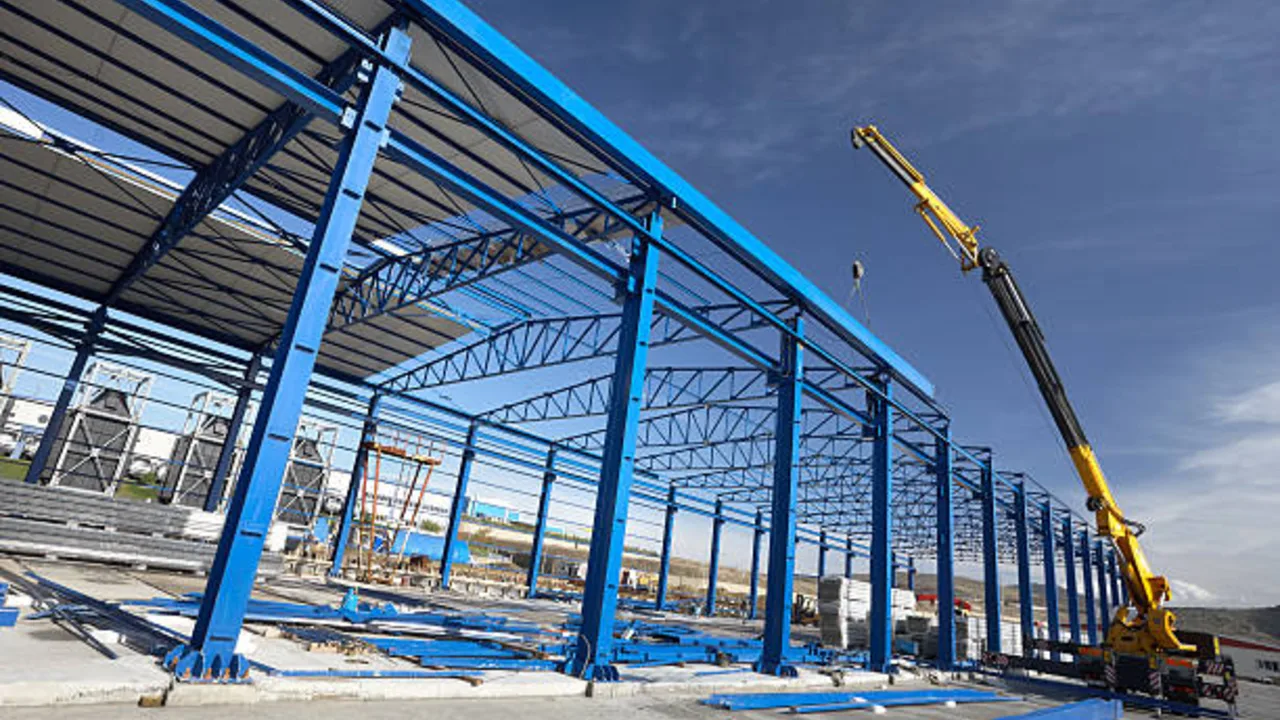
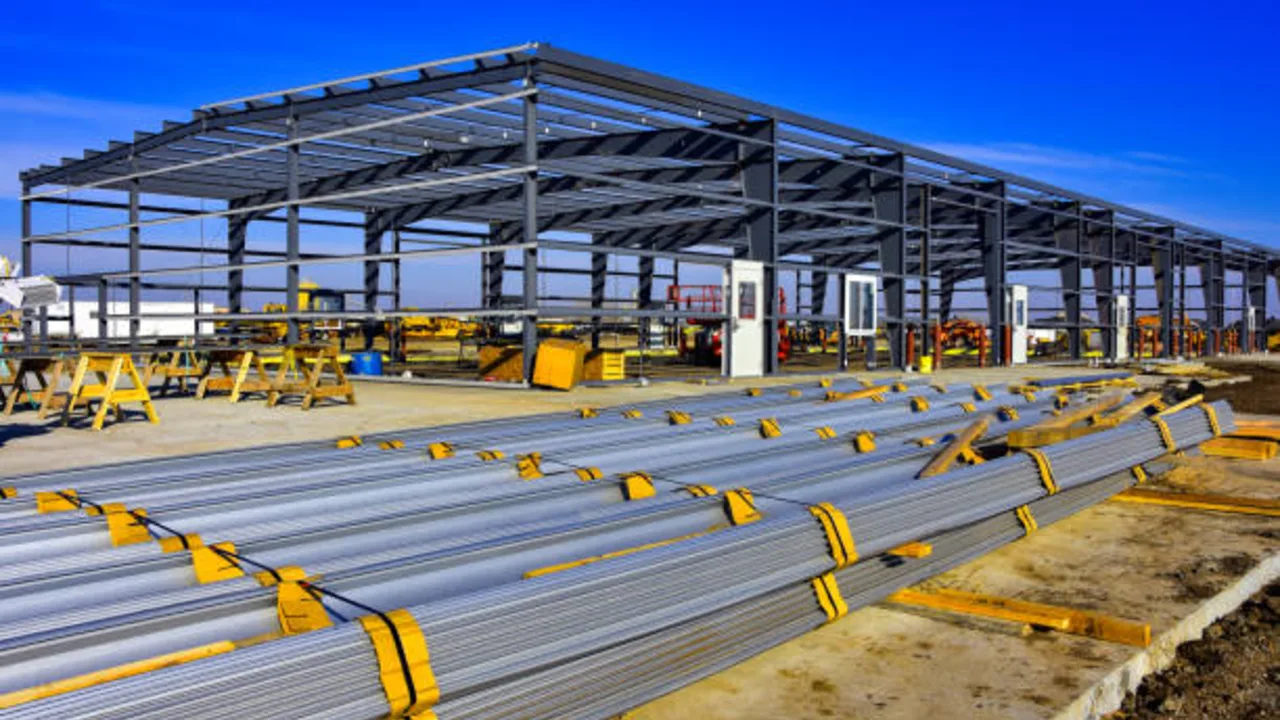
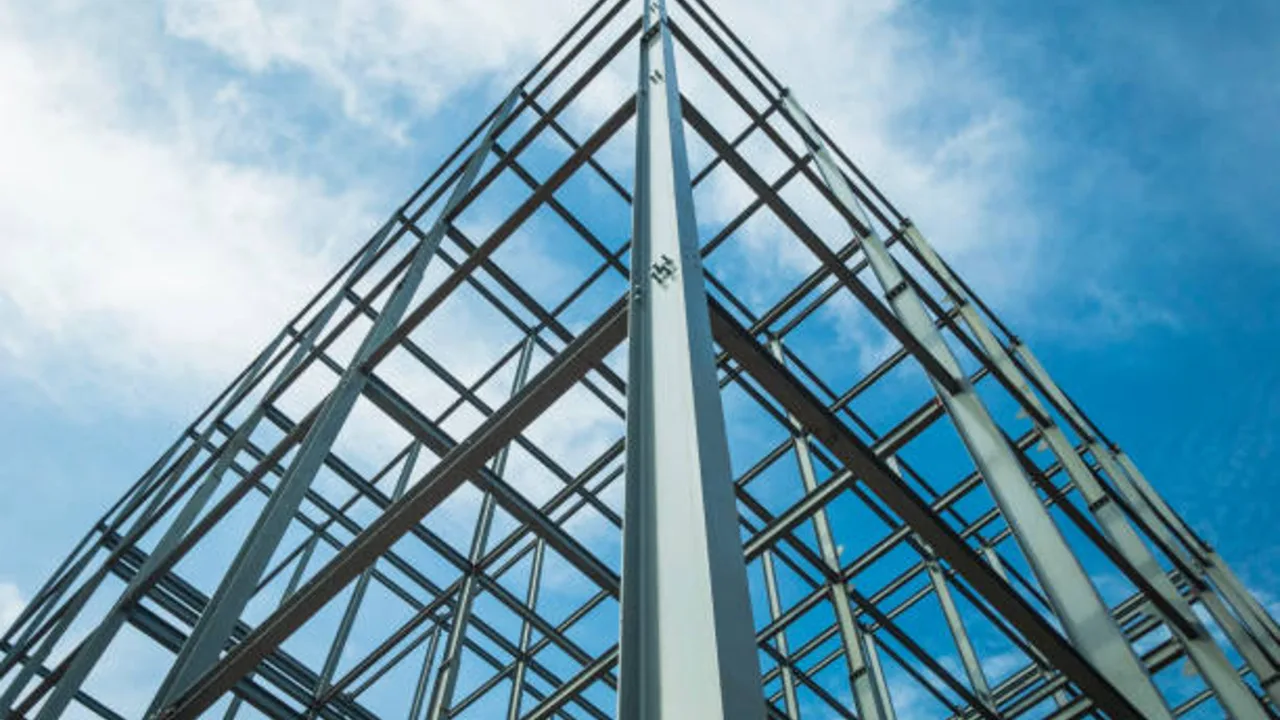
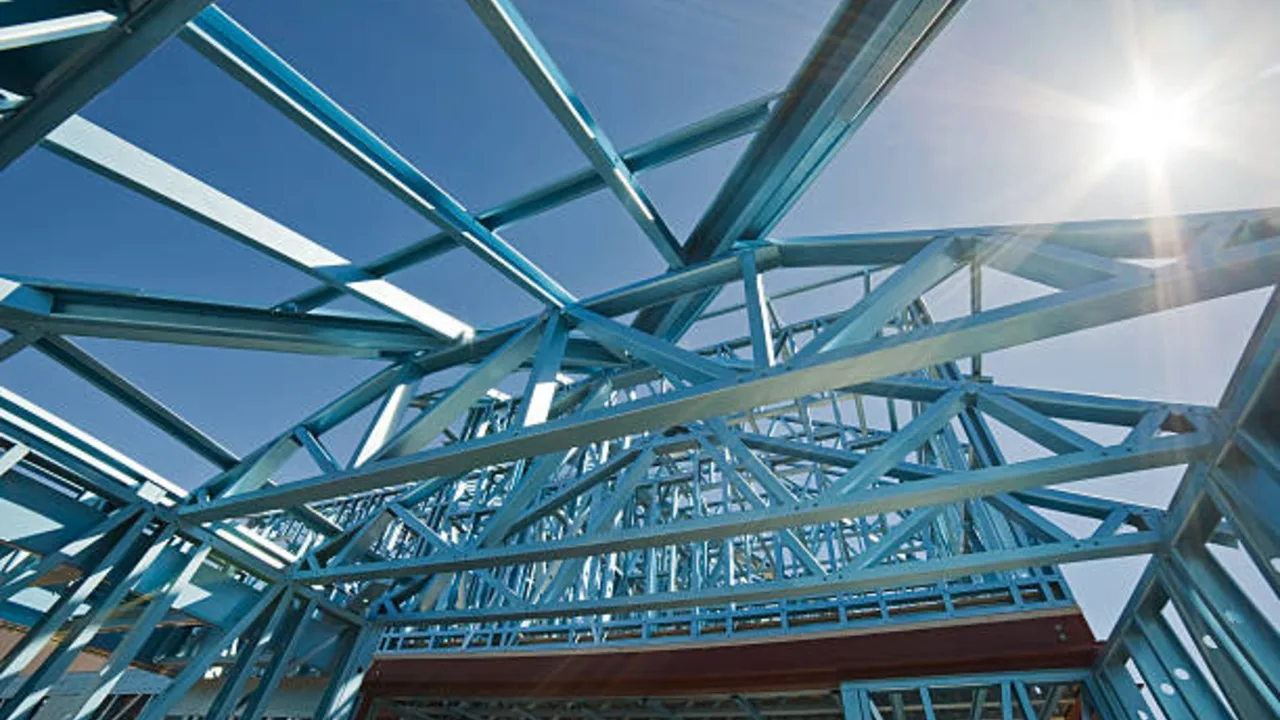
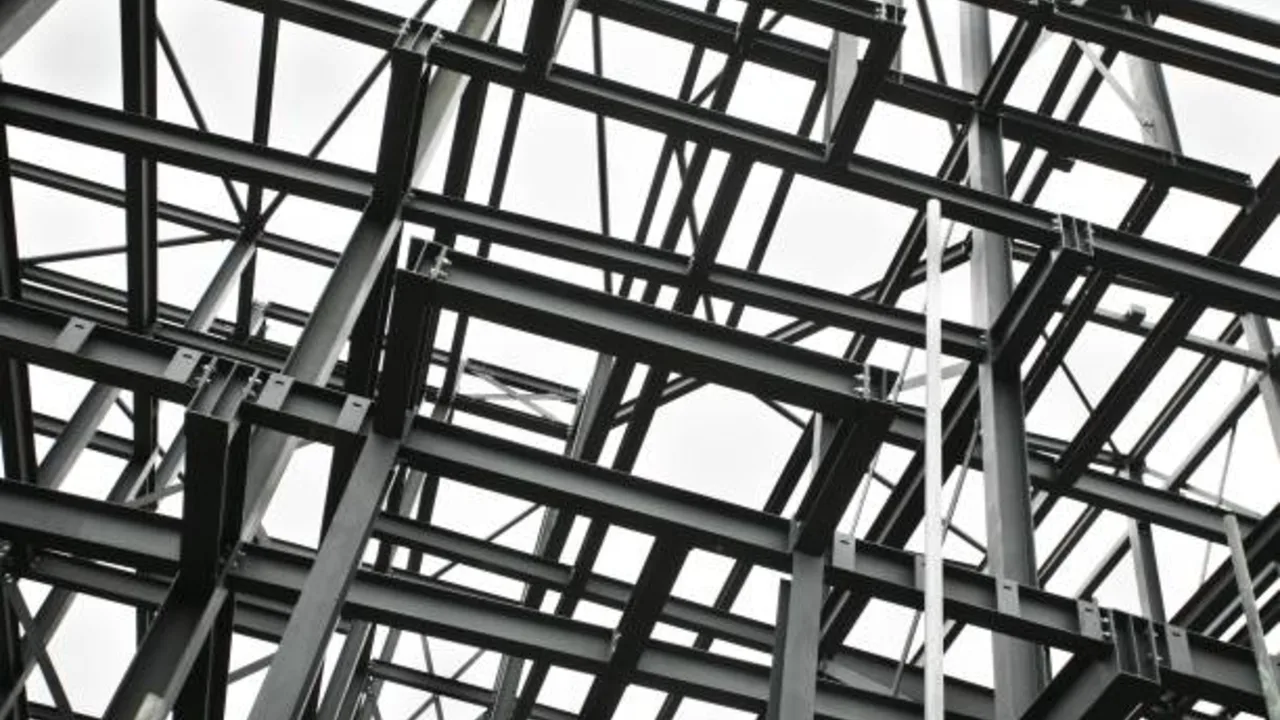
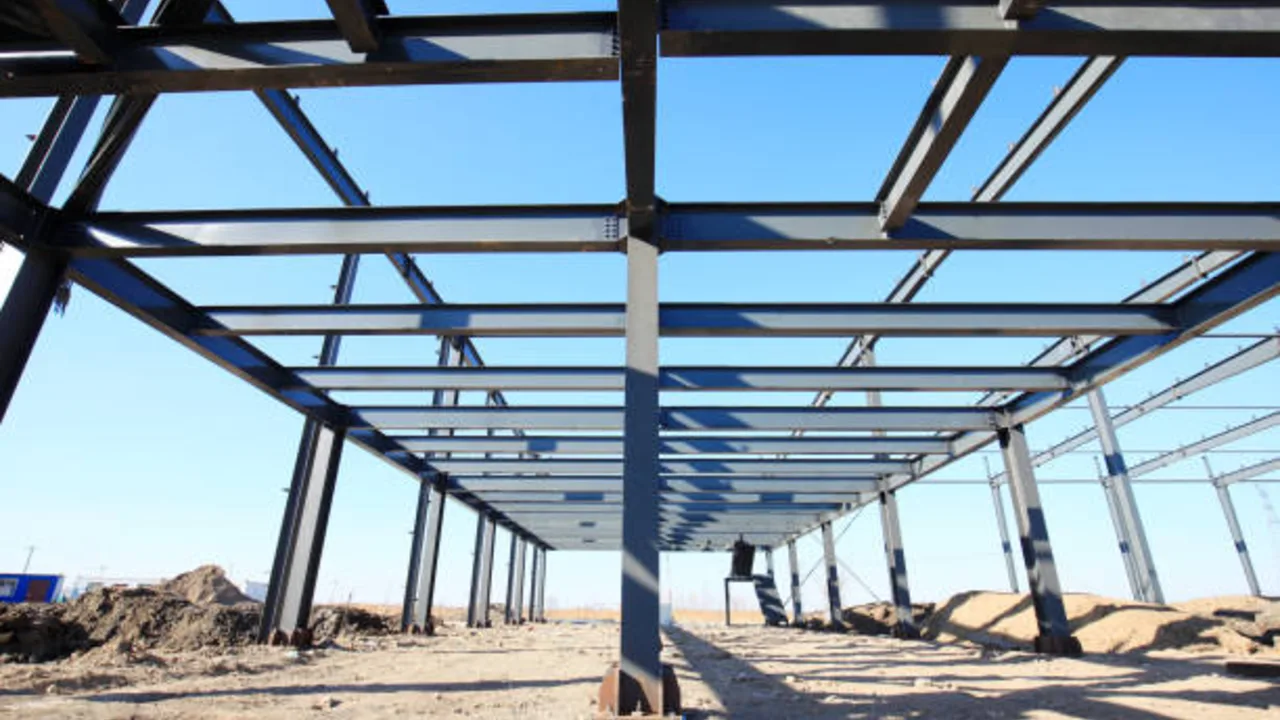
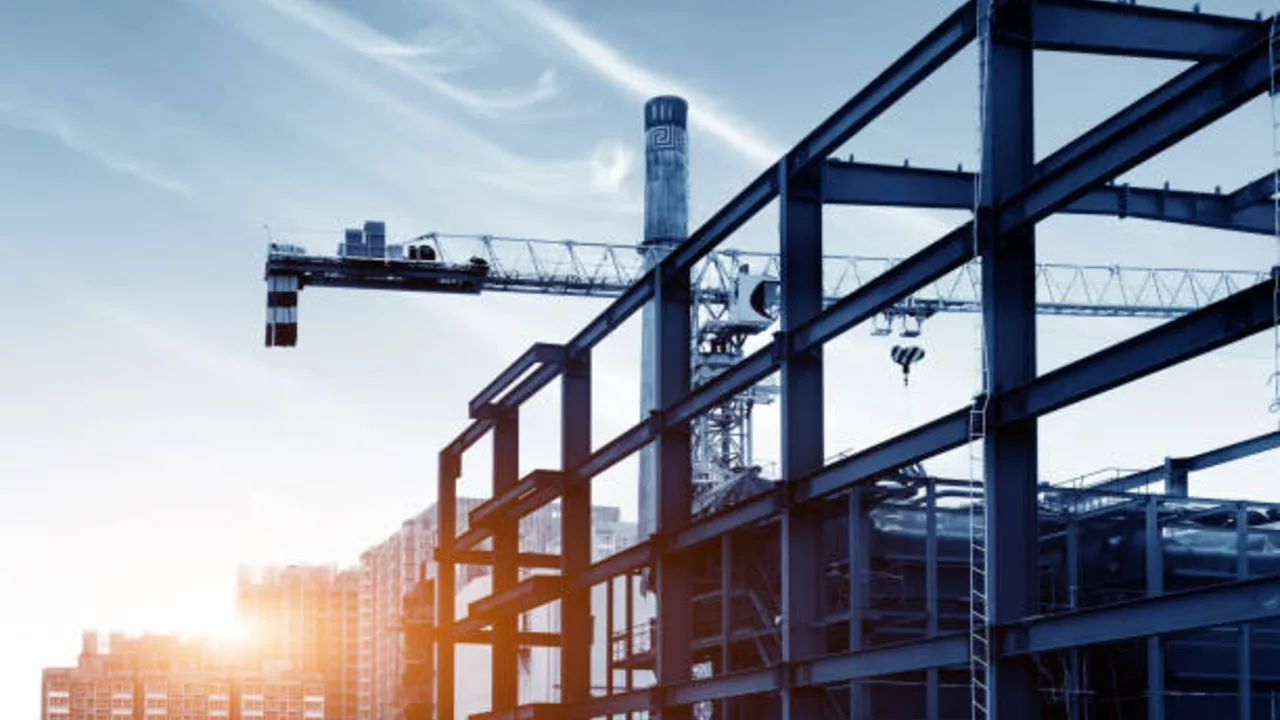
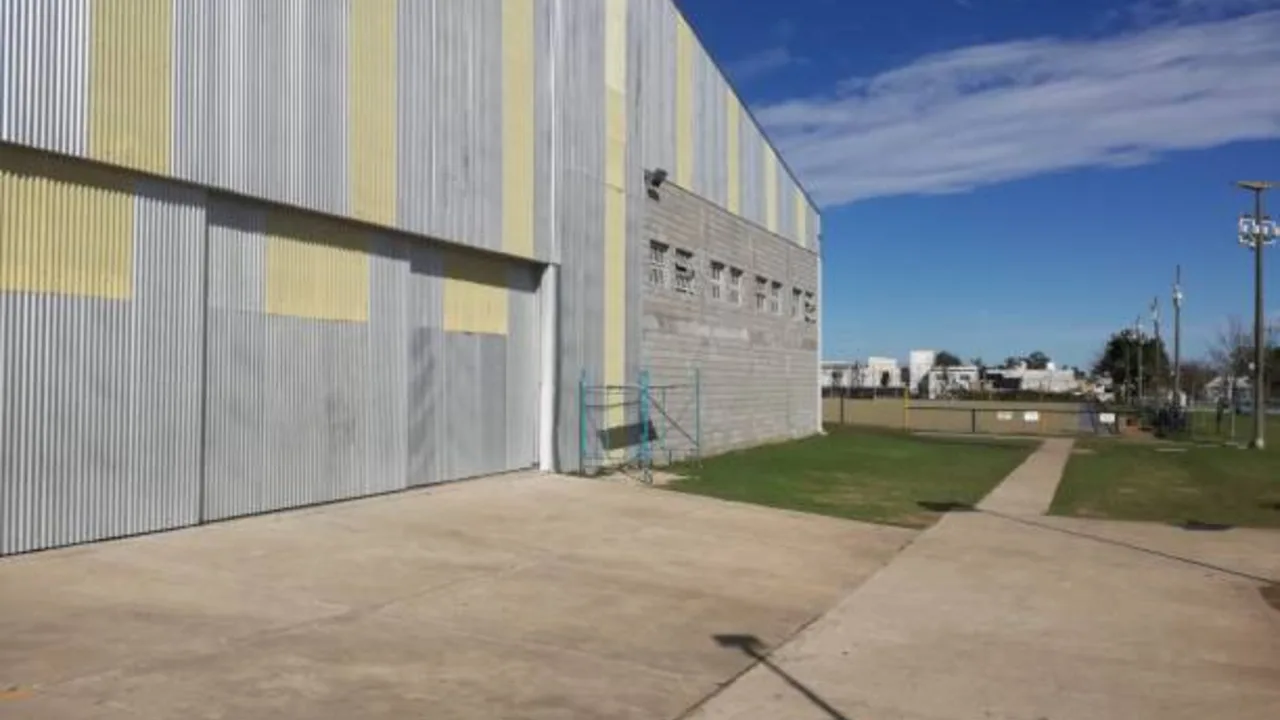
Tropical regions present some of the most demanding environmental conditions for structural systems. Designing a steel building tropical climate project requires more than standard structural
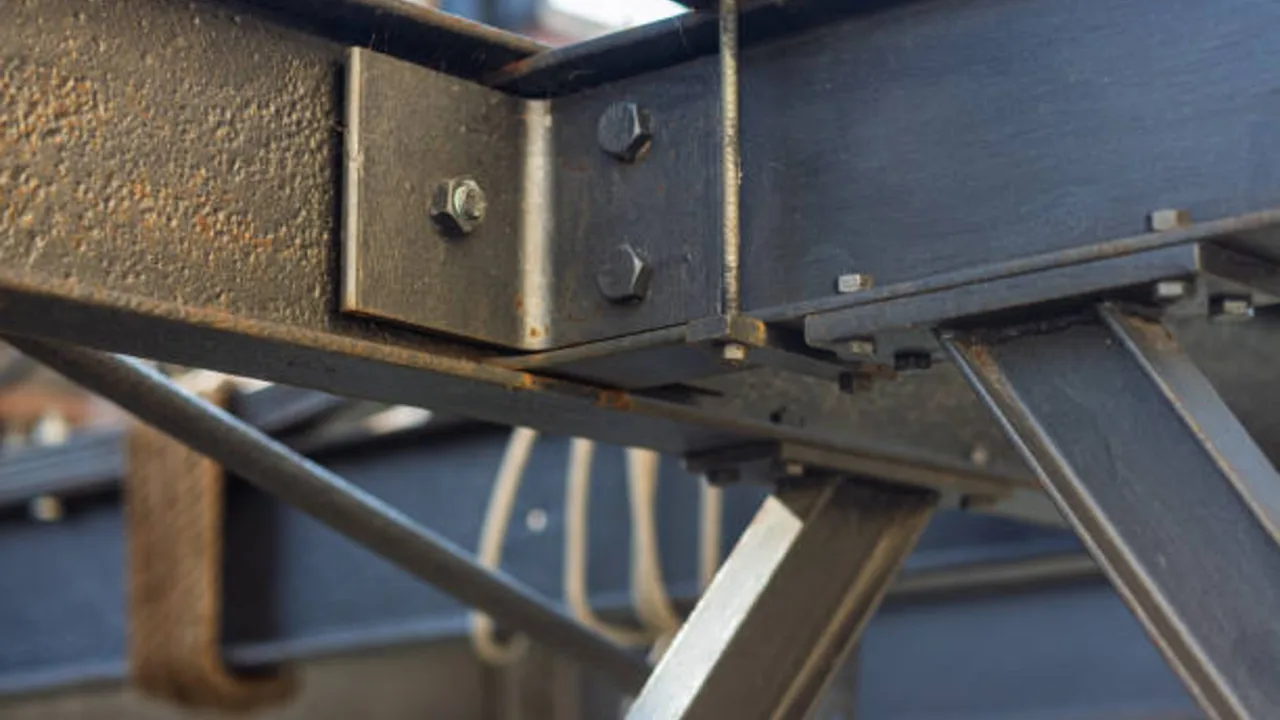
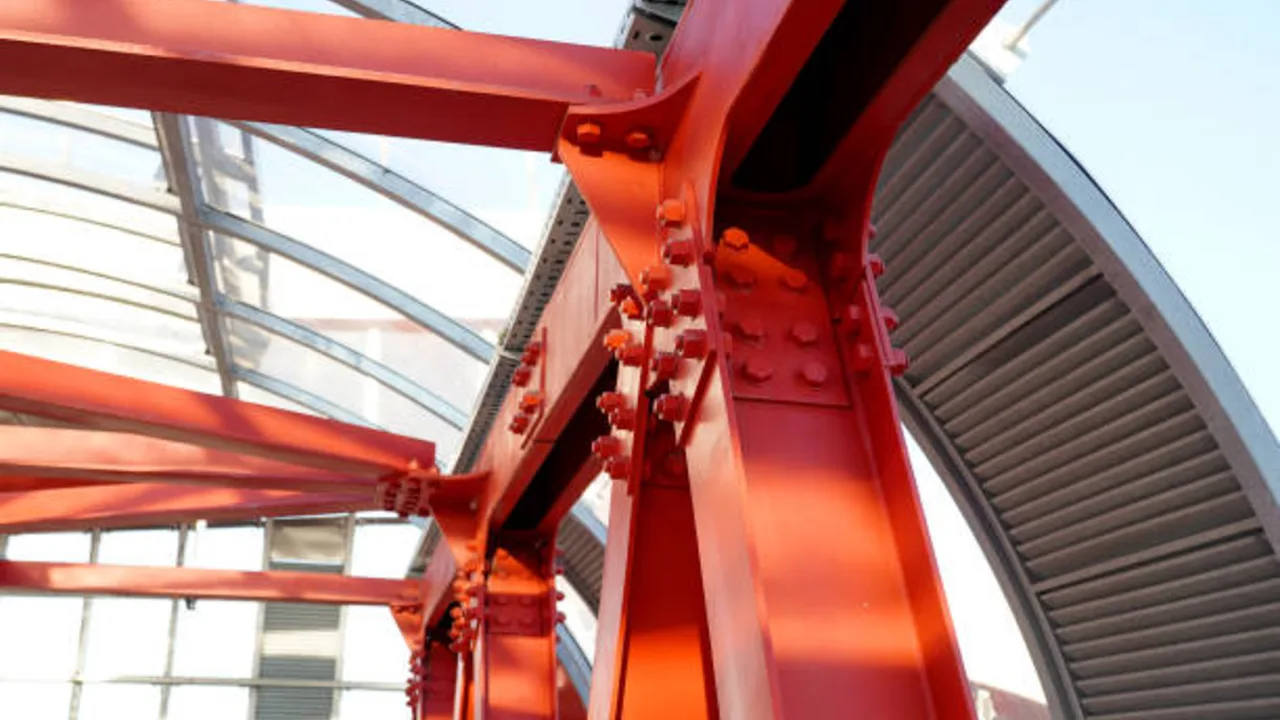
In modern structural engineering, connection design is just as critical as member sizing. While beams and columns often receive primary attention, long-term durability frequently depends
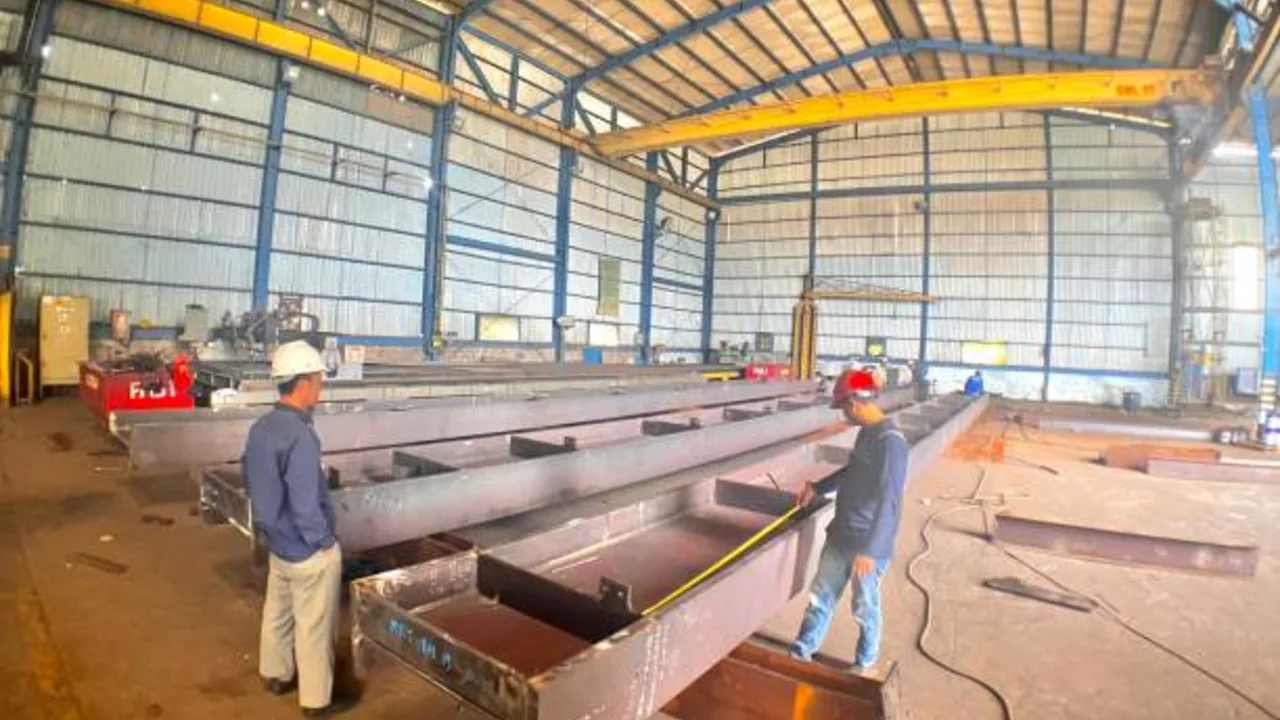
Precision defines the success of any prefabricated system. In modern industrial and commercial construction, structural components are manufactured off-site, transported to the project location, and
In modern structural engineering, connection design is one of the most decisive elements in overall building performance. While beams, columns, and bracing members form the
In modern structural engineering, continuity and stiffness determine whether a steel system performs as intended under gravity, wind, and seismic forces. Among the most critical
In modern structural engineering, durability is no longer an optional consideration — it is a fundamental requirement. Industrial facilities, warehouses, logistics hubs, and heavy-duty workshops
Choosing the right structural member is one of the most important decisions in any steel building structure. Among the most common options are hollow sections
In modern construction, structural reliability begins with material precision. One of the most critical yet frequently underestimated factors in structural engineering is steel building plate
In modern industrial production, the strength and reliability of steel structures begin long before fabrication starts. The foundation lies in how raw materials are selected,
In today’s highly competitive construction and infrastructure market, steel manufacturing capacity planning plays a decisive role in determining whether projects are delivered on time, within
Selecting the correct steel material is one of the most critical decisions in structural engineering. The performance, safety, durability, and long-term cost efficiency of any
The connection between structural steel and reinforced concrete is one of the most critical zones in any industrial, commercial, or infrastructure project. While steel frames
In modern steel construction, structural performance begins long before the first column is erected. It starts at the foundation level—specifically with anchor bolt placement. When
The success of any steel structure building depends heavily on what lies beneath it. While steel frames provide strength, flexibility, and rapid construction advantages, none
Modern industrial and commercial buildings rely heavily on structural efficiency, long-span capability, and durability. While columns and beams often receive the most attention in design
In modern industrial and commercial projects, dimensional precision is not a luxury — it is a structural necessity. From multi-bay warehouses to complex long-span roofs,
In modern project delivery, temporary works steel construction plays a decisive role in ensuring safety during the most vulnerable stage of a building’s life cycle
In modern industrial and commercial projects, steel construction sequencing is one of the most critical yet underestimated factors determining whether a project finishes on time
In modern structural engineering, the concept of a steel building load path is fundamental to ensuring safety, durability, and long-term performance. Every steel structure —
Large-scale industrial and commercial structures are designed to perform under demanding environmental and operational conditions. From logistics warehouses and aircraft hangars to stadium roofs and
In industrial construction, roof geometry is never just an architectural choice. It is a structural, environmental, and operational decision that directly affects long-term performance. Among
Modern logistics, manufacturing, and distribution operations are expanding at an unprecedented pace. Rising e-commerce demand, globalized supply chains, and increasing inventory turnover have forced warehouse
Effective warehouse site drainage is one of the most overlooked yet critical components in industrial construction. While structural steel frames, roofing systems, and floor slabs
Steel warehouses are designed to support heavy loads, large clear spans, and long operational lifecycles. However, without a well-planned warehouse corrosion protection strategy, even the
Industrial expansion across Southeast Asia, Africa, South America, and other equatorial regions has dramatically increased demand for high-performance logistics and storage facilities. However, constructing a
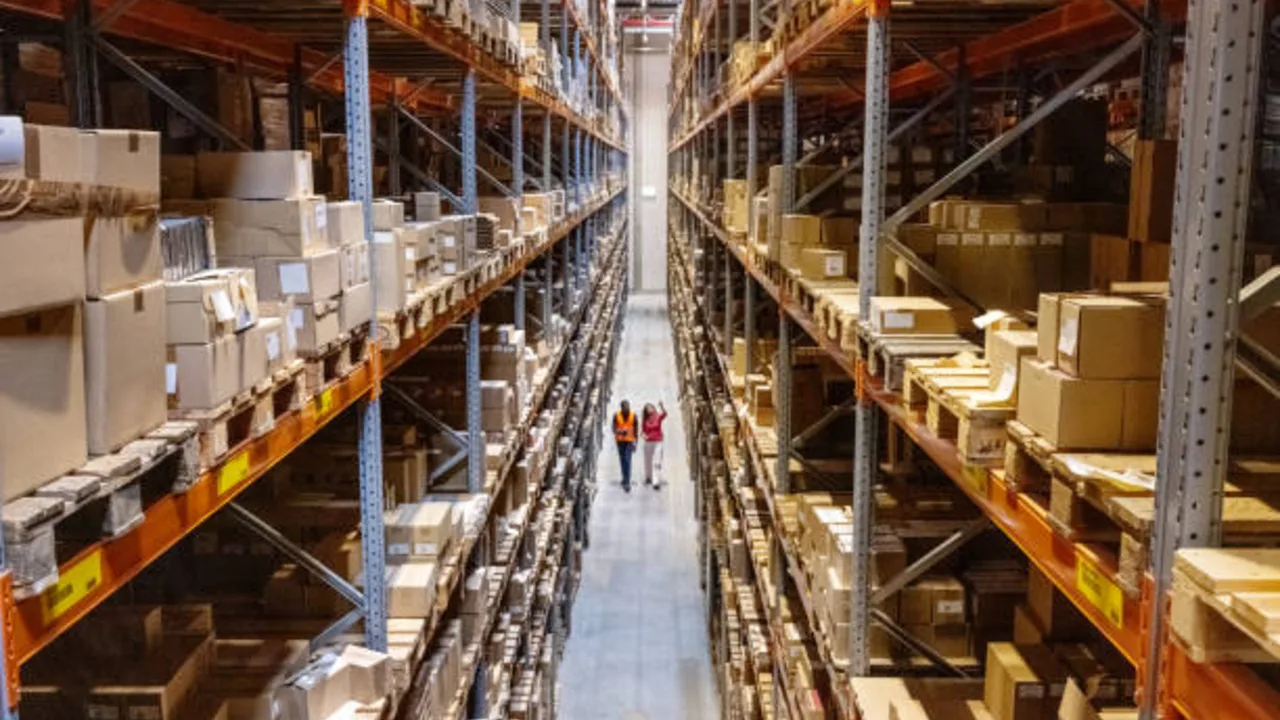
Modern logistics and industrial expansion have driven warehouses to become taller, wider, and more structurally demanding than ever before. High-bay storage systems, automated racking, and
Modern industrial expansion increasingly takes place in regions with moderate to high seismic activity. In these environments, warehouse seismic design is no longer optional —
Modern industrial facilities demand advanced safety strategies, especially in large-scale storage environments. One of the most critical yet often underestimated systems in industrial architecture is
While warehouse fire compartmentation is a passive fire protection strategy, it must work in coordination with active fire protection systems to achieve maximum effectiveness. Passive
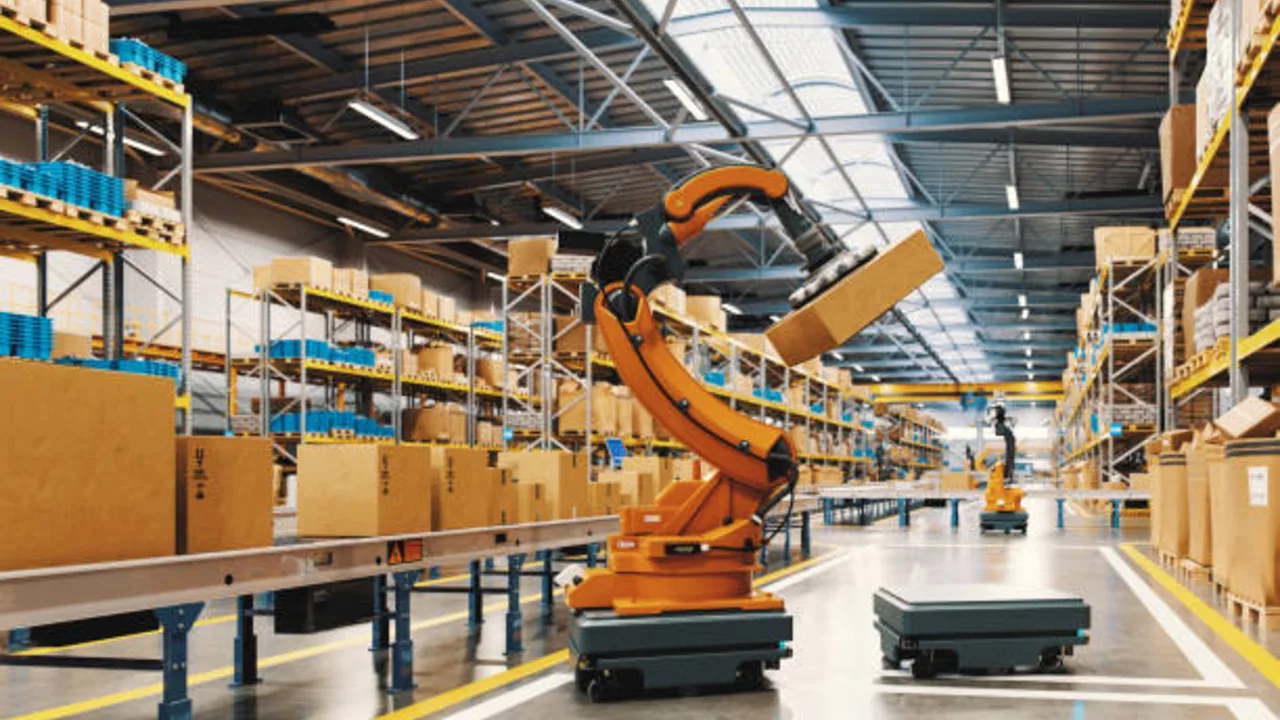
The logistics industry is entering a new era defined by robotics, AI-driven inventory systems, and real-time data integration. At the center of this transformation stands
Modern manufacturing depends on stability, synchronization, and operational resilience. In high-volume production environments, even minor supply interruptions can disrupt schedules, delay shipments, and increase costs.
In today’s fast-paced global supply chain, efficiency, speed, and scalability define success. Modern logistics distribution centers must handle high inventory turnover, complex sorting systems, and
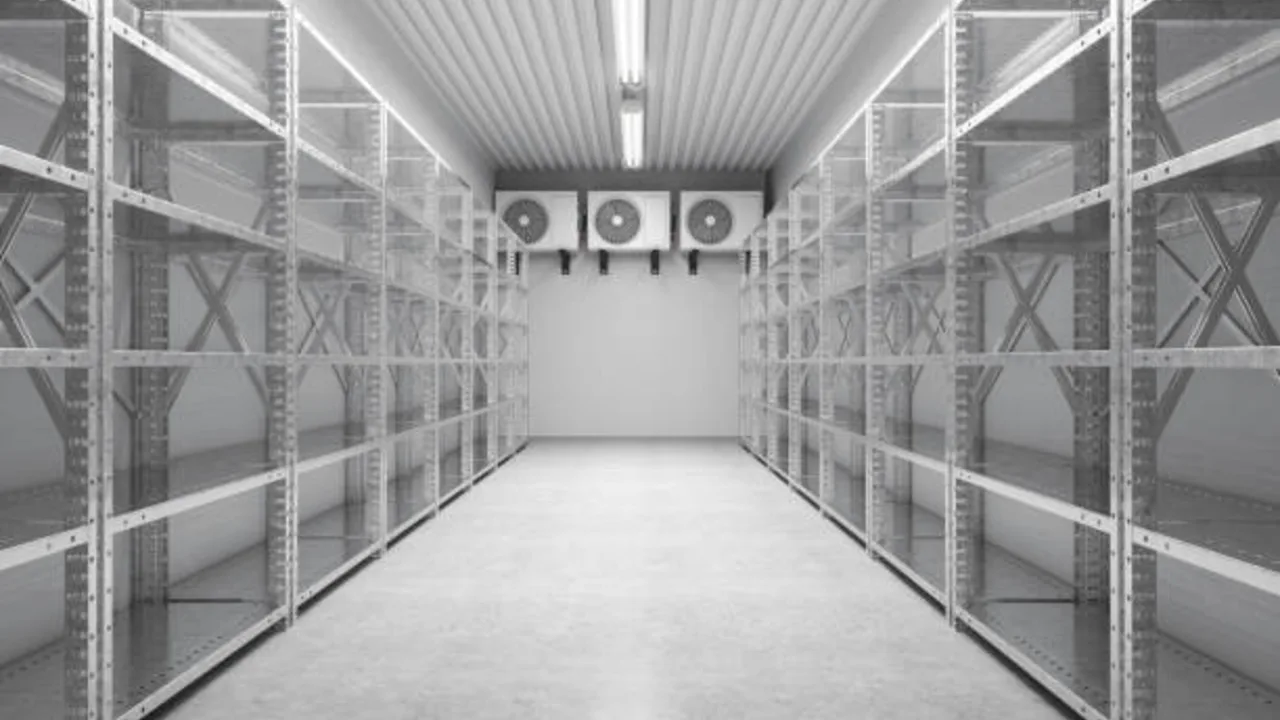
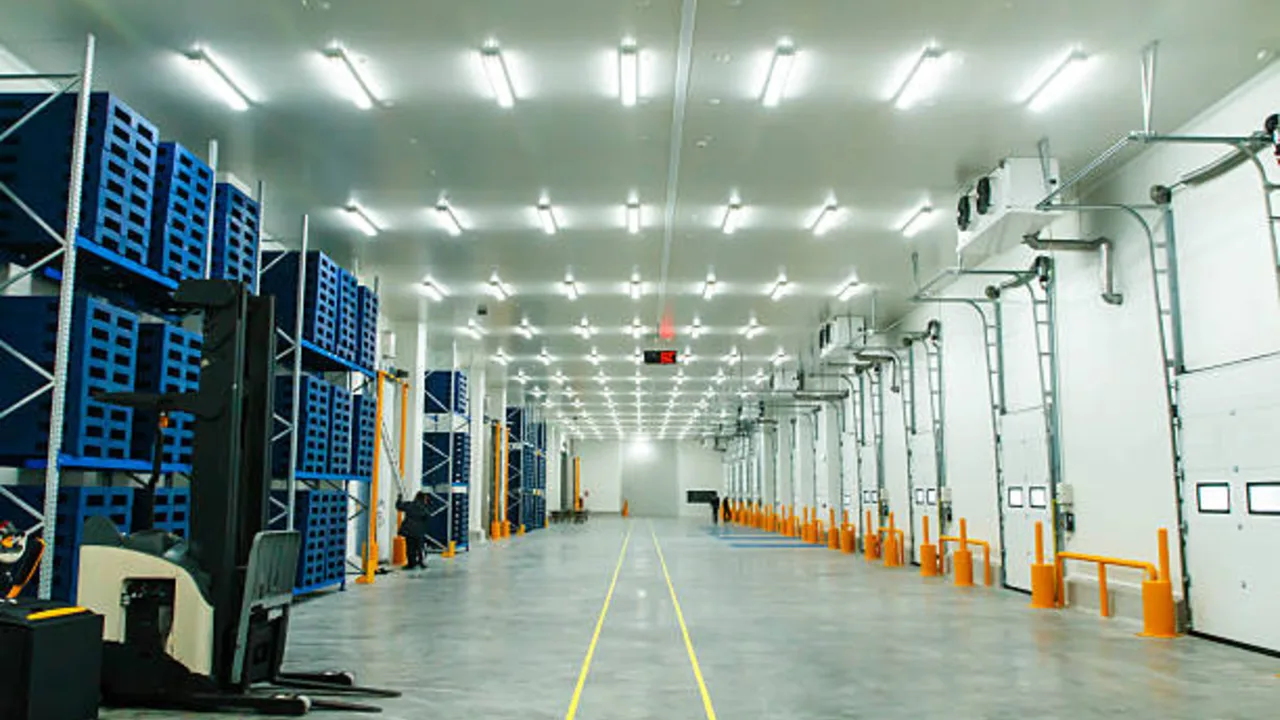
The global expansion of food processing, pharmaceutical distribution, seafood export, and frozen logistics has accelerated demand for advanced cold chain infrastructure. At the center of
In modern construction, optimizing steel building column spacing is one of the most critical structural decisions in any steel project. Whether designing a warehouse, industrial
Energy efficiency has become a defining priority in modern industrial development. Warehouses, distribution hubs, and manufacturing facilities operate for extended hours and consume substantial electricity,
Effective warehouse ventilation design is one of the most critical yet often underestimated components of modern industrial facilities. As warehouses grow larger, taller, and more
Modern warehouses are under constant pressure to store more inventory, process orders faster, and adapt to changing operational demands — all without increasing land footprint.
In large industrial facilities, ventilation is never a secondary consideration—it is a core performance system. For modern logistics hubs, manufacturing plants, and distribution centers, warehouse
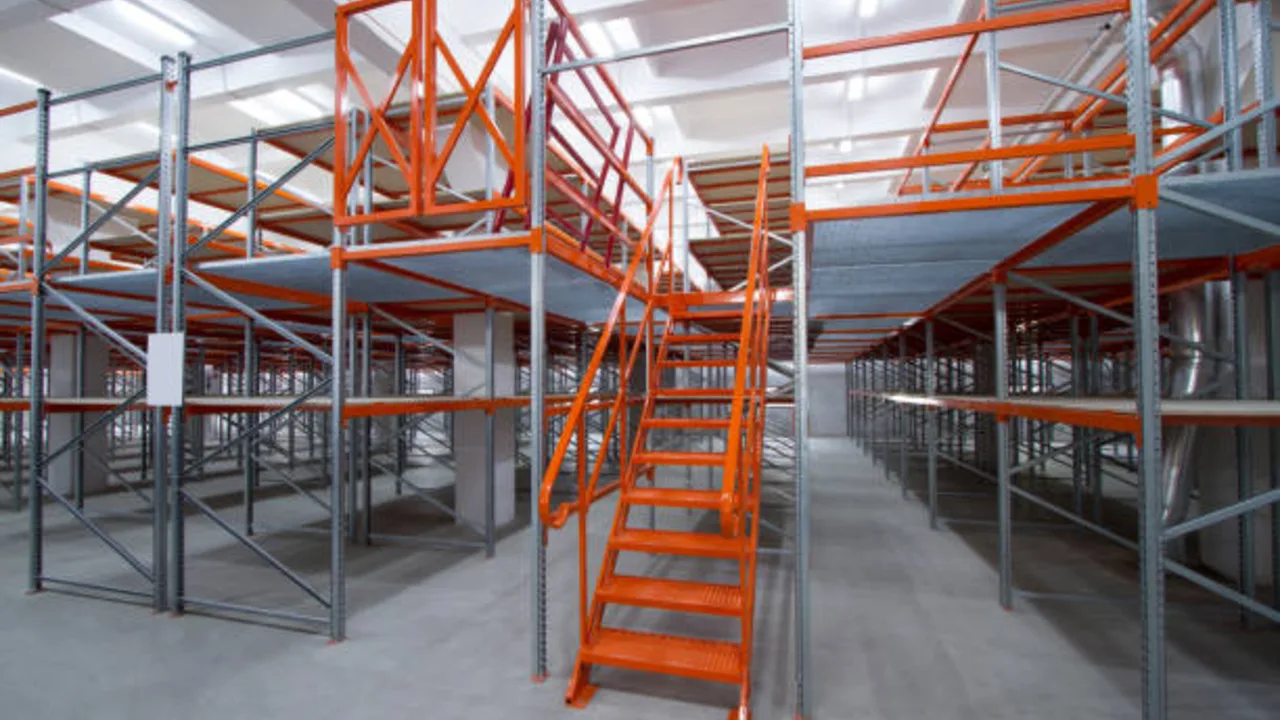
In modern logistics and industrial facilities, steel warehouses are no longer simple storage boxes. Many now incorporate mezzanine levels for offices, packing zones, control rooms,
Modern logistics operations are under constant pressure to store more inventory within the same footprint. Rising land costs, higher SKU counts, and faster fulfillment cycles
Modern logistics operations are driven by speed, accuracy, and predictability. Inside any steel warehouse, one seemingly simple decision has an outsized impact on daily performance:
In modern logistics and industrial operations, forklifts are the backbone of material handling. Inside large steel warehouses, forklifts move continuously between receiving docks, storage aisles,
In modern logistics and industrial operations, warehouse performance is no longer defined by size alone. Load intensity, storage density, and equipment movement now play a
In large industrial facilities, roof design is never a cosmetic decision—it is a structural and operational one. For steel warehouses with wide spans and long
In modern logistics and industrial storage facilities, warehouse efficiency is no longer defined solely by total floor area. Instead, performance is driven by how effectively
Construction sites have always been environments where risk is unavoidable. Heavy equipment, working at height, tight schedules, and coordination between multiple trades create conditions where
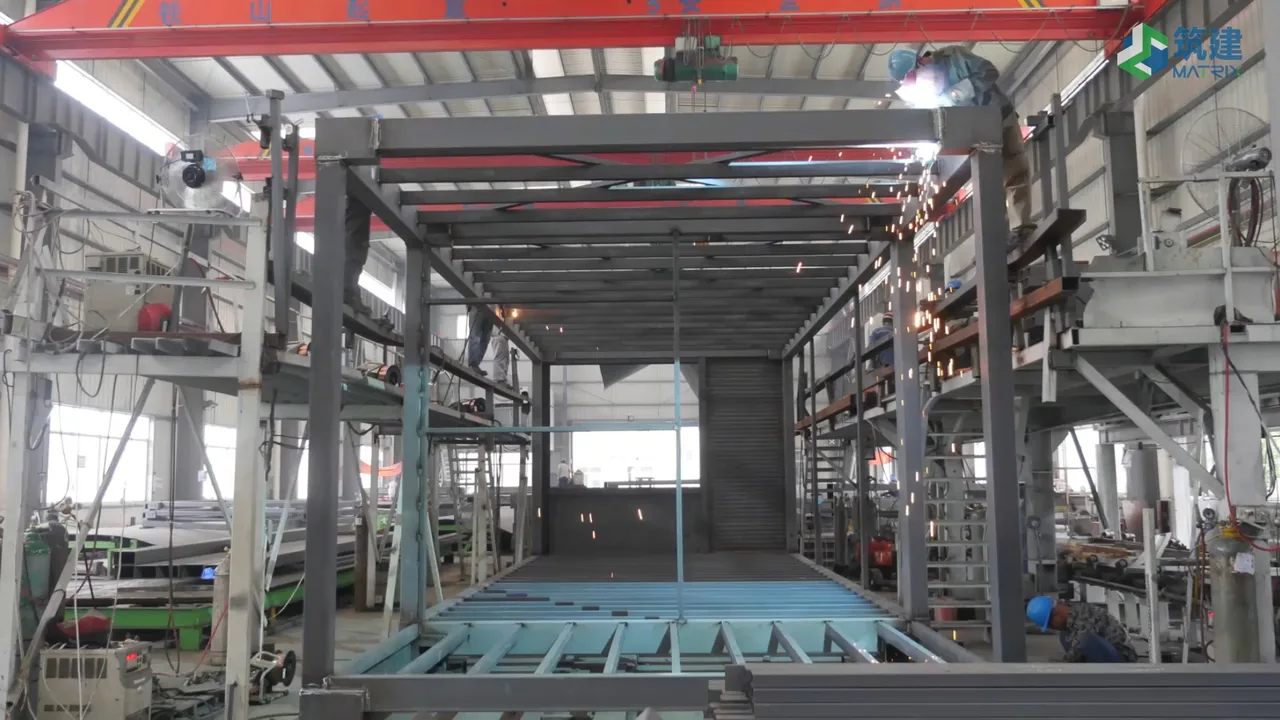
Prefabricated steel construction is widely recognized for its speed, quality control, and cost efficiency. By shifting fabrication from the construction site to controlled factory environments,
In prefab steel construction, decisions made early do not stay small. Once fabrication begins, even minor design changes can ripple through structural members, connections, schedules,
Modern steel factories operate at an intensity few industrial environments can match. Heavy machinery runs continuously, large structural frames transmit dynamic loads, and production schedules
The global steel manufacturing industry is undergoing a structural transformation. Rising labor costs, tighter delivery timelines, and increasing quality demands are pushing manufacturers toward automation-driven
Industrial steel factories are built with one clear expectation: long service life. A well-designed steel factory is not a short-term asset—it is expected to support
In heavy industrial environments, cranes are not optional equipment—they are structural drivers. Poor crane load planning can silently undermine safety, limit production efficiency, and cause
Global logistics firms operate in an environment where speed, cost efficiency, and scalability determine competitiveness. As supply chains become increasingly international, warehouse infrastructure must support
In modern manufacturing, efficiency is no longer driven by machinery alone. One of the most overlooked but high-impact factors is steel factory layout optimization. The
Industrial facilities rarely remain static. As production volumes increase, supply chains evolve, and storage requirements change, warehouse buildings must adapt without disrupting operations. This is
In modern logistics and distribution, warehouse layout efficiency has become a decisive factor in operational performance. Whether you manage a small regional warehouse or a
Industrial warehouses are increasingly built using steel structures due to their strength, flexibility, and construction efficiency. However, when it comes to fire risk, steel behaves
As global construction projects grow larger and more complex, steel construction firms are under increasing pressure to deliver faster, more predictable, and more cost-efficient outcomes.
Structural steel design in the United States is built on a carefully developed framework of standards, specifications, and technical guidance. At the center of this
Modern logistics relies on high-density storage, fast throughput, and predictable safety margins. At the center of these requirements sits one critical variable: warehouse racking load.
As global industrial projects become increasingly complex, clients are no longer looking for steel suppliers who can simply fabricate components. They are seeking partners who
For construction projects within the European Union, regulatory compliance is not optional—it is a legal and technical necessity. One of the most critical requirements for
Managing international steel structure projects is a complex undertaking that goes far beyond conventional construction management. Unlike domestic projects, multi-country steel projects must navigate cross-border
In complex steel construction projects, execution quality is determined long before materials arrive on site. One of the strongest competitive advantages a steel supplier can
In steel structure projects, confusion between a steel contractor vs supplier is one of the most common — and costly — misunderstandings. Many project owners
Choosing a trustworthy steel structure company is one of the most critical decisions in any construction or industrial project. Steel structure projects involve large budgets,
An overseas steel structure project is only considered successful when it passes real-world inspection — not when it leaves the factory. In Paraguay, South America,
As global infrastructure demand continues to rise, chinese steel overseas projects have become a defining force in international construction and industrial development. From Southeast Asia
In global industrial supply chains, OEM ODM steel manufacturing has become a strategic solution for brands, contractors, and distributors that want high-quality steel products without
Before a Steel Structure Warehouse Guyana project reaches its destination, every step—from engineering decisions to final packaging—must be executed with precision. Overseas industrial construction is
In today’s global construction and manufacturing market, choosing a steel supplier is no longer just about price or production capacity. Compliance, quality assurance, and long-term
In the global steel industry, manufacturers often promote two major strengths: massive production output or superior product quality. But when buyers, contractors, and developers evaluate
Exporting fabricated steel products across borders is not only about manufacturing quality steel structures, but also about preparing the correct and complete documentation. In international
In modern construction and industrial projects, steel components must meet strict quality and performance standards. However, even with advanced equipment and skilled labor, steel fabrication
Choosing the right supplier is one of the most critical decisions in any construction or industrial project. A proper steel manufacturer audit helps you verify
In large-scale industrial and commercial projects, managing multiple contractors, schedules, and technical risks can quickly become a bottleneck. This is where turnkey steel construction becomes
In modern steel construction, steel fabrication tolerances play a critical but often underestimated role in determining the safety, durability, and performance of a structure. While
In modern industrial construction and manufacturing, steel fabrication plays a critical role in determining a structure’s performance, durability, and long-term value. One of the most
Steel construction projects are often planned with precise schedules, material deliveries, and installation sequences. However, one factor that consistently challenges even the most detailed project
In modern industrial projects, structural performance is no longer defined only by design calculations or material grades. One of the most critical — yet often
Large-scale steel construction projects are complex undertakings that involve multiple stakeholders, tight schedules, heavy materials, and high safety requirements. From fabrication and transportation to on-site
In today’s highly competitive construction market, speed, cost efficiency, and technical reliability are no longer optional — they are decisive factors. As infrastructure, industrial, and
Large-scale steel buildings are often chosen for one clear reason: they offer an efficient balance between speed, strength, and cost control. From industrial plants to
Delivering a steel building on time is no longer just a competitive advantage — it is often a contractual necessity. In large industrial, warehouse, and
When planning an industrial or commercial facility, decision-makers often focus on upfront construction costs. However, the true financial impact of a building is determined over
Designing a multi-purpose steel building is not just about choosing the right steel grade or structural system. One of the most critical aspects that determines
For industrial buyers, choosing the right steel building system is not simply a matter of price or aesthetics. The decision directly affects long-term operational efficiency,
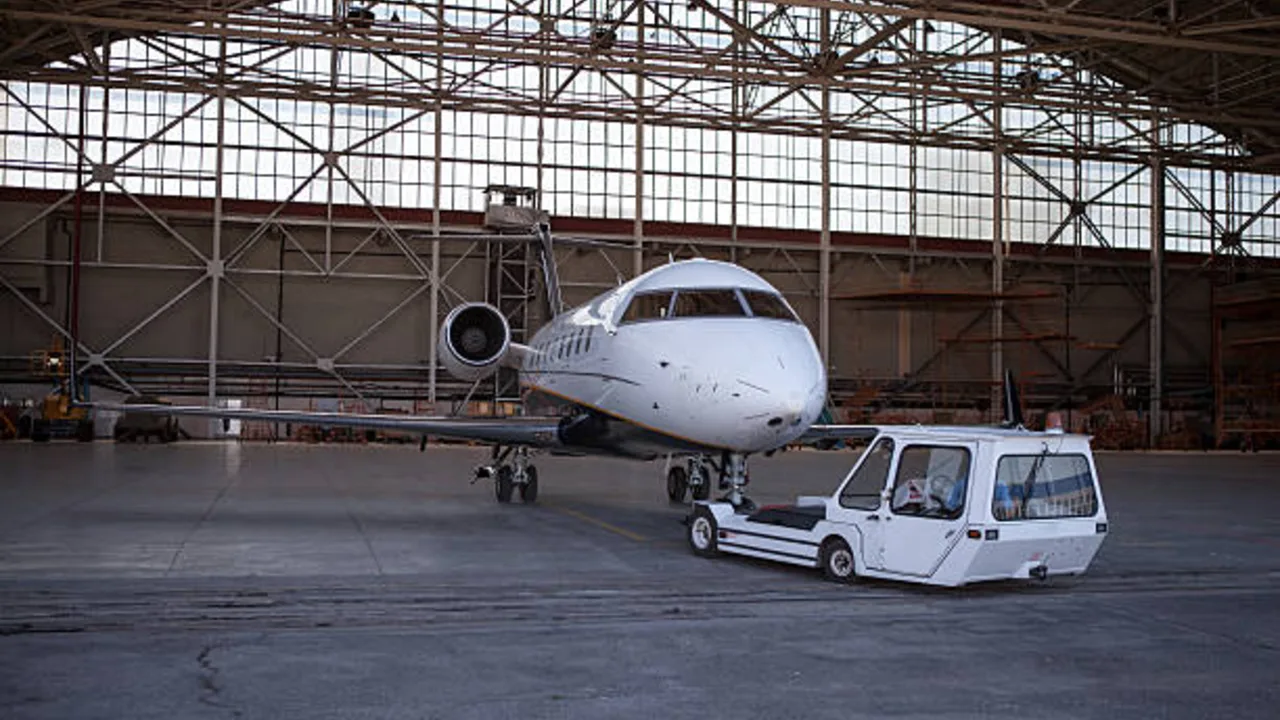
Understanding aircraft hangar cost is one of the most important steps when planning aviation infrastructure. Whether for private aircraft owners, MRO facilities, commercial airports, or
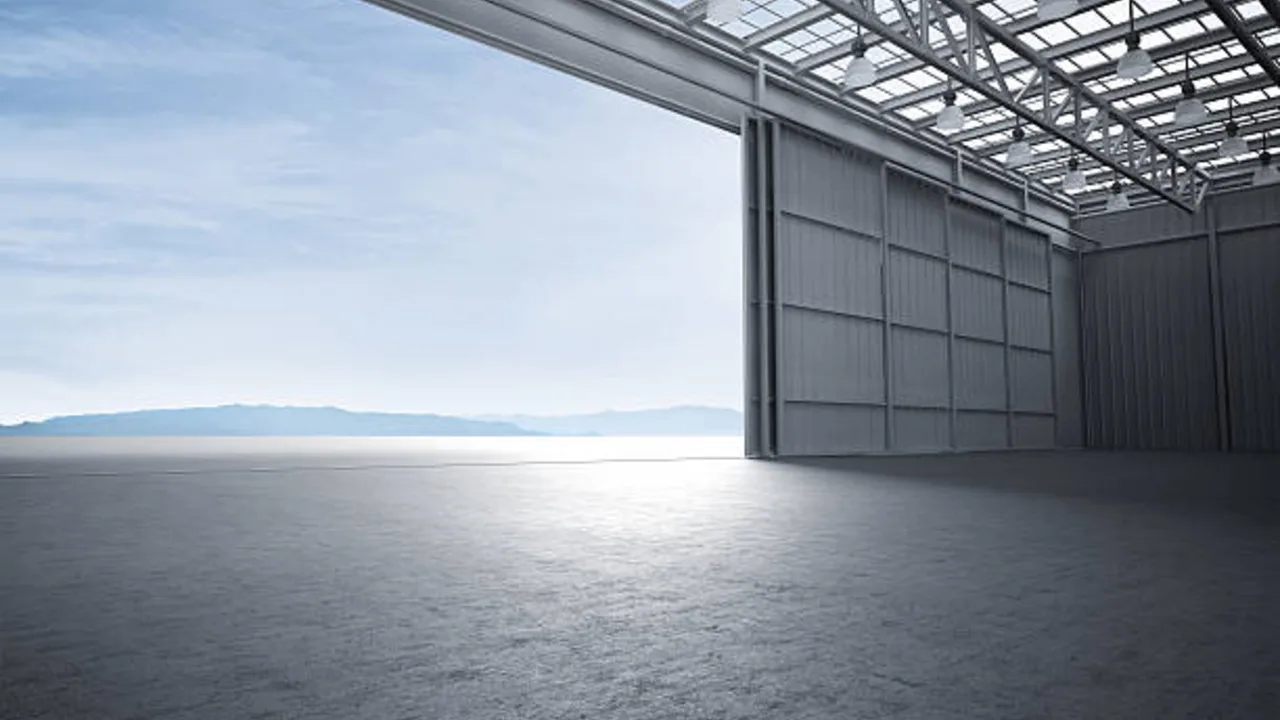
Modern aviation operations demand infrastructure that is not only functional, but also durable, resilient, and adaptable to harsh environmental conditions. From commercial airports and MRO
Industrial construction is undergoing a fundamental shift. Rising labor costs, tighter project schedules, and increasing demands for quality and sustainability are forcing developers and contractors
Prefab steel systems have become a core solution for modern industrial, commercial, and infrastructure projects. Their ability to combine speed, precision, and structural reliability makes
The construction industry is entering a new phase of transformation driven by speed, precision, and digital integration. Among the most influential developments shaping this shift
In today’s construction landscape, speed and cost efficiency are no longer competitive advantages—they are baseline requirements. Industrial developers, manufacturers, and EPC contractors are under constant
Modern construction increasingly favors efficiency, predictability, and long-term value. As project timelines tighten and sustainability becomes a core requirement, the prefab steel building lifecycle has
As global manufacturing demand continues to evolve, many industrial operators are facing a common challenge: how to expand existing facilities without disrupting operations or inflating
In the evolving landscape of industrial construction, the debate between steel vs concrete factory buildings continues to shape how companies plan, build, and operate manufacturing
As sustainability becomes a core priority across global industries, factory construction is increasingly evaluated not only by cost and performance, but also by environmental impact.
Steel factory buildings play a critical role in modern industrial production, supporting heavy equipment, overhead cranes, high traffic loads, and flexible manufacturing layouts. Unlike conventional