What Is Durable Steel Structure Construction?
A Lifecycle-Based Construction Approach
Structural durability refers to the ability of a building to retain its strength, stability, and functionality over time under expected service conditions. This includes resistance to weather exposure, corrosion, fatigue, operational loads, temperature changes, accidental impact, and environmental deterioration.
Durable steel structure construction focuses on controlling all factors that influence long-term structural performance. It is not limited to selecting thicker steel sections or applying more paint. The design must establish appropriate load paths, drainage details, connection systems, fabrication tolerances, protective treatments, and inspection requirements.
The final structure should be suitable not only for initial use but also for ongoing maintenance, equipment installation, internal modifications, and possible future expansion.
Why Structural Durability Matters
A building that performs reliably over many years creates direct commercial value. It reduces disruption, lowers repair costs, protects production equipment, and minimizes the risk of unexpected structural problems.
For industrial owners, structural durability also supports operational continuity. Maintenance work can interrupt production, warehouse operations, transportation schedules, or processing activities. By addressing durability during design and construction, owners can reduce these interruptions and improve the predictability of long-term facility management.
Core Features of Durable Steel Structures
Appropriate Structural Steel Selection
Material selection should reflect the project loads, structural configuration, fabrication method, operating environment, and applicable technical standards. Steel grades are selected based on required strength, ductility, weldability, thickness, and performance under expected temperatures.
Using suitable materials helps prevent premature deformation, brittle behavior, and fabrication difficulties. Material certificates and traceability records may also be maintained to confirm that structural components comply with approved specifications.
Well-Designed Load Paths
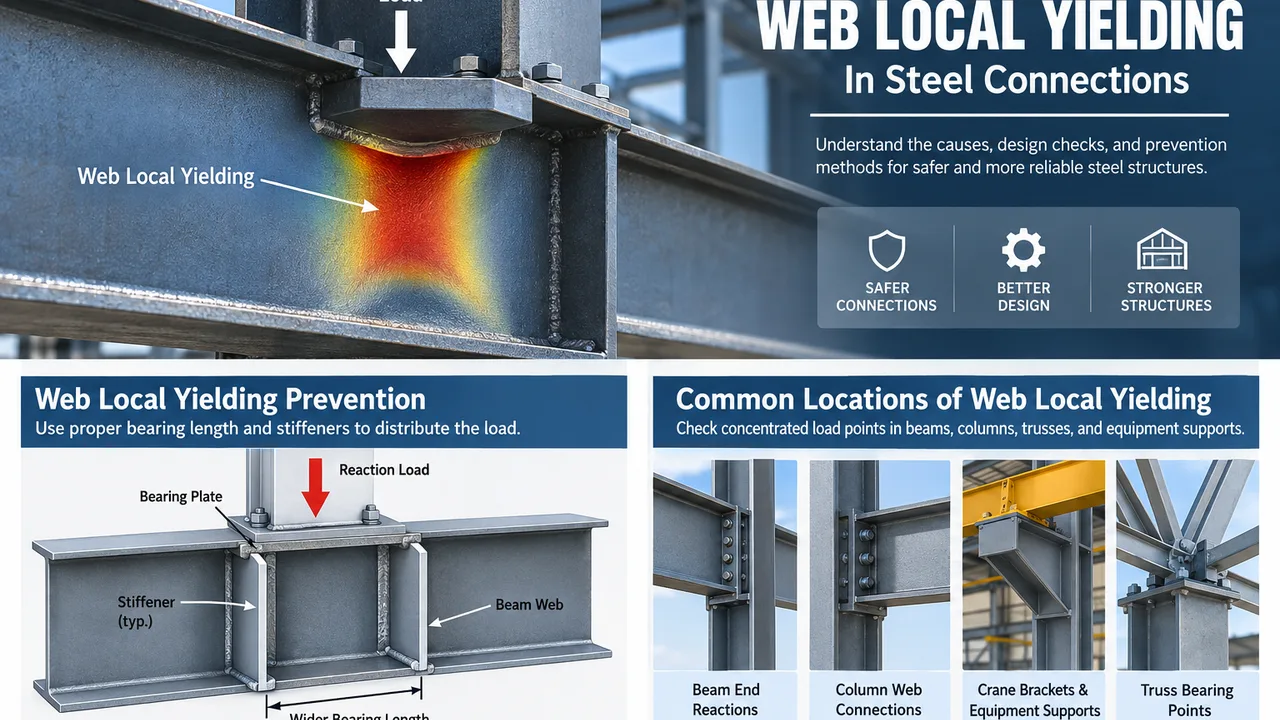
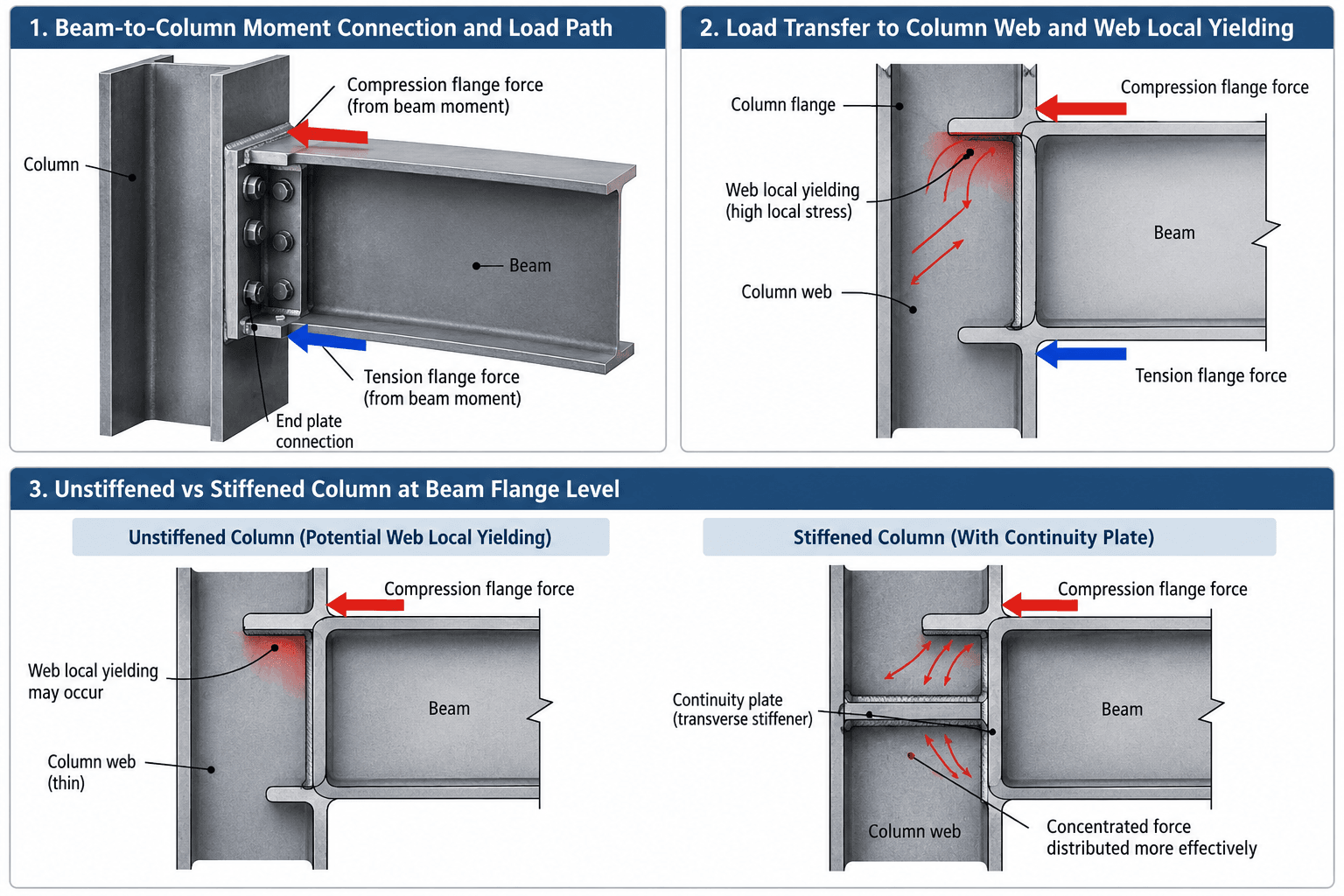
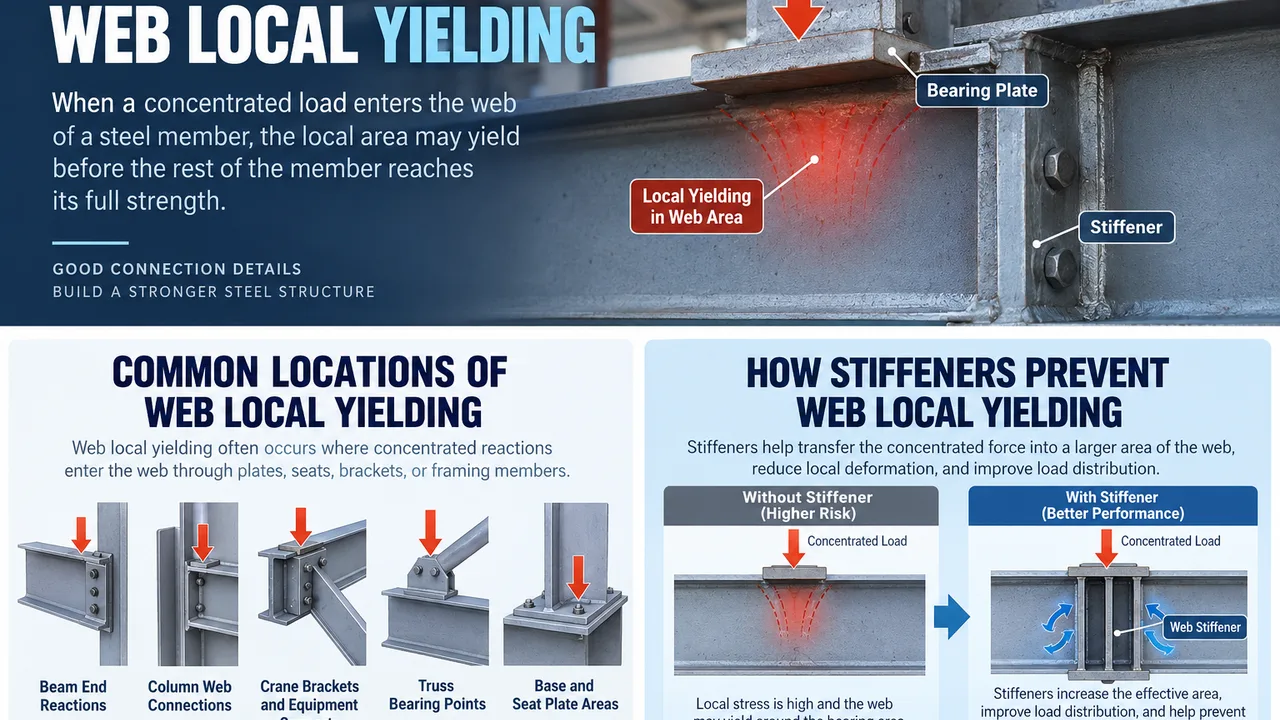
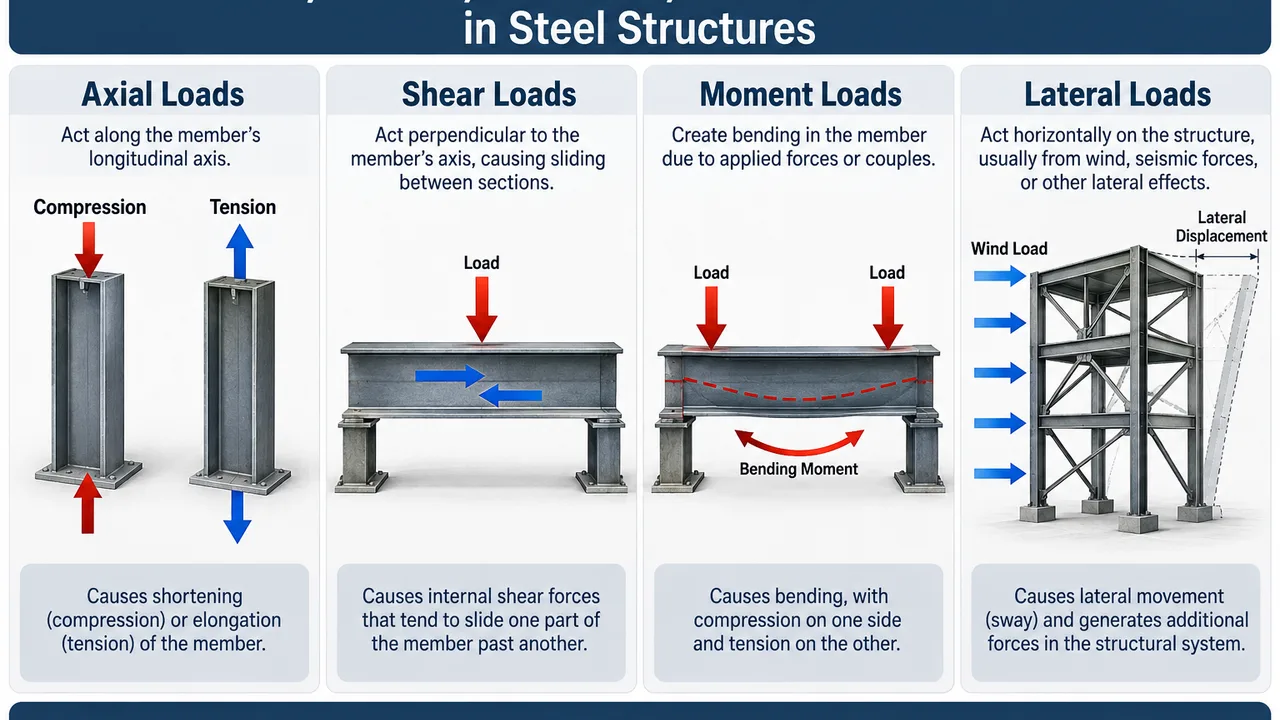
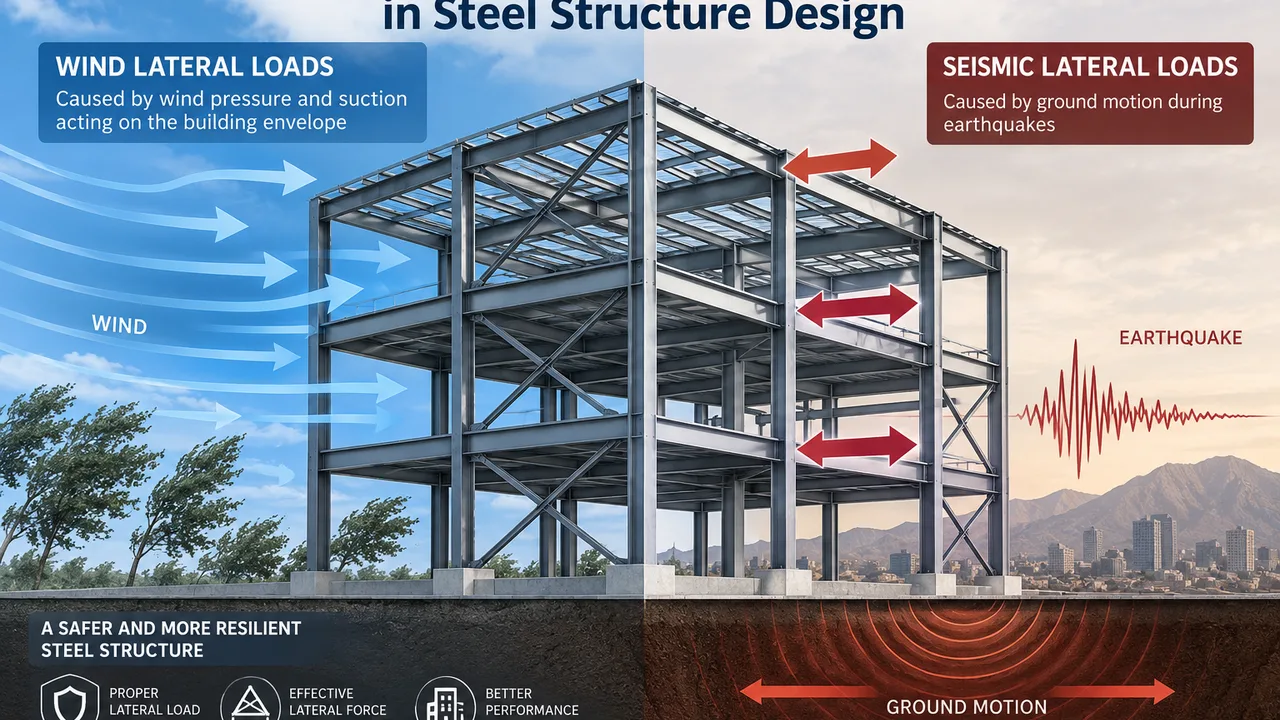
A durable structure must transfer vertical and lateral loads clearly through beams, columns, bracing, connections, foundations, and supporting systems. Irregular or poorly coordinated load paths can create concentrated stresses, excessive movement, and fatigue-sensitive details.
Structural analysis should account for permanent loads, occupancy loads, machinery, cranes, wind, snow, seismic forces, and other project-specific conditions. Additional loads from suspended services, solar panels, pipelines, conveyors, or future equipment should also be considered when relevant.
Reliable Connections
Bolted and welded connections play a major role in the overall durability of a steel structure. Connection design must provide sufficient strength while controlling deformation, fatigue, constructability, and exposure to moisture.
Accurate hole positioning, proper bolt installation, qualified welding procedures, and controlled assembly are essential. Connection zones should also be detailed to avoid water accumulation and inaccessible corrosion-prone areas whenever possible.
Effective Corrosion Protection
Corrosion protection should be selected according to environmental exposure rather than treated as a standard decorative coating. Indoor dry facilities, coastal buildings, chemical plants, agricultural buildings, and outdoor infrastructure each present different corrosion risks.
Protection options may include abrasive blasting, industrial primer, multi-layer paint systems, fire-resistant coatings, or hot-dip galvanizing. Surface preparation quality, coating thickness, application conditions, and repair procedures all influence long-term effectiveness.
Controlled Structural Movement
Steel structures naturally move under temperature changes, live loads, wind, crane operation, and seismic action. Durable design allows these movements to occur safely without damaging structural components, wall systems, roofing, doors, glazing, or installed equipment.
Expansion joints, bracing arrangements, connection flexibility, and deflection limits must be coordinated with the complete building system.
Applications of Durable Steel Structure Construction
Industrial Factories
Factories often contain heavy equipment, production lines, overhead cranes, suspended utilities, and high traffic volumes. Their structures must resist continuous loading, vibration, accidental impact, and future equipment changes.
Durable factory construction can include reinforced crane beams, heavy-duty columns, equipment support platforms, maintenance access, and structural provisions for expansion.
Warehouses and Logistics Centers
Warehouse buildings require stable long-span frames, reliable roof systems, efficient drainage, and sufficient resistance to wind and operational impact. High-bay facilities may also support automated storage systems, mezzanines, conveyors, and loading equipment.
A durable structural system protects inventory and supports uninterrupted logistics operations throughout the building lifecycle.
Mining and Energy Facilities
Mining, power, and process facilities may expose steel structures to dust, moisture, chemicals, temperature variation, vibration, and heavy mechanical loads. Platforms, equipment supports, pipe racks, conveyor structures, and process buildings must be designed for these demanding conditions.
Agricultural Buildings
Agricultural environments can contain high humidity, fertilizers, animal waste, cleaning chemicals, and temperature fluctuations. Appropriate ventilation, drainage, material selection, and protective coatings are essential for maintaining structural condition.
Aircraft Hangars
Hangars require wide clear spans, large door openings, high structural stability, and resistance to strong wind loads. The structure must also coordinate with specialized doors, maintenance equipment, fire systems, and aircraft clearance requirements.
Commercial and Public Buildings
Steel structures are also used for offices, exhibition halls, transportation facilities, sports buildings, and commercial complexes. Durability in these projects involves not only structural safety but also long-term coordination with façades, roofs, architectural finishes, and building services.
Our Construction Process
Project Consultation and Requirement Review
The process begins with a detailed review of the proposed building use, site conditions, dimensions, loads, applicable standards, construction schedule, and expected service environment. This allows the engineering and construction approach to reflect the real operating requirements of the facility.
Structural Design and Technical Coordination
Structural layouts, member sizes, bracing arrangements, connections, foundations, and construction details are reviewed as a complete system. Coordination with architecture, equipment, utilities, roofing, wall systems, and transportation limitations helps reduce conflicts during fabrication and installation.
Material Procurement and Verification
Specified steel plates, sections, bolts, welding materials, and coating products are procured according to approved technical requirements. Material identification and documentation can be maintained through the production process when required by the project quality plan.
Precision Fabrication
Steel components are cut, drilled, assembled, welded, straightened, and finished according to approved fabrication drawings. CNC equipment supports dimensional consistency, while in-process inspection helps identify deviations before components proceed to the next production stage.
Surface Treatment
Before painting or galvanizing, steel surfaces are prepared to the required cleanliness and profile. Coatings are applied under controlled conditions, and damaged areas are repaired according to approved procedures.
Site Installation
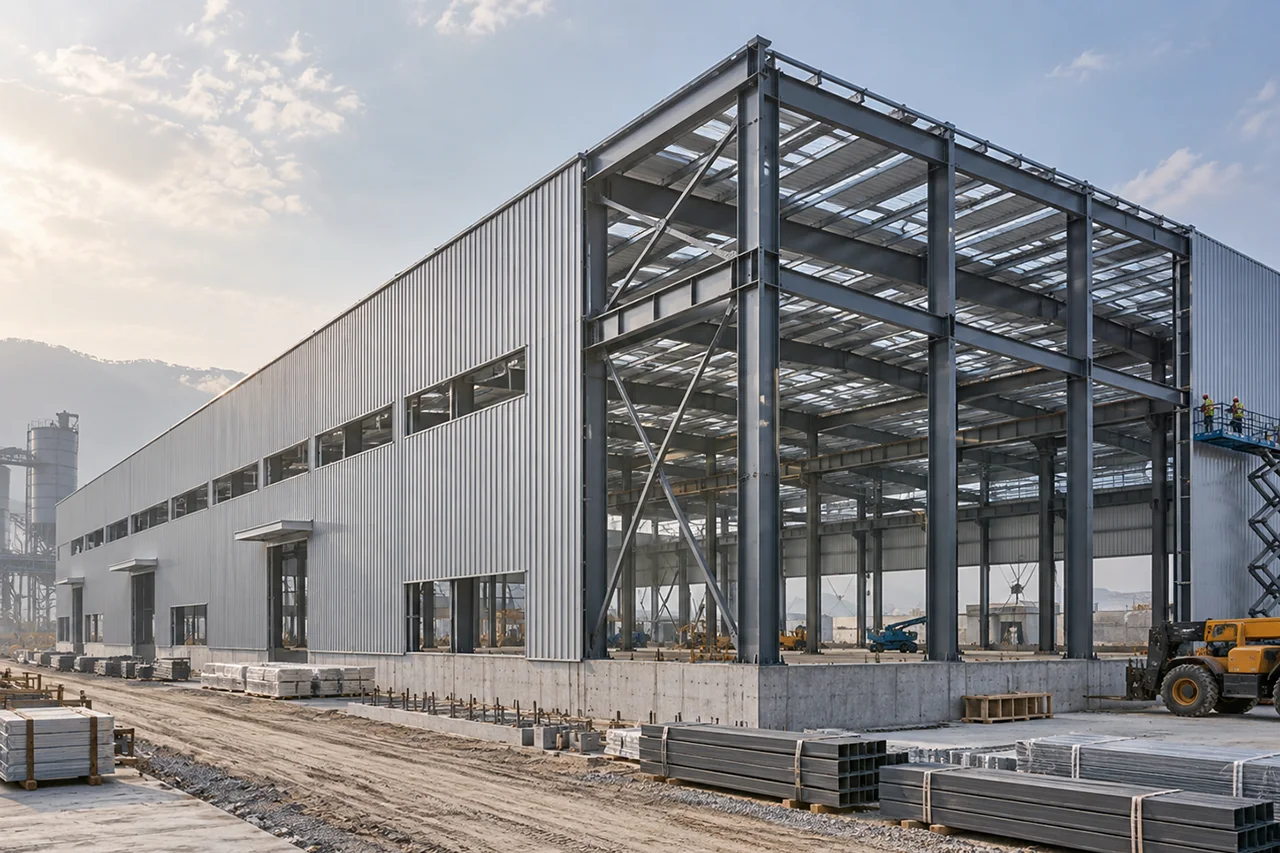
Construction planning considers delivery sequence, lifting operations, temporary stability, bolt installation, field welding, alignment, and coordination with other trades. Columns, beams, trusses, bracing, and secondary components are erected in a controlled sequence to maintain structural stability.
Final Inspection and Handover
The completed structure is checked for alignment, connection completion, coating condition, installed quantities, and compliance with project documentation. Outstanding items are corrected before final acceptance and handover.
How We Protect Long-Term Structural Performance
Fabrication Quality Control
Dimensional checks are carried out at key production stages to verify member length, hole locations, plate positions, connection geometry, and assembly accuracy. This improves fit-up at the site and reduces forced installation that could introduce unintended stresses.
Welding Inspection
Weld quality is controlled through approved procedures, qualified personnel, visual inspection, and additional testing where specified. The inspection scope depends on connection importance, loading conditions, and project requirements.
Coating Inspection
Surface cleanliness, application conditions, dry film thickness, coverage, and repair areas may be inspected to confirm that the protective system has been applied correctly.
Construction Supervision
Site supervision helps ensure that components are handled correctly, temporary bracing is installed, bolts are tightened as required, alignments remain within tolerance, and coatings are repaired after erection.
Documentation and Traceability
Inspection records, material documents, component markings, and production reports support project transparency. They also provide useful references for future maintenance, modification, or expansion work.
Benefits of Durable Steel Structure Construction
- Extended service life: Properly designed and protected steel structures can serve industrial and commercial operations for decades.
- Reduced maintenance: Suitable detailing and corrosion protection lower the frequency of major repairs.
- Reliable operational performance: Stable structures help protect production, storage, equipment, and personnel.
- Resistance to demanding conditions: Steel systems can be engineered for wind, seismic activity, heavy machinery, cranes, and harsh environments.
- Future adaptability: Steel buildings can often accommodate extensions, equipment changes, and internal reconfiguration.
- Lower lifecycle cost: Long-term durability can reduce repair expenses, downtime, and premature replacement.
- Consistent construction quality: Factory fabrication allows better dimensional and process control than many fully site-built systems.
Why Choose XTD Steel Structure?
Our service integrates engineering, manufacturing, quality control, logistics, and site execution. This coordinated approach helps prevent gaps between design intent and actual construction quality.
- More than two decades of steel structure project experience
- Integrated design, fabrication, and construction capabilities
- Advanced CNC processing and production equipment
- Quality control throughout material, fabrication, coating, and installation stages
- Experience with industrial, commercial, agricultural, and infrastructure projects
- Support for custom spans, heavy loads, cranes, and specialized operating requirements
- International supply and export project coordination
- Flexible solutions for both complete buildings and structural construction packages
By selecting a contractor experienced in durable steel structure construction, project owners can improve building reliability, protect long-term investment, and reduce avoidable maintenance risks.
Frequently Asked Questions
How long can a durable steel structure last?
The service life depends on engineering quality, environmental exposure, material selection, protective treatment, maintenance, and actual operating conditions. With appropriate design and maintenance, steel structures can remain in service for many decades.
What factors have the greatest effect on durability?
Key factors include corrosion protection, drainage, connection detailing, fabrication accuracy, welding quality, construction workmanship, load control, and routine inspection.
Can steel structures be used in coastal or corrosive environments?
Yes. However, these environments require suitable material specifications, protective coating systems, detailing, inspection, and maintenance planning based on the level of exposure.
Can an existing steel building be strengthened?
In many cases, existing buildings can be reinforced for additional loads, equipment, cranes, extensions, or changed use. The existing structure must first be inspected and analyzed by qualified engineers.
Do you provide complete design and construction services?
Yes. Our project scope can include engineering coordination, steel fabrication, surface treatment, delivery, installation, and quality inspection according to client requirements.
Request a Durable Steel Structure Construction Quote
Send us your project drawings, site location, building dimensions, operating requirements, loading information, corrosion conditions, and expected schedule. Our team will review the information and develop a practical durable steel structure construction solution for your industrial, commercial, agricultural, or infrastructure project.