What Is a Factory Direct Steel Structure Manufacturer?
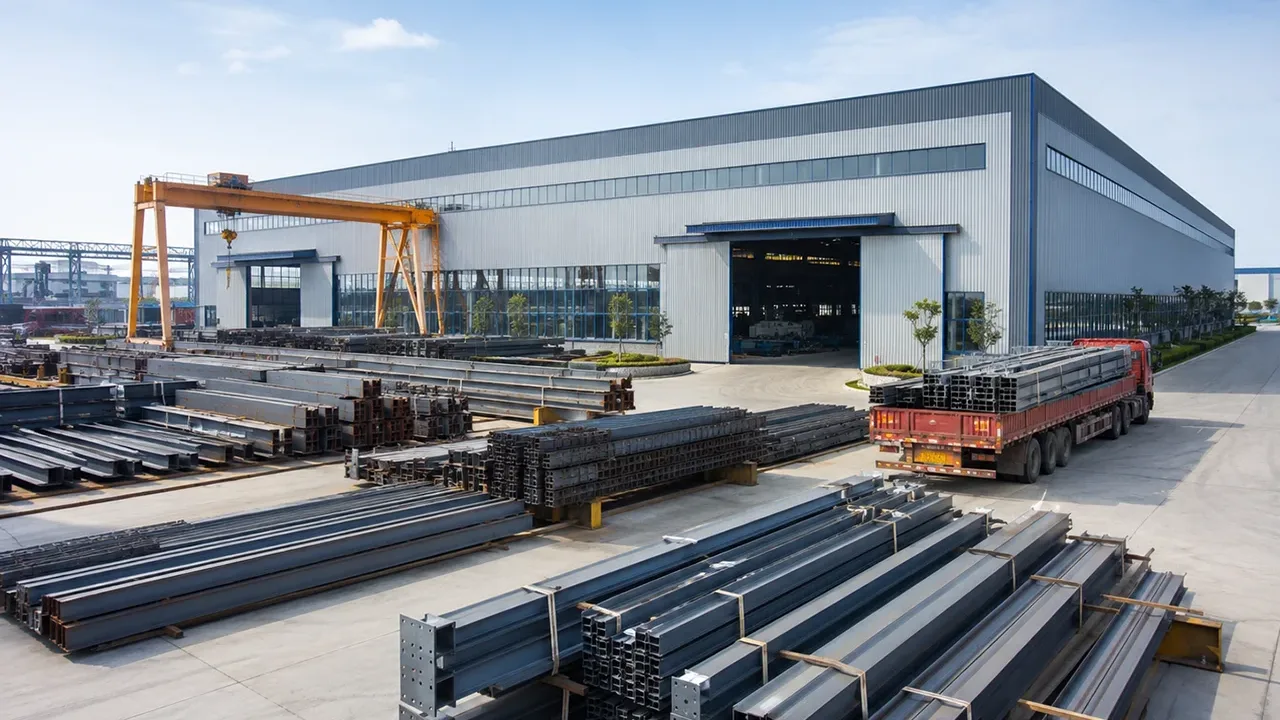
A factory-direct manufacturer designs, processes, assembles, inspects, and prepares steel structures through its own production facilities or directly controlled manufacturing system. The company is responsible not only for supplying steel materials but also for converting approved engineering requirements into finished structural components ready for delivery and installation.
A complete factory-direct service may include:
- Structural design and engineering coordination
- Detailed fabrication and erection drawings
- Raw material procurement
- CNC cutting, drilling, and plate processing
- Welding and structural assembly
- Dimensional and weld inspection
- Surface treatment and corrosion protection
- Component marking and export packaging
- International shipment coordination
- Technical support for erection
Manufacturer Versus Trading Company
A trading company normally coordinates supply between the customer and one or more factories. This model can be useful when buyers need broad sourcing support, multiple product categories, or local commercial representation. However, production decisions may still depend on third-party workshops.
A direct manufacturer has closer control over production equipment, workshop personnel, fabrication scheduling, inspection procedures, and material handling. Clients can often communicate technical questions more directly with engineers, detailers, production managers, and quality-control personnel.
The main difference is not simply the company name or quotation format. It is the level of control over where the steel is fabricated, how production is managed, and who is responsible for correcting technical or quality issues.
Why Factory-Direct Supply Matters
Steel structure projects involve many connected decisions. A change in member size may affect connection plates, bolt quantities, shipping weight, fabrication time, and erection planning. When design and manufacturing teams work within the same coordinated system, these effects can be reviewed more efficiently.
Fewer communication layers may also reduce misunderstandings related to drawings, steel grades, tolerances, welding requirements, coating systems, component numbering, and delivery schedules.
Factory Direct Steel Structure Manufacturing Services
Structural Design and Engineering
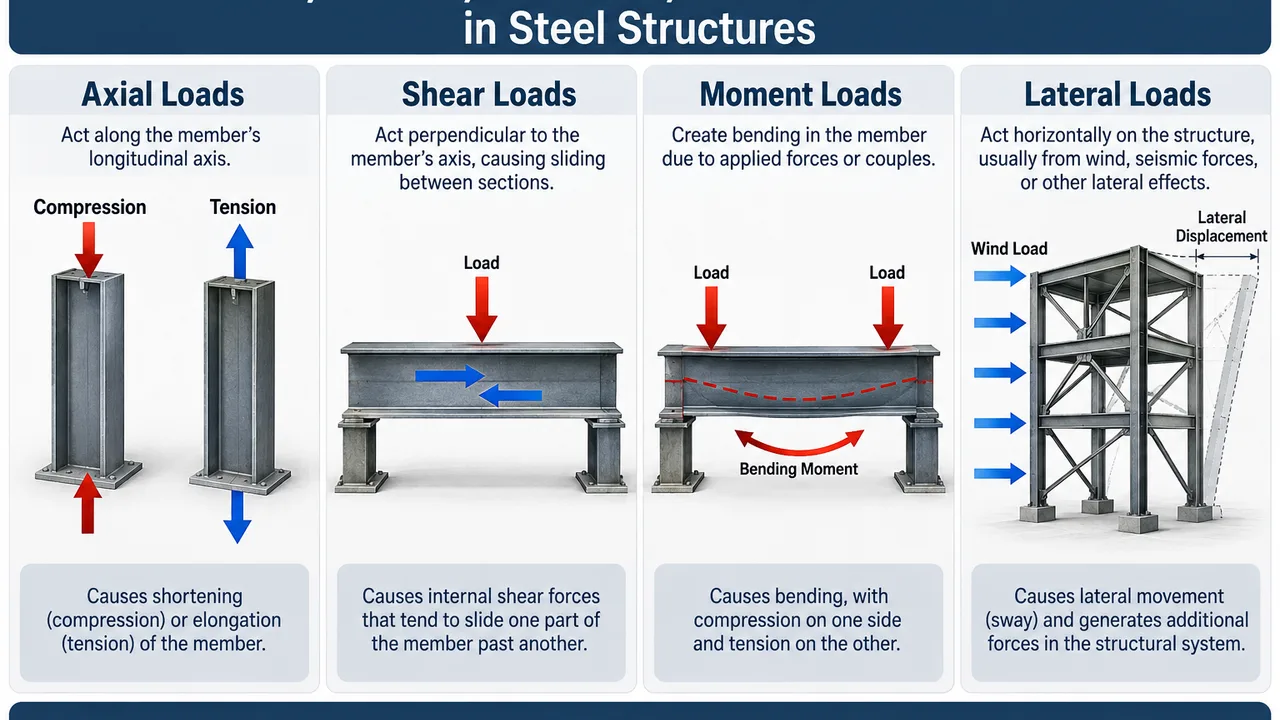
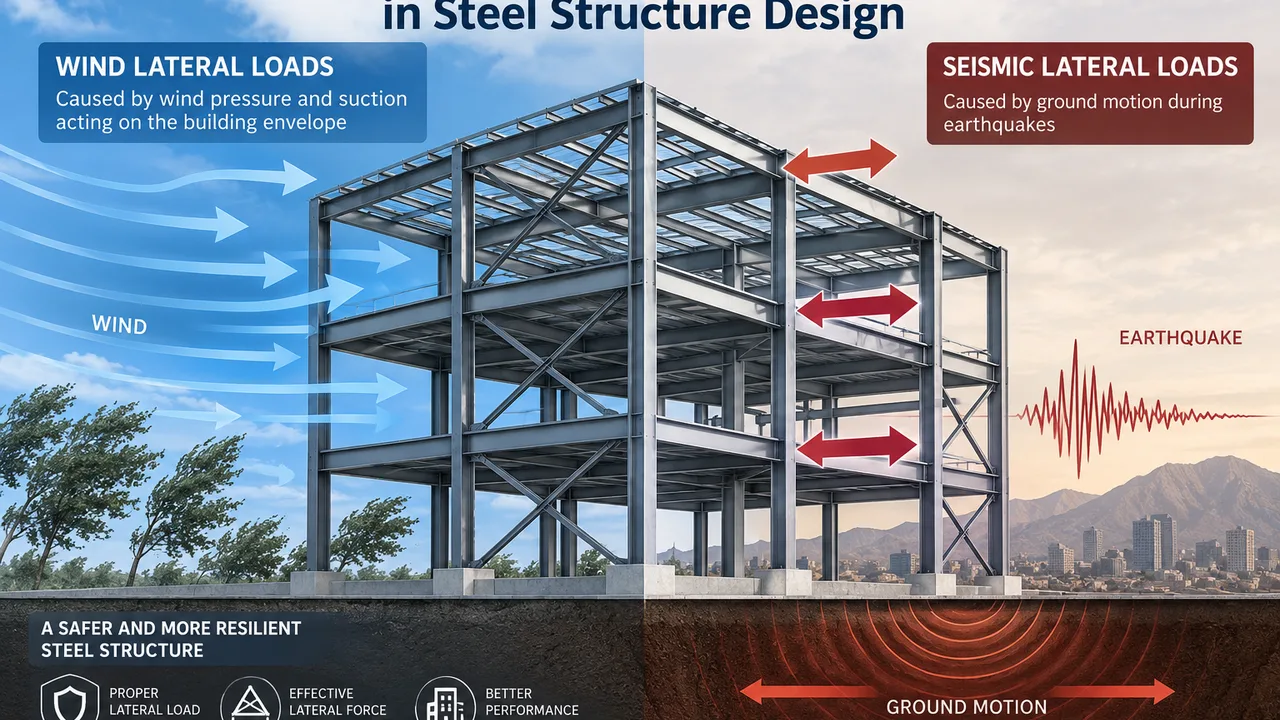
Manufacturing begins with a clear understanding of the project location, building use, dimensions, structural system, applicable standards, and design loads. Engineering considerations may include wind, snow, seismic conditions, floor loads, crane loads, equipment loads, maintenance loads, and future expansion requirements.
Engineers also evaluate column spacing, roof configuration, bracing systems, connection concepts, transport dimensions, and installation methods. When the client provides completed structural drawings, the factory reviews them for fabrication practicality and coordination with available materials and production processes.
Detailed Shop Drawings
Shop drawings convert engineering information into documents that workshop teams can use for production. They normally show member dimensions, plate thicknesses, weld details, bolt holes, connection positions, component numbers, assembly information, and material specifications.
Additional documents may include bolt schedules, material lists, assembly drawings, erection marks, and packing references. Accurate shop drawings help connect structural design with fabrication, inspection, packaging, and on-site erection.
CNC Cutting and Drilling
Steel plates and structural profiles are processed using controlled machinery according to approved drawings. Depending on the project, fabrication may involve CNC plate cutting, beam drilling, profile cutting, edge preparation, hole positioning, and production of connection plates.
CNC processing supports dimensional consistency, especially where a project contains repeated portal frames, trusses, bracing members, equipment platforms, or standardized structural bays.
Welding and Structural Assembly
After cutting and preparation, components are fitted, assembled, and welded according to approved procedures. Production may use manual, semi-automatic, or automated welding depending on member type, joint configuration, and project requirements.
Fabricated members are checked for alignment, straightness, weld appearance, connection geometry, and dimensional accuracy. Heat correction or mechanical straightening may be completed where necessary before surface treatment.
Surface Treatment
The required corrosion-protection system depends on the operating environment and expected service life. Available treatment options may include:
- Shot blasting or abrasive cleaning
- Primer coating
- Multi-layer industrial paint systems
- Hot-dip galvanizing
- Preparation for fire-resistant coatings
- Project-specific protective systems
Coating selection should consider indoor or outdoor use, humidity, coastal exposure, industrial chemicals, maintenance access, fire regulations, and client specifications.
Export Packaging and Delivery
Finished components are identified using markings that correspond with the erection drawings and packing lists. Smaller parts may be bundled, while bolts, plates, brackets, and accessories are packed separately for easier handling.
Loading plans must consider container dimensions, component length, weight distribution, lifting points, coating protection, and the installation sequence. Export projects may use standard containers, open-top containers, flat racks, or break-bulk shipment depending on the size of the structural members.
Benefits of Working Directly With a Steel Structure Factory
Direct Technical Communication
Direct cooperation allows clients to discuss structural requirements, drawing revisions, material specifications, fabrication tolerances, and inspection procedures with the teams responsible for execution. This can reduce delays caused by information passing through several unrelated parties.
Better Production Transparency
A direct factory can provide clearer information about material procurement, drawing approval, fabrication progress, inspection stages, coating work, packing status, and shipment preparation. Progress reporting may include production schedules, photographs, inspection records, or completed quantity updates.
More Consistent Quality Control
When material receipt, cutting, welding, dimensional inspection, surface treatment, and packing are managed within one production system, quality requirements can be applied more consistently. Problems identified during inspection can also be communicated directly to the production team for correction.
Reduced Supplier Layers
Fewer commercial and technical intermediaries can simplify communication, responsibility, quotation review, and change management. This does not automatically guarantee the lowest price, but it may provide a clearer relationship between project requirements, manufacturing cost, and final supply scope.
Faster Response to Technical Changes
Steel projects may require drawing revisions, connection adjustments, material substitutions, or changes in delivery sequence. Direct coordination between the client, engineering team, and workshop can make these changes easier to review before they affect multiple production stages.
Customized Manufacturing Capability
A capable factory should be able to manufacture project-specific structures rather than supplying only fixed standard building packages. Custom production may include unusual spans, equipment supports, special trusses, heavy columns, crane systems, pipe racks, industrial platforms, and complex connection details.
Factory Direct Steel Structure Manufacturing Process
1. Project Requirement Review
The manufacturer reviews the building use, dimensions, project location, delivery destination, structural loads, applicable standards, surface-treatment requirements, installation conditions, and required schedule.
2. Engineering and Structural Planning
The structural system, member sizes, bracing layout, connection concepts, steel grades, and fabrication strategy are developed or reviewed. Transportation limits and erection methods should also be considered during this stage.
3. Quotation and Scope Confirmation
A clear quotation should define the estimated steel weight, fabrication scope, bolts and accessories, coating system, packaging method, engineering services, freight terms, inspection requirements, and installation support.
Included and excluded items should be confirmed before production begins to reduce commercial and technical misunderstandings.
4. Shop Drawing Development
Detailed production drawings are prepared and submitted for approval. Fabrication should begin only after technical comments, dimensions, connections, and material specifications have been confirmed.
5. Material Procurement
Steel plates, profiles, bolts, welding consumables, and coating materials are purchased according to approved specifications. Material certificates and traceability records may be maintained based on project and inspection requirements.
6. Fabrication and Assembly
Components are cut, drilled, fitted, welded, straightened, and prepared for inspection. Trial assembly may be performed for complex trusses, special connections, equipment frames, or structures with strict interface tolerances.
7. Quality Inspection
Inspection may include:
- Material and certificate verification
- Visual weld inspection
- Non-destructive testing when specified
- Dimensional checks
- Bolt-hole alignment
- Connection interface verification
- Surface preparation inspection
- Coating thickness measurement
- Component marking review
8. Packaging and Shipment
Components are grouped according to delivery batches and erection order. Packing lists, loading plans, identification marks, and shipping documents are prepared before dispatch.
9. Installation Support
Support may include erection drawings, assembly instructions, connection details, remote technical communication, installation sequencing advice, or site supervision depending on the agreed project scope.
Steel Structures Available From a Direct Manufacturer
Steel Structure Warehouses
Factory-direct supply is suitable for standard warehouses, logistics centers, high-bay storage buildings, cold-storage support facilities, distribution buildings, and expandable warehouse systems.
Industrial Steel Buildings
Industrial applications include production workshops, processing plants, maintenance buildings, manufacturing facilities, utility buildings, and structures designed to support heavy machinery or overhead cranes.
Commercial Steel Buildings
Steel structures can be manufactured for showrooms, office buildings, retail facilities, exhibition spaces, service centers, and mixed-use commercial developments.
Agricultural Steel Buildings
Applications include agricultural warehouses, equipment shelters, livestock buildings, processing facilities, crop-storage buildings, and farm workshops.
Mining and Energy Structures
Remote industrial projects may require equipment platforms, pipe racks, conveyor supports, maintenance structures, utility buildings, processing frames, and modular site facilities.
Infrastructure Steel Structures
Factory production can support stations, corridors, service platforms, towers, bridges, utility structures, transport facilities, and specialized infrastructure systems.
Customized Steel Structures
Custom manufacturing may cover space frames, roof trusses, special-shaped structures, industrial platforms, equipment frames, structural modules, and other project-specific steel assemblies.
Quality Control in a Factory Direct Manufacturing Model
Quality control should be integrated into every production stage rather than completed only after fabrication. A complete inspection system may include:
- Raw material certificates and traceability
- Approved welding procedures
- Qualified welders
- Visual weld inspection
- Non-destructive testing when required
- Dimensional inspection
- Trial assembly for selected structures
- Surface preparation and coating inspection
- Component marking verification
- Packing and loading checks
Client representatives or independent third-party inspectors may also participate according to the contract, applicable standards, and project quality plan.
How to Verify a Factory Direct Steel Structure Manufacturer
Review the Factory and Production Equipment
Buyers should evaluate the workshop layout, cutting equipment, drilling lines, welding stations, assembly areas, blasting facilities, painting areas, lifting equipment, and storage capacity.
Check Engineering Capability
Confirm whether the supplier has structural engineers, detailing personnel, production technicians, and quality-control staff who can communicate directly during the technical review.
Request Manufacturing Documents
Useful documents may include company and factory information, equipment lists, quality procedures, welding documents, material certificates, inspection records, production references, and sample packing documentation.
Evaluate Technical Communication
A capable manufacturer should ask practical questions about loads, codes, steel grades, connection details, coating systems, transport limitations, erection methods, and the delivery sequence.
Confirm Export Experience
International supply requires experience with export packaging, container planning, shipping documentation, cargo protection, port handling, and destination delivery coordination.
Clarify the Production Location
Buyers should confirm where the steel components will actually be fabricated and whether any parts of the scope will be outsourced. Outsourcing is not always a problem, but responsibilities and quality-control arrangements should be clearly defined.
Pricing From a Factory Direct Steel Structure Manufacturer
Factory-direct supply does not automatically mean the lowest quotation. Steel structure pricing depends on several technical and commercial factors, including:
- Steel grade and current material price
- Total structural weight
- Member dimensions and fabrication complexity
- Welding volume and inspection level
- Connection design
- Surface-treatment system
- Packaging requirements
- Shipping method and destination
- Delivery schedule
- Engineering and installation support
A transparent quotation should clearly explain the manufacturing scope, included accessories, coating system, delivery terms, documentation, and excluded items.
How Direct Manufacturing Can Improve Cost Control
Direct manufacturing can improve cost control through material optimization, coordinated cutting plans, fewer supplier layers, clearer production planning, and faster management of technical changes. It may also reduce the risk of errors caused by incomplete communication between separate design, sourcing, and fabrication parties.
Why Choose XTD Steel Structure?
XTD Steel Structure supports customized projects through an integrated system covering structural engineering, detailed drawings, material procurement, CNC steel processing, welding, assembly, surface treatment, quality inspection, export packaging, and technical installation support.
Our manufacturing capabilities cover warehouses, factories, industrial buildings, mining facilities, energy structures, commercial projects, agricultural buildings, infrastructure systems, trusses, platforms, pipe racks, and special steel assemblies.
We work with contractors, developers, engineering firms, industrial companies, and international project owners that require practical communication, controlled production, and coordinated export delivery.
Information Required for a Factory Direct Quotation
Providing complete project information allows the manufacturer to prepare a more accurate technical proposal and quotation. Useful information includes:
- Project location and delivery destination
- Building use
- Overall length, width, and height
- Number of floors or structural levels
- Architectural and structural drawings
- Applicable design standards
- Wind, snow, and seismic requirements
- Crane, floor, and equipment loads
- Required steel grade
- Roofing and wall systems
- Corrosion-protection system
- Fire-protection requirements
- Required delivery date
- Installation-support scope
- Preferred shipping terms
Start Your Factory Direct Steel Structure Project
Working with an experienced factory direct steel structure manufacturer can improve technical communication, production visibility, quality coordination, and international delivery planning.
Send us your drawings, project dimensions, structural requirements, delivery destination, or preliminary building information. Our engineering and manufacturing team can review the scope and develop a practical steel structure solution for your warehouse, factory, industrial, commercial, agricultural, mining, energy, or infrastructure project.