What Is a Modular Steel Structure Manufacturer?
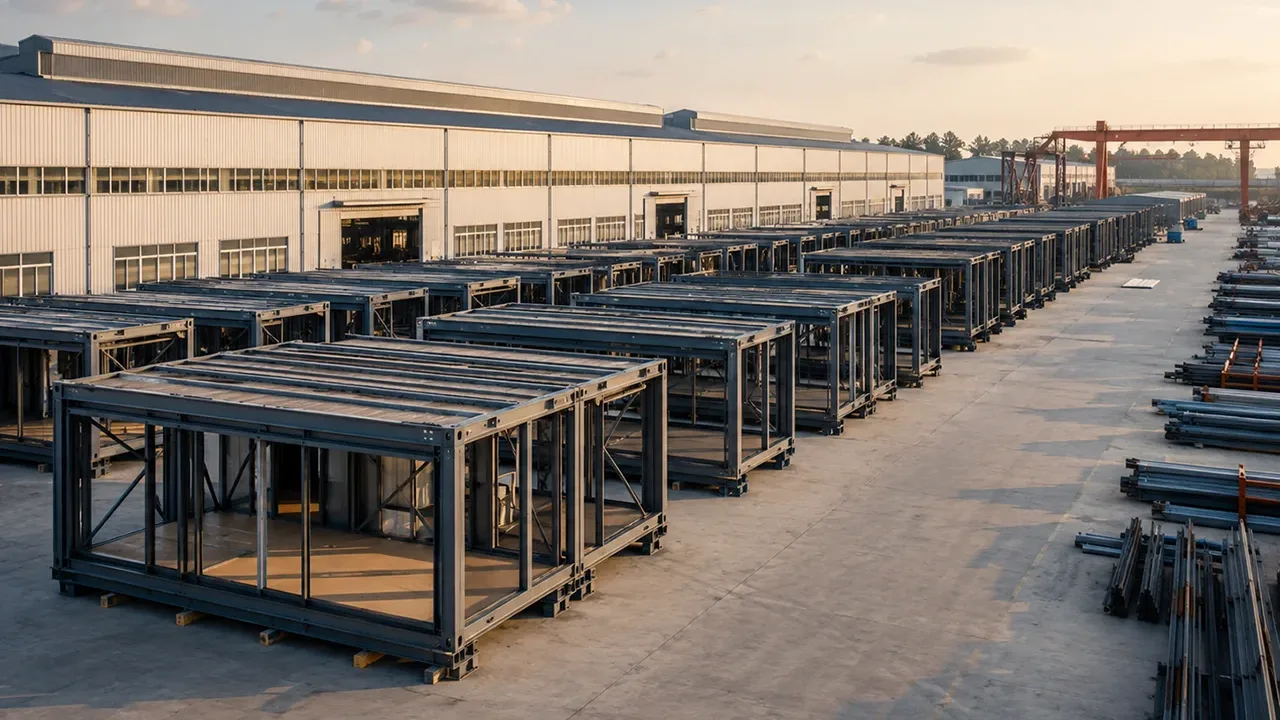
A modular steel structure manufacturer produces prefabricated structural systems that are divided into manageable sections or modules before arriving at the construction site. These modules may be complete volumetric building units, partially assembled structural frames, standardized building bays, equipment support frames, roof sections, or transportable steel assemblies.
The manufacturer must consider more than the fabrication of individual steel members. Module dimensions, transportation limits, connection positions, lifting points, temporary bracing, installation access, and the final erection sequence must all be considered during the engineering stage.
Modular Manufacturing Versus Conventional Fabrication
Conventional steel fabrication often focuses on producing separate columns, beams, plates, and trusses according to project drawings. Modular manufacturing applies an additional level of coordination by organizing those components into repeatable or partially assembled structural sections.
This approach can provide several advantages:
- More consistent component dimensions
- Reduced cutting and welding at the jobsite
- Faster erection through standardized connections
- Better control of fabrication quality
- Improved material planning and production scheduling
- Simplified identification of components during installation
The appropriate level of modularization depends on the project. Some buildings are delivered as individual prefabricated members, while others use complete frame sections, floor cassettes, pipe rack modules, service platforms, or assembled equipment structures.
Prefabricated Components and Complete Modules
Modular steel projects can use a combination of small components and larger assemblies. Typical manufactured elements include:
- Structural columns and beams
- Portal frame sections
- Roof trusses and bracing systems
- Floor beams and steel deck supports
- Wall framing systems
- Stair and access modules
- Equipment platforms
- Pipe rack sections
- Conveyor support structures
- Complete modular building frames
Larger modules can reduce site assembly requirements, but they also require careful consideration of crane capacity, transportation dimensions, road restrictions, shipping methods, and site access.
Modular Steel Structure Manufacturing Services
Structural Design and Modular Coordination
Effective modular construction begins with coordinated engineering. The building is divided into practical sections according to structural loads, architectural dimensions, manufacturing capacity, shipping restrictions, lifting conditions, and the intended erection sequence.
Engineers determine appropriate splice positions, connection types, temporary supports, lifting points, and module boundaries. Mechanical equipment, wall systems, roof panels, stairs, doors, and utility services may also need to be coordinated before shop drawings are finalized.
Early modular planning helps prevent oversized components, inaccessible bolts, connection conflicts, and unnecessary site modifications.
CNC Steel Fabrication
After design approval, steel components are manufactured using controlled production processes. Depending on the structural system, fabrication may include:
- CNC plate cutting
- Automatic beam cutting and drilling
- Connection plate preparation
- Component fitting and assembly
- Manual or automated welding
- Flame correction and straightening
- Bolt-hole inspection
- Dimensional verification
Accurate fabrication is particularly important for modular buildings because repeated sections must connect consistently. Small dimensional differences can affect alignment across several modules, especially in multi-level structures, long equipment platforms, and buildings with standardized structural bays.
Trial Assembly and Dimensional Verification
Trial assembly may be completed for complex or tolerance-sensitive structures. Selected components are temporarily connected in the factory to verify overall dimensions, hole positions, connection geometry, and interface alignment.
This process is especially useful for special trusses, large roof sections, equipment support frames, pipe racks, industrial platforms, and structures with multiple connection points. Trial fitting can identify potential installation issues before components are coated, packed, and shipped.
Surface Treatment and Corrosion Protection
Steel protection systems should be selected according to the operating environment and expected service life. Manufacturing options may include shot blasting, primer coating, multi-layer industrial paint systems, galvanizing, and preparation for fire-resistant coatings.
The required treatment depends on factors such as:
- Indoor or outdoor installation
- Humidity and rainfall
- Coastal or marine exposure
- Chemical or industrial conditions
- Temperature variation
- Maintenance requirements
- Local fire protection standards
Coating thickness, surface cleanliness, curing conditions, and damaged-area repair procedures should be included in the quality-control plan.
Packaging and International Delivery
Modular components must be packed according to their size, weight, coating system, and installation order. Each part is normally marked using identification codes that correspond with shop drawings and erection documents.
Smaller members can be bundled, while plates, bolts, and connection accessories are packed separately. Painted surfaces may require protective spacers or wrapping to reduce damage during loading and transportation.
For export projects, the manufacturer must also consider container dimensions, open-top containers, flat racks, break-bulk cargo, port handling, customs documentation, and inland transportation at the destination.
Benefits of Modular Steel Manufacturing
Faster Project Delivery
Factory fabrication can proceed while foundations and other site preparation activities are underway. This overlap can shorten the overall construction schedule compared with methods that require extensive cutting, welding, and assembly after materials arrive at the site.
Once the foundation is ready, identified structural modules can be installed according to a planned sequence.
Consistent Factory-Controlled Quality
Workshop production provides stable equipment, controlled welding conditions, dedicated inspection areas, and standardized manufacturing procedures. These conditions make it easier to maintain dimensional accuracy and repeatable quality than fabrication performed entirely at an exposed construction site.
Reduced On-Site Labor
Prefabricated modules reduce the amount of adjustment work required during erection. Bolted connections, preassembled sections, and clearly marked components allow installation teams to focus on lifting, positioning, alignment, and fastening.
This benefit is particularly valuable for remote mining, energy, agricultural, and infrastructure projects where skilled labor, workshop facilities, or specialized fabrication equipment may be limited.
Predictable Material Use and Cost
Standardized components support accurate material calculation, repeatable cutting plans, and controlled procurement. Offcuts may be optimized across multiple components, while repeated details can simplify fabrication and inspection.
Although the final project cost depends on engineering complexity, steel prices, coating requirements, logistics, and site conditions, modular production can make labor and material requirements more predictable.
Flexible Expansion and Relocation
Bolted modular structures can be designed for future expansion, modification, dismantling, or relocation. Additional structural bays may be connected to an existing warehouse or industrial facility when foundations, bracing systems, and service routes are planned for future growth.
Not every modular building is intended to be moved, so relocation requirements must be discussed during the initial design stage.
Modular Steel Structure Manufacturing Process
1. Project Requirement Review
The process begins with a review of the building function, dimensions, project location, structural loads, local codes, construction schedule, transportation conditions, and installation requirements.
2. Structural and Modular Design
Engineers perform structural analysis and determine practical module divisions. Connection details, lifting points, transportation bracing, splice locations, and erection sequences are coordinated within the design.
3. Material Procurement
Steel plates, structural sections, bolts, welding consumables, and coating materials are purchased according to approved specifications. Material certificates and traceability records can be maintained based on project requirements.
4. Component Fabrication
Steel members are cut, drilled, assembled, welded, straightened, and prepared for inspection. Repeated components are produced according to approved shop drawings and dimensional tolerances.
5. Quality Inspection
Inspection procedures may cover material identification, weld appearance, non-destructive testing, component dimensions, bolt-hole positions, connection interfaces, and coating thickness.
6. Pre-Assembly and Marking
Complex interfaces may be trial fitted before shipment. Each component is then marked to match the installation drawings and packing list.
7. Packaging and Shipment
Components are grouped based on delivery batches and erection order. Loading plans are prepared to use shipping space efficiently while protecting the steelwork.
8. Installation Support
Installation support may include erection drawings, component lists, connection details, technical communication, remote guidance, or site supervision depending on the project contract.
Types of Modular Steel Structures We Manufacture
Modular Industrial Buildings
Industrial modules can be used for production workshops, processing plants, maintenance buildings, equipment enclosures, utility buildings, and manufacturing facilities. The structural layout can accommodate machinery loads, overhead cranes, ventilation systems, and future production expansion.
Modular Warehouses and Logistics Buildings
Standardized structural bays are suitable for warehouses, distribution centers, cold-storage support buildings, and logistics facilities. Modular layouts can support high-bay storage, loading areas, mezzanines, canopies, and phased extensions.
Modular Office and Commercial Buildings
Steel modules can be configured for offices, staff accommodation, commercial facilities, schools, and operational buildings. These projects may integrate floor systems, stairs, façade framing, roofing, partitions, and mechanical services.
Modular Equipment and Process Structures
Industrial projects often require specialized modules rather than complete buildings. Examples include equipment platforms, pipe racks, conveyor galleries, processing skids, maintenance structures, access towers, and utility frames.
Mining and Energy Structures
Remote projects benefit from factory-prepared modules because local fabrication resources may be limited. Structures can be packed and delivered in phases according to site access, foundation readiness, and equipment installation schedules.
Infrastructure and Utility Facilities
Modular steel systems can support transport stations, service facilities, utility buildings, inspection platforms, temporary structures, and standardized operational buildings used across multiple project locations.
Engineering Considerations for Modular Steel Structures
Module Size and Transportation Limits
Module dimensions must be coordinated with container sizes, road restrictions, port handling capacity, bridge clearances, and available lifting equipment. A larger factory-assembled module may reduce erection work but increase transportation complexity.
Structural Connections
Connection design affects fabrication, transportation, and installation speed. Common solutions include bolted end plates, splice plates, gusset plates, welded subassemblies, and high-strength bolted connections.
Bolts must remain accessible during erection, and connection locations should avoid conflicts with cladding, equipment, floors, or mechanical systems.
Lifting and Temporary Stability
Modules must remain stable during lifting and before permanent bracing is installed. Engineers may specify lifting lugs, temporary bracing, spreader beams, installation supports, and lifting sequences based on the module weight and center of gravity.
Building Loads and Local Codes
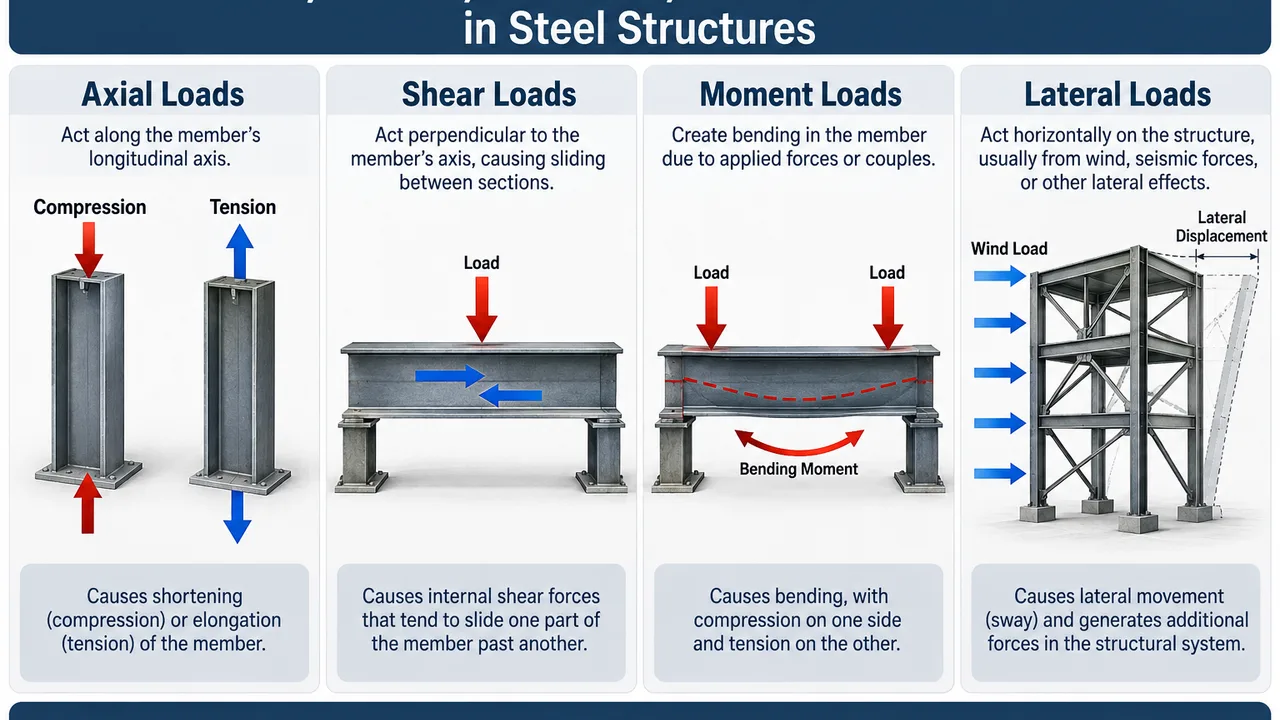
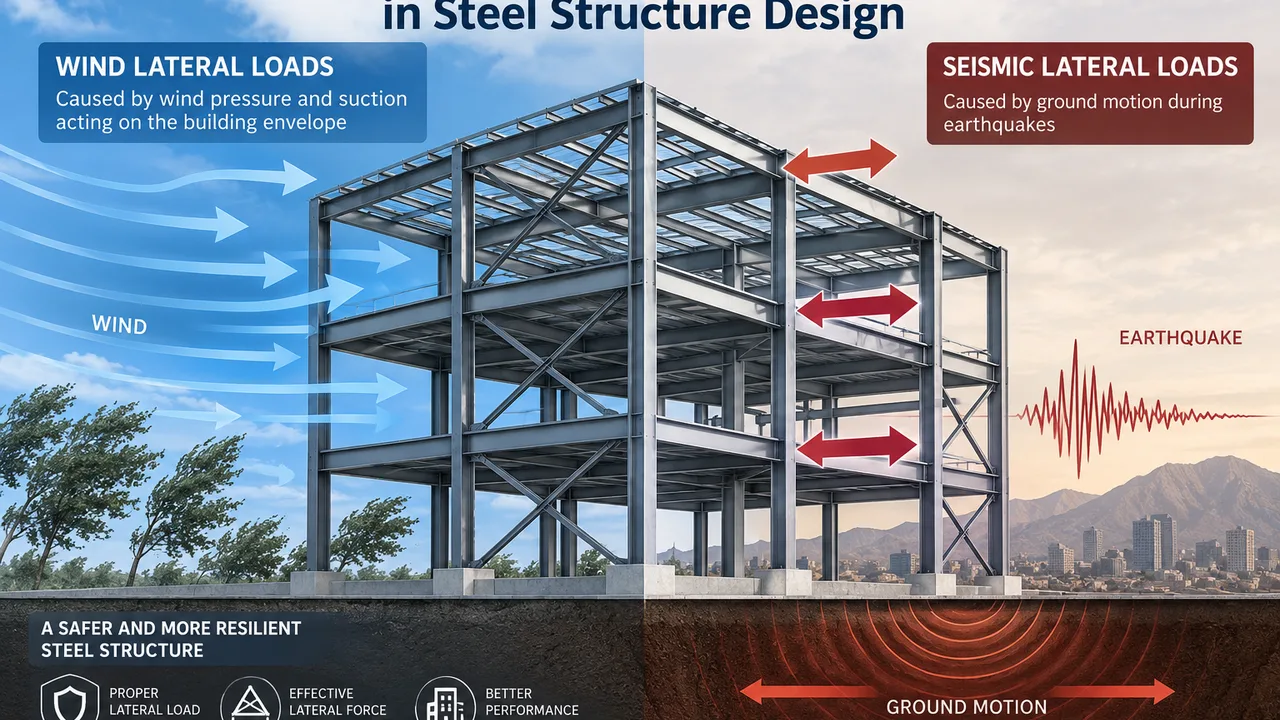
Every modular structure must be designed according to its actual location and use. Structural calculations may include wind, snow, seismic, floor, equipment, crane, maintenance, and operational loads.
Integration With Building Systems
Roofing, wall panels, doors, windows, drainage, ventilation, electrical systems, fire protection, and mechanical services should be coordinated with the structural modules. Accurate interface planning reduces rework during installation.
Quality Control in Modular Steel Manufacturing
Quality control is essential because one inaccurate connection can affect several repeated modules. A professional inspection system may include:
- Raw material certificates and identification
- Approved welding procedures
- Qualified welding personnel
- Visual and dimensional inspection
- Non-destructive weld testing when specified
- Bolt-hole and interface verification
- Coating thickness inspection
- Component marking and packing records
Inspection documents can be prepared according to client specifications, applicable standards, and third-party inspection requirements.
How to Choose a Modular Steel Structure Manufacturer
When selecting a modular steel structure manufacturer, buyers should review both production capability and engineering coordination. A suitable supplier should understand how fabrication decisions affect transportation, lifting, connection accessibility, and site installation.
Important evaluation factors include:
- Structural and detailed engineering capability
- Experience with modular or repeatable production
- CNC cutting and drilling equipment
- Welding and dimensional control procedures
- Monthly production capacity
- Material traceability and inspection documentation
- Surface-treatment options
- Export packaging and logistics experience
- Installation drawing and technical-support capability
Project owners should also confirm whether the supplier can manufacture custom modules instead of only offering fixed standard building packages.
Why Choose XTD Steel Structure?
XTD Steel Structure supports customized modular projects from structural planning through fabrication and shipment. Our manufacturing capabilities cover portal frames, trusses, industrial platforms, equipment supports, pipe racks, warehouses, factories, and specialized steel systems.
We coordinate detailed drawings, component production, welding, inspection, surface treatment, identification, and export packaging within an integrated manufacturing process. Modules and individual members can be arranged according to transportation restrictions and the planned erection sequence.
Our team works with contractors, developers, industrial companies, engineering firms, and international project owners that require reliable steel production and practical technical coordination.
Information Required for a Quotation
Providing complete project information allows the manufacturer to evaluate structural requirements, production scope, transportation conditions, and delivery schedules more accurately. Useful information includes:
- Project location and delivery destination
- Building use and operating conditions
- Overall length, width, and height
- Number of floors or structural levels
- Preferred module dimensions
- Architectural or structural drawings
- Applicable design standards
- Wind, snow, and seismic data
- Floor, crane, and equipment loads
- Roofing and wall requirements
- Corrosion-protection system
- Fire-protection requirements
- Required completion schedule
- Installation-support requirements
Start Your Modular Steel Structure Project
Early coordination with an experienced modular steel structure manufacturer can improve module dimensions, connection design, material utilization, transportation planning, and installation efficiency.
Send us your drawings, building dimensions, design requirements, or preliminary project information. Our engineering and manufacturing team can review the structural scope and develop a practical modular steel solution for your industrial, commercial, warehouse, mining, energy, agricultural, or infrastructure project.