What Is a Pre Engineered Steel Structure?
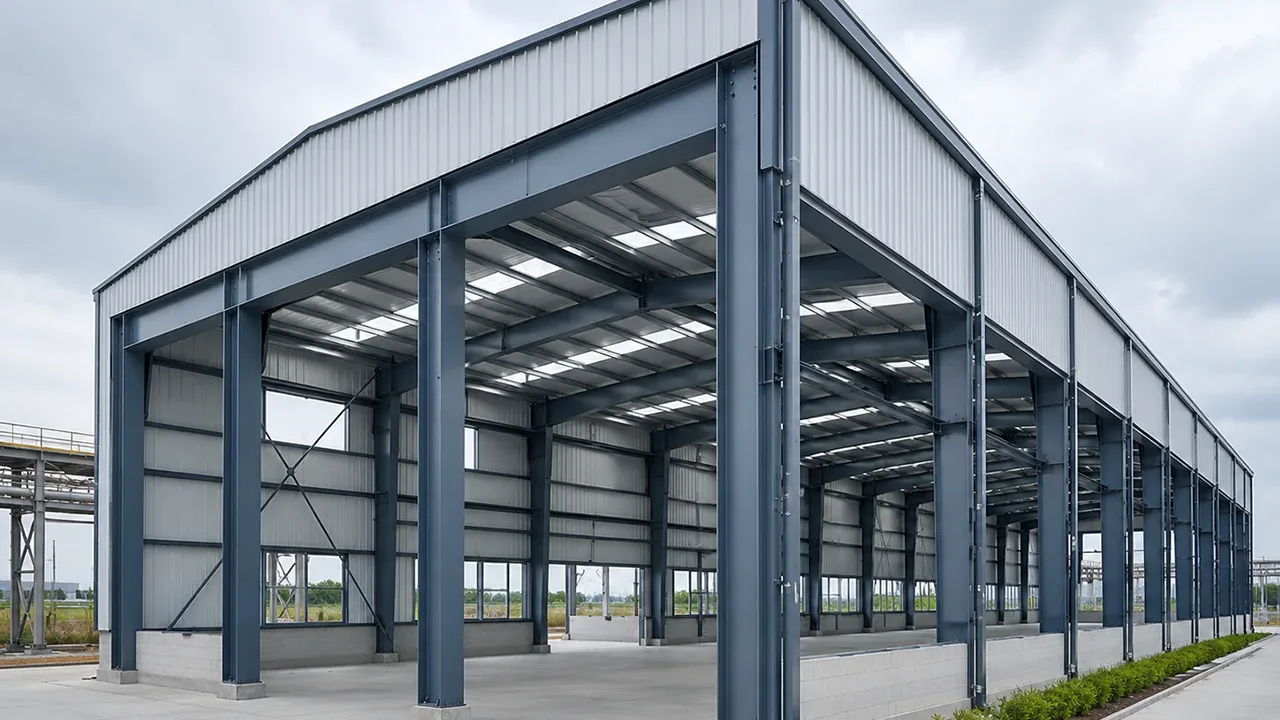
A pre engineered steel structure is a building system in which the structural components are engineered, manufactured, and prepared in a factory before transportation to the project site. Every component is designed to work together as part of a complete structural solution.
The system typically includes primary structural frames, secondary steel members, roof systems, wall systems, connection components, and accessories. Because the design is completed before production begins, manufacturers can optimize material usage and structural performance while maintaining cost efficiency.
This method differs significantly from traditional construction, where many structural decisions and fabrication activities occur during site work.
Key Components of a Pre Engineered Steel Structure
Primary Structural Frame
The primary frame forms the backbone of the building. It consists of columns and rafters that support the major structural loads.
These members are designed according to building dimensions, operational requirements, environmental conditions, and applicable engineering standards.
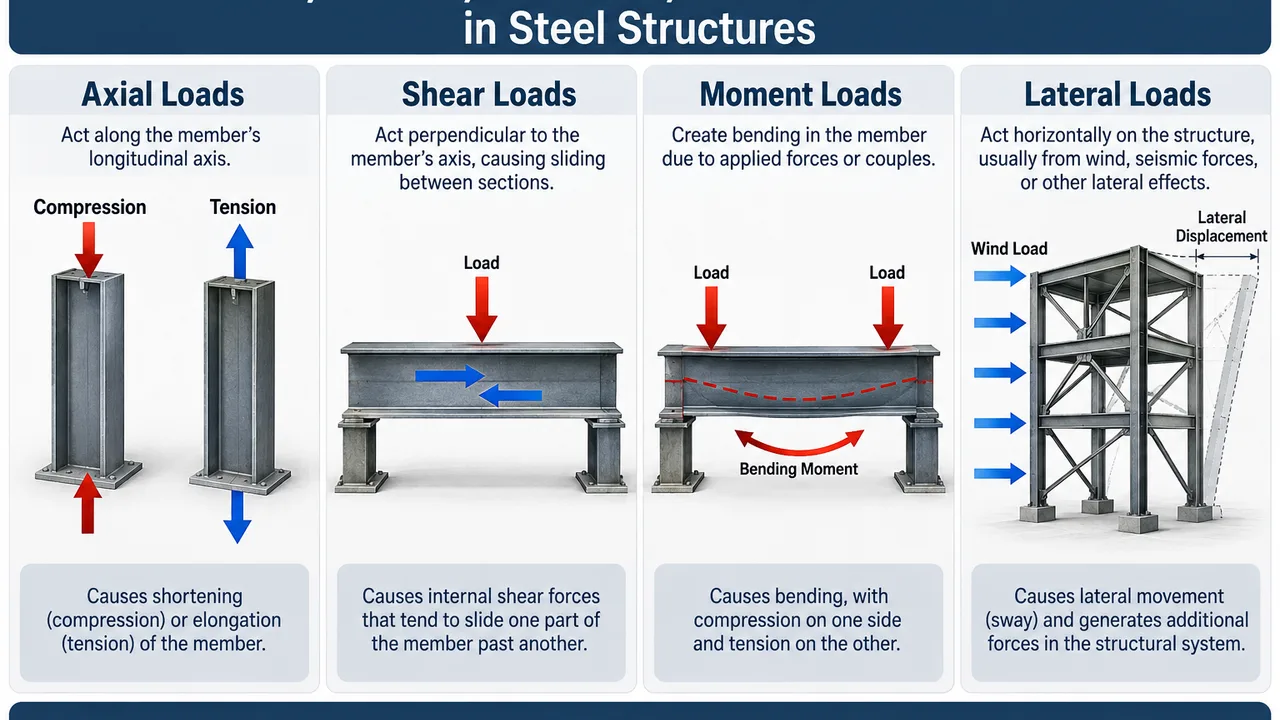
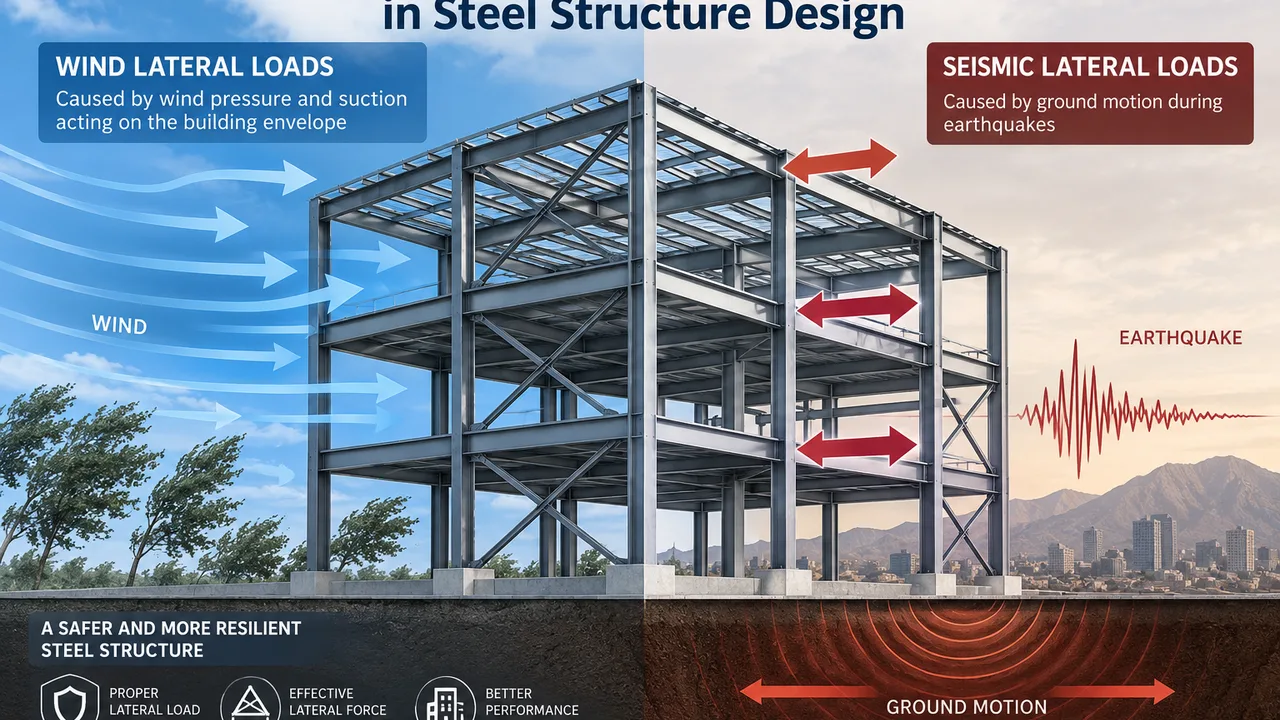
The primary frame provides the strength necessary to resist dead loads, live loads, wind loads, and other structural forces throughout the building’s service life.
Secondary Structural Members
Secondary members connect and support the primary structure while distributing loads throughout the building system.
These components commonly include:
- Purlins
- Girts
- Eave struts
- Bracing systems
Although secondary members are lighter than primary frames, they play an important role in maintaining overall structural stability.
Roofing and Wall Systems
Roof and wall systems provide enclosure, weather protection, thermal performance, and building appearance.
Depending on project requirements, systems may include:
- Single-skin metal panels
- Insulated sandwich panels
- Thermal insulation systems
- Weatherproof sealing solutions
These systems help improve energy efficiency while protecting interior operations from environmental conditions.
Advantages of Pre Engineered Steel Structures
Faster Construction Timeline
One of the most significant advantages of a pre engineered steel structure is reduced construction time.
Because fabrication occurs in a controlled factory environment, site preparation and manufacturing can proceed simultaneously. Once components arrive on-site, installation teams can assemble the structure efficiently using pre-designed connections.
This process can significantly shorten overall project schedules compared to conventional construction methods.
Cost Efficiency
Pre-engineered systems are designed to optimize material usage while maintaining structural performance.
Cost benefits may include:
- Reduced material waste
- Lower labor requirements
- Faster project completion
- Improved production efficiency
- Reduced construction risk
These factors help create more predictable project budgets and improve overall investment value.
Design Flexibility
Modern pre-engineered systems offer extensive design flexibility. Buildings can be customized according to operational requirements, site conditions, and future expansion plans.
Design options may include various spans, heights, roof slopes, crane systems, mezzanines, office areas, and specialized operational spaces.
This adaptability makes steel structures suitable for a wide range of applications.
Applications of Pre Engineered Steel Structures
Industrial Buildings
Industrial facilities represent one of the largest application sectors for pre-engineered construction.
Manufacturing plants, processing facilities, assembly workshops, and production buildings often require durable structural systems that can support equipment, cranes, and production operations.
Pre-engineered steel structures provide the strength and flexibility necessary for these demanding environments.
Warehouses and Logistics Centers
Warehousing and logistics operations benefit from large-span interior spaces and efficient building layouts.
Pre-engineered structures help maximize storage capacity by reducing interior columns and allowing flexible operational configurations.
This makes them particularly suitable for distribution centers, e-commerce fulfillment facilities, and inventory storage buildings.
Commercial Buildings
Commercial applications include office buildings, retail facilities, exhibition halls, and mixed-use developments.
The flexibility of steel systems enables designers to create functional spaces while maintaining cost-effective construction practices.
Agricultural Buildings
Agricultural operations also utilize pre-engineered steel structures for equipment storage, livestock facilities, grain storage, and agricultural processing buildings.
Durability, low maintenance requirements, and rapid construction make steel systems attractive for agricultural investment.
Engineering and Design Process
Project Requirements Analysis
Every successful project begins with a detailed evaluation of operational and structural requirements.
Key considerations include:
- Building dimensions
- Equipment requirements
- Occupancy needs
- Environmental conditions
- Future expansion plans
Accurate planning helps ensure that the final structure meets both immediate and long-term business objectives.
Structural Design Optimization
Engineers optimize structural layouts to balance performance, safety, and cost efficiency.
Advanced software tools allow design teams to evaluate structural behavior under various loading conditions while minimizing unnecessary material usage.
This optimization process contributes significantly to the economic advantages of pre-engineered buildings.
Shop Drawings and Detailing
Before production begins, detailed manufacturing documentation is prepared.
These drawings provide fabrication instructions, connection details, assembly information, and installation references necessary for efficient production and construction.
Many projects also utilize BIM coordination to improve project communication and reduce construction conflicts.
Manufacturing Process
Material Procurement
Manufacturing begins with the selection of steel materials that satisfy project specifications and quality standards.
Incoming materials are inspected to verify dimensions, grades, and compliance with project requirements.
Material traceability helps maintain manufacturing consistency throughout production.
Fabrication and Assembly
Structural components are produced using CNC equipment, automated cutting systems, drilling machines, welding stations, and assembly fixtures.
Modern production facilities use quality-controlled workflows to improve precision and maintain manufacturing efficiency.
The controlled factory environment helps minimize variability and improve product consistency.
Surface Treatment
Surface protection helps improve durability and resistance to corrosion.
Common treatment options include:
- Hot-dip galvanizing
- Industrial protective coatings
- Multi-layer paint systems
The selected protection system depends on environmental exposure conditions and project performance requirements.
Quality Control and Inspection
Material Inspection
Quality control begins before fabrication starts. Raw materials are inspected to verify compliance with engineering specifications and quality standards.
Early inspection helps prevent manufacturing issues later in the production process.
Fabrication Quality Control
Throughout production, inspection procedures verify dimensional accuracy, welding quality, and assembly consistency.
Continuous monitoring helps ensure that every component satisfies project requirements before shipment.
Final Product Verification
Before delivery, finished components undergo final inspection procedures.
Verification activities may include dimensional checks, visual inspections, packaging reviews, and shipment readiness evaluations.
This final review helps ensure successful transportation and installation.
Transportation and Installation
Efficient Packaging Solutions
Proper packaging protects components during transportation and site handling.
For international projects, packaging strategies consider shipping methods, loading efficiency, and project sequencing requirements.
Well-planned packaging helps reduce transportation risks and simplify site management.
On-Site Assembly
Pre-engineered systems are designed for efficient assembly using bolted connections and standardized installation procedures.
This approach reduces field labor requirements and improves installation speed.
Shorter erection schedules can help accelerate overall project completion.
Construction Support
Many suppliers provide technical guidance throughout installation.
Engineering support can help contractors interpret drawings, address site conditions, and maintain assembly accuracy during construction.
Why Businesses Choose Pre Engineered Steel Structures
- Shorter construction schedules
- More predictable project costs
- Scalable building solutions
- Long-term structural durability
- Lower maintenance requirements
These advantages make pre-engineered construction a preferred solution for organizations seeking efficient building development.
Why Choose XTD Steel Structure
Advanced Engineering Capabilities
XTD Steel Structure provides engineering support, structural optimization, and project-specific design solutions that help maximize building performance.
Modern Manufacturing Facilities
Advanced production equipment, quality management systems, and experienced fabrication teams help ensure consistent product quality and reliable project execution.
Global Project Experience
With experience supporting international projects, XTD Steel Structure provides manufacturing coordination, export logistics management, and technical support for clients worldwide.
Frequently Asked Questions
What is a pre engineered steel structure?
A pre engineered steel structure is a building system designed, manufactured, and prepared in a factory before being transported and assembled on-site.
How long does construction take?
Project schedules vary depending on building size, complexity, site conditions, and installation requirements, but pre-engineered systems typically reduce construction time compared to traditional methods.
Are pre engineered steel structures customizable?
Yes. Dimensions, layouts, roof systems, structural configurations, and operational features can all be customized according to project requirements.
What industries use pre engineered steel structures?
Industrial manufacturing, warehousing, logistics, commercial development, agriculture, and infrastructure sectors commonly utilize pre-engineered steel buildings.
Start Your Pre Engineered Steel Structure Project
A professional pre engineered steel structure solution combines engineering precision, efficient manufacturing, and streamlined installation to support modern construction demands. By integrating design, production, logistics, and technical support, businesses can achieve reliable project outcomes while reducing construction risks.
Partnering with an experienced supplier helps ensure quality, efficiency, and long-term value from project planning through final installation.