Introduction to Steel Fabrication for Factories
Steel fabrication for factories refers to the manufacturing process used to produce structural steel components for factory buildings and industrial production facilities. These components may include steel columns, beams, roof trusses, crane beams, bracing systems, platforms, and other load-bearing elements.
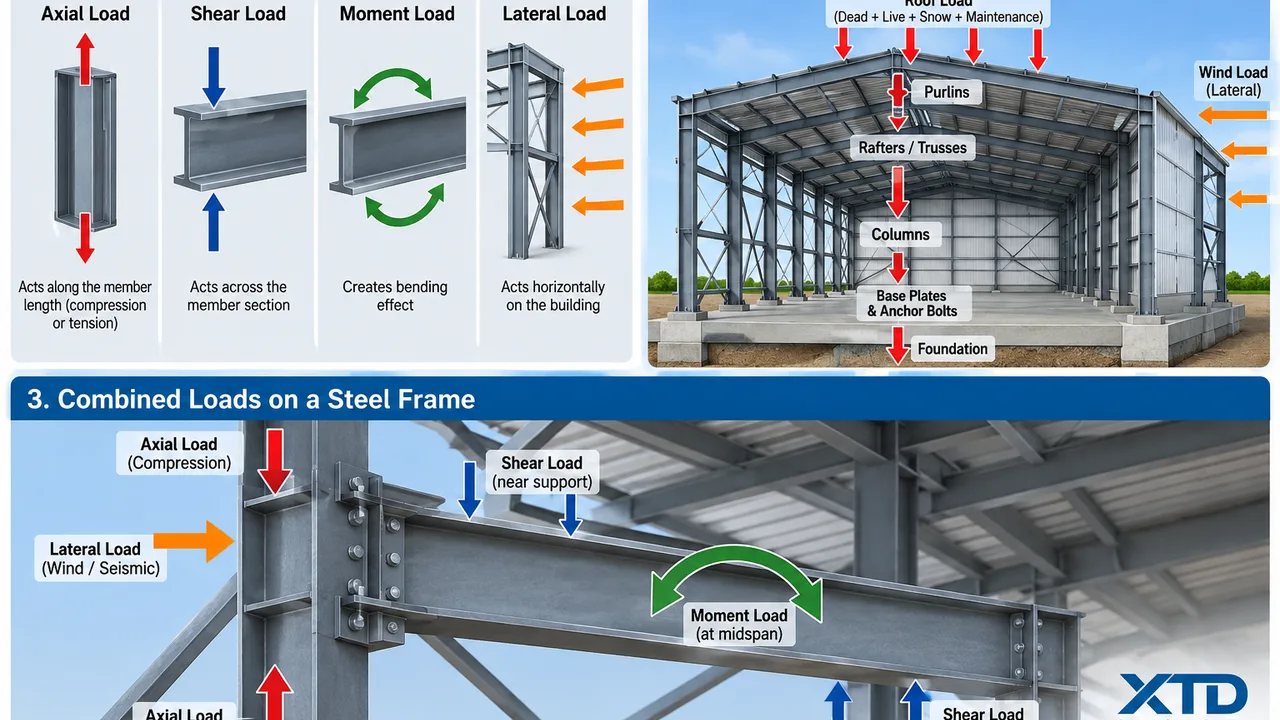
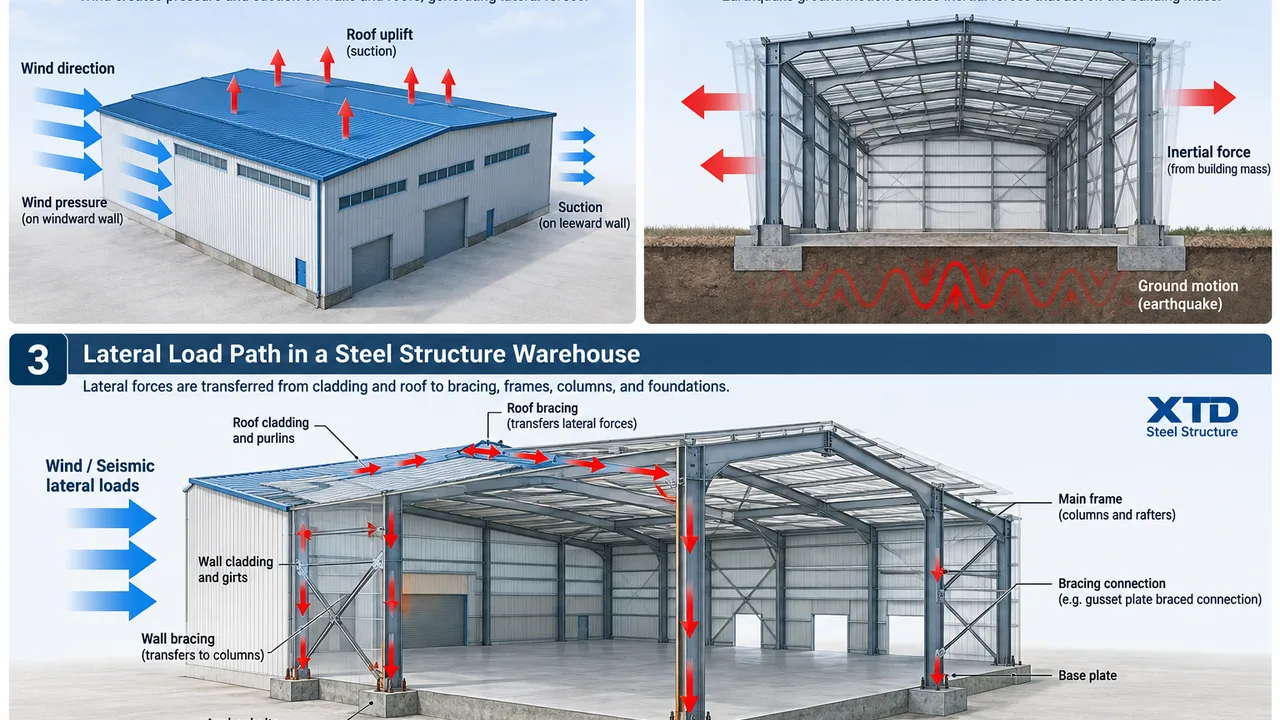
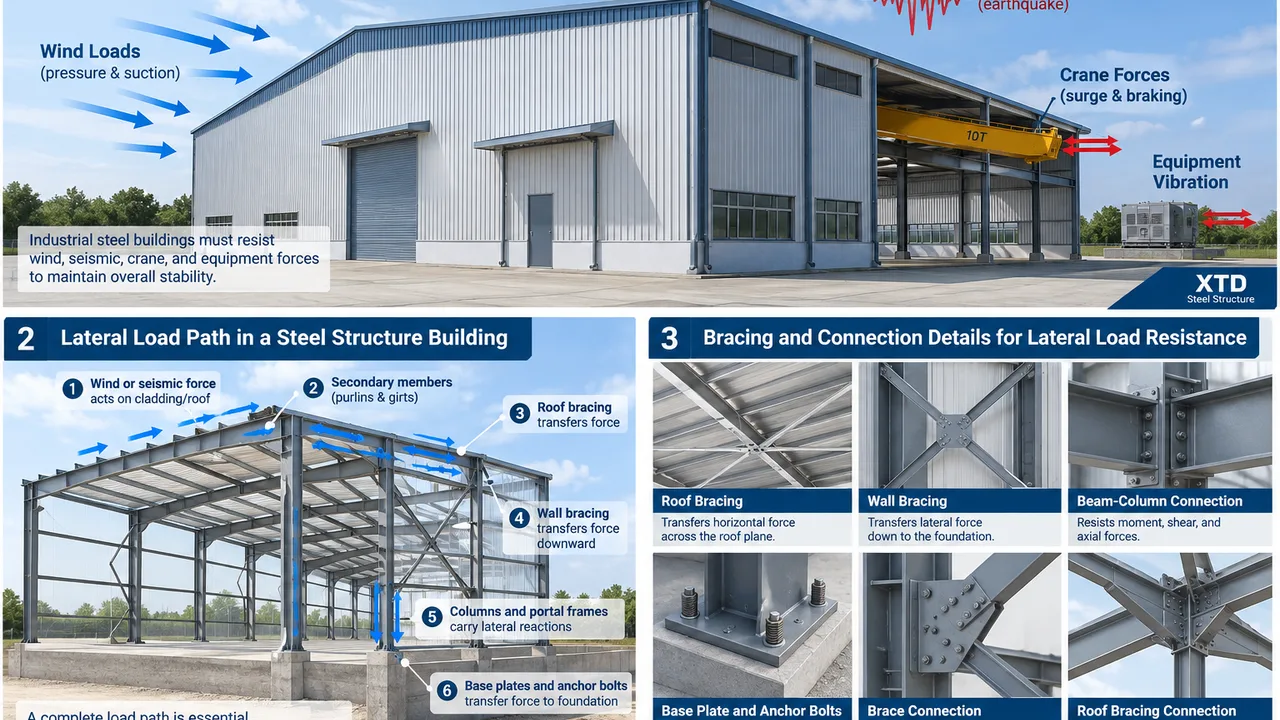
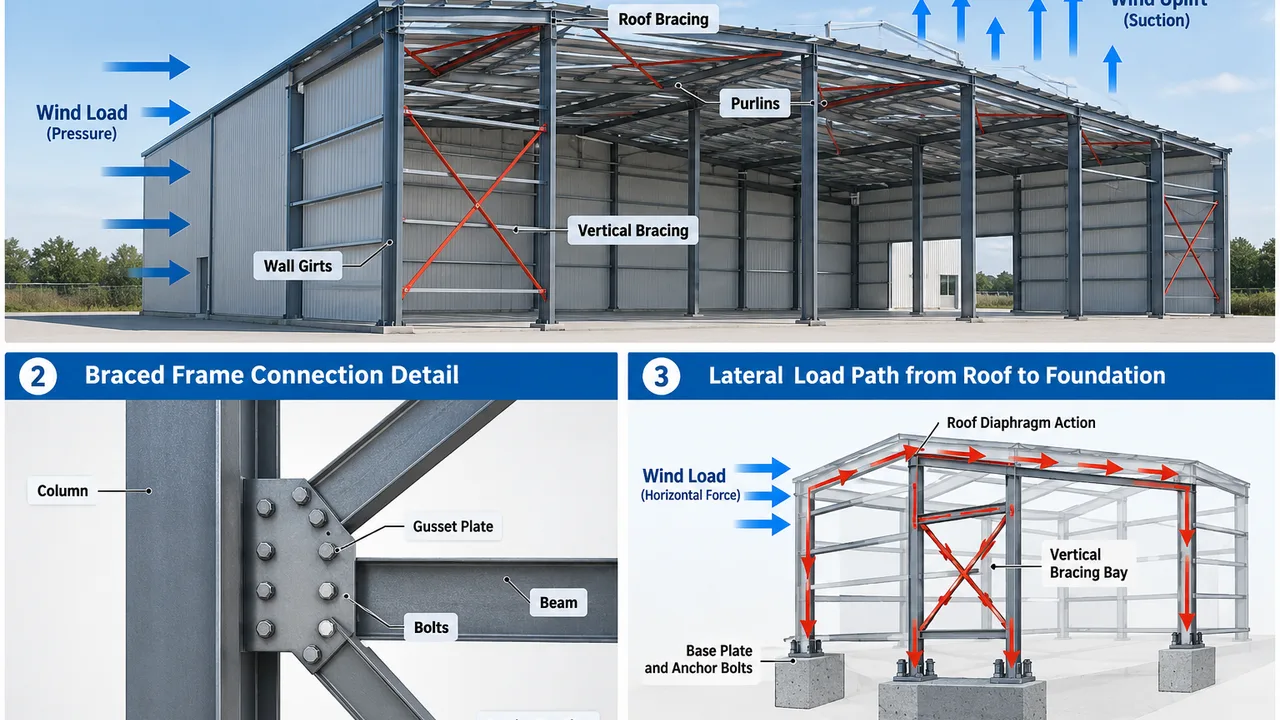
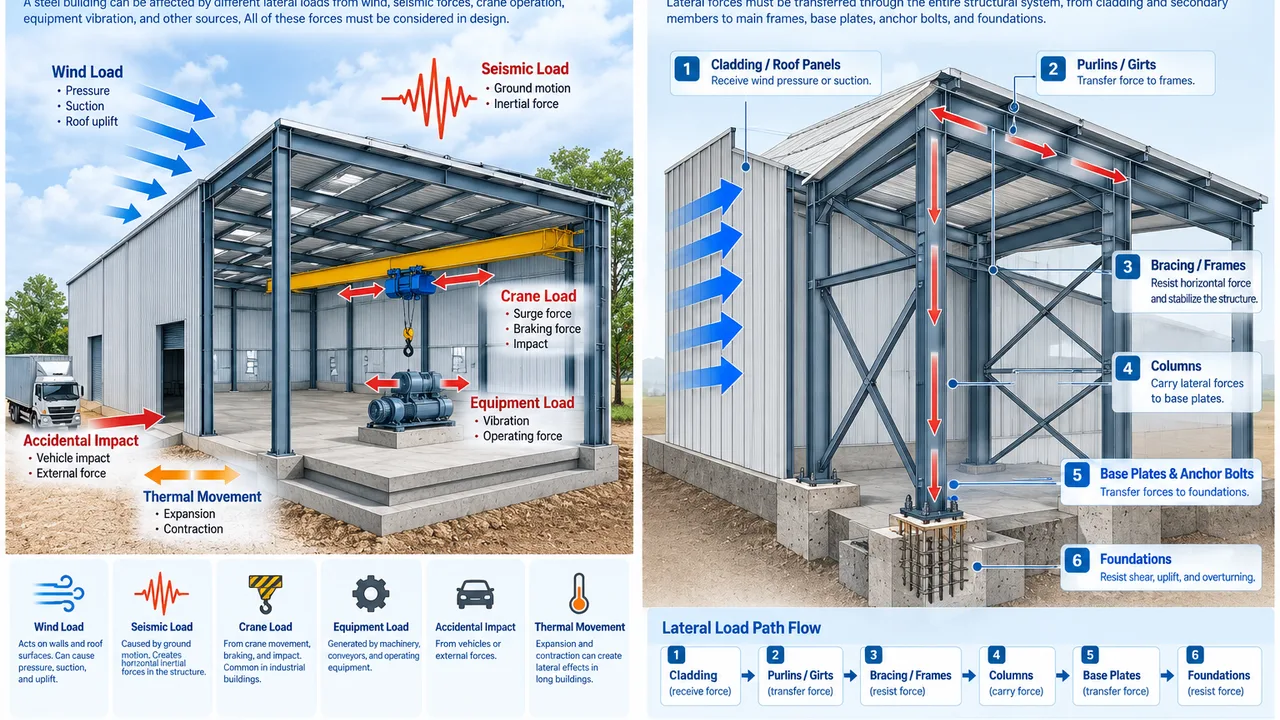
Factory steel structures are designed to support demanding industrial operations while maintaining structural stability under equipment loads, wind loads, seismic loads, and operational movement. These buildings often require large-span interiors, strong framing systems, and flexible layouts for machinery placement.
Modern fabrication companies integrate structural design, fabrication drawings, material processing, welding, surface treatment, logistics planning, and installation coordination into one complete workflow. This integrated process helps ensure that the final factory structure performs reliably throughout its service life.
Types of Factory Steel Fabrication
Manufacturing Plant Steel Structures
Manufacturing plants require durable structural systems capable of supporting heavy equipment, production loads, and long-term industrial use. Fabricated steel structures provide the strength and flexibility required for these demanding environments.
These structures are commonly used for:
- Heavy manufacturing plants
- Industrial production buildings
- Processing facilities
- Equipment-supporting structures
Manufacturing plant steel structures often require high load capacity, reliable connections, and careful coordination with equipment layout.
Production Workshop Steel Fabrication
Production workshops need flexible structural layouts that can support different manufacturing processes. Steel fabrication allows engineers to design workshops with wide interior spans, efficient crane movement, and adaptable work zones.
This flexibility is especially useful for factories that may need future production line adjustments, machinery upgrades, or capacity expansion.
Prefabricated Factory Steel Structures
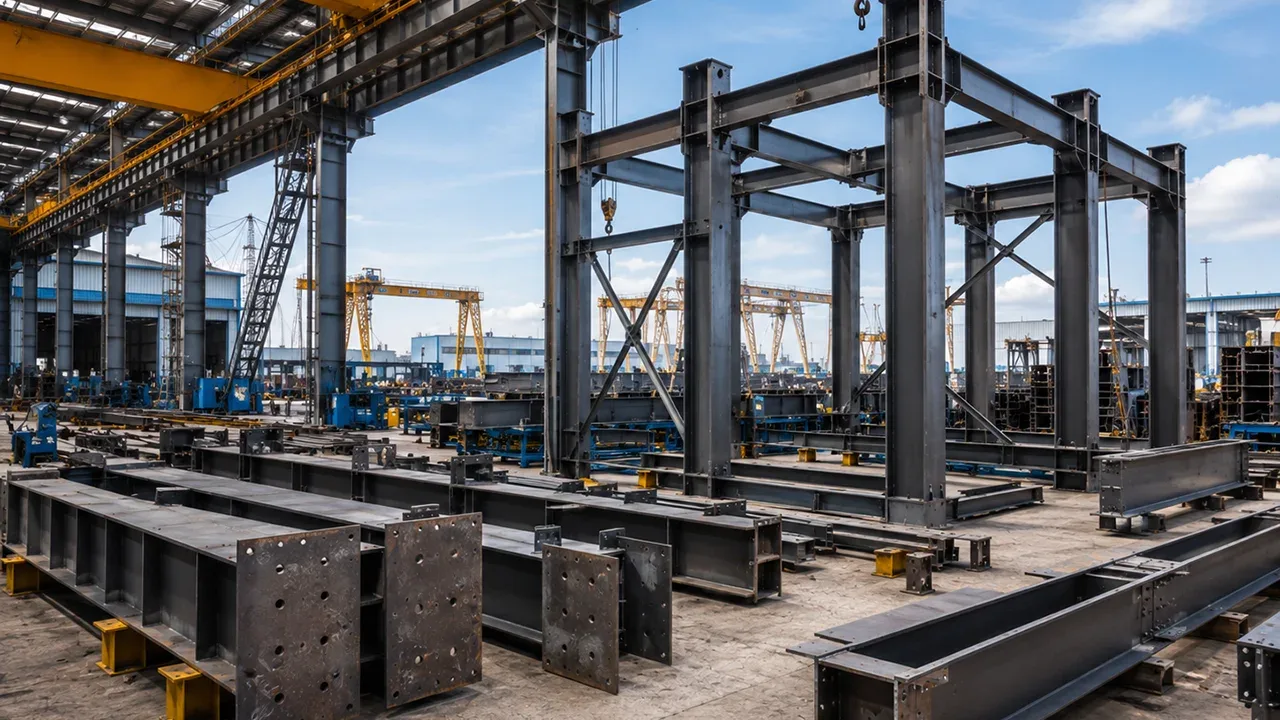
Prefabricated factory steel structures are manufactured in controlled production facilities before being transported to the project site for assembly. This approach improves manufacturing consistency, reduces on-site work, and supports faster construction timelines.
Prefabrication also helps factory projects maintain better schedule control, especially when construction speed and early production readiness are important.
Applications of Steel Fabrication for Factories
Industrial Manufacturing Facilities
Industrial manufacturing facilities require strong steel structures that can support machinery, overhead cranes, production equipment, and heavy operational loads. Fabricated steel systems provide the stability needed for continuous factory operations.
Steel structures also allow factory layouts to be planned around workflow efficiency, equipment positioning, and future expansion requirements.
Automotive and Equipment Factories
Automotive and equipment factories often require large-span structures with high roof clearance and crane-supported production systems. Steel fabrication makes it possible to create open interiors that support assembly lines, lifting operations, and equipment handling.
These factories often depend on accurate structural fabrication to ensure proper alignment, crane beam performance, and safe operational movement.
Electronics and Light Industry Buildings
Electronics and light industry facilities often require clean, flexible, and expandable factory layouts. Fabricated steel structures can support efficient production lines, controlled environments, and modular expansion strategies.
For light industry projects, steel structures provide a practical balance between construction speed, layout flexibility, and long-term durability.
Engineering and Structural Design
Structural Analysis and Factory Design
Factory projects begin with structural analysis and layout planning. Engineers evaluate building span, column spacing, crane loads, equipment loads, roof loads, wind loads, seismic conditions, and operational requirements before fabrication begins.
Detailed structural design helps ensure that the factory frame can safely support both building loads and production-related demands.
Material Selection for Factory Buildings
Material selection plays an important role in factory building performance. Engineers typically consider:
- Steel grade and strength requirements
- Crane and machinery load requirements
- Environmental exposure conditions
- Corrosion resistance needs
- Long-term maintenance expectations
Proper material selection helps improve structural durability and operational reliability.
Fabrication Precision Standards
Factory projects require precise fabrication because installation efficiency depends on accurate component dimensions and alignment. Fabrication facilities use CNC equipment, automated processing systems, and quality control procedures to maintain dimensional accuracy throughout production.
Precision is especially important for crane beams, large-span frames, bolted connections, roof structures, and production-supporting steel systems.
Steel Fabrication Process for Factories
Material Cutting and CNC Processing
The fabrication process begins with steel cutting, drilling, and material preparation. Modern fabrication plants use CNC cutting systems, automated drilling equipment, and digital production workflows to achieve accurate component dimensions.
Efficient material processing helps reduce production waste, improve assembly accuracy, and maintain consistent manufacturing quality.
Welding and Structural Assembly
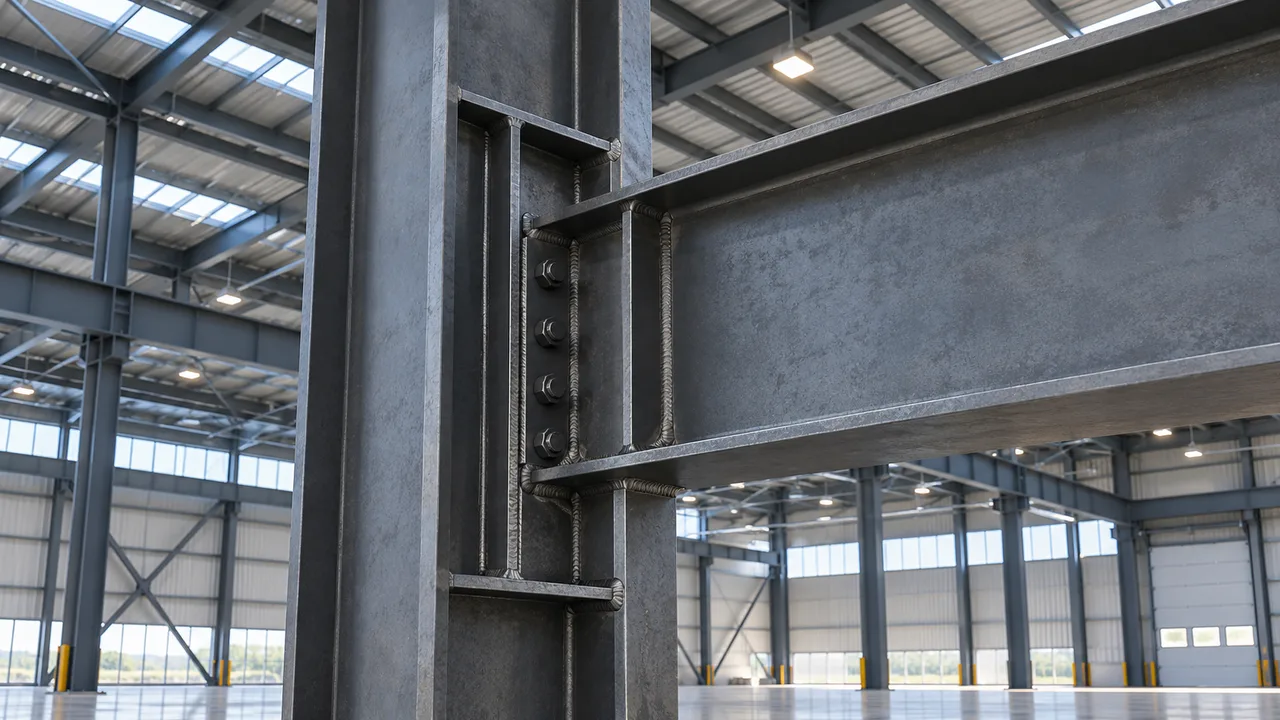
After processing, structural members are welded and assembled according to approved fabrication drawings. Welding procedures must follow strict quality standards to ensure structural strength and long-term reliability.
Fabrication teams monitor joint preparation, alignment, weld quality, and assembly accuracy throughout production.
Surface Treatment and Corrosion Protection
Factory steel components are typically protected with corrosion-resistant surface treatment systems designed to extend service life. Common protection systems include:
- Hot-dip galvanizing
- Industrial anti-corrosion coatings
- Protective paint systems
These treatments help protect factory structures from environmental exposure, humidity, chemical conditions, and long-term wear.
Quality Control and Inspection
Welding Inspection and NDT
Welding quality is a key part of any steel fabrication for factories project. Inspection procedures may include visual inspection, ultrasonic testing, magnetic particle testing, and other non-destructive testing methods.
These inspections help verify structural integrity before components are delivered to the construction site.
Dimensional Inspection and Structural Verification
Fabrication workshops perform dimensional inspections throughout production to ensure that components match engineering tolerances and assembly requirements.
Accurate dimensional verification reduces installation difficulties and helps maintain factory construction schedules.
Compliance with International Industrial Standards
Factory steel fabrication projects often follow international structural steel standards, welding specifications, and quality assurance procedures. Compliance helps ensure safety, reliability, and consistency across industrial projects.
Transportation and Installation Coordination
Packaging and Shipping Planning
After fabrication and inspection, steel components are packaged and prepared for transportation. Shipping planning must consider component size, packing method, delivery sequence, and site installation schedule.
Proper packaging helps protect fabricated components during transportation, export handling, and site unloading.
Factory Site Installation Planning
Efficient delivery planning ensures that factory steel components arrive in the correct installation sequence. This reduces site congestion and improves erection efficiency.
Coordinated delivery is especially important for factory projects with crane systems, multiple production zones, and phased construction schedules.
Technical Support During Factory Construction
Many fabrication providers offer technical support during erection and installation. Engineering coordination helps construction teams resolve installation questions, confirm structural alignment, and maintain accuracy during assembly.
Advantages of Professional Steel Fabrication for Factories
- High structural strength and reliability
- Large-span industrial layout flexibility
- Faster factory construction schedules
- Efficient prefabricated manufacturing
- Long-term operational durability
These advantages make fabricated steel systems highly suitable for factory projects that require speed, structural safety, layout flexibility, and long-term industrial performance.
Why Choose an Experienced Factory Steel Fabrication Company
Advanced Manufacturing Facilities
Modern fabrication workshops use CNC equipment, automated production systems, and digital manufacturing management to improve efficiency and consistency.
Industrial Engineering Expertise
Experienced engineering teams understand factory-specific requirements such as crane loads, machinery foundations, production layouts, ventilation needs, and future expansion planning.
International Factory Project Experience
Global project experience helps fabrication companies manage export logistics, international standards, and project coordination across different construction environments.
As an experienced structural steel supplier, XTD Steel Structure provides integrated engineering, fabrication, and project coordination services for factory, manufacturing, and industrial building projects worldwide.
Frequently Asked Questions
What is steel fabrication for factories?
Steel fabrication for factories is the process of manufacturing structural steel components used to build factory buildings, manufacturing plants, workshops, and industrial facilities.
Why are steel structures widely used in factories?
Steel structures are widely used because they provide high strength, large-span layouts, fast construction, crane support capability, and flexible factory planning.
How long does factory steel fabrication take?
Fabrication timelines depend on factory size, structural complexity, crane requirements, engineering details, surface treatment, and transportation planning.
What standards are followed for factory structures?
Factory steel fabrication projects typically follow international structural steel standards, welding specifications, and quality inspection procedures.
Start Your Steel Fabrication for Factories Project
Steel fabrication for factories provides the structural strength, manufacturing precision, and layout flexibility required for modern industrial production facilities. With proper engineering, controlled fabrication, and coordinated installation planning, fabricated steel factory systems can deliver reliable long-term performance.
Working with an experienced fabrication partner helps ensure efficient production, reliable quality, and successful factory construction from design through installation.