Why Steel Fabrication Is Essential for Industrial Projects
Industrial facilities require structures capable of supporting continuous operations, heavy machinery, material handling systems, and future expansion requirements. Steel fabrication provides the flexibility and strength necessary to meet these demands.
Unlike traditional construction methods that rely heavily on site-built components, fabricated steel structures are manufactured in controlled production environments before being delivered for installation. This approach improves consistency, reduces field labor, and accelerates project schedules.
As industrial buildings continue to increase in size and complexity, steel fabrication remains one of the most practical solutions for achieving structural performance and construction efficiency.
Understanding Steel Fabrication for Industrial Projects
Steel Fabrication for Industrial Projects refers to the process of transforming raw steel materials into finished structural components that are used in industrial construction.
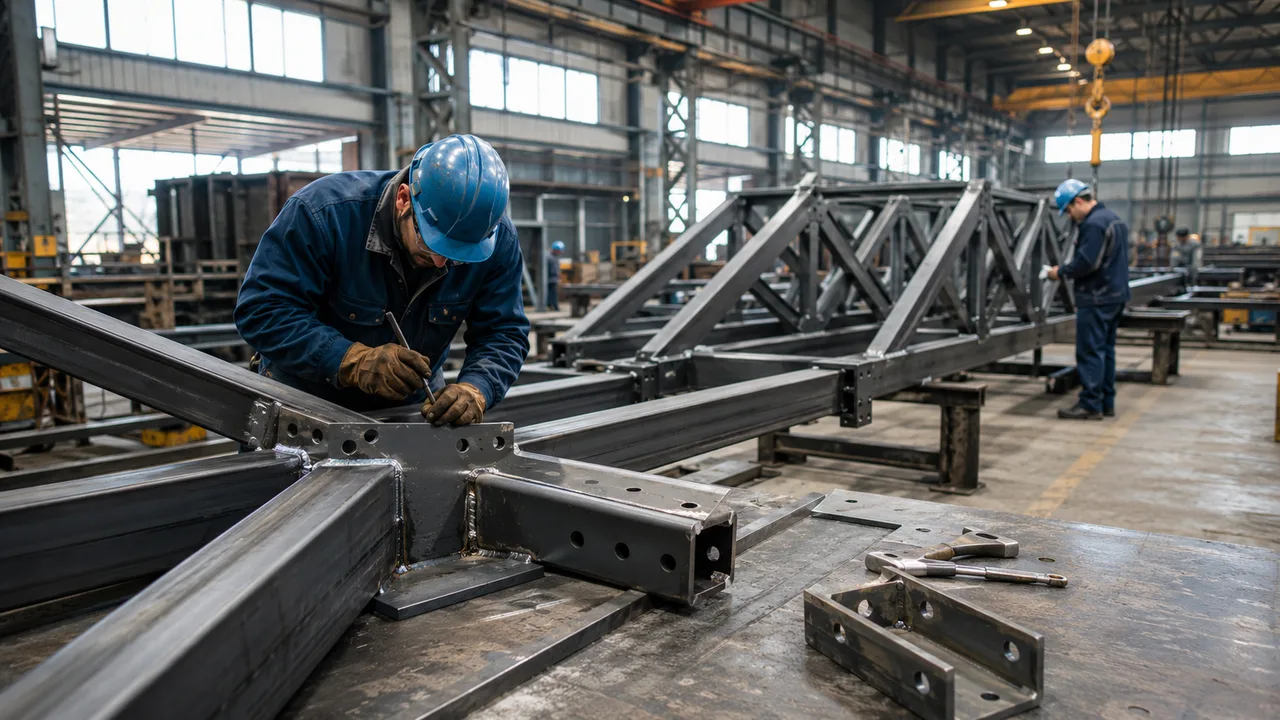
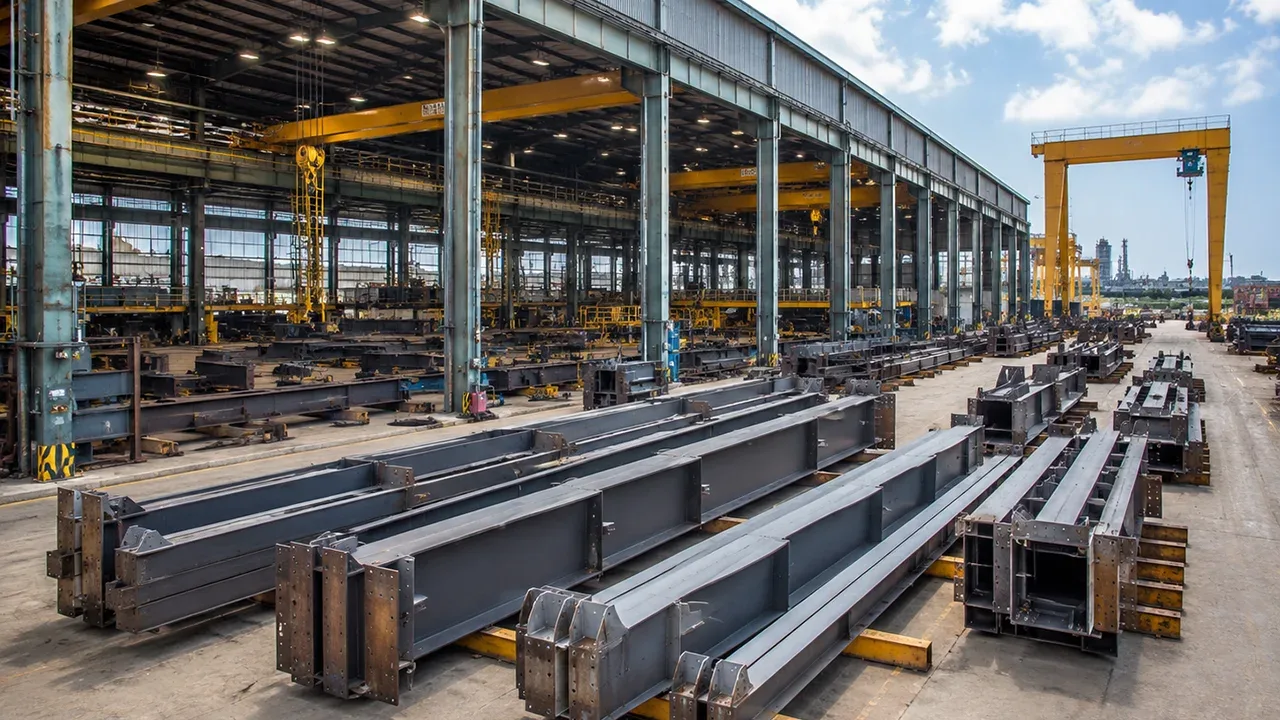
The process involves engineering coordination, material preparation, cutting, drilling, welding, assembly, surface treatment, quality inspection, and delivery planning.
Fabricated steel components are produced according to approved engineering drawings and project specifications. Once completed, these components are shipped to the construction site for assembly and installation.
The use of prefabricated steel components helps improve project predictability while reducing construction challenges associated with on-site fabrication.
Types of Industrial Projects That Require Steel Fabrication
Manufacturing Plants
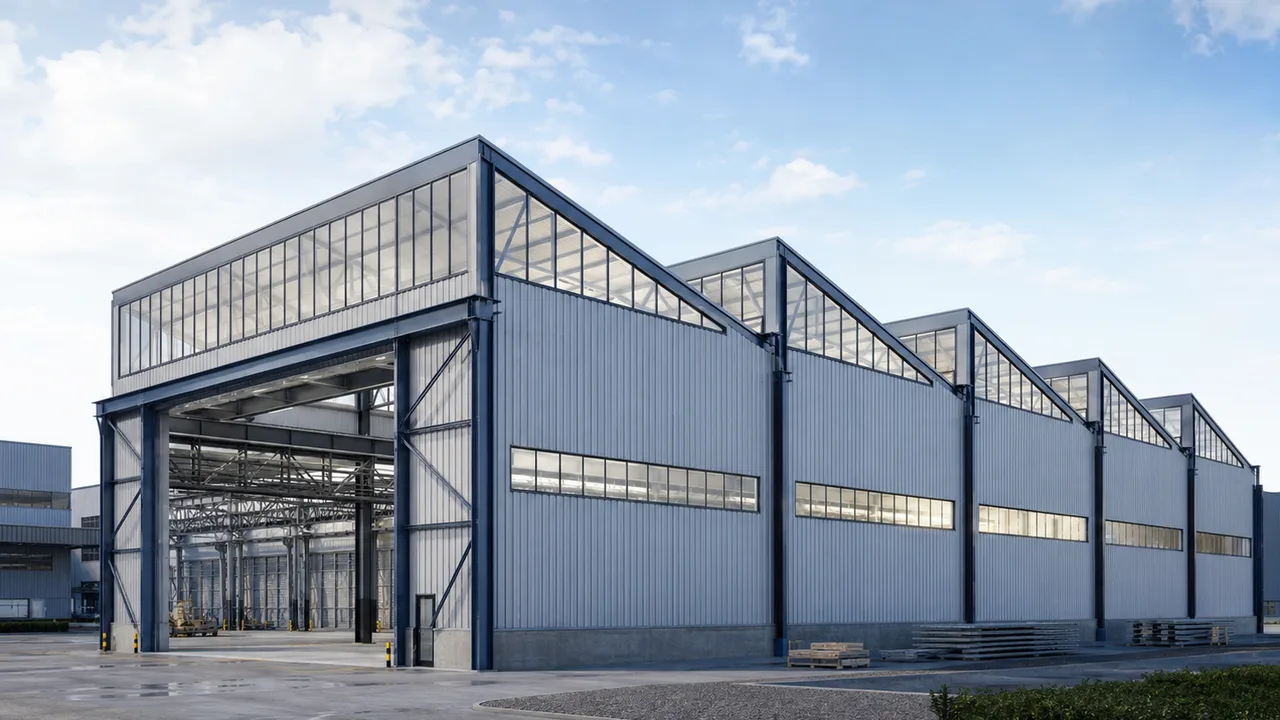
Manufacturing facilities require strong structural systems capable of supporting production equipment, overhead cranes, utilities, and operational loads.
Fabricated steel components provide the structural framework necessary for efficient production environments while allowing future modifications and expansion.
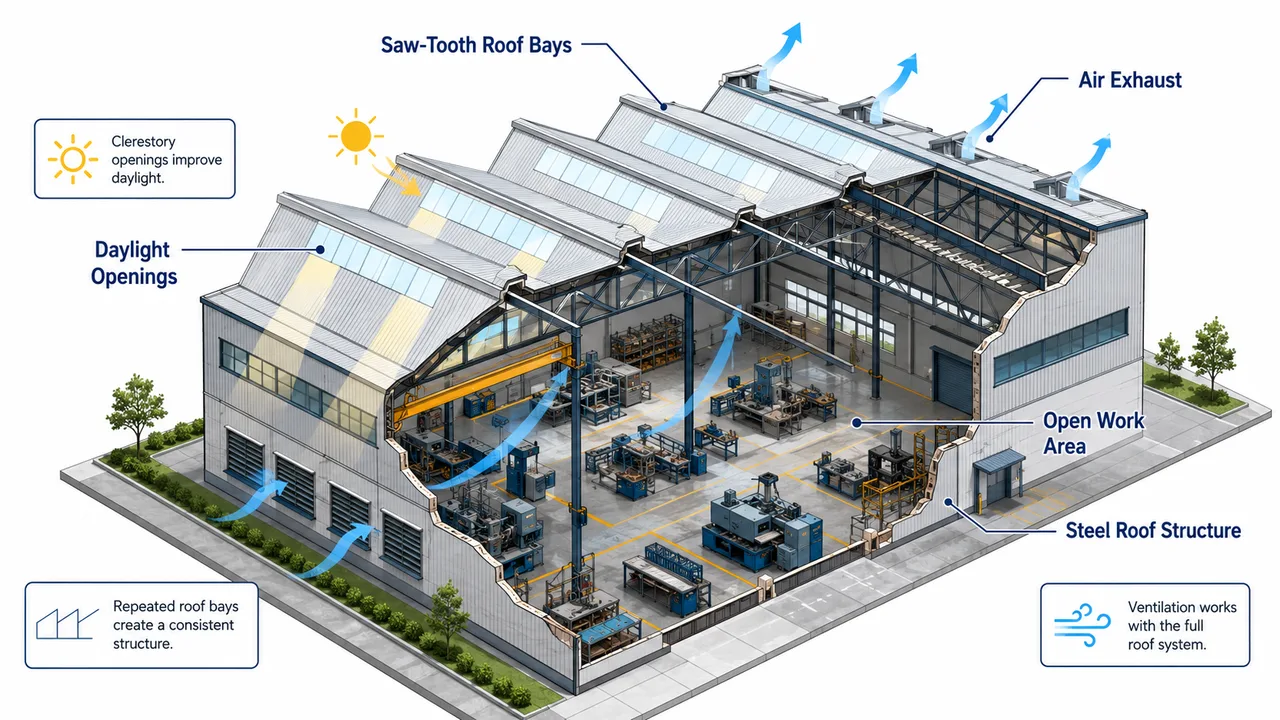
Industrial workshops, assembly facilities, processing plants, and production buildings commonly rely on fabricated steel structures.
Logistics and Distribution Centers
Warehouses and logistics centers require large-span spaces that maximize storage capacity and improve operational flexibility.
Fabricated steel systems help create column-free interior areas that support automated storage systems, distribution activities, and material handling operations.
Distribution hubs and fulfillment centers frequently utilize steel fabrication because of its speed of construction and adaptability.
Energy and Infrastructure Facilities
Energy facilities often contain heavy equipment, specialized support structures, and demanding operational requirements.
Steel fabrication supports the construction of power plants, utility buildings, industrial infrastructure facilities, and process-related structures that require high structural reliability.
The ability to customize fabricated steel components makes them suitable for complex industrial environments.
Structural Components Commonly Fabricated
Steel Columns and Beams
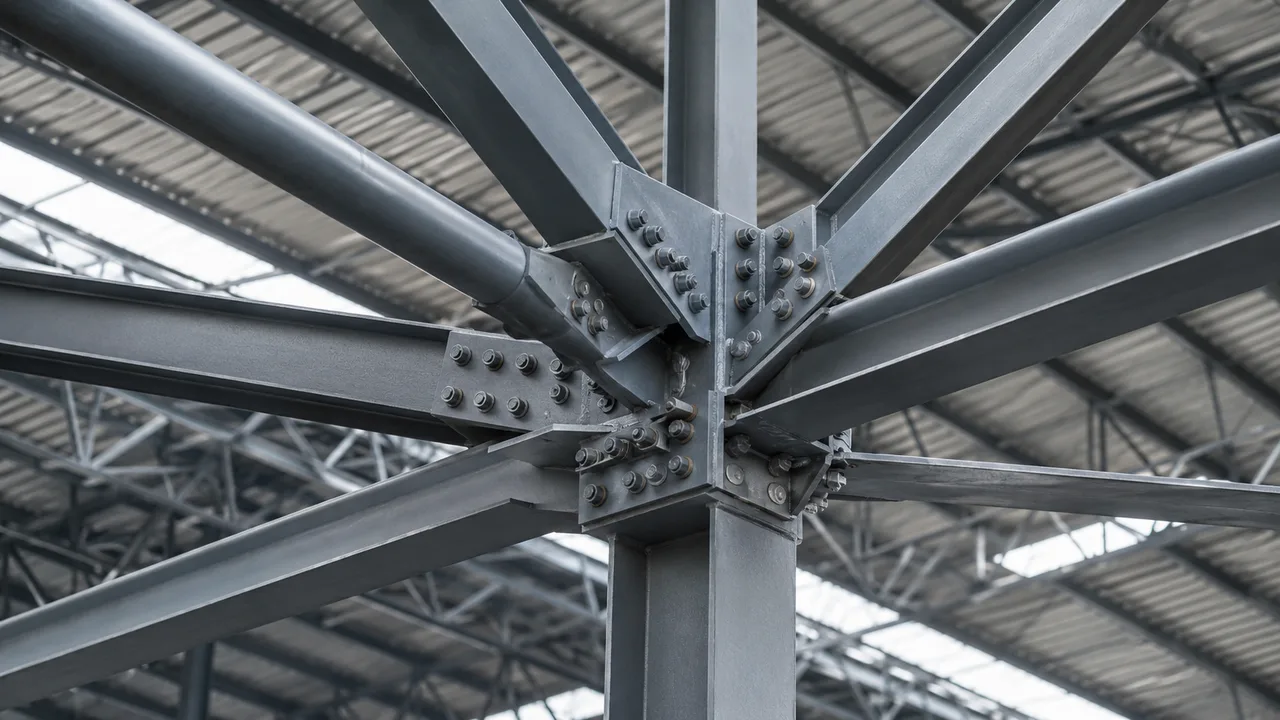
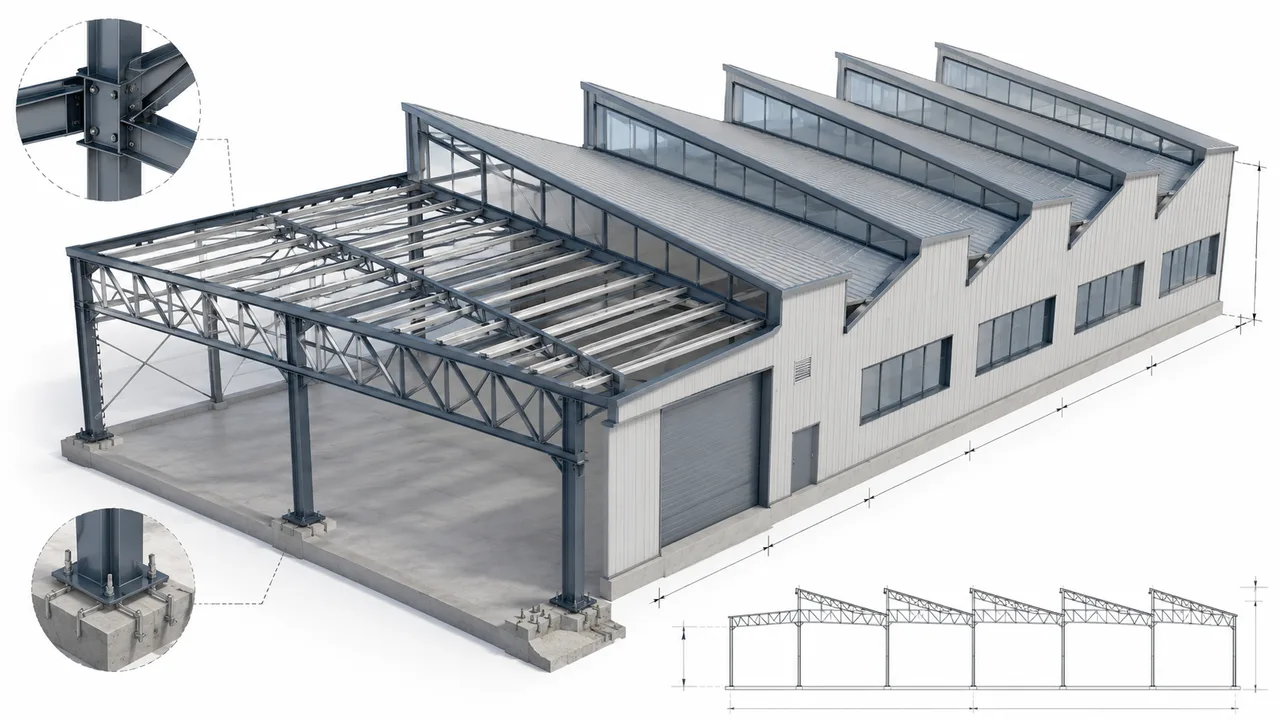
Steel columns and beams form the primary structural framework of industrial buildings. These components transfer loads safely to the foundation while supporting roof systems, equipment, and operational activities.
Fabrication accuracy is important because dimensional consistency directly affects installation efficiency and structural performance.
Trusses and Large-Span Structures
Many industrial facilities require wide-span building layouts that reduce internal obstructions and improve operational flexibility.
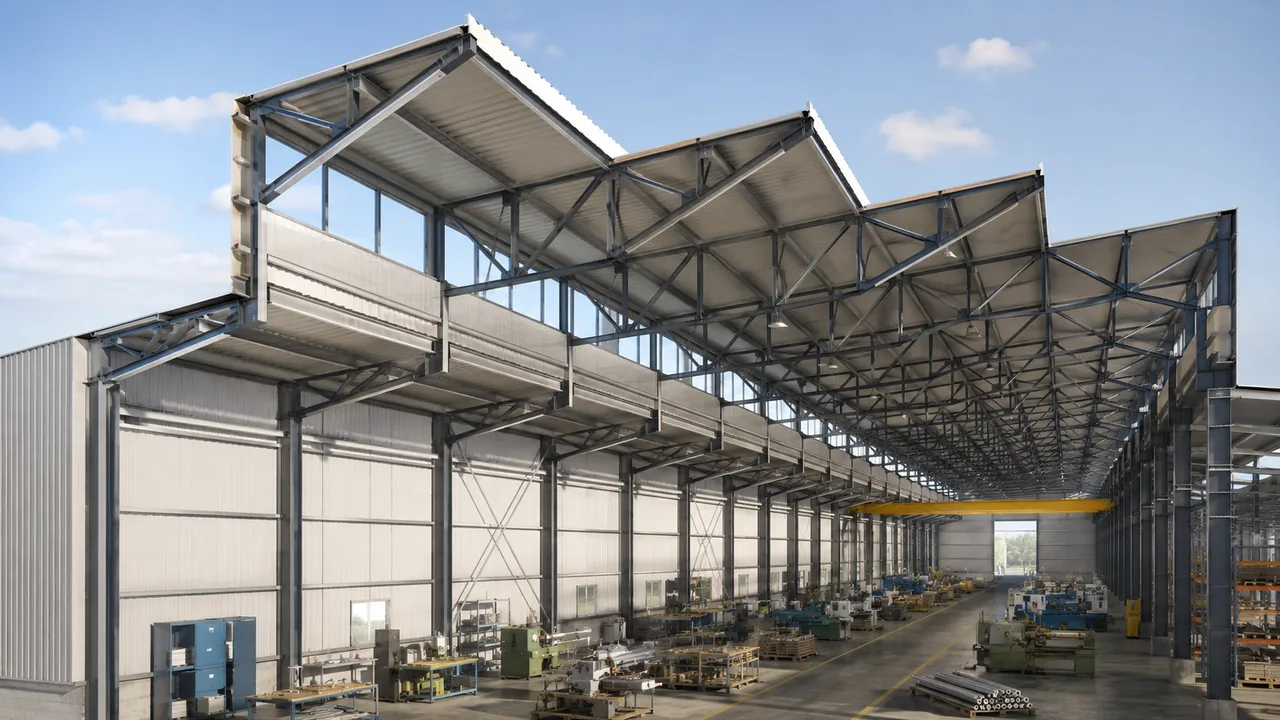
Fabricated trusses and long-span structural systems provide effective solutions for warehouses, factories, processing facilities, and industrial storage buildings.
These systems can support large roof areas while maintaining structural efficiency.
Platforms and Support Structures
Industrial projects frequently require equipment platforms, maintenance walkways, pipe racks, and support structures.
Steel fabrication allows these specialized components to be manufactured according to exact project requirements and installation conditions.
Custom fabrication helps improve both safety and operational functionality.
Engineering and Design Coordination
Structural Detailing
Successful fabrication begins with accurate structural detailing. Shop drawings, connection designs, and fabrication specifications provide the information necessary for efficient production.
Detailed engineering documentation reduces manufacturing errors and improves coordination between project stakeholders.
Material Selection
Material selection influences structural performance, durability, and maintenance requirements.
Engineering teams typically evaluate:
- Steel grades and strength requirements
- Project loading conditions
- Environmental exposure factors
- Corrosion protection requirements
- Lifecycle performance expectations
Choosing the correct material helps ensure long-term reliability and project success.
Design Optimization
Fabrication specialists often work with project teams to improve design efficiency before production begins.
Optimization may reduce material consumption, improve constructability, simplify installation procedures, and lower overall project costs.
Early collaboration often results in better project outcomes and improved resource utilization.
Steel Fabrication Process for Industrial Projects
Material Procurement and Inspection
The fabrication process begins with sourcing materials that comply with project specifications.
Incoming materials are inspected to verify steel grades, dimensions, quality certifications, and traceability documentation.
This initial verification stage helps establish quality consistency throughout production.
Cutting, Drilling, and Assembly
Modern fabrication facilities use CNC machinery and automated processing equipment to improve production accuracy.
Steel plates and structural sections are cut, drilled, shaped, and prepared according to approved fabrication drawings.
These processes help ensure precise component dimensions and efficient assembly.
Welding and Structural Assembly
Welding is one of the most important stages in industrial steel fabrication.
Qualified welders and approved welding procedures help ensure structural integrity, load-bearing performance, and long-term reliability.
Fabricated assemblies must meet project specifications before moving to the next production stage.
Surface Treatment and Protection
Protective treatments help improve durability and corrosion resistance.
Common protection methods include:
- Hot-dip galvanizing
- Industrial protective coatings
- Multi-layer paint systems
Proper surface protection can significantly extend service life and reduce maintenance costs.
Quality Control in Industrial Steel Fabrication
Material Traceability
Material traceability helps verify that fabricated components originate from approved materials.
Traceability systems provide documentation that supports quality assurance and project compliance requirements.
Maintaining accurate records improves transparency throughout the manufacturing process.
Welding Inspection
Weld quality directly influences structural performance and safety.
Inspection activities may include visual examination, ultrasonic testing, magnetic particle testing, and other non-destructive testing methods.
These procedures help identify potential defects before components leave the factory.
Dimensional Verification
Dimensional inspection ensures that fabricated components comply with approved drawings and specified tolerances.
Accurate verification reduces installation issues and helps improve project efficiency.
This is especially important for large industrial structures where assembly precision is critical.
Logistics and Delivery Planning
Packaging and Transportation
Proper packaging protects fabricated steel components during transportation and handling.
Packaging methods are selected according to project requirements, transportation modes, and delivery schedules.
For export projects, careful planning helps minimize transportation risks and improve delivery reliability.
Site Delivery Coordination
Delivery planning helps ensure that fabricated components arrive according to installation schedules.
Coordinated deliveries reduce site congestion and improve erection efficiency.
This approach is particularly valuable for large industrial projects with multiple construction phases.
Technical Support During Installation
Many fabrication partners provide engineering assistance during installation.
Technical support may include drawing clarification, erection guidance, and coordination with construction teams.
This support helps maintain installation quality and resolve field issues efficiently.
Advantages of Steel Fabrication for Industrial Projects
- Faster construction schedules through prefabricated production
- Improved quality control in factory environments
- Greater structural reliability and consistency
- Reduced on-site labor requirements
- More efficient project cost management
These advantages help industrial project owners achieve better project outcomes while maintaining safety, quality, and schedule objectives.
Why Choose an Experienced Industrial Steel Fabrication Partner
Advanced Fabrication Facilities
Modern fabrication facilities utilize CNC machinery, automated processing equipment, and advanced production systems to improve manufacturing efficiency.
These resources help support both standard and highly customized industrial projects.
Industrial Project Experience
Experienced fabrication partners understand the unique requirements associated with industrial construction.
Their knowledge helps improve project planning, manufacturing coordination, and construction execution.
Integrated Project Support
Successful industrial projects require coordination between engineering, fabrication, logistics, and construction teams.
As an experienced fabrication partner, XTD Steel Structure provides integrated support throughout the entire project lifecycle, helping clients achieve reliable and efficient project delivery.
Frequently Asked Questions
What is steel fabrication for industrial projects?
It is the process of manufacturing structural steel components used in factories, warehouses, processing facilities, power plants, and other industrial buildings.
What industrial facilities use fabricated steel?
Manufacturing plants, logistics centers, warehouses, industrial workshops, processing facilities, and energy infrastructure commonly utilize fabricated steel structures.
How long does industrial steel fabrication take?
Production schedules depend on project size, fabrication complexity, material availability, and surface treatment requirements.
What quality standards are followed?
Industrial steel fabrication typically follows structural steel standards, welding specifications, inspection procedures, and quality management systems required by the project.
Start Your Industrial Steel Project
Steel Fabrication for Industrial Projects provides the structural foundation necessary for efficient industrial development. Through precise engineering, controlled manufacturing, rigorous quality inspection, and coordinated delivery, fabricated steel systems help support successful project execution.
Partnering with an experienced fabrication company ensures reliable production, professional engineering support, and efficient project delivery from initial planning through final installation.