Why Steel Fabrication Is Essential for Infrastructure Projects
Infrastructure projects often involve large structures, complex engineering requirements, and long service life expectations. Structural steel offers an ideal solution because it combines high strength with relatively low weight, making it suitable for a wide range of applications.
Unlike many traditional construction materials, fabricated steel can be produced with high precision in controlled factory environments. This approach improves quality consistency while reducing construction risks on-site.
For transportation systems, utility facilities, and public infrastructure, steel fabrication supports efficient construction while maintaining strict safety and performance standards.
What Is Steel Fabrication for Infrastructure?
Steel fabrication for infrastructure refers to the manufacturing of structural steel components specifically designed for infrastructure projects. The process transforms raw steel materials into engineered components ready for transportation and installation.
The fabrication process typically includes:
- Engineering review and detailing
- Material procurement
- Cutting and drilling
- Welding and assembly
- Surface treatment
- Quality inspection
- Packaging and delivery
Each step is carefully managed to ensure that fabricated components meet project specifications and infrastructure performance requirements.
Types of Infrastructure Projects Using Fabricated Steel
Bridges and Transportation Structures
Bridges represent one of the most common applications for fabricated steel. Structural steel provides the load-bearing capacity necessary for highway bridges, pedestrian bridges, railway crossings, and elevated transportation systems.
Steel fabrication allows engineers to create large-span structures that minimize support requirements while maximizing durability and safety.
Transportation infrastructure often requires customized structural components manufactured to exact specifications, making fabrication expertise essential.
Airports and Transportation Hubs
Modern airports, railway stations, and transportation terminals frequently use fabricated steel for primary structural systems. Large open spaces, long spans, and complex architectural designs can often be achieved more efficiently using steel structures.
Fabricated steel components support terminal buildings, roofing systems, pedestrian connections, and transportation infrastructure while maintaining structural efficiency.
Public Infrastructure Facilities
Government buildings, utility stations, maintenance facilities, public service centers, and infrastructure support structures often incorporate fabricated steel systems.
These facilities require dependable structural performance, efficient construction schedules, and long-term durability. Fabricated steel helps meet these objectives while supporting future maintenance and expansion needs.
Structural Steel Components Used in Infrastructure
Primary Structural Frames
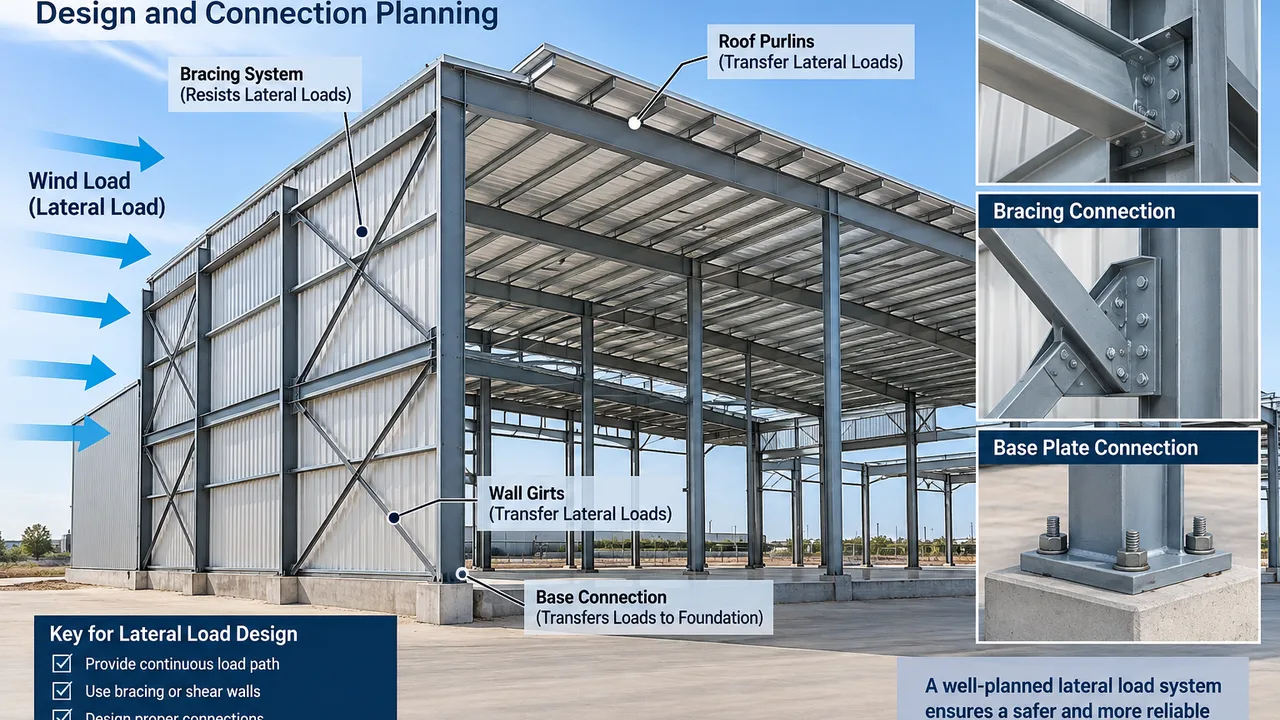
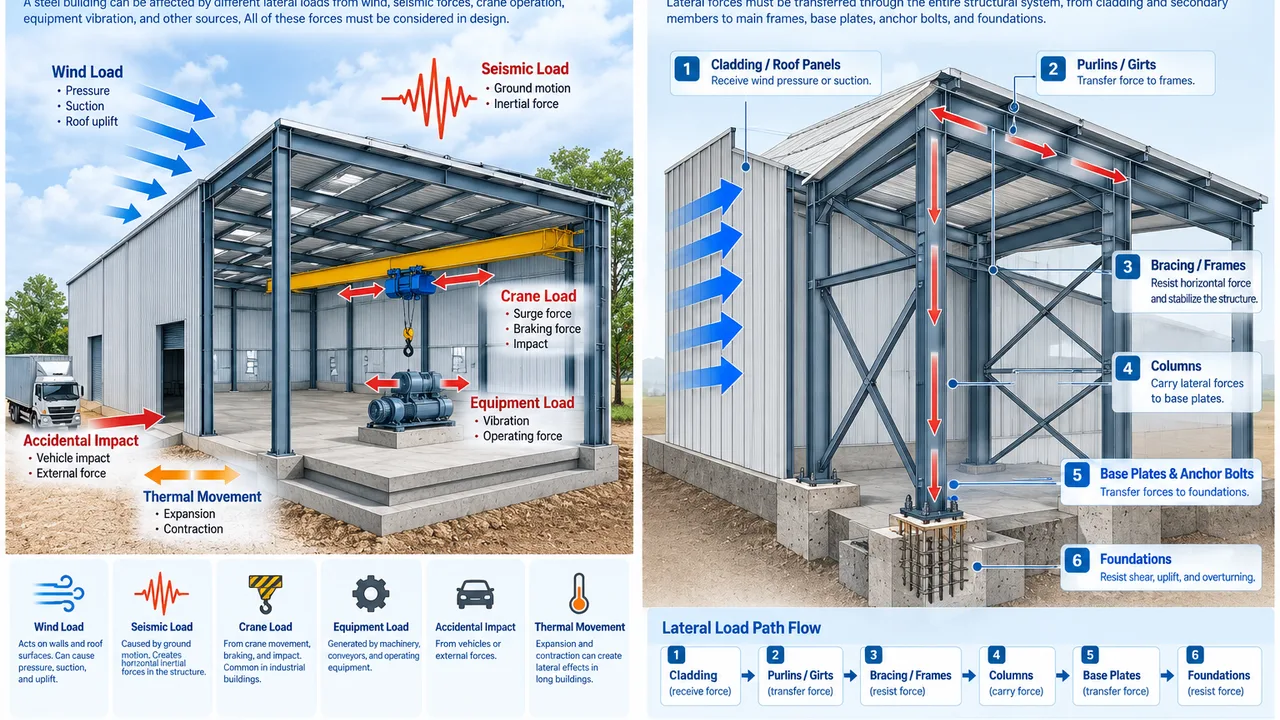
Infrastructure projects rely on primary structural systems that transfer loads safely throughout the structure. Common fabricated components include:
- Structural columns
- Primary beams
- Trusses
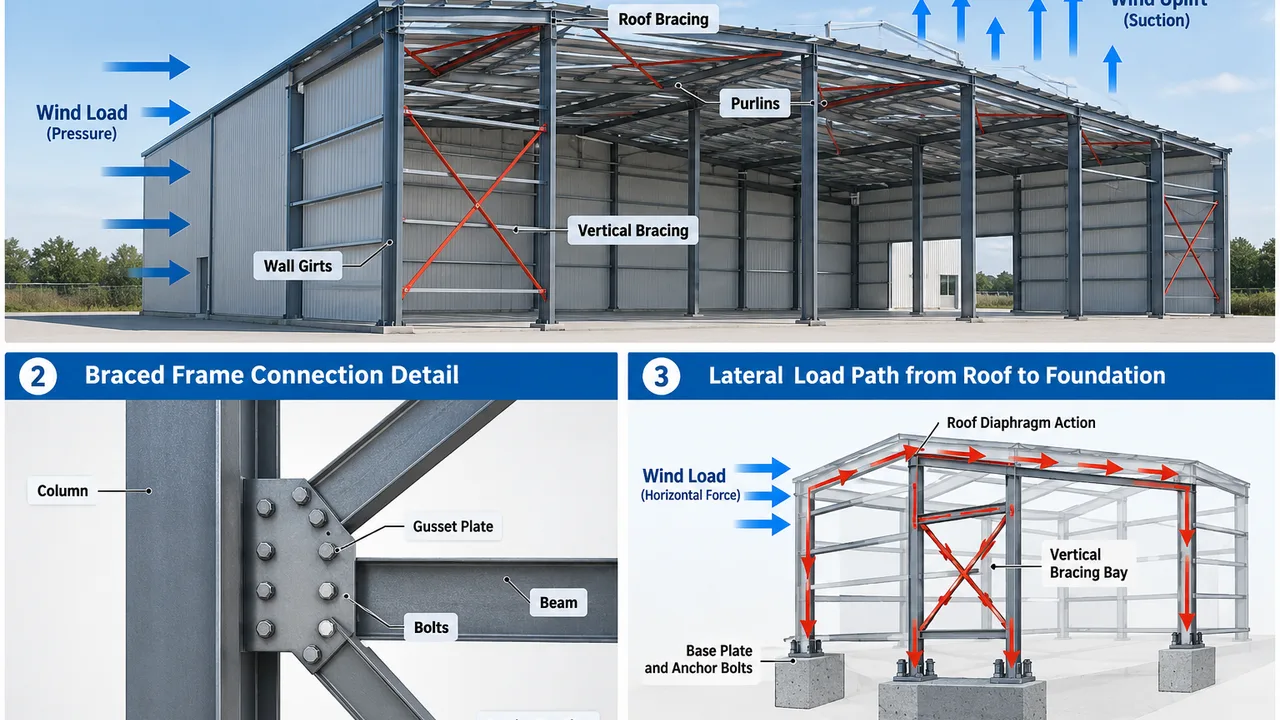
- Bracing systems
- Support frames
These elements form the backbone of transportation facilities, bridges, public buildings, and utility structures.
Heavy Steel Components
Many infrastructure projects require heavy steel assemblies capable of supporting substantial loads and spanning large distances.
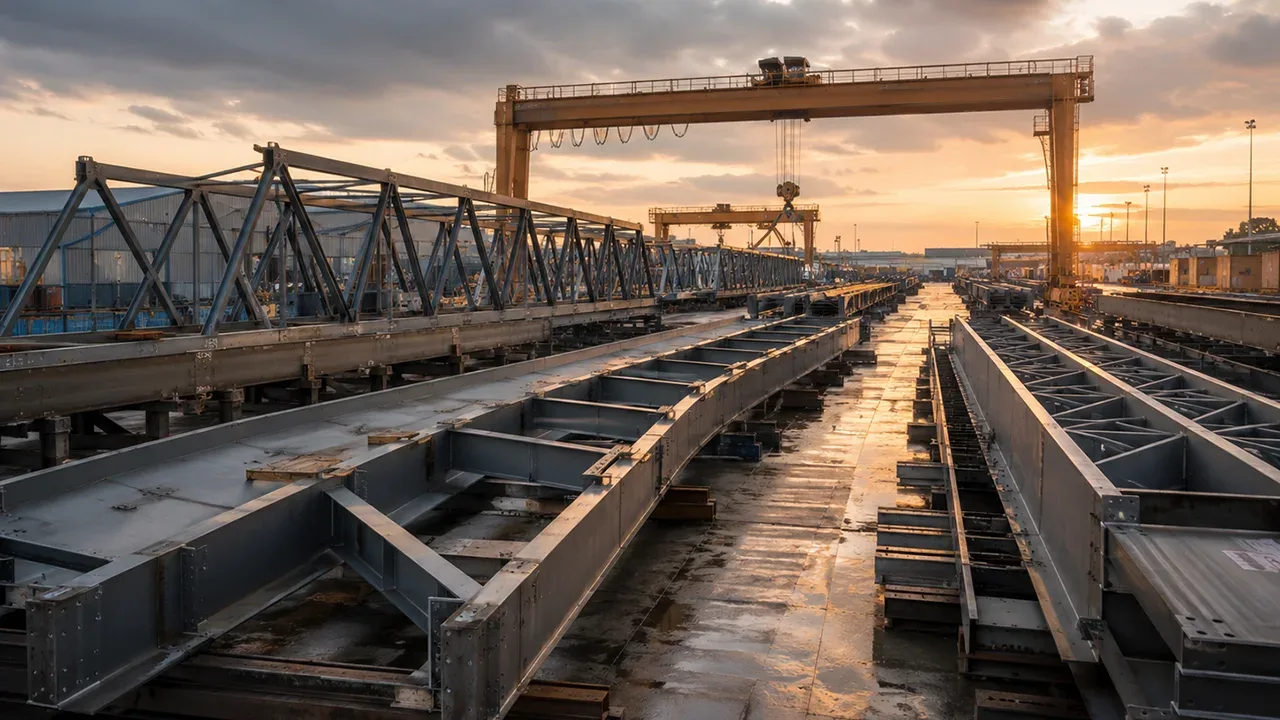
Heavy structural components may include bridge girders, transfer beams, equipment supports, and specialized structural systems designed for demanding applications.
Customized Fabricated Elements
Infrastructure projects rarely use identical structural configurations. Site conditions, engineering requirements, and operational demands often require customized fabrication solutions.
Special connection systems, curved members, architectural steel elements, and project-specific assemblies are frequently produced through advanced fabrication processes.
Engineering and Design Coordination
Structural Analysis
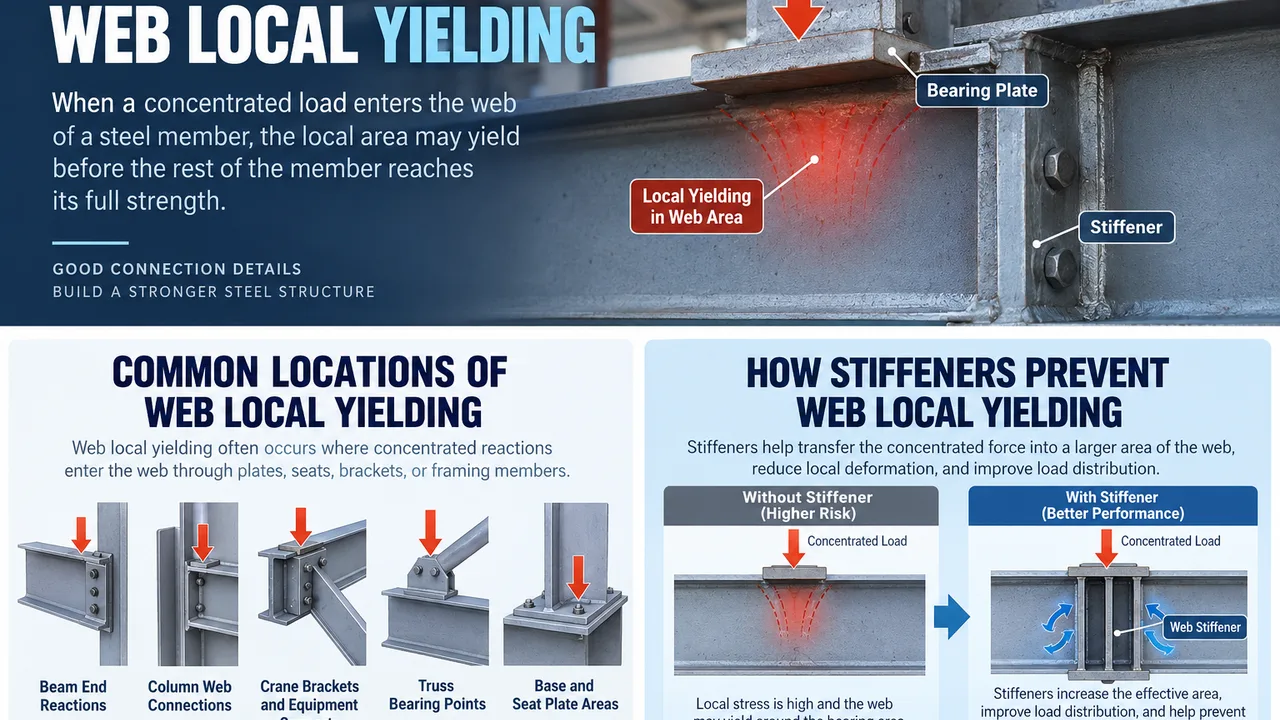
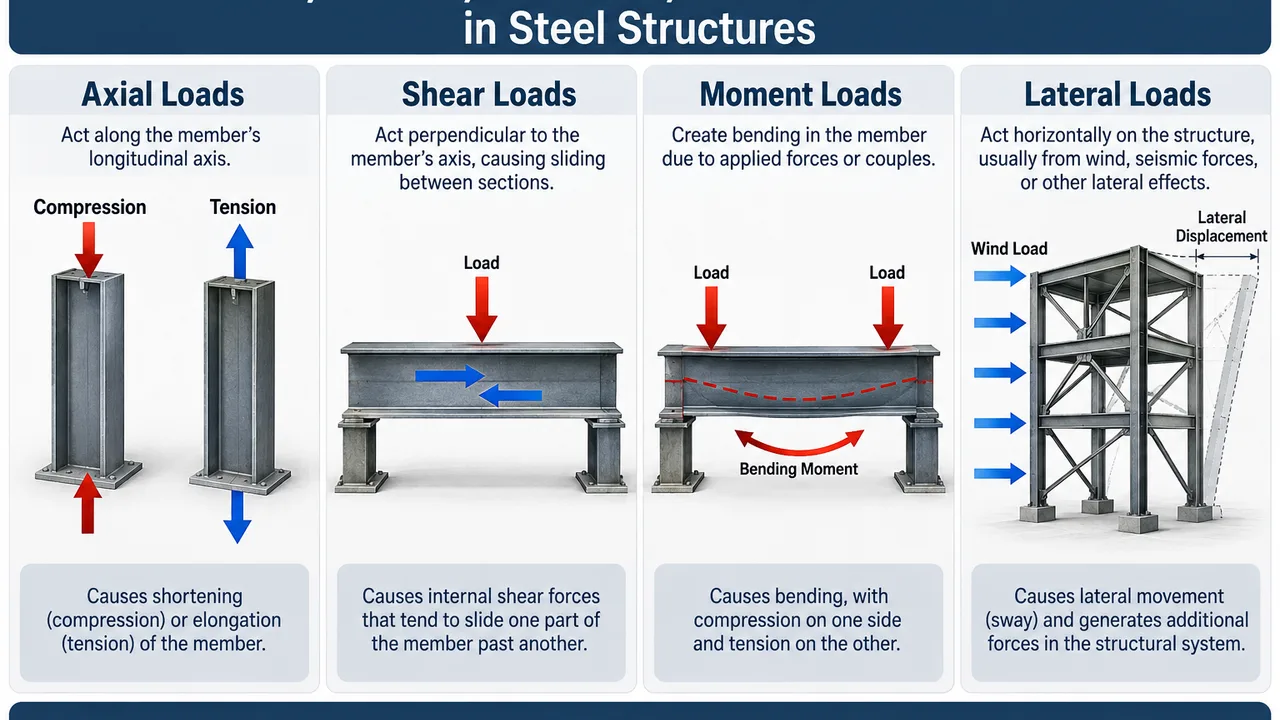
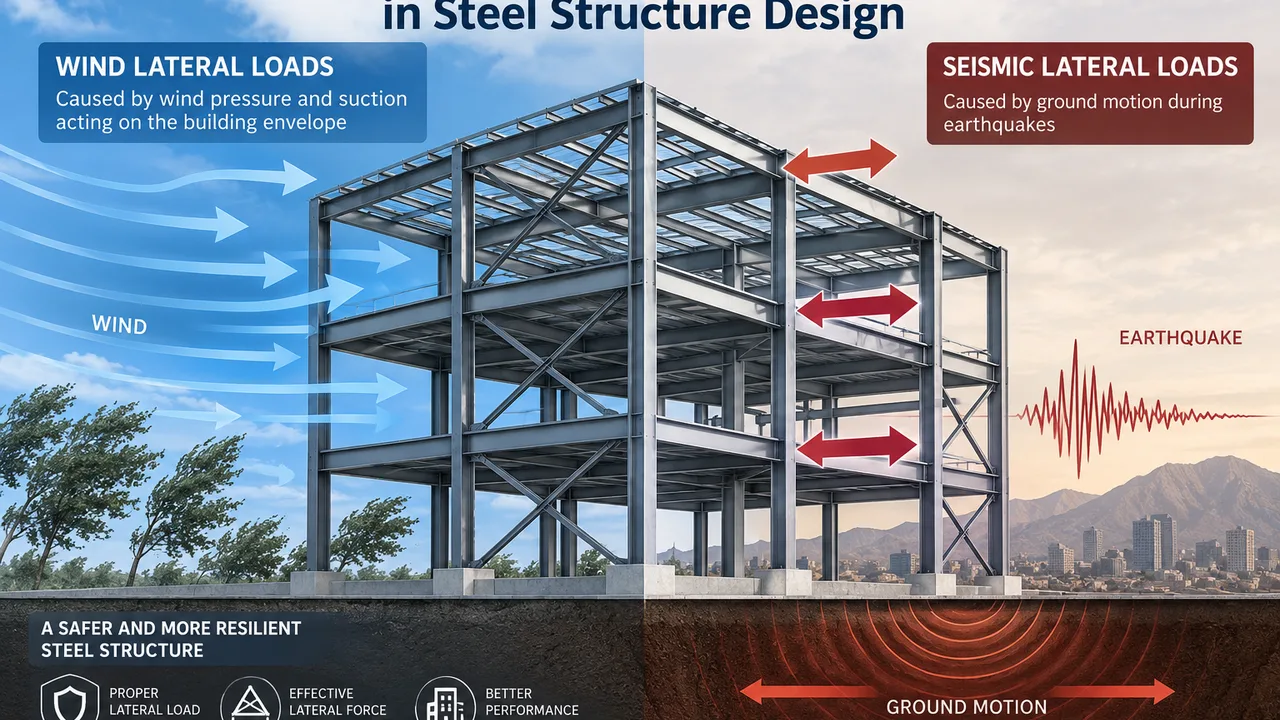
Engineering analysis forms the foundation of successful infrastructure fabrication. Structural calculations evaluate load conditions, environmental forces, fatigue requirements, and safety factors.
Accurate analysis helps ensure that fabricated components perform reliably throughout the intended service life of the structure.
Detailing and Shop Drawings
Before fabrication begins, detailed shop drawings are prepared to define dimensions, connections, welding requirements, and manufacturing procedures.
These drawings serve as the primary reference for fabrication teams and quality control personnel.
BIM and Project Coordination
Many infrastructure projects use Building Information Modeling (BIM) to improve coordination among engineers, contractors, fabricators, and project owners.
BIM workflows help identify potential conflicts early in the project, reducing costly changes during construction.
Steel Fabrication Process for Infrastructure Projects
Material Procurement
The fabrication process begins with selecting steel materials that satisfy project specifications and engineering requirements.
Material verification procedures confirm compliance with required grades, mechanical properties, and quality standards before production begins.
Cutting, Drilling, and Assembly
Modern fabrication facilities utilize CNC cutting machines, drilling equipment, and automated processing systems to achieve precise dimensional accuracy.
These technologies improve productivity while maintaining the consistency required for infrastructure construction.
Welding and Structural Assembly
Welding plays a critical role in infrastructure steel fabrication. Certified welding procedures help ensure that structural connections achieve the required strength and performance.
Assembly operations are closely monitored to maintain dimensional accuracy and structural integrity throughout production.
Corrosion Protection and Surface Treatment
Hot-Dip Galvanizing
Many infrastructure projects utilize hot-dip galvanizing to provide long-term protection against corrosion.
The zinc coating creates a durable barrier that helps protect steel components in outdoor environments and harsh weather conditions.
Protective Coating Systems
Industrial coating systems are often applied when projects require additional environmental protection. These systems may be designed for:
- Coastal environments
- Industrial facilities
- Transportation infrastructure
- Utility structures
Protective coatings help improve durability and reduce maintenance requirements throughout the structure’s life cycle.
Durability Considerations
Long-term durability is a major consideration in infrastructure projects because structures are expected to remain operational for decades.
Proper surface treatment strategies help extend service life while reducing lifecycle maintenance costs.
Quality Control in Infrastructure Steel Fabrication
Material Inspection
Quality control begins with incoming material inspection. Verification procedures confirm that steel materials meet project requirements before fabrication activities start.
Material traceability systems help maintain quality documentation throughout the production process.
Dimensional and Welding Inspection
Fabricated components undergo dimensional verification and welding inspections to ensure compliance with engineering specifications.
Inspection methods may include visual inspection, ultrasonic testing, magnetic particle testing, and other non-destructive testing procedures.
Compliance with Infrastructure Standards
Infrastructure projects often require compliance with national and international structural standards, welding codes, and project-specific specifications.
Meeting these requirements helps ensure structural reliability and project approval.
Logistics and Delivery for Infrastructure Projects
Transportation Planning
Many infrastructure components are oversized and require specialized transportation planning. Delivery routes, lifting requirements, and installation sequencing must be considered before shipment.
Effective logistics management helps prevent delays and supports efficient project execution.
Export and International Shipping
International infrastructure projects often involve long-distance transportation. Proper packaging, documentation, and shipping coordination help protect fabricated components during transit.
Export planning also helps ensure compliance with international transportation requirements.
Installation Support
Technical support during installation can help improve construction efficiency and reduce project risks.
Engineering teams may provide guidance regarding assembly procedures, connection requirements, and field coordination.
Benefits of Steel Fabrication for Infrastructure
- High strength-to-weight ratio
- Efficient construction schedules
- Excellent design flexibility
- Long-term structural durability
- Scalable solutions for large projects
- Reliable factory-controlled quality
These advantages make fabricated steel one of the most widely used materials in modern infrastructure development.
Why Choose XTD Steel Structure for Infrastructure Steel Fabrication
Advanced Fabrication Facilities
Modern fabrication equipment, CNC processing systems, and quality management procedures support efficient production for infrastructure projects of various sizes and complexities.
Engineering Expertise
Successful infrastructure projects require close coordination between engineering, fabrication, logistics, and installation teams.
Experienced engineering support helps ensure that fabricated components meet demanding structural and operational requirements.
Global Project Capability
XTD Steel Structure provides comprehensive fabrication support for infrastructure projects, including engineering coordination, manufacturing, quality control, packaging, and international delivery.
With experience serving global markets, XTD Steel Structure helps clients execute infrastructure projects with reliable fabrication quality and professional project support.
Frequently Asked Questions
What is steel fabrication for infrastructure?
It is the process of manufacturing structural steel components used in bridges, transportation facilities, public infrastructure, and utility projects.
Which infrastructure projects use fabricated steel?
Common applications include bridges, airports, railway stations, transportation terminals, utility facilities, and government infrastructure projects.
How is quality controlled during fabrication?
Quality control includes material inspections, dimensional verification, welding inspections, non-destructive testing, and compliance reviews.
What corrosion protection methods are available?
Common options include hot-dip galvanizing, industrial protective coatings, and specialized corrosion-resistant surface treatment systems.
Start Your Infrastructure Steel Project
A professional provider of steel fabrication for infrastructure can help transform engineering concepts into durable structural solutions. Through coordinated engineering, precision manufacturing, strict quality control, and efficient logistics planning, fabricated steel supports the successful delivery of modern infrastructure projects.
Whether the project involves transportation facilities, public infrastructure, bridges, or utility systems, working with an experienced fabrication partner helps ensure quality, reliability, and long-term performance.